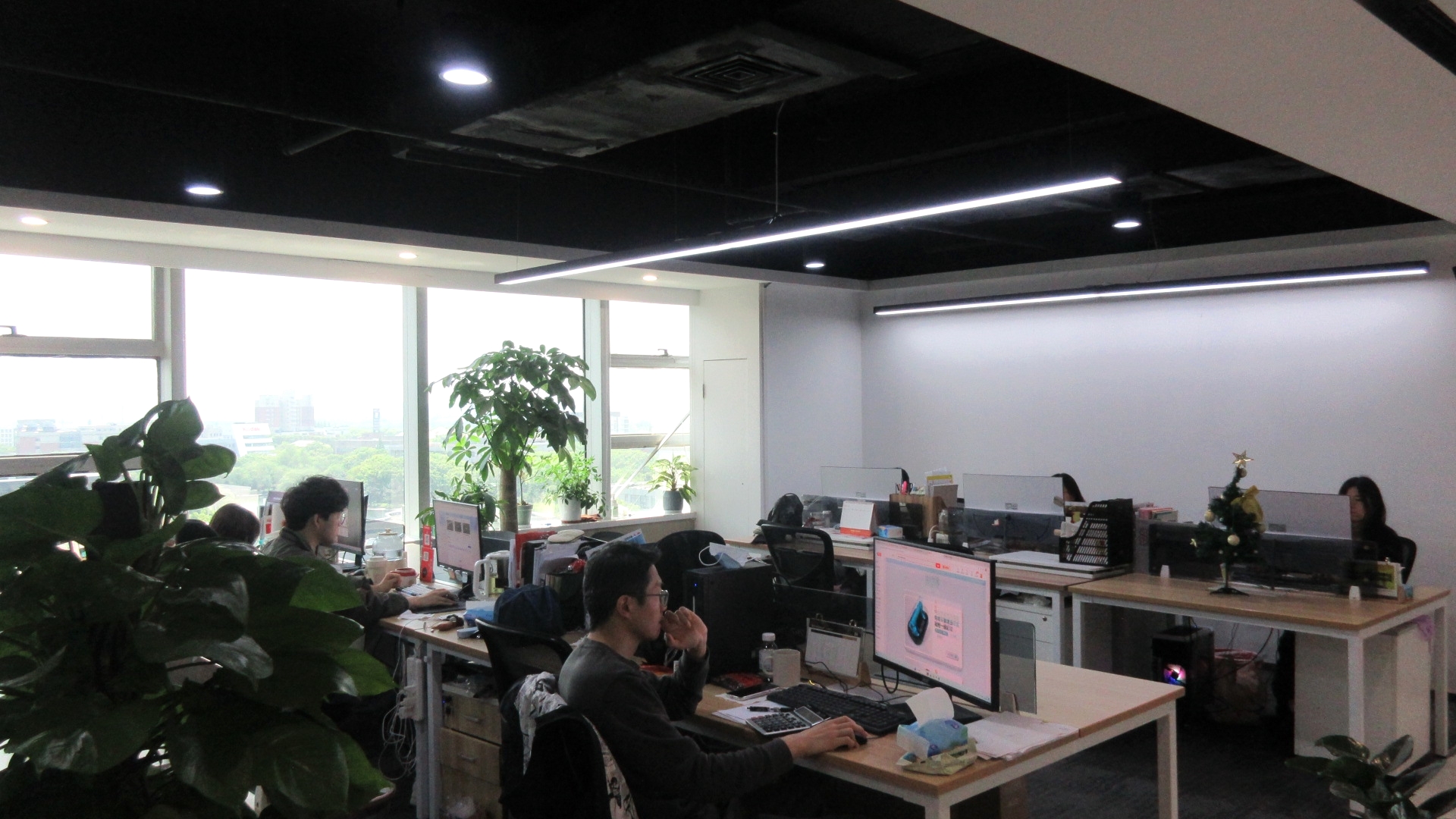
Underlayment CDX Plywood: Specification, Supply & Procurement
A practical guide for importers, distributors and contractors comparing exterior-glue CDX panels for roof sheathing, subfloors, wall bracing and renovation underlayment.
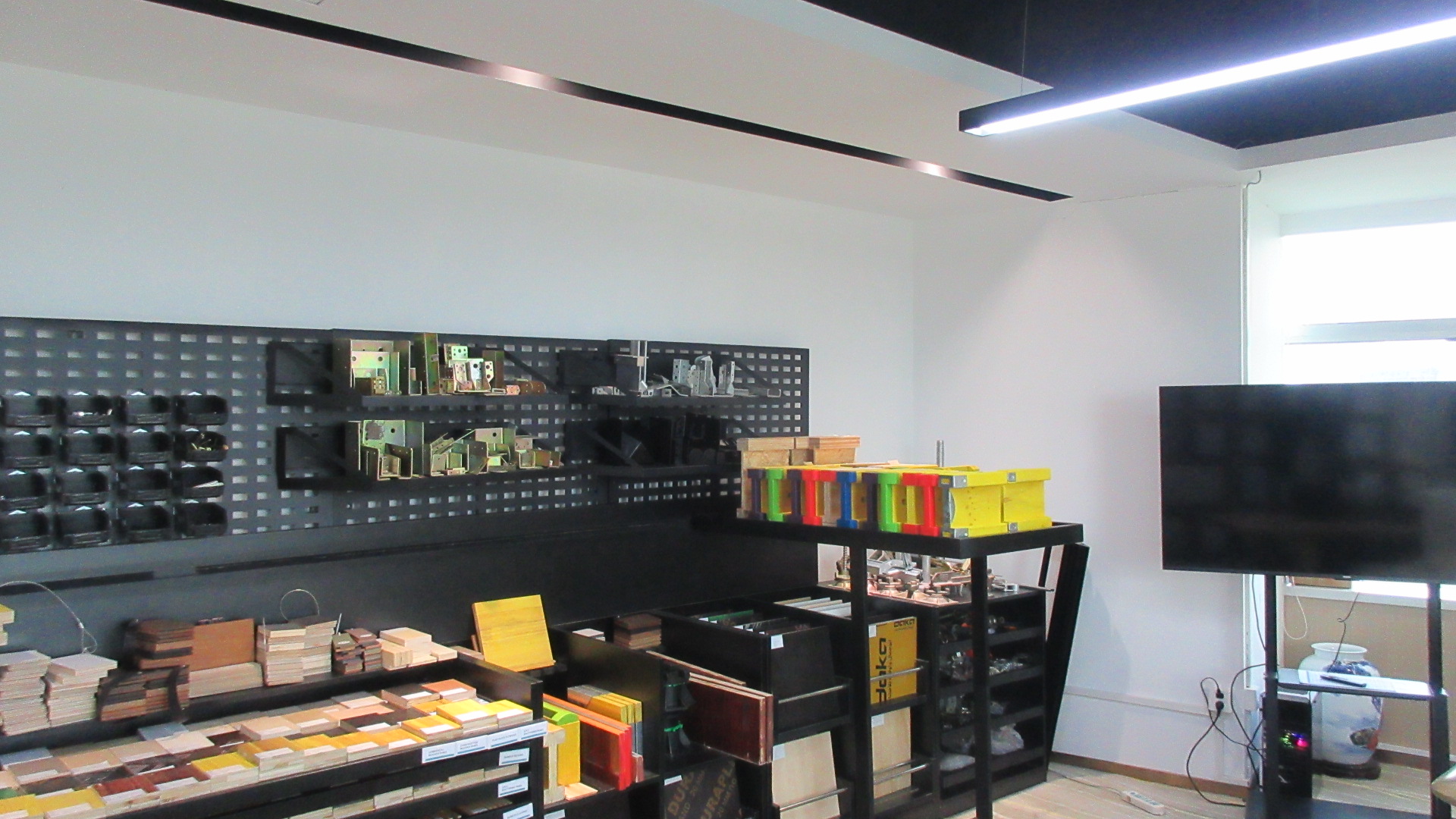
Verified Production for CDX Underlayment Buyers
Review veneer selection, glue type, pressing, calibration and pre-shipment inspection before approving a structural plywood order.
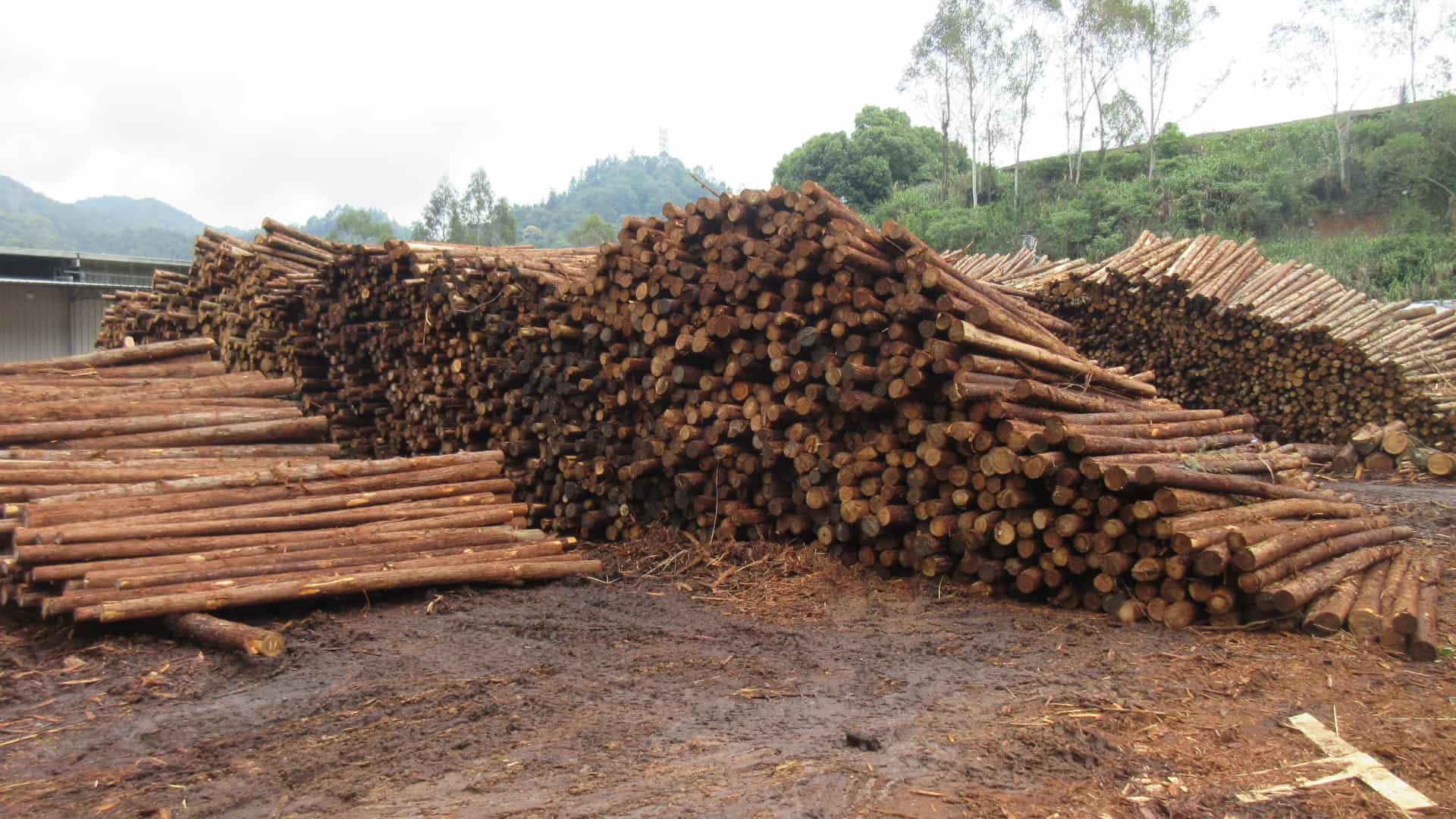
Stable Lead Times, Export-Ready Packing
Share thickness, span rating, glue, panel size and destination port to receive a specification-based quotation and loading plan.
Years of Export Experience
Wood panel supply since 2008.
Monthly Plywood Capacity
Output from the affiliated mill.
Complete Production Lines
Peeling, pressing, calibrating and sanding.
Thickness Range
Multiple glue and grade options.
What Is Underlayment CDX Plywood?
Underlayment CDX plywood is a structural wood panel made from odd-numbered layers of wood veneer bonded with exterior glue. It is widely used as roof sheathing, subfloor underlayment, wall sheathing and a practical substrate for renovation work where an economical, load-bearing panel is required.
CDX Letters Decoded
In the traditional North American grade description, C refers to the face veneer grade, D to the back veneer grade and X to exterior glue. The panel is designed for structural use where moisture exposure during construction is expected, but it is not a marine-grade panel.
Thickness and Span Ratings
CDX plywood is available in imperial and metric thicknesses, from thin underlayment panels to heavy subfloor grades. The right thickness depends on joist or rafter spacing, load requirements, code compliance and the span rating printed on the panel.
Moisture Resistance, Not Waterproofing
Exterior glue improves bond durability under intermittent moisture exposure, but CDX should be protected by roofing, wall cladding, flooring systems or suitable coatings. Buyers should confirm storage, installation and wet-weather protection requirements.
Applications That Fit
Typical applications include roof decks, subfloors, wall bracing, soffits, temporary works and renovation underlayment. For finish flooring, confirm the flooring manufacturer's flatness, thickness and underlayment requirements before ordering.
For international procurement teams, the phrase underlayment CDX plywood can describe several different requirements. A distributor may need a sanded panel for residential subfloors; a contractor may need span-rated roof sheathing; a renovation buyer may need thin underlayment sheets for floor flattening; and an industrial user may request a custom panel size for modular construction. Each application affects thickness, veneer grade, glue type, surface finish, packaging and loading efficiency.
Shanghai Dorni International Trading Co., Ltd. supports buyers by reviewing the intended application before quoting. The export team can discuss grade stamps, face and back grades, exterior glue, thickness tolerance, panel dimensions, edge condition, moisture content and destination-market requirements. This specification-first approach reduces the risk of receiving a panel that is structurally sound but unsuitable for the final installation.
Recommended Underlayment CDX Plywood Specifications by Application
The following recommendations are a starting point for buyer discussions. Final selection should follow local building codes, engineer requirements and the installation instructions of the roofing, flooring or cladding system.
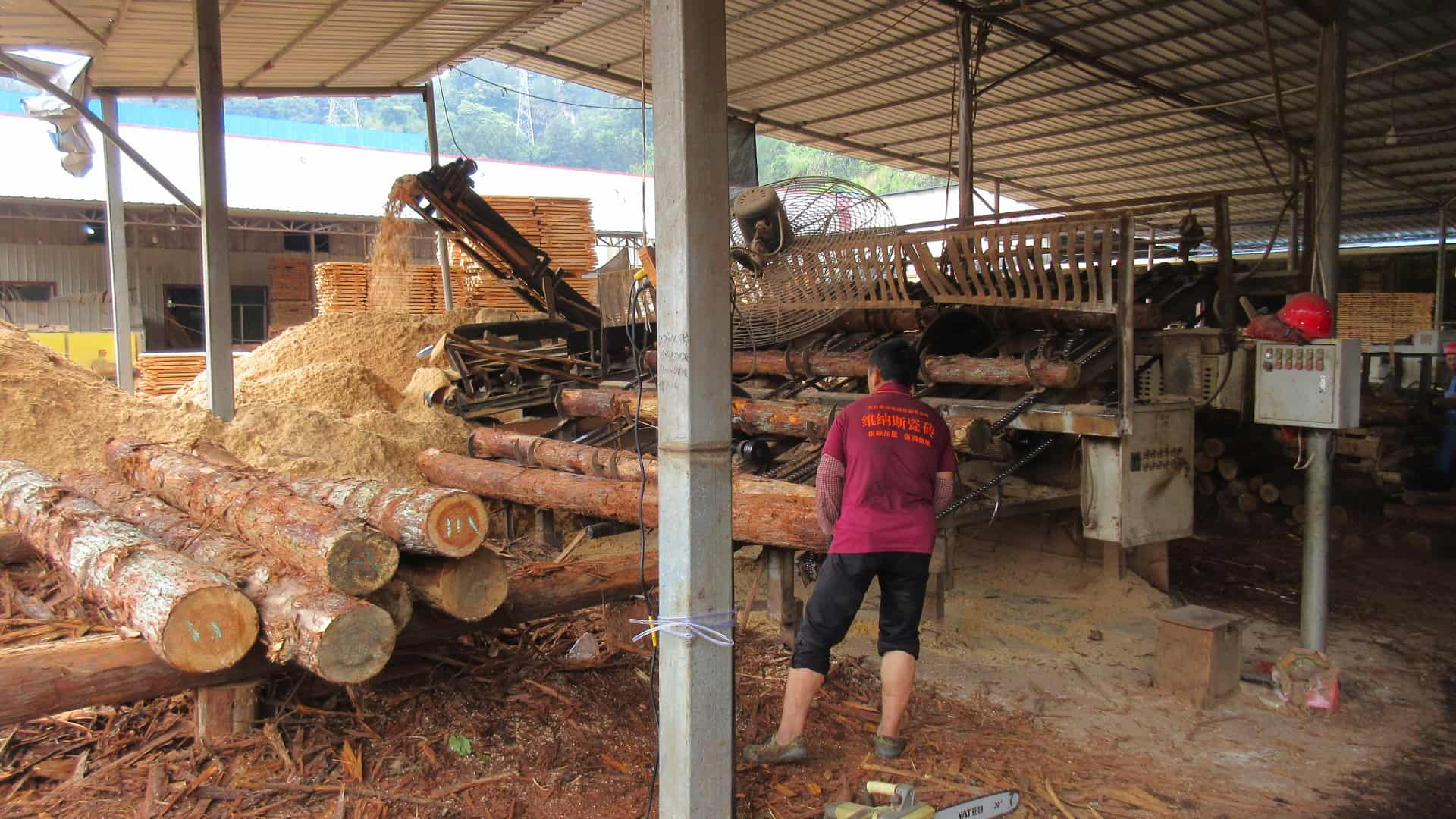 ROOF
Roof Sheathing CDX, 7/16 in / 11 mm
For roof decks where local code recognises span-rated CDX panels. Confirm rafter spacing, wind uplift requirements, nail spacing and edge support before ordering.
View CDX Range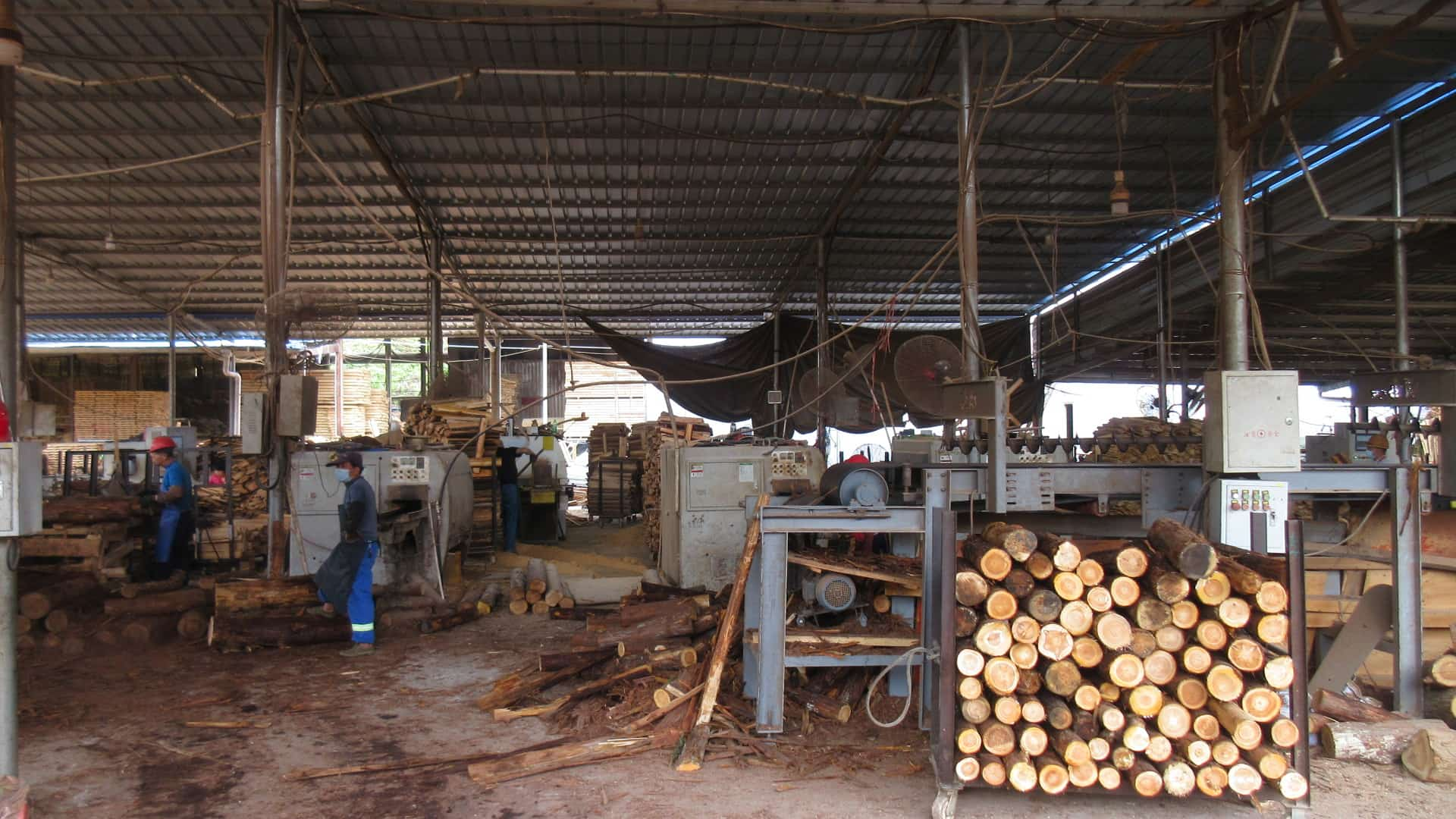 FLOOR
Subfloor CDX, 23/32 in / 18 mm
For floor decks requiring greater stiffness and load capacity. Available with square or tongue-and-groove edges, subject to production schedule and order quantity.
View CDX Range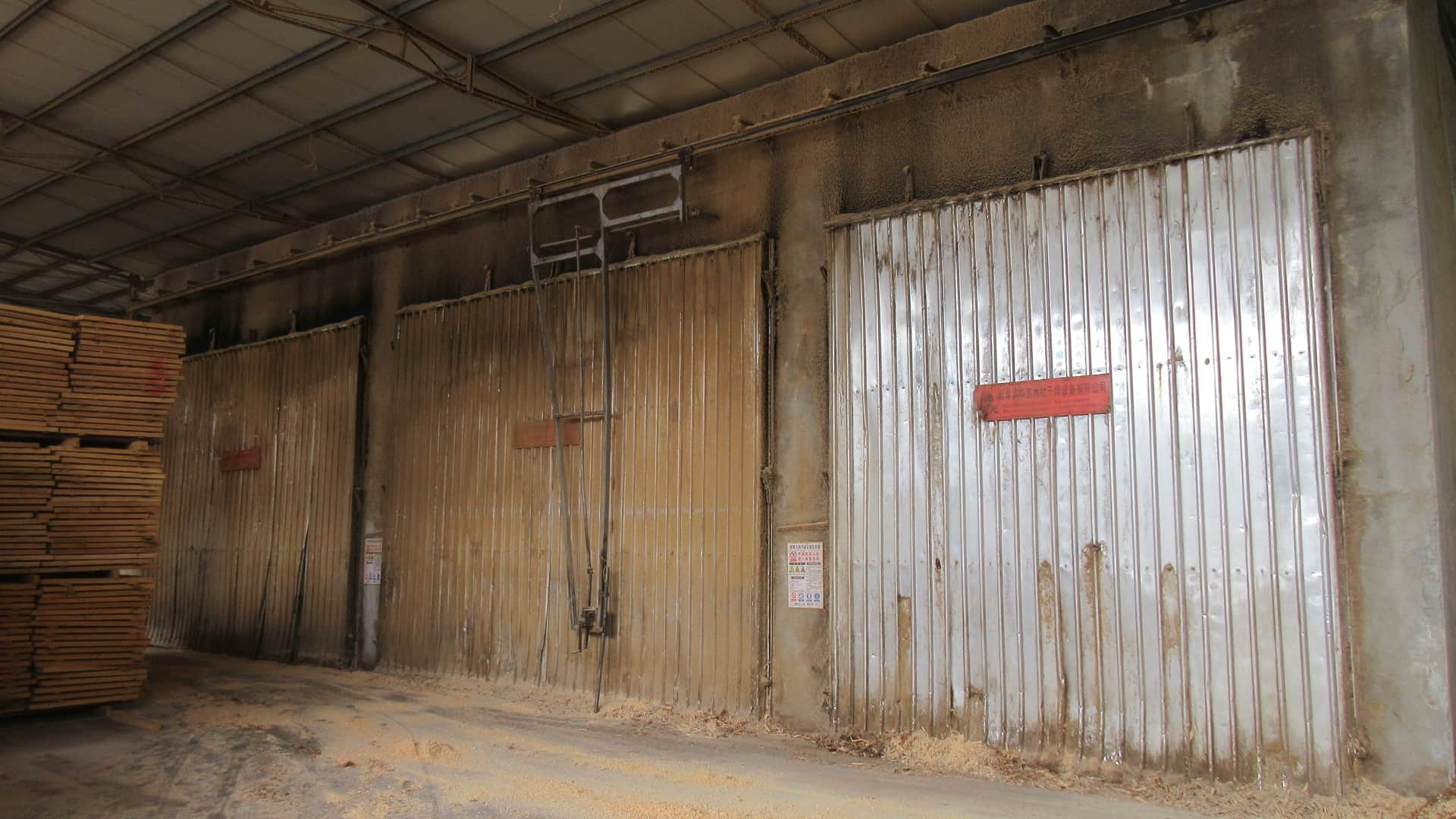 WALL
Wall Sheathing CDX, 3/8 in / 9 mm
An economical panel for wall bracing, sheathing and structural diaphragms where permitted by design. Grade and span markings should match the engineer's specification.
View CDX Range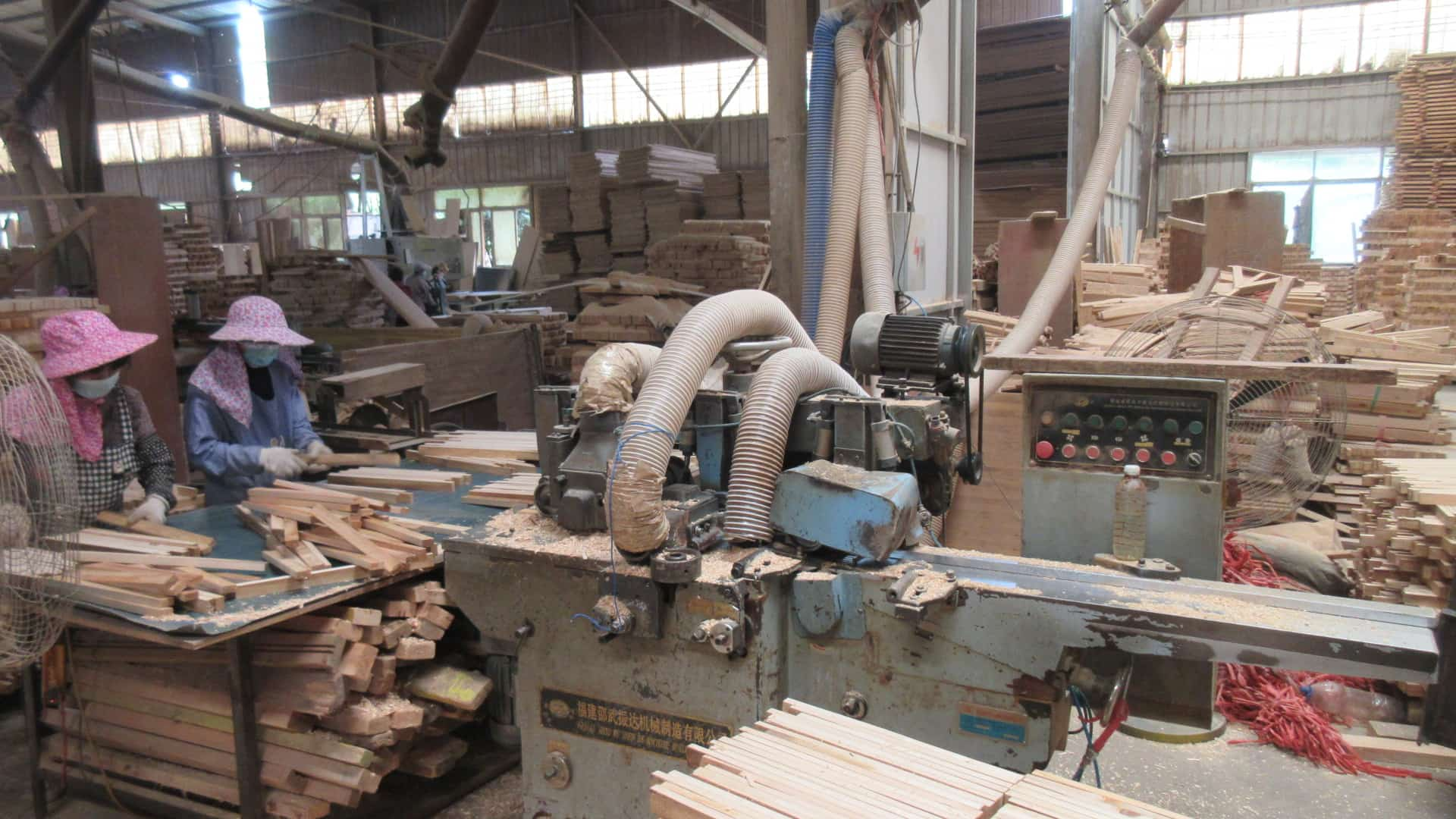 RENOVATION
Renovation Underlayment CDX, 1/4 in / 6 mm
For flattening and smoothing in some renovation applications. Check whether a structural panel or a dedicated flooring underlayment is required for the finished floor system.
View CDX Range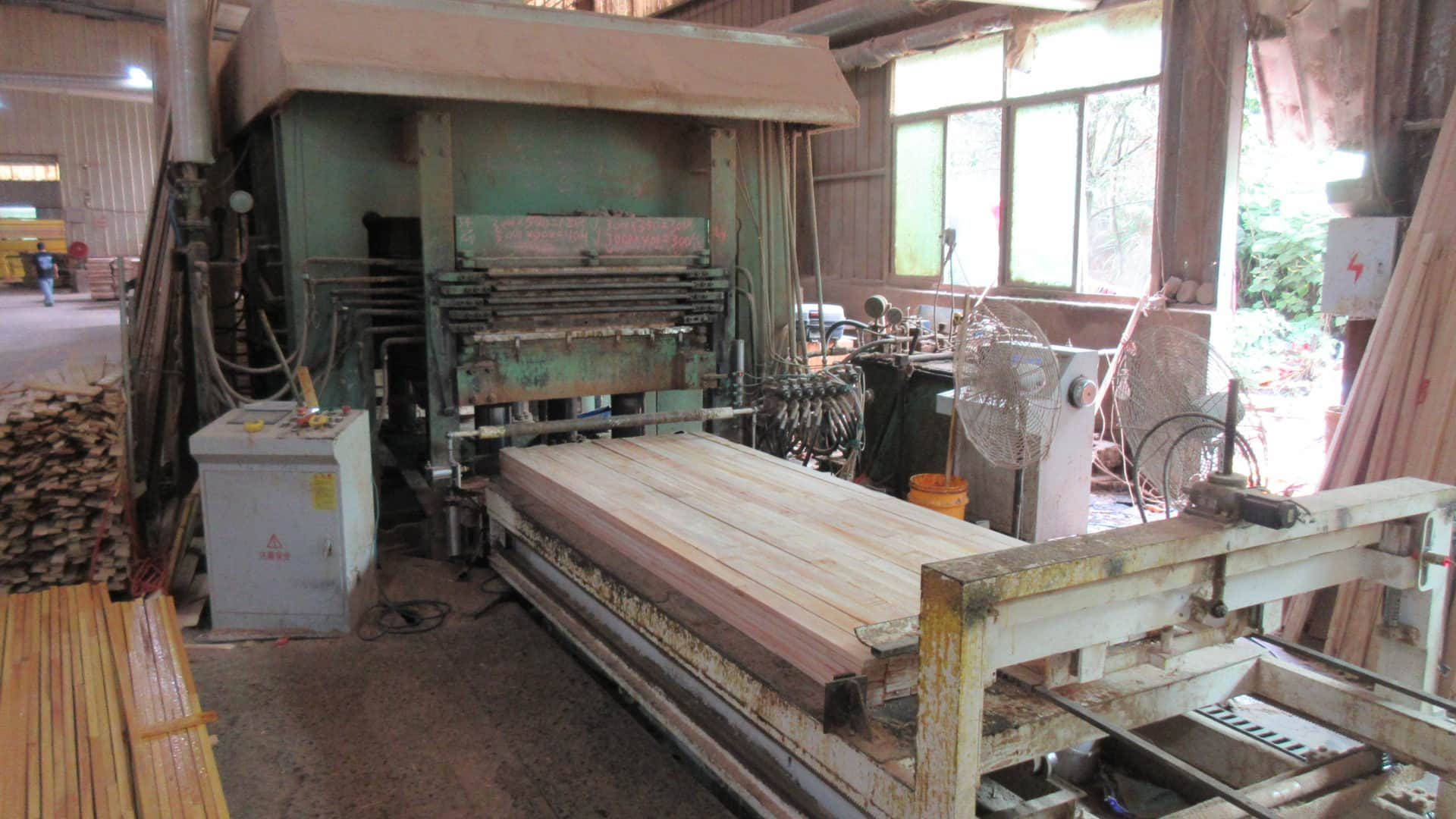 EXTERIOR
Exterior Glue CDX for Humid Markets
For buyers in humid or coastal climates, exterior glue and protected installation are essential. Edge sealing, packaging and moisture-control measures can be discussed for long sea transit.
View CDX Range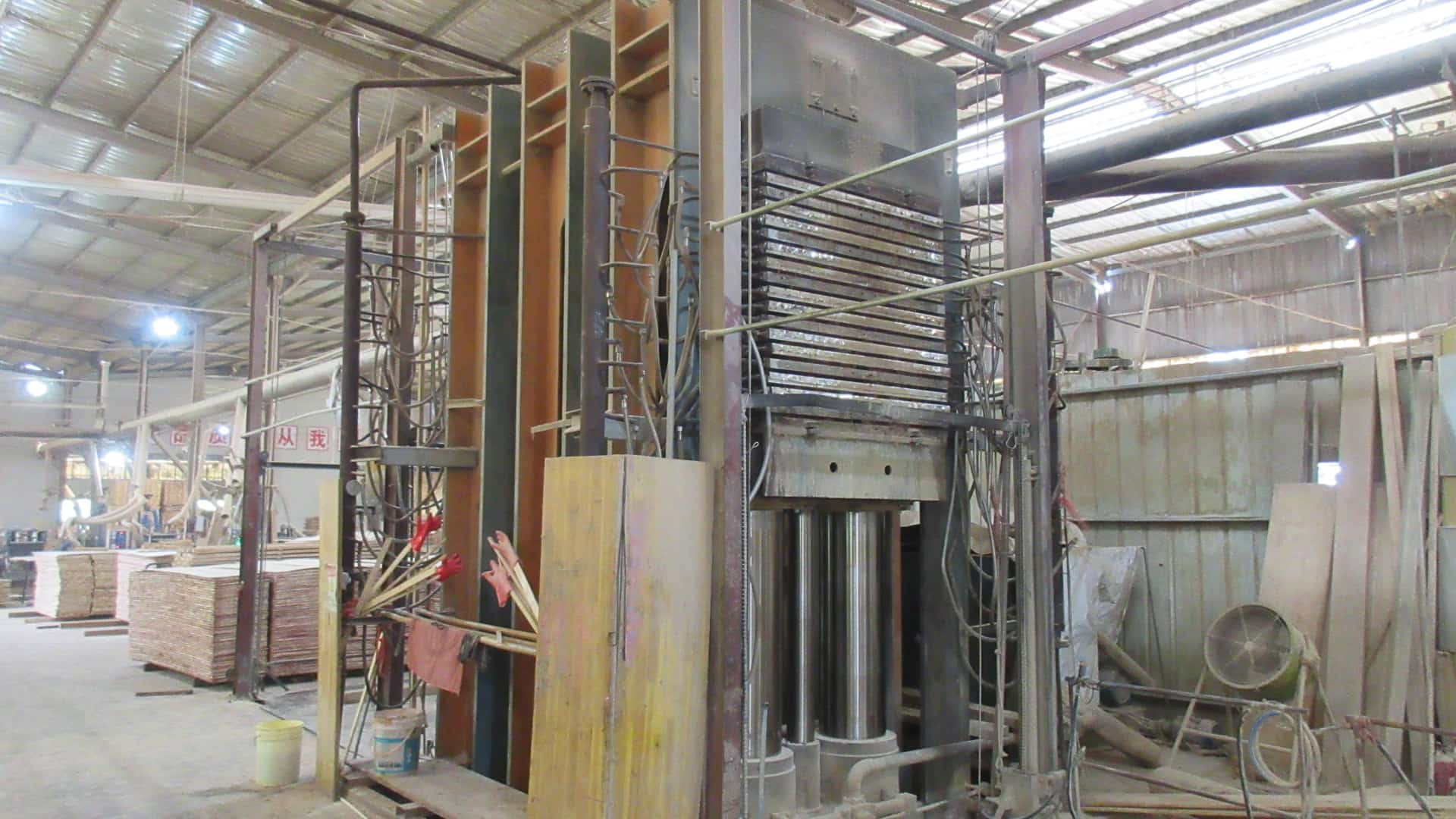 OEM
Custom Sizes and Private-Label CDX
Distributors and project buyers can discuss custom panel sizes, grade combinations, edge treatment, bundle marking, packaging and private-label requirements.
View CDX RangeUnderlayment CDX Plywood Thickness, Span and Application Guide
Use this reference to prepare a more accurate quotation request. Final specifications must be confirmed against the project drawings, local code and the requirements of the finished roofing or flooring system.
| Application | Typical Thickness | Common Panel Size | Glue / Exposure | Buyer Verification Point |
|---|---|---|---|---|
| Roof Sheathing | 7/16 in / 11 mm; 15/32 in / 12 mm | 1220 × 2440 mm | Exterior glue; exposure 1 as specified | Confirm span rating, rafter spacing, grade stamp and edge support. |
| Residential Subfloor | 19/32 in / 15 mm; 23/32 in / 18 mm | 1220 × 2440 mm | Exterior glue | Check joist spacing, tongue-and-groove requirement and floor flatness. |
| Wall Sheathing and Bracing | 3/8 in / 9 mm; 7/16 in / 11 mm | 1220 × 2440 mm | Exterior glue | Confirm shear design, nailing pattern and local code acceptance. |
| Renovation Underlayment | 1/4 in / 6 mm; 3/8 in / 9 mm | 1220 × 2440 mm or cut size | Exterior glue | Check whether the finished flooring manufacturer accepts CDX as underlayment. |
| Soffit and Eaves Panels | 3/8 in / 9 mm; 7/16 in / 11 mm | 1220 × 2440 mm | Exterior glue | Plan edge sealing and coating for exposed or high-humidity conditions. |
| Light Structural Underlayment | 11 mm; 12 mm | 1220 × 2440 mm | Exterior glue | Confirm load requirements and whether a sanded surface is needed. |
| Heavy-Duty Floor Deck | 23/32 in / 18 mm; 1 in / 25 mm | 1220 × 2440 mm | Exterior glue | Review point loads, joist spacing, adhesive schedule and panel supports. |
| Custom Project Panels | To drawing | Cut-to-size or project-specific | Per specification | Provide drawings, tolerance, marking, packing and destination requirements. |
Thickness, span rating and code compliance vary by market. Always confirm the panel standard, grade stamp and installation requirements with a qualified engineer or local authority before ordering. CDX is not a substitute for marine plywood or permanent exposed exterior cladding.
Underlayment CDX Plywood Procurement Trends for 2026–2030
Global buyers are moving toward more transparent specifications, smaller trial orders, mixed-product containers and stronger documentation. Understanding these shifts helps distributors and contractors plan inventory without overcommitting to a single grade.
Compliance-First Purchasing
Buyers increasingly request grade stamps, FSC documentation, CE marking, test reports and SGS assessment records. The cheapest panel is no longer the default choice when a shipment can be delayed by non-compliant documentation.
Smaller Trial Orders
Importers are testing new specifications with smaller first orders and mixed containers before committing to repeat volumes. Suppliers that can advise on container utilisation and packaging help buyers reduce inventory risk.
Total Landed Cost Focus
Procurement teams are comparing more than FOB price per cubic metre. Thickness tolerance, panel flatness, damage rates, edge protection, loading efficiency and claim risk all influence the real landed cost.
Climate and Moisture Resilience
Demand is rising for exterior glue, moisture-controlled packaging and clear installation guidance in humid, coastal and tropical markets. Buyers want panels that perform predictably, not only panels with a low unit price.
Future Procurement Trends for Underlayment CDX Plywood
Future purchasing decisions will increasingly be driven by risk management and verification. Distributors will ask for batch-level photos, loading records, moisture content data and clear grade markings. Project buyers will request specification reviews before production, especially when CDX panels must coordinate with roofing membranes, floor underlayments, adhesives and fasteners. Mixed-specification containers and multi-grade orders will become more common as importers seek to serve several customer segments while controlling working capital.
Digital quotation and specification sheets will become part of the buying process. Instead of trading only on thickness and price, serious suppliers will help buyers compare span ratings, veneer quality, glue type, edge condition and packaging. This information gain reduces claims and shortens approval cycles. Shanghai Dorni International Trading Co., Ltd. supports this trend by giving buyers access to export experience, mill capacity, certification documentation and pre-shipment inspection follow-up.
Product Development Trends
Panel development is moving toward better dimensional stability, cleaner surfaces, improved exterior glue systems, lower formaldehyde options and more consistent thickness control. For underlayment CDX plywood, the key improvements are reliable calibration, tighter edge quality, reduced veneer defects and packaging designed for long sea freight. There is also growing interest in clear product traceability, FSC-certified material and documentation that connects the finished panel to controlled production and inspection records.
At the same time, alternative sheathing panels continue to compete with CDX in some markets. The strongest CDX suppliers will respond by clarifying where plywood offers an advantage: structural familiarity, nail-holding performance, dimensional behaviour, availability of large panels and compatibility with common construction methods. Buyers should compare the full system, not only the panel, and should request samples where surface finish or stiffness is critical.
Shanghai Dorni International Trading Co., Ltd.: A Specification-Led CDX Supply Partner
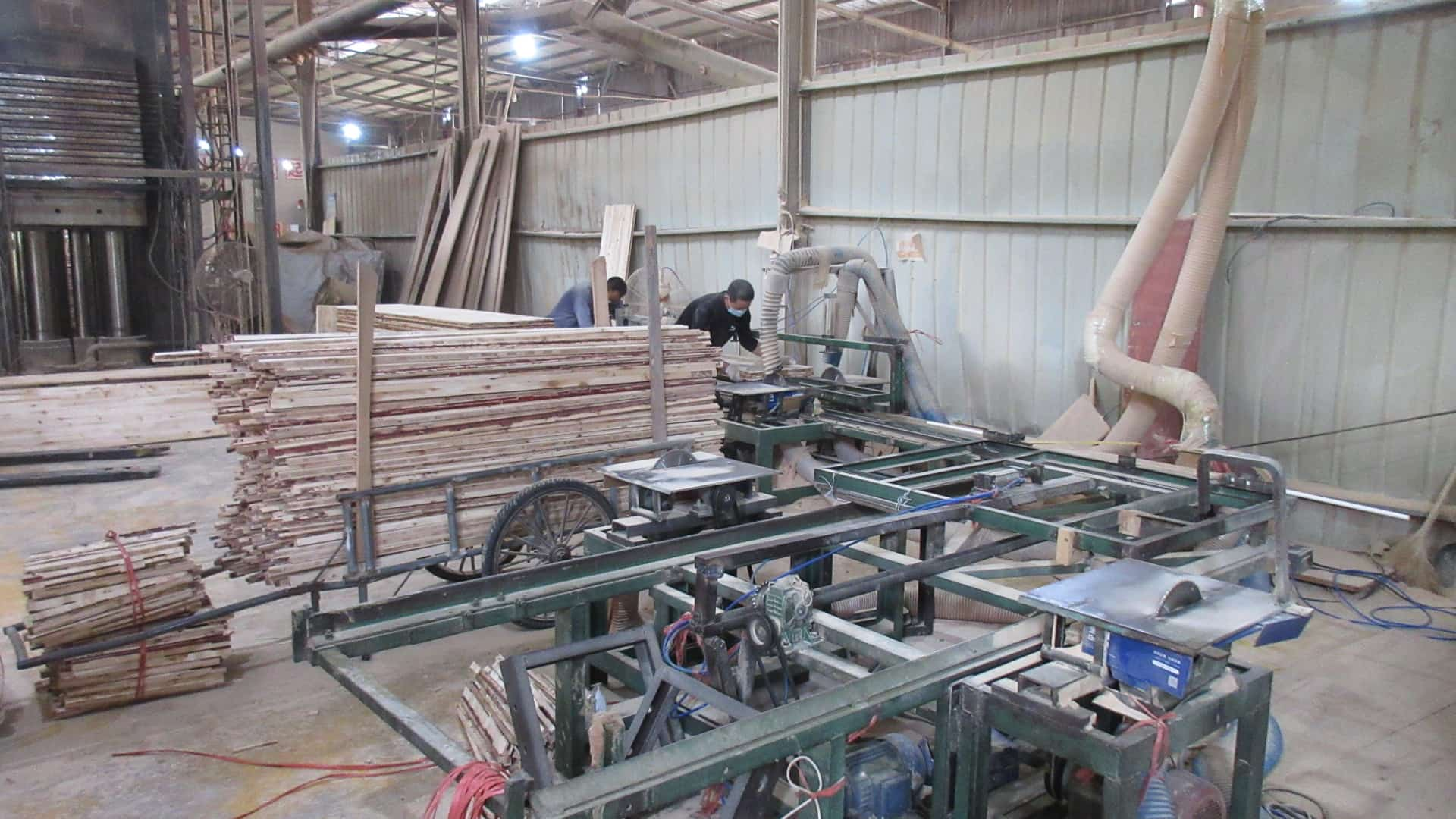
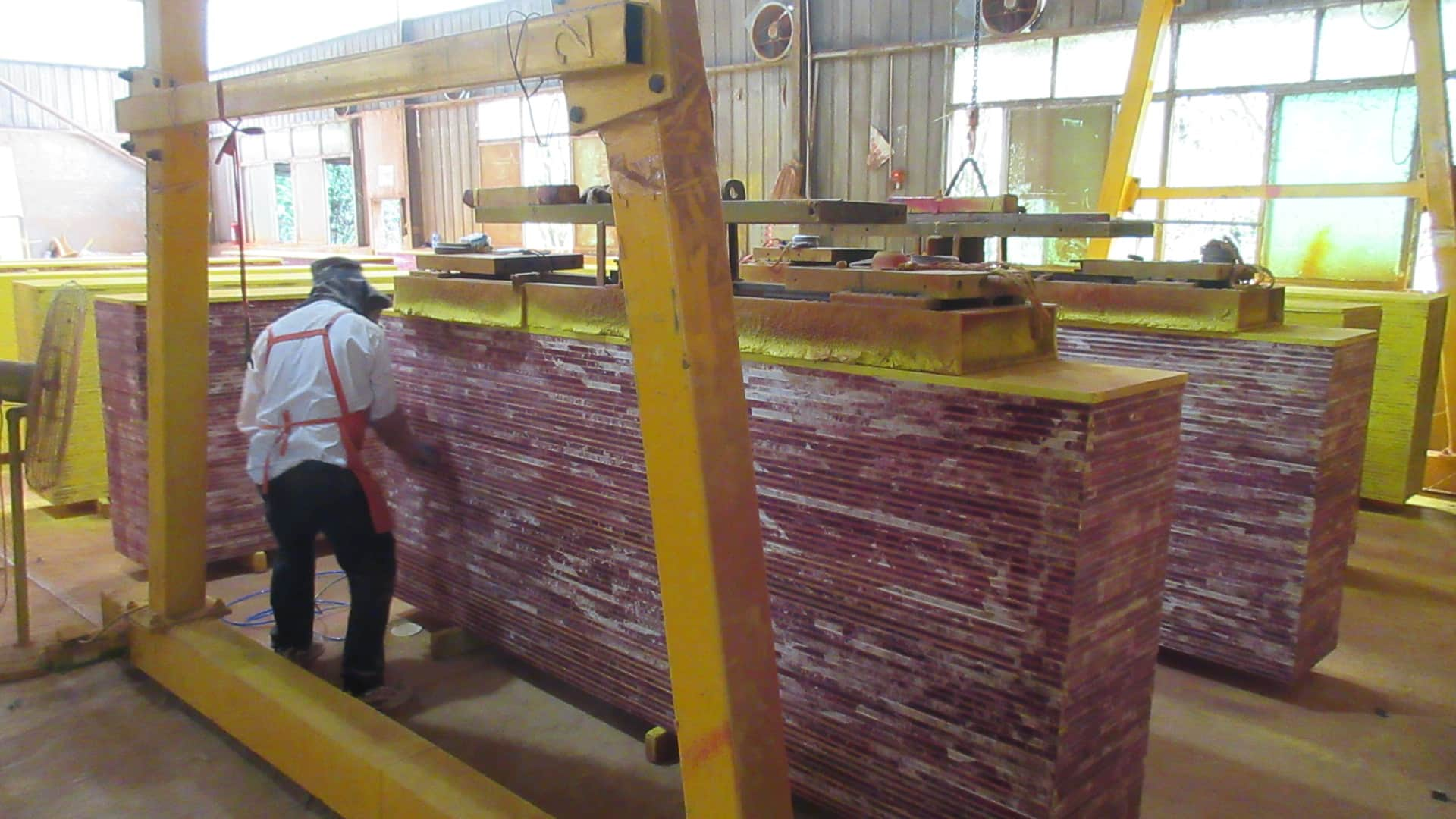
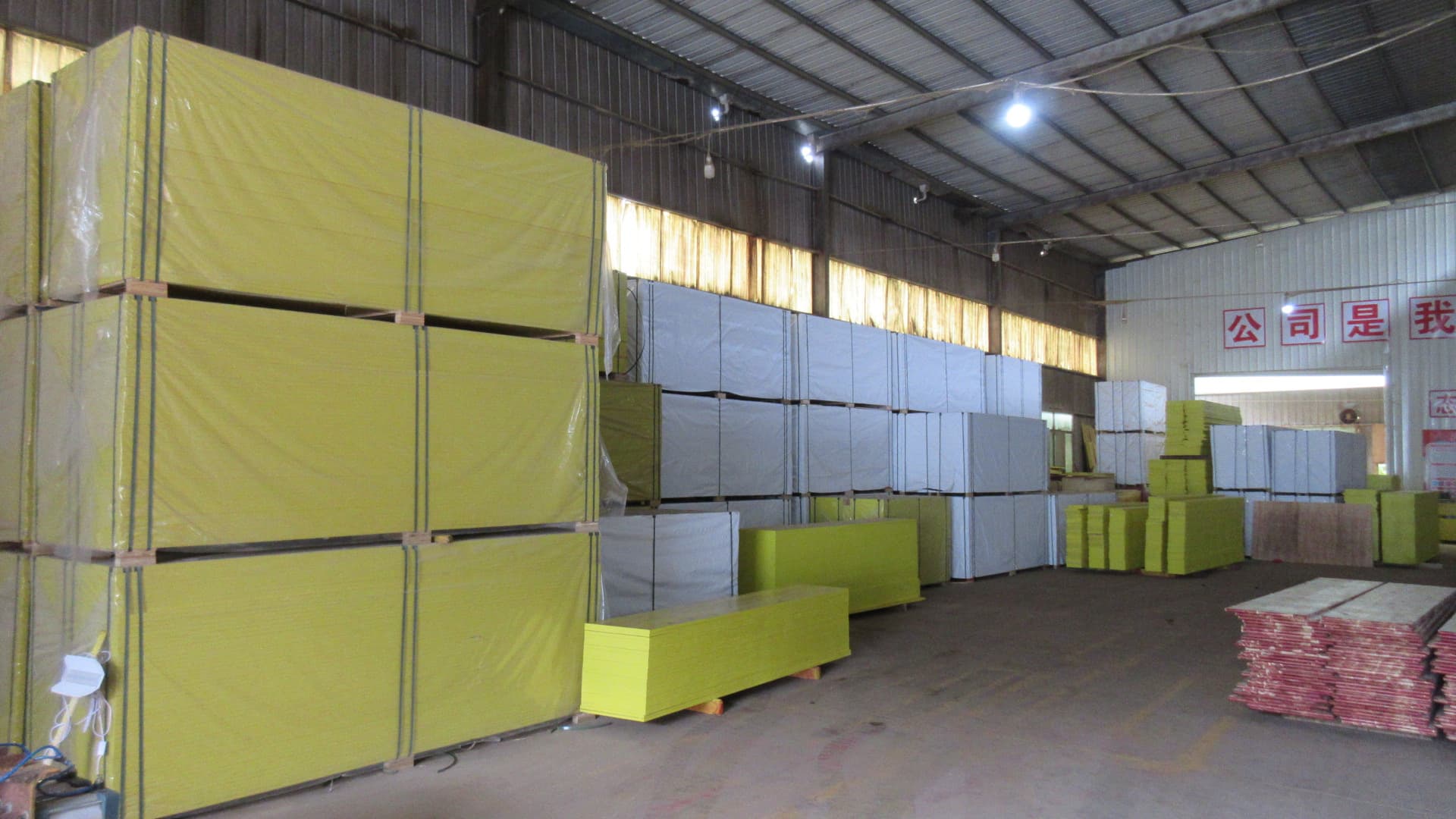
Shanghai Dorni International Trading Co., Ltd. is a Shanghai-based export supplier of plywood and building materials, supported by an affiliated mill in Dangshan County, Anhui Province. The mill operates three complete production lines covering veneer peeling, drying, glue lay-up, cold and hot pressing, double-side calibration, sanding and container loading platforms.
With monthly plywood capacity of around 6,000 m³, the company supports importers, distributors, contractors and project buyers across North America, Europe, the Middle East, Africa and Asia. Production is managed under ISO 9001, controlled to CE requirements and supported by FSC-certified material when requested. The company has also been assessed on-site by SGS Group.
- 18+ years of export experience
- Raw material inspection on site
- Finished goods checked before loading
- Sample-based and custom production
- Logo, marking and packaging support
- Container loading follow-up
Watch the Factory Tour
Verified by SGS Group
Quality Systems Behind Every CDX Plywood Shipment
Third-party certification, documented production steps and pre-shipment checks help buyers verify what they are purchasing before the container leaves China.
ISO 9001
Mill managed under an ISO 9001 quality system.

CE Marking
Production controlled to CE requirements for wood-based panels.

FSC Certified
Responsibly sourced timber available on request.

SGS Assessed
On-site supplier assessment by SGS Group.
EN 314-2 Bonding
Bond quality can be discussed for exterior and specialty products.
How Plywood for CDX Underlayment Orders Is Produced
Log Peeling
Rotary peeling to controlled veneer thickness.
Veneer Drying
Moisture brought to target before lay-up.
Glue & Lay-up
Glue type selected to the buyer's exposure requirement.
Cold & Hot Press
Controlled pressure and temperature cycles.
Calibrate & Sand
Double-side calibration for consistent thickness.
Grade & Mark
Panel grade, size and buyer marking checked.
QC & Loading
Final inspection and container loading follow-up.
Underlayment CDX Plywood Questions Global Buyers Ask
These answers address the practical questions procurement teams and contractors ask before requesting a quotation or approving a sample.
What does CDX mean, and is underlayment CDX plywood waterproof?
CDX describes a plywood panel with C-grade face veneer, D-grade back veneer and exterior glue. It is moisture resistant during construction and in protected service, but it is not a marine-grade or fully waterproof panel. It should not be left exposed to weather for long periods, and edges should be protected or sealed where moisture exposure is expected.
Which thickness of underlayment CDX plywood should I use for roof sheathing, subfloor or walls?
Thickness depends on span, rafter or joist spacing, local building code and the panel span rating. Common CDX thicknesses include 7/16 in or 11 mm for roof sheathing, 15/32 in or 12 mm for general sheathing, 19/32 in or 15 mm for heavier subfloors and 23/32 in or 18 mm for floor decks subject to higher loads. Always confirm the required span rating with a qualified engineer or local code before ordering.
Is CDX plywood suitable as underlayment for vinyl, tile or laminate flooring?
CDX can be used as a structural subfloor or as an economical underlayment in some renovation applications, but finish flooring manufacturers often require a specific underlayment panel, surface flatness and moisture content. For vinyl, tile or laminate, confirm compatibility with the flooring system and use an appropriate sanded panel where a smooth surface is required.
Can Shanghai Dorni International Trading Co., Ltd. supply FSC, CE, ISO 9001 or SGS-verified CDX plywood?
The affiliated mill is managed under ISO 9001, production is controlled to CE requirements and FSC-certified material is available on request. Shanghai Dorni International Trading Co., Ltd. has also been assessed on-site by SGS Group. Buyers can request documentation and inspection records before shipment.
What is the minimum order quantity, and can buyers mix specifications in one container?
Minimum order quantity depends on panel size, thickness, glue type and packaging. Standard plywood orders are often arranged in full container loads, while trial or mixed-specification containers can be discussed. Provide thickness, size, face and back grade, glue, quantity and destination port so the export team can confirm a practical loading plan.
How do you control thickness tolerance, moisture content and veneer quality?
Raw veneers are inspected before lay-up, and panels are calibrated and sanded on controlled production lines. The QC team checks thickness tolerance, moisture content, glue application, surface defects, edge condition and packing. Pre-shipment inspection photos and third-party inspection can be arranged on request.
Which ports do you ship from, and what Incoterms do you accept?
Shipments are usually loaded at Lianyungang or Qingdao port. Shanghai Dorni International Trading Co., Ltd. can quote FOB, CFR, CIF, EXW, FAS and CIP terms. Samples can be arranged by express delivery for buyer evaluation.
Why source underlayment CDX plywood from Shanghai Dorni International Trading Co., Ltd.?
Shanghai Dorni International Trading Co., Ltd. combines an experienced Shanghai export team with an affiliated plywood mill operating three complete production lines and 6,000 m³ monthly capacity. The team supports specification review, sample-based production, private-label packaging, certification documentation and container loading follow-up.
Send Your Underlayment CDX Plywood Requirements for a Fast Quotation
Share thickness, panel size, glue type, face and back grade, application, quantity, destination port and any certification or packaging requirements. Our export team will confirm the specification, sample requirement and container loading plan.
info@dorniplywoods.comPrefer to Verify First?
Review company profile, SGS assessment, trade capacity and credit information before placing an order.