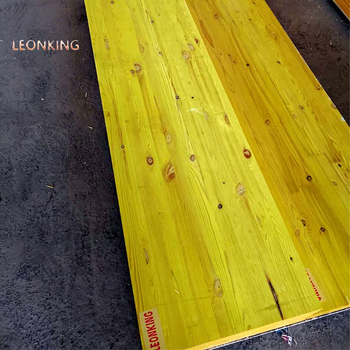
21 mm × 500 × 2000/2500 mm Yellow Panel
- CoreSpruce / fir / poplar
- SurfaceYellow phenolic film
- UseWall, column, column table
- MOQ7–50 m³

A practical buying guide for global formwork contractors, importers and distributors — covering panel construction, reuse, procurement trends, quality checks and factory-direct supply from Shanghai Dorni International Trading Co., Ltd.
A 3 ply yellow shuttering panel is a concrete formwork panel made from three wood veneers bonded together with a yellow resin film on both faces. The panel is designed for panel formwork systems used in walls, columns, foundations, beams and slab soffits. The yellow surface is not simply decorative: it helps reduce water absorption, improves concrete release, supports repeated cleaning and gives crews a visible surface for inspection before each pour.
Global buyers often ask whether a 3 ply yellow shuttering panel is the same as ordinary film faced plywood. The two products overlap, but they are not identical. A conventional film faced plywood is usually produced in larger sheets with many veneer layers and is used for general concrete shuttering, truck floors, containers, flooring and other structural applications. A 3 ply yellow shuttering panel is built around a three-veneer construction and narrow panel sizes that match European-style panel formwork, rental fleets and system formwork accessorized with H20 beams, clamps, walers and props. The narrower width is easier to handle, strip and reposition, while the thicker 21 mm or 27 mm section provides stiffness inside a steel or aluminium frame.
For procurement teams, the most useful question is not “which panel is cheapest per piece?” but “which panel gives the lowest cost per square metre of finished concrete surface over the planned number of pours?” That question links panel thickness, core quality, film performance, edge sealing, handling method and storage discipline. Shanghai Dorni International Trading Co., Ltd. prepared this guide for buyers who need to compare specifications, verify suppliers and reduce risk before placing a formwork order.
Reviewed by: Shanghai Dorni International Trading Co., Ltd. export engineering team. Contact: info@dorniplywoods.com.
Specifications below are typical starting points for quotation. Final selection should follow concrete pressure calculations, panel-system requirements and local handling rules.
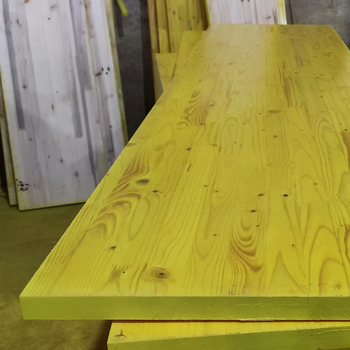

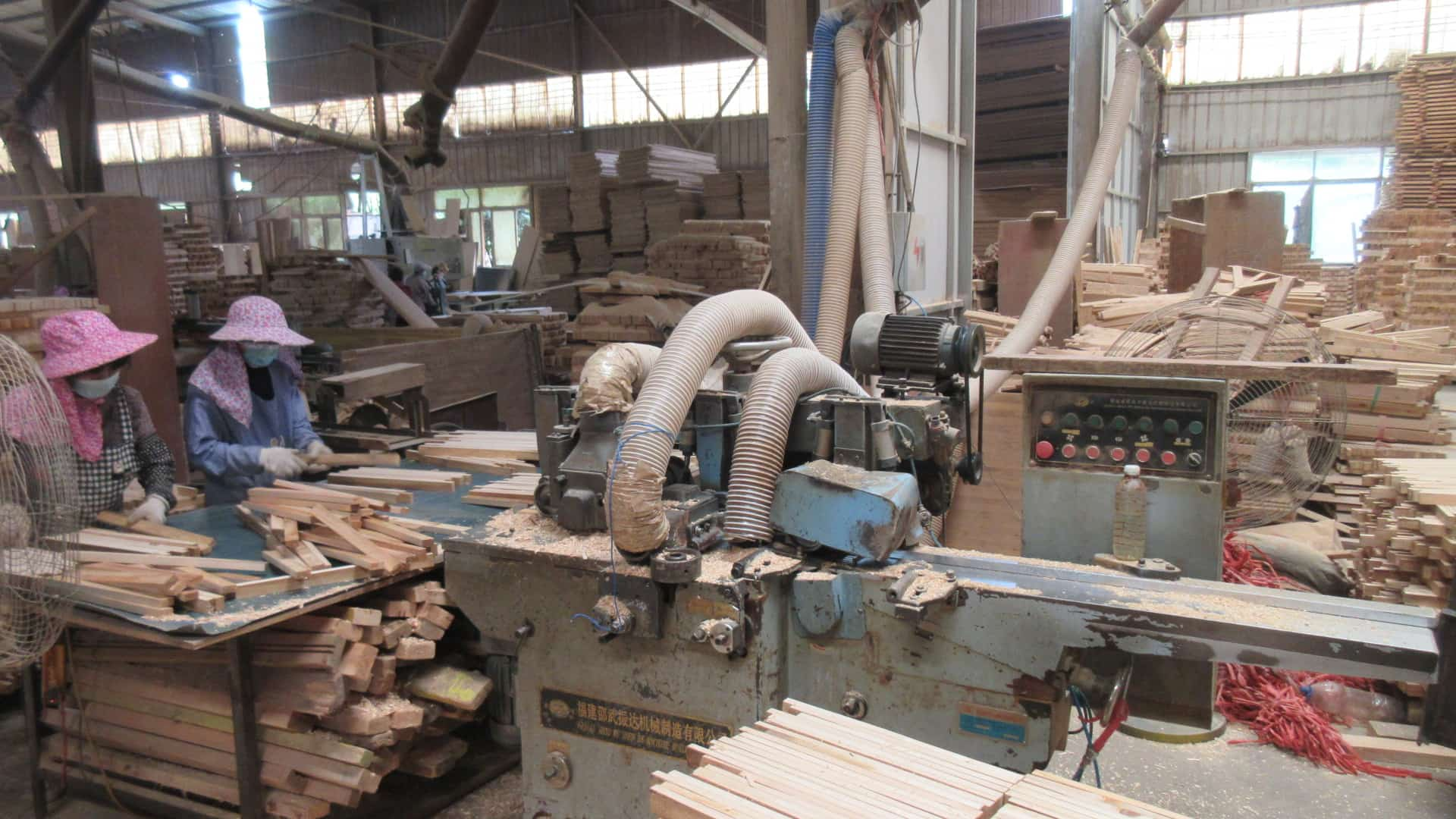
The specification should begin with the formwork system, not with a generic product name. A 21 mm panel used in a framed wall form has different stiffness and handling requirements from a 27 mm panel used for slab soffits or foundations. Buyers should confirm the panel width, length, thickness tolerance, core species, film type, glue class and edge treatment before comparing prices.
For repeated use, the core and bond line matter as much as the yellow coating. A dense, well-graded core helps hold screws and clamps; a controlled phenolic bond helps resist moisture during stripping and cleaning; sealed edges reduce water ingress at cut ends. In field conditions, poor storage and aggressive cleaning can shorten panel life faster than normal concrete pressure.
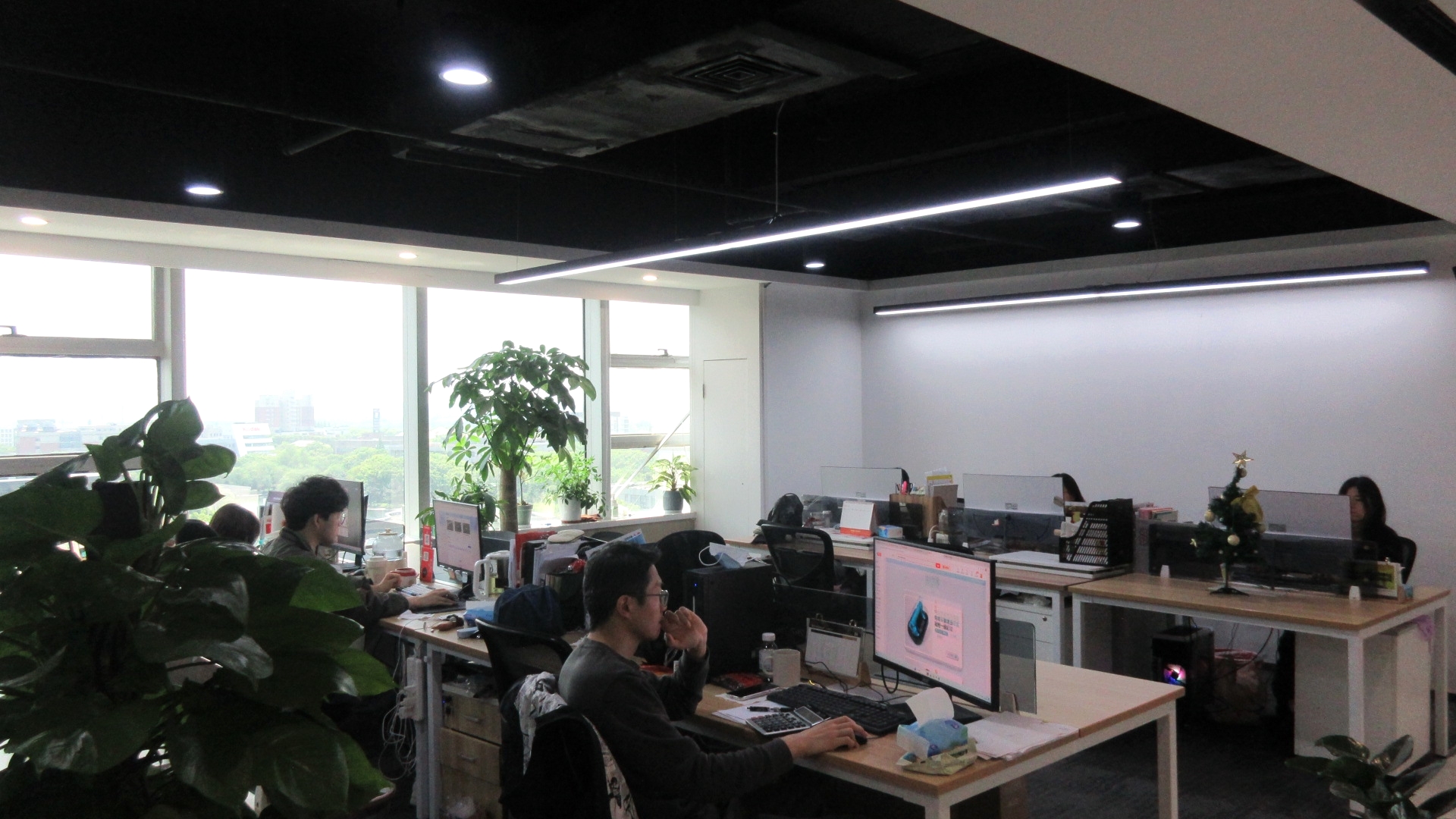 Mill-controlled production
| Specification | Typical Options | Why It Matters in Procurement |
|---|---|---|
| Thickness | 21 mm, 27 mm | Affects stiffness, panel weight, concrete pressure capacity and handling method. Confirm measured thickness, not only nominal. |
| Panel size | 500 × 2000 mm, 500 × 2500 mm, 500 × 3000 mm, custom | Must match the formwork frame, clamping system, crane or manual handling plan and container loading efficiency. |
| Core material | Spruce, fir, pine, poplar, mixed hardwood | Influences density, screw-holding, dimensional stability and weight. Request samples for the chosen core. |
| Surface film | Yellow phenolic film, yellow melamine film, anti-slip option | Controls release, abrasion resistance, water absorption and surface appearance of the concrete. |
| Glue line | Phenolic WBP, melamine, MR | Phenolic WBP is normally selected for wet or exterior conditions; melamine may suit lower exposure and fewer pours. |
| Edge treatment | Waterproof paint, edge sealing, custom colour | Reduces water migration at cut edges and helps protect panels during cleaning, stacking and transport. |
| Formaldehyde emission | E2, E1, E0 options | Increasingly requested by distributors, rental companies and projects with indoor or sensitive applications. |
| Quality documentation | ISO 9001, CE, FSC material on request, SGS assessment | Supports due diligence and helps buyers verify the supplier’s quality system and sourcing claims. |
Minimum order quantities vary by size, core, film, branding and mixed-container requirements. Confirm final MOQ with the supplier before planning a trial order.
Procurement is moving from one-time price comparison toward supplier verification, total cost per cast surface and documented quality.
Importers increasingly request factory videos, raw-material inspection records, loading photos and third-party assessment reports before approving a panel supplier. The question is no longer only “Can you make the size?” but “Can you prove consistency order after order?”
Distributors and rental companies prefer consolidated shipments: 3 ply panels, H20 beams, film faced plywood, edge protection and accessories loaded together. Mixed containers reduce freight cost and allow a broader product range without excessive stock in one SKU.
Buyers compare cost per cast square metre rather than cost per panel. A slightly higher-priced panel with better edge sealing, stable thickness and consistent film may reduce stripping repairs, cleaning time and replacement frequency over a project cycle.
Public projects and larger distributors increasingly ask for CE, ISO, FSC and low-emission options. Documentation should match the exact order specification. Buyers should verify certificate scope, validity and the relationship between the trading company and the production mill.
Formwork panels are being developed around longer service life, cleaner surfaces, faster assembly and stronger supply-chain traceability.
Buyers are requesting denser cores, tighter thickness tolerances, improved film adhesion and sealed edges for rental fleets. The aim is not simply a thicker panel, but a more predictable panel that performs consistently through repeated stripping and cleaning.
Standard 500 mm widths remain important, but increased customization is expected for rental systems, OEM brands and project-specific frames. Custom lengths, edge colours, logos and packaging help distributors manage identity, inventory and site recognition.
E1 and E0 options and FSC-certified material are increasingly discussed at quotation stage. Specifications should clearly state the glue system, emission target and certificate scope so that the delivered panels match the approved sample and documentation.
Panel-only purchasing is giving way to paired purchasing: 3 ply panels with H20 timber beams, LVL, edge protection and formwork accessories. Integrated supply reduces coordination risk, simplifies inspection and supports a more consistent technical conversation before shipment.
Answers prepared for importers, distributors, formwork rental companies and project procurement teams.
It is used for concrete formwork in walls, columns, foundations, beams and slab soffits. The panel is commonly combined with a metal frame, clamps, walers and H20 timber beams. The yellow film supports release and cleaning, making the panel suitable for projects where repeated pours and predictable handling are important.
Common thicknesses are 21 mm and 27 mm. Common panel sizes include 500 × 2000 mm, 500 × 2500 mm and 500 × 3000 mm. Custom widths, lengths, edge colours and private-label packaging can be discussed for approved order quantities. Final dimensions should match the formwork frame and handling plan.
Neither is automatically better. A 3 ply yellow shuttering panel is optimized for panel formwork systems and narrower, easier-to-handle panel sizes. Film faced plywood in larger sheets and more plies may be more suitable for general shuttering, floors or other structural uses. Select based on formwork design, pressure, thickness, reuse plan and handling method.
Reuse cannot be expressed as a single universal number. It depends on concrete pressure, panel support, release agent, stripping technique, cleaning method, site storage, edge protection and the quality of the core, glue and film. Buyers should request trial data for the exact specification and compare cost per cast surface rather than price per panel alone.
21 mm panels are lighter and often selected for wall and column forms where manual handling and weight matter. 27 mm panels provide greater stiffness for slab, foundation and higher-pressure applications, especially where longer spans, repeated handling or higher reuse targets are required. The final choice should follow the formwork engineer’s calculation.
Phenolic WBP bonded panels are designed for exterior and wet construction conditions, but they are not intended for permanent immersion. Water resistance also depends on edge sealing, film quality, storage and handling. Panels should be stacked flat, protected from standing water and cleaned without damaging the edges.
3 ply shuttering panels can start from approximately 7–50 m³ depending on specification, core, coating and customization. Mixed containers with H20 beams, film faced plywood or accessories can be discussed for trial orders. Lead time depends on whether the order is standard or custom, raw-material availability and shipping schedule.
Yes. Logo printing on film, custom edge-sealing colours, bundle marks, moisture-resistant packaging and private-label documentation can be produced based on approved samples or written specifications. Custom orders should include a clear specification sheet, artwork file and packaging instruction before production.
The affiliated mill is managed under ISO 9001, production is controlled to CE requirements, FSC-certified material is available on request and the supplier has been assessed on-site by SGS Group. Inspection can include raw-material checks, in-process inspection, finished-goods inspection and loading photos. Buyers may also appoint a third-party inspection company.
Orders are usually loaded at Lianyungang or Qingdao port. FOB, CFR, CIF, EXW, FAS and CIP terms can be discussed, with payment methods including T/T and L/C subject to order review. The supplier can consolidate plywood, formwork and decking products for mixed-container programs.
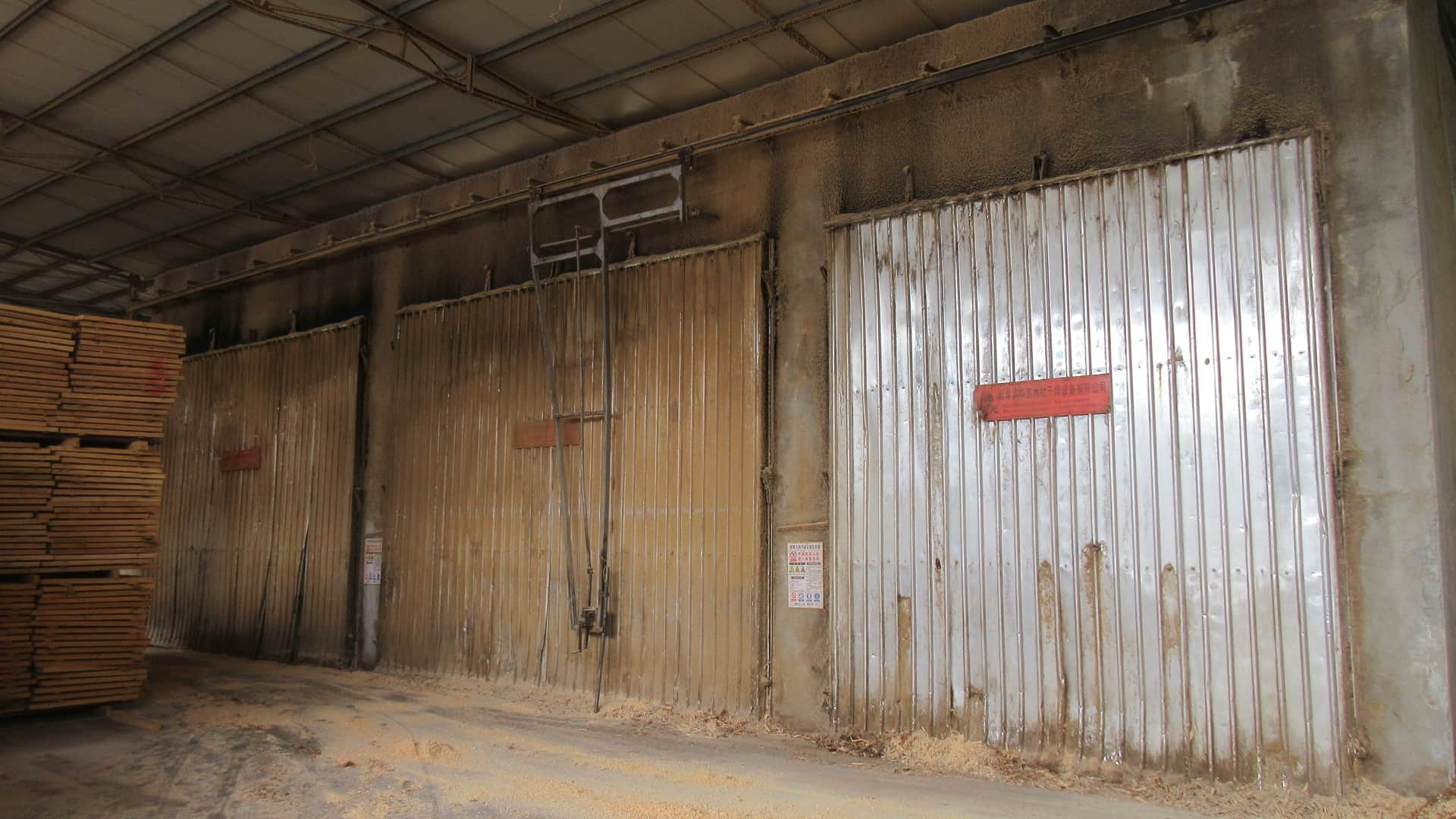
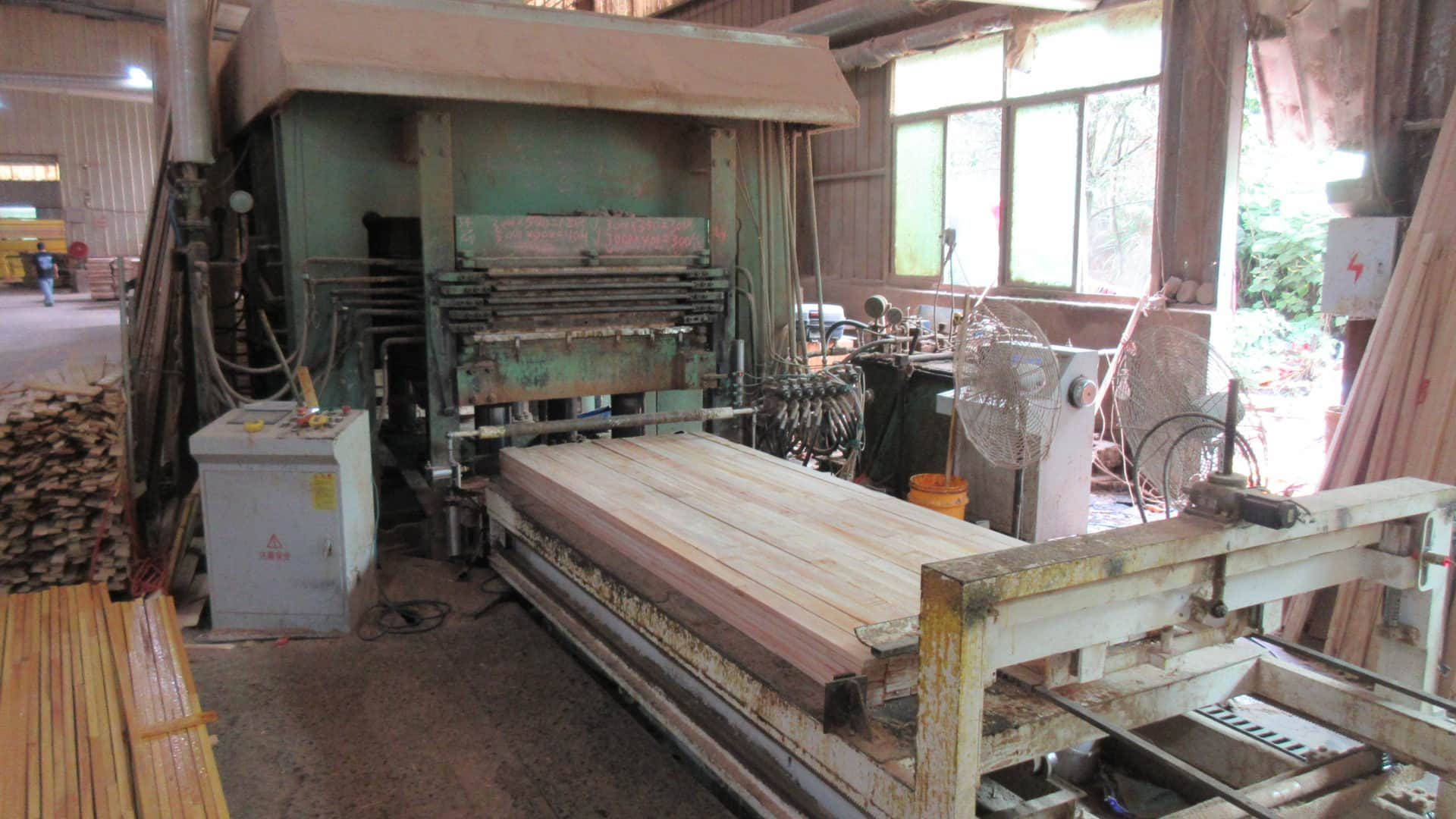
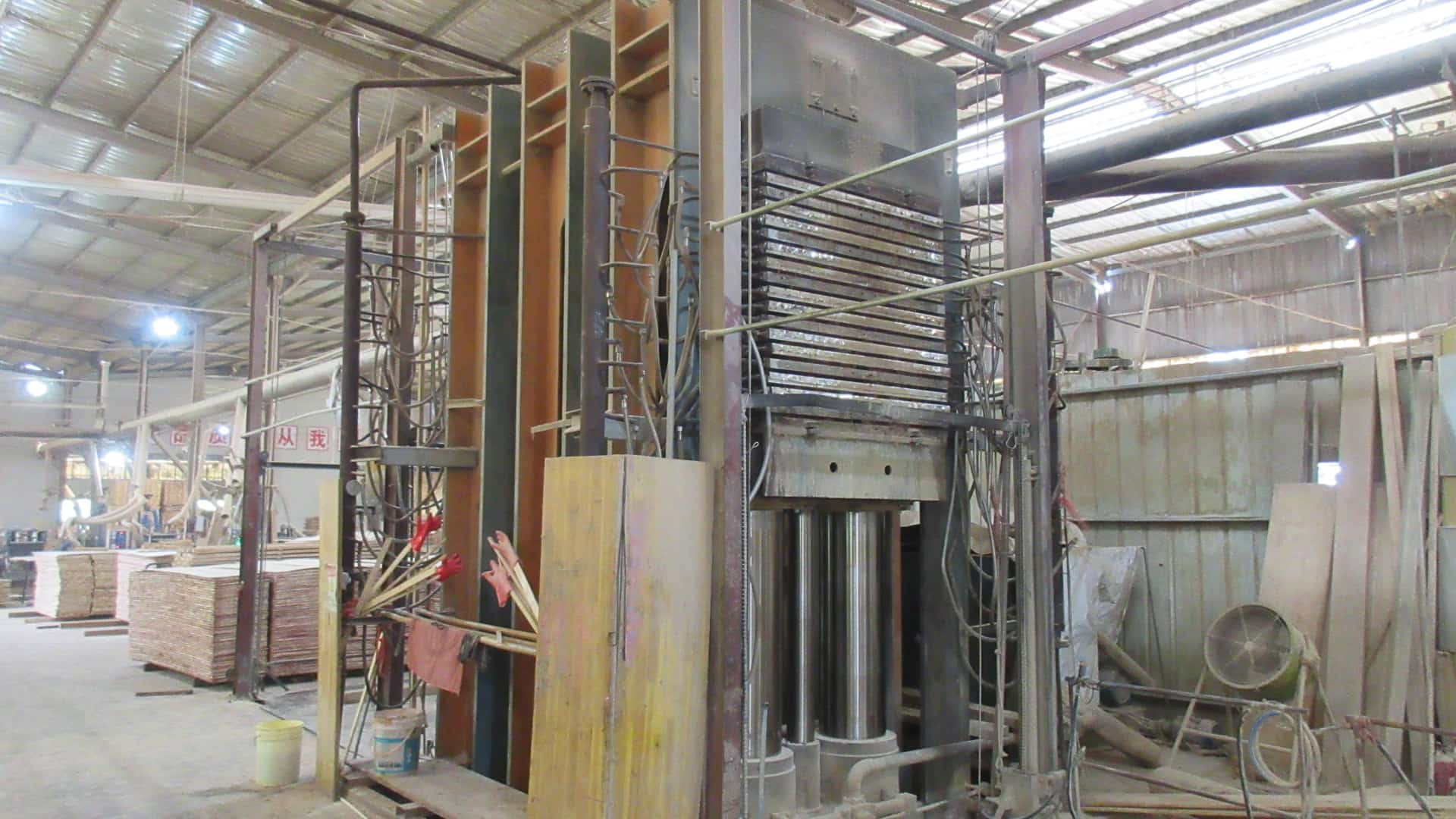
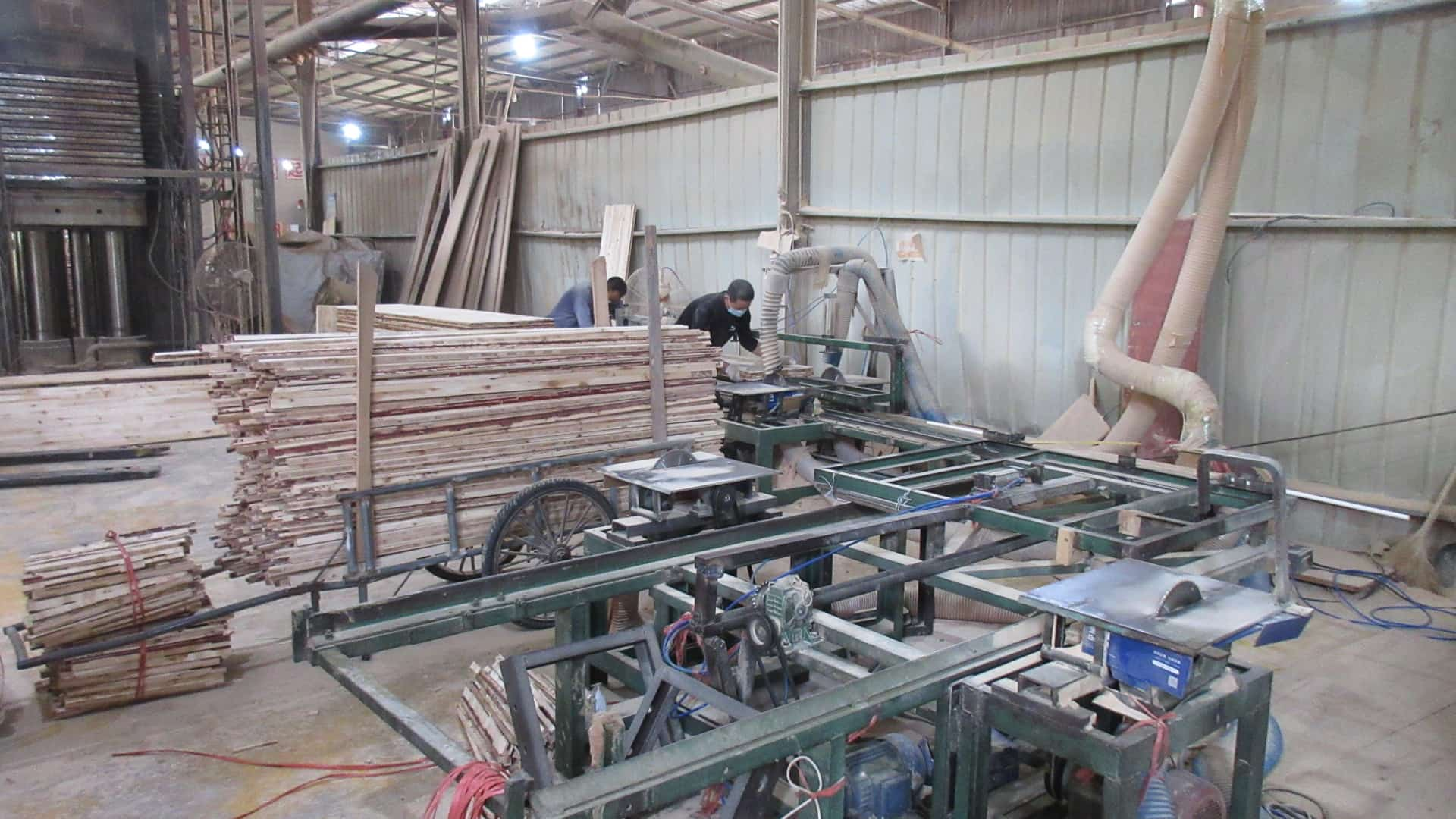
Shanghai Dorni International Trading Co., Ltd. has exported plywood, formwork and bamboo building materials since 2008. The company is based in Shanghai and supported by an affiliated mill in Dangshan County, Anhui Province, where three complete production lines cover peeling, drying, glue lay-up, pressing, calibration, sanding and container loading. The mill reports a monthly plywood capacity of 6,000 m³.
For 3 ply yellow shuttering panel buyers, the most important advantage is control over specification and inspection. The mill is managed under ISO 9001, production is controlled to CE requirements, FSC-certified material is available on request and the company has been assessed on-site by SGS Group. A dedicated quality-control team inspects raw materials on site and checks finished goods before shipment. These records help buyers verify thickness, core, film, bonding and packaging before the container leaves China.
Shanghai Dorni International Trading Co., Ltd. also supports sample-based, design-based and full customization. This includes logo printing on film, edge-sealing colour, bundle packaging, private-label programs and grading to BSI, IHPA, JPIS, GB or customer specifications. Export markets include North America, South America, Western and Eastern Europe, the Middle East, North Africa, Japan, South Korea and Southeast Asia. Loading is usually arranged through Lianyungang or Qingdao port, with FOB, CFR, CIF, EXW, FAS and CIP terms available for discussion.
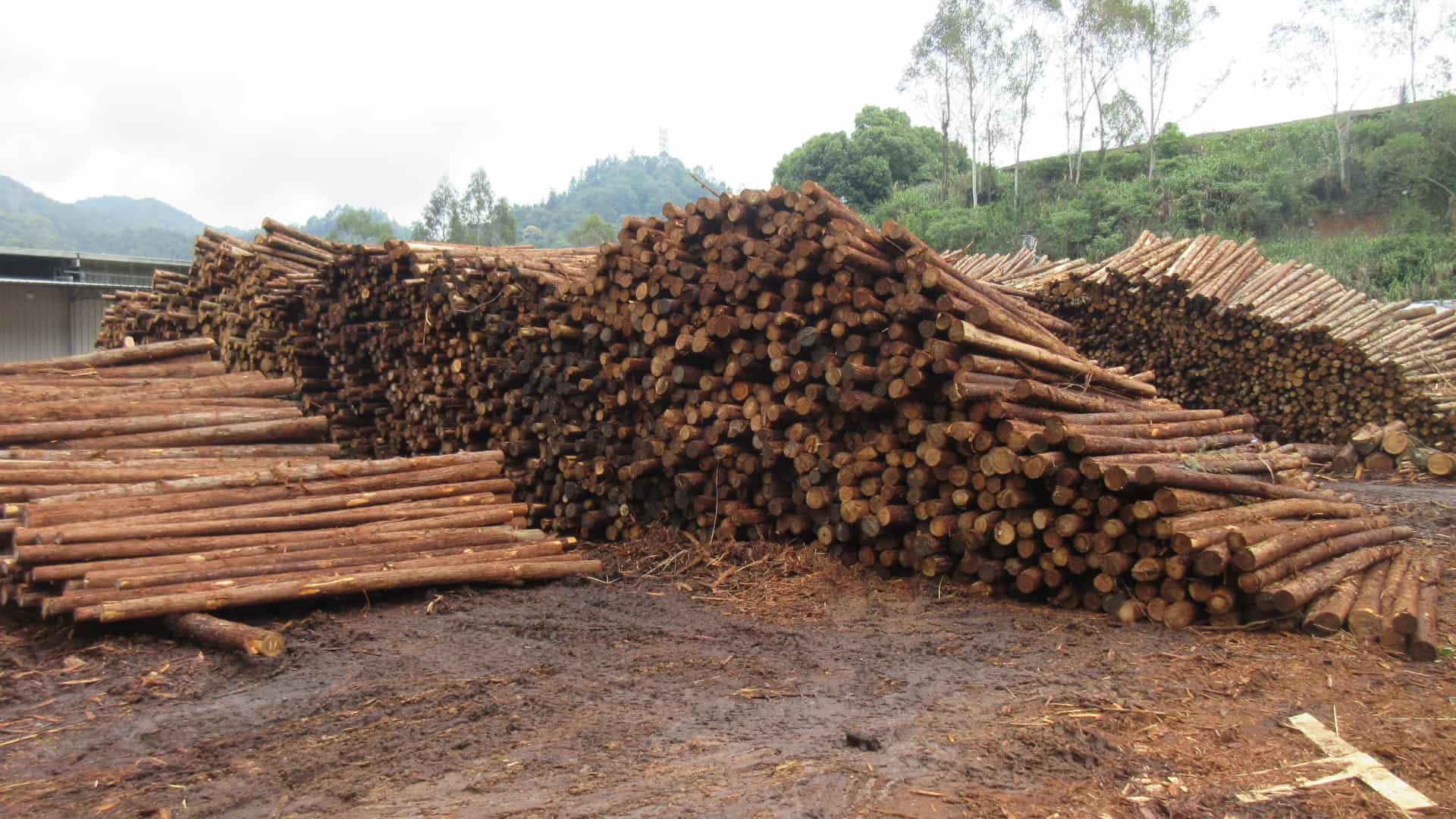 Factory-supported supply
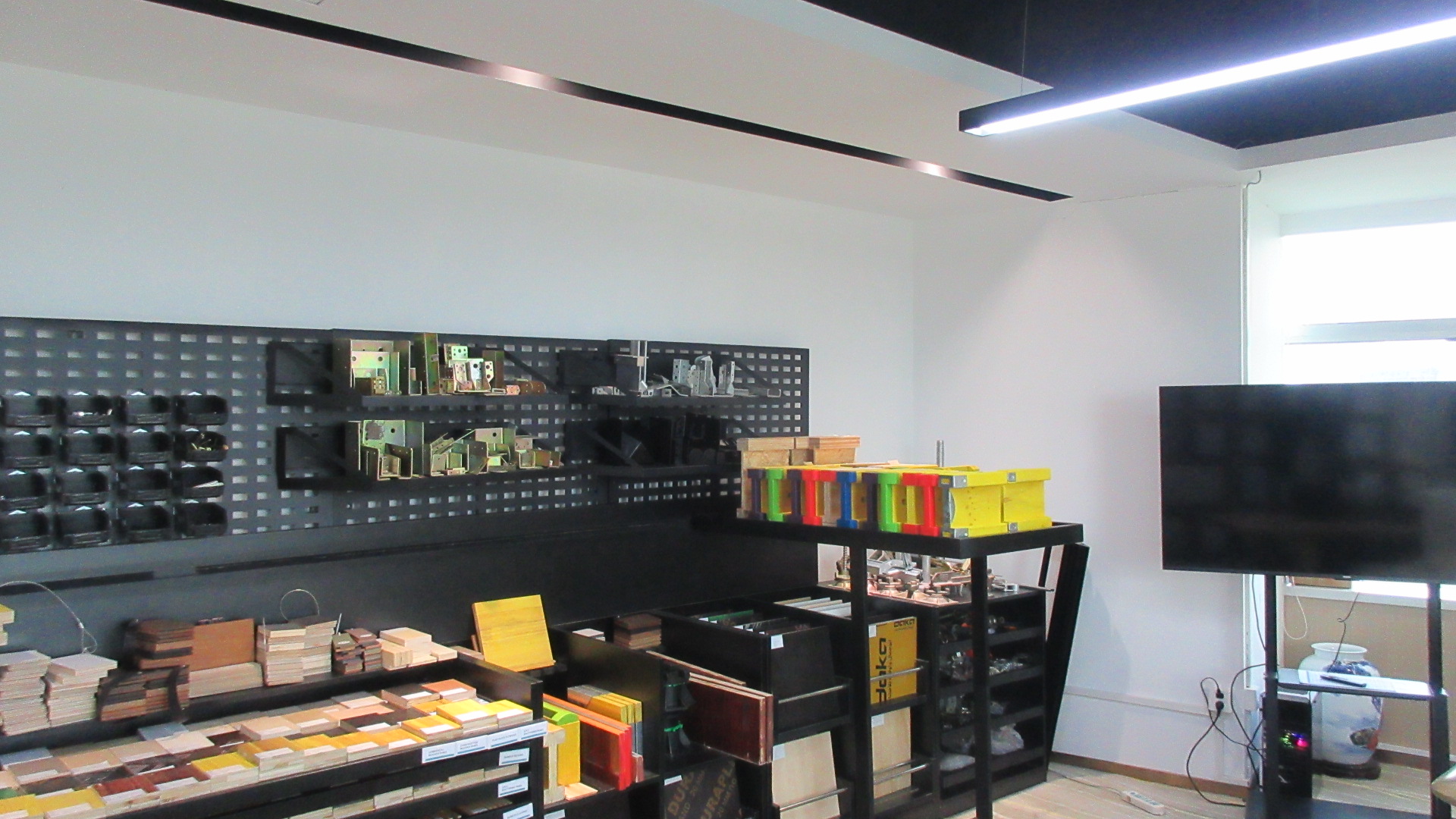
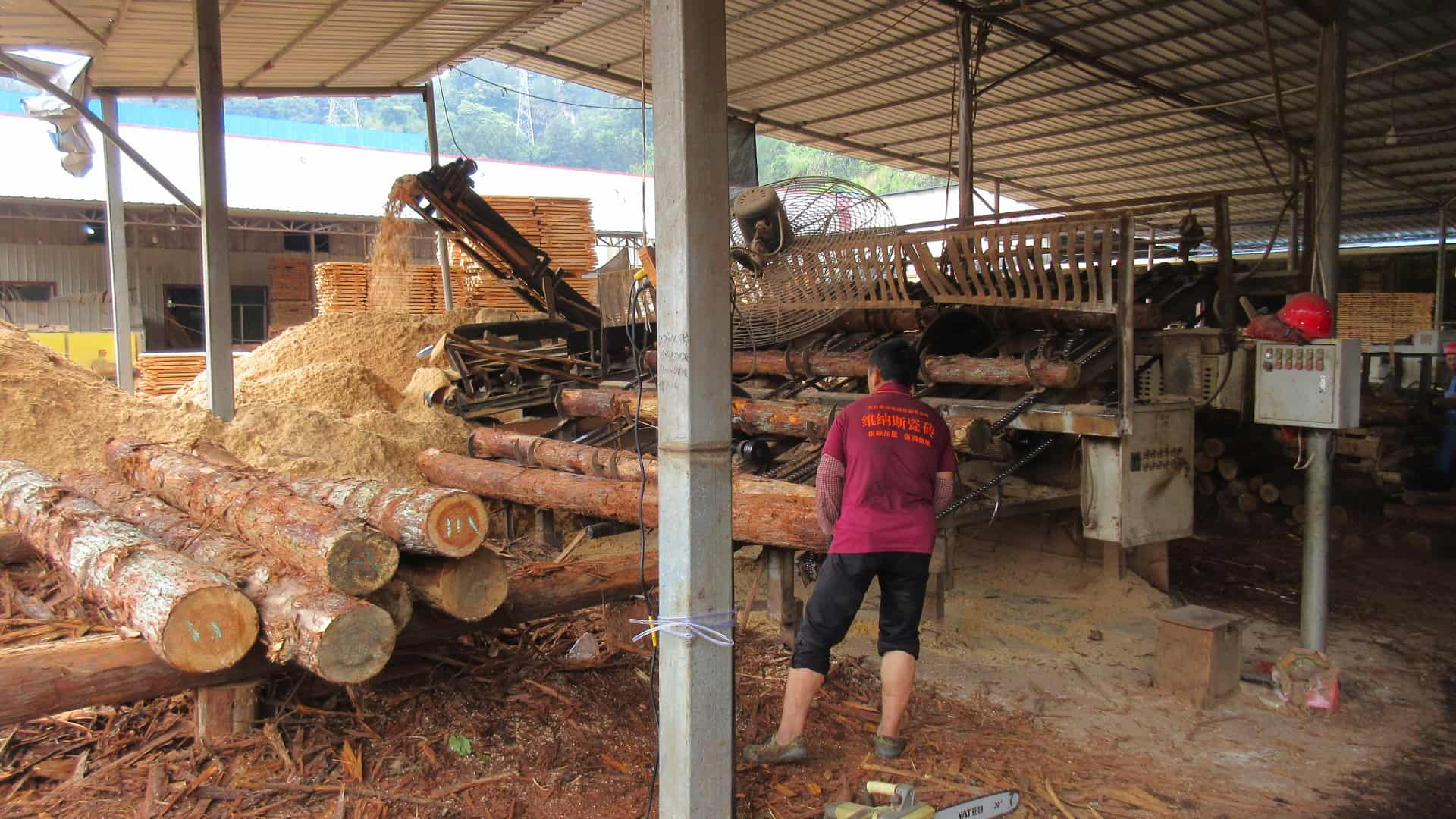
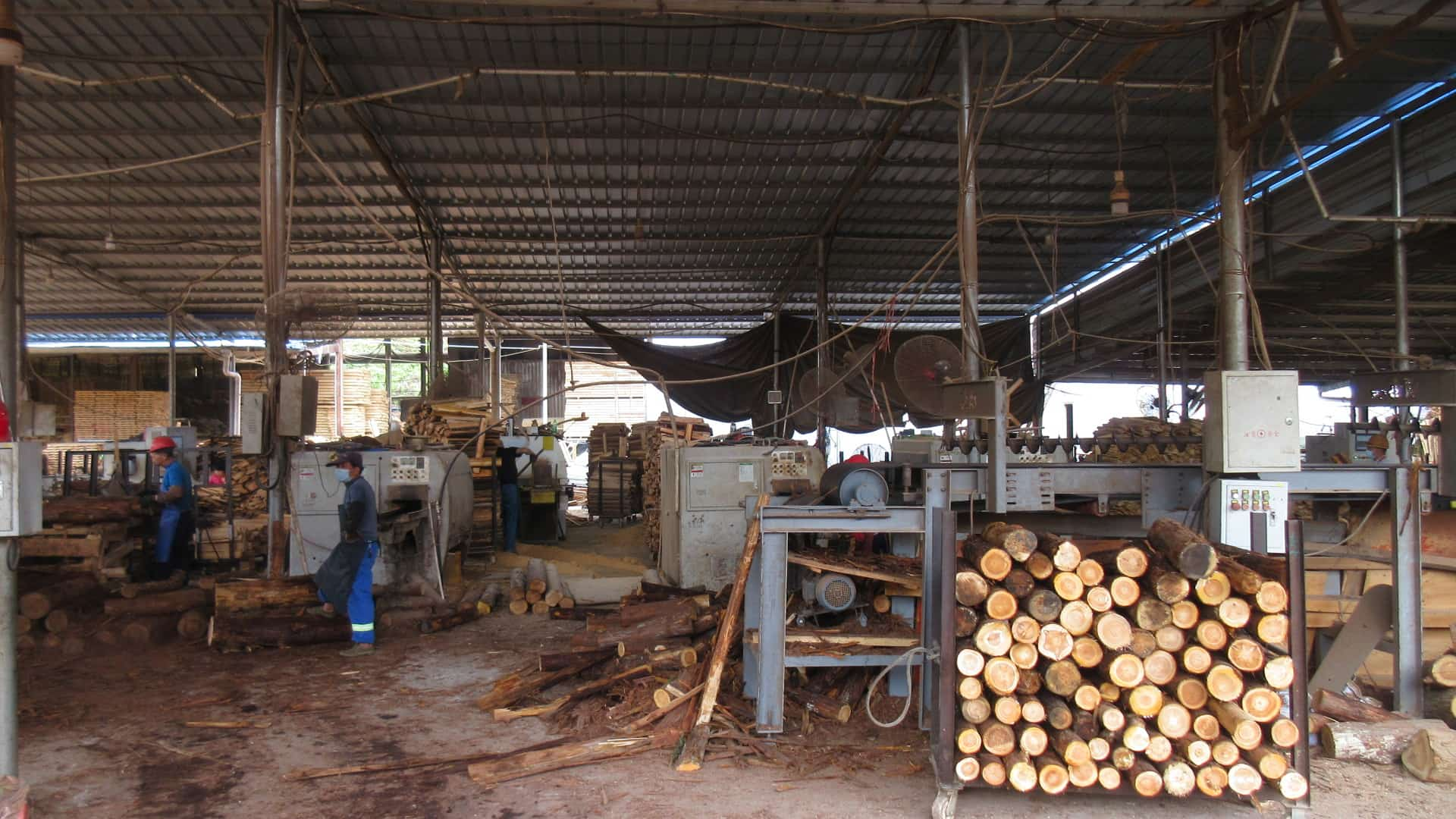
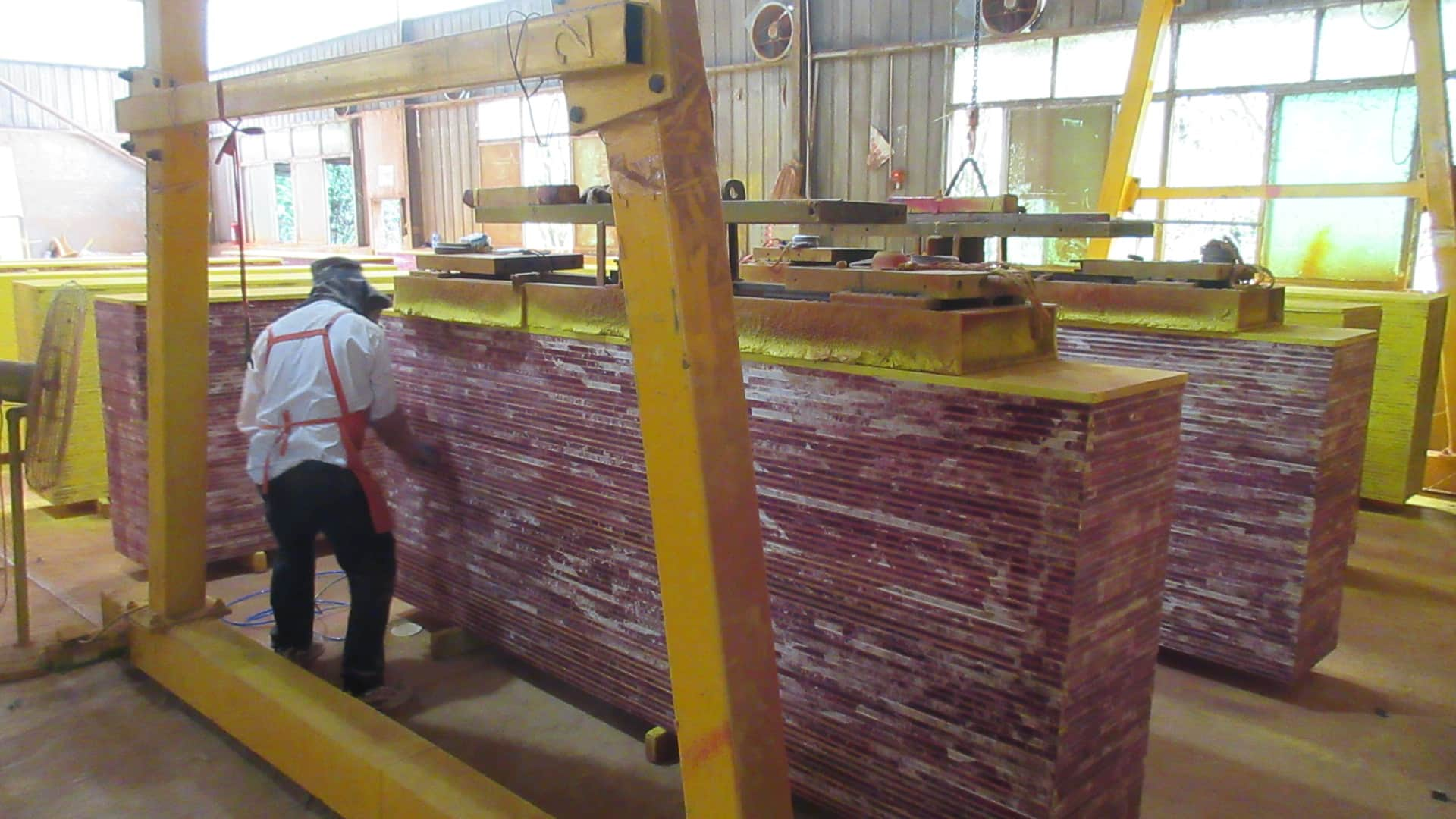
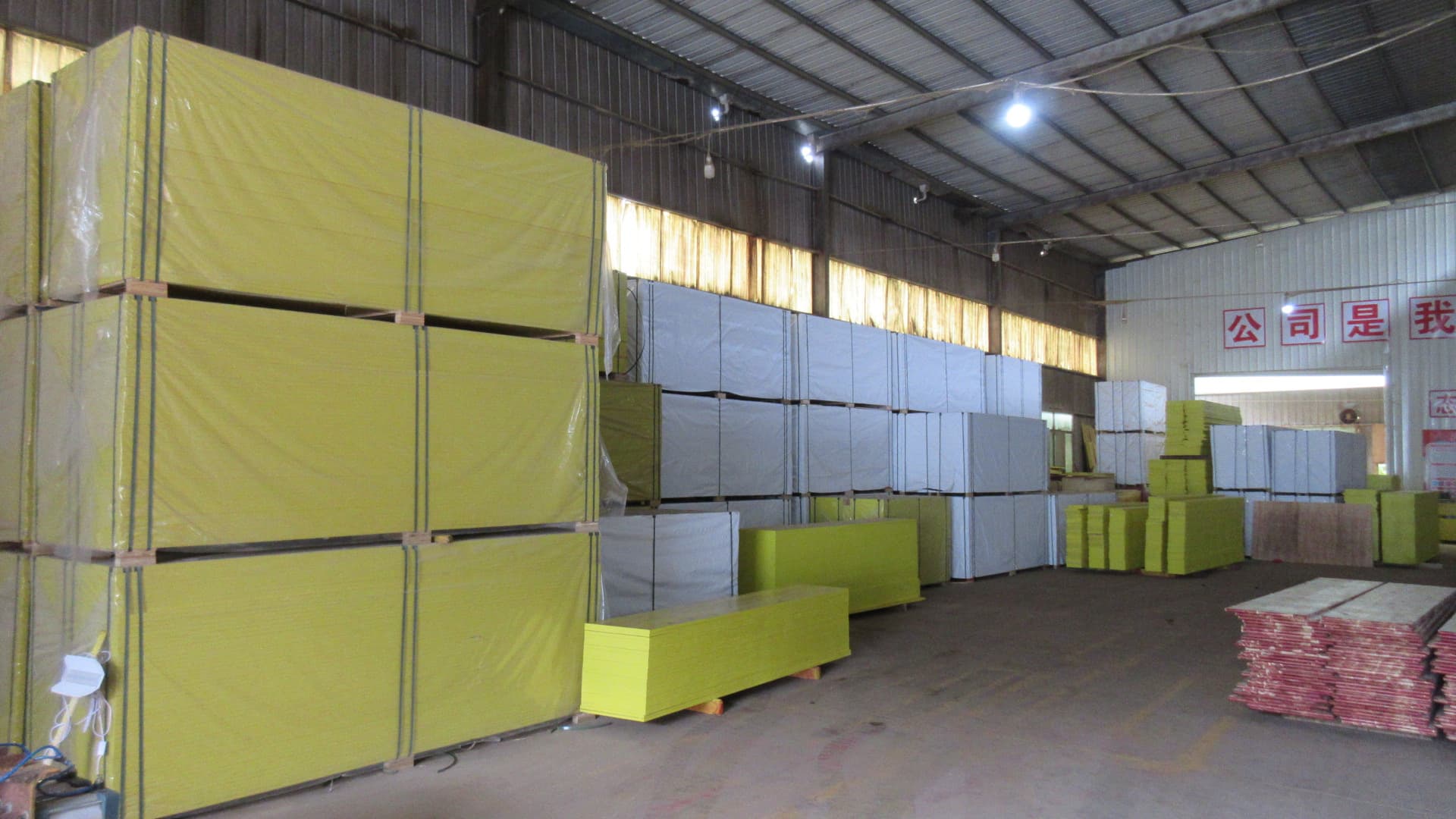
Use this checklist to compare suppliers on the same technical and commercial basis. It helps separate a genuine formwork supply partner from a price-only quotation.
For buyers who need a documented supply chain, Shanghai Dorni International Trading Co., Ltd. can provide production updates, inspection photos and shipment documentation. Please send your panel size, thickness, core preference, glue class, coating colour, edge treatment, annual volume and destination port to info@dorniplywoods.com.
Share panel thickness, size, core, glue, film colour, edge requirement, estimated order volume and destination port. The export team at Shanghai Dorni International Trading Co., Ltd. will review the request and prepare a technical and commercial proposal.
info@dorniplywoods.comInclude your target reuse cycles and formwork system if available. This helps the supplier recommend 21 mm or 27 mm panels and the correct edge protection.
Send an Inquiry