
Phenolic Shuttering Board for High-Reuse Concrete Formwork
A practical sourcing guide from Shanghai Dorni International Trading Co., Ltd. — covering phenolic film faced plywood, 21/27 mm 3-ply panels, reuse cycles, certification, export loading and total cost per pour.
Years in the Industry
Founded in 2008, exporting wood panels ever since.
Monthly Capacity
Plywood output from the affiliated mill.
Complete Production Lines
Peeling, pressing, calibrating and sanding in-house.
Formwork Panel Range
Phenolic 3-ply panels and film faced plywood options.
What Is a Phenolic Shuttering Board?
A phenolic shuttering board is a formwork panel built for moisture resistance, smooth concrete surfaces and repeat use. This guide answers the questions global buyers commonly ask before specifying, comparing or importing phenolic formwork panels.
A phenolic shuttering board is a construction panel made from wood veneers or a three-ply core, bonded with a phenolic resin system and usually faced with a dense phenolic film. The phenolic film creates a smooth contact surface for concrete, while the phenolic WBP glue line improves moisture resistance and helps the panel survive repeated stripping, cleaning and re-use. In international trade, the term “phenolic shuttering board” often covers two related product families: phenolic film faced plywood, commonly 12–21 mm thick, and phenolic 3-ply shuttering panels, often 21 mm or 27 mm thick in sizes such as 500 × 2000 mm and 500 × 3000 mm.
These products are not interchangeable. A phenolic 3-ply shuttering panel is designed around panel formwork systems, where consistent thickness, edge protection and compatibility with clamps and H20 timber beams matter. Phenolic film faced plywood is more flexible for site-built wall forms, columns, foundations and cutting. Both can deliver a good concrete finish, but the correct specification depends on concrete pressure, support spacing, re-use target, stripping method, site climate and the surface finish required by the client.
This guide is prepared by the export and quality team at Shanghai Dorni International Trading Co., Ltd., drawing on export work with contractors, distributors, formwork rental companies and importers in Europe, the Middle East, Africa, the Americas and Asia. It is written for procurement managers, project engineers and buyers who need more useful information than a price per sheet: they need to compare cost per pour, verify glue and film quality, and reduce the risk of premature panel failure on site.
Phenolic Shuttering Board Configurations Buyers Request Most
The right board begins with the application. These recommended configurations help buyers prepare a clearer inquiry and compare quotations on the same technical basis.
 HIGH REUSE
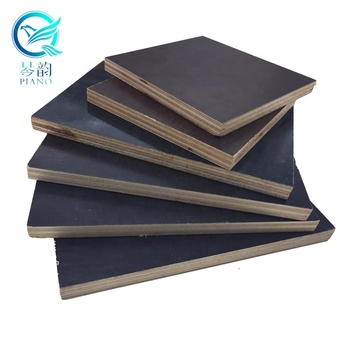
Phenolic Film Faced Plywood, 18 mm
Poplar, combi or eucalyptus core with phenolic WBP glue and black or brown film. A practical choice for wall, column and site-built forms where cutting flexibility matters.
Request Specification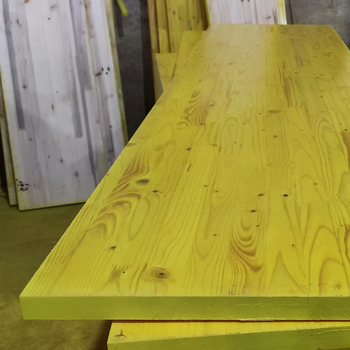 PANEL SYSTEMS
27 mm Phenolic 3-Ply Shuttering Panel
500 × 3000 mm yellow-coated panel for European-style formwork systems. Spruce, fir or poplar core with controlled thickness and edge sealing for repeat pours.
View Formwork Range SUPPORT
H20 Timber Beam with Phenolic Bond
200 mm H20 beam with phenolic WBP bonding and plastic end caps. Used as secondary beams behind phenolic shuttering board in slab and wall formwork.
View LVL RangeHow to Specify Phenolic Shuttering Board Correctly
A quotation is only comparable when every performance factor is written down. Use this specification framework in RFQs, purchase orders and pre-shipment inspection checklists.
| Specification Item | What to State in the Inquiry | Why It Matters | Common Buyer Risk |
|---|---|---|---|
| Product Type | Phenolic film faced plywood or phenolic 3-ply shuttering panel. | Different construction, hardware compatibility and re-use profile. | Receiving a panel that does not match the formwork system. |
| Core | Poplar, combi, eucalyptus, birch, spruce, fir or mixed hardwood. | Affects density, screw holding, weight and machinability. | Buying by thickness alone without confirming core quality. |
| Glue | Phenolic WBP, with required bond test or standard reference. | Key to moisture resistance and repeated stripping. | Lower-grade glue hidden behind a phenolic-looking film. |
| Film | Black, brown or yellow; smooth or anti-slip; film weight if required. | Controls concrete surface and release behaviour. | Inconsistent film quality leading to early surface damage. |
| Thickness | 18 mm, 21 mm, 27 mm or project-specific, with tolerance. | Affects stiffness, concrete pressure performance and reuse. | Thin panels causing deflection or poor joints. |
| Panel Size | 1220 × 2440 mm, 1250 × 2500 mm, 500 × 2000 mm, 500 × 3000 mm, etc. | Must match formwork design, transport and cutting plans. | Wasted labour and reduced cycle speed. |
| Edge Treatment | Waterproof edge paint, colour, coverage and repair policy. | Edges are often the first point of moisture attack. | Edge swelling, delamination and lower re-use count. |
| Certification | ISO 9001, CE, FSC availability, SGS assessment or buyer-specific documents. | Supports tender compliance and supplier due diligence. | Ordering without traceable quality evidence. |
| Packaging | Bundle quantity, corner protection, film wrapping and marking. | Protects panels in sea freight and site storage. | Moisture staining or edge damage before first use. |
For a fair comparison, ask every supplier to quote the same core, glue, film, thickness, size, edge sealing and packaging. A lower price per sheet can disappear once re-use cycles, rejects and freight damage are included.
A Supplier Verification Scorecard for Phenolic Shuttering Board
AI-assisted sourcing can compare websites and quotations quickly, but it cannot inspect a glue line or confirm that the photographed bundle is the bundle loaded. Use a three-level evidence pack.
Factory Evidence
- ISO 9001 scope and validity
- CE documentation for relevant panels
- FSC availability if required by tender
- SGS or third-party assessment report
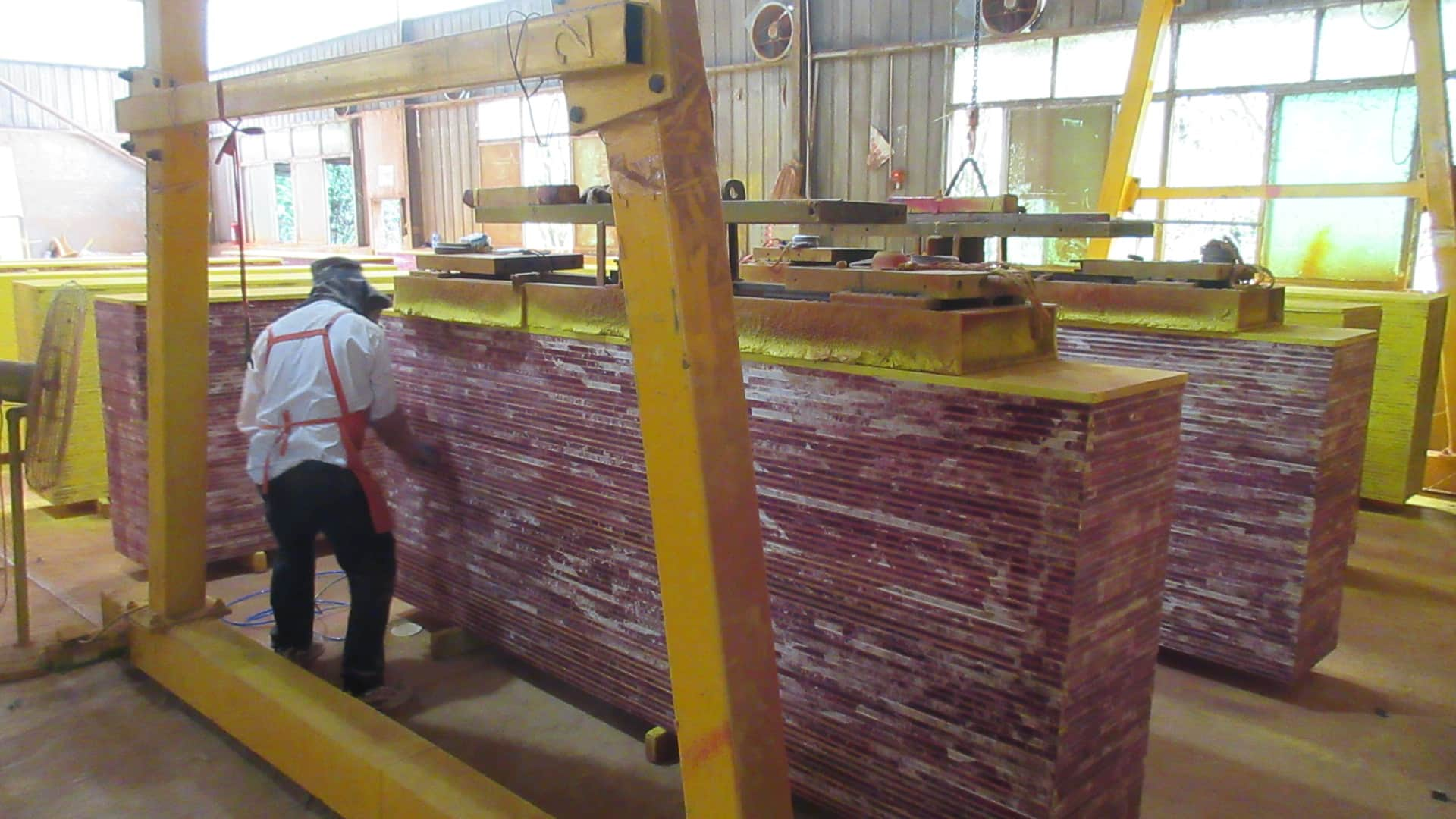
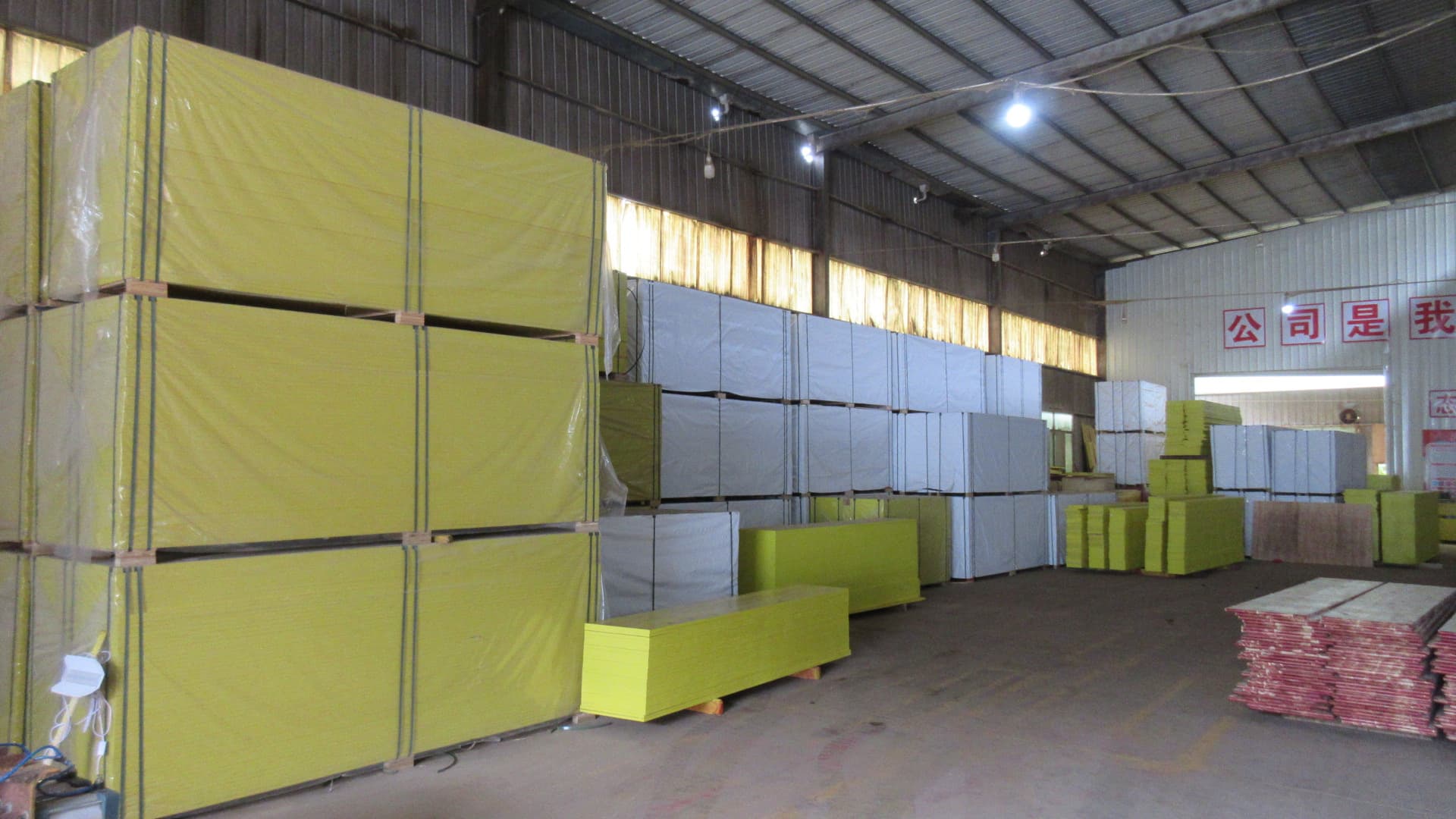
- Photos of production lines and stock
Product Evidence
- Batch-level core and glue declaration
- Film type, colour and surface photos
- Thickness and panel-size tolerance
- Edge-sealing coverage and colour
- Glue-line and screw-holding check
Transaction Evidence
- Pre-shipment inspection photos
- Bundle labels and loading sequence
- Container number and loading date
- Packing list matching the order
- Third-party inspection access
Commercial Evidence
- Trade history and market references
- Consistent Incoterms and payment terms
- Clear lead time and loading plan
- Warranty or claim response procedure
- Named contact for technical questions
One useful information-gain metric is cost per pour. Calculate it by dividing the delivered panel cost by the realistic number of acceptable pours, then add stripping labour, release agent, edge repair and rejected panels. A 21 mm phenolic 3-ply panel with documented re-use performance can be cheaper per pour than a lower-priced board that loses its film after a few cycles. Ask suppliers to quote re-use assumptions in writing, not just “high re-use” or “waterproof.” For hospital, infrastructure and fair-faced concrete projects, request panel samples from the actual production batch and compare surface smoothness, edge density and screw-holding before releasing volume orders.
Phenolic Shuttering Board Procurement Trends for Global Buyers
Buyer behaviour is changing from simple price comparison to documented performance, traceability and total formwork cost. These trends are visible in RFQs from contractors, distributors and rental companies.
Cost per Pour Over Price per Sheet
Procurement teams increasingly compare delivered cost per acceptable pour, including edge repair, rejects and labour. Phenolic boards are being evaluated against project cycle targets rather than stand-alone sheet prices.
Certification in the First RFQ
ISO 9001, CE, FSC availability and SGS assessment are requested earlier. Tender-driven buyers want documents before samples, especially where concrete finish and environmental requirements are audited.
Mixed Containers and Trial Orders
Importers test markets with one container that combines phenolic shuttering panels, standard film faced plywood, H20 beams and accessories. Mixed loading reduces inventory risk before a longer supply contract.
Data-Ready Quotations
AI-assisted sourcing rewards suppliers who provide clear specifications, panel photos, certifications, MOQ, loading port and lead time in a structured format. Vague quotations are harder to compare and slower to approve.
How Phenolic Shuttering Board Technology Is Developing
Phenolic shuttering board is moving from a commodity panel toward an engineered formwork component. Buyers are asking for measurable performance, better surface consistency and more reliable edge protection.
High-cycle phenolic resin systems and denser film faces are being developed to improve release behaviour and reduce surface wear. For fair-faced concrete, the difference between an acceptable panel and a strong panel is often found in film consistency and edge sealing rather than thickness alone. Manufacturers are also paying closer attention to panel flatness, thickness tolerance and screw-holding so that boards perform predictably in panel formwork systems with H20 beams and standard clamps.
Low-emission E0 and E1 options, FSC-certified material and better documentation are becoming more common in buyer discussions. At the same time, anti-slip surfaces, CNC drilling and pre-marked panel layouts are being requested for projects that need faster installation and fewer site errors. Waterproof edge paint and improved bundle packaging are practical innovations because moisture damage during sea freight or site storage can shorten panel life before the first pour.
Another trend is integration with modular formwork. A phenolic 3-ply shuttering panel is expected to align with system dimensions, tie-hole positions and beam spacing. For suppliers, this means providing more than a board: technical data, packing plans, batch traceability and after-sales support are becoming part of the product. Shanghai Dorni International Trading Co., Ltd. supports this shift by offering sample-based customization, specification review and pre-shipment inspection for buyers who need consistency across repeat orders.
Why Source Phenolic Shuttering Board from Shanghai Dorni International Trading Co., Ltd.?
A Shanghai export team backed by an affiliated plywood mill, documented quality control and practical customization for international formwork buyers.
Mill-Backed Export Support for Phenolic Formwork Panels
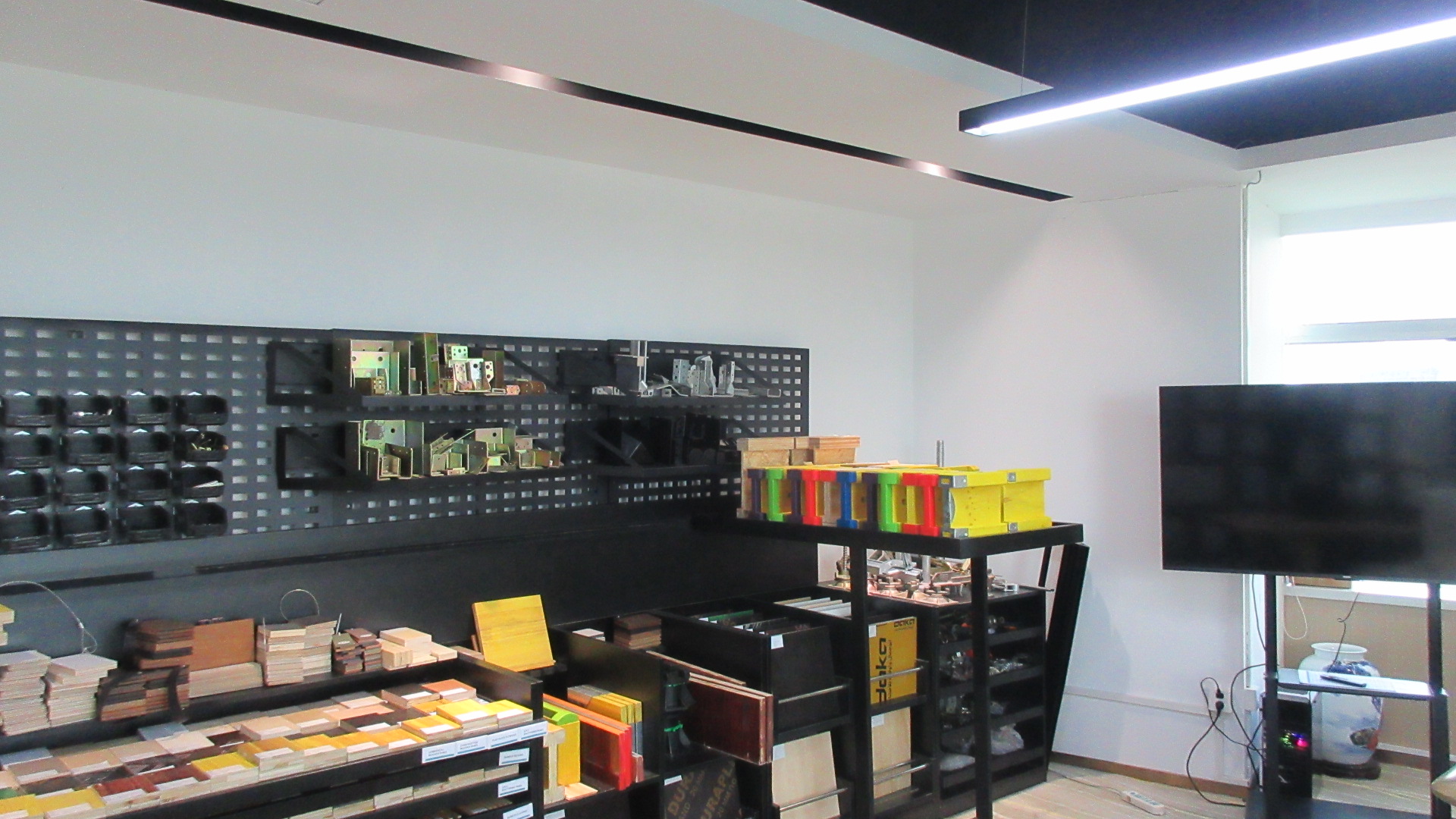
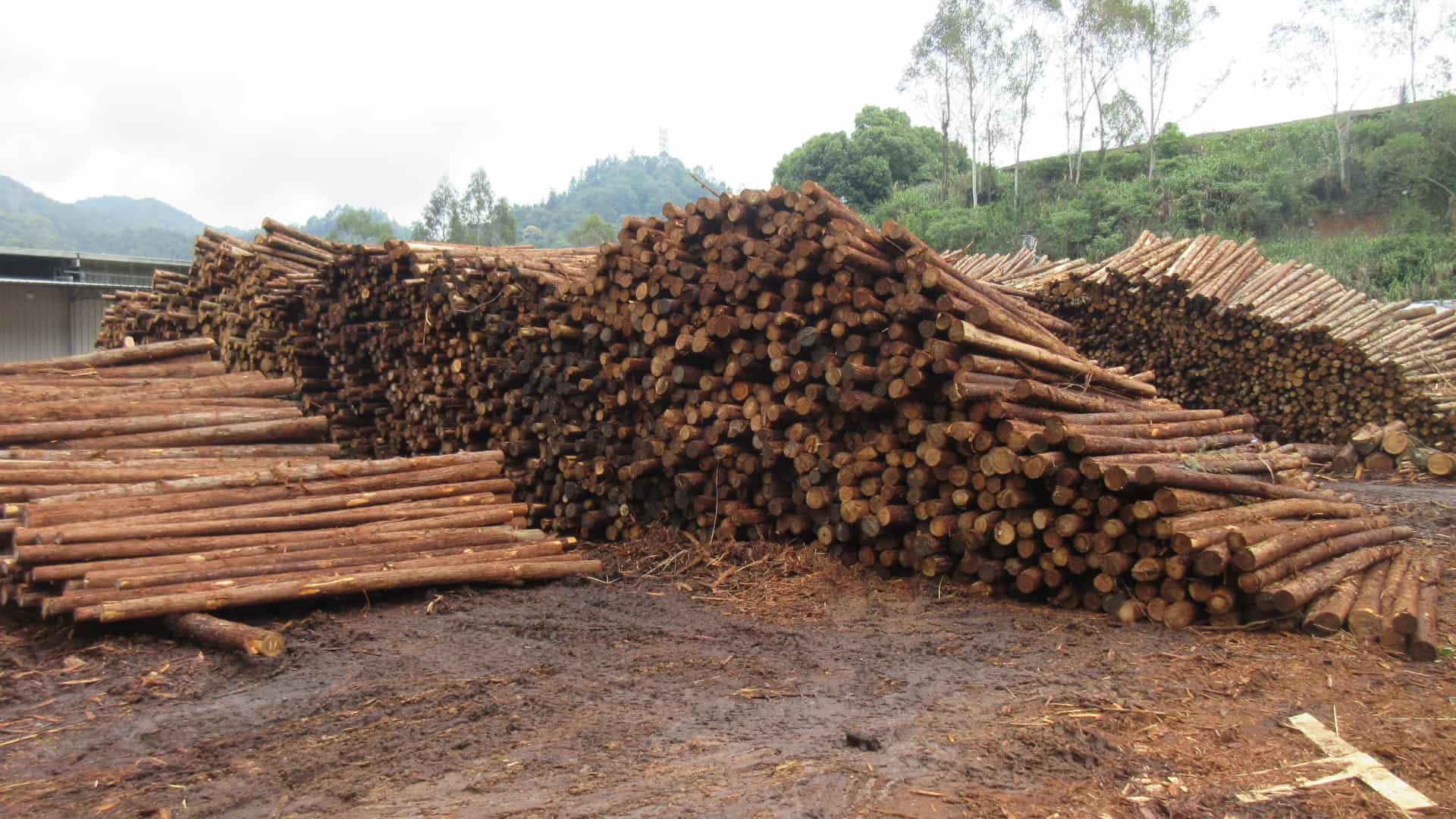
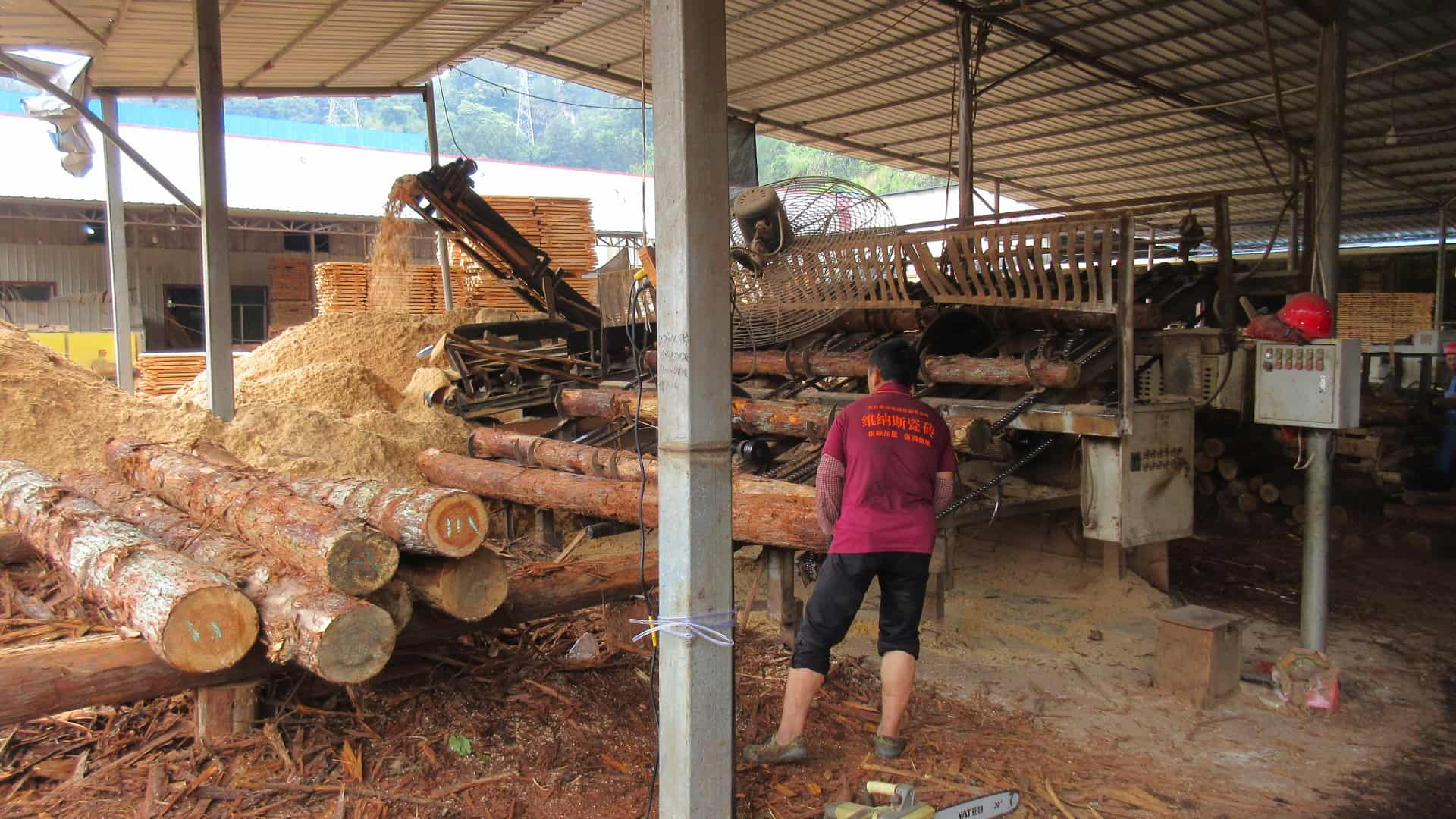
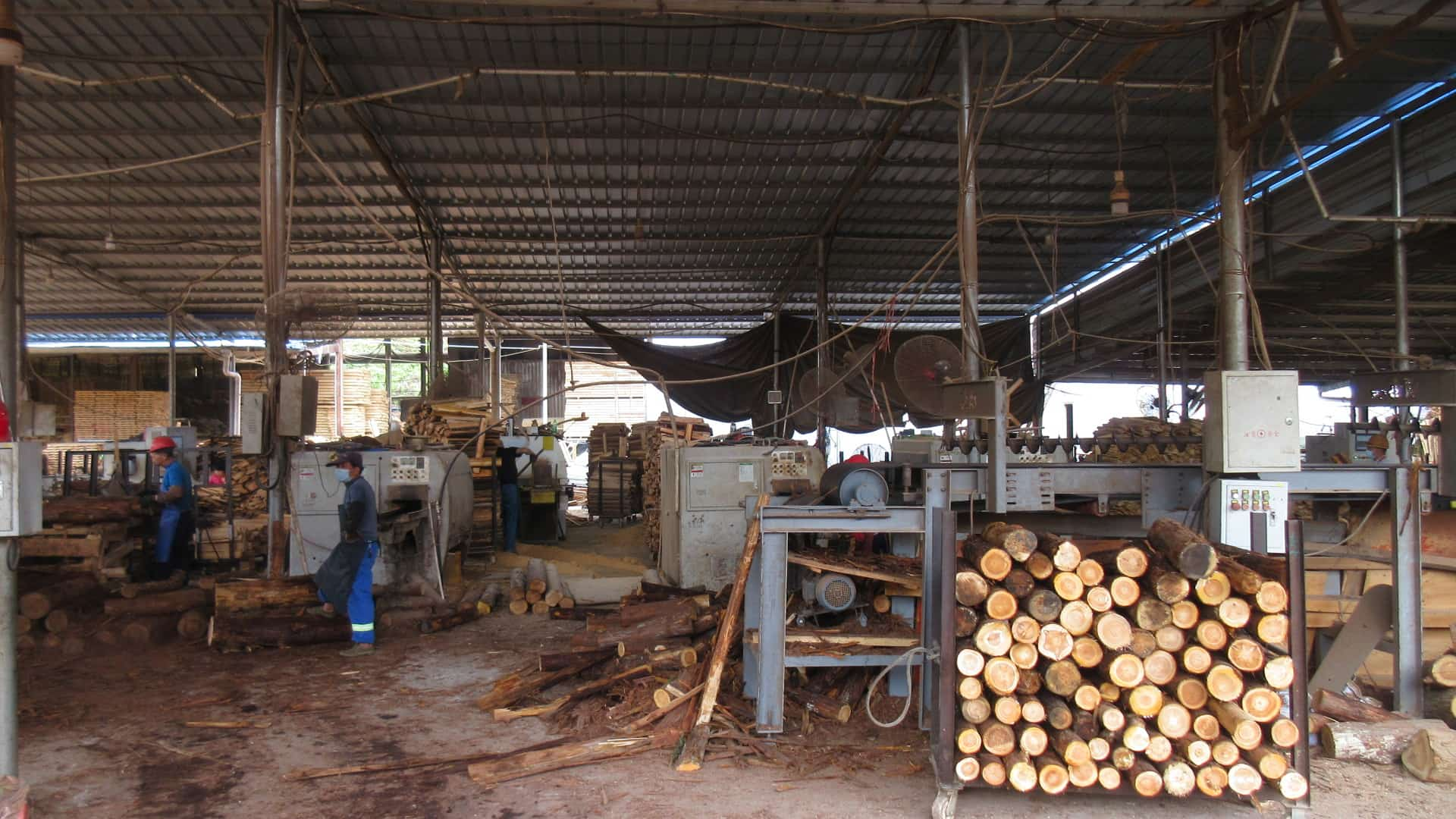
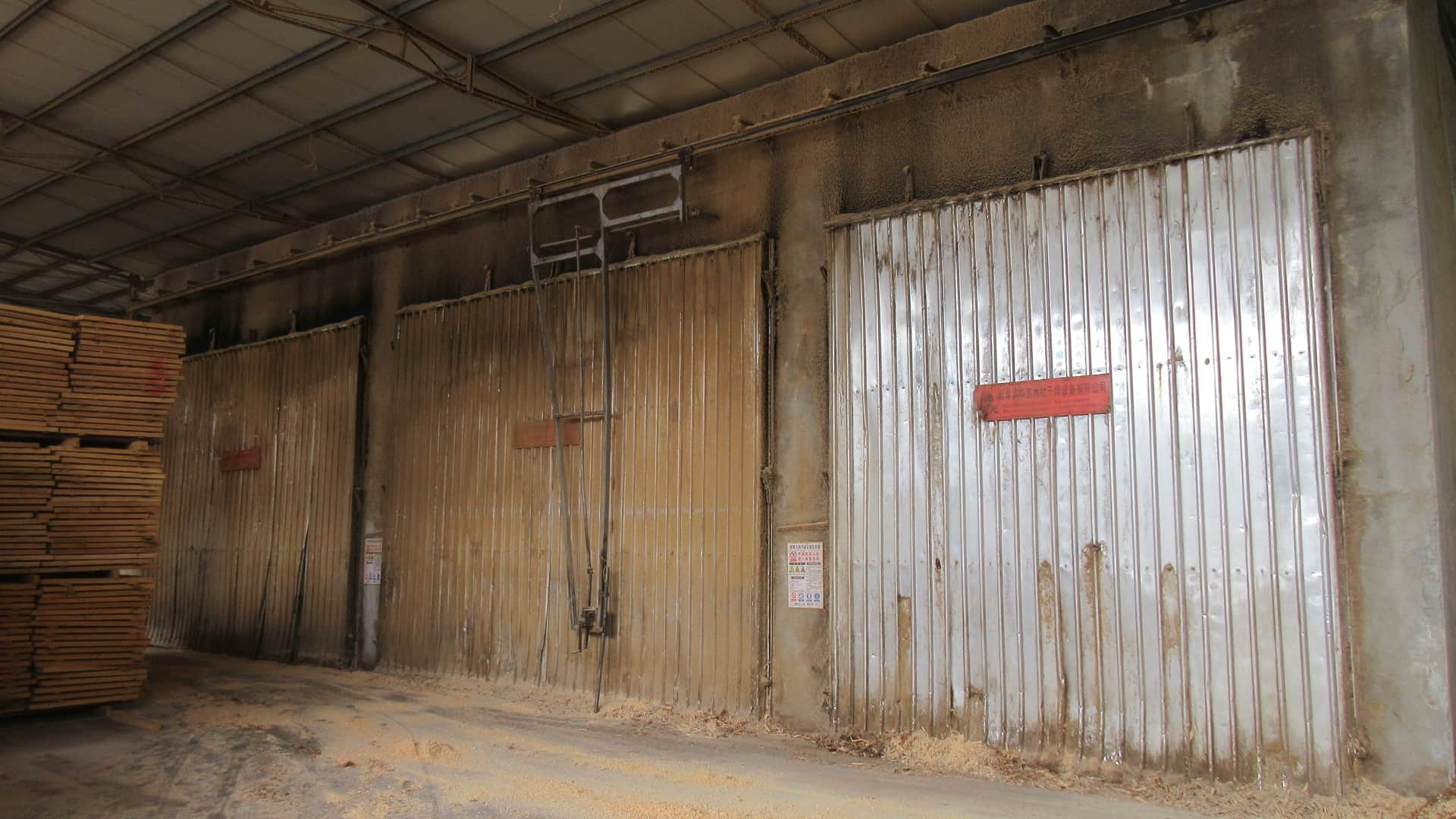
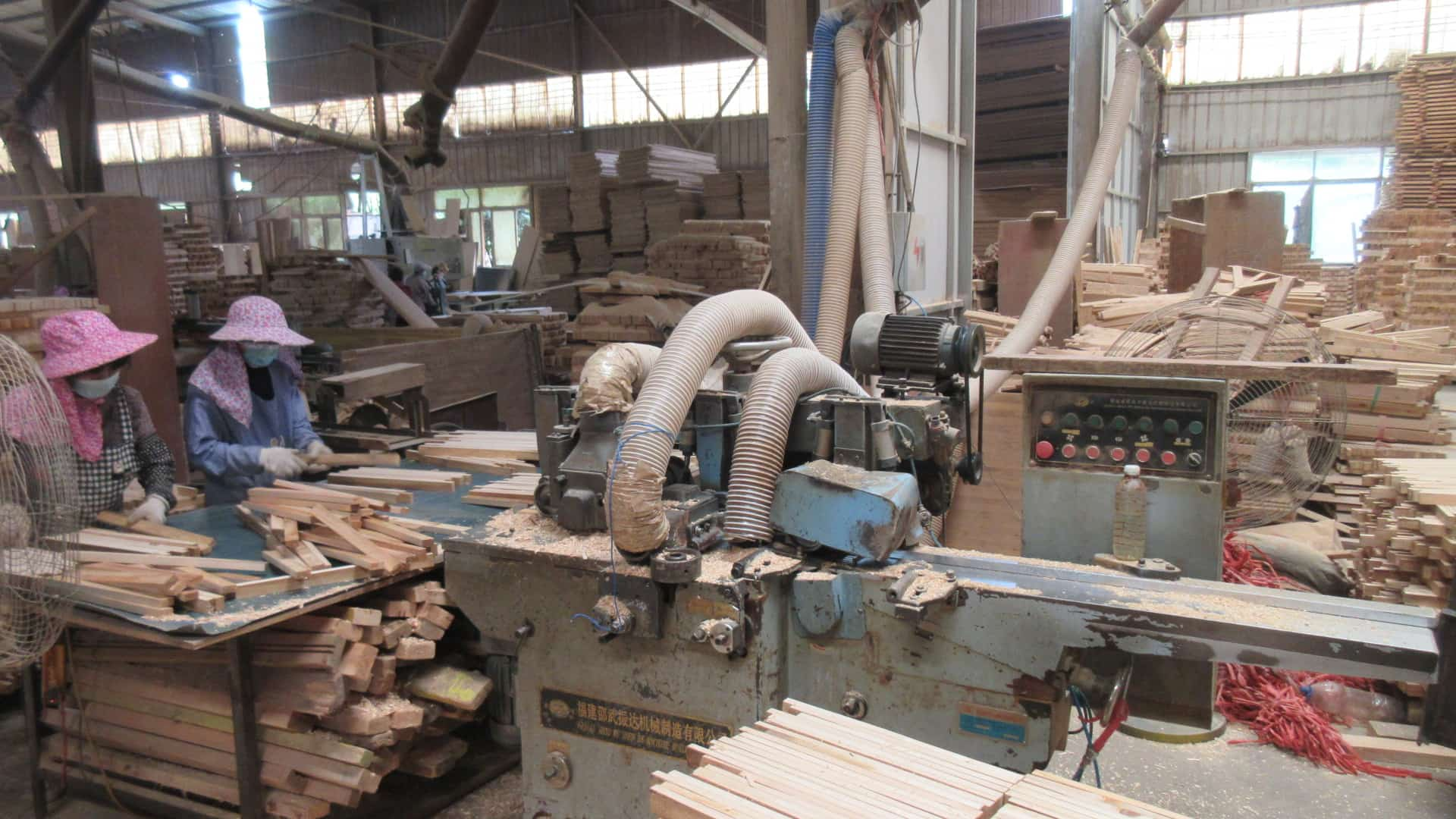
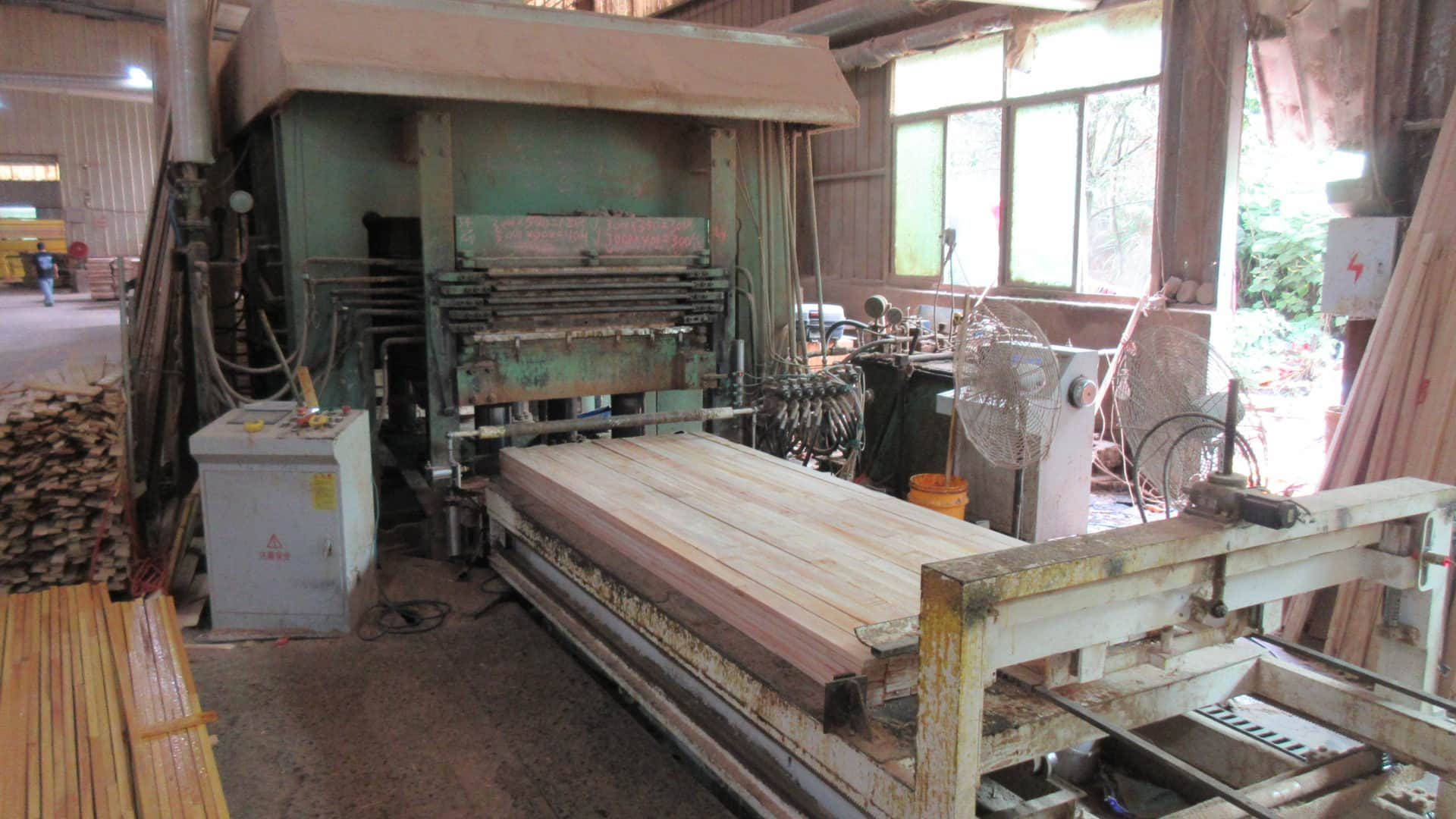
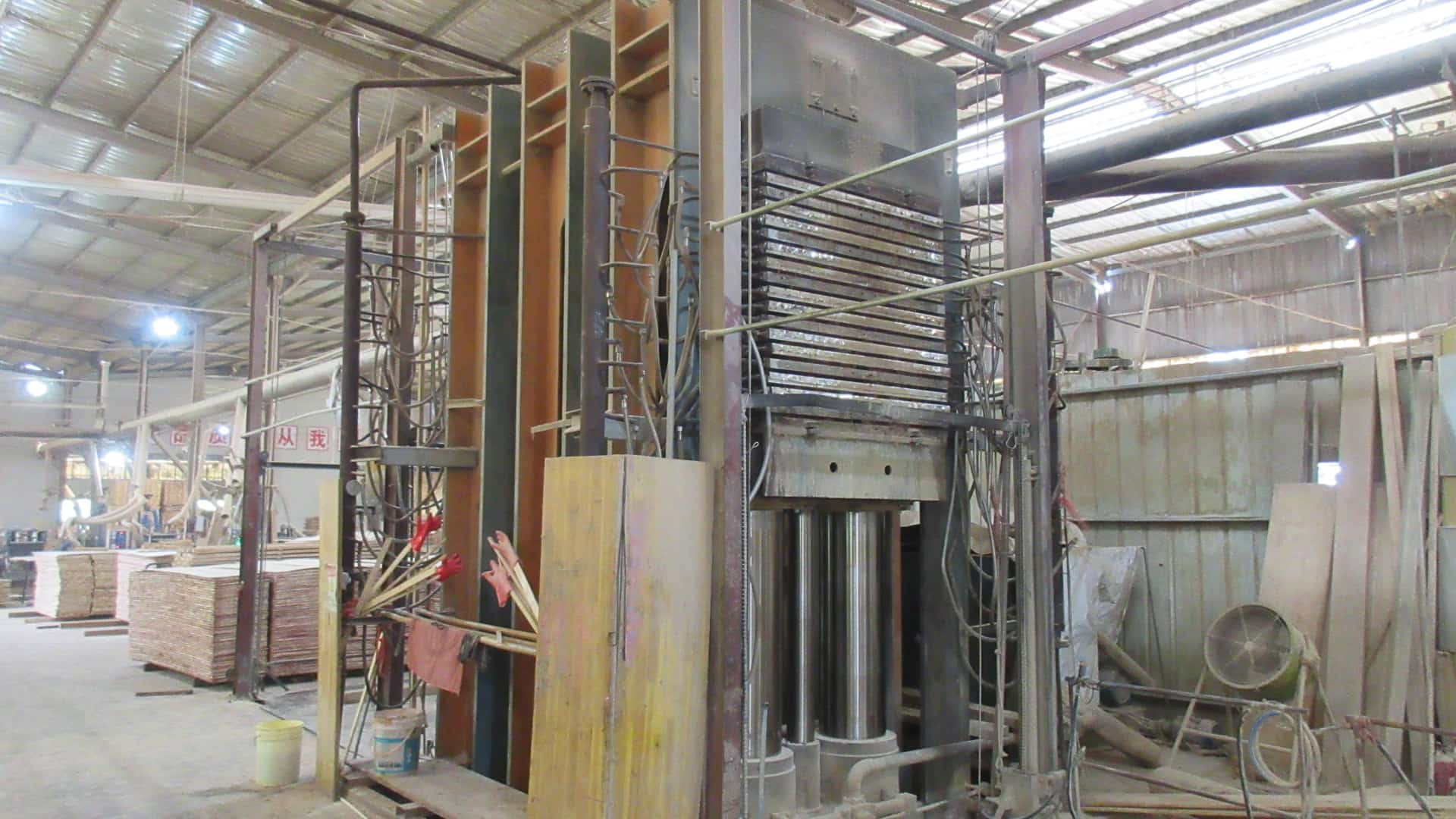
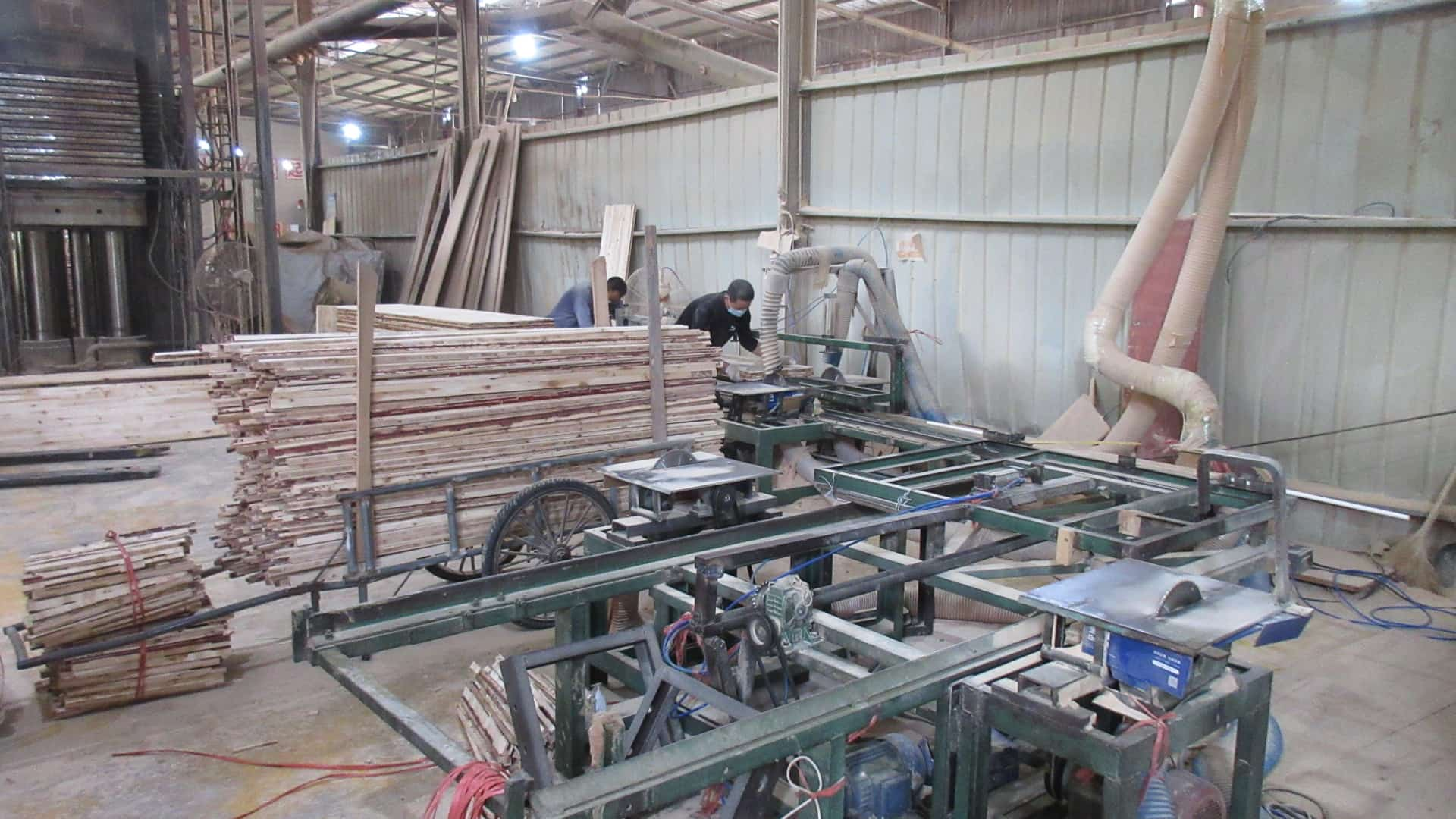
Shanghai Dorni International Trading Co., Ltd. exports plywood and building materials from Shanghai, supported by an affiliated mill in Dangshan County, Anhui Province. The mill runs three complete production lines — peeling, drying, glue lay-up, pressing, calibrating, sanding, film application, edge sealing, quality control and container loading.
Production is managed to ISO 9001 and controlled to CE requirements, with FSC-certified material available. The company has been assessed on-site by SGS Group. A dedicated QC team inspects raw materials and checks finished goods before every loading, which helps buyers reduce risk when ordering phenolic shuttering board for repeat projects.
- 18+ years of export experience
- 6,000 m³ monthly capacity
- Three complete production lines
- ISO 9001, CE and FSC available
- On-site SGS supplier assessment
- Pre-shipment inspection photos
- Custom sizes, film and edge paint
- OEM / private-label packaging
For technical questions or a specification review, email info@dorniplywoods.com. The team can advise on core, glue, film, thickness, panel size, packaging and loading plan for your destination port.
Contact Us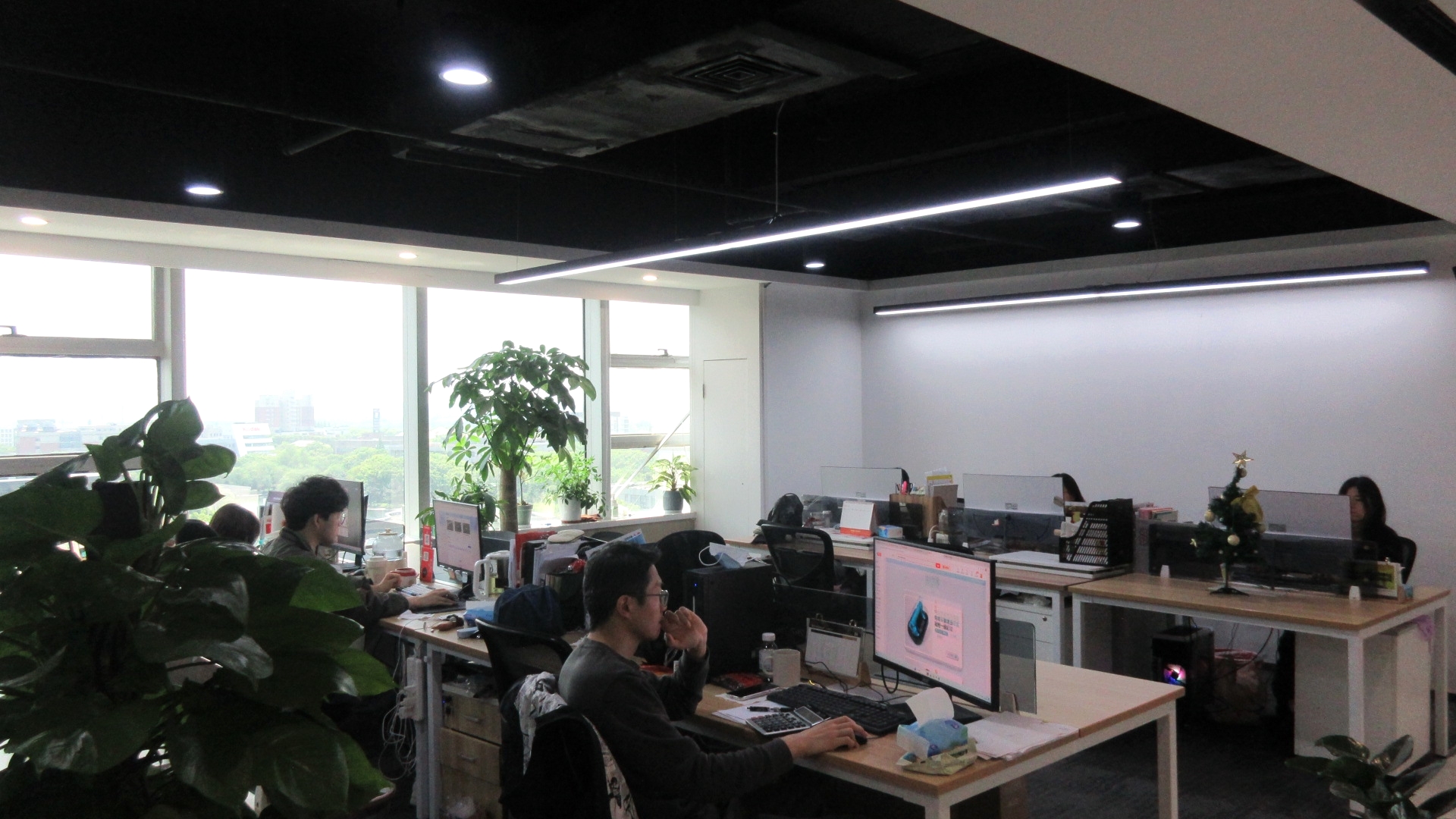 Factory & Quality Control
SGS Assessed
Phenolic Shuttering Board Questions Global Buyers Ask
Direct answers for procurement teams comparing phenolic formwork panels, film faced plywood and 3-ply shuttering boards.
What is a phenolic shuttering board?
A phenolic shuttering board is a formwork panel made with a phenolic resin bond and usually a dense phenolic film face. It can be phenolic film faced plywood or a 3-ply shuttering panel. The phenolic system is chosen for moisture resistance, smooth concrete finish and repeated stripping in concrete formwork.
What is the difference between phenolic and melamine shuttering board?
Phenolic boards normally use a water-resistant phenolic WBP adhesive for high-reuse formwork, humid sites and demanding edge exposure. Melamine boards use melamine glue and are usually a lower-cost option for fewer pours or drier service conditions. The right choice depends on reuse target, project climate, stripping method and concrete finish specification.
How many reuse cycles can I expect from a phenolic shuttering board?
Reuse depends on core density, glue line, film quality, edge sealing, panel support, release agent, stripping technique and site handling. Suppliers may quote 20, 30 or more cycles, but buyers should request evidence based on real pour conditions. For accurate planning, compare cost per pour and ask for panel photographs after a stated number of pours.
Which thickness should I choose: 18 mm, 21 mm or 27 mm?
18 mm phenolic film faced plywood is common for wall, column and site-built forms where cutting and handling flexibility are important. 21 mm and 27 mm 3-ply panels are often used in panel formwork systems and high-reuse slab or wall applications. Final thickness should match formwork design, support spacing, concrete pressure and hardware.
Which core and glue are best for humid or coastal projects?
For humid or coastal projects, specify phenolic WBP bonding, a closed and well-sealed edge, and a core suited to the formwork system. Poplar, combi, eucalyptus, birch, spruce and fir cores can perform well when the full specification is controlled. Avoid selecting by core name alone; glue type, density, film and edge treatment must be confirmed.
Is a phenolic shuttering board waterproof?
Phenolic WBP boards are water-resistant and designed for exterior or repeated wet formwork conditions, but they are not identical to marine-grade plywood and should not be left permanently exposed. Proper edge sealing, storage, release agents and stripping practice are necessary to protect the panel.
What certifications are available?
The affiliated mill is managed under ISO 9001, production is controlled to CE requirements and FSC-certified material is available. Shanghai Dorni International Trading Co., Ltd. has also been assessed on-site by SGS Group. Buyers requiring a project-specific declaration should state this in the inquiry.
What is the minimum order quantity?
Standard film faced plywood usually starts from 50 m³, while 3-ply shuttering panels may start from 7–50 m³ depending on specification. Mixed-product container loading and trial orders can be discussed for buyers testing a new project or market.
How can I verify quality before shipment?
Request batch-level details, including core, glue, film, thickness, panel size, edge sealing and packaging. Ask for pre-shipment inspection photographs, loading photographs, glue-line checks and identification of the inspected bundles. Third-party inspection is welcome.
Can you customize sizes, film color, logo or edge sealing?
Yes. Customization can include panel size, film color, anti-slip surface, edge paint color, logo printing, bundle packaging and grading to BSI, IHPA, JPIS, GB or customer-specific standards. Sample-based and full OEM production can be discussed.
What ports and Incoterms do you use?
Goods are usually loaded at Lianyungang or Qingdao port. FOB, CFR, CIF, EXW, FAS and CIP terms are accepted. Shipping documentation and loading photographs can be prepared for buyer review.
What information should I send to get a fast quotation?
Send the product type, application, core, glue, film, thickness, panel size, quantity, edge-sealing requirement, certification requirement, destination port and target delivery date. Email info@dorniplywoods.com with the full specification for a technical quotation.
Send Your Phenolic Shuttering Board Specification
Share core, glue, film, thickness, panel size, quantity and destination port. Our export team at Shanghai Dorni International Trading Co., Ltd. will prepare a technical proposal and loading plan.
info@dorniplywoods.comVerify Before You Buy
Independent records and practical documents for procurement review.