SEMANTIC SEARCH · BUYER GUIDE · 2026
Laminated Veneer Lumber (LVL): Stronger Specification, Smarter Procurement
A practical guide for global buyers comparing LVL beams, H20 timber beams, scaffold planks and custom engineered wood from Shanghai Dorni International Trading Co., Ltd.
SGS AssessedOn-site verified supplier
ISO 9001 · CE · FSCDocumented production
6,000 m³ / MonthAffiliated mill capacity

H20 BEAMS · FORMWORK · SCAFFOLD PLANKS
LVL Components for Repeatable Construction
Specify parallel-veneer LVL for H20 beams, girders, scaffold planks and custom components with controlled moisture, adhesive and tolerances.
CUSTOM LVL · FSC DOCUMENTATION · MIXED LOADING
From Specification Review to Container Loading
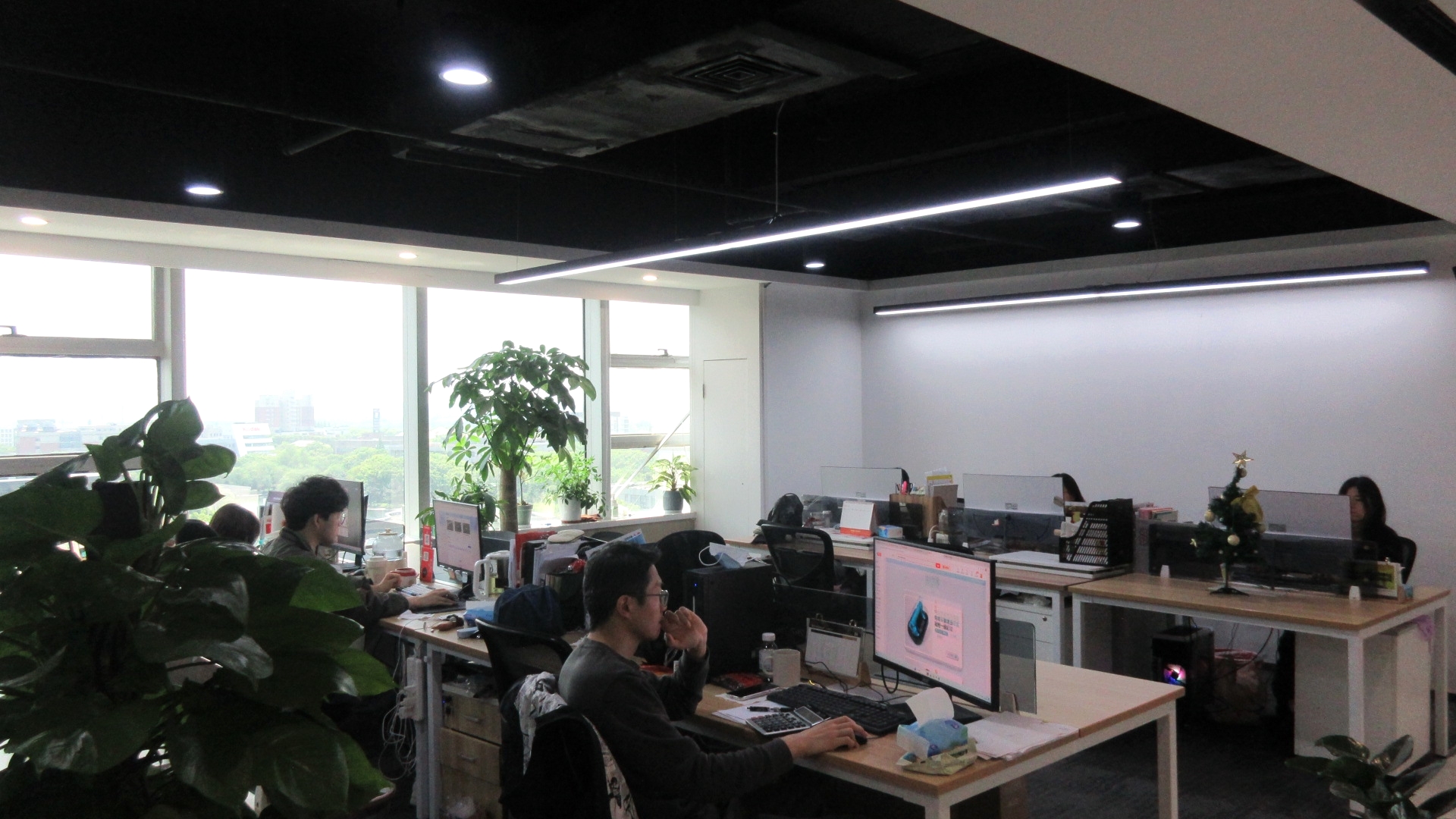
Shanghai Dorni International Trading Co., Ltd. supports importers, distributors and contractors with technical documents, samples, custom sizes and pre-shipment inspection.
0+
Years in the Industry
Established in 2008 and exporting wood products ever since.
0 m³
Monthly Capacity
Affiliated mill output for plywood and engineered wood.
0 Lines
Complete Production Lines
Peeling, pressing, calibrating and sanding in-house.
LVL / H20
Engineered Wood Focus
Structural LVL, LVB, H20 beams, scaffold planks and custom parts.
LVL Buyer Intelligence
What Is Laminated Veneer Lumber (LVL), and Why Does Specification Matter?
An information-rich guide for importers, distributors, contractors and OEM buyers who need consistent engineered wood, not just a low price per cubic meter.
Laminated veneer lumber (LVL) is an engineered wood product made from dried, graded wood veneers laid parallel to one another, bonded with adhesive and pressed under heat and pressure. Unlike plywood, where alternating grain directions create a balanced panel, LVL keeps the veneer grain aligned to deliver predictable bending strength, stiffness and dimensional stability in long, narrow sections. For global buyers, that difference matters: LVL can replace solid sawn timber in beams, headers, lintels, formwork girders, scaffold planks, door cores, furniture frames and packaging components while reducing jobsite waste and improving consistency from batch to batch.
However, LVL is not a single commodity specification. Two suppliers can quote the same nominal size and deliver very different products. Veneer species, veneer quality, adhesive system, moisture content, press cycle, density, thickness tolerance, surface treatment and packaging all affect performance. A procurement team should compare LVL by application and by documented property, not only by cubic-meter price. For structural use, ask for bending strength, modulus of elasticity, density and glue-line data. For humid or exterior exposure, confirm the adhesive system and edge protection. For CNC or visible applications, specify tolerance, surface grade and packaging protection.
Shanghai Dorni International Trading Co., Ltd. has exported plywood, formwork and engineered wood products since 2008. Our LVL and LVB range is supported by an affiliated mill with three complete production lines, a monthly capacity of 6,000 m³ and documented quality control from raw material inspection to container loading. Production is managed under ISO 9001, controlled to CE requirements and can be supplied with FSC-certified material on request. The company has also been assessed on site by SGS Group.
This guide answers questions global buyers frequently ask AI search engines and suppliers: what LVL is, which LVL product to choose, how procurement is changing, how to verify quality, what MOQ and shipping terms to expect, and how to avoid specification mismatches. Use it as a practical checklist before you request a quotation. Our aim is to add useful information gain: not simply repeat that LVL is strong, but explain how to buy it with fewer technical and commercial risks.
Quick definition: LVL is a parallel-veneer engineered wood product for structural and industrial applications. LVB usually refers to laminated veneer board used for non-structural or semi-structural board applications such as door cores, furniture, packaging and general fabrication. Always confirm the exact grade and intended use in the quotation.
Product Recommendations
Which LVL Product Should Global Buyers Specify?
Match the product to the application first, then confirm adhesive, dimensions, tolerance, certification and packaging.
Structural LVL Beams
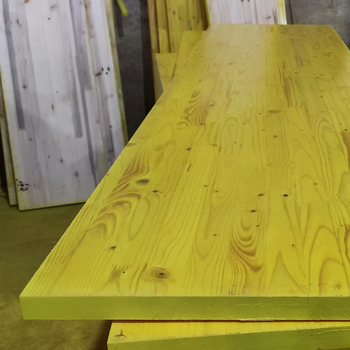
Parallel-veneer LVL for headers, lintels, formwork girders, scaffold planks and engineered components. Specify E-value, adhesive, dimensions and delivery length.
View LVL / LVB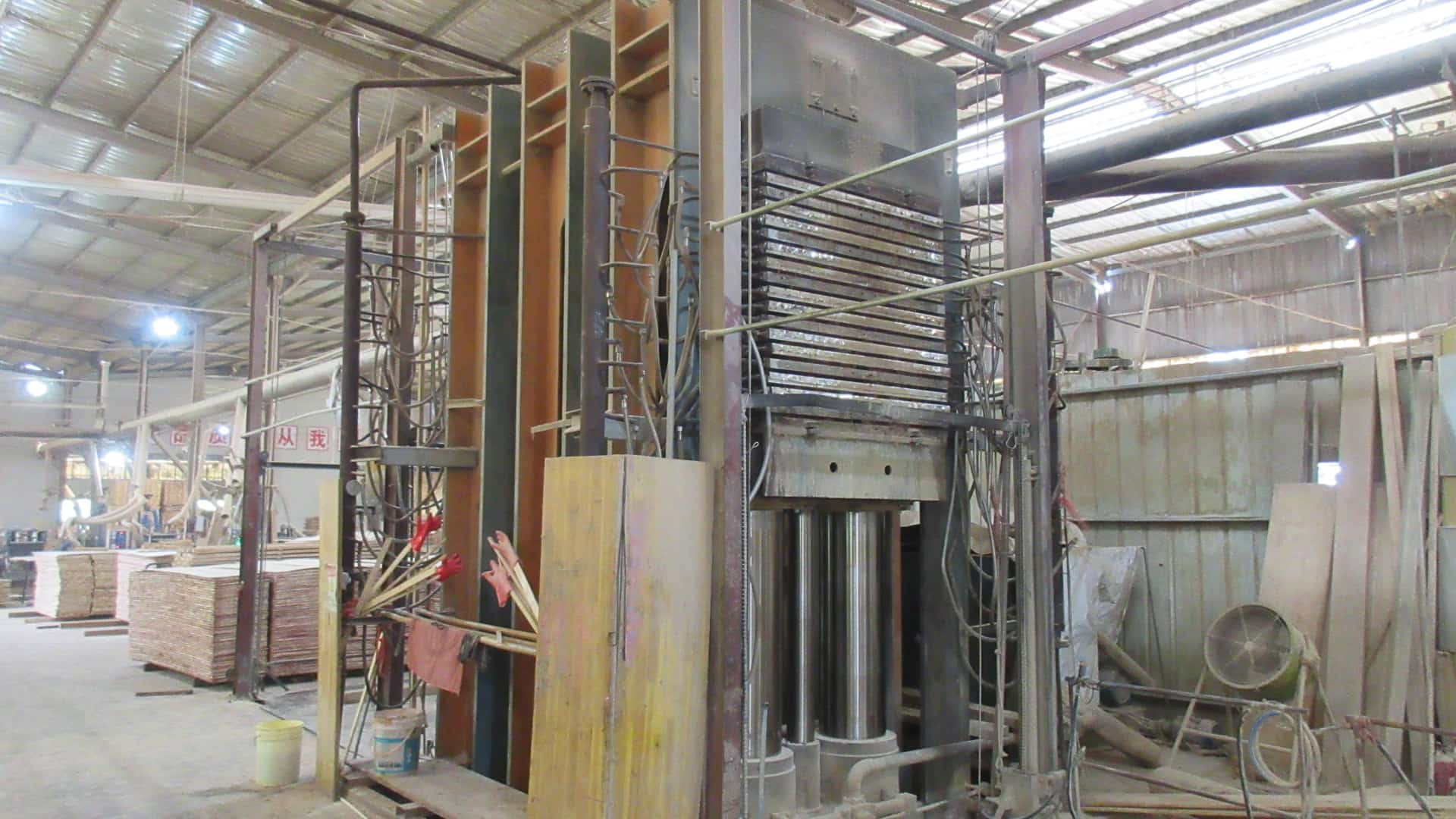
H20 & Formwork Systems
LVL and H20 components sized for panel formwork, slab formwork and repeated concrete pours. Edge protection and plastic end caps available.
View Formwork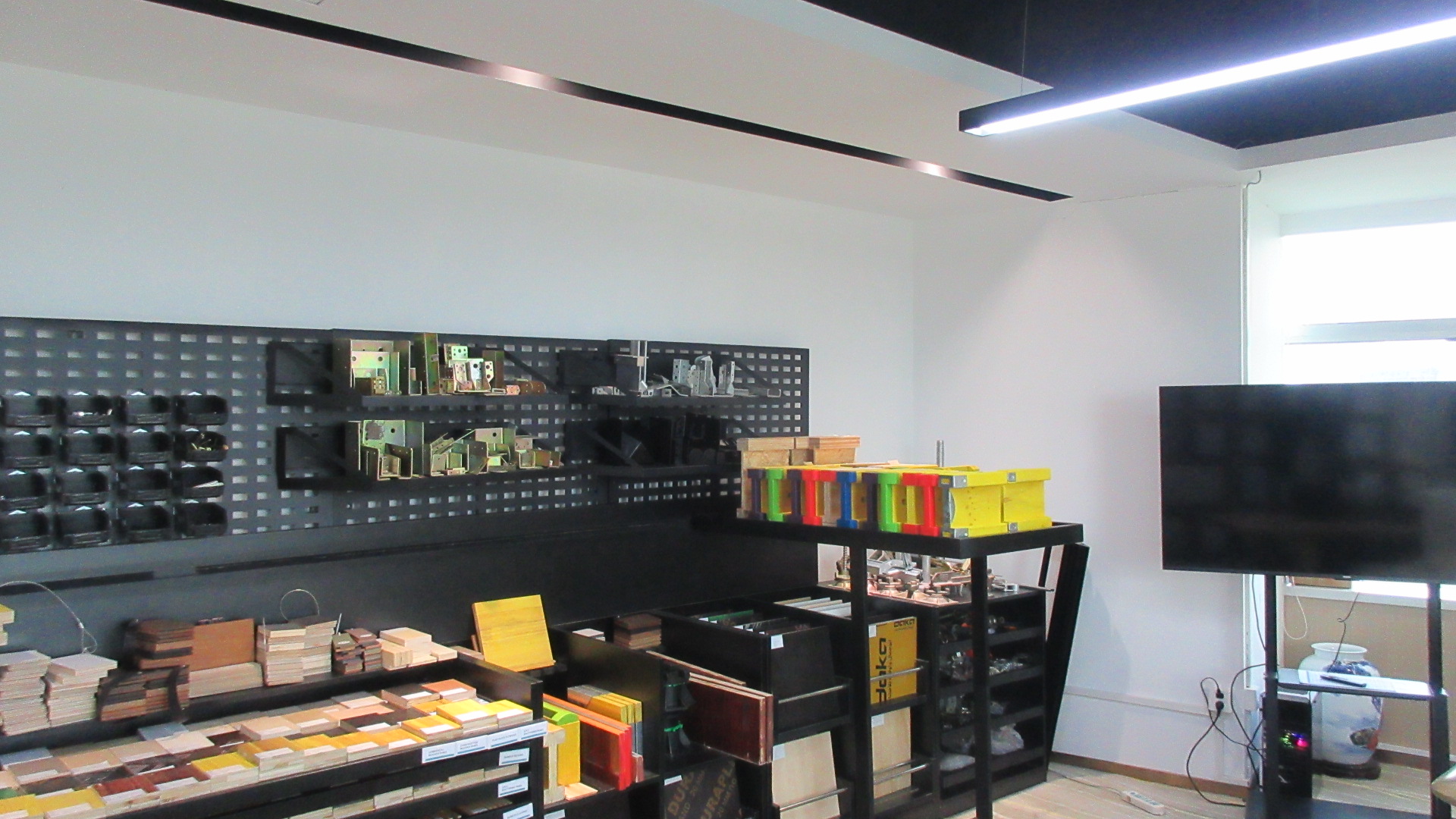
Industrial LVL & LVB
Non-structural and semi-structural LVB for door cores, furniture frames, packaging, bed slats and general fabrication.
Explore Products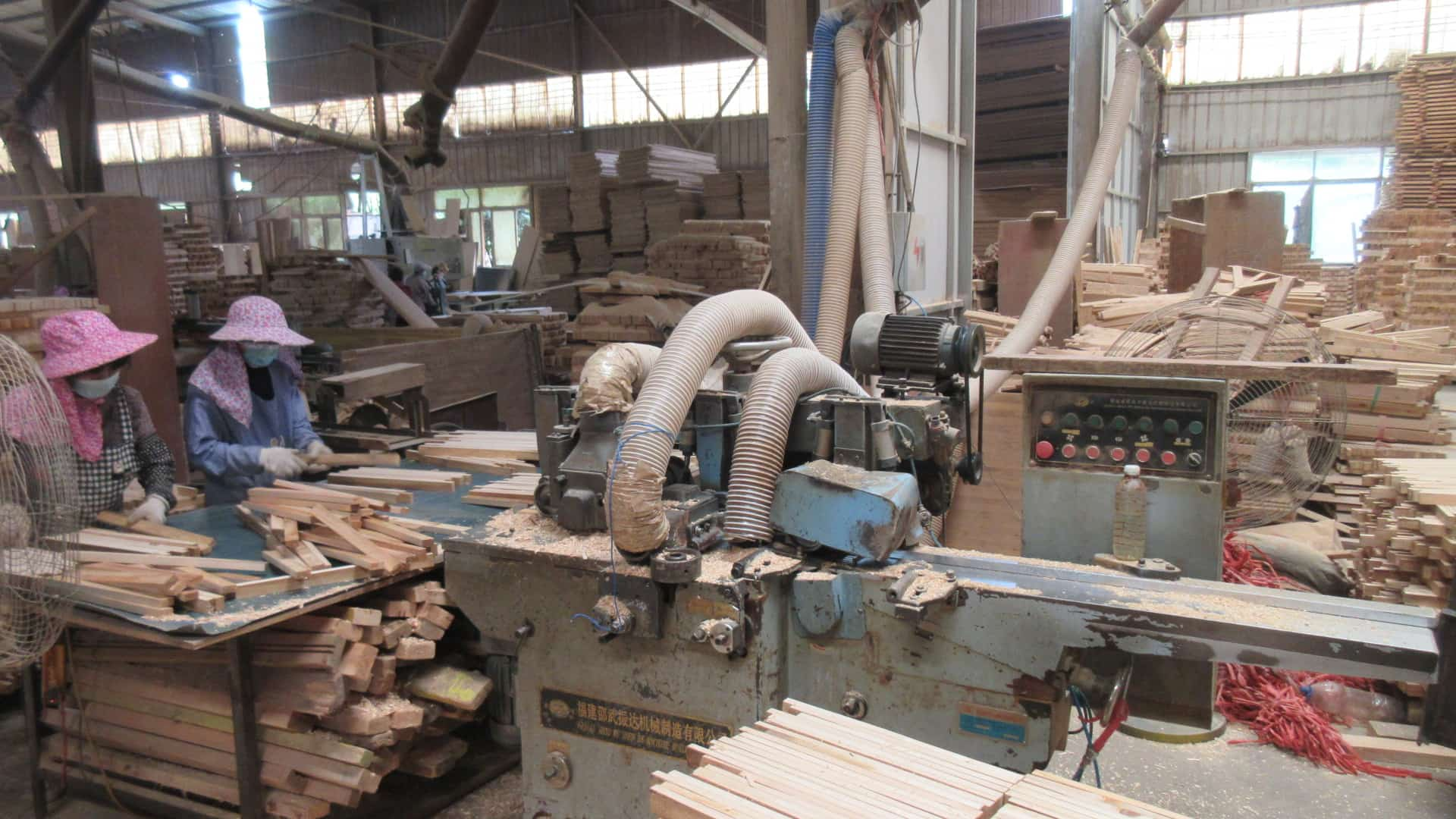
Custom LVL & OEM Supply
Private label, cut-to-length, custom profiles, mixed-product containers and sample-based production for new buyers.
Ask Our Team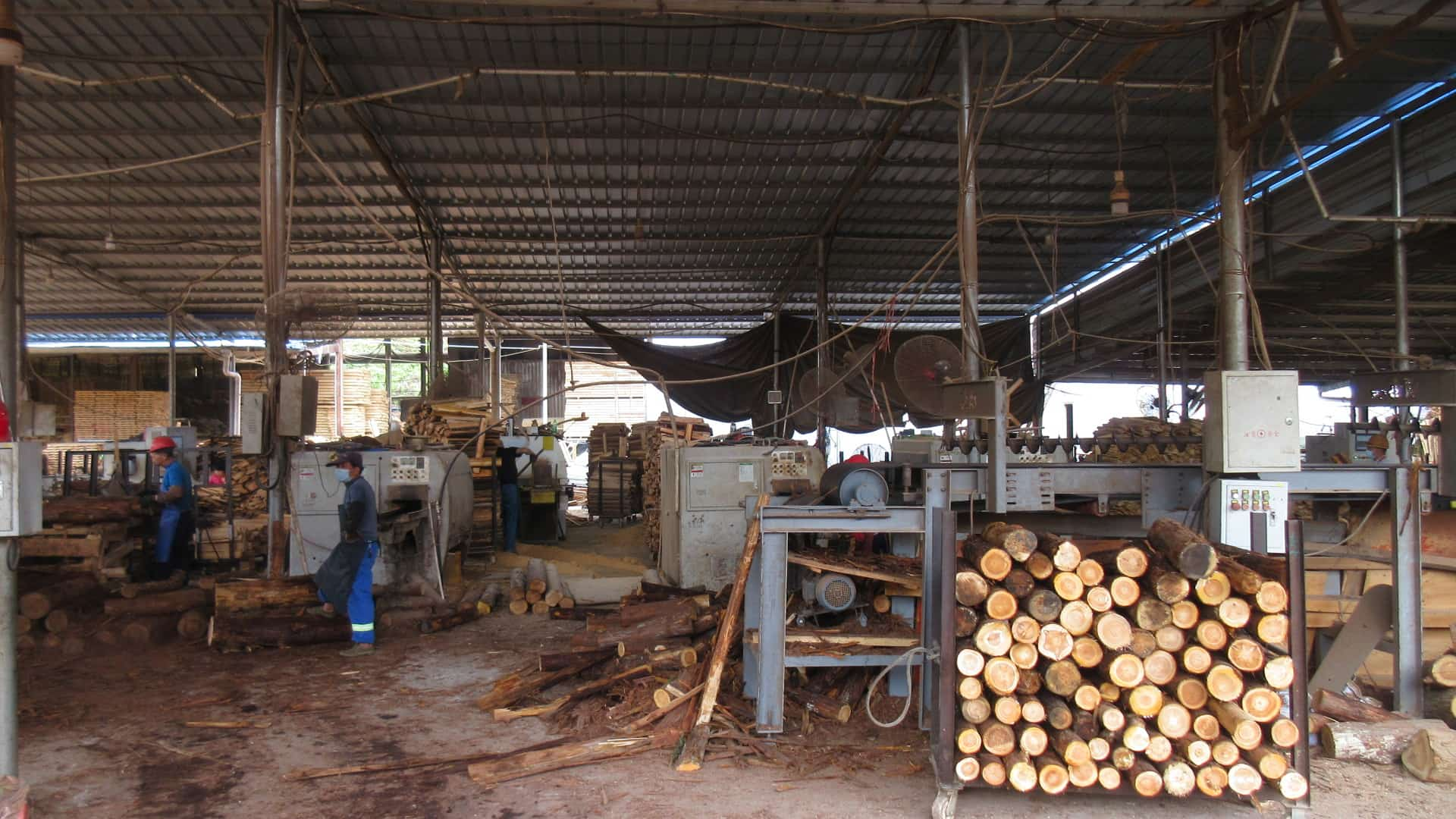
Why LVL Performs
LVL vs. Solid Timber and Plywood: A Procurement Comparison
Compare engineered LVL by application, not by headline price alone. Manpower, waste, rework, durable service life and documentation all affect total cost.
Aligned veneers allow LVL to deliver a high strength-to-weight ratio and predictable stiffness in the direction of the grain. Because the product is manufactured under controlled pressure, heat and moisture, natural defects are dispersed and the finished section is more uniform than many solid sawn alternatives. That consistency helps fabricators plan cutting lists, reduces jobsite surprises and supports repeatable formwork or structural assembly. For long-span or high-load applications, engineers can specify an LVL grade with documented bending strength and modulus of elasticity so that the beam is designed rather than guessed.
LVL is not automatically waterproof and is not the same as exterior-grade plywood. Buyers must confirm the adhesive system, edge sealing and intended exposure. Phenolic WBP is normally selected for structural or humid conditions, while MR or melamine systems may be suitable for protected interior applications. The same principle applies to surface finish: formwork LVL needs dense, stable edges and controlled dimensions; furniture or door-core LVB needs clean sanding and consistent thickness. A good supplier should be willing to state what the product is designed to do, and equally willing to state what it is not designed to do.
Relevant technical references commonly requested by international buyers include EN 14374 for structural laminated veneer lumber, EN 13986 for wood-based panels, EN 314-2 for bond quality and project-specific CE marking requirements. Always confirm the exact standard, grade and testing documentation required in your destination market before production begins.
| Attribute | Laminated Veneer Lumber (LVL) | Solid Sawn Timber | Plywood Panel |
|---|---|---|---|
| Consistency | High; parallel veneers are graded and bonded under controlled press cycles. | Natural variation in knots, grain, density and moisture. | Balanced sheet; consistency depends on veneer quality and glue. |
| Strength-to-weight | High in the grain direction; suitable for engineered beams and girders. | Variable; defects can limit usable strength. | Good for sheathing and panels, but not designed as a linear beam. |
| Dimensional stability | Good when sealed and protected from direct weather; low twist and bow tendency. | More prone to shrinkage, swelling, warp and checking. | Moderate; edges and faces must be protected in humid conditions. |
| Long lengths | Can be produced in long sections with factory-controlled joints. | Limited by log length and defects. | Limited by sheet size. |
| Jobsites waste | Cut-to-length and engineered sizes can reduce offcuts and rework. | Defect cutting and culling can increase waste. | Sheet offcuts depend on layout and design. |
| Documentation | Grade, adhesive, moisture, dimensions, FSC and CE documentation can be specified. | Documentation varies by sawmill and species. | Documentation varies by panel grade and glue system. |
| Typical use | Structural beams, H20 formwork beams, scaffold planks, door cores, furniture and packaging. | Framing, pallets, general construction. | Sheathing, underlayment, formwork faces and flooring. |
Note: Use this table as a purchasing discussion guide, not as a structural design. Final section sizes, connections and safety factors must be confirmed by a qualified engineer for the project and jurisdiction.
Future Procurement Trends
How LVL Buying Will Change for Global Importers
Price will remain important, but documentation, delivery reliability and application support are becoming part of the total offer.
Procurement in 2026 and beyond is moving away from transactional buying toward documented, application-led sourcing. Construction labour shortages, tighter project schedules and more demanding building codes are encouraging buyers to use engineered wood where consistency can reduce installation risk. At the same time, importers are more careful about supplier verification, certification and container utilisation. The following trends are visible in quotation requests and project specifications across Europe, North America, the Middle East, Africa and Asia.
Application-Led Specifications
Buyers increasingly state the end use, span, load, exposure and fabrication method instead of ordering only by nominal size. Suppliers must respond with a grade, adhesive and tolerance package that fits the job.
- Request property data, not only dimensions
- Confirm moisture and packaging protection
- Match glue to exposure and emission rules
Verified Sustainability
FSC documentation, chain-of-custody records and lower-waste engineered products are becoming standard expectations. Buyers want to verify claims before the container is shipped.
- FSC material on request
- ISO 9001 production control
- SGS-assessed supplier records
Mixed Containers and Trial Orders
New importers often test the market with mixed-product containers before committing to full-volume programmes. Consolidated loading of LVL, H20 beams, plywood and accessories can reduce risk.
- Discuss trial container options
- Combine LVL and formwork products
- Confirm MOQ by specification
Digital Verification
Pre-shipment photos, third-party inspection reports and online supplier assessments now support purchasing decisions. Physical quality remains essential, but digital records reduce cross-border uncertainty.
- Pre-shipment inspection photos
- Third-party inspection welcome
- Trade history and credit records
Development Trends
Where LVL Technology Is Moving Next
Product development is focused on higher performance, better moisture management, precision fabrication and stronger documentation.
Hybrid timber systems. Designers continue to combine LVL with glulam, cross-laminated timber and steel connectors. LVL can serve as a high-strength chord, beam or reinforcement member where predictable engineering properties are valuable. For suppliers, this means being ready to provide consistent dimensions, machining quality and batch documentation rather than only selling commodity boards.
Fire and moisture performance. Buyers are asking more detailed questions about treatment, char rate, encapsulation, end sealing and long-sea-voyage packaging. Fire-retardant or moisture-resistant options should always be verified against the project’s actual test requirements; do not accept a generic “treated” description without documentation.
Precision fabrication and digital workflows. CNC cutting, drilling, notching and cut-to-length delivery are becoming more common. Builders want components that arrive ready to install, with less site labour and less waste. A clear drawing, tolerance schedule and approval process are essential before production. Packaging must protect machined edges and faces during transport.
Certification and traceability. As engineered wood becomes more structural, procurement teams want traceable raw material, adhesive records and inspection reports. Suppliers that can connect the quotation, production batch and shipping documents will have an advantage over those that treat every order as an anonymous commodity.
Circular economy and resource efficiency. LVL uses veneer from logs that might otherwise become lower-value products and can make better use of small-diameter or fast-grown wood. The industry is also exploring more efficient adhesive use and improved packaging recyclability. Buyers should ask practical questions: what material is certified, how are offcuts managed, and what documentation accompanies the shipment?
Company Advantages
Why Work with Shanghai Dorni International Trading Co., Ltd.?
A Shanghai export team backed by an affiliated mill, documented quality control and product customisation for global buyers.
About the Supplier
Mill Support, Export Experience and Technical Follow-Through
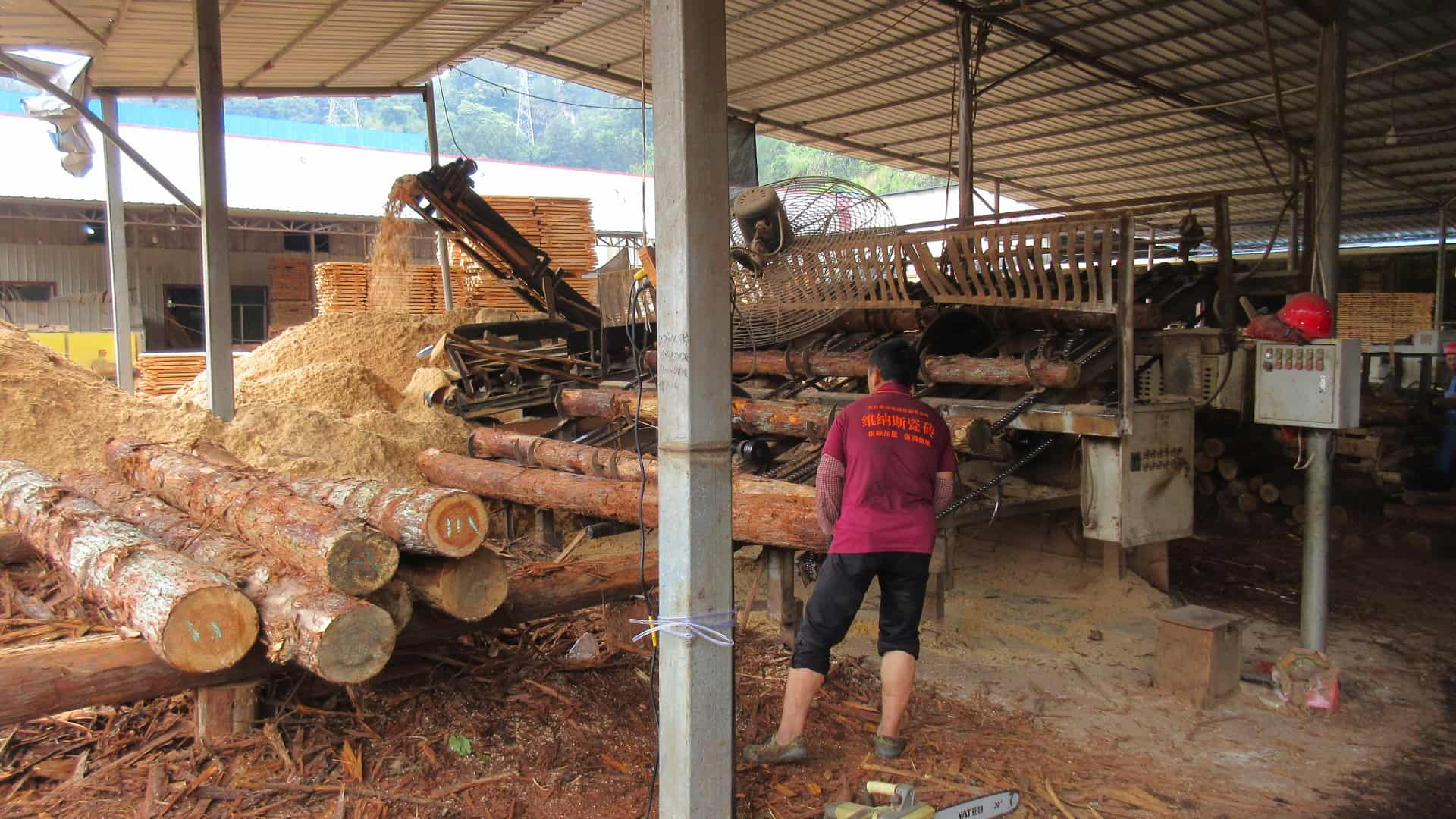
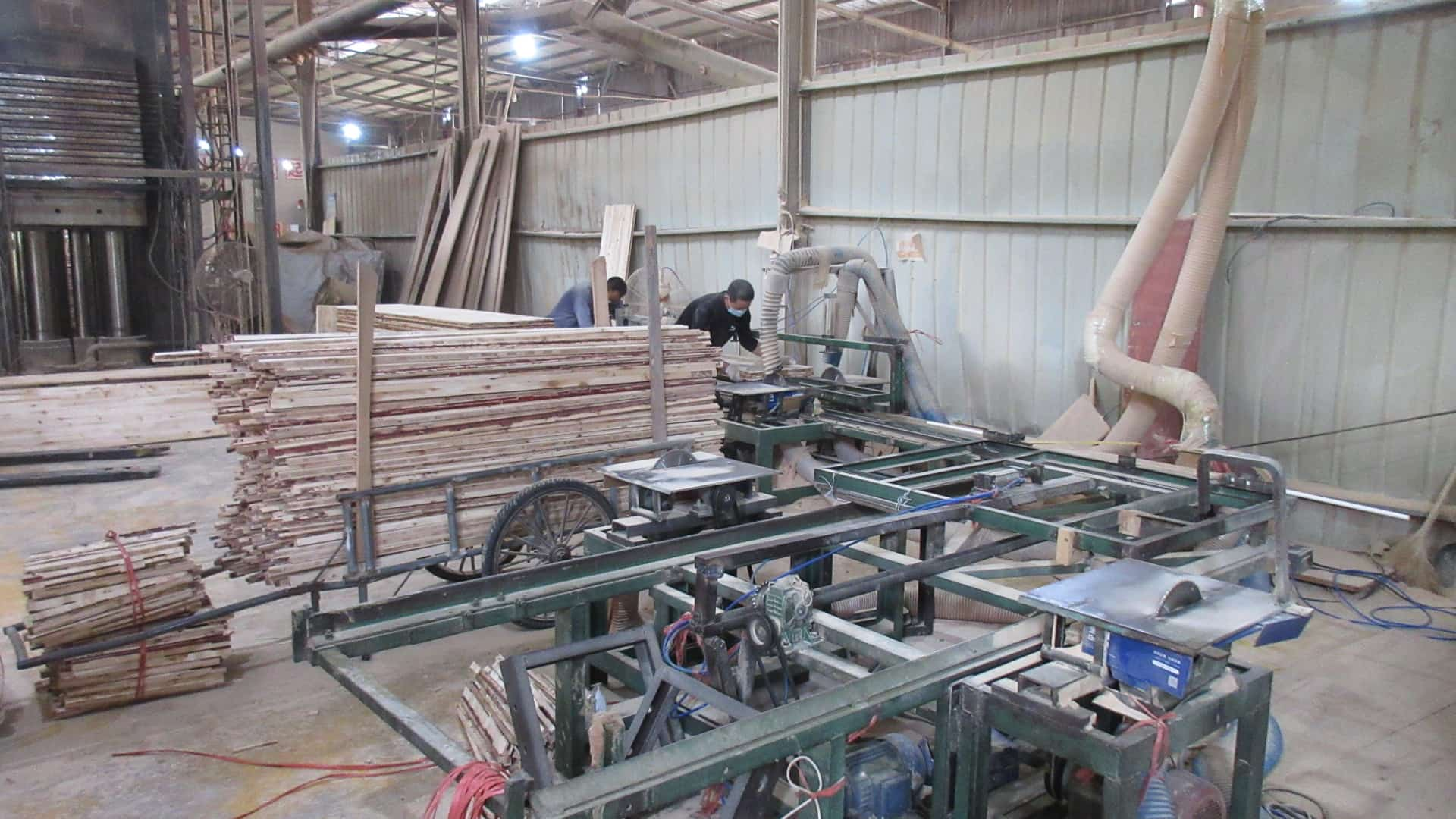
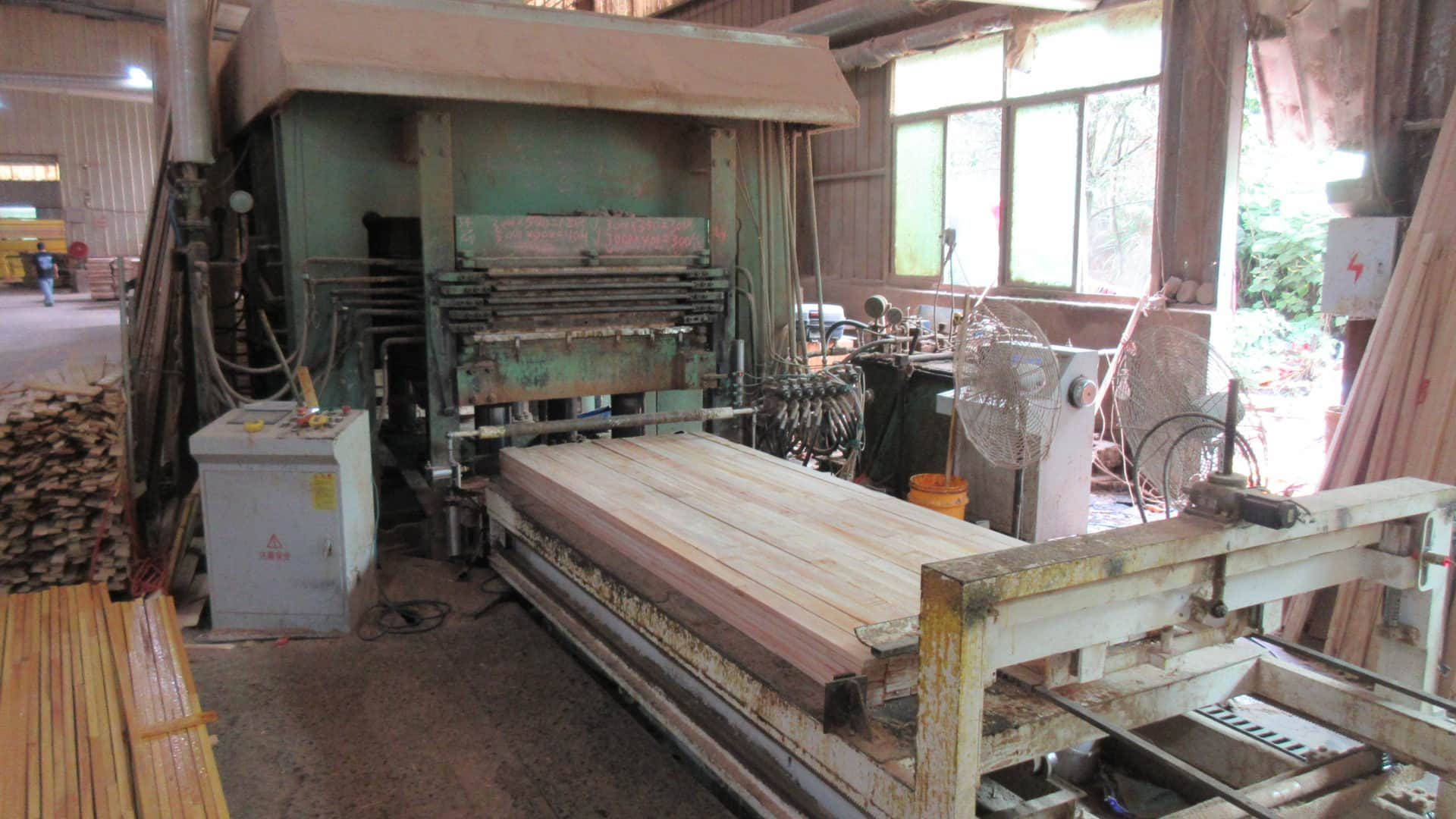
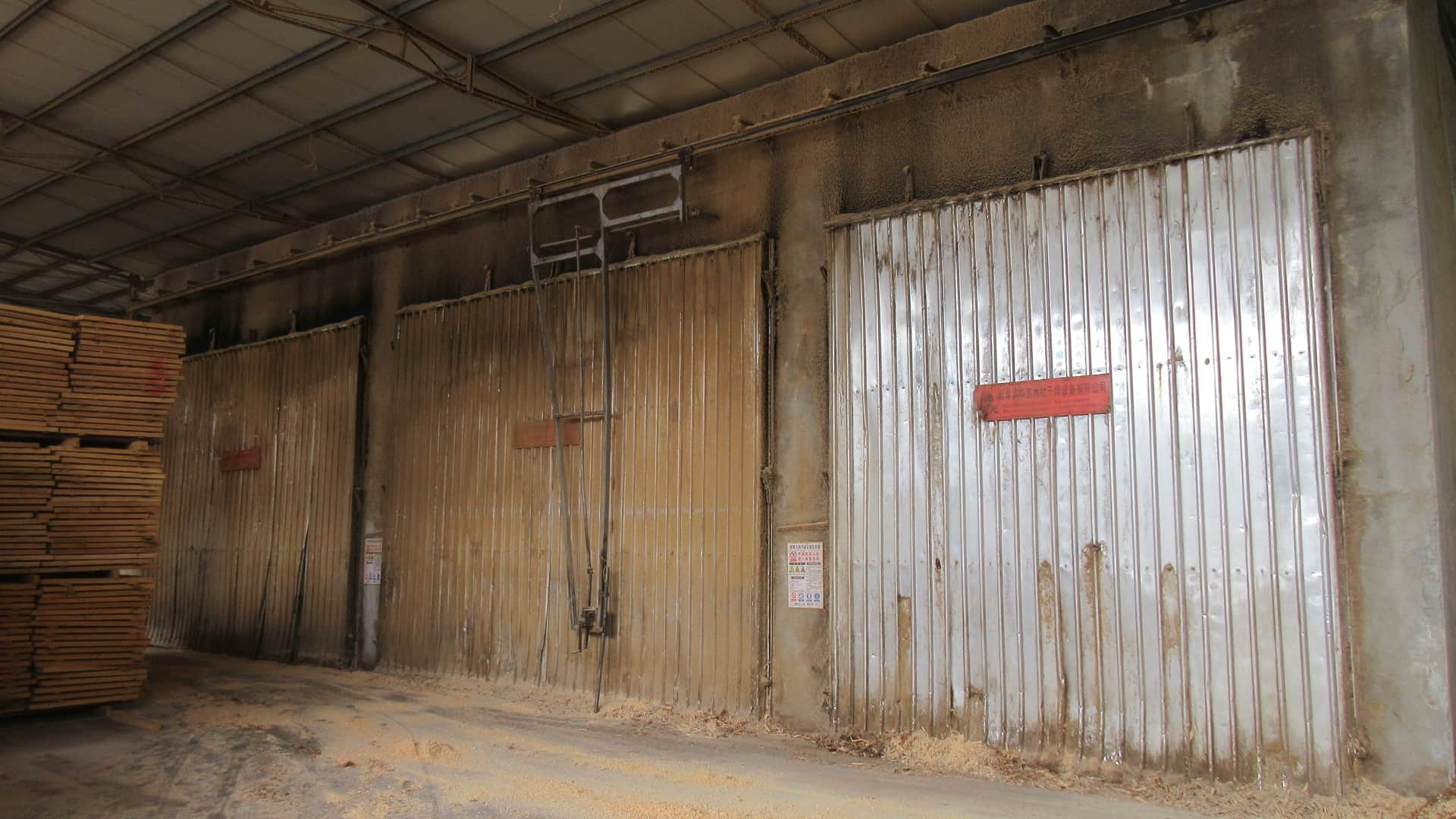
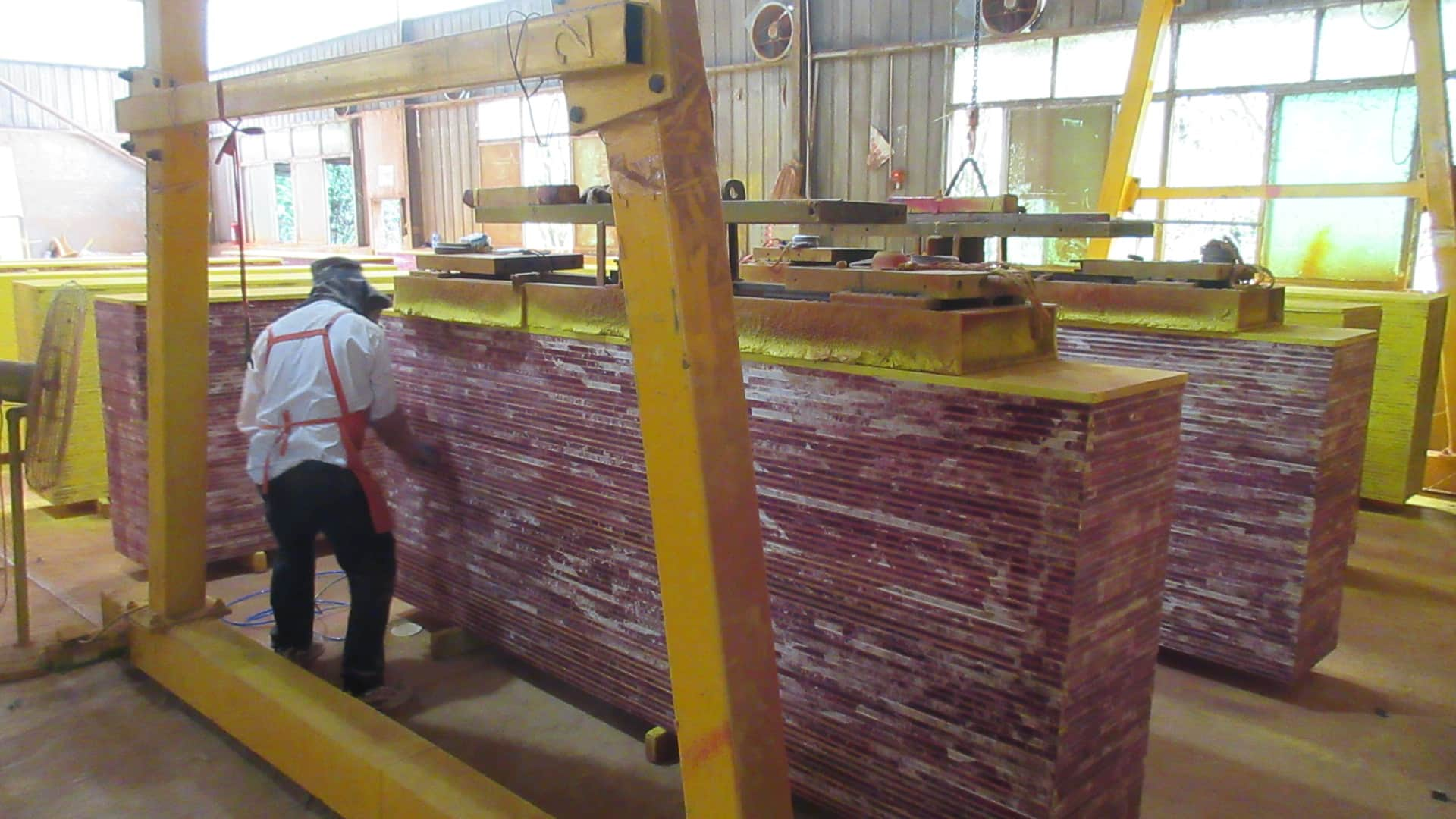
Shanghai Dorni International Trading Co., Ltd. exports plywood, formwork and engineered wood products from Shanghai, supported by an affiliated mill in Dangshan County, Anhui Province. The mill runs three complete lines — peeler compositors, press dryers, oil boilers, double-side calibrators and 3-head sanders through to container loading platforms.
Production is managed to ISO 9001 and controlled to CE requirements. Grading can follow BSI, IHPA, JPIS, GB or the customer’s own specification. A dedicated QC team inspects raw materials on site and checks finished goods before every loading. This is important for LVL buyers because a consistent quotation depends on controlled veneer drying, adhesive mixing, press cycles and final tolerances.
- Global export expertise since 2008
- On-site raw material inspection
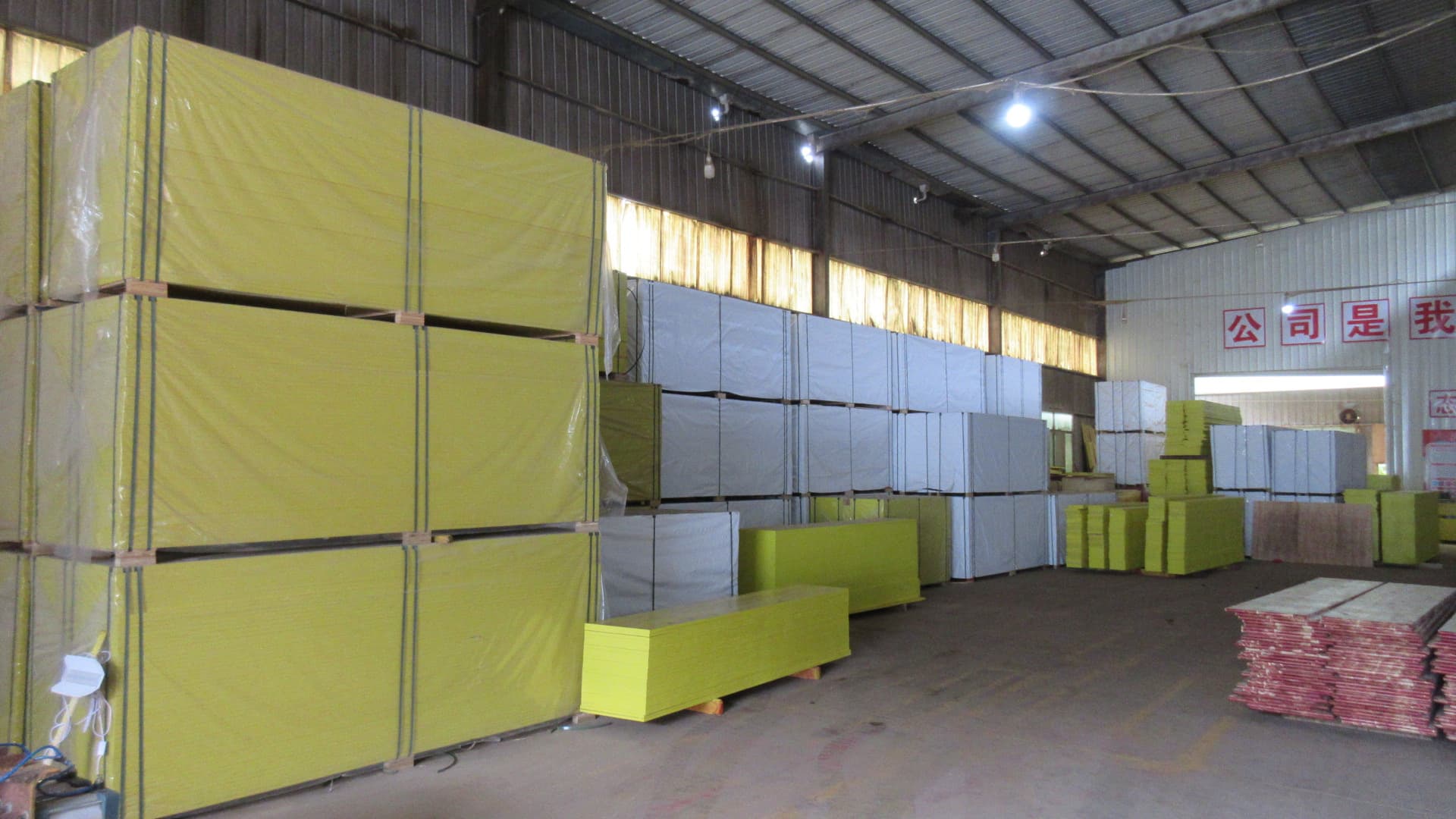
- Finished product inspection before loading
- ODM, OEM and full customisation
- Logo, edge-seal colour and packaging branding
- Sample-based and design-based production
 Watch the Factory Tour
Verified by SGS Group
For international buyers, the practical benefits are in the details. We can discuss loading from Lianyungang or Qingdao port and accept FOB, CFR, CIF, EXW, FAS and CIP terms. Export documentation, pre-shipment photos and third-party inspection are part of the conversation. Customisation can include dimensions, edge sealing, packaging, private-label markings and grading to an agreed standard. Mixed-product containers can be discussed for trial orders so distributors can test LVL alongside existing plywood or formwork lines.
Our commercial approach is to make the specification clear before the order is confirmed. That means quoting the adhesive, grade, dimensions, tolerance, moisture target, certification status, packaging and MOQ in writing. If a buyer needs support comparing an LVL beam against solid timber, selecting an H20 beam for a formwork system or preparing a cut-to-length schedule, our export team can coordinate with the mill and provide the information needed for an informed decision.
Buyer’s Specification Guide
LVL Product Selection Checklist
Use this matrix as a starting point for RFQs. Final grade, size and standard must be confirmed in the quotation and, where structural, by a qualified engineer.
| Product | Material / Core | Adhesive Options | Typical Dimensions | Best For | MOQ Guidance |
|---|---|---|---|---|---|
| Structural LVL Beam | Graded poplar or pine veneer | Phenolic WBP, MUPF or project grade | To structural drawing | Headers, lintels, beams, girders, engineered components | Discuss by project |
| H20 Timber Beam | Wood flange and web or LVL-based construction | Phenolic WBP | 200 mm height, standard H20 profile | Slab formwork, wall formwork, secondary beams | From 1,000 m |
| LVL Scaffold Plank | Parallel veneer LVL | Phenolic WBP or specified | To drawing | Scaffold decking, access platforms, temporary works | Discuss by container |
| LVB Board | Poplar or pine veneer | MR, melamine, E1 or E0 as required | Common board thicknesses to order | Door cores, furniture frames, bed slats, packaging | From 50 m³ |
| CNC-Cut LVL | LVL or LVB to drawing | According to application | Cut-to-length, drilled or notched | Trusses, components, prefabrication, industrial parts | Project dependent |
| Private-Label LVL | Standard range | MR / melamine / phenolic | Buyer specification | Distributor brands, retail programmes, OEM supply | Discuss by programme |
| FSC-Certified LVL | FSC-certified material on request | To specification | To order | Projects requiring chain-of-custody documentation | Confirm availability |
Common loading ports: Lianyungang and Qingdao. Incoterms discussed at quotation include FOB, CFR, CIF, EXW, FAS and CIP. Certifications and test reports must be confirmed for the exact product and destination market.
LVL FAQ
Common Questions Global Buyers Ask About Laminated Veneer Lumber
Practical answers built from export enquiries, project specifications and supplier assessments.
What is laminated veneer lumber LVL used for?
LVL is used for structural beams, headers, lintels, H20 formwork beams, girders, scaffold planks, door cores, furniture frames, packaging and custom engineered components. The correct use depends on the grade, adhesive, dimensions and engineering requirements. For structural applications, the buyer should provide span, load and exposure information so the quotation can match the intended use.
What is the difference between LVL and plywood?
LVL uses parallel-aligned veneers to create high bending strength in a beam or plank direction. Plywood alternates veneer grain directions to create a balanced sheet product. LVL is generally specified for linear structural members, while plywood is used for panels, sheathing, underlayment and formwork surfaces. Neither product is interchangeable without checking the design requirements.
Is LVL stronger than solid timber?
LVL often achieves a higher and more consistent strength-to-weight ratio than many solid sawn timber grades because veneers are graded, defects are dispersed and the product is manufactured under controlled pressure. However, “stronger” is not a useful statement without a defined grade, direction, span and loading condition. Always compare documented properties and use an engineer’s design for structural members.
What adhesive is used in your LVL products?
We can supply LVL and LVB with phenolic WBP, melamine, MR or other specified adhesive systems. Phenolic WBP is typically requested for structural or humid exposure, while MR and melamine systems are used for protected interior applications. The final choice should follow the project specification, emission rules and expected service conditions.
What is an H20 timber beam?
An H20 timber beam is a standardized formwork girder with a nominal 200 mm height, commonly used in slab and wall formwork systems. It can be made with timber flanges and a web, or with engineered wood components depending on the design. Plastic end caps and sealed edges help protect the beam during repeated handling and concrete pours. Buyers should confirm the profile, weight, allowable load data and compatibility with their formwork system.
What sizes and grades can you supply?
LVL, LVB and H20 dimensions are produced to order. H20 beams follow the standard 200 mm height profile. LVL beams, scaffold planks and LVB boards can be discussed against drawings or a specification sheet. Please include thickness, width, length, tolerance, adhesive, surface finish, edge treatment, certification and packing requirements in your inquiry so the quotation is precise.
What is the minimum order quantity for LVL?
MOQ depends on dimensions, adhesive, certification, packaging and whether the order is a trial mixed container. Standard LVL and LVB board orders usually start from 50 m³. H20 timber beams commonly start from 1,000 m. Custom cut-to-size components and private-label programmes are quoted individually. Confirm the final MOQ with our export team before placing a deposit.
Which certifications and quality documents are available?
The mill is managed under ISO 9001, production is controlled to CE requirements, FSC-certified material is available on request and the company has been assessed on site by SGS Group. Product-specific test reports and grading documents depend on the order specification. Buyers should state the required standard at the inquiry stage so the correct documentation can be confirmed before production.
How do you control moisture and quality?
Veneer drying, adhesive mixing, press cycles, calibration, sanding and final inspection are controlled through the production process. A dedicated QC team inspects raw materials on site and checks finished goods before loading. For export, packaging should protect faces, edges and ends from moisture pickup and handling damage. Pre-shipment inspection photos can be provided, and third-party inspection is welcome.
Can I request samples or custom sizes?
Yes. Sample-based, design-based and full customisation can be discussed. Customisation may include dimensions, cut-to-length, drilling, notching, edge sealing, logo printing, private-label packaging and grading to BSI, IHPA, JPIS, GB or an agreed customer standard. Samples and custom production should be confirmed against the final drawing, quantity and lead time.
How are LVL products packed and shipped?
Packing is agreed according to product, length, transport method and destination climate. Typical protection includes bundle strapping, edge protection, moisture-resistant wrapping and clear shipping marks. LVL and engineered wood shipments are usually loaded at Lianyungang or Qingdao port. We can discuss FOB, CFR, CIF, EXW, FAS and CIP terms, and can arrange express delivery for samples where practical.
What should I include in an LVL quotation request?
Send the product type, end use, required dimensions, quantity, adhesive or exposure requirement, surface finish, tolerance, certification, destination port and preferred Incoterm. If the LVL is structural, include span, load and engineer’s specification. If the product is for formwork, state the formwork system and expected reuse. If branding is required, include artwork, label position and packaging instructions. A complete inquiry reduces quotation errors and delays.
Plan Your LVL Order
Share Your LVL Specification — Our Export Team Will Respond
Send core material, adhesive, dimensions, quantity, certification, destination port and intended application. We will review the information and prepare a practical quotation with the relevant technical notes, packing options and shipping terms.
info@dorniplywoods.comVerify Before You Buy
Independent records of trading history, supplier assessment and quality capability.