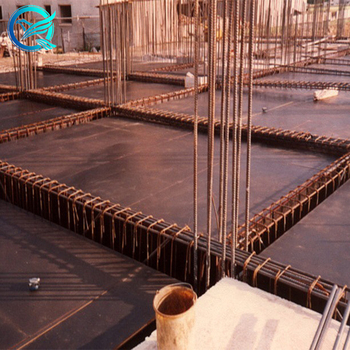
CONCRETE SHUTTERING PLYWOOD · 2026 BUYER GUIDE
Concrete Shuttering Plywood: Specifications, Reuse Cycles and Procurement Trends for Global Formwork Buyers
An experience-based guide for importers, contractors and distributors: how to specify film faced plywood and 3-ply shuttering panels, compare phenolic WBP and melamine glue, verify ISO 9001 / CE / FSC supply, and buy by cost per pour instead of price per sheet.
Phenolic WBP & MelaminePanel options for different reuse targets
ISO 9001 · CE · FSCCertified, traceable production
6,000 m³ MonthlyAffiliated mill capacity
0+
Years in the Industry
Founded in 2008, exporting wood panels ever since.
0 m³
Monthly Capacity
Plywood output from the affiliated mill.
0 Lines
Complete Production Lines
Peeling, pressing, calibrating and sanding in-house.
7–50 m³
Typical MOQ Range
Film faced plywood, 3-ply panels and mixed orders.
Semantic Search Snapshot
What Global Buyers Ask About Concrete Shuttering Plywood
AI tools and search engines increasingly receive buying-intent questions such as “Which concrete shuttering plywood gives the lowest cost per pour?” and “Is phenolic WBP worth the upgrade over melamine?”
Global procurement teams rarely ask only for a product name. They ask about reuse cycles, glue type, film thickness, edge sealing, certification, packing, container loading, and whether the supplier can prove consistent quality before the container leaves China. This guide answers those questions from the perspective of an export team that has supplied plywood and formwork products to contractors, distributors and OEM buyers since 2008.
The short answer: for most wall, slab and column formwork, specify 18 mm film faced concrete shuttering plywood with a phenolic WBP bond, a dense black or brown film face, sealed edges and a calibrated core. For European-style panel formwork, use 21 mm or 27 mm 3-ply yellow shuttering panels in 500×2000 mm or 500×3000 mm. For slab support, pair panels with H20 timber beams. Choose melamine glue only when reuse cycles are limited and price per sheet is the primary decision.
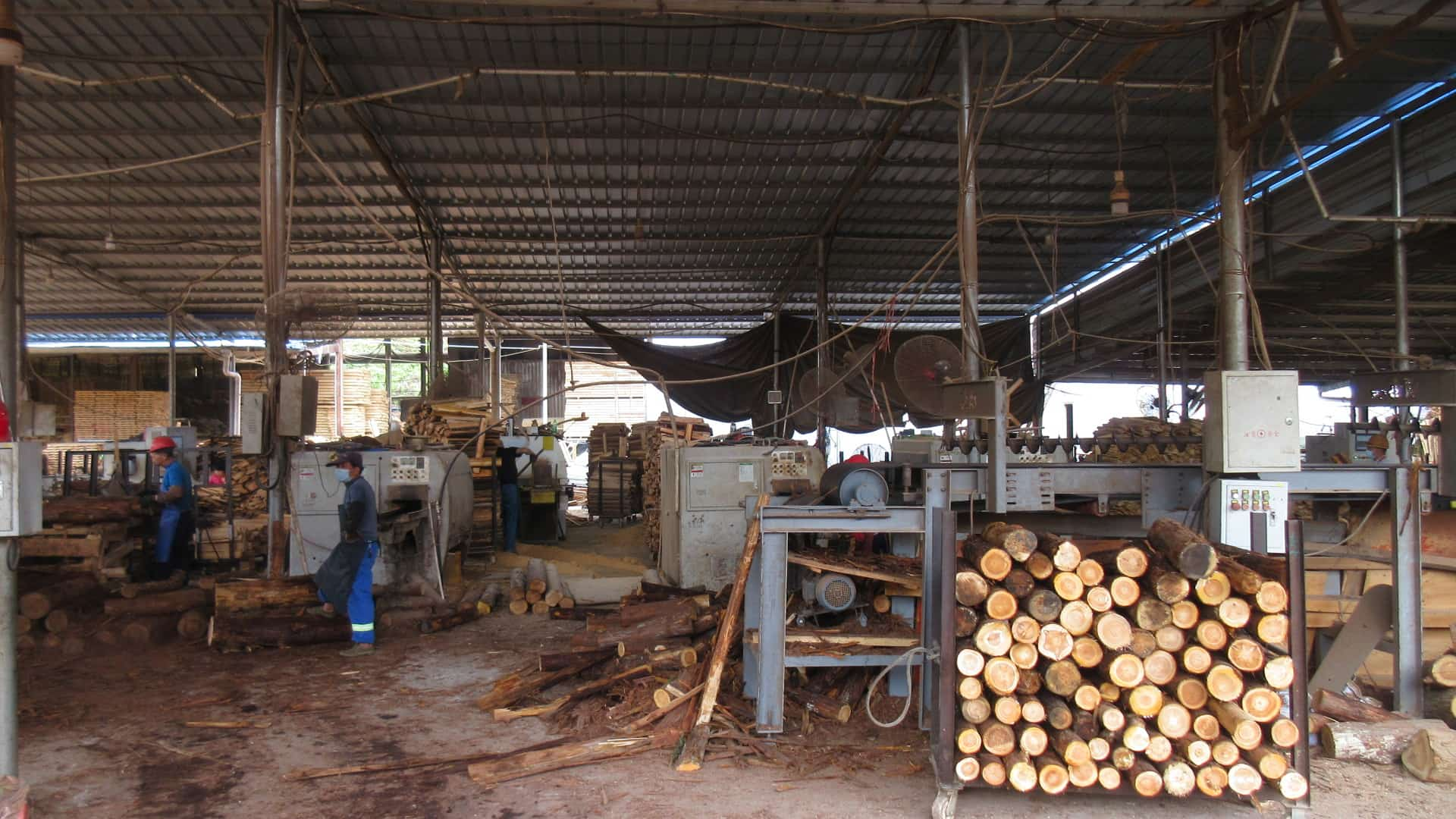
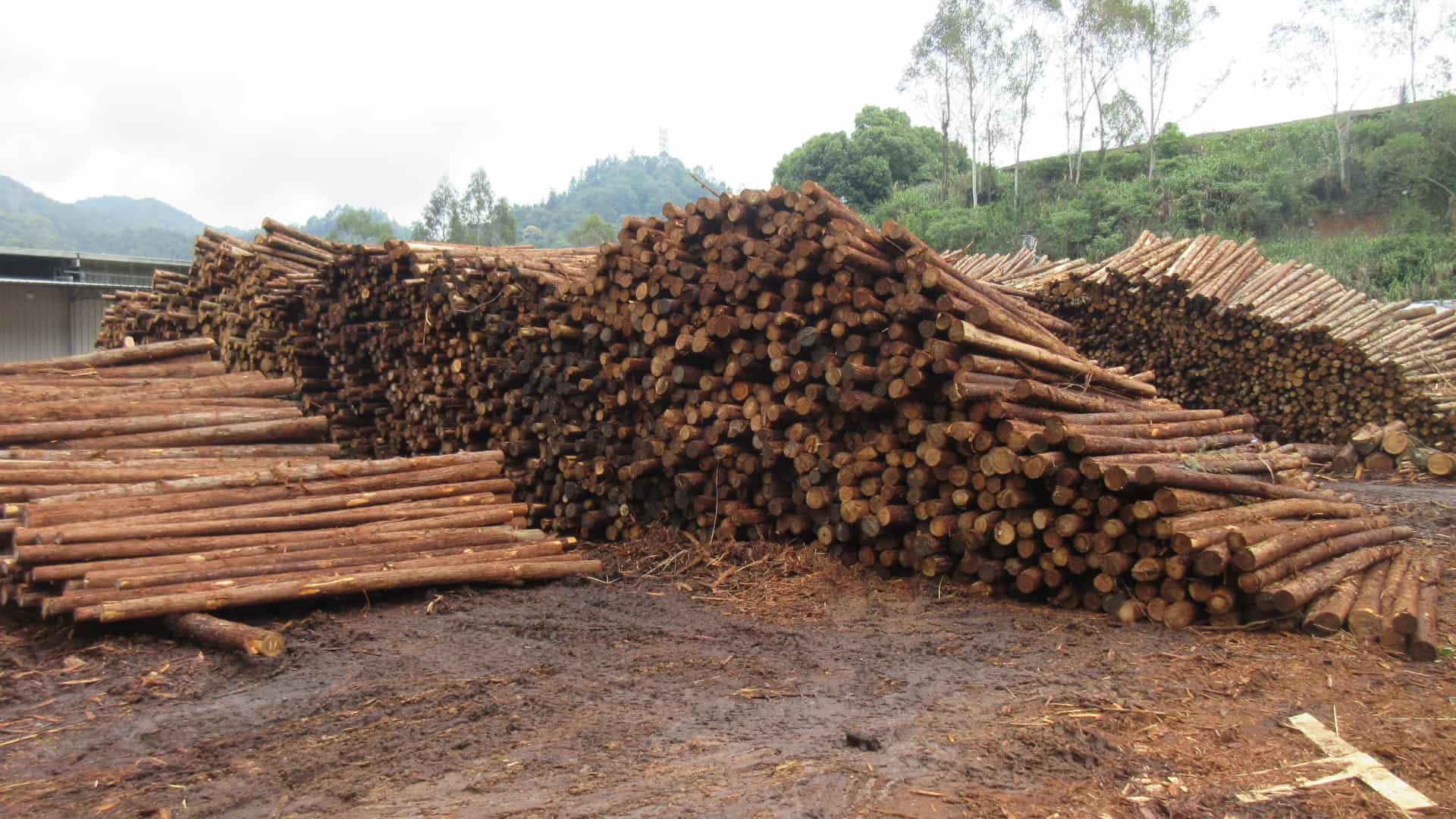
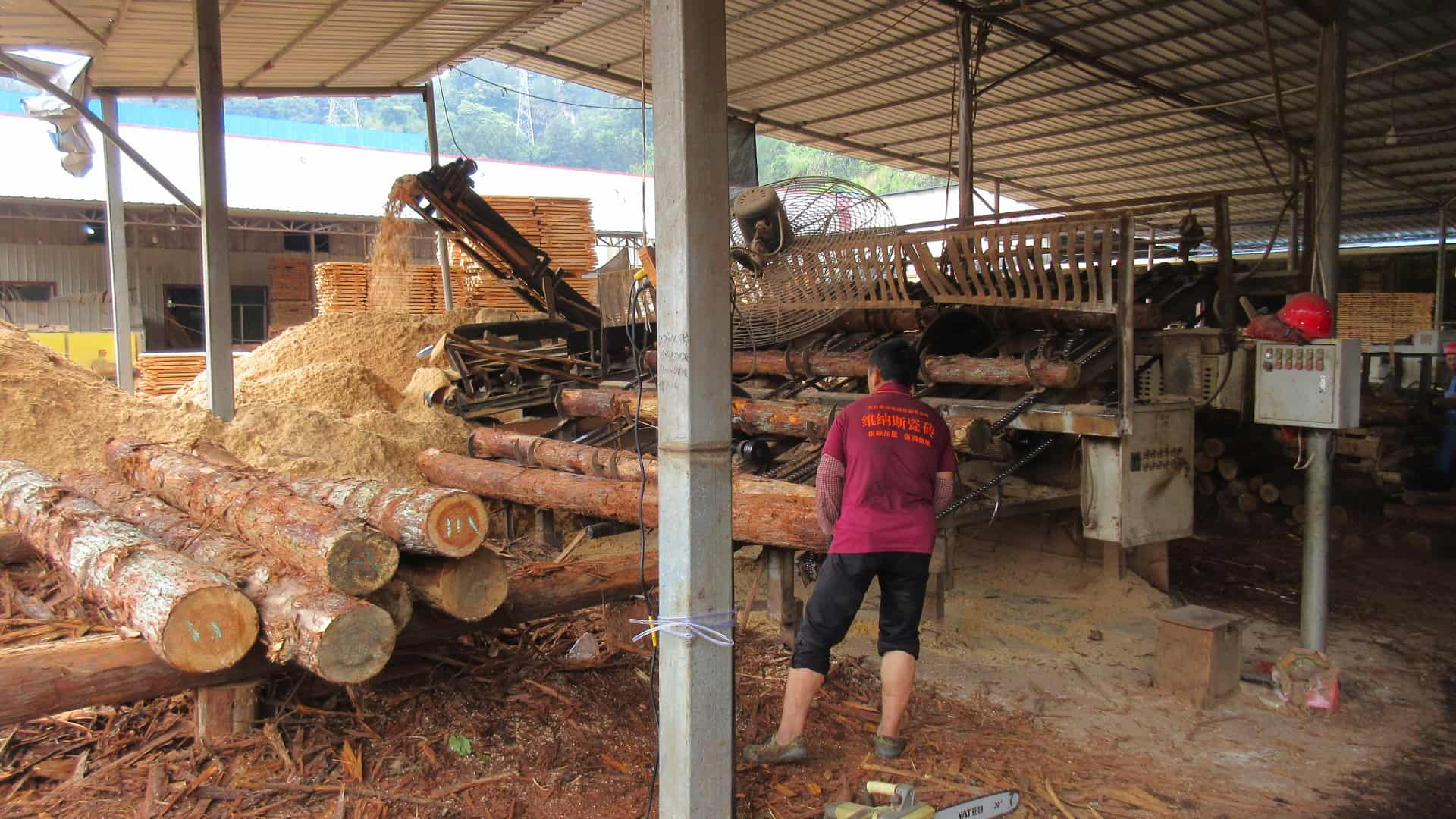
Shanghai Dorni International Trading Co., Ltd. exports concrete shuttering plywood, film faced plywood, construction plywood, 3-ply shuttering panels, H20 beams, birch plywood, LVL and related wood products. Our affiliated mill in Dangshan County, Anhui Province, operates three complete production lines with 6,000 m³ monthly capacity. That mill relationship matters to buyers because it gives our team direct visibility into raw material selection, glue lay-up, pressing, calibration, edge sealing and final inspection.
Product Recommendation
Which Concrete Shuttering Plywood Should You Buy?
Match the panel to the formwork system, concrete pressure, site handling and expected reuse — not only to the lowest quotation.
| Application | Recommended Product | Core / Glue | Typical Thickness | Why Buyers Choose It |
|---|---|---|---|---|
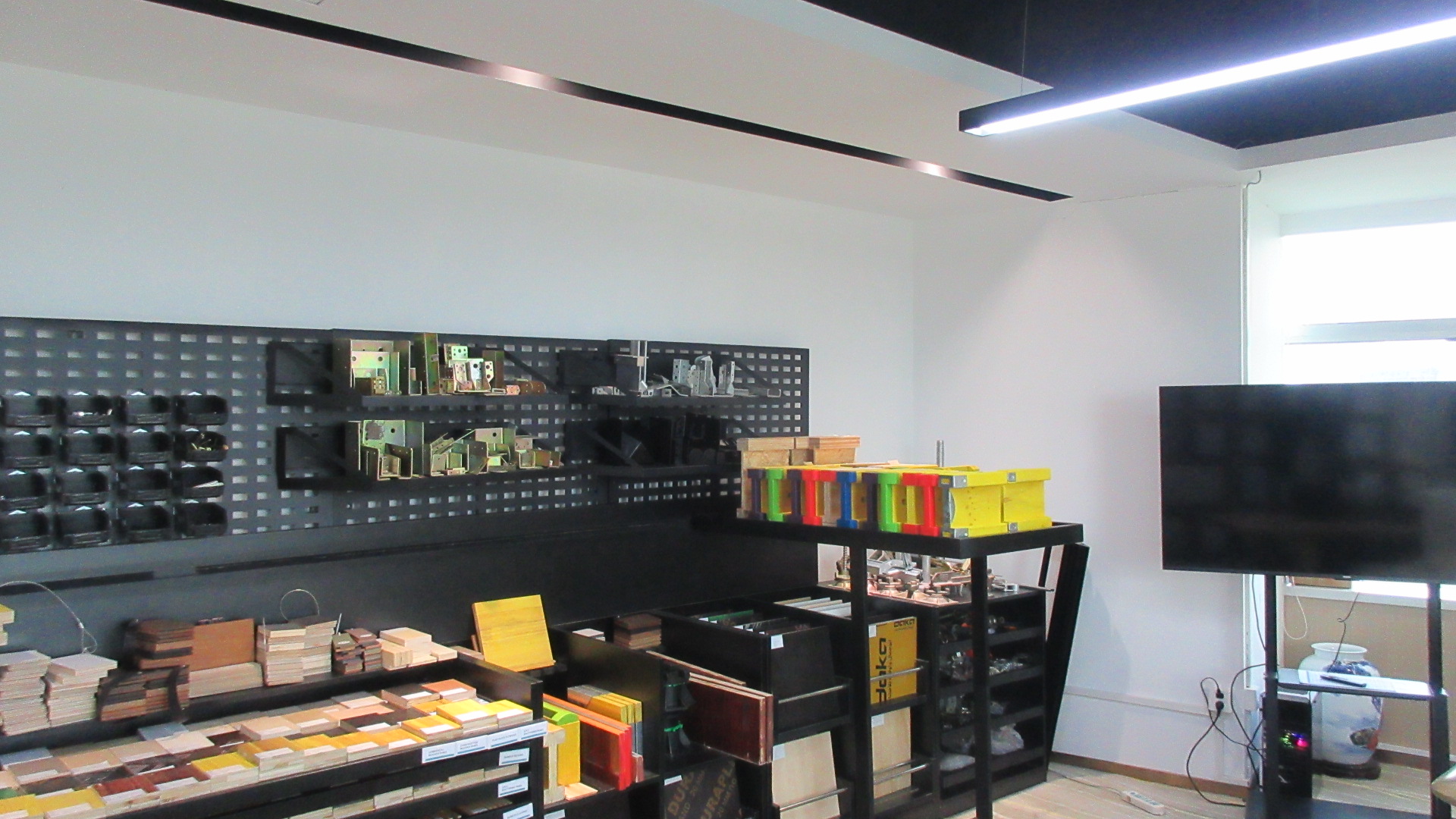
| General wall, column and slab formwork | Black or brown film faced concrete shuttering plywood | Poplar, combi or eucalyptus core; phenolic WBP | 18 mm, with 12–21 mm alternatives | Good balance of stiffness, screw-holding, water resistance and reuse potential |
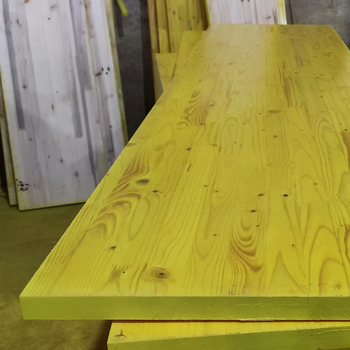
| Panel formwork systems | 3-ply yellow shuttering panel | Spruce, fir or poplar; phenolic bond and yellow coating | 21 mm or 27 mm | Dimensional stability and compatibility with European-style panel systems |
| Slab and beam support | H20 timber beam | Timber flanges and plywood web; phenolic WBP | 200 mm height | Strong, consistent girders for modular slab formwork |
| Marine, transport and furniture applications | Russian birch marine plywood | Birch core; WBP bond tested to BS EN 314-2 | 3–21 mm | High density, clean edges and reliable surface for demanding fabrication |
| Budget projects with fewer pours | Film faced plywood with melamine glue | Poplar or combi core; melamine glue | 12–18 mm | Lower initial cost when reuse cycles are limited and handling is controlled |

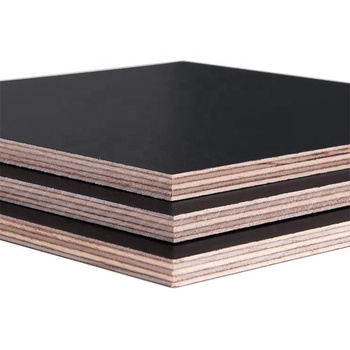
For technical selection, share the formwork system, concrete pressure, stripping method and expected number of pours. Our export team can recommend a panel build rather than a generic sheet.
Specification Literacy
How to Read a Concrete Shuttering Plywood Quotation
Two quotations can both say “18 mm film faced plywood” and still describe very different products. These are the details that separate a low-cost sheet from a formwork panel built for repeat pours.
1. Glue type is the first cost and performance driver
MR, melamine and phenolic WBP are not interchangeable. Melamine glue can be appropriate for dry handling and projects with fewer pours. Phenolic WBP is the better choice for wet sites, humid climates, outdoor storage and formwork that must strip cleanly over multiple cycles. If a buyer compares only price per sheet, the lower-cost panel may become the more expensive option after early delamination, edge swelling or surface breakdown.
2. Core and veneer quality affect screw-holding and flatness
Poplar, combi, eucalyptus, birch and finger-jointed cores each have a place. Dense, well-graded cores hold screws better, resist edge damage and maintain a flatter surface under concrete pressure. Thin or inconsistent veneers may cause voids, soft spots or thickness variation. For visible concrete, specify a panel with a tight film face, calibrated thickness and sealed edges.
3. Film face, edge sealing and thickness tolerance matter
Black, brown, yellow and anti-slip films serve different applications. A dense film helps reduce surface wear and improves release. Edge sealing is equally important because water and alkaline concrete attack exposed edges first. Buyers should confirm nominal thickness, tolerance, diagonal squareness and bundle packaging. For panel formwork, small dimensional differences can affect alignment and speed on site.
4. Certification and QC should be verifiable
ISO 9001, CE requirements, FSC chain of custody, EN 314-2 bond testing and SGS on-site assessment are not decorative logos. They support a documented quality system. Ask for test reports, production photos, finished-goods inspection records and container-loading photos. A supplier that can provide this information before shipment is usually better prepared for international projects.
For global buyers, the practical formula is simple: compare the total cost per pour, not just the invoice price. A slightly higher-priced phenolic panel that achieves more pours can reduce labour downtime, replacement orders and project delays. That is why experienced distributors often carry more than one grade — a high-reuse phenolic panel for core formwork and a more economical melamine panel for short-cycle work.
Procurement Trends
2026 Procurement Trends for Concrete Shuttering Plywood
Buyers are moving from “find the cheapest sheet” to “secure a predictable, documented supply of panels that fit the formwork system.”
Cost Per Pour
Procurement teams increasingly compare lifecycle cost instead of unit price. Reuse cycles, stripping labour, cleaning time and replacement frequency all enter the calculation.
Audit-Ready Documentation
ISO 9001, CE, FSC, EN 314-2 and SGS assessment records help importers satisfy internal compliance and customer sourcing requirements.
Mixed-Container Trials
New buyers often test several specifications in one order: 18 mm film faced plywood, 21 mm 3-ply panels and H20 beams. Mixed loading lowers trial risk.
Port and Incoterm Flexibility
Buyers compare Lianyungang and Qingdao loading against FOB, CFR, CIF, EXW, FAS and CIP terms to balance cargo control and landed cost.
Lower-emission and responsibly sourced panels
E1, E0, FSC and lower-emission adhesives are becoming standard questions in public projects, commercial construction and distribution chains with environmental policies. Buyers should ask for the exact grade, test reference and chain-of-custody documentation rather than accepting a general environmental claim.
More customisation at the supplier level
Importers want their own film colour, edge-seal colour, logo print, bundle labels and packaging. Customisation helps distributors build a brand and helps contractors reduce on-site confusion. For manufacturers, private-label production is no longer limited to large orders, although custom work is usually confirmed against an approved sample before production.
Faster technical communication
AI-assisted research means buyers now arrive with better questions: What is the film weight? What is the thickness tolerance? Is the edge sealed? What glue is used? Can you supply loading photos? Suppliers that answer with precise data — rather than generic catalogues — earn trust earlier in the buying cycle.
Product Development
What the Next Generation of Shuttering Plywood Looks Like
Formwork panels are being engineered around reuse, release performance, faster assembly and documented sustainability.
Concrete shuttering plywood is no longer a commodity category with a single specification. Panel makers are developing tighter manufacturing tolerances, tougher film faces and sealed edges that can survive more handling. Buyers benefit when they update their specifications to reflect the actual site conditions and formwork system, rather than repeating an old quotation from several years ago.
Higher-performance film faces
Dense film, anti-slip surfaces and improved resin coatings are being used to reduce wear and improve release. For architectural concrete, a clean film surface helps deliver a more consistent finish. For site safety, anti-slip film on walkways and platforms can reduce risk in wet conditions.
Engineered cores and hybrid panel builds
Combi, eucalyptus, finger-jointed and birch cores allow manufacturers to balance strength, weight and cost. H20 beams and LVL products are increasingly specified together with panels to create complete formwork systems. This trend favours suppliers that can offer panels, beams and accessories from one quality system.
Sealed edges and tighter tolerances
Water ingress at edges is a common cause of early panel failure. Improved edge sealing, waterproof paint and tighter thickness control help panels stay flat and resist swelling. For panel-formwork systems, consistent dimensions improve alignment and reduce labour time during assembly.
Reuse tracking and modular compatibility
Contractors are paying more attention to how panels are handled, stacked, cleaned and rotated. Colour-coded grades, bundle labels and loading plans can support reuse tracking. Panels designed for common modular systems reduce cutting and make it easier to replace individual units instead of whole sets.
Our recommendation for importers is to maintain two levels of specification: one high-reuse phenolic WBP panel for demanding formwork, and one cost-effective melamine panel for projects with fewer pours. This portfolio approach allows distributors to serve contractors and traders without overpromising a single product for every application.
E-E-A-T & Supplier Verification
Why Shanghai Dorni International Trading Co., Ltd. Is a Practical Partner for Concrete Shuttering Plywood
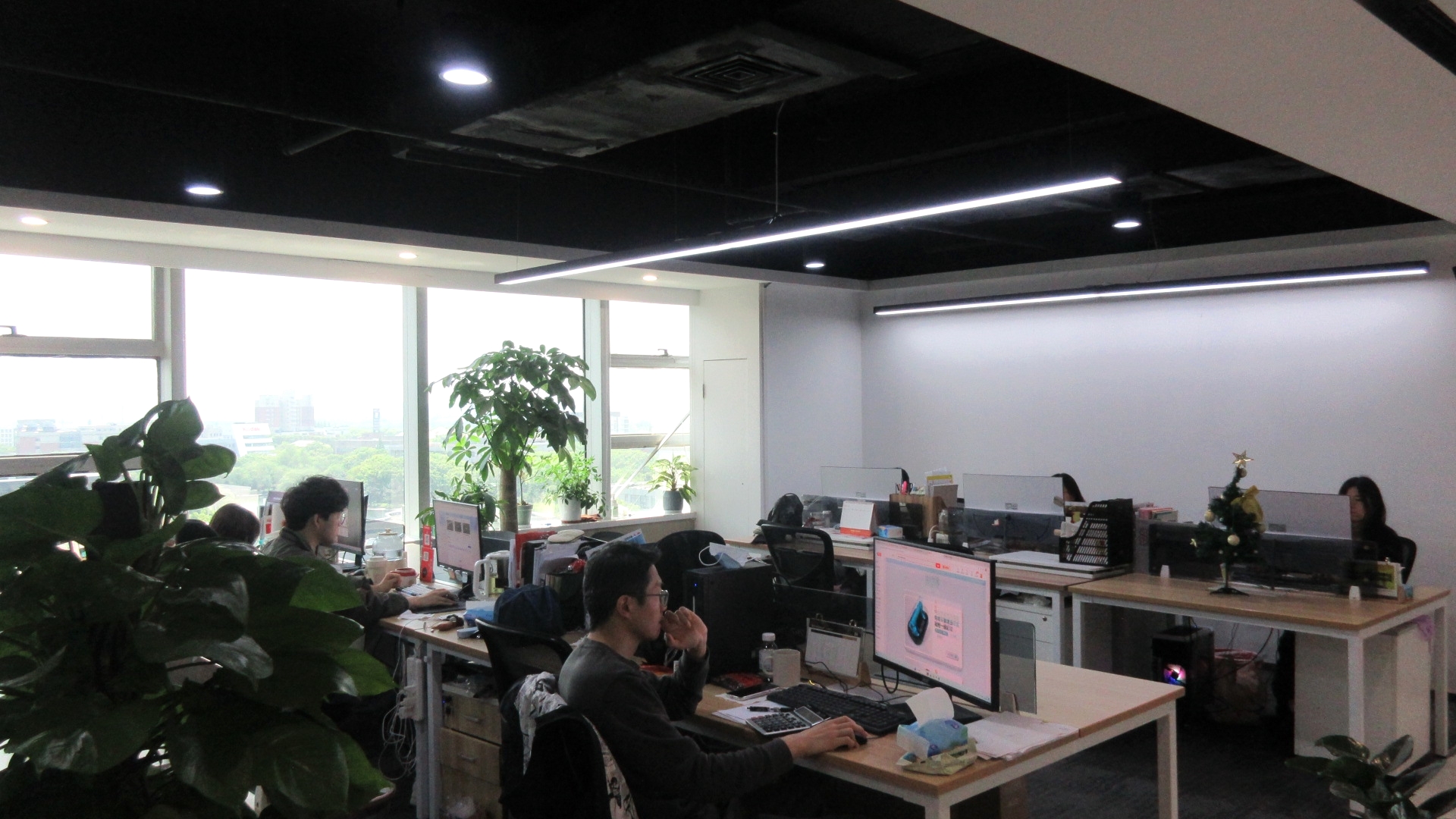
Shanghai Dorni International Trading Co., Ltd. has been exporting wood panels and building materials since 2008. Our team combines export experience with an affiliated mill in Dangshan County, Anhui Province, giving buyers a direct line between product specification, production and container loading.
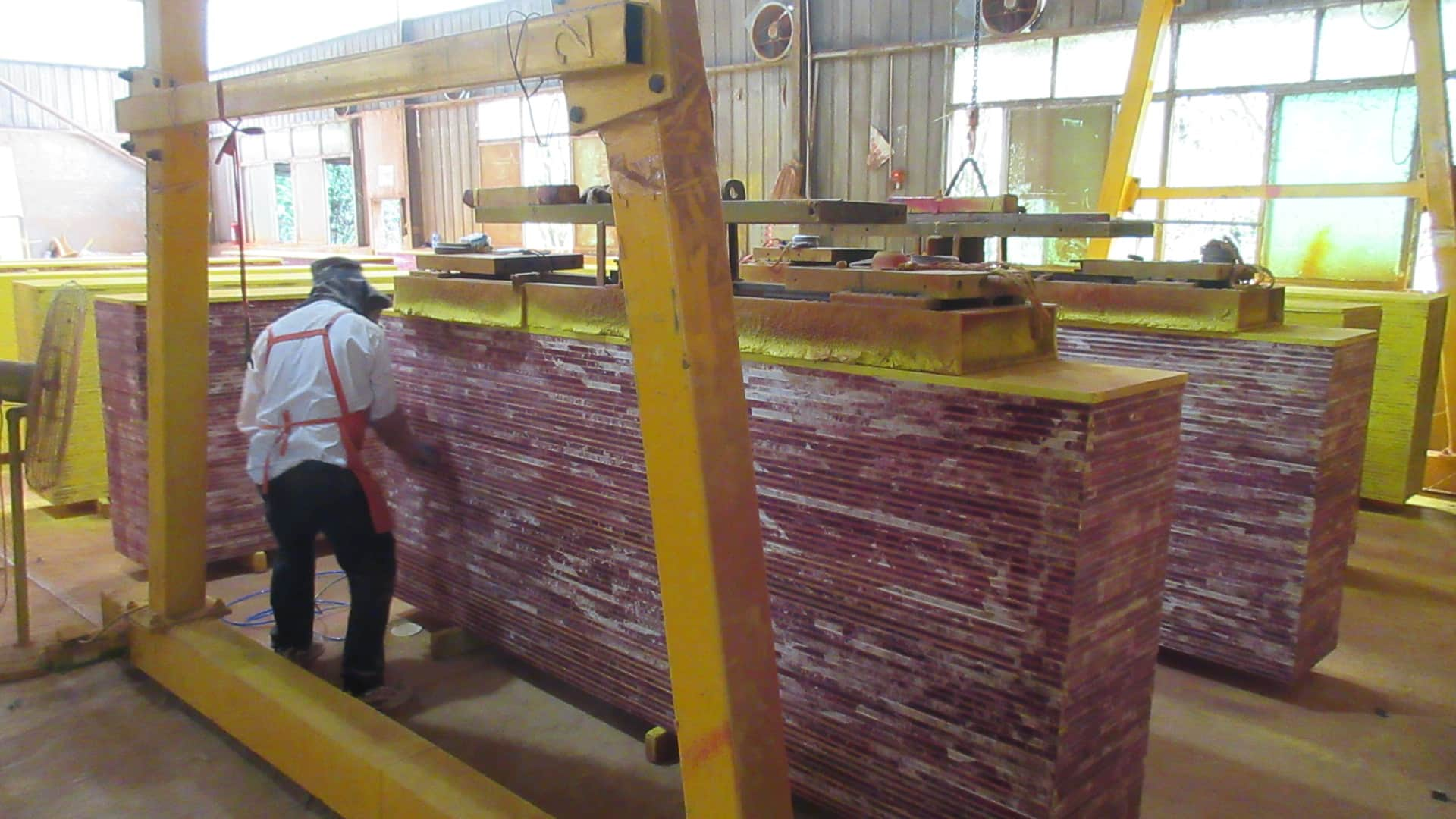
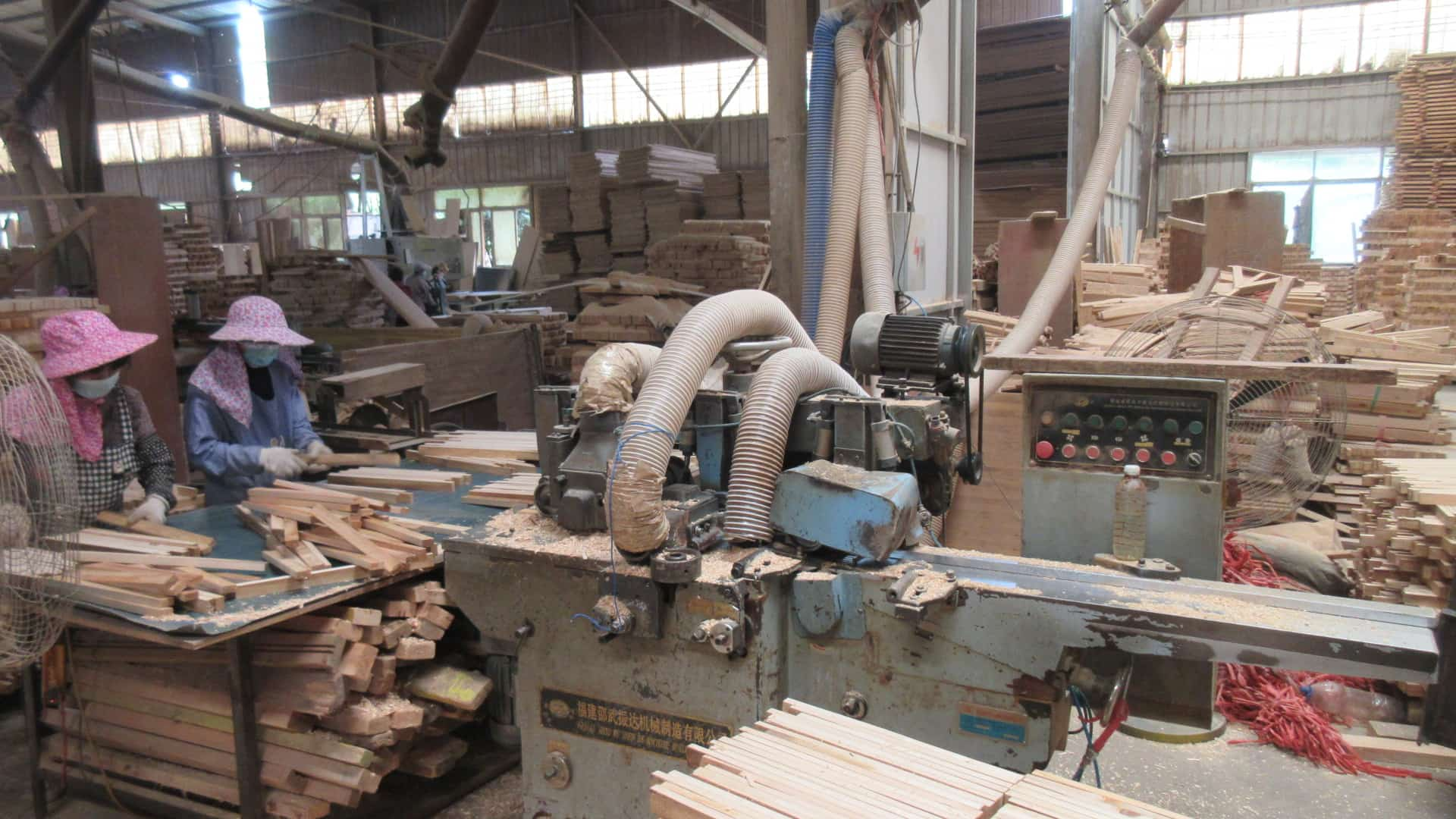
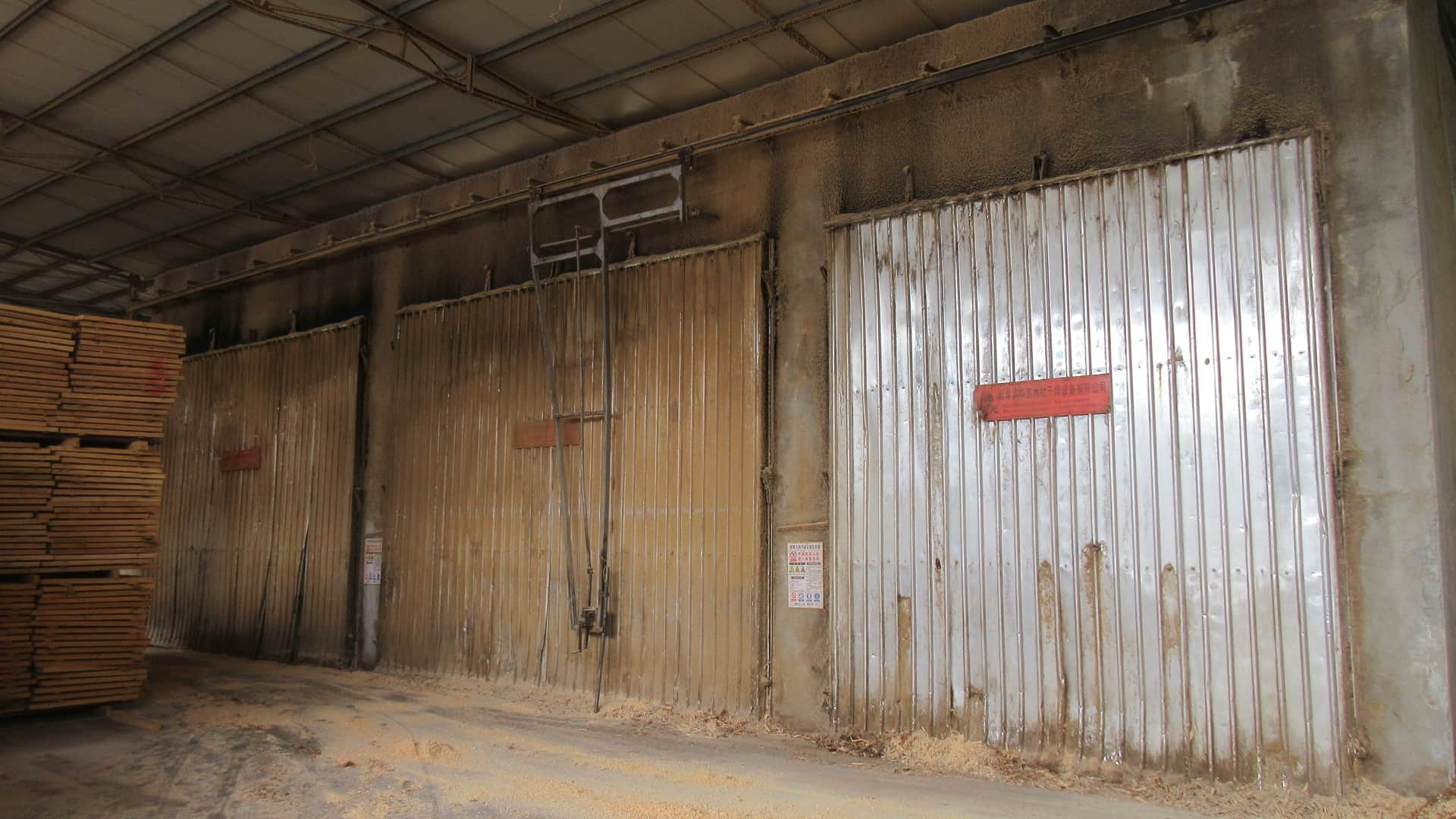
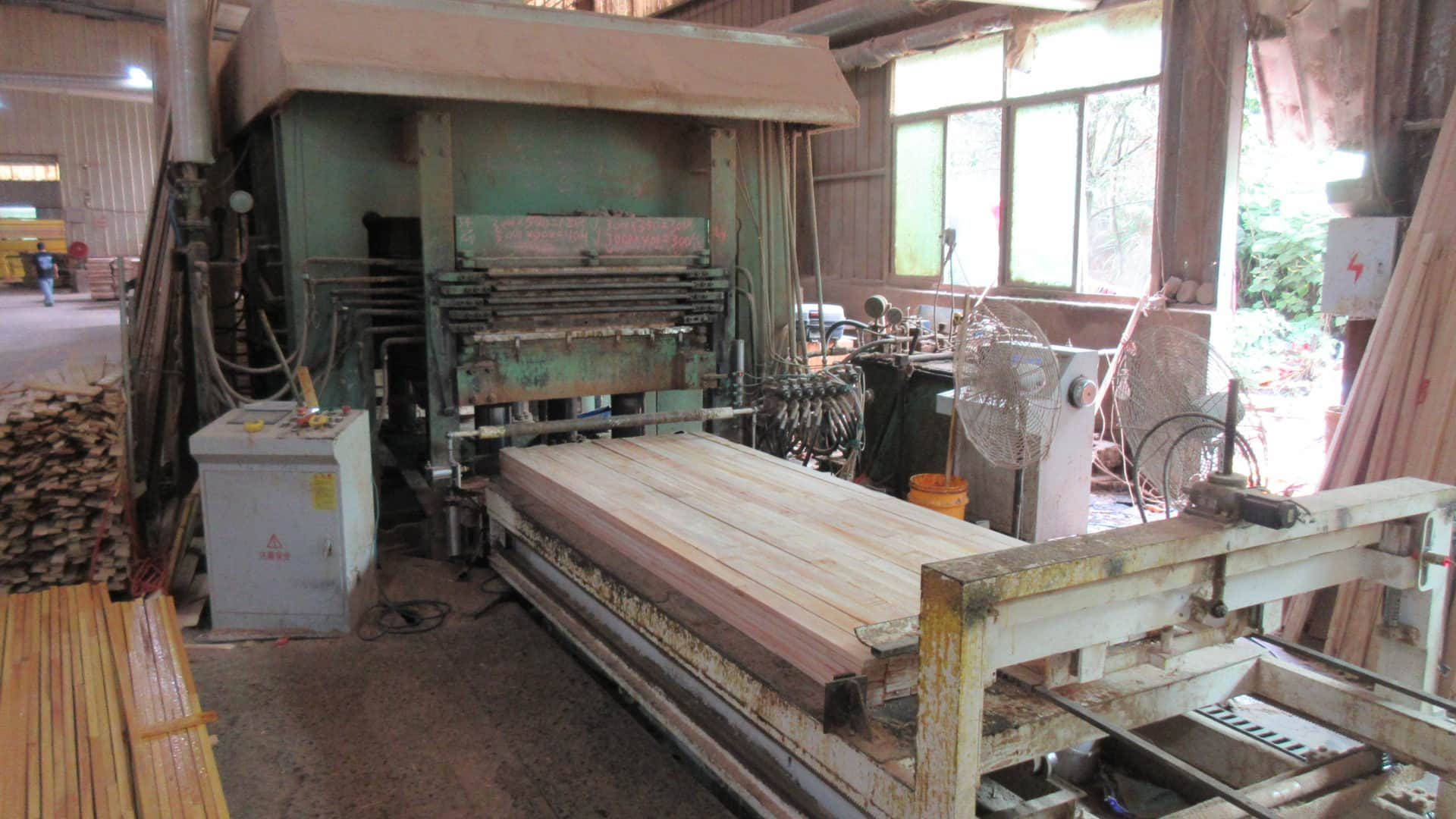
The mill runs three complete production lines — peeling, drying, pressing, calibrating, sanding, film facing, edge sealing and loading. Production is managed to ISO 9001 and controlled to CE requirements, with FSC-certified material available for buyers who need chain-of-custody documentation.
- 18+ years of export experience
- 6,000 m³ monthly capacity
- Raw material inspection on-site
- Finished product inspection before loading
- ODM and full customization
- Logo and packaging branding
 Watch the Factory Tour Verified by SGS Group
For buyers, the practical value of working with Shanghai Dorni International Trading Co., Ltd. is not only product range. It is the ability to discuss a full specification — core, glue, film, thickness, edge seal, grading, packaging and loading plan — and receive a coordinated answer. Our export team supports sample-based, design-based and full customization, including film colour, anti-slip film, logo printing, edge-sealing colour, bundle packaging and grading to BSI, IHPA, JPIS, GB or a customer standard.
Quality control is handled with a two-stage approach. Raw materials are inspected on-site, and finished goods are checked before each loading. Buyers can request inspection photos, packing details and loading images. Third-party inspection is welcome. Orders can also be supported through Alibaba Trade Assurance for buyers who require an additional transaction safeguard.
Products are usually loaded at Lianyungang or Qingdao port. We accept FOB, CFR, CIF, EXW, FAS and CIP terms, and serve buyers across North America, Europe, South America, the Middle East, North Africa, Japan, South Korea and Southeast Asia. For a new concrete shuttering plywood project, send your target specification and destination port, and our team will prepare a technical proposal with realistic packing and loading options.
Email: info@dorniplywoods.com
FAQ
Concrete Shuttering Plywood: Frequently Asked Questions
These are the questions global buyers most often ask during technical review and quotation comparison.
What is concrete shuttering plywood?
Concrete shuttering plywood is a film faced or coated plywood panel used to build formwork for concrete walls, slabs, columns and foundations. The film face and exterior-grade glue help the panel resist water, alkalinity and repeated stripping. It is different from ordinary interior plywood because the bond, edge sealing and surface coating are specified for concrete contact and reuse.
What thickness is best for concrete shuttering plywood?
For many wall, slab and column applications, 18 mm is the practical all-round thickness. Use 12–15 mm only where weight matters and pressure is moderate; use 21 mm or 27 mm 3-ply panels for panel formwork systems and higher pressure. Always confirm thickness tolerance, edge sealing and support spacing.
Should I choose melamine or phenolic WBP glue?
Melamine glue is a cost-effective choice for projects with fewer pours and protected handling. Phenolic WBP is preferred for wet sites, outdoor storage, high reuse targets and demanding stripping cycles. The lower price of melamine can be false economy when a panel is expected to survive many pours.
How many times can quality concrete shuttering plywood be reused?
Reuse depends on the actual panel, site handling, stripping method, support spacing and cleaning. A well-made phenolic film faced panel can often achieve around 8–15 pours in good conditions, while economy melamine panels may suit fewer cycles. Treat reuse figures as application guidance, not a guarantee.
What is the minimum order quantity?
Standard film faced concrete shuttering plywood typically starts from 50 m³, roughly two 40HQ containers. Three-ply shuttering panels can start from 7–50 m³ depending on specification, and bamboo decking from 100 m². Mixed-product containers can be discussed for trial orders.
Which sheet sizes and thicknesses can you produce?
Plywood thickness ranges from 2.2 mm to 30 mm. Common sheet sizes include 1220×2440 mm, 1250×2500 mm, 1500×3000 mm and 915×1830 mm. Three-ply shuttering panels are commonly 500×2000/3000 mm in 21 mm or 27 mm. Custom sizes can be reviewed against the order quantity.
How can I verify quality before shipment?
Ask for material inspection records, finished-goods photos, edge-sealing details, bundle labels and container-loading images. Third-party inspection is welcome. At Shanghai Dorni International Trading Co., Ltd., our QC team checks raw materials on-site and finished goods before each loading.
Which certifications should I request?
An ISO 9001-managed mill supports consistent quality control. CE marking may be needed for wood-based panels in relevant markets, and FSC chain-of-custody documentation is requested by many buyers with responsible-sourcing policies. Bond testing to EN 314-2 and SGS on-site assessment are useful additional trust signals.
What Incoterms and loading ports do you use?
Goods are usually loaded at Lianyungang or Qingdao port. We accept FOB, CFR, CIF, EXW, FAS and CIP terms. Share your destination port so we can quote a practical logistics solution and advise on container utilization.
Can you customize film, edge sealing, logo and packaging?
Yes. We offer sample-based, design-based and full customization. Options include film colour and texture, anti-slip film, edge-sealing paint, logo printing, bundle packaging and grading to BSI, IHPA, JPIS, GB or a customer standard. Custom work is confirmed against samples before production.
Plan Your Next Container
Send Your Concrete Shuttering Plywood Specification
Share thickness, sheet size, core preference, glue grade, film type, quantity, packing requirement and destination port. Our export team will reply with a technical proposal and loading plan.
info@dorniplywoods.comWhat to Include in Your Enquiry
Send the following details for a faster, more accurate quotation from Shanghai Dorni International Trading Co., Ltd.
- Product: film faced plywood, 3-ply shuttering panel or H20 beam
- Thickness, sheet size and requested tolerance
- Core preference and glue grade: MR, melamine, phenolic WBP, E1 or E0
- Film colour, anti-slip requirement and edge-sealing requirement
- Estimated quantity, packing method and destination port
- Certification, logo or private-label requirements