
OUTDOOR BAMBOO LINE · 18+ YEARS EXPORT
Carbonized Outdoor Bamboo Flooring, Engineered for Weather
High-density, heat-treated bamboo decking and cladding for hotels, pools, parks and residential terraces from Shanghai Dorni International Trading Co., Ltd.
SGS AssessedOn-site verified supplier
ISO 9001 · CE · FSCExport documentation support
5.0 / 5 RatingVerified buyer reviews

DENSITY AND FINISH
Strand-Woven Bamboo Decking, Specified for Outdoor Projects
Carbonized bamboo boards, interlocking tiles and matching accessories for hospitality, landscape and residential use.
EXPORT DISCIPLINE
From Specification to Container, One Experienced Team
Material inspection, finished-product checks and pre-shipment photos support buyers who cannot inspect every bundle personally.
0+
Years in the Industry
Founded in 2008, exporting building materials ever since.
0 m³
Monthly Plywood Capacity
Affiliated mill output supporting mixed building-material orders.
100 m²
Bamboo Decking Start MOQ
Trial orders and mixed-product containers can be discussed.
5.0 / 5
Buyer Rating
Verified review score shown across Dorni supplier profiles.
Buyer’s Guide
Carbonized Outdoor Bamboo Flooring: What Global Buyers Need to Know Before Ordering
Carbonized outdoor bamboo flooring is a solid bamboo product made for exposed terraces, pool surrounds, hospitality decks, garden walkways and residential outdoor living areas. The bamboo is heat-treated under controlled conditions, which darkens the fibre, reduces free sugars and supports dimensional stability. The result is a hard, dense board with a warm appearance that can compete with tropical hardwood decking when density, adhesive, coating, profile and installation are specified correctly.
For global buyers, the decision is not simply “bamboo or wood.” The real questions are: What density should I specify? Is strand-woven or solid bamboo better for my climate? How does the board behave around pools and coastal air? What coating and fastener system should be used? Which test reports and certifications should be requested? What minimum order quantity and container plan keeps the landed cost sensible? These are the questions procurement teams now ask search engines and AI assistants, and they are the questions this guide answers.
What Carbonized Outdoor Bamboo Flooring Is — and What It Is Not
It is not an indoor laminate floor, and it is not a plastic composite board. Quality outdoor bamboo decking is manufactured from bamboo strips or crushed bamboo strands, bonded with exterior-grade adhesive, finished for UV and moisture exposure, and installed on a ventilated substructure. Carbonization gives the board a deeper brown colour and improves stability, but carbonization alone does not make every bamboo board suitable for outdoor use. The full specification still matters: density, adhesive type, coating system, moisture content, profile and installation detail.
For buyers comparing suppliers, the most useful approach is to request a specification sheet and a sample before confirming the order. Check the board colour under natural light, inspect the edges and underside, confirm the profile and thickness, and ask for pre-shipment photos of the actual production lot. This is especially important when the project requires colour consistency across several containers, as is common in hotel, resort and landscape projects.
Product Recommendations
Carbonized Bamboo Products for Different Outdoor Applications
Choose the construction, profile and finish that match the project conditions — not only the lowest price per square metre.

| Product Option | Best For | Procurement Note | Typical Order Starting Point |
|---|---|---|---|
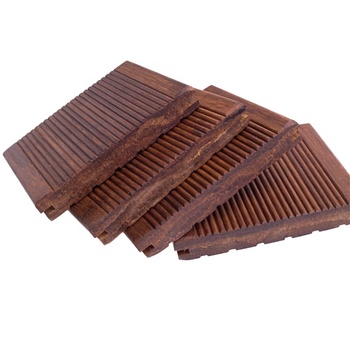
| Strand-woven carbonized bamboo decking | Hotel terraces, pool surrounds, high-traffic residential decks | Specify density, coating system, joist spacing and hidden fastener compatibility | 100 m² |
| Carbonized solid bamboo flooring | Garden decks, walkways, landscape features | Confirm exterior adhesive, profile and ventilation details | 250 m² |
| Interlocking bamboo decking tile | Rooftop terraces, balconies, rental apartments, quick-fit projects | Check base flatness, tile size, clip durability and drainage path | 300 m² |
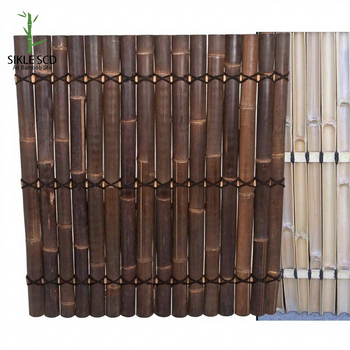
| Carbonized bamboo fence panel | Garden screening, resort privacy areas, landscape borders | Confirm panel height, colour consistency and fixing method | 49 m² |
Specifications and minimum order quantities are confirmed at quotation. Custom profiles, colours and packaging can be reviewed against project volume.
Material Advantages
Why Carbonized Bamboo Wins on Outdoor Projects
Outdoor bamboo is chosen for a combination of hardness, stability, appearance and sustainability. For buyers, however, the marketing language is less important than the measurable specification. The following points are the practical reasons specifiers choose carbonized bamboo decking — and the details they should verify before purchase.
Dimensional stability and heat treatment
Carbonization uses controlled heat to modify the bamboo fibre. This darkens the material and helps reduce the tendency of bamboo to move in service. Strand-woven construction further improves stability because bamboo strands are arranged in cross-layered directions and bonded under high pressure. For outdoor projects, always specify the board’s intended use, moisture content range and installation clearance. A stable board installed without drainage or expansion space can still fail, so the material specification and the installation method must work together.
Hardness and wear resistance
Quality outdoor bamboo decking is dense and hard-wearing. It resists foot traffic, furniture loads and general wear in hospitality and residential environments. Buyers should ask for density data, surface coating details and any available abrasion or slip-resistance reports. For commercial projects, a brushed or grooved surface may be preferred for grip, while a smoother finish may suit private terraces. The right choice depends on whether the deck is wet most of the time, whether people walk barefoot, and whether the project has strict safety requirements.
Moisture performance around pools and coastal areas
Carbonized bamboo decking can be used around pools and coastal projects when it is correctly specified and installed. Good drainage, ventilation under the boards, stainless-steel or coated fasteners, sealed cut edges and a maintenance plan are essential. Coastal projects should also consider salt-spray exposure and the fastener grade. Avoid trapping water under the deck or against the board edges. For projects with heavy pool splash, specify the finish and maintenance schedule from the beginning rather than after installation.
Sustainability and project storytelling
Bamboo is a fast-growing grass that can be harvested and replanted on a shorter cycle than many hardwoods. This makes it attractive to developers, architects and hospitality groups that want a natural outdoor material with a stronger sustainability narrative. FSC-certified material can be arranged where required, and buyers should request chain-of-custody documentation if the project has responsible sourcing requirements. Sustainability claims should always be supported by traceable documents, not only brochure text.
Total landed cost matters more than unit price
The cheapest board is not necessarily the lowest-cost project. Buyers should compare density, finish quality, packing, moisture content, installation accessories, expected maintenance and container loading efficiency. A slightly higher-specification decking board that installs faster and requires less replacement can be more economical over the project life. Request a complete quotation that includes boards, clips, fasteners, edge treatment, packing and loading plan.
2026 Procurement Trends
What Importers and Project Buyers Are Asking Now
Search behaviour has changed. Buyers want evidence, not just a product name and a price list.
Evidence Before Price
- Density and moisture data
- Coating and slip information
- Pre-shipment inspection photos
- Certification and test reports
Trial Orders and Mixed Containers
- Smaller bamboo decking trial orders
- Mixed decking, tiles and fence panels
- Consolidated loading with other Dorni lines
- Faster validation before repeat orders
Climate-Specific Specifications
- Coastal salt-spray considerations
- Pool and wet-area drainage
- UV and colour stability questions
- Maintenance cycles by market
Complete System Buying
- Decking boards plus clips
- Matching fascia and edge trim
- Joist spacing and fixing guidance
- Packaging plan for destination site
One clear trend is the rise of question-led buying. Instead of searching only for “carbonized bamboo decking supplier,” buyers ask AI tools and search engines: “Is carbonized bamboo good for outdoor decks?”, “What is the best bamboo decking for a pool area?”, “How long does carbonized bamboo last?”, “Can bamboo decking be installed over concrete?” and “What MOQ should I expect from a China supplier?” The winning suppliers will be those that answer these questions with specific, verifiable information rather than generic claims.
Another trend is documentation-led procurement. Importers increasingly ask for batch-level photos, packing lists, material declarations, certification copies and confirmation that the specification in the quotation matches the production order. This is especially true for hotel groups, public projects and distributors that must protect their own brand. At Dorni, the export team treats these documents as part of the order, not an afterthought.
A third trend is the move toward complete outdoor systems. Buyers want decking boards, clips, fasteners, edge profiles and installation guidance from one source. This reduces coordination risk and makes it easier to confirm that all components are compatible. For repeat buyers, the most efficient approach is to build an annual specification with stable colour, profile and packing standards, then place replenishment orders against that standard.
Product Development
Product Development Trends in Carbonized Outdoor Bamboo Flooring
Carbonized bamboo decking is evolving from a niche alternative into a more engineered outdoor material. The direction of travel is toward higher density, better dimensional control, longer-lasting surface finishes and more complete installation systems. Buyers who understand these trends can write better specifications and avoid products that are only marketed as “outdoor” without the technical detail to support the claim.
- Higher-density strand-woven construction. Manufacturers are focusing on consistent density and strand orientation to improve hardness, stability and screw-holding performance. Buyers should ask for density ranges and batch consistency data, not just a single marketing figure.
- Deeper carbonization and thermal modification. Controlled heat treatment continues to develop, with suppliers refining colour consistency and moisture behaviour. The aim is a more stable board that holds its appearance across different climates.
- UV-stable and easier-maintenance coatings. Outdoor projects need finishes that resist fading, dirt pickup and moisture penetration. New coating systems are being developed for lower maintenance and more predictable colour retention.
- Hidden fixing and click systems. Installers want faster, cleaner installations. Hidden clips, tongue-and-groove profiles and interlocking tiles reduce visible fasteners and improve the finished look, but they require precise board tolerances.
- Slip-resistant and fire-retardant options. Public projects often require additional safety documentation. Suppliers that can discuss surface texture, slip resistance and fire performance before quoting have an advantage.
- Traceability and batch-level quality control. Buyers increasingly want to know which production batch was shipped and whether the finished goods match the approved sample. Photos, labels and packing records are becoming part of the quality package.
- Matching accessories and complete outdoor systems. Decking boards, fascia, edge trims, clips and joist protection are increasingly sold together. This simplifies procurement and reduces compatibility problems on site.
For buyers, the practical response is to include performance requirements in the request for quotation. Ask for density, moisture content, coating type, colour tolerance, profile drawings, packing details and any test reports relevant to the destination market. A supplier that can answer these questions clearly is usually better prepared for export than one that only sends a price list.
Specification Checklist
What to Confirm Before You Approve a Bamboo Decking Order
Use this checklist when comparing quotations for carbonized outdoor bamboo flooring. It helps separate a complete, export-ready offer from a vague price list.
- Board construction: strand-woven or solid bamboo; density range; exterior adhesive type; profile drawing.
- Dimensions: thickness, width, length, tolerance and whether custom lengths are available.
- Finish: colour, surface texture, UV coating, edge treatment and slip-resistance requirement.
- Moisture and stability: moisture content range, recommended expansion gap and joist spacing.
- Installation system: hidden clips, stainless-steel screws, joist protection, ventilation and drainage details.
- Certification and documents: ISO 9001, CE where applicable, FSC availability, SGS assessment and product test reports.
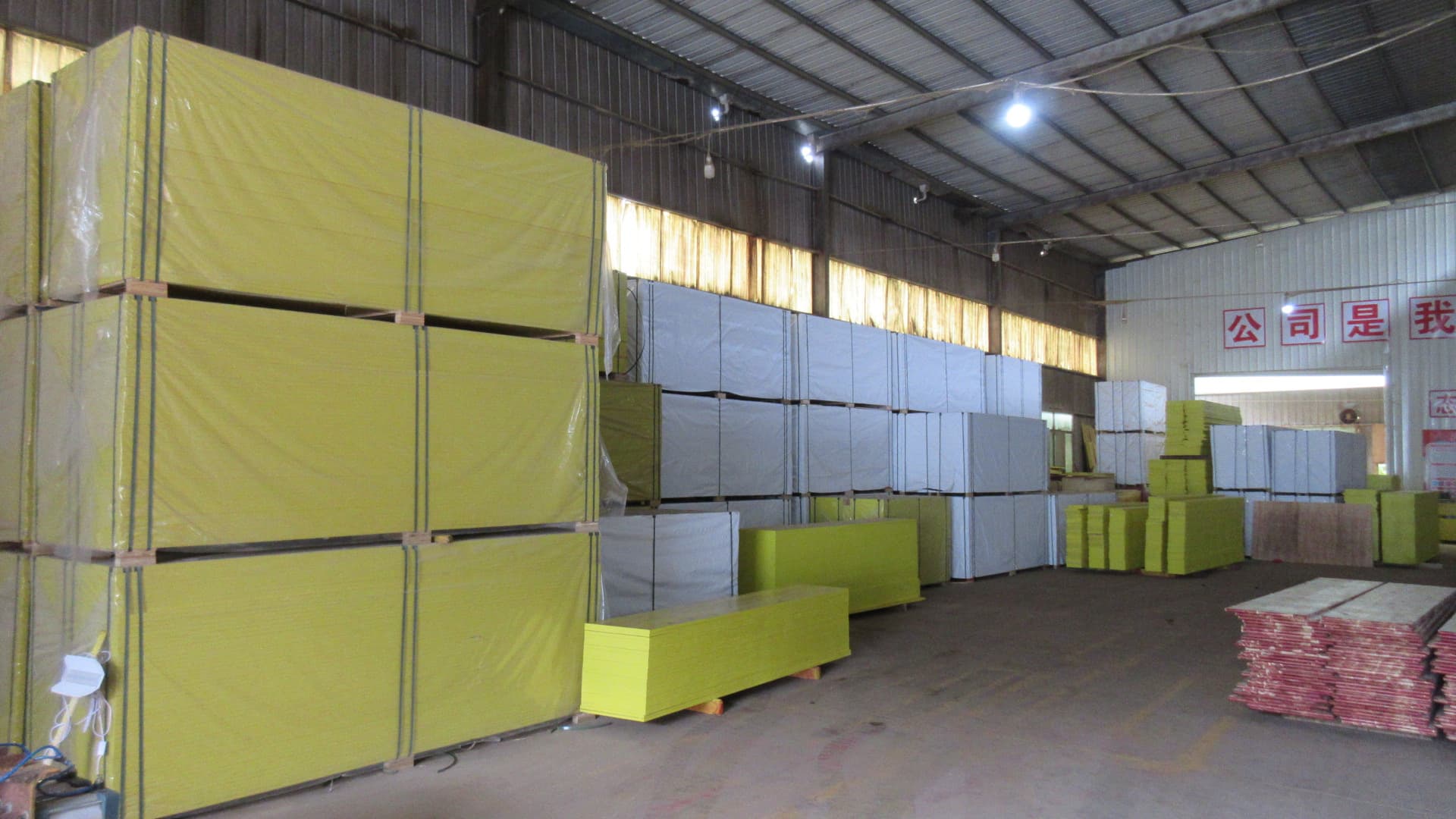
- Packing and loading: bundle size, protection corners, moisture barrier, container loading plan and pre-shipment photos.
- Commercial terms: MOQ, Incoterms, loading port, payment terms and lead-time confirmation.
Enterprise Advantages
A Shanghai Export Team With Verified Quality Discipline
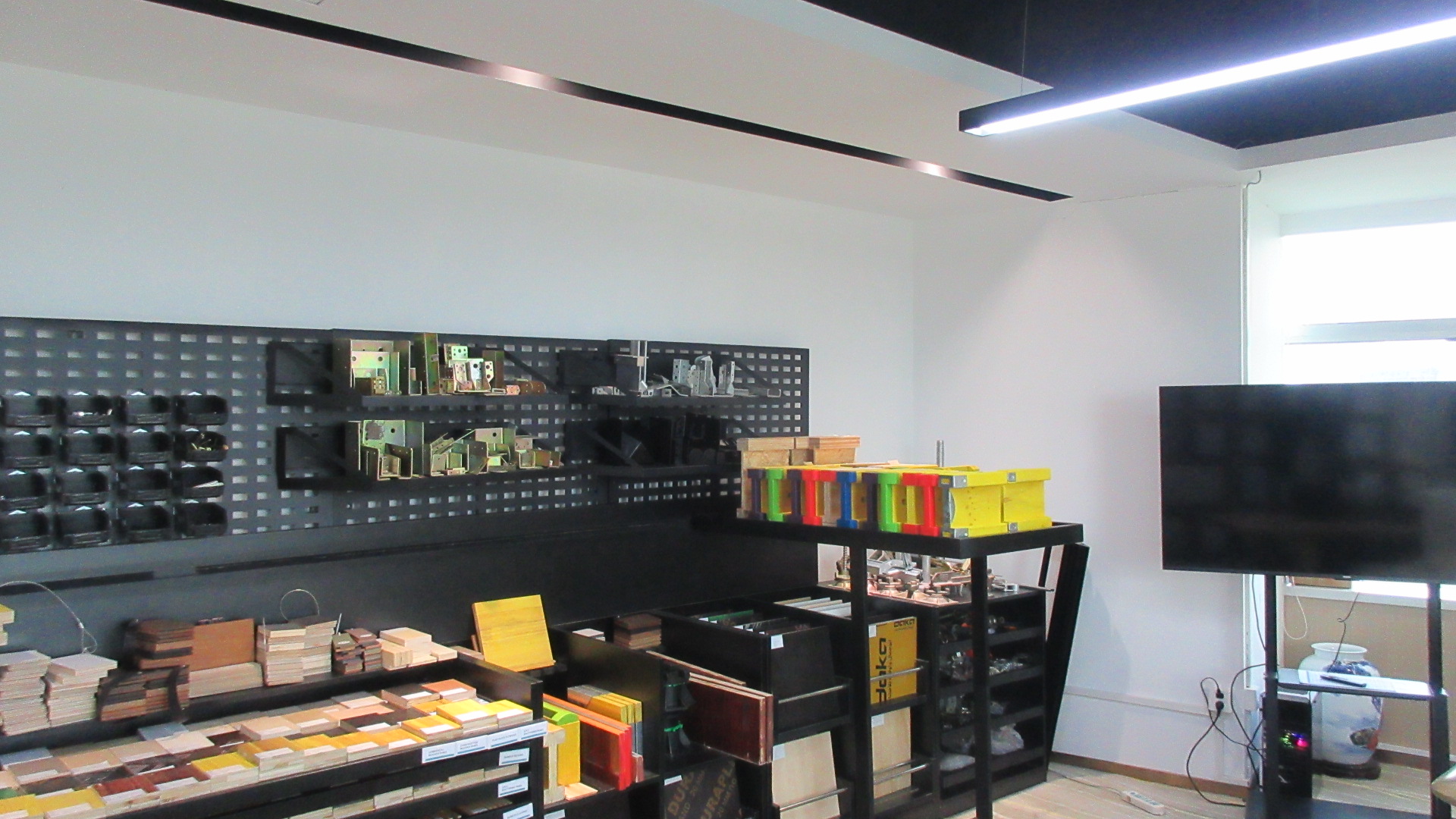
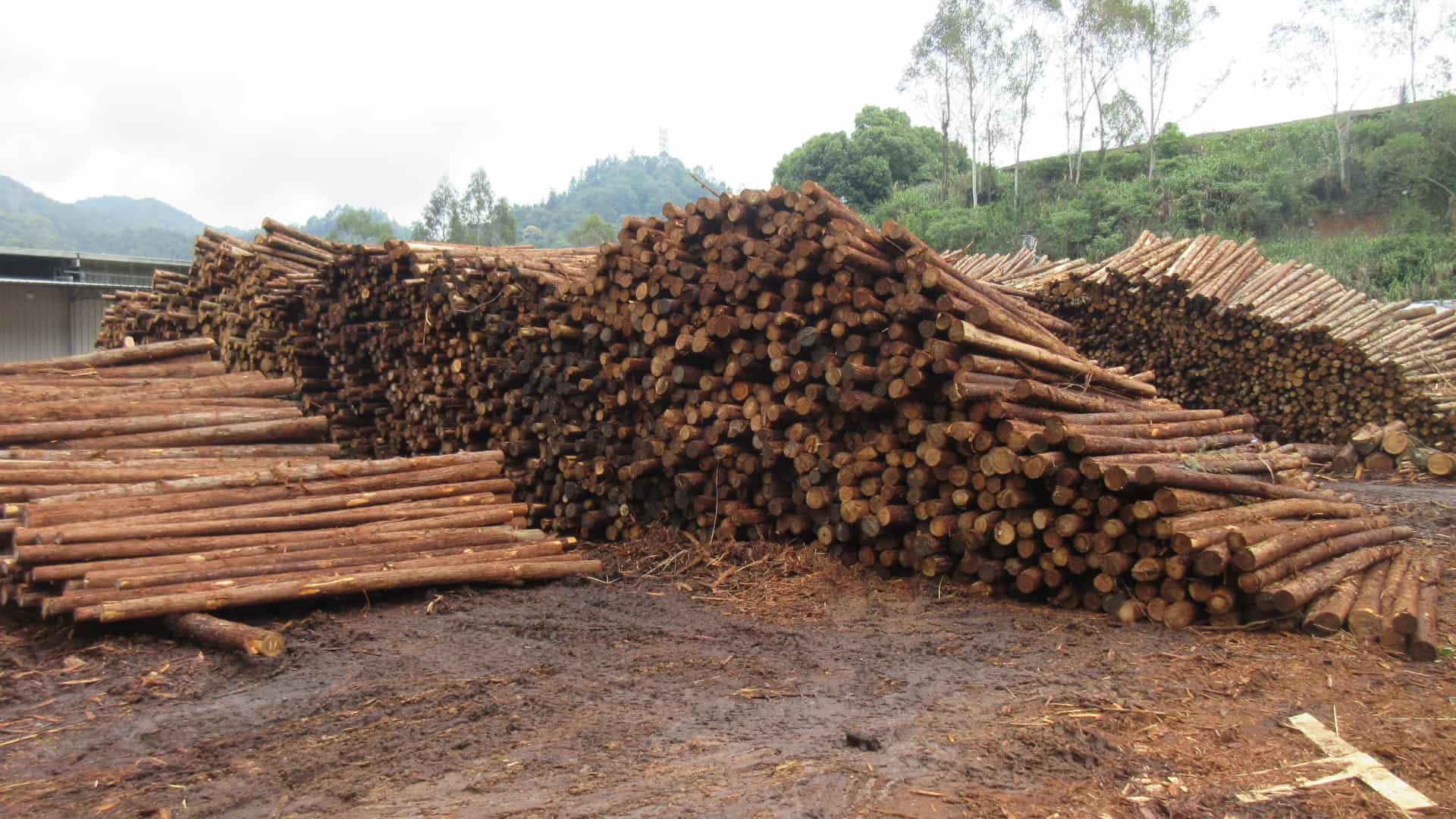
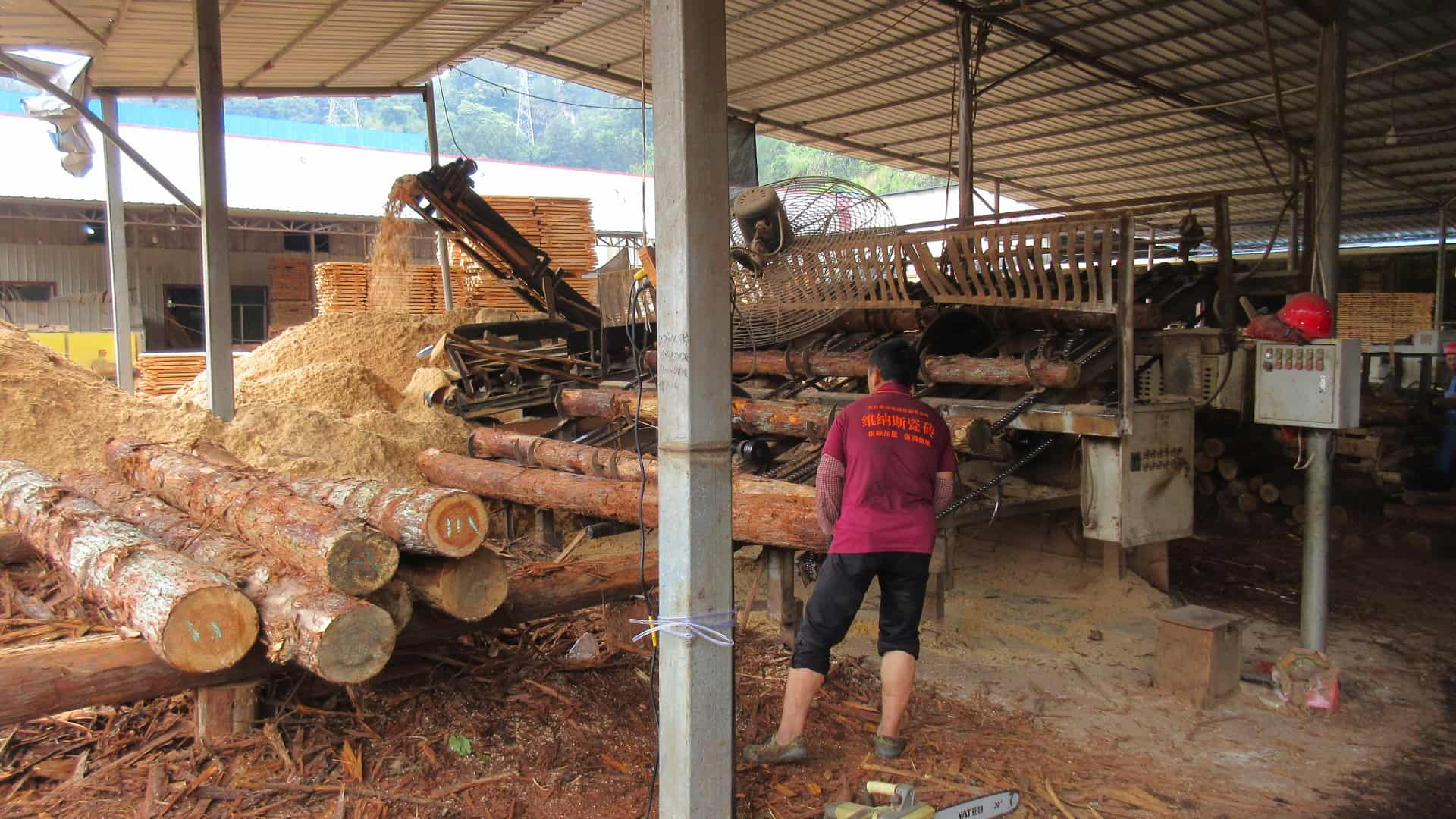
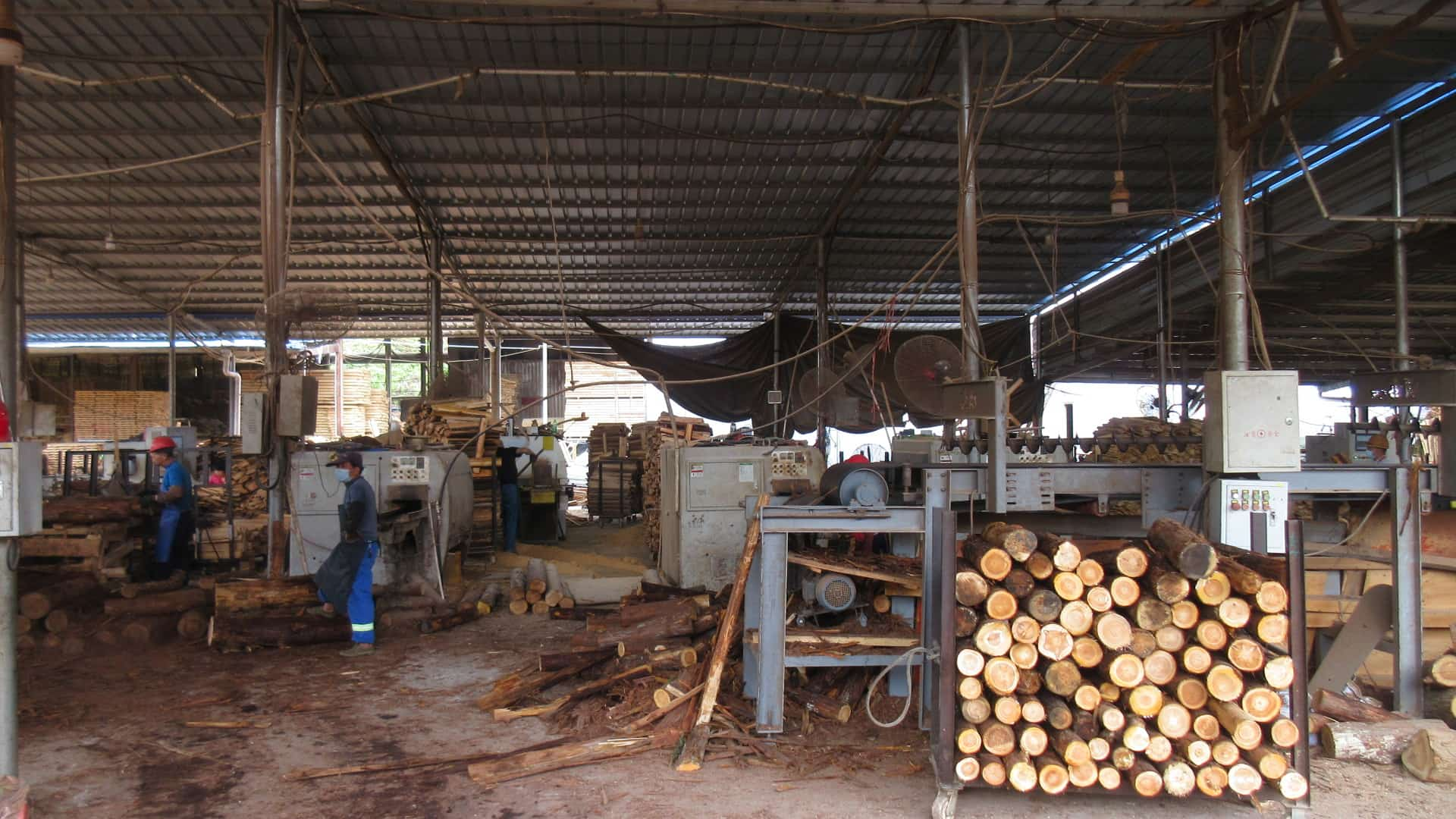
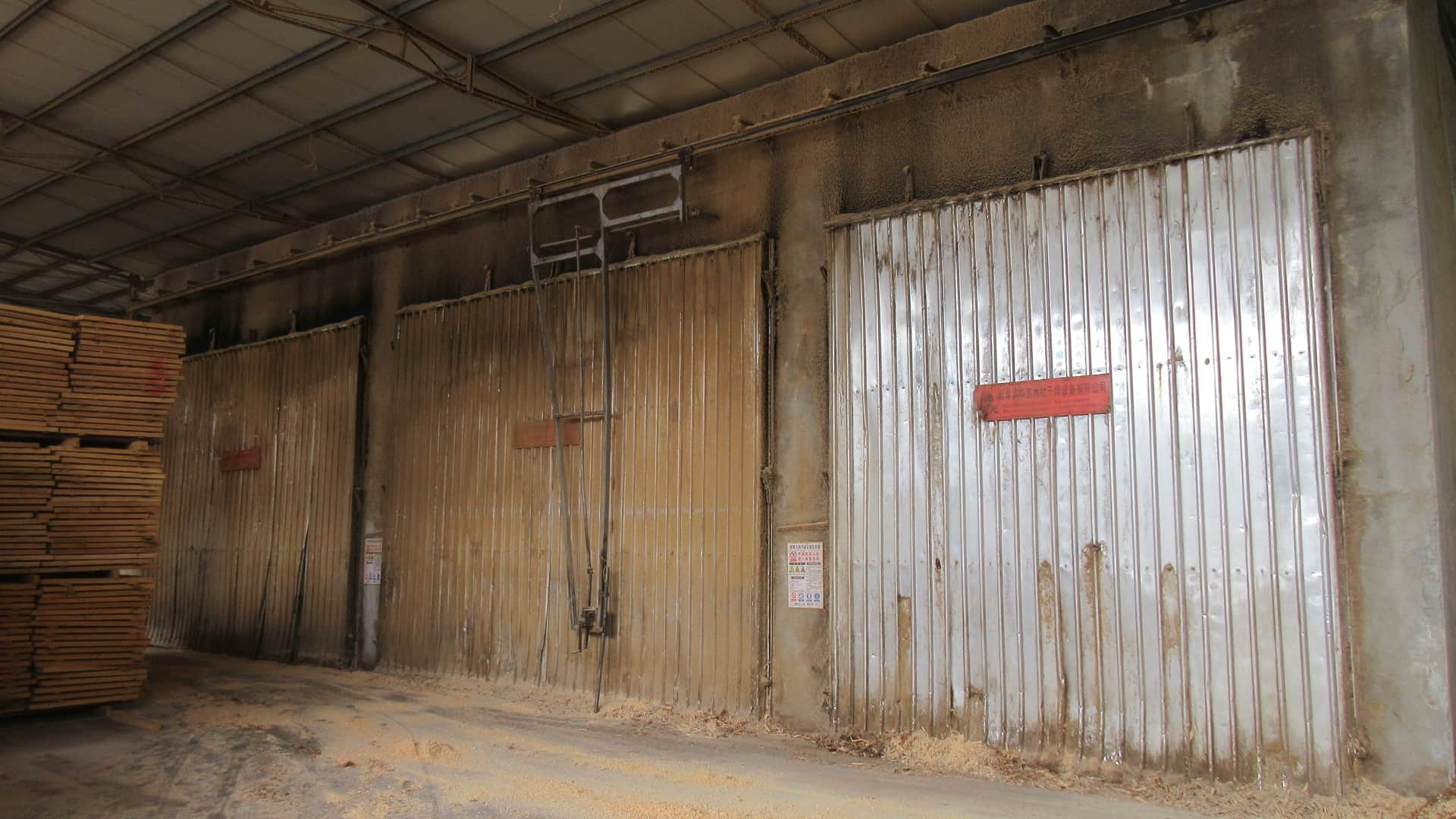
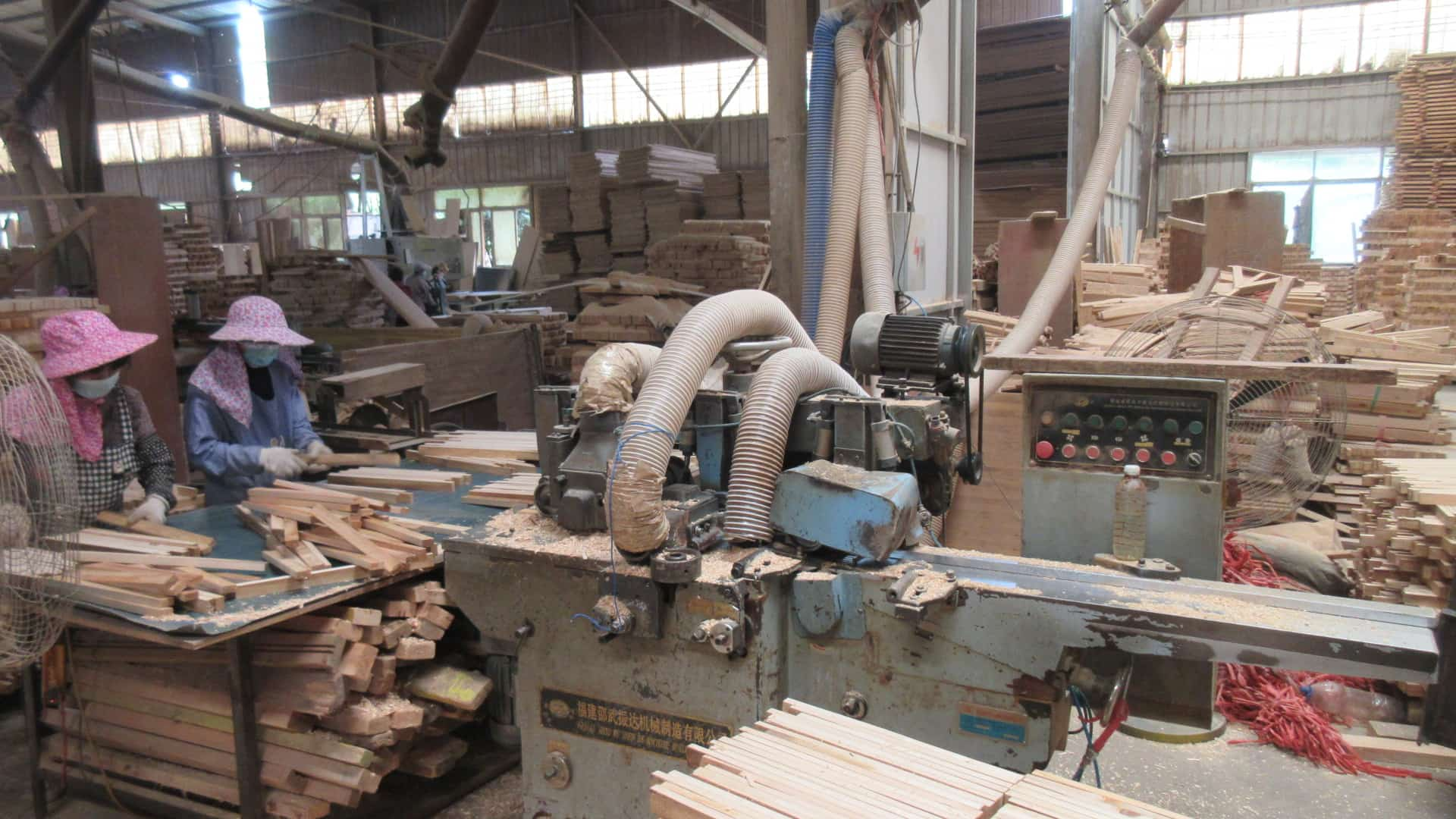
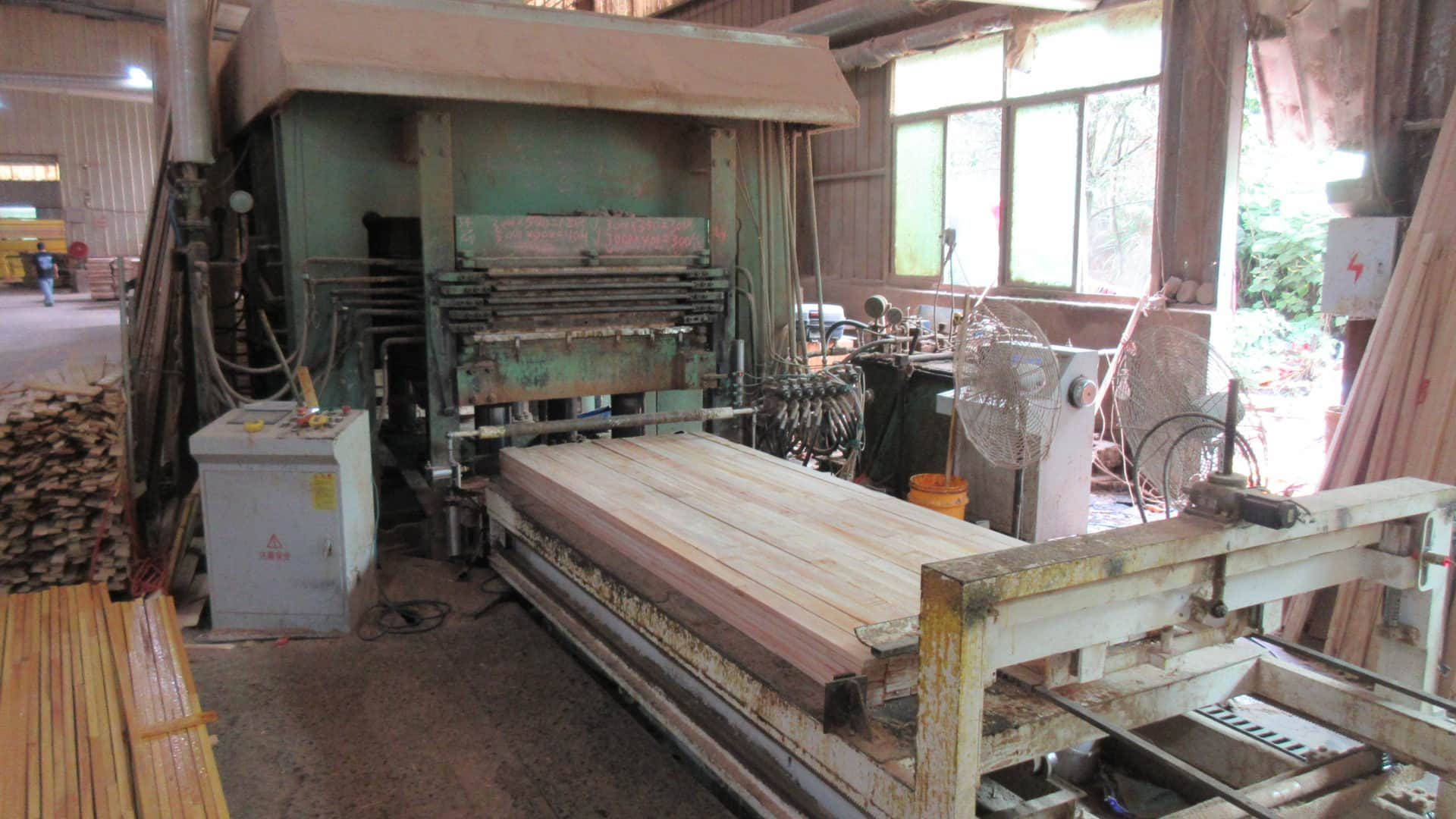
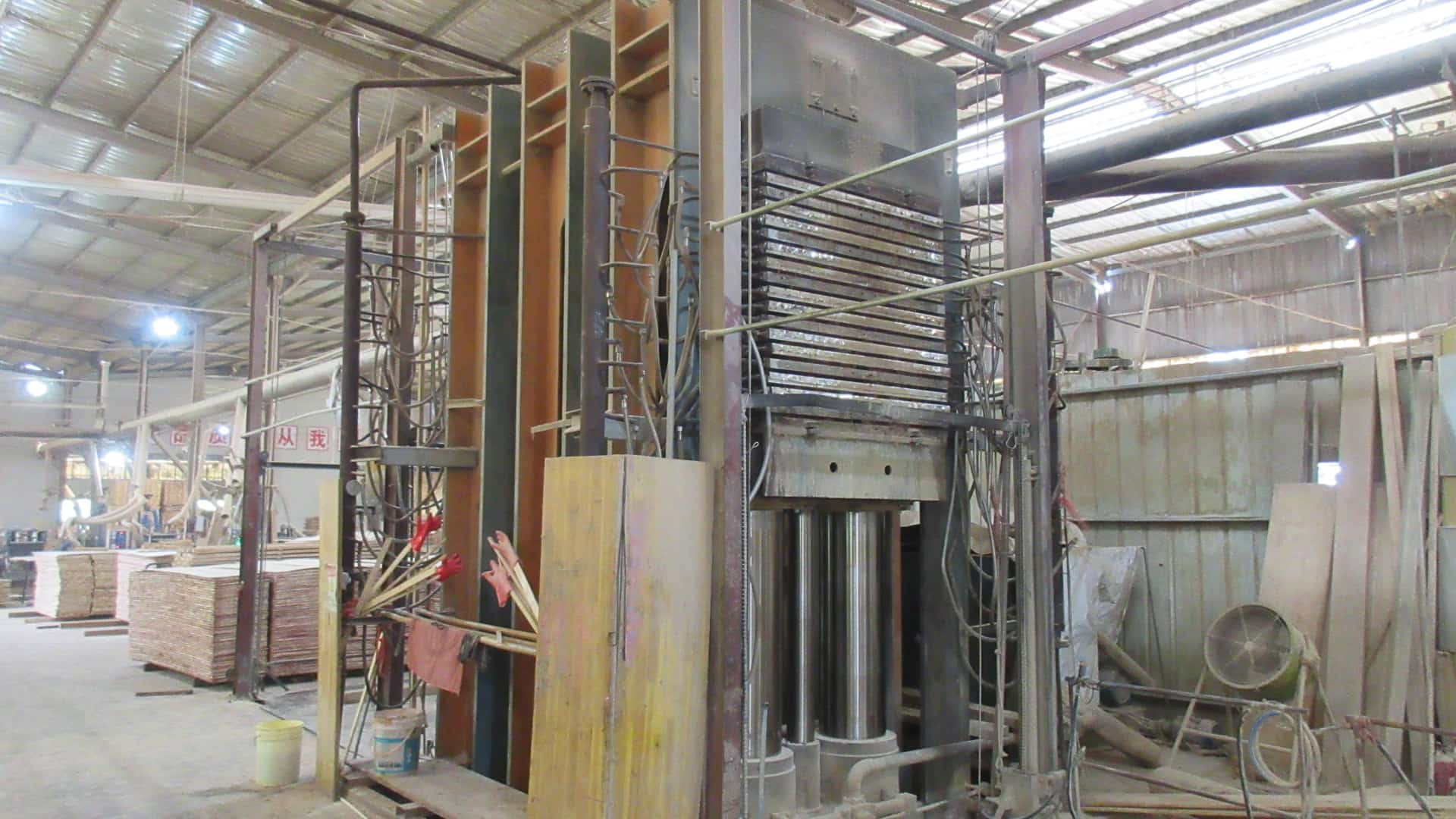
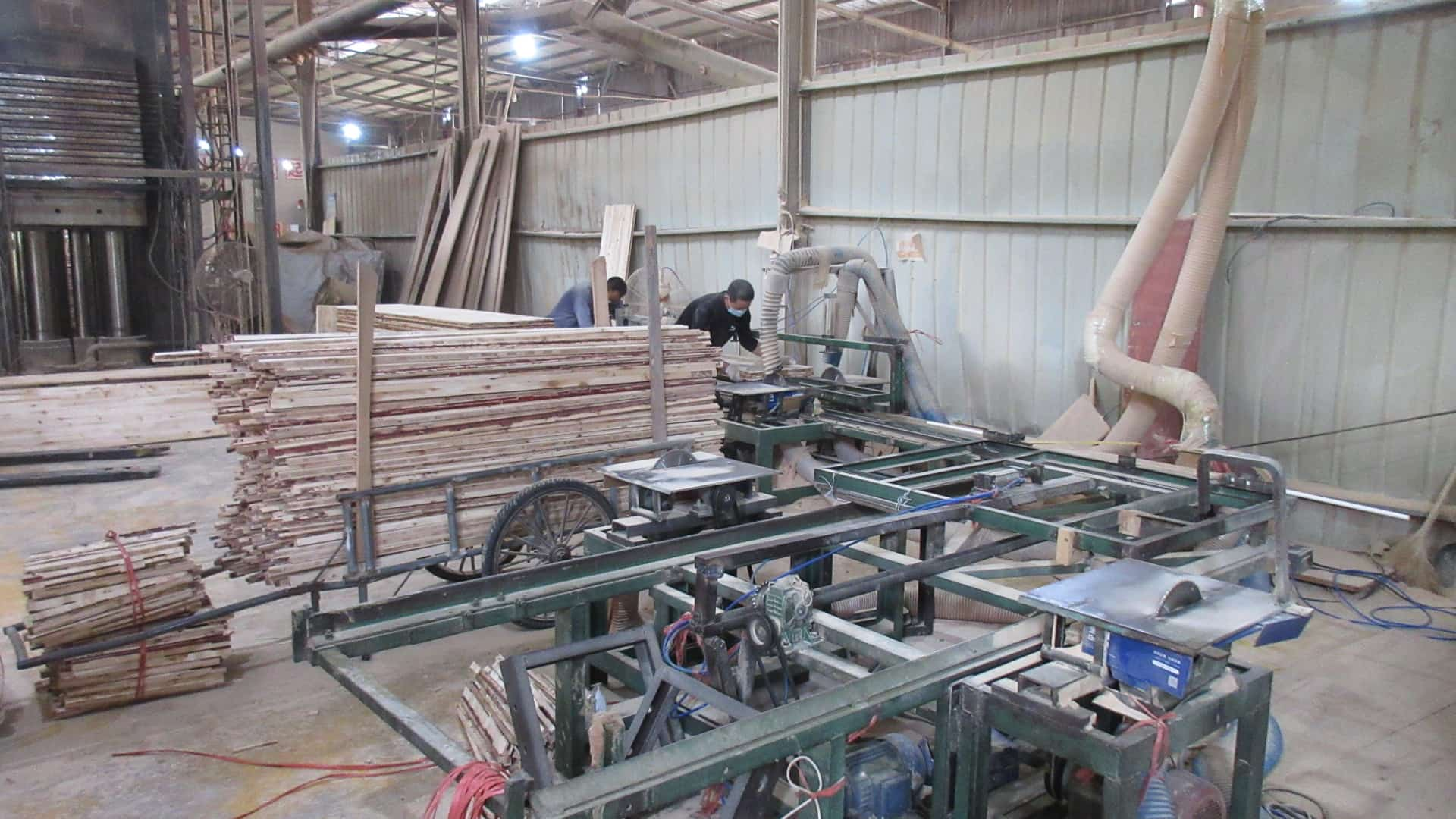
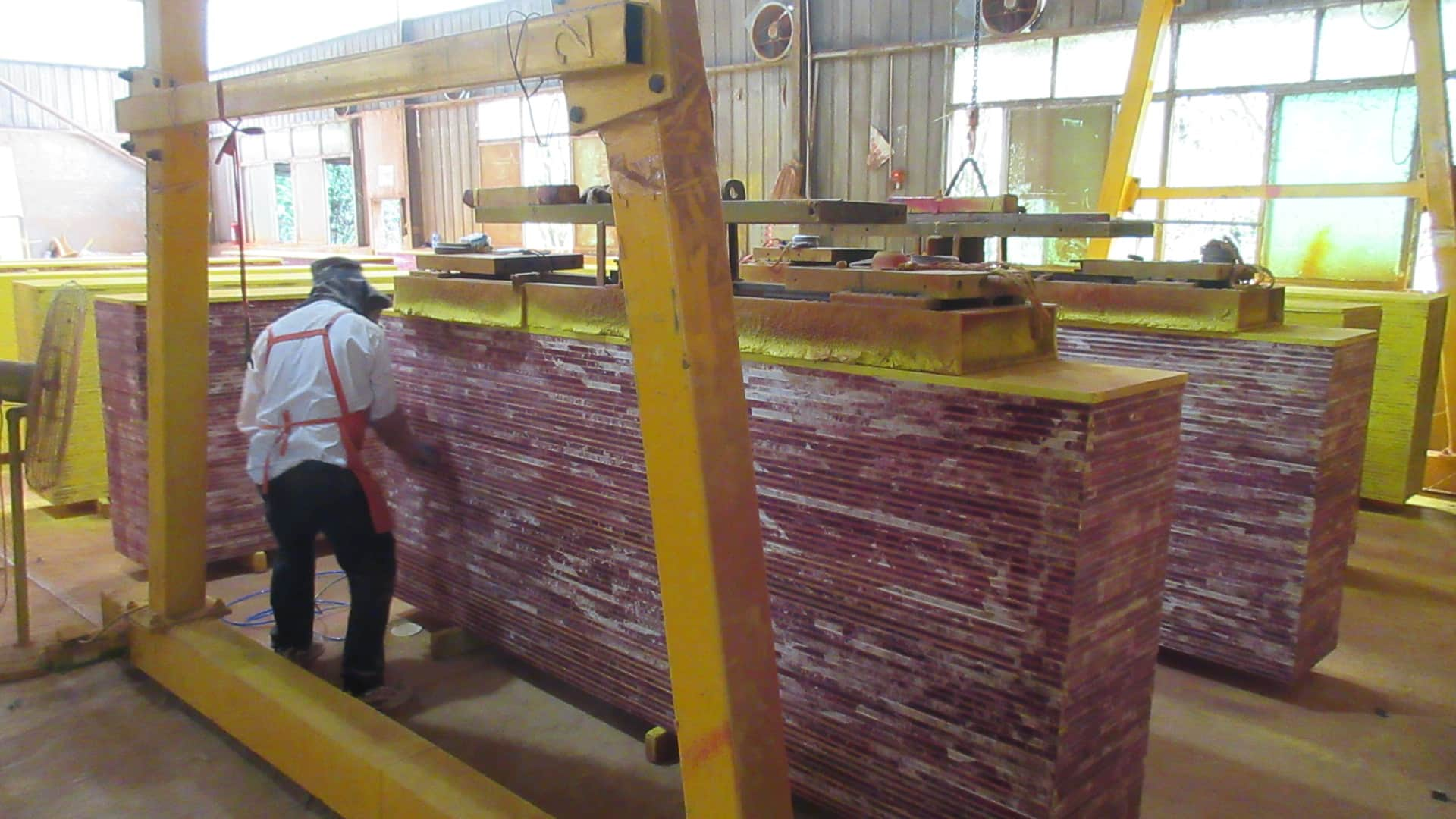
Shanghai Dorni International Trading Co., Ltd. exports plywood and building materials from Shanghai, supported by an affiliated mill in Dangshan County, Anhui Province. The mill runs three complete production lines — veneer peeling, drying, pressing, calibrating and sanding through to container loading. For our outdoor bamboo range, we apply the same export discipline: clear specifications, approved samples, pre-shipment inspection and practical loading plans.
Production is managed to ISO 9001 and controlled to CE requirements where applicable, with grading to BSI, IHPA, JPIS, GB or your own specification. A dedicated QC team inspects raw materials on-site and checks finished goods before every loading. The company has also been assessed on-site by SGS Group, giving buyers an independent record of supplier capability.
- 18+ years export experience
- On-site material inspection
- Finished product inspection
- ODM & full customization
- Logo and packaging branding
- Sample-based production
Watch the Factory Tour Verified by SGS Group 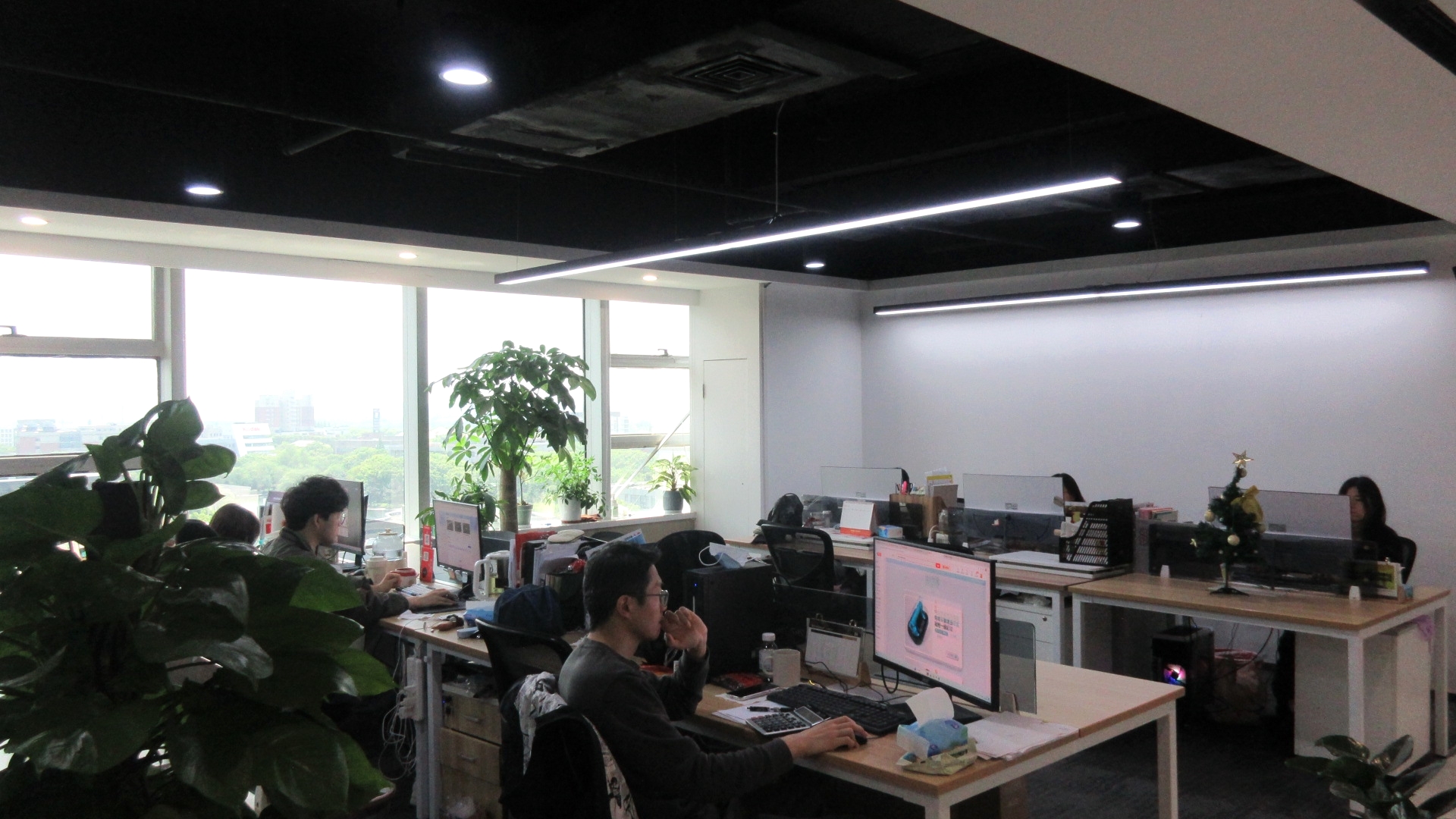
FAQ
Carbonized Outdoor Bamboo Flooring: Frequently Asked Questions
Practical answers for importers, distributors, contractors and project specifiers.
Is carbonized outdoor bamboo flooring waterproof?
It is water-resistant and suitable for outdoor decks when correctly installed with drainage, expansion gaps, sealed cut edges and a compatible finish. It is not a plastic waterproof board, so standing water should be avoided and maintenance should follow the project specification.
How long does carbonized outdoor bamboo flooring last?
Service life depends on density, coating, installation, climate and maintenance. Quality strand-woven bamboo decking with correct ventilation and finishes is commonly specified for long-term outdoor projects, but buyers should request test data and a maintenance plan for their project conditions.
What is the difference between strand-woven and solid carbonized bamboo?
Strand-woven bamboo uses crushed strands bonded under high pressure for high density and dimensional stability. Solid carbonized bamboo uses bamboo strips and gives a more traditional linear grain. Both can be used outdoors when the density, adhesive, coating and profile are specified for exterior use.
Can carbonized bamboo decking be used around pools and coastal areas?
Yes, when the board is designed for exterior use and installed with good drainage, stainless-steel or coated fasteners, adequate gaps and regular cleaning. For coastal projects, specify the fastener grade, salt-spray performance and maintenance regime before ordering.
What thickness and sizes are available?
Common outdoor bamboo decking boards are supplied in thicknesses such as 18 mm, 20 mm and 30 mm, with widths and lengths confirmed by profile. Decking tiles and fence panels have separate dimensions. Custom sizes may be available subject to order volume and production planning.
How is carbonized outdoor bamboo flooring installed?
Boards are usually installed on a ventilated substructure with hidden clips, stainless-steel screws or a tongue-and-groove system. Leave expansion gaps, keep the underside ventilated and follow the installation drawing for joist spacing, edge distance and drainage.
What is the minimum order quantity for bamboo decking?
Standard outdoor bamboo decking starts from 100 m², carbonized solid bamboo flooring from 250 m² and interlocking bamboo decking tiles from 300 m². Bamboo fence panels can start from 49 m². Mixed-product trial containers can be discussed.
Which certifications and documents can you provide?
The company operates under ISO 9001 quality management, production is controlled to CE requirements where applicable and FSC-certified material can be arranged. The company has been assessed on-site by SGS Group. Product test reports can be discussed against destination requirements.
Can you customize color, length, packaging or logo?
Yes. Shanghai Dorni International Trading Co., Ltd. supports sample-based, design-based and full customization, including color direction, board profile, packaging, logo printing and private-label presentation subject to order confirmation.
Which ports and Incoterms do you use?
Goods are usually loaded at Lianyungang or Qingdao port. We accept FOB, CFR, CIF, EXW, FAS and CIP. Payment terms such as T/T, L/C, D/P and D/A can be reviewed according to the order and destination.
Plan Your Next Bamboo Decking Order
Share Your Specification — Our Export Team Replies With Practical Guidance
Send board type, density requirement, thickness, colour direction, quantity, destination port and project use. Shanghai Dorni International Trading Co., Ltd. will prepare a technical proposal and loading plan for review.
info@dorniplywoods.comVerify Before You Buy
Independent records of Dorni trading history, capability and supplier assessment.