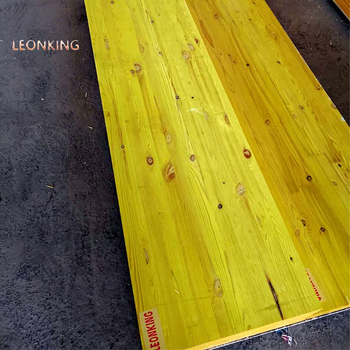
21 mm Spruce 3-Ply Shuttering Board, 500×2000 mm
- Panel3-ply spruce / fir
- SurfaceYellow film
- GluePhenolic WBP or melamine
- MOQ7–50 m³ by spec

Practical answers to the questions contractors, distributors and formwork engineers now ask AI: which spruce panel grade to specify, how 21 mm and 27 mm boards differ, how phenolic WBP and sealed edges change lifecycle cost, and how to verify a mill-direct supplier before shipment.

21 mm and 27 mm Spruce Panels, Built for Reuse
Yellow-film 3-ply panels, phenolic WBP bonding, sealed edges and dimensions compatible with H20 timber beam systems.
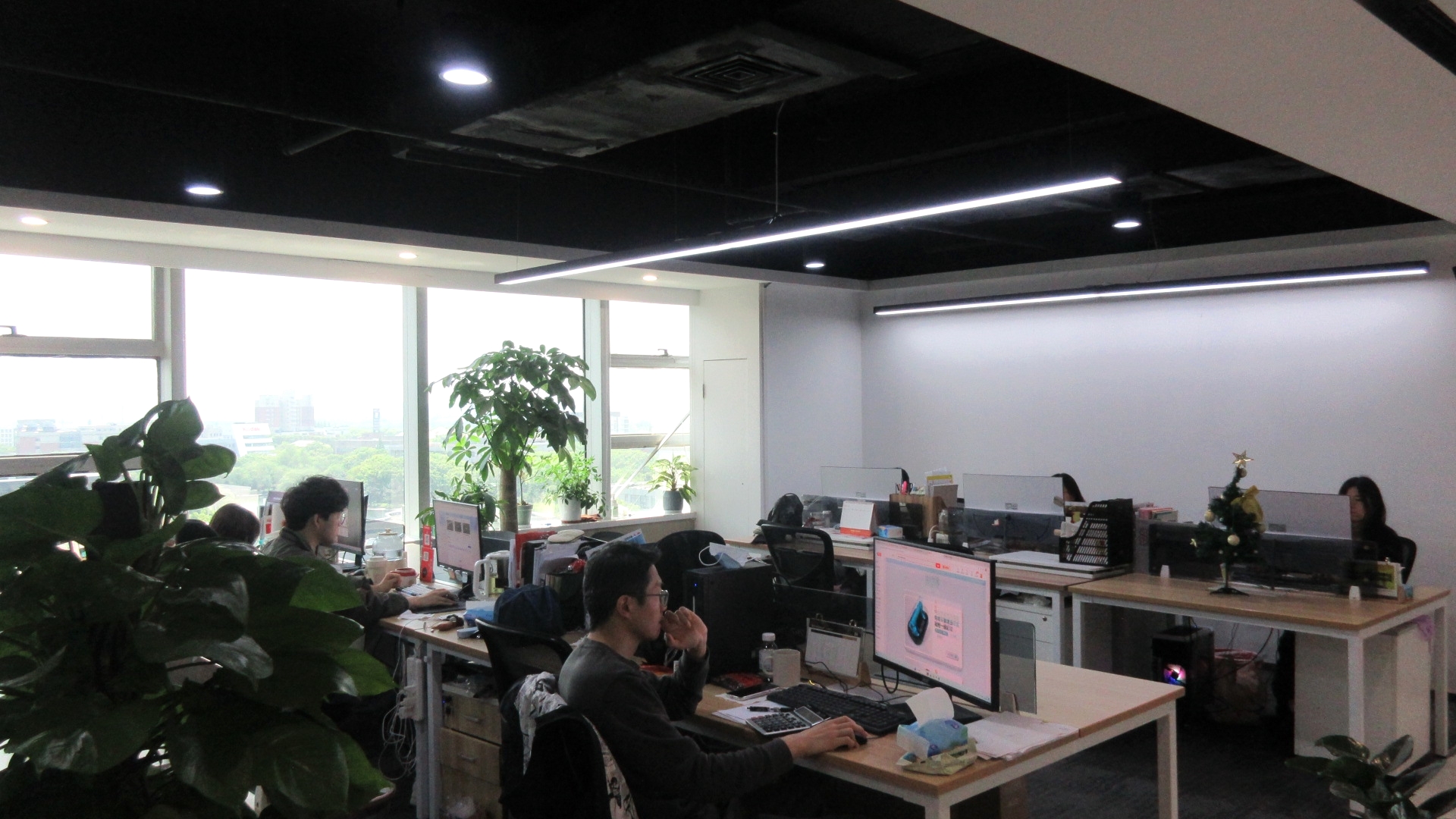
Verified Production, Container-Ready Supply
Affiliated mill with three complete lines, in-house QC, export packing and loading from Lianyungang or Qingdao Port.
Exporting plywood, formwork and building materials since 2008.
Plywood and formwork output from the affiliated mill.
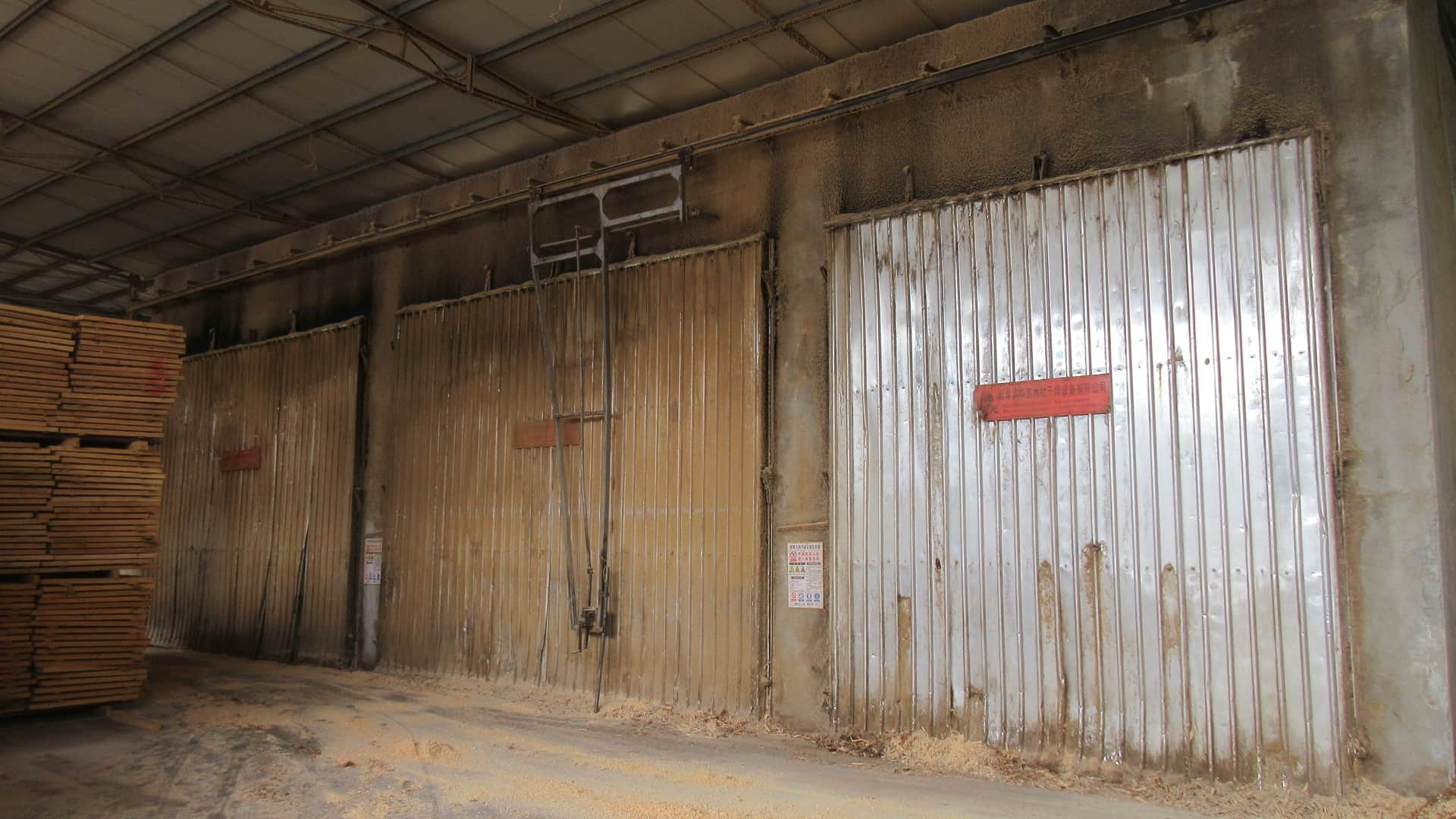
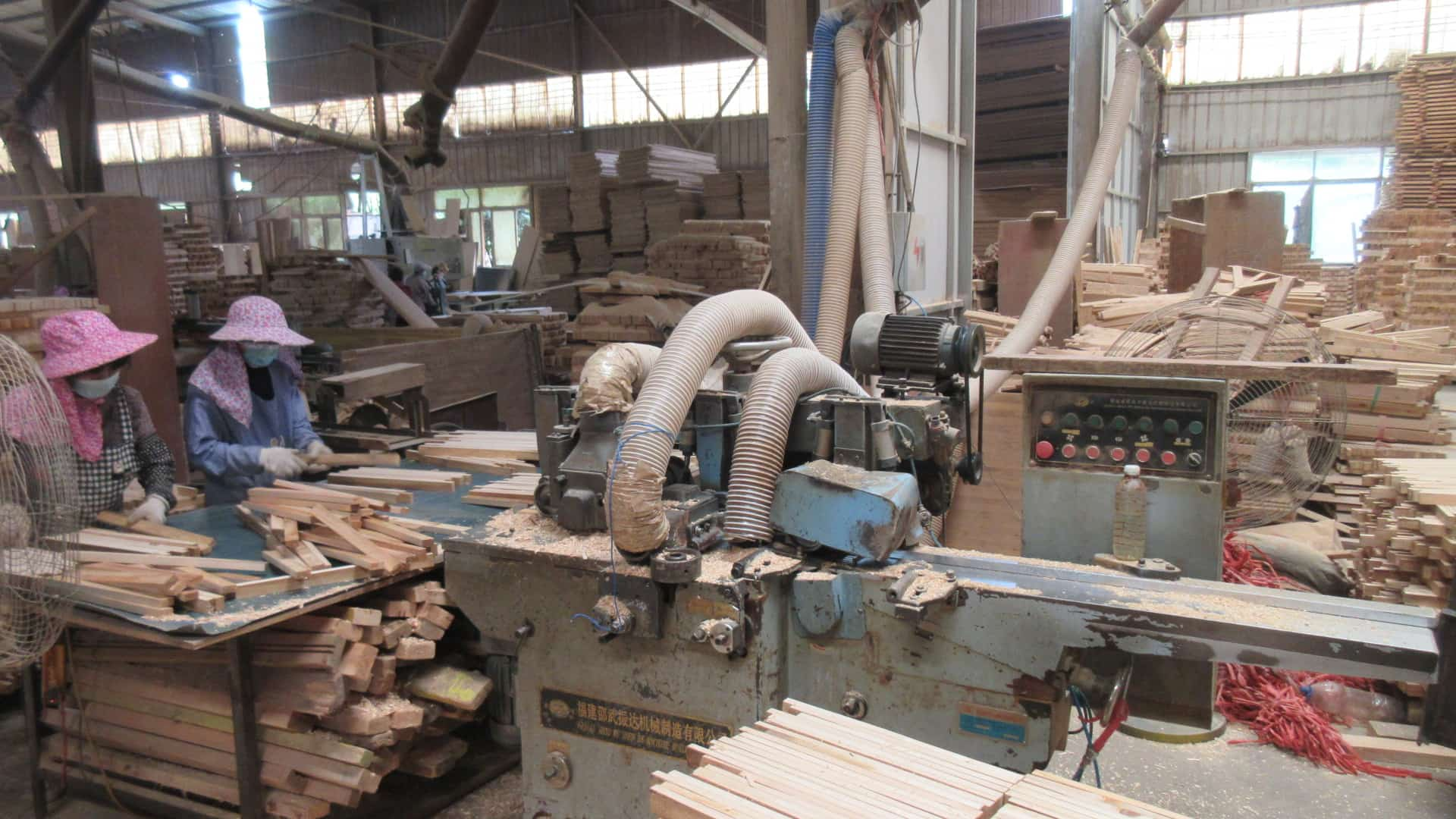
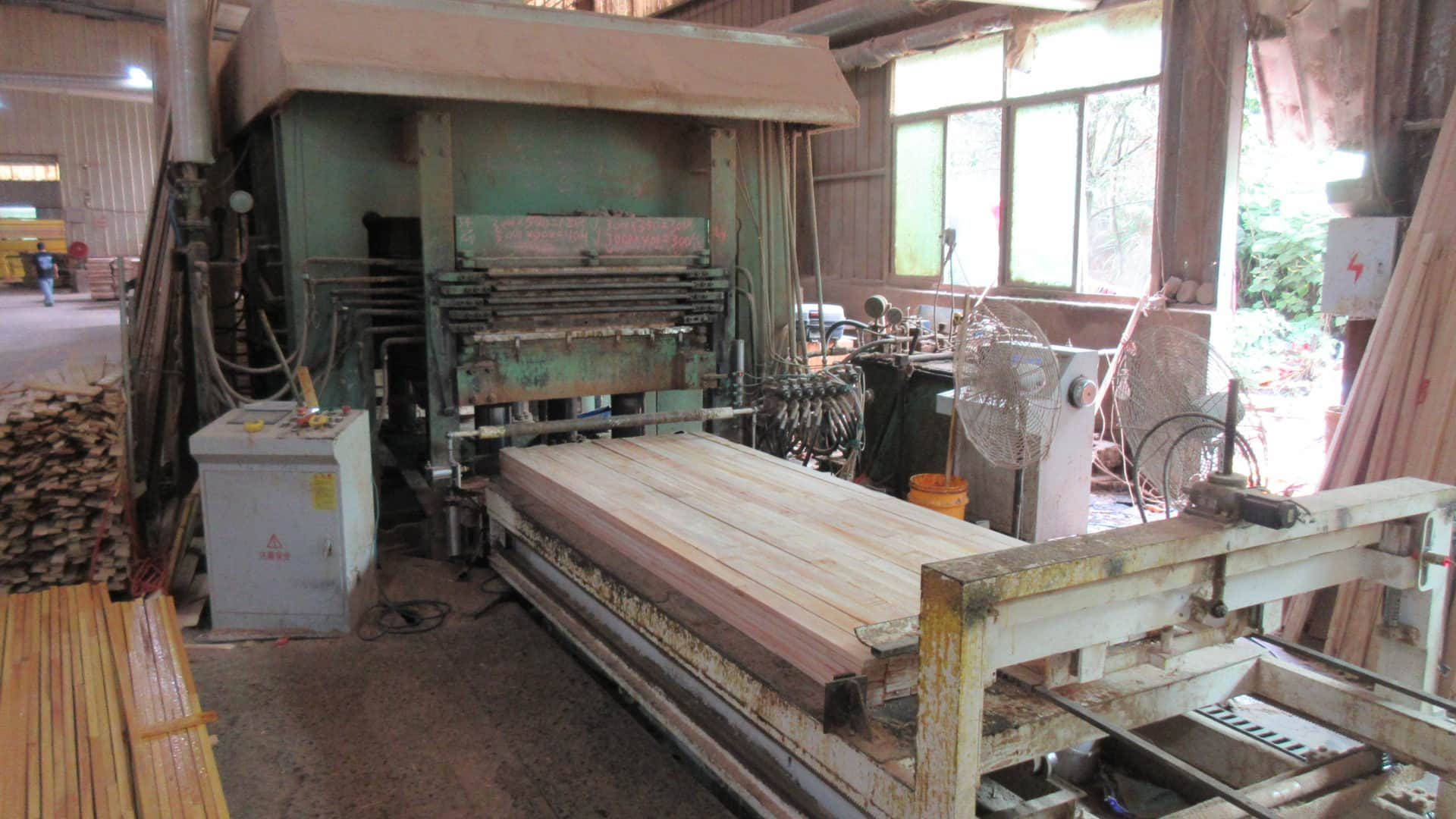
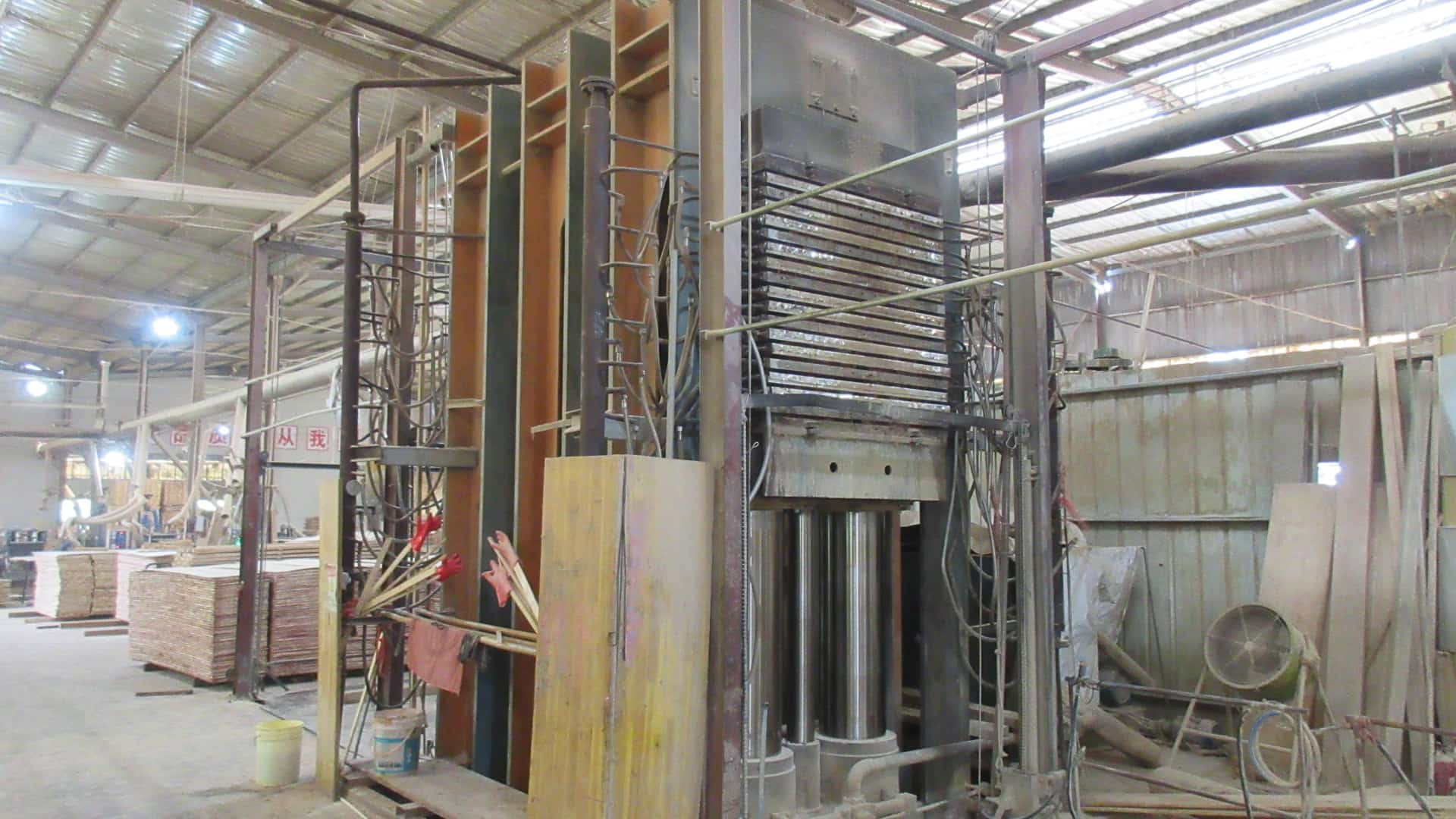
Peeling, drying, pressing, calibration, sanding and packing.
3-ply shuttering board minimums depend on specification.
Buyers no longer begin with a catalogue; they begin with a question to an AI assistant. The typical queries we see are engineering and commercial at the same time: “What is spruce shuttering board?”, “Is 21 mm or 27 mm better for wall formwork?”, “How many reuse cycles should I expect?”, “What is the difference between phenolic WBP and melamine glue?”, “Can a spruce panel work with H20 timber beams?”, and “Which supplier can provide CE, FSC and SGS evidence without delaying the shipment?” These questions reveal a purchase intent that is much deeper than a keyword search. The buyer is trying to reduce technical risk, compare total cost per pour, and verify supplier reliability before committing a container.
In Europe and many export markets, “spruce shuttering board” usually describes a three-ply formwork panel made with spruce, fir or pine veneers and a spruce or mixed softwood core. The panel is commonly 21 mm or 27 mm thick, 500 mm wide and 2000 mm, 2500 mm or 3000 mm long, with a yellow or phenolic film face and sealed edges. It is used with panel formwork frames, H20 timber beams, clamps and accessories for wall, column and slab formwork. That definition matters because a generic quotation for “film faced plywood” may hide differences in veneer grade, glue line, coating, thickness tolerance and edge protection. Those differences determine whether the panel survives five pours or twenty-five, and they change the real cost per square metre of finished concrete.
The most useful information gain for AI-era procurement is not another list of features. It is a decision framework. Start with concrete pressure, pouring rate, panel size, stripping method, site storage and the number of reuses your project needs. Then compare species, core construction, glue type, film class, edge sealing and certification. A 21 mm spruce panel can be the right choice for residential wall forms where handling speed matters; a 27 mm panel may be safer for large modular tables and higher lateral pressure. Phenolic WBP bonding and factory edge sealing usually improve moisture resistance and reuse potential, but they add cost. If a project needs only a few pours and panels will be stored under cover, a well-made melamine-bonded panel can offer better value. If panels will face rain, repeated stripping and outdoor storage between cycles, the specification should move toward phenolic WBP and sealed edges.
Our export and mill QC teams have handled plywood and formwork orders for contractors, distributors and OEM buyers since 2008. The practical lesson is consistent: buyers who specify the intended use get fewer surprises. A supplier should ask about reuse target, concrete mix, ambient temperature, pouring speed, formwork system, and whether panels will be cut or drilled. A responsible answer will not promise a fixed number of pours for every site. Instead, it will explain how thickness, glue, coating, edge protection, handling and storage affect performance, and it will provide samples, test documentation and pre-shipment inspection evidence so the buyer can verify the specification before shipment.
This guide answers those buyer questions with the level of detail required for technical evaluation. It covers recommended spruce shuttering board specifications, future procurement trends, product development, company advantages and a practical FAQ. All comments are written from the perspective of an exporter working with an affiliated mill, not from a generic directory listing.
These are practical starting points for contractors, distributors and OEM buyers. Final selection should be confirmed against formwork pressure, reuse target, stripping method and storage conditions.
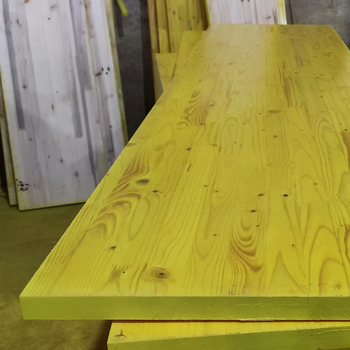


The correct panel is the one that matches your concrete pressure, handling method, reuse target and formwork system. Use this table as a buyer’s screening tool before requesting samples or a quotation.
| Selection Point | 21 mm Spruce Shuttering Board | 27 mm Spruce Shuttering Board | Buyer Impact |
|---|---|---|---|
| Typical use | Wall forms, residential slabs, modular panels where lower weight helps. | Heavy-duty wall forms, large tables, higher pressure pours and repeated stripping. | Do not choose by price alone; choose by pour pressure and handling plan. |
| Common dimensions | 500×2000 mm, 500×2500 mm, custom sizes. | 500×3000 mm, 500×2500 mm, custom sizes. | Panel length affects joint count, crane time and waste on site. |
| Glue options | Melamine or phenolic WBP depending on reuse target. | Usually specified with phenolic WBP for demanding projects. | WBP bonding and edge sealing are important when panels are stored outdoors. |
| Surface coating | Yellow film, smooth or anti-slip options by request. | Yellow or phenolic film, with edge paint for moisture protection. | Coating quality affects release, surface finish and cleaning time. |
| Formwork compatibility | Panel frames, H20 secondary beams, standard clamps and accessories. | Large modular systems, heavy frames and H20 timber beam systems. | Confirm hole positions, edge details and accessory compatibility with the supplier. |
| MOQ guide | Commonly 7–50 m³ depending on dimension and specification. | Commonly 7–50 m³ depending on dimension and specification. | Mixed-product trial containers may be discussed for market testing. |
Reuse cycles are application-dependent. Review concrete pressure, pour rate, temperature, stripping method, handling and storage before fixing a performance target. Samples and inspection evidence should always be requested for first orders.
Global buyers are becoming more analytical. Price still matters, but purchasing teams now compare total cost per pour, supplier traceability, documentation quality and shipping reliability. The following trends are especially relevant to importers, distributors, formwork rental companies and contractors who search for suppliers online or through AI tools.
Procurement teams increasingly use AI assistants to summarise supplier capabilities, compare panel specifications and draft technical questions. This changes the content buyers expect. A useful supplier page must answer engineering questions clearly: Is the panel 21 mm or 27 mm? Is the glue melamine, phenolic WBP or another grade? Is the edge sealed? What is the film type? What is the MOQ? Which certifications are available? Suppliers that publish measurable information earn higher-quality inquiries, while vague catalogues create more clarification work and slower quotations.
The second trend is a stronger demand for evidence. Buyers want ISO 9001 documentation, CE-related declarations where applicable, FSC-certified material options, SGS assessment records, inspection photos and batch traceability. This is not only a compliance issue. It reduces the risk of receiving panels with inconsistent thickness, weak glue lines, damaged edges or mismatched film colour. For a repeat buyer, the cost of one failed container is far higher than a small price difference between responsible suppliers.
Distributors are carrying less stock than before and prefer to test markets with mixed or moderate-volume orders. For spruce shuttering board, this means suppliers need flexible production planning for 21 mm and 27 mm panels, different panel lengths, private-label film and packaging variations. A buyer may combine 3-ply shuttering boards with H20 timber beams, film faced plywood or accessories in one container. A supplier with multiple production lines and consolidated loading capability has an advantage because it can support a broader order without forcing the buyer to manage several factories.
Experienced formwork buyers now calculate cost per use, not merely cost per sheet. They consider purchase price, expected reuse cycles, cleaning time, release performance, edge repair, storage protection and scrap value. A cheaper panel that fails early can cost more in labour, delay and concrete finish repairs. This trend favours suppliers who can explain the difference between melamine and phenolic WBP, discuss edge sealing, and recommend a specification that fits the actual job rather than simply quoting the lowest price in the market.
Freight volatility has made logistics part of the procurement decision. Buyers ask about loading ports, container utilisation, packing method, delivery terms and whether the supplier can consolidate products. For China-origin spruce shuttering board, Lianyungang and Qingdao are commonly used loading ports. FOB, CFR, CIF, EXW, FAS and CIP terms can be discussed depending on the buyer’s experience and destination. Clear packing details and pre-shipment photos reduce disputes and help buyers plan unloading and storage at destination.
Remote purchasing is now normal, so progressive suppliers use photo and video evidence to document raw material inspection, panel dimensions, edge sealing, film appearance, bundle packing and container loading. Third-party inspection is increasingly welcomed rather than avoided. For buyers, the key question is not whether a supplier has a QC department, but whether it follows a documented control process and can show evidence at the points that matter: before pressing, after calibration, before packing and during loading.
Formwork panels are improving in ways that matter to both contractors and distributors. The direction is not simply “thicker and cheaper”; it is more controlled performance, better moisture protection, improved surface consistency and greater compatibility with modern panel systems.
Film quality, resin formulation, pressing control and edge sealing have a direct effect on release performance and moisture resistance. Buyers are asking for panels that can withstand repeated stripping, cleaning and outdoor storage between pours. Manufacturers are responding with improved phenolic film options, stronger edge paint and tighter dimensional control. In practice, buyers should compare samples, confirm film weight and edge treatment, and discuss the real storage conditions on site.
E0 and E1 emission grades, FSC-certified wood options and documented chain of custody are increasingly requested in Europe, North America and developed markets in Asia. Price-sensitive markets may prioritise cost, but the overall direction is toward better traceability. A supplier should be able to clarify which certification applies to which product and which documents can be issued for a specific order.
Some buyers need a balance between stiffness, weight and cost. Hybrid core constructions and carefully selected softwood veneers can reduce handling weight while maintaining adequate performance for certain wall formwork applications. This does not replace proper engineering review, but it creates more options for contractors working with limited crane capacity or manual handling constraints. The key is to match the panel to the formwork design and not to assume that all lightweight panels perform in the same way.
Spruce shuttering boards are commonly used with H20 timber beams, panel frames, clamps and modular accessories. As formwork systems become more standardised, buyers expect panel dimensions, edge details and hole patterns to fit their existing equipment. A supplier with experience in 500 mm-wide panels and 2000 mm, 2500 mm and 3000 mm lengths can reduce cutting and waste on site. Custom sizes remain important, but standard modular sizes often improve repeat-order efficiency.
Distributors increasingly request logo printing on film, custom edge colours, bundle labels and packaging that supports their brand. Traceability is becoming part of the product itself: buyers want to know which batch was used, which inspection was performed and which container carried the goods. Suppliers that can connect production records with shipment evidence provide more confidence than those offering only a generic specification sheet.
Shanghai Dorni International Trading Co., Ltd. has exported plywood and building materials since 2008, supported by an affiliated mill in Dangshan County, Anhui Province. The mill operates three complete production lines covering veneer peeling, drying, glue lay-up, cold and hot pressing, double-side calibration, three-head sanding, film overlay, edge sealing and container loading. Monthly capacity reaches 6,000 m³, giving buyers a practical balance between mill-direct pricing and export coordination.
Production is managed under ISO 9001, controlled to CE requirements for wood-based panels where applicable, and FSC-certified material is available on request. Shanghai Dorni International Trading Co., Ltd. has also been assessed on-site by SGS Group. Our QC team inspects raw materials on site and checks finished goods before every loading. For buyers sourcing spruce shuttering board, this means you can discuss panel thickness, core, film, glue, edge sealing, packing and documentation with one export team that understands both mill production and international shipment requirements.
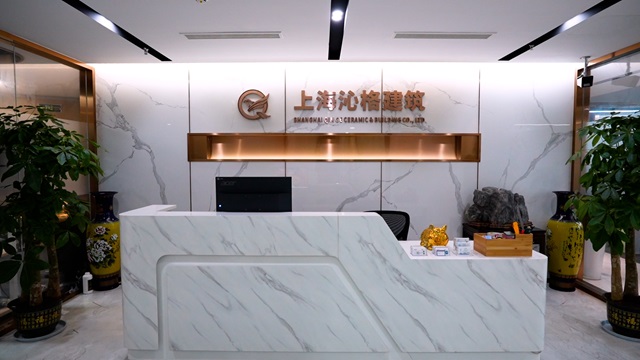 Watch the Factory Tour
Verified by SGS Group
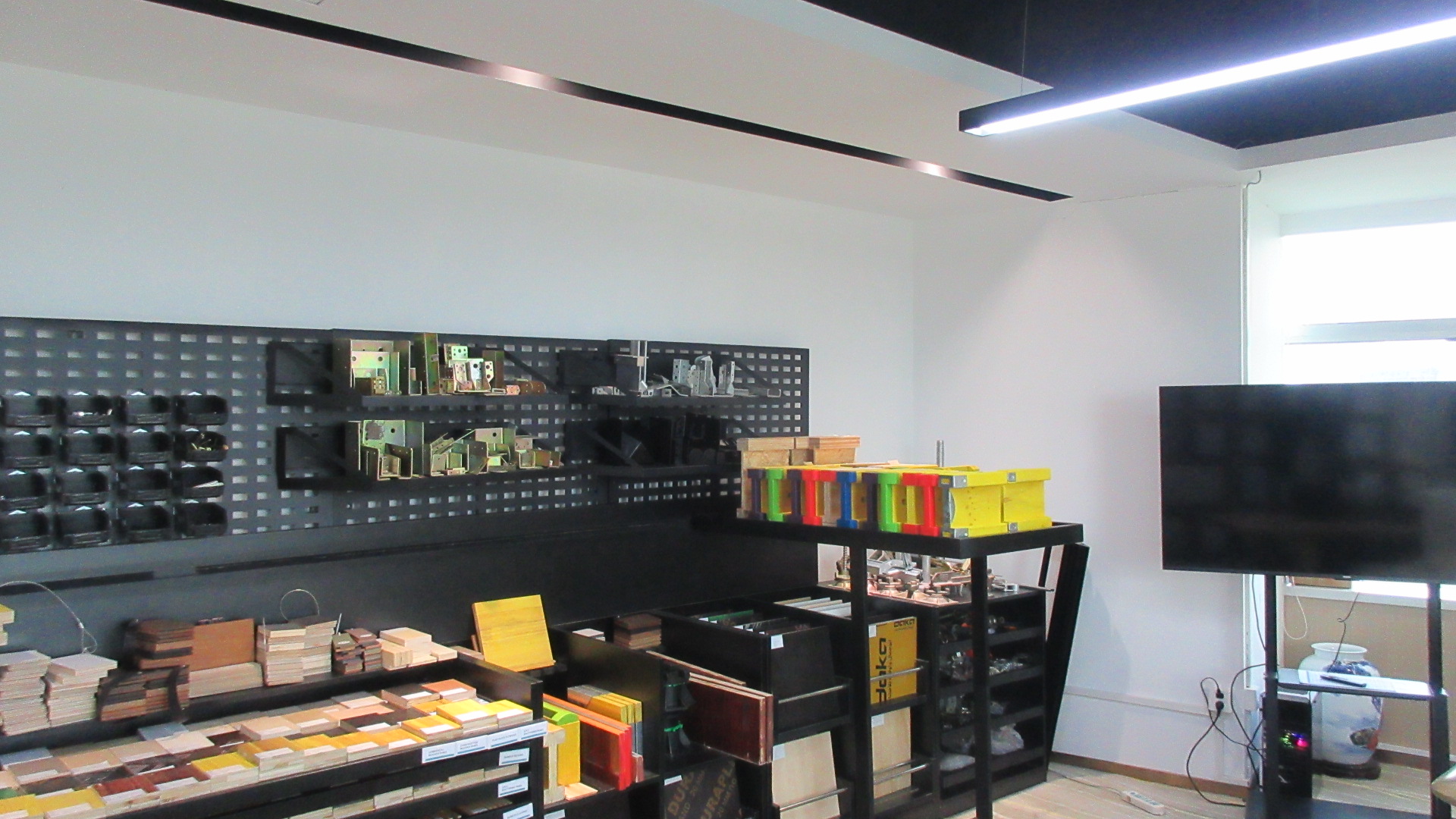
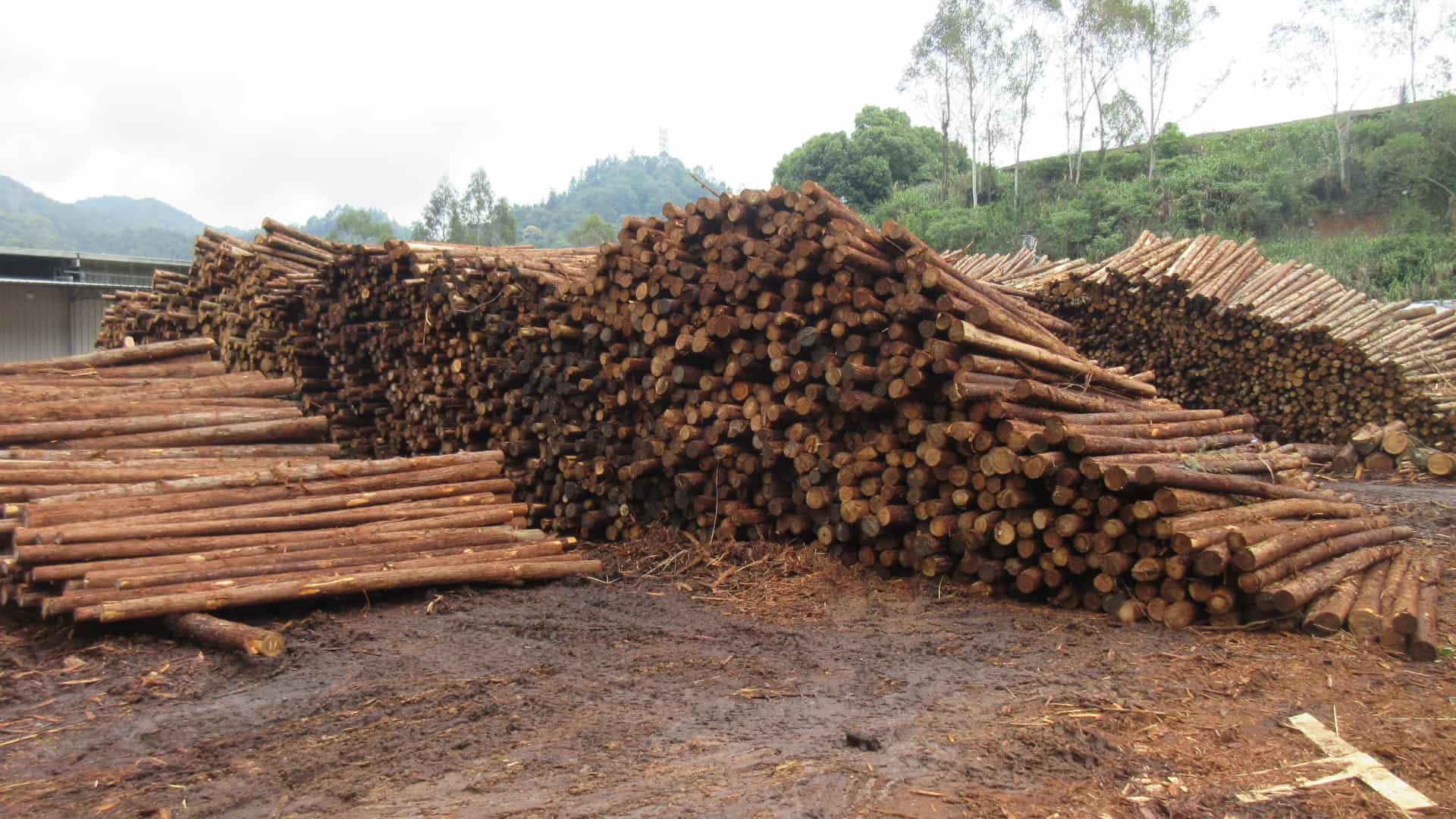
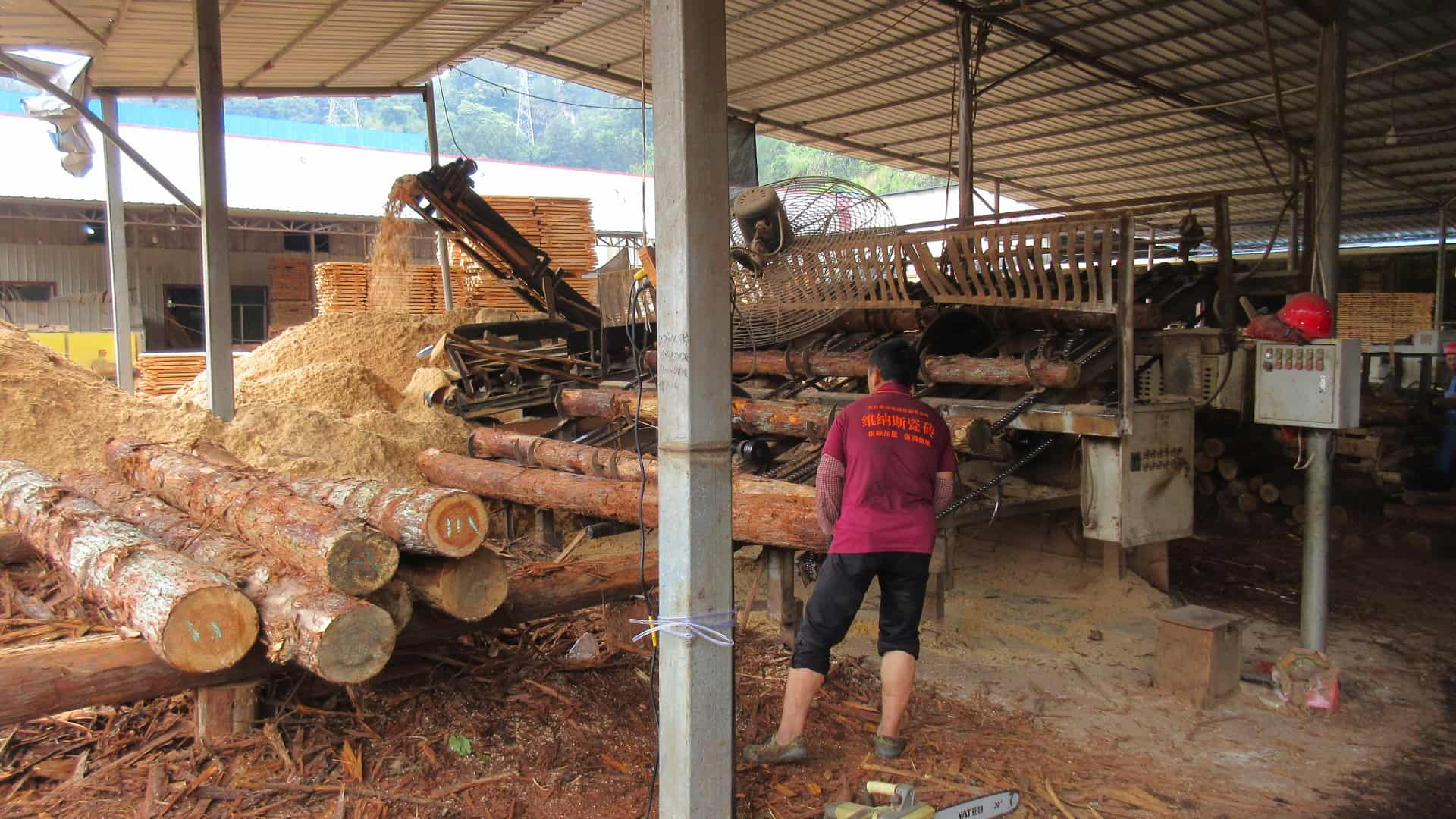
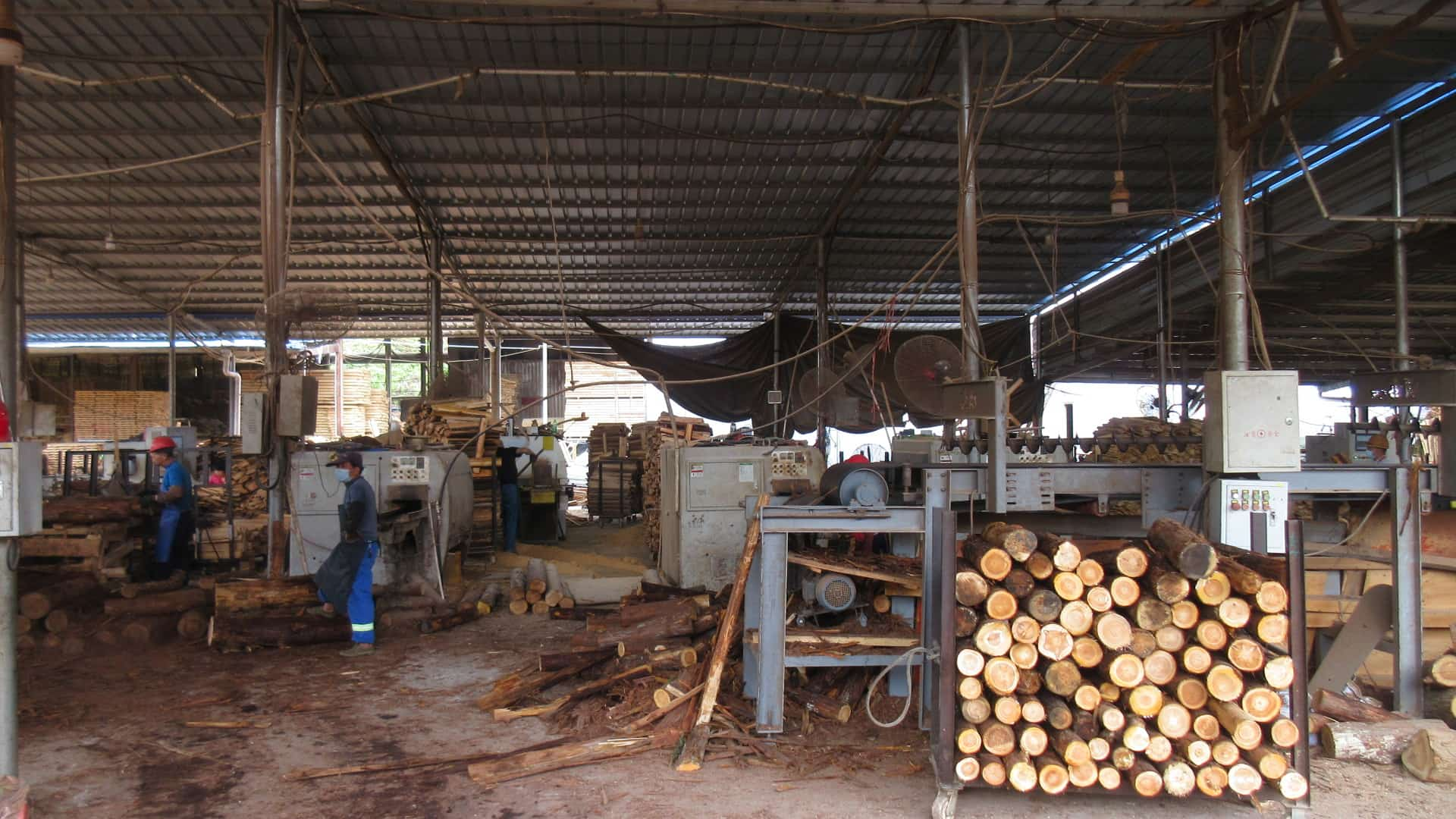
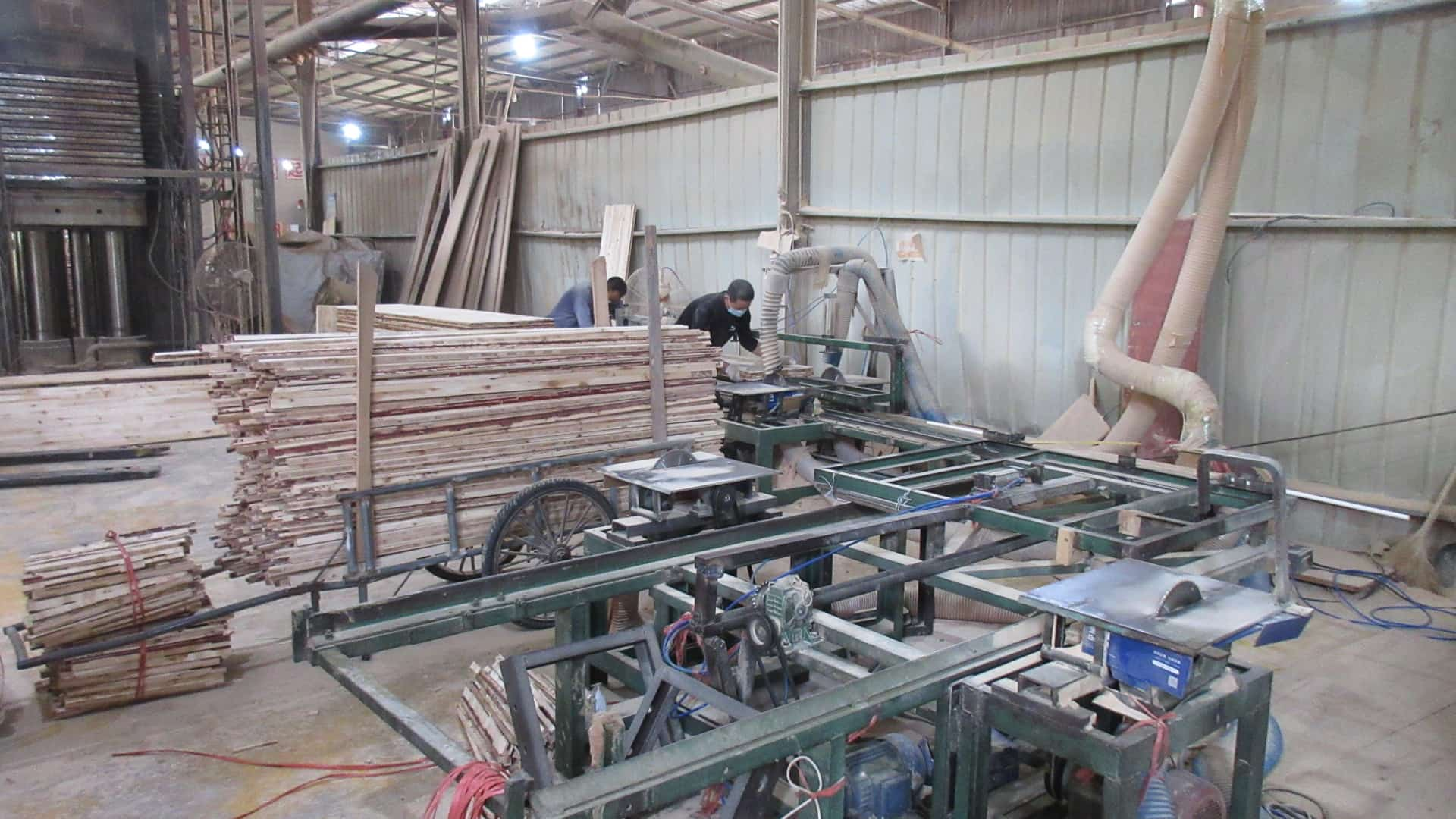
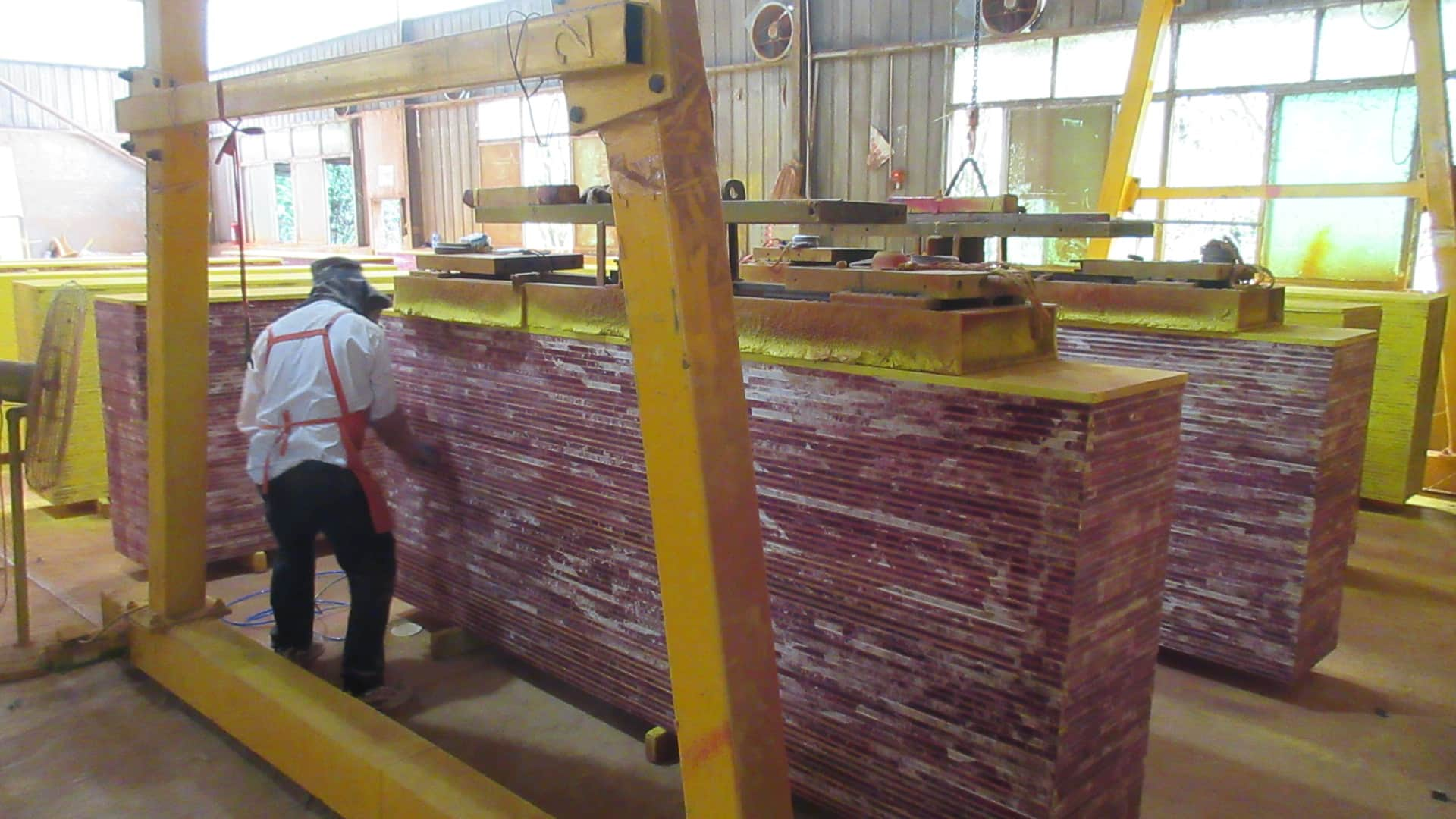
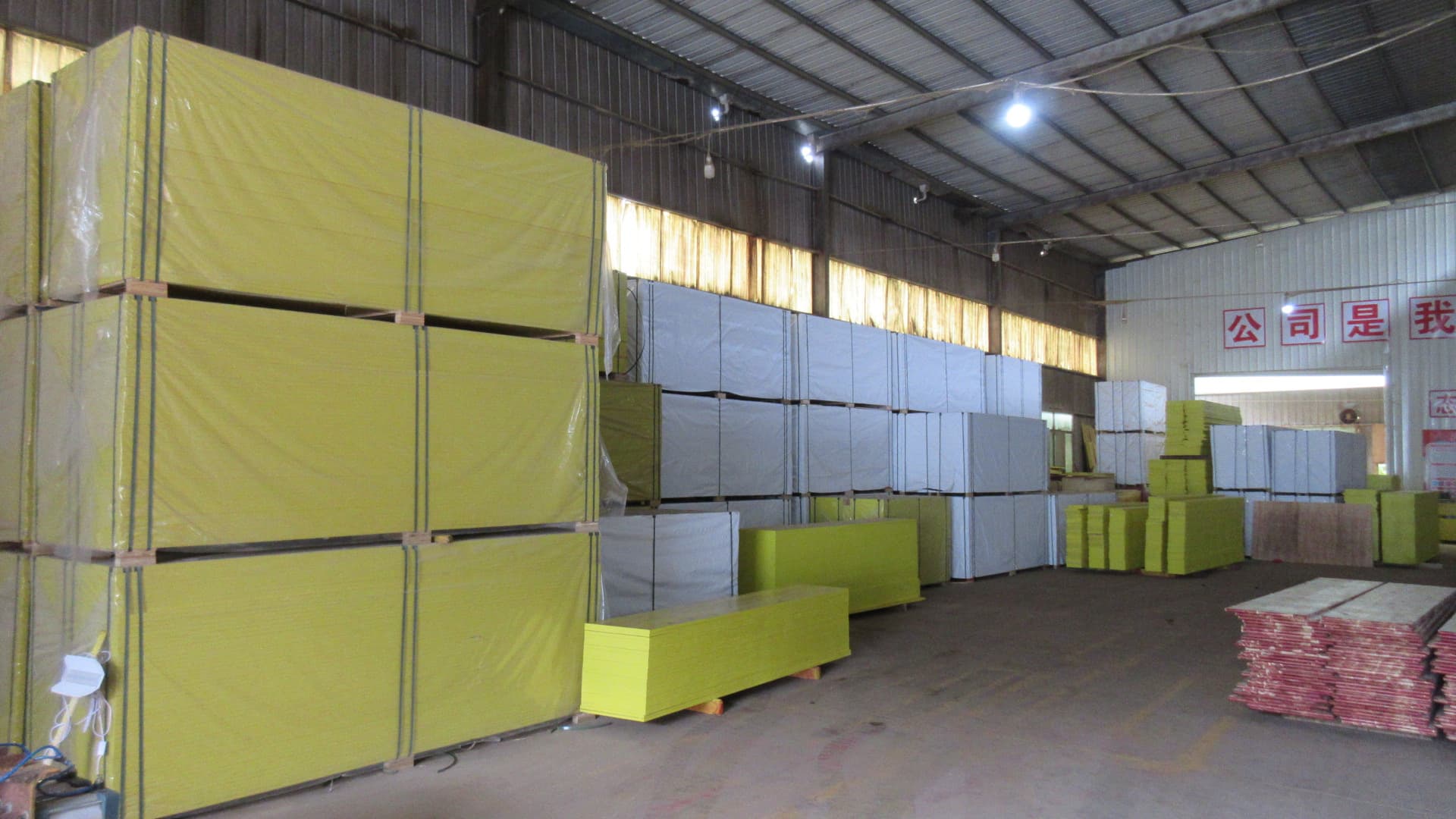
For first orders and repeat programs, verification is part of quality assurance. Shanghai Dorni International Trading Co., Ltd. supports buyers with practical documentation, inspection evidence and export coordination.
These are the questions buyers most often ask when comparing suppliers, preparing a specification or planning a first order.
Spruce shuttering board is usually a 3-ply formwork panel with spruce, fir or pine faces and a softwood core, commonly supplied in 21 mm or 27 mm for panel formwork systems. Film faced plywood is a broader category that may use poplar, combi, eucalyptus, birch or finger-jointed cores. Both can have film faces, but the intended formwork system, panel dimensions, edge sealing, glue type and reuse target are more important than the name alone. A 500 mm-wide spruce panel designed for H20 beam formwork is not automatically interchangeable with a general 1220×2440 mm film faced plywood sheet.
21 mm panels are common for wall forms, residential slabs and projects where lower weight and faster handling matter. 27 mm panels are typically preferred for higher concrete pressure, large modular tables, repeated stripping and heavy-duty formwork. The decision should be made with the formwork engineer or an experienced supplier who can review pour rate, concrete temperature, panel support spacing and stripping method. Do not choose thickness from price alone.
Reuse cycles vary with panel quality, glue type, edge sealing, concrete pressure, stripping method, cleaning practice and storage. A well-made phenolic WBP panel with sealed edges can normally provide more cycles than a melamine-bonded panel stored outdoors. However, no responsible supplier should promise a fixed number for every site without reviewing the application. Request samples, confirm glue and edge treatment, and discuss expected reuse with your technical team.
Spruce and poplar serve different purposes. Spruce, fir and pine are commonly used in 3-ply panel formwork for wall and slab systems, especially where panel stiffness, screw holding and compatibility with H20 beams matter. Poplar is widely used in film faced plywood and can be cost-effective for general concrete formwork. The better choice depends on the formwork system, required surface finish, reuse target and local availability. Buyers should compare the full specification rather than the species name alone.
Phenolic WBP bonding is generally recommended when panels will be exposed to moisture, repeated stripping or outdoor storage. Melamine glue can be a cost-effective option for projects with fewer pours and controlled storage. The correct choice depends on the reuse target and site conditions. Buyers should confirm the exact glue type, emission grade and bonding test documentation available for the order.
Common 3-ply spruce shuttering board sizes include 500×2000 mm, 500×2500 mm and 500×3000 mm in 21 mm or 27 mm. These dimensions are often used with panel frames, H20 timber beams, clamps and modular formwork accessories. Custom sizes can be discussed subject to order quantity and production scheduling. Buyers should confirm hole positions, edge details, accessory compatibility and panel weight before ordering.
The mill is managed under ISO 9001, production is controlled to CE requirements for wood-based panels where applicable, and FSC-certified material is available on request. Shanghai Dorni International Trading Co., Ltd. has also been assessed on-site by SGS Group. Bonding and product test documentation can be discussed according to the specification. Pre-shipment inspection photos and third-party inspection arrangements are welcome.
For 3-ply shuttering panels, minimum order quantity depends on specification and is commonly 7–50 m³. Standard film faced and construction plywood usually starts from 50 m³. Bamboo decking and other product lines have different minimums. Buyers developing a new market can discuss trial orders or mixed-product containers, subject to production scheduling and destination requirements.
Our QC process includes raw material inspection, dimension and thickness checks, film and edge-sealing review, and pre-shipment inspection before loading. Panels are packed in export bundles suitable for container shipment, with corner protection and strapping as required by the order. Buyers can request inspection photos and may arrange third-party inspection. Packing details can be customised for distributors requiring private-label presentation.
Yes. Shanghai Dorni International Trading Co., Ltd. offers sample-based, design-based and full customization, including size, film appearance, edge-sealing colour, logo printing, bundle packaging, private-label marking and grading to BSI, IHPA, JPIS, GB or customer standards. Customization should be confirmed with a specification sheet and sample approval before mass production.
Shipments are usually loaded at Lianyungang Port or Qingdao Port. Shanghai Dorni International Trading Co., Ltd. accepts FOB, CFR, CIF, EXW, FAS and CIP terms. Payment terms such as T/T, L/C, D/P and D/A can be reviewed according to order value, destination and buyer history. Please share your destination port and order volume for a practical quotation.
Send your required panel thickness, size, quantity, glue type, film preference, edge-sealing requirement, destination port and target shipment date. If you are not sure which specification to choose, describe the formwork application and expected reuse target. Our export team will recommend a suitable 21 mm or 27 mm spruce shuttering board option and prepare a technical proposal. You can contact us at info@dorniplywoods.com or use the Get Catalog button on this page.
Share 21 mm or 27 mm, 500×2000 mm or 500×3000 mm, glue preference, film and edge requirements, order volume and destination port. Our export specialists will respond with a practical specification and quotation direction.
info@dorniplywoods.comUse the catalog request to receive product details, packing information and specification guidance for spruce shuttering board and related formwork products.
Get Catalog