Melamine Glue Construction Board: What Global Buyers Need to Know Before Ordering
A practical procurement guide to melamine-bonded film faced plywood, shuttering panels, reuse cycles, emission grades, future buying trends and factory-direct verification for contractors, distributors and project buyers.
Expert insight: melamine glue vs MR vs phenolic WBP
Procurement focus: total cost per pour, not price per sheet
Quality evidence: ISO 9001, CE, FSC and SGS-assessed supply
Factory supply: 6,000 m³ monthly capacity support
Search Intent & Product Definition
What Does “Melamine Glue Construction Board” Mean in Real Procurement?
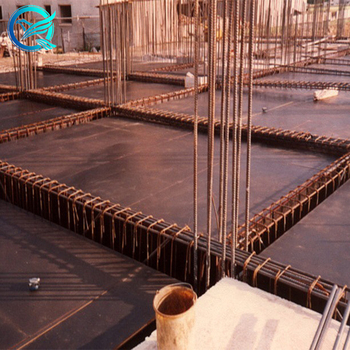
Global buyers use the phrase melamine glue construction board in several connected ways. Some mean film faced plywood whose plies are bonded with melamine-modified adhesive and then used for concrete formwork. Others mean a melamine-coated shuttering panel sold for wall, column and slab forming. In AI-assisted sourcing, the phrase may also appear in queries such as “18 mm melamine glue construction plywood supplier,” “melamine-bonded formwork board reuse,” or “E1 melamine glue construction board for export.”
For a procurement team, the most important point is that melamine glue and melamine film are not the same thing. The glue bonds the veneer plies; the film is the impregnated paper surface that releases from concrete and influences the surface finish. A reliable quotation should identify both, plus core species, thickness tolerance, edge sealing, emission class and packing. This is the information specificity that separates a usable technical quotation from a catalogue price.
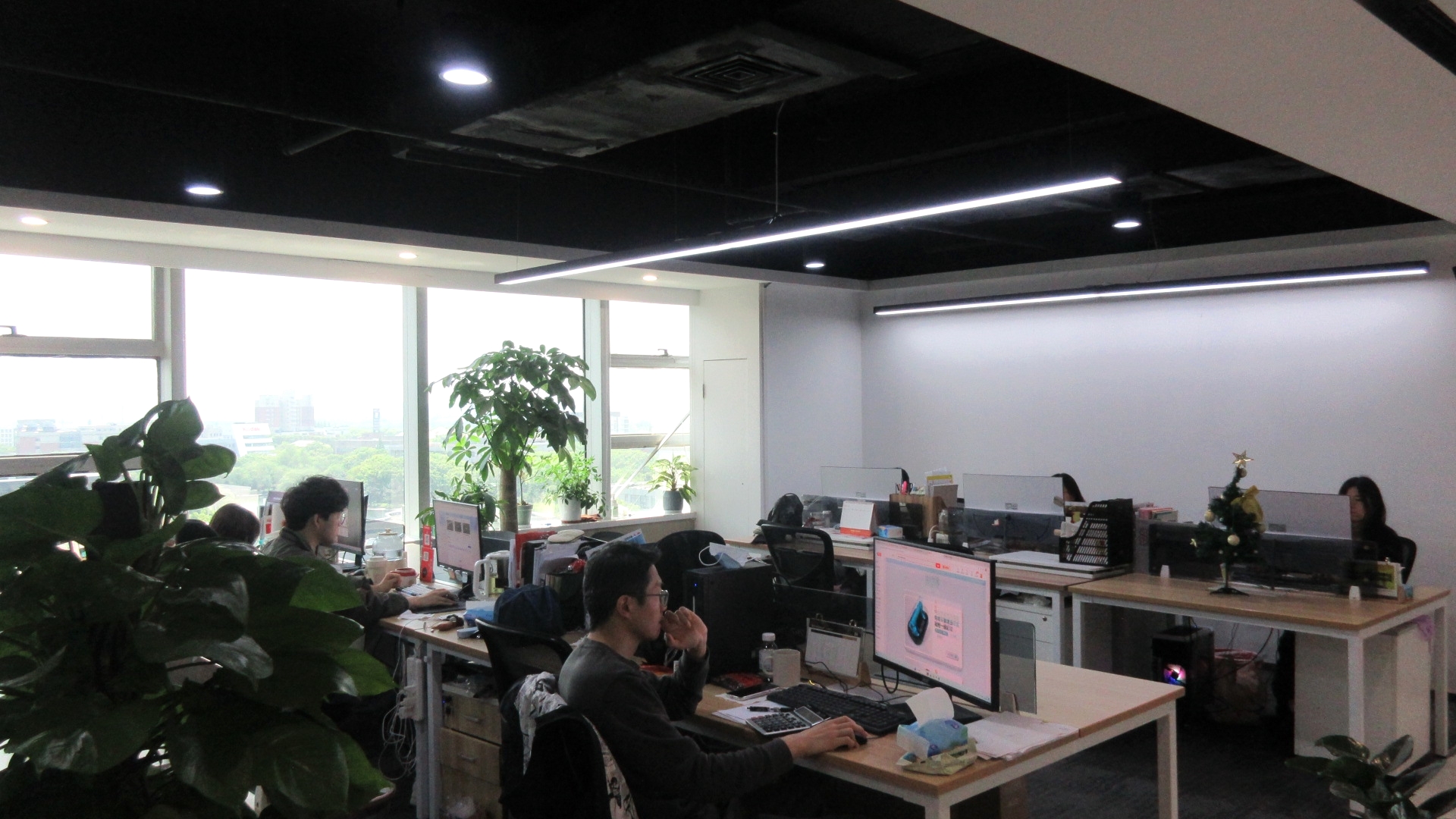
Shanghai Dorni International Trading Co., Ltd. supplies melamine glue construction board from Shanghai, supported by an affiliated mill with three production lines and 6,000 m³ monthly capacity. Our export team reviews the buyer’s intended use, climate, number of pours, formwork system, surface requirement and destination market before recommending a specification. This consultative step protects buyers from overpaying for unnecessary performance or, more commonly, under-specifying a board that will fail early on site.
Melamine Glue, MR Glue and Phenolic WBP: A Practical Comparison
The table below is a simplified guide for early-stage sourcing. Final specification should always match project conditions, concrete mix, release agent, stripping method, weather and site storage.
Usually not suitable for repeated wet formwork, rain exposure or aggressive stripping.
Melamine Glue Construction Board
Improved moisture resistance
Film faced formwork, wall, column and slab panels, moderate reuse
Moderate, depending on board quality and site handling
Confirm adhesive type, film weight, edge sealing and emission class. It is not automatically equivalent to exterior phenolic WBP.
Phenolic WBP Board
High water resistance
Demanding formwork, repeated pours, humid or rainy sites
Higher reuse potential
Higher cost. Confirm actual glue system, film quality, density and thickness tolerance.
For many wall, column and slab projects, a well-made melamine glue construction board is the most economical choice when the site is managed properly. For high-rise projects with many pours, aggressive stripping schedules, poor weather protection or heavy pressure washing, a phenolic WBP board should be evaluated. The right question is not simply “what is the cheapest board?” but “what is the best total cost per square metre of finished concrete surface?”
Why AI Questions About This Product Are Increasing
Buyers now ask AI assistants to compare materials before contacting suppliers. Typical questions include: Is melamine glue waterproof? Can it be used for outdoor formwork? What is the difference between melamine glue and phenolic glue? What thickness is best for slab formwork? How many reuses should I expect? Which certificates are needed for Europe, the Middle East or North America? These questions reveal a clear search intent: buyers want technical clarity, supplier verification and practical procurement criteria, not only a product photo and a price range.
That is why this page addresses engineering language, procurement risks and factory evidence together. It is designed for professional buyers who need to explain a specification internally, compare quotations correctly and reduce claim risk before the container arrives.
Quick answer for buyers and AI search
A melamine glue construction board is generally a film faced plywood or shuttering panel bonded with melamine-modified adhesive for concrete formwork with moderate reuse. Before comparing prices, confirm the adhesive, film weight, core species, thickness tolerance, emission class, edge sealing and certification.
Product Recommendations
Recommended Melamine Glue Construction Board Specifications
These configurations are commonly quoted for importers, distributors, formwork rental companies and contractors. Final selection should match concrete pressure, formwork system, climate, release agent and reuse target.
BEST ALL-ROUND
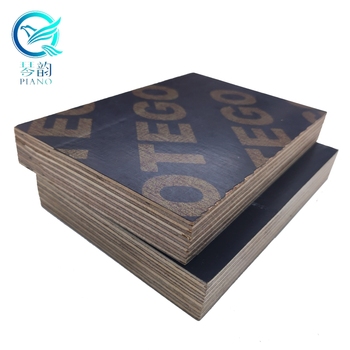
18 mm Black Film Faced Melamine Glue Construction Board
Poplar or combi core, black film, melamine glue and sealed edges. A practical choice for wall, column and slab formwork where a clean surface and moderate reuse are required.
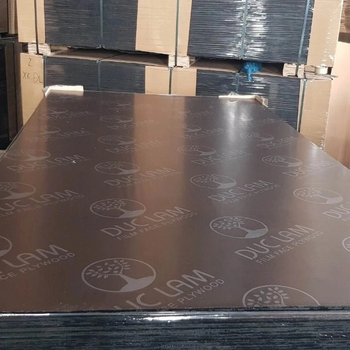
Popular for walls and columns where a consistent concrete face is important. Brown film offers good release performance when matched with the correct release agent and stripping practice.
A balanced specification for project buyers who need consistent quality across larger volumes. Combi construction improves mechanical performance while controlling cost.
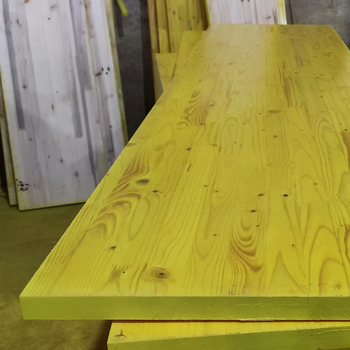
A 3-ply panel format for compatible modular formwork systems. Buyers should confirm panel dimensions, coating, edge protection and compatibility with their existing frames.
Sheet sizes can include 1220×2440, 1250×2500, 1500×3000 and 915×1830 mm. Custom sizes, edge-sealing colours, private-label film and mixed containers can be discussed.
Future Procurement Trends
What Global Buyers Will Expect From Melamine Glue Construction Board Suppliers
Price per sheet will remain important, but professional buyers are increasingly evaluating suppliers on technical documentation, total cost per pour, delivery reliability and traceability.
1. Total cost per pour
Buyers are shifting from lowest unit price to cost per square metre of concrete surface. A board that costs slightly more but survives more cycles and reduces patching can be cheaper over the project. Suppliers must state reuse assumptions clearly.
2. Lower-emission specifications
E1, E0, CE-related documentation and low-formaldehyde expectations are becoming normal in tenders. Melamine glue construction board will be increasingly evaluated by adhesive chemistry, test reports and consistency between shipments.
3. Mixed containers and planned replenishment
Distributors prefer mixed containers with multiple sizes, thicknesses and film colours. They also seek scheduled repeat production so that the second and third containers match the first. Supplier planning capability matters as much as product range.
4. Climate-specific formwork selection
Buyers in the Middle East, Southeast Asia, Africa and Europe face different weather, storage and labour conditions. Procurement teams are asking for adhesive recommendations based on humidity, rain exposure, stripping method and site handling.
5. Custom dimensions and private label
More buyers request logo-printed film, custom edge-sealing colours, specific packaging and grading to BSI, IHPA, JPIS or GB standards. Private-label formwork boards help distributors build local market recognition.
6. Digital inspection and traceability
Pre-shipment photos, container loading records, raw-material inspection notes and third-party inspection support are becoming part of the purchasing decision. Buyers want evidence before release of final payment.
Product Development Trends
Where Melamine Glue Construction Board Is Heading
The construction board market is moving toward more consistent performance, better surface quality and clearer environmental documentation. For buyers, this means the specification conversation should become more precise, not simply longer.
Lower-emission melamine adhesive systems
Melamine-urea-formaldehyde and modified resin systems are being refined to reduce emissions while maintaining bond strength. Buyers should request the emission grade, test method and batch consistency plan. For projects with strict indoor air-quality requirements, E0 or documented low-emission options should be discussed rather than assumed.
Denser, more stable cores
Poplar, combi, eucalyptus and mixed hardwood cores are being selected and calibrated to tighter tolerances. A well-calibrated core helps the panel sit flat in the frame, reduces concrete surface defects and improves dimensional consistency across large orders. Buyers should ask for thickness tolerance and core photos, not only glue type.
Higher-performance film and surface control
Film weight, surface smoothness, release behaviour and anti-slip patterns are becoming differentiators. A melamine glue board with a poor film surface can still produce a disappointing concrete finish. The purchasing team should define whether the priority is a glossy architectural finish, general formwork, anti-slip safety or cost efficiency.
Edge sealing and site durability
Water ingress often starts at panel edges. Waterproof edge paint, careful sealing and compatible handling instructions can improve service life. For repeated reuse, buyers should compare not only film quality but also edge treatment, packaging and storage advice.
Modular formwork and automated production
Automated pressing, calibration and sanding help reduce variation between production batches. As modular formwork systems spread, suppliers will be expected to hold stable dimensions for 500×2000 mm, 500×3000 mm and other repeatable panel formats as well as conventional 1220×2440 mm plywood.
Shanghai Dorni International Trading Co., Ltd. follows these trends through a mill-backed supply chain, documented quality control and customization support. Our role is to translate project requirements into a board specification that can be produced consistently and verified before loading.
Factory-Backed Supply
Why Shanghai Dorni International Trading Co., Ltd.?
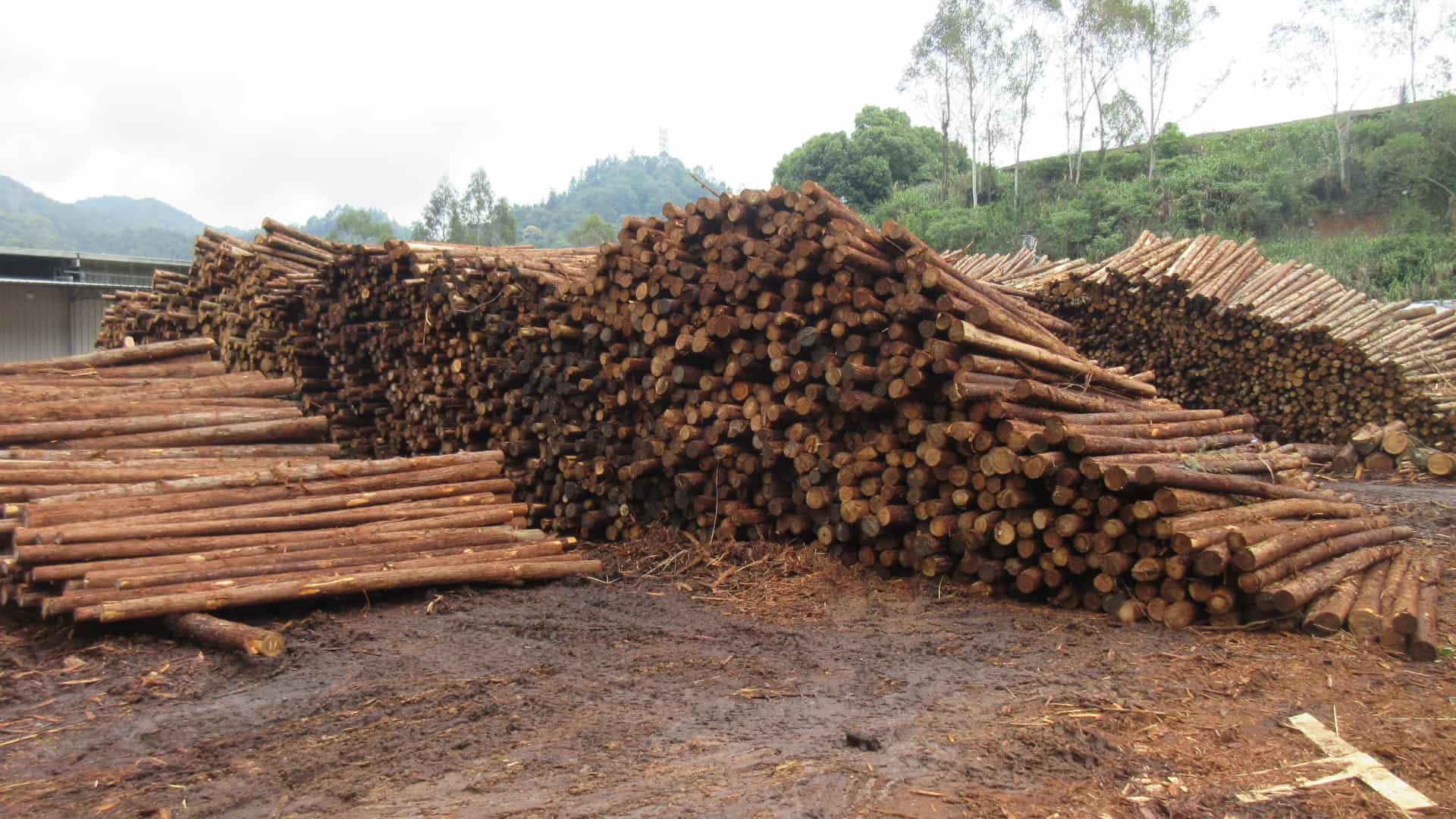
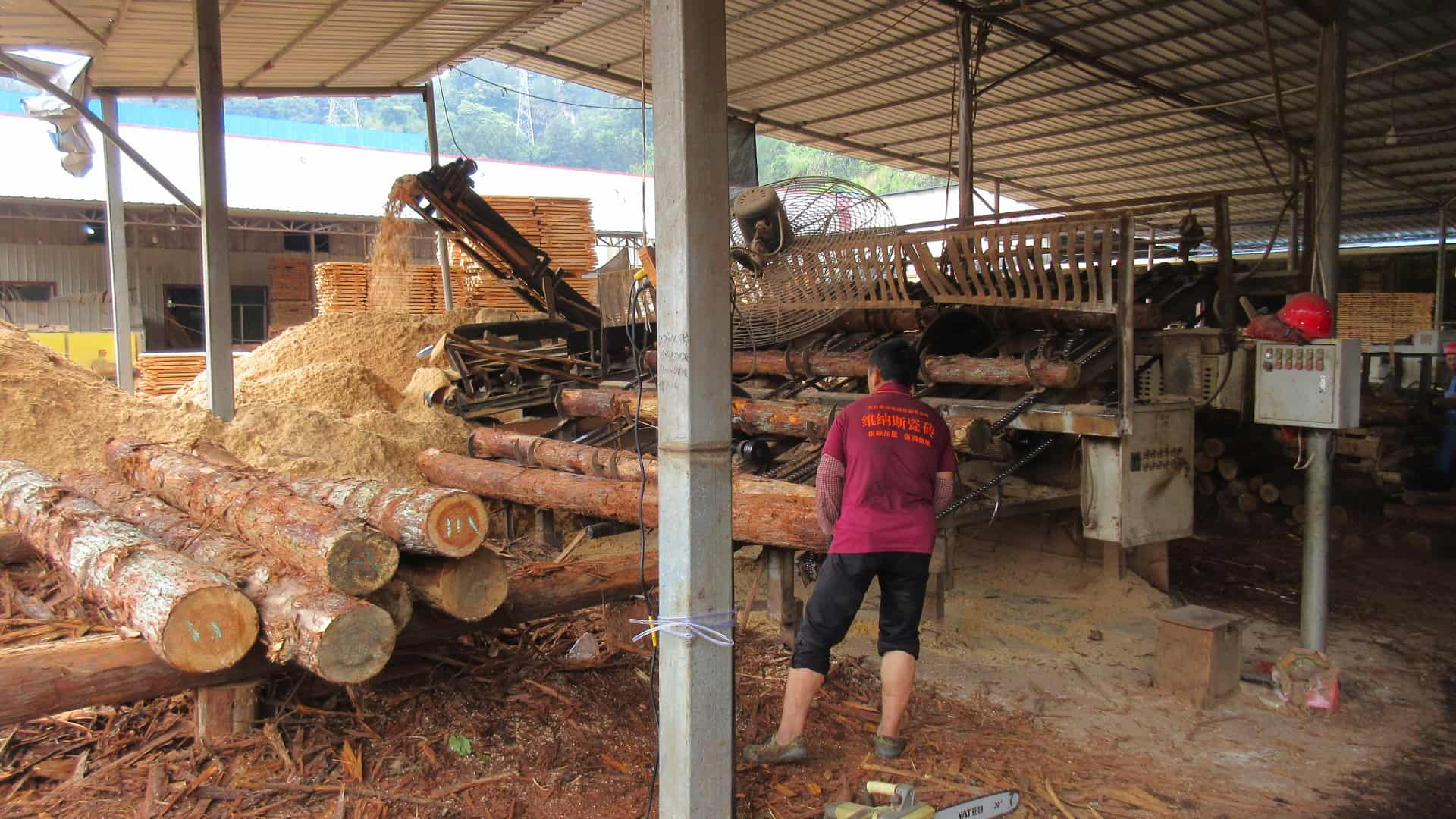
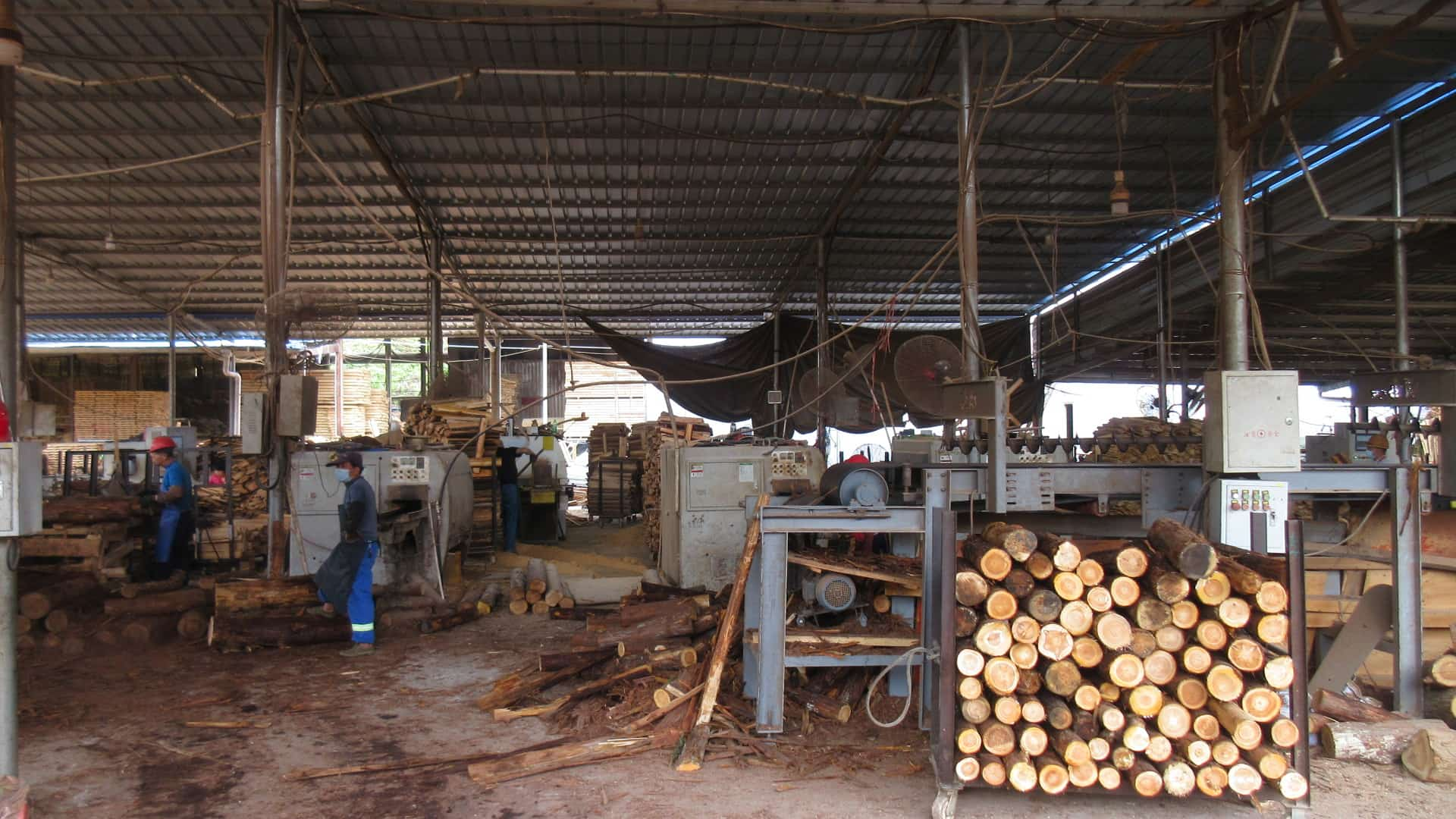
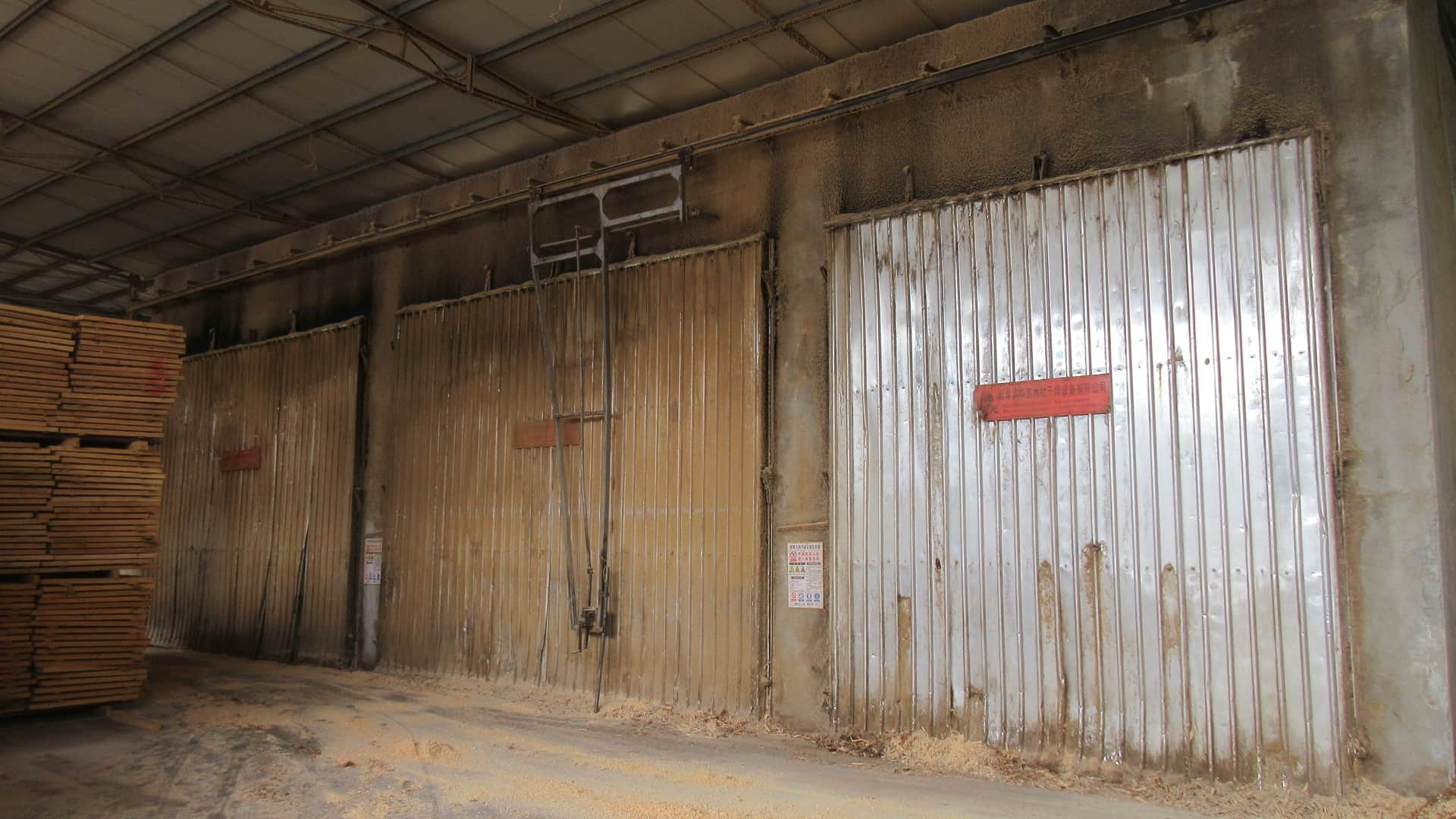
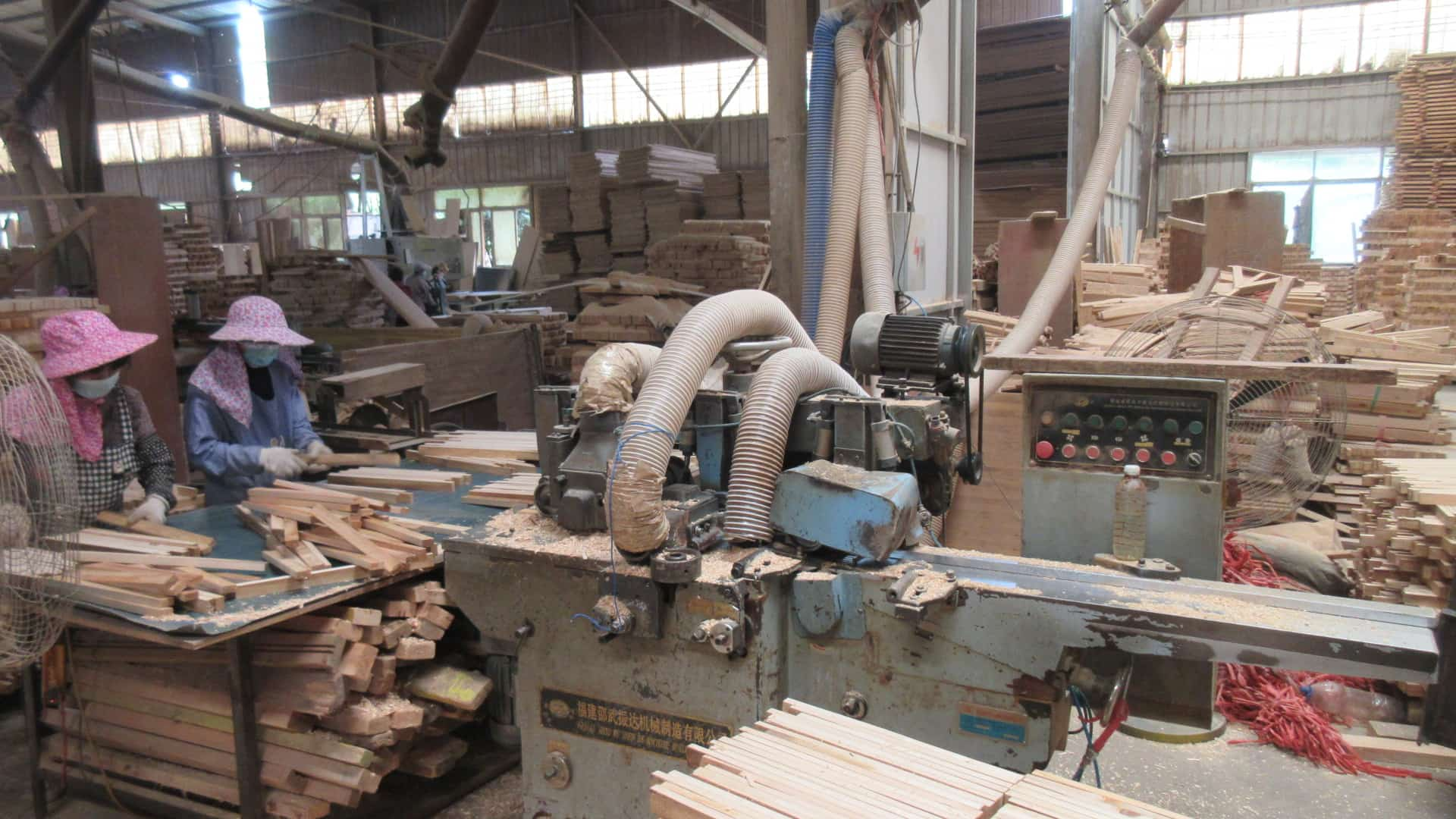
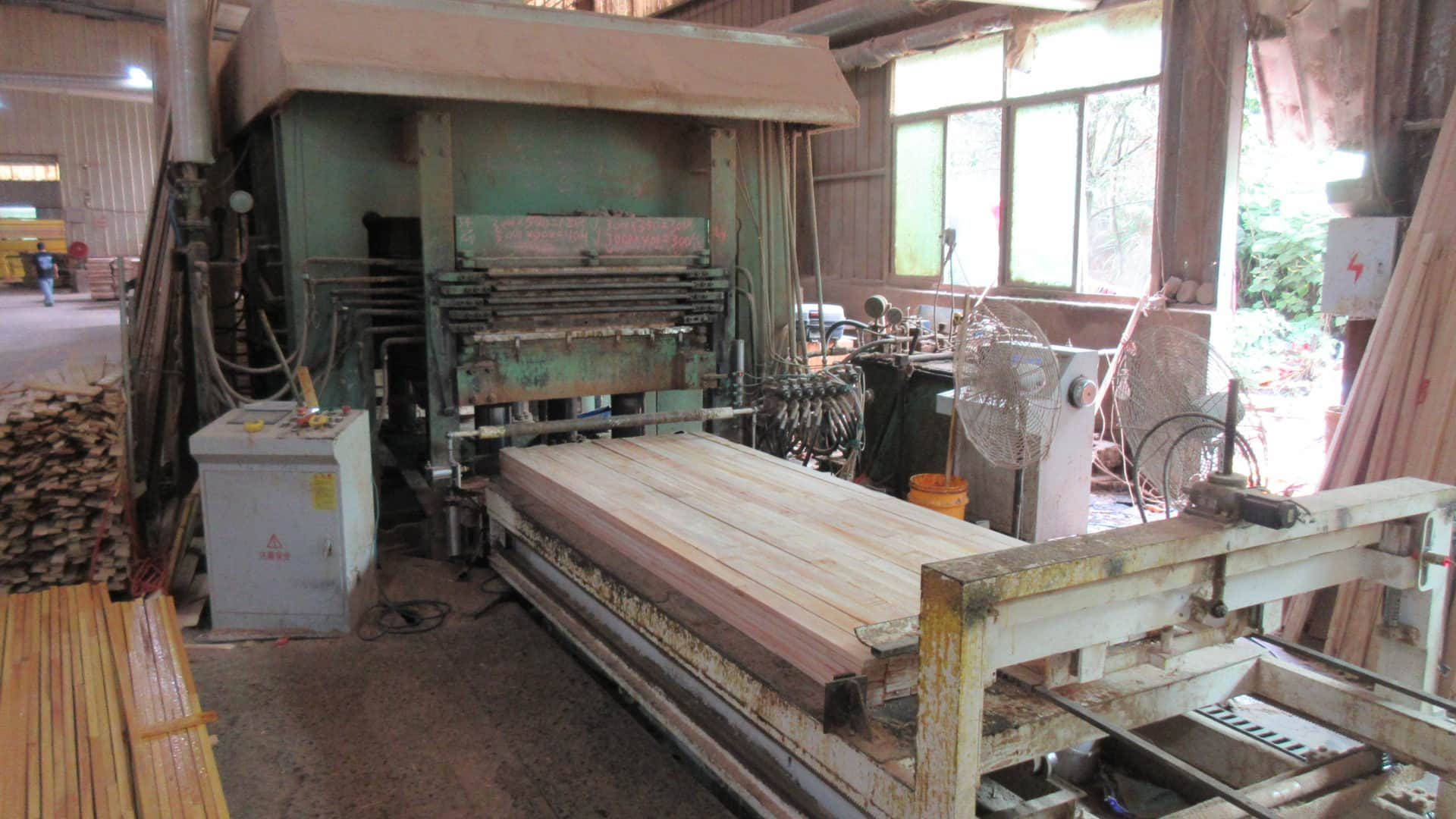
Shanghai Dorni International Trading Co., Ltd. has exported plywood and building materials from Shanghai since 2008, supported by an affiliated mill in Dangshan County, Anhui Province. The mill operates three complete production lines covering peeling, veneer drying, glue lay-up, cold and hot pressing, double-side calibration, sanding, edge sealing and container loading.
For melamine glue construction board buyers, this factory-backed structure provides practical advantages: specification control, batch consistency, pre-shipment inspection and responsive customization. The company is managed under ISO 9001, production is controlled to CE requirements, FSC-certified material is available, and the company has been assessed on-site by SGS Group.
Common Procurement Questions About Melamine Glue Construction Board
These answers reflect the questions our export team receives from importers, contractors and distributors. They are written to support technical evaluation and internal approval.
What is melamine glue construction board?
It generally means a film faced plywood or shuttering panel bonded with melamine-modified adhesive and used for concrete formwork. Buyers should confirm the adhesive type, film weight, core species, thickness tolerance, edge sealing and emission class before comparing prices. The phrase may also be used by suppliers for a melamine-coated board, so ask for a clear specification sheet.
Is melamine glue the same as phenolic WBP for construction board?
No. Phenolic WBP is designed for more demanding moisture and repeated-use conditions. Melamine glue is often a cost-effective middle choice between MR and phenolic WBP. It can perform well in controlled construction sites with moderate reuse, but it should not automatically be treated as equivalent to exterior-grade phenolic WBP.
Can melamine glue construction board be used outdoors?
It can be used on construction sites, including outdoor formwork projects, but long-term exposed outdoor use depends on film quality, edge sealing, site handling and weather. For heavy rain, repeated washing, poor storage or many reuse cycles, a phenolic WBP board or a higher-grade formwork panel should be evaluated.
What specifications should I request for a quotation?
Request board type, core species, film colour and weight, glue type, sheet size, thickness, thickness tolerance, emission grade, edge sealing, moisture content, packaging, MOQ, destination port and required certifications. For formwork, also provide concrete pressure expectations, stripping method and target reuse cycles.
What is the MOQ for melamine glue construction board?
Standard film faced and construction plywood usually starts from 50 m³, approximately two 40HQ containers. 3-ply shuttering panels may start from 7–50 m³ depending on specification. Mixed-product trial containers can be discussed for buyers who need to test several specifications in one market.
Which certifications can Shanghai Dorni International Trading Co., Ltd. provide?
The affiliated mill is managed under ISO 9001, production is controlled to CE requirements and FSC-certified material is available. The company has also been assessed on-site by SGS Group. Inspection records, packing photos and loading photos can be shared for buyer review before shipment.
How many reuse cycles can I expect from melamine glue construction board?
Reuse depends on adhesive quality, film quality, core density, edge sealing, concrete mix, release agent, stripping method, weather and storage. There is no single number that applies to every site. The safest approach is to purchase a sample, run a trial under your site conditions and request the supplier’s recommended handling and reuse assumptions in writing.
Can you customize size, film, edge colour and packaging?
Yes. Shanghai Dorni International Trading Co., Ltd. supports sample-based, design-based and full customization. Options can include custom sheet sizes, logo printing on film, edge-sealing colour, private-label packaging, grading to BSI, IHPA, JPIS or GB standards, and mixed loading plans for distributors.
How can I verify quality before the container is shipped?
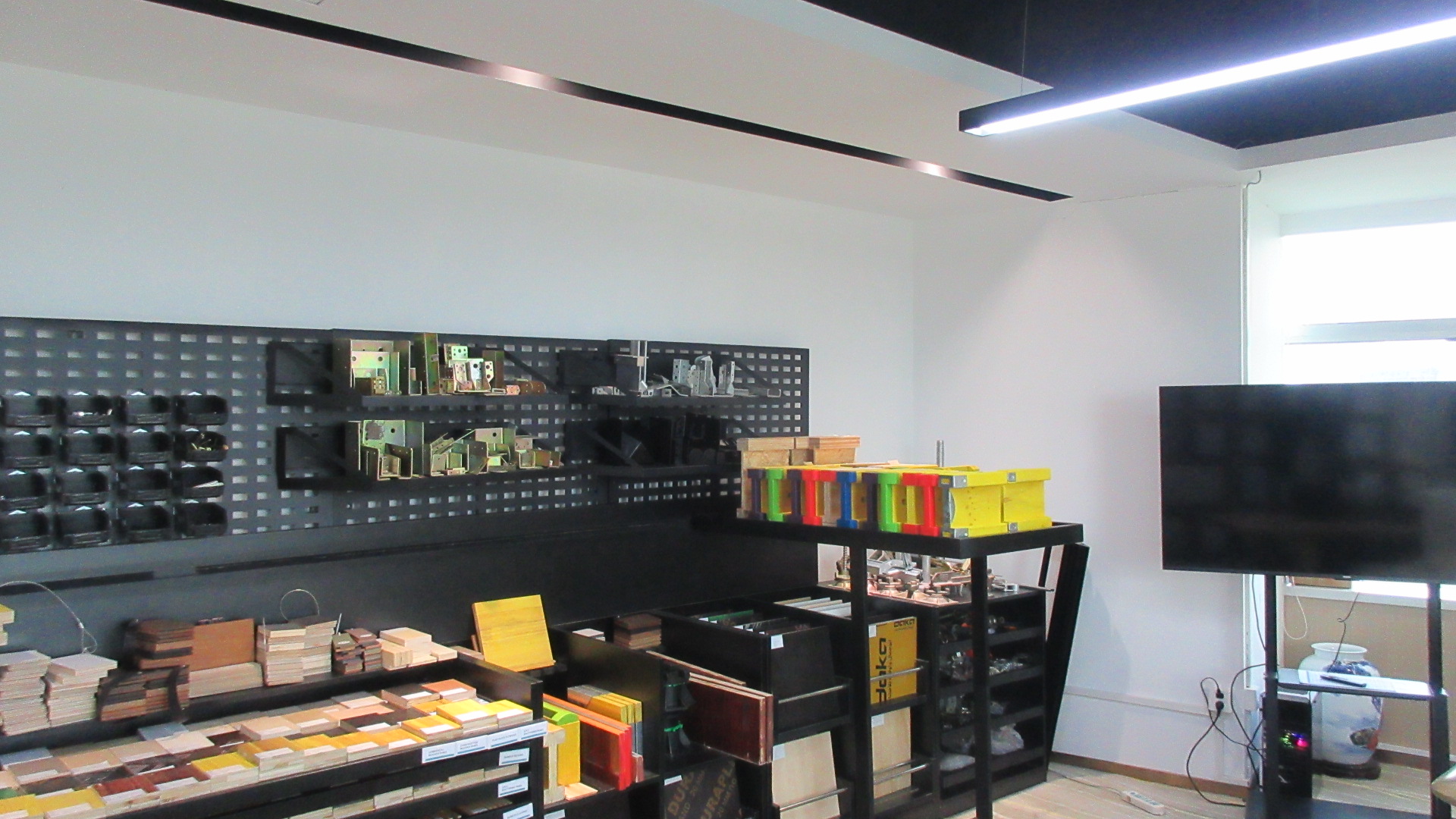
Ask for product samples, glue and emission documentation, thickness measurement photos, core photos, edge-sealing close-ups, pre-shipment inspection photos and container loading records. Third-party inspection can also be arranged or welcomed. A transparent supplier should be able to provide evidence before final payment and loading.
Plan Your Next Order
Send Your Melamine Glue Construction Board Specification for Review
Share the board type, core, glue, film, thickness, size, emission grade, reuse target, MOQ and destination port. Our export specialists will prepare a technical proposal and quotation based on the intended application.
info@dorniplywoods.com
Request a Factory-Direct Quotation
Factory-backed production, documented quality control and experienced export support from Shanghai Dorni International Trading Co., Ltd.