Wood Fence Panels Supplier & Wholesaler in the Jeddah Market
B2B sourcing for privacy fence panels, garden screens, timber boundary panels and construction hoarding — engineered for Jeddah’s coastal humidity, salt-laden air, intense UV and dusty wind.
8 Wood Panel Products for Jeddah Fence, Landscape & Site Projects
These are not generic catalogue items. Each option below supports a practical Jeddah use case — from villa privacy screens and hotel landscaping to temporary site hoarding and decorative gate cladding. Dimensions, surface treatment and material performance should be confirmed against project drawings and Saudi documentation requirements.

LEONKING 3-Ply Shuttering Plywood, 21/27 mm
Spruce-pine-fir core, UV/WBP paint and a reusable yellow face make this panel useful for contractor hoarding, temporary screens and painted backing panels before final fence cladding.
View product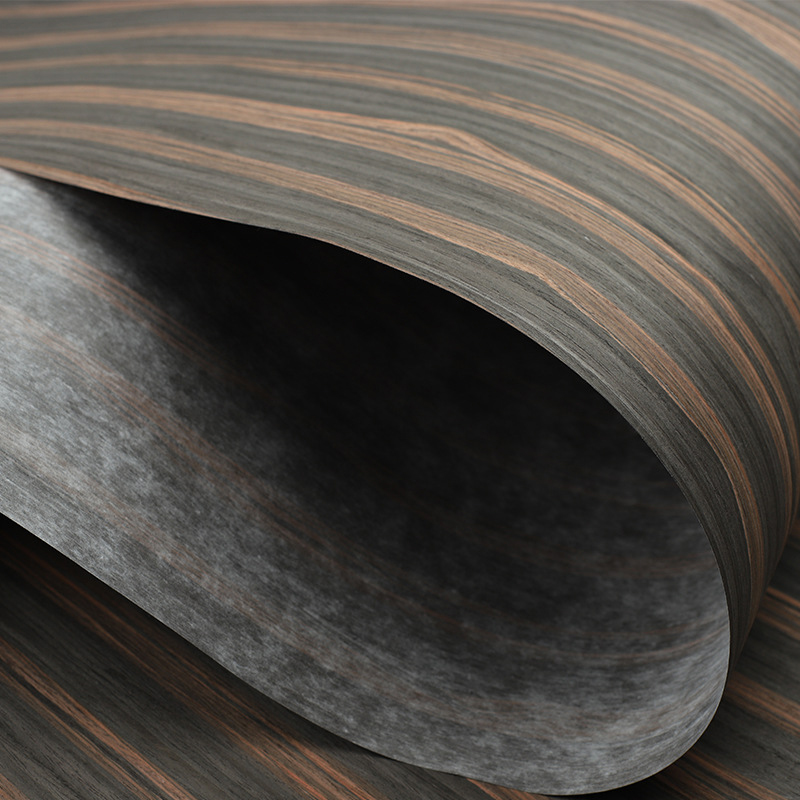
Engineered Wood Veneer, 640 × 2500 mm
Consistent engineered grain for gate cladding, cabana joinery and decorative panel faces where Jeddah hospitality and residential projects need a repeatable finish.
View product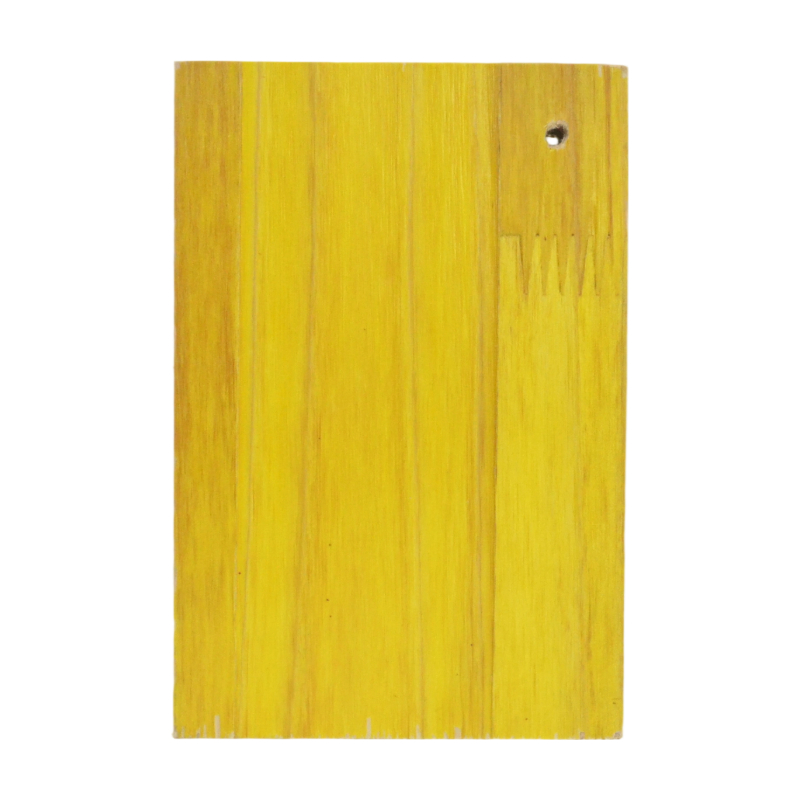
LEONKING Yellow 3-Ply Shuttering Panel
Three-layer spruce, fir and pine construction with a yellow coating; a hard-wearing substrate for painted site screens and modular panel systems.
View product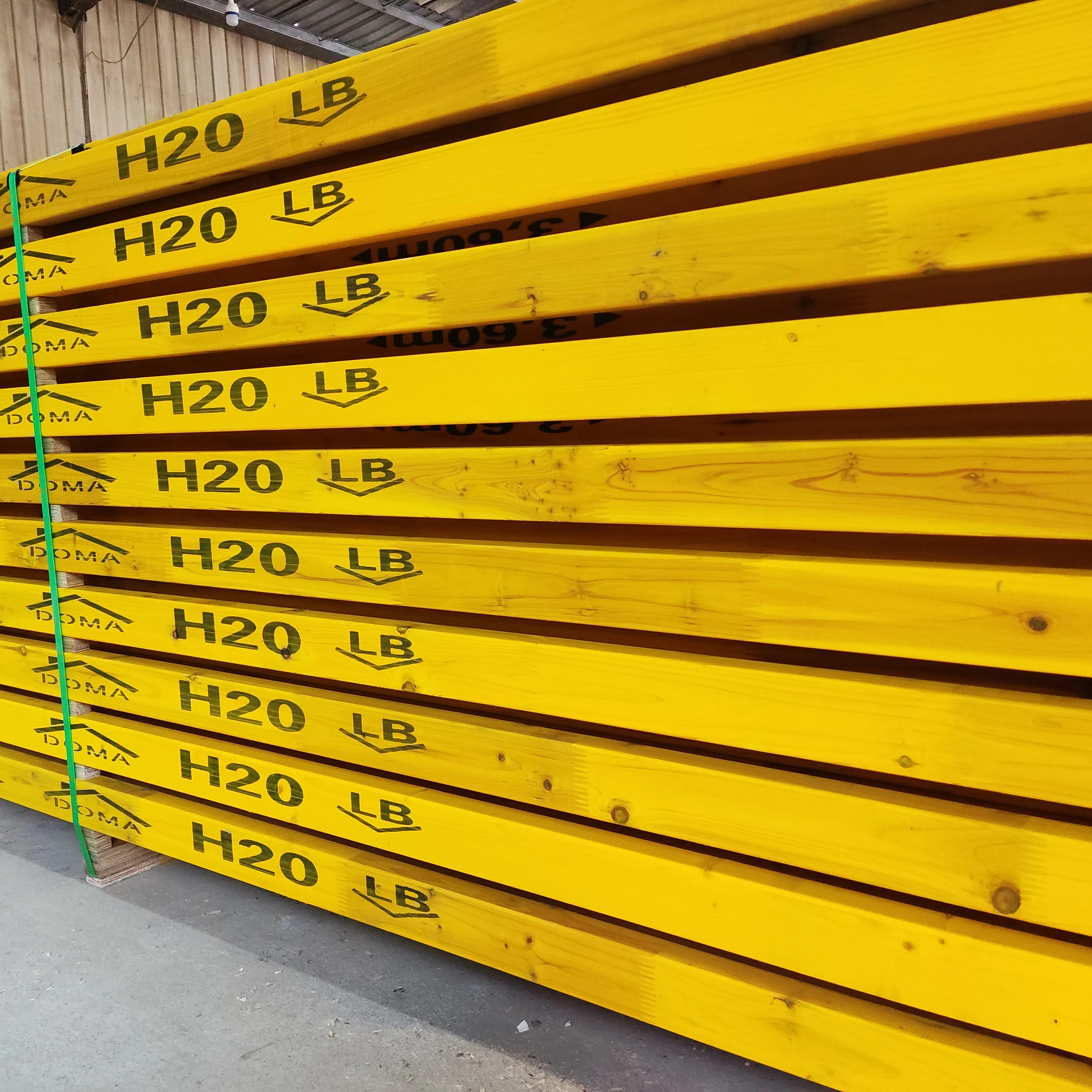
EN 13377 H20 Timber Beam with Red Cap
H20 beam with red plastic cap for secondary framing, temporary works and fence-panel support mock-ups; helps reduce on-site cutting and speed installation.
View product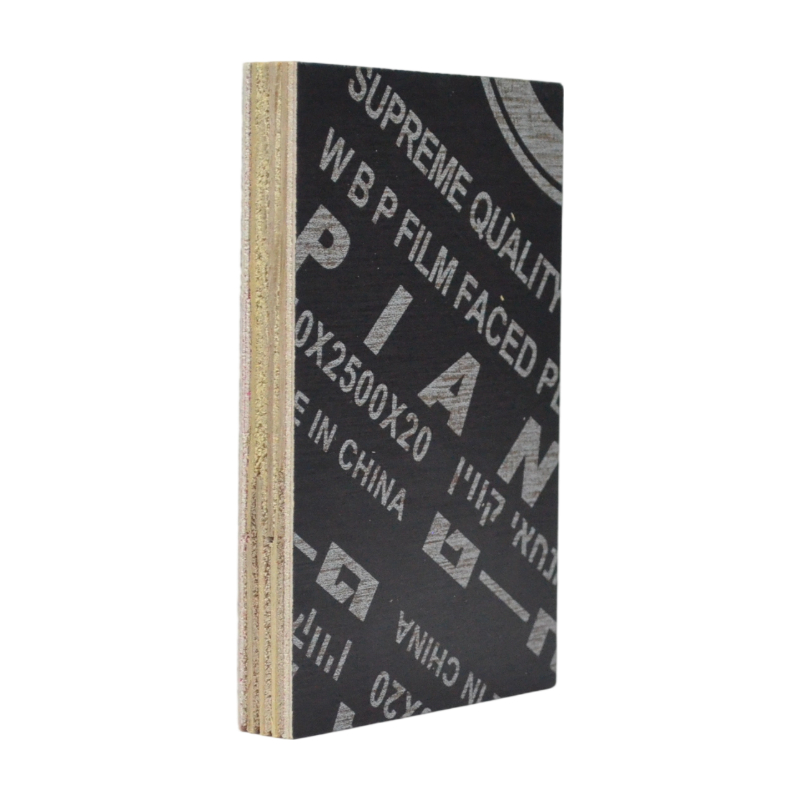
Birch Film Faced Plywood, 1220 × 2440 × 18 mm
Birch film faced plywood for repeated-use hoarding, compound partitions and protected panel faces where a stronger, cleaner surface is required.
View product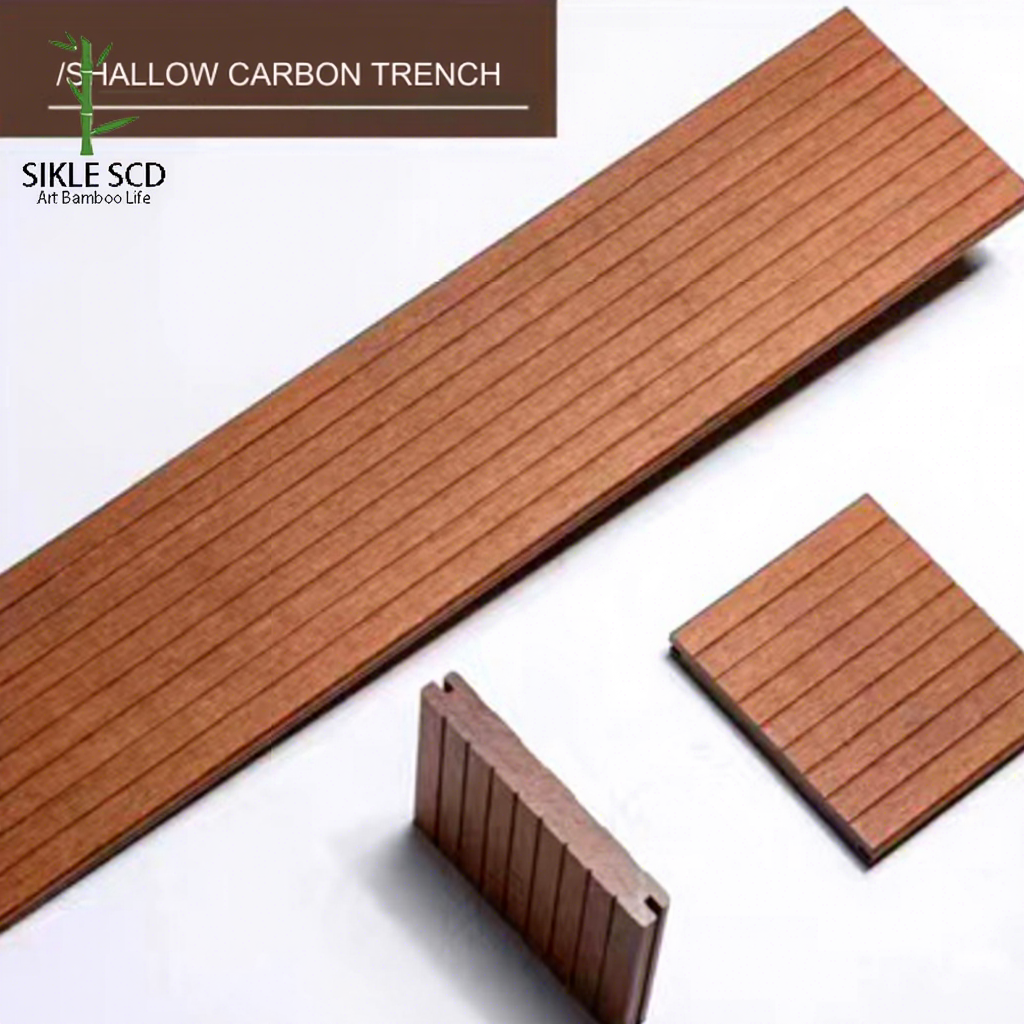
SIKLE SCD Solid Carbonized Bamboo Decking
Solid carbonized bamboo decking for poolside, garden and hotel terraces; often paired with bamboo screens to create a coordinated Red Sea outdoor finish.
View product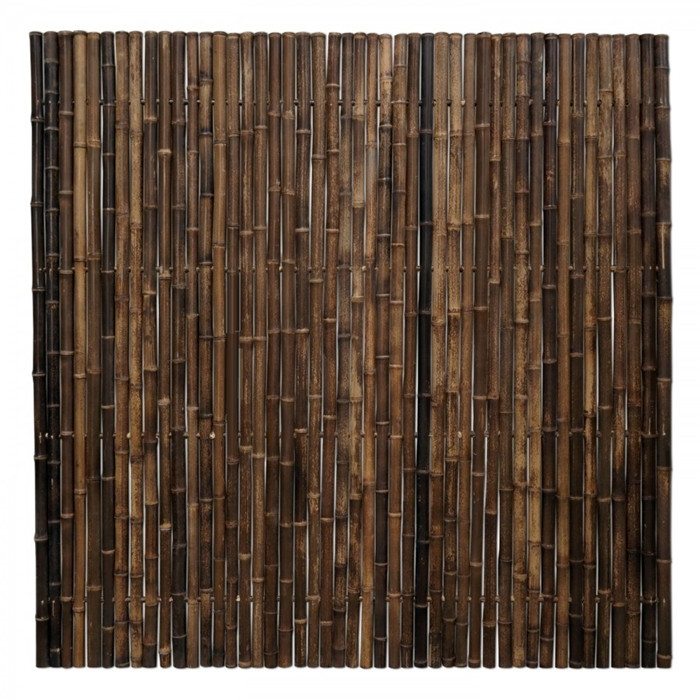
2 m Bamboo Fence for Garden & Yard
Lightweight 2 m garden and yard screening for villas, cafés and landscaping; installation advice should account for Jeddah sun exposure, wind uplift and irrigation spray.
View product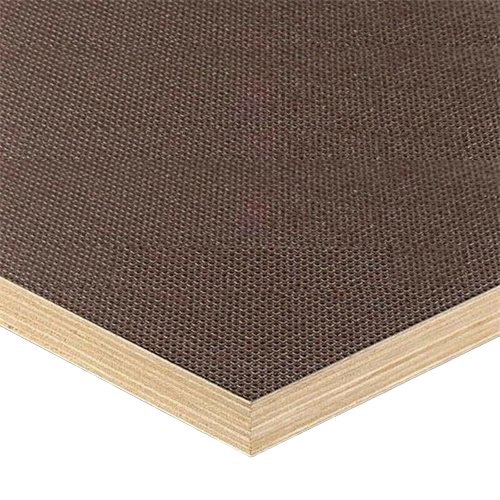
Treezo Decorative Basswood Veneer Plywood
Double-sided decorative veneer plywood with anti-slip mesh for gate cladding, feature walls and panel infill where an E1 decorative face is required.
View productSend panel height, slat profile, expected wind exposure, finish colour and target container volume. The export team will return a specification sheet and packing plan.
Trading since 2008, with an affiliated plywood mill and export team.
Plywood output from the affiliated mill in Anhui Province.
Peeling, drying, pressing, calibrating, sanding and loading control.
Quality management, CE-controlled production and FSC material options.
Why Jeddah Is Not a “Standard” Wood Fence Panel Market
Jeddah sits on the Red Sea coast, and that single fact changes how wood fence panels should be specified. A panel that performs in a dry inland warehouse may still fail within one or two seasons when exposed to coastal humidity, salt-laden air, intense ultraviolet radiation, hot afternoon temperatures and fine wind-blown dust. For wholesalers and contractors, the risk is not only appearance. It is callbacks, replacement panels, damaged fixings and unhappy villa owners or facility managers.
The most common field issues we see discussed by Jeddah buyers are edge swelling, surface fading, fastener corrosion, warped slats and loosened posts. These are rarely caused by “bad wood” alone. They usually come from a mismatch between panel construction, moisture content, coating system and the fixing detail used on site. A wood fence panel in Jeddah needs a design logic: kiln-dried timber, controlled moisture content, exterior-grade adhesive where plywood is used, sealed cut edges, stainless or coated fasteners, adequate ventilation behind the panel, and a post foundation that respects local soil and wind conditions.
This is where a supplier with panel-production experience matters. The same quality discipline used for film faced plywood and shuttering panels — controlled glue spread, pressing, calibration and edge sealing — can be applied to fence-related panel components. Our recommendation is to treat fence panels as an engineered building product, not as a commodity board. That approach gives distributors a clearer story to sell and gives project owners a longer service life.
- Coastal humidity and salt-air exposure
- UV fade and surface drying
- Wind uplift and post fixing
- Irrigation spray and drainage
Jeddah Durability Scorecard
Use this decision scorecard during pre-qualification. High scores do not replace project engineering, but they help buyers compare fence panel proposals on the same basis.
For sea-front villas and hospitality projects, specify 304 or 316 stainless fixings and a coating schedule agreed with the panel supplier.
Where Wood Fence Panels Are Specified in Jeddah
A fence panel is not one product. It can be a privacy screen, an acoustic infill, a construction hoarding, a landscaping element or a retail display. The specification should follow the application.
Wood Fence Panel Construction Choices for Jeddah Projects
Use this comparison to align material choice with the real exposure. The right panel is the one that can be maintained, replaced and documented — not simply the lowest price per square metre.
| Panel type | Best Jeddah use | Recommended construction | Finishing & fixing note |
|---|---|---|---|
| Slatted timber privacy panel | Villas, compounds, cafés, roof terraces | Kiln-dried hardwood or treated softwood slats; sealed cut ends; ventilated design | UV-resistant stain; 304/316 stainless screws; avoid trapping water at the base |
| Bamboo garden screen | Garden screening, landscape edges, covered terraces | Carbonised bamboo or treated bamboo with durable binding wire | Keep clear of irrigation spray; inspect ties twice yearly; allow for expansion |
| Plywood hoarding panel | Construction site screening, temporary partitions | Film faced or 3-ply shuttering panel; sealed edges; reusable frame | Use mechanical fixings and edge trims; plan for panel reuse and storage |
| Decorative veneer panel | Gate cladding, feature walls, retail displays | Engineered or basswood veneer plywood with stable core | Protect with exterior-grade topcoat; avoid direct ground contact |
| Acoustic fence infill | Villas near roads, plant rooms, commercial compounds | Mass-controlled panel built into a rigid post system | Confirm acoustic target with a consultant; seal gaps and flanking paths |
Important: Jeddah boundary height, setback, fire access and visual privacy rules should be confirmed with the Jeddah Municipality, the project consultant and the relevant authority before production. This guide is technical procurement support, not a substitute for local approval.
What Jeddah Buyers Are Changing in 2025–2026
The market is moving away from “buy the cheapest panel” toward documented durability, replacement planning and a consistent outdoor finish across fence, decking and landscape elements.
Heat & UV-first specification
Buyers are asking for coating systems, colour-fast stains and surface treatments that can survive intense sun. Dark colours are still popular for privacy, but specifiers are more open to lighter tones and ventilated designs that reduce heat build-up.
Salt-air corrosion control
Galvanised screws are no longer automatically accepted for premium villas and sea-front work. Stainless steel fixings, coated brackets and isolated metal-to-timber contact are becoming normal talking points.
Documentation-led procurement
Wholesalers want product data, packing lists, inspection records and clear grade descriptions. SASO/SABER requirements should be discussed early, with final testing and certification matched to the agreed specification.
Mixed-container wholesale
Jeddah distributors prefer to combine fence panels, decking, screen panels and installation accessories in one shipment. Mixed loading reduces freight cost per item but requires disciplined labelling and bundle planning.
A Wood Panel Supplier Jeddah Buyers Can Audit
Shanghai Dorni International Trading Co., Ltd. combines a Shanghai export team with an affiliated mill in Dangshan County, Anhui Province. This structure gives wholesale buyers factory-level control with export-documentation support.
Procurement checklist for Jeddah wholesalers
Before placing a container order, align these eight points with the supplier. They reduce the chance of a specification dispute and make it easier to compare quotations from different factories.
- Timber species, grade and moisture content
- Panel height, width, slat size and gap
- Adhesive type and edge-sealing method
- Coating brand, colour and dry-film thickness
- Fixing schedule and stainless-steel option
- Packing method, bundle labels and mixed loading
- Inspection plan and pre-shipment photos
- SASO/SABER, FSC or project documentation needs
Our core panel MOQs include 50 m³ for standard film faced and construction plywood, 7–50 m³ for 3-ply shuttering panels and 100 m² for bamboo decking. Fence-panel programmes can be discussed as mixed or custom production runs.
Installation details that protect the panel in Jeddah
Even a well-made wood fence panel needs correct installation. Posts should be set on proper concrete footings and checked for line and level. Panels should not sit directly on soil; keep a small clearance and avoid trapping irrigation water. Where panels face the sea, keep metal fixings isolated from treated timber where possible and use stainless steel in high-exposure locations.
Allow ventilation behind screens, especially on compound walls and courtyard fences. A sealed cavity can become a heat trap and a source of condensation. For painted finishes, follow the coating manufacturer’s recoat interval and inspect edges after the first summer. Cut edges are the most vulnerable part of any panel; they should be sealed during fabrication, not after installation.
For wholesale buyers, the practical advice is to sell a system: panel, post, bracket, cap, fixings and touch-up coating. This improves margin, reduces installation errors and gives the end customer a clearer maintenance plan. It also strengthens the supplier’s position as a specification partner rather than a board seller.
Questions Local Buyers Ask About Wood Fence Panels
Practical answers for distributors, contractors, facility managers and project buyers comparing a Jeddah wood fence panel supplier.
What wood fence panel construction is most suitable for Jeddah’s coastal climate?
For exposed coastal projects, specify kiln-dried timber with controlled moisture content, sealed cut edges, exterior-grade coatings and stainless or high-corrosion-resistant fixings. Slatted or ventilated panels generally perform better than fully sealed panels because they allow air movement and reduce heat and moisture build-up. For projects close to the sea, 316 stainless fixings may be preferred over 304, depending on the consultant’s exposure assessment.
Can bamboo fence screens be used in Jeddah?
Yes, bamboo screens are widely used for garden and yard privacy. The key is to keep them away from constant irrigation spray, inspect binding wires and fixings twice a year, and allow for natural movement. For premium beachfront or hotel projects, a timber or composite hybrid screen may offer a longer maintenance interval. Our 2 m bamboo fence is a practical option for landscaping and residential privacy when installed with the right clearance and support.
What is the minimum order for wholesale supply?
For our core panel range, standard film faced and construction plywood starts from 50 m³, 3-ply shuttering panels from 7–50 m³ depending on specification, and bamboo decking from 100 m². Fence-panel programmes and mixed containers can be discussed based on sizes, finish and packaging. Jeddah distributors can combine fence-related panels with decking or formwork items to build a more efficient container load.
Which certifications and documents can you support for Saudi Arabia?
The mill is managed under ISO 9001, production is controlled to CE requirements and FSC-certified material is available. The company has been assessed on-site by SGS Group. For Saudi import requirements, documentation needs should be confirmed at the quotation stage; SASO/SABER obligations and any required testing depend on the final product specification and the importer’s registration route. We recommend agreeing the document checklist before production.
How long does shipping take from China to Jeddah?
Shipments are normally loaded at Lianyungang or Qingdao. Typical ocean transit from China to Jeddah Islamic Port is planned around 25–35 days, but actual routing, carrier schedules, port congestion and season can change this. Add production lead time, inspection, documentation and inland delivery when planning your project or wholesale stock. Final timing should always be confirmed with your freight forwarder.
Can you produce custom panel sizes, colours and private-label packaging?
Yes. We offer sample-based, design-based and full customisation for wood panel products, including panel dimensions, grade, logo printing on film, edge-seal colour, bundle marking and packaging. For fence-related programmes, send a drawing or sample reference, the target exposure, finish colour and expected order volume, and the team can propose a production format.
What maintenance should a Jeddah homeowner plan for wood fence panels?
Plan an inspection after the first hot season and then every 6–12 months. Check fixings, post stability, drainage, coating wear and cut edges. Clean dust with a soft brush or low-pressure water, allow the panel to dry, and recoat according to the coating supplier’s instructions. For sea-front properties, inspections should be more frequent because salt deposition accelerates corrosion and surface degradation.
Can you supply mixed containers with fence panels and other wood products?
Mixed-product container loading can be discussed for project or distributor orders. A practical mix might include fence-related panels, bamboo decking, H20 beams, birch film faced plywood or decorative veneer panels. The key is to confirm bundle weights, stacking limits, moisture protection, label sequence and unloading order. Mixed loading is best planned early so the factory can coordinate production and packing.
Plan Your Jeddah Fence Panel Container With a Supplier That Understands the Exposure
Send your panel drawing, preferred timber or bamboo option, panel height, slat spacing, finish colour, fixing standard and target volume. Our export team will review the specification, recommend a practical production route and prepare a wholesale quotation for the Jeddah market.
Shanghai Dorni International Trading Co., Ltd. · Wood panels, formwork and outdoor bamboo building materials since 2008 · ISO 9001, CE, FSC and SGS-assessed supply chain.
Get the technical catalogue and wholesale checklist
Use the catalogue request to confirm sizes, construction options, packing and documentation. No extra steps — the button opens the existing live-chat flow.
- Panel and decking specification sheets
- Wholesale packing and mixed-load guidance
- Jeddah-bound shipment planning notes