Product Range Frequently Shipped with Melamine Faced Plywood Orders
The eight items below are established Dorni export products that Polish importers often combine with interior panel, formwork and outdoor landscaping orders. All product links are retained for direct specification review; the melamine faced plywood programme is quoted separately against your core, glue, formaldehyde, decor and sheet-size requirements.
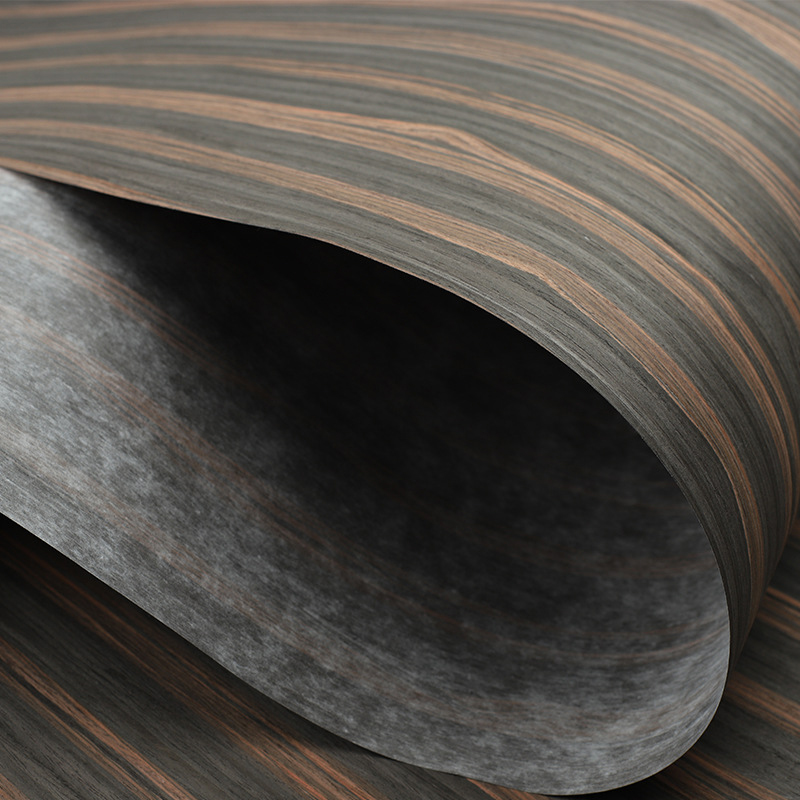
All Kinds Engineered Wood Veneer 640mm * 2500mm Size
Decorative engineered veneer for furniture faces, wall panels and joinery when a natural wood appearance is required.
View product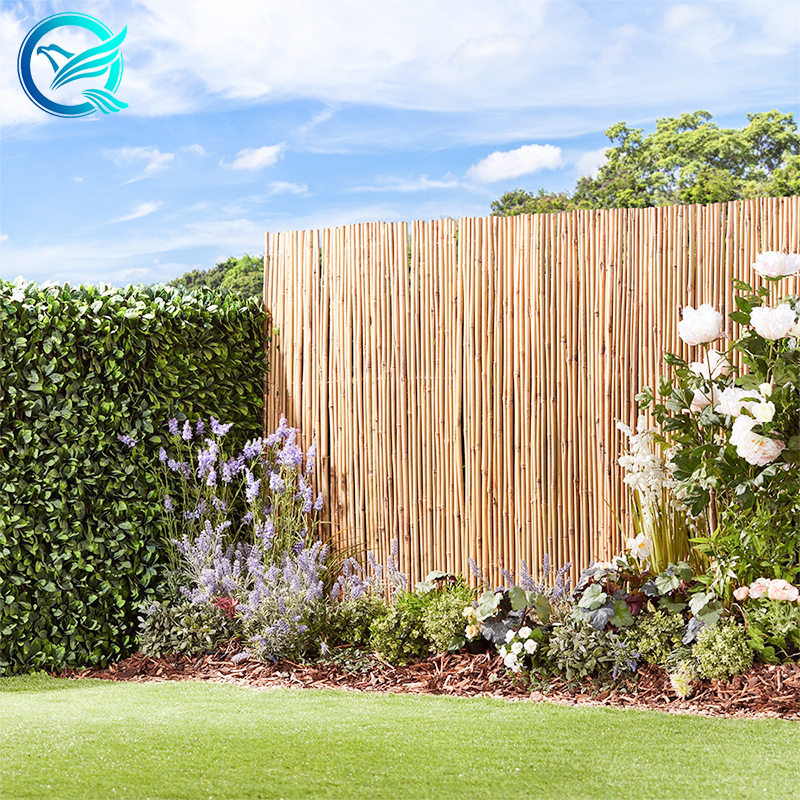
Wooden Garden Fence/bamboo Screen
Outdoor privacy and landscaping solution suitable for gardens, hospitality terraces and residential screening.
View product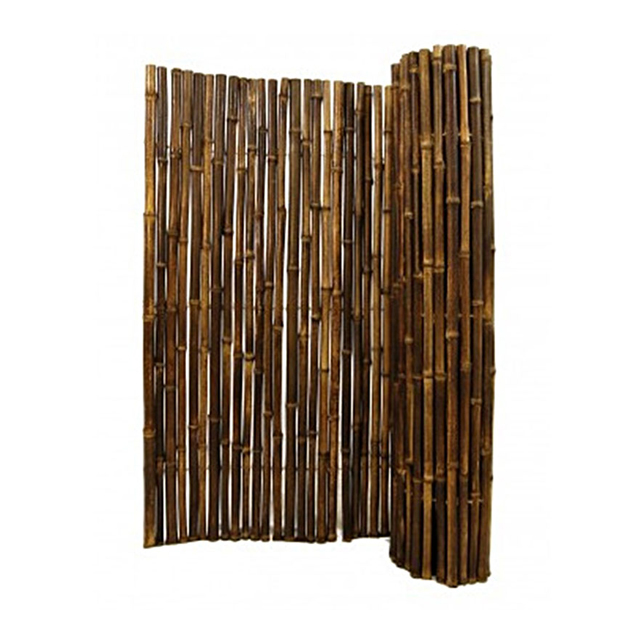
Piano Tall Bamboo Fencing 20mm-30mm Eco-Friendly Waterproof Rot Proof Heat Treated Wood Frame Yellow CE2 Certified Garden
Tall, heat-treated bamboo fencing for privacy screens and landscaping projects with a wood frame.
View product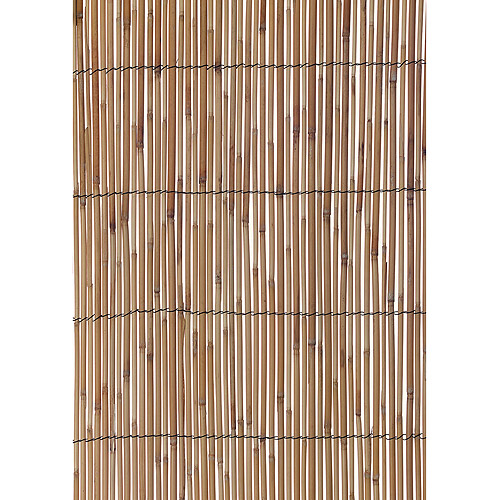
14-16mm High Quality Modern Bamboo Fence with Wood Frame-Eco-Friendly Waterproof Rot & Rodent Proof
Modern bamboo fencing for gardens, courtyards and outdoor rooms where a clean, natural finish matters.
View product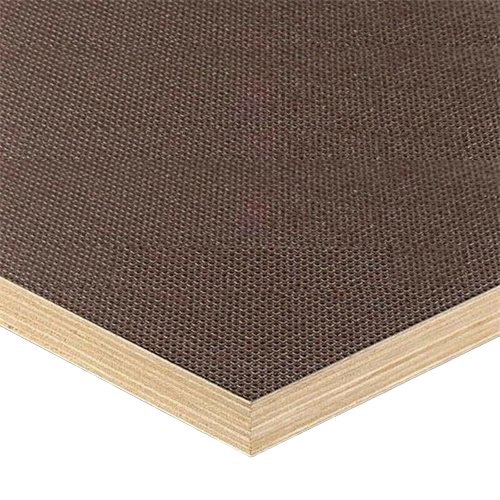
Treezo Linyi Hexa/WireMesh Anti/non-slip Artificial Veneer Pine Veneer Double-Sided Decoration Basswood E1 Water Plywood
Decorative anti-slip plywood with double-sided veneer for flooring, transport and special interior builds.
View product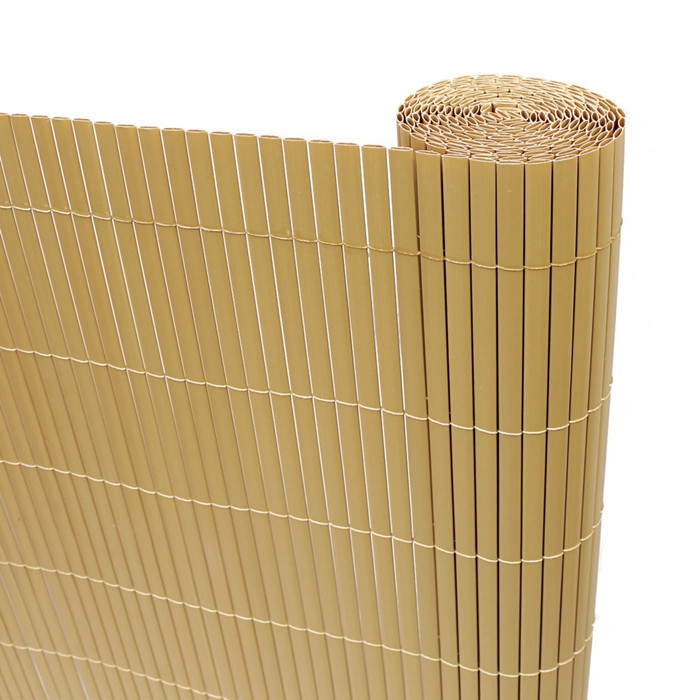
Nature Wood Frame Bamboo Fence Length 1m-12m High Straightness Rot Proof & Eco-Friendly for Livestock Farm
Long-length bamboo fence for farms, estates and landscape boundaries requiring straightness and rot resistance.
View product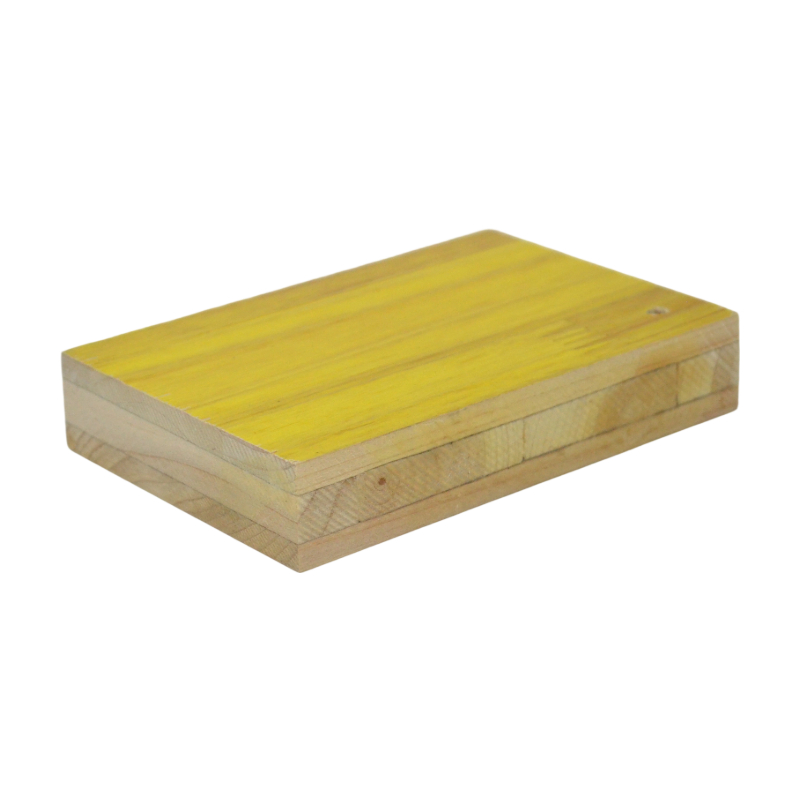
3 Ply Yellow Spruce Shuttering Panel 21-27MM Pine Formwork Board Easily Assembled for Concrete Slab Construction
Yellow-coated 3-ply shuttering panel for concrete slab, wall and column formwork systems.
View product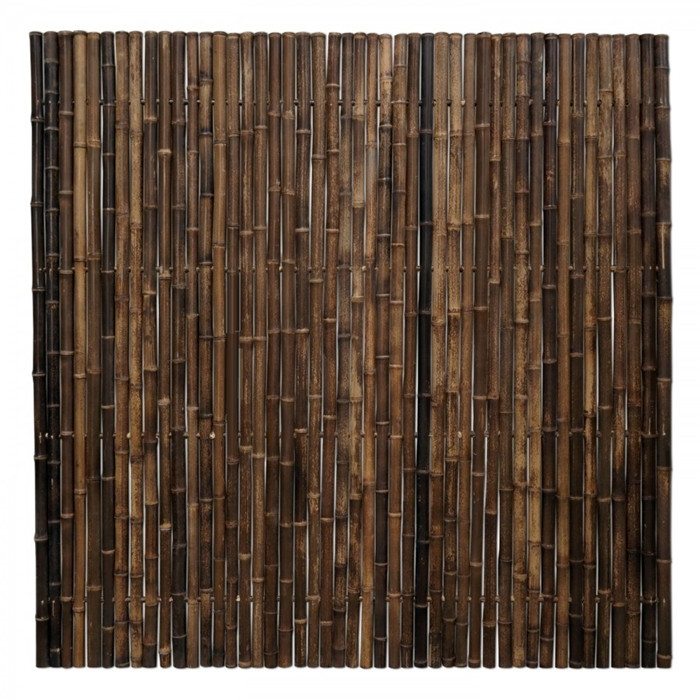
High 2m Bamboo Fence for Garden Bamboo Fence for Yard
Two-metre bamboo fencing for yard privacy, landscape boundaries and residential outdoor screening.
View productWhy Melamine Faced Plywood Fits Łódź’s Mix of Craft, Logistics and Urban Renewal
Łódź is one of Central Poland’s most active logistics, warehouse, office fit-out and regeneration markets. For buyers here, the right melamine faced plywood is not simply a decorative board; it is a specification decision that affects machining, edge quality, humidity performance and after-sales risk.
Łódź sits at the intersection of the A1 and A2 motorways, with the S8 and S14 expressways, a multimodal terminal and a short rail and truck connection to Warsaw. That geography makes the city a practical consolidation point for imported panels. It also explains why demand spans very different sectors: former textile factories are being converted into lofts, offices and hospitality spaces; warehouse and logistics parks need durable staff rooms and mezzanine offices; shopfitters around Piotrkowska Street and the city’s shopping centres need clean, repeatable decorative surfaces; and furniture producers need panel substrates that machine predictably.
Melamine faced plywood works well in this environment because it combines a wipe-clean decorative face with the screw-holding strength and dimensional behaviour of a plywood core. It can be used for retail displays, reception desks, hotel wardrobes, office storage, kitchen carcasses, laboratory furniture and modular site offices. But not every MFP panel is equal. A low-risk order depends on the core, glue line, formaldehyde class, balancing face, edge sealing and packaging. The surface colour is the first thing buyers see; the core and bond line usually decide whether the panel performs after machining and installation.
Dorni has exported wood panels since 2008 and works with an affiliated mill in Dangshan County, Anhui Province. That mill-direct background matters for Łódź buyers because substrate, glue, thickness, sheet size, decor, edge treatment and packaging can be discussed before production instead of being guessed after the container arrives. A panel that looks correct in a heated showroom may behave differently in an unheated warehouse or a renovated textile building with variable humidity. Balanced faces, stable cores, accurate thickness and sealed edges are not luxury details; they are the basics of a repeatable MFP programme.
- Core selection: poplar, combi and birch cores behave differently in weight, machining and screw holding.
- Glue line: MR, melamine and WBP options should be matched to humidity exposure and reuse expectations.
- Emission class: E1 or E0 requirements should be confirmed against the project specification and destination market.
- Decor consistency: paper weight, texture and batch matching affect visible joins in shopfitting and furniture.
- Edge performance: ABS edge banding or sealed edges reduce moisture ingress and handling damage.
- Storage discipline: panels should be stored flat on dry battens, off concrete floors, and acclimatised before machining.
Typical MFP Opportunity Fit in Łódź
Indicative application weighting compiled from the specification discussions our export team handles for Polish and Central European buyers.
Where Melamine Faced Plywood Is Used Across Łódź and Central Poland
Applications in and around Łódź call for different balances of decor, moisture resistance, machining quality and cost control. The four scenarios below cover a large share of real enquiry patterns.
Shopfitting & Retail Displays
For stores, showrooms, cafés and pop-up spaces in Łódź, MFP gives a clean decorative surface with good screw holding for counters, shelving and display plinths. Light colours, woodgrains and matching edge bands are common. Buyers should confirm decor direction, batch consistency and edge-sealing quality before approving the panel.
Office & Warehouse Fit-Out
Łódź’s logistics belt and special economic zone generate demand for mezzanine offices, staff canteens, meeting rooms and modular partitions. MFP is often specified for reception joinery, storage walls and desk surrounds. Humidity-controlled glue and balanced faces are useful where buildings are commissioned in phases or have variable climate control.
Hotel, Aparthotel & Residential Joinery
Conversion of former industrial buildings and new aparthotel projects require wardrobes, vanity units, headboards and corridor panelling. MFP with moisture-resistant glue, sealed edges and a consistent decor helps joinery teams deliver repeatable rooms. For heritage interiors, warmer woodgrains and matt textures often suit exposed brick and concrete.
Furniture & Cabinet Production
Cabinet makers, contract furniture producers and CNC workshops value MFP for carcasses, drawer boxes, shelving and fitted furniture. Sugar-cane, poplar, combi and birch cores can be discussed depending on weight, machining and screw-holding needs. Consistent thickness and clean faces reduce sanding, edge-band rejects and assembly delays.
Four Trends Shaping Panel Demand in the Łódź Region
Procurement decisions are moving towards documented performance, lower-emission interiors and suppliers who can support mixed-product containers rather than single-item shipments.
Warehouse & Logistics Construction
Central Poland continues to attract logistics and light-industrial investment. That creates demand for interior panels used in offices, welfare areas, canteens, control rooms and modular partitions. Buyers look for robust facing, repeatable thickness and reliable loading schedules.
Adaptive Reuse of Textile Heritage
Łódź’s former mills and factory buildings are being converted into offices, lofts, hotels and cultural spaces. These projects mix exposed structure with clean new joinery. MFP can provide a modern decorative finish while keeping the warm contrast that heritage interiors need.
Low-Emission & Certified Interiors
Office, education, hospitality and residential schemes increasingly ask for E1 or E0 panels, FSC-certified material options and traceable documentation. For Łódź buyers serving international tenants, the ability to pair decorative faces with the right substrate and paperwork is part of supplier selection.
Mixed Containers & Supply-Chain Resilience
Polish importers often prefer to combine several product families in one shipment: melamine faced plywood, film faced plywood, 3-ply shuttering panels, bamboo fencing and engineered veneer. A supplier who can plan mixed loading and keep product-specific MOQs clear reduces inventory risk.
Recommended Melamine Faced Plywood Specifications for Łódź Buyers
Use this as a starting brief for quotation. Final selection should always be checked against the project’s fire, formaldehyde, humidity, machining and installation requirements.
| Buyer Scenario | Recommended Build | Why It Works | Specification to Confirm |
|---|---|---|---|
| Retail shopfitting & displays | 18 mm poplar or combi core; melamine face both sides; MR or melamine glue; E1 | Good screw holding for counters, shelves and display plinths with a clean decorative surface | Decor direction, face texture, edge-band colour, batch consistency and sheet size |
| Office & warehouse fit-out | 18 mm poplar or birch core; balanced faces; E1/E0; CNC cut-to-size | Supports reception desks, storage walls, meeting-room joinery and modular partitions | Formaldehyde class, thickness tolerance, cut-list, edge sealing and packing |
| Hotel & aparthotel joinery | 18 mm moisture-resistant core; textured woodgrain or matt decor; WBP or MR glue | Useful for wardrobes, vanities, headboards and corridor panelling in phased fit-outs | Humidity exposure, edge treatment, matching batches and sample approval |
| Furniture & cabinet production | 15 mm or 18 mm core; FSC-certified material option; E1; matching ABS edge | Predictable machining for carcasses, shelving, drawer boxes and fitted furniture | Core type, screw-holding requirement, CNC tolerances and decor availability |
| Modular & temporary site interiors | 18 mm or 21 mm robust core; WBP or enhanced MR glue; sealed edges | Better resistance to handling, humidity cycling and repeated installation | Weight limit, impact resistance, edge protection and loading plan |
| Residential renovation joinery | 18 mm MR core; light décor or woodgrain; E1; sealed edges | Suitable for wardrobes, laundry storage, study furniture and kitchen surrounds | Acclimatisation time, storage conditions, edge sealing and décor matching |
Common sheet formats include 1220×2440 mm, 1250×2500 mm, 1500×3000 mm and 915×1830 mm; plywood thickness range is 2.2–30 mm, subject to confirmation. Grading and custom dimensions are available on request.
A Shanghai Export Team Backed by Its Own Plywood Mill
Shanghai Dorni International Trading Co., Ltd. exports wood panels and building materials with the operational support of an affiliated mill in Dangshan County, Anhui Province. For Łódź buyers, that means a direct conversation about production, inspection, grading and loading rather than a chain of undisclosed intermediaries.
Mill-direct control from veneer to container
The affiliated mill runs three complete lines covering peeling, veneer drying, glue lay-up, cold and hot pressing, double-side calibration, sanding and container loading. Production is managed under ISO 9001 and controlled to CE requirements, with CE No. 1301-CPD-0569 referenced in company documentation. FSC-certified material is available on request, and the company has been assessed on-site by SGS Group.
Quality control is not left to the final photo. Raw materials are inspected on-site, finished goods are checked before loading, and pre-shipment inspection photos can be shared with buyers. For custom work, Dorni supports sample-based, design-based and full customization, including logo printing on film, edge-sealing colour, bundle packaging and grading to BSI, IHPA, JPIS or GB standards. Products are usually loaded at Lianyungang or Qingdao port, and FOB, CFR, CIF, EXW, FAS and CIP terms are accepted.
For Łódź, the practical value is in the brief. Send the application, core preference, glue class, formaldehyde requirement, decor reference, thickness, sheet size, quantity and destination port or inland address. The export team can then prepare a specification-led quotation rather than a generic price sheet.
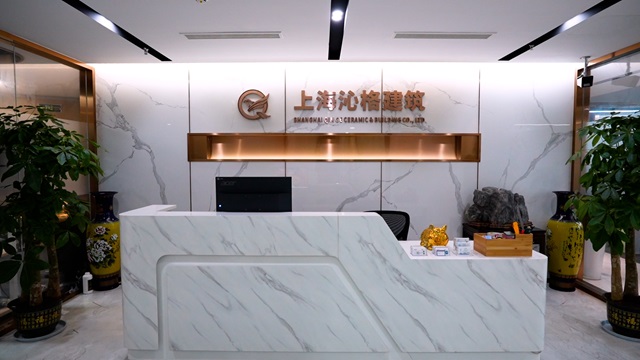
Factory video and production records help buyers verify capability before placing a first container order.
How Your Melamine Faced Plywood Is Made and Checked
The process below reflects the production control principles used for Dorni’s panel range. Exact parameters are agreed against the final product specification and target market.
Log Peeling & Veneer Drying
Logs are rotary peeled to uniform veneer thickness, then dried to a controlled moisture target before lay-up.
Glue & Lay-Up
MR, melamine or phenolic WBP adhesive is selected by specification, with E1 or E0 emission options discussed per order.
Cold & Hot Pressing
Pressure and temperature cycles are controlled to develop a consistent bond and stable panel structure.
Calibrate & Sand
Double-side calibration and sanding support accurate thickness, flatness and a clean surface for facing or machining.
Melamine Face & Edge Sealing
The decorative face, texture and edge treatment are matched to the approved sample and agreed packing requirements.
QC & Container Loading
Finished goods are checked for dimensions, face condition, edge quality and packing before loading photos are issued.
Shipping Melamine Faced Plywood from China to Łódź
Polish buyers need clear logistics as much as clear panel specifications. The following points are routinely confirmed before a first order is released.
Loading Ports
Goods are usually loaded at Lianyungang or Qingdao port. Sea freight can be quoted to Gdańsk or Gdynia, followed by truck or rail to the Łódź area.
Trade Terms
FOB, CFR, CIF, EXW, FAS and CIP are accepted. T/T, L/C, D/P and D/A discussions are supported. USD, EUR, GBP, JPY and other currencies can be discussed.
MOQ & Mixed Loading
Standard film faced and construction plywood often starts from 50 m³, roughly two 40HQ containers. 3-ply shuttering panels start from 7–50 m³ depending on specification, and bamboo decking from 100 m². Mixed-product containers can be discussed for trial orders.
Documents & Inspection
Commercial invoice, packing list, certificate of origin, inspection records, and applicable ISO, CE, FSC or SGS documentation can be prepared. Buyers may appoint a third-party inspection before shipment.
Questions Łódź Buyers Ask Before Ordering Melamine Faced Plywood
These are the practical questions our export team receives from Polish importers, shopfitters, furniture producers and construction buyers.
Can you supply melamine faced plywood to Łódź and Central Poland?
Yes. We quote melamine faced plywood and related panel products for buyers in Łódź and across Central Poland. Please share the application, core preference, glue class, formaldehyde requirement, decor reference, thickness, sheet size, quantity and destination port or inland address. We can quote FOB, CFR or CIF to Gdańsk or Gdynia, with onward truck or rail arrangements discussed through your forwarder or ours.
What is the minimum order quantity for melamine faced plywood?
MOQ depends on the final specification and production line. Standard film faced and construction plywood typically starts from 50 m³, approximately two 40HQ containers. 3-ply shuttering panels start from 7–50 m³ depending on specification, and bamboo decking from 100 m². For a first trial, a mixed-product container can be discussed so you can test several items without committing to a single full container.
Which thicknesses and sheet sizes are available?
Plywood thickness ranges from 2.2 mm to 30 mm depending on the product. Common sheet sizes are 1220×2440 mm, 1250×2500 mm, 1500×3000 mm and 915×1830 mm. Melamine faced plywood is frequently requested in 12 mm, 15 mm, 18 mm and 21 mm for interior joinery, shopfitting and furniture production. Custom sizes and cut-to-size programmes can be discussed against the drawing or cutting list.
Which glue types and formaldehyde classes can you offer?
We can discuss MR, melamine, phenolic WBP, E2, E1 and E0 grades depending on the product and specification. WBP is often considered where humidity exposure and repeated handling are higher; melamine or MR grades may be suitable for controlled interior use. Formaldehyde class should always be confirmed against the project’s specification and the requirements of the building owner or tenant.
Can you match a melamine decor, texture or existing panel sample?
Yes, decor matching can be discussed. Please provide a physical sample, a clear photo, a decor code or an RAL reference where relevant, and state the required texture—matt, woodgrain or another finish. We recommend approving a production sample before the full order is released, especially for shopfitting and furniture projects where visible joins and batch consistency are important.
Which certifications and quality documents are available?
The mill is managed under ISO 9001, production is controlled to CE requirements, and FSC-certified material is available on request. The company has also been assessed on-site by SGS Group. Depending on the final product, we can prepare commercial documents, packing lists, inspection records and available certification evidence. Third-party inspection by the buyer’s nominated agency is welcome before shipment.
How long does production and delivery to Łódź take?
Production time depends on the panel specification, decor approval, quantity and line schedule. After the sample, artwork or specification is confirmed, we issue a production plan and shipping schedule. Sea freight to Polish ports and onward delivery to Łódź depend on the shipping line, season and forwarder. We provide updates at production, inspection and loading stages so your local team can plan warehouse space.
Can melamine faced plywood be combined with bamboo fencing or formwork in one order?
Mixed-product loading can be discussed. Many Polish buyers prefer to combine interior panels with shuttering panels, bamboo fencing or engineered veneer to reduce freight cost and supplier administration. MOQ is calculated per product, and we will prepare a loading plan to protect panel edges, faces and packaging during transport.
Send your melamine faced plywood specification for a fast export review
Include the application, core, glue, E1/E0 requirement, decor reference, thickness, sheet size, quantity and destination. Our export team will review the specification and reply with a practical quotation and loading proposal within 24 hours.
Email: info@dorniplywoods.com · Shanghai Dorni International Trading Co., Ltd.
Direct contact for samples, technical data, MOQ, mixed-container planning and delivery to Łódź.