8 Product Routes Italian Buyers Can Quote and Compare
The products below are not interchangeable commodities. Compare each URL by core, glue, emission class, thickness tolerance, surface treatment and loading plan. The eucalyptus hardwood-core marine plywood route is highlighted for Italian formwork, marine, transport and industrial applications.
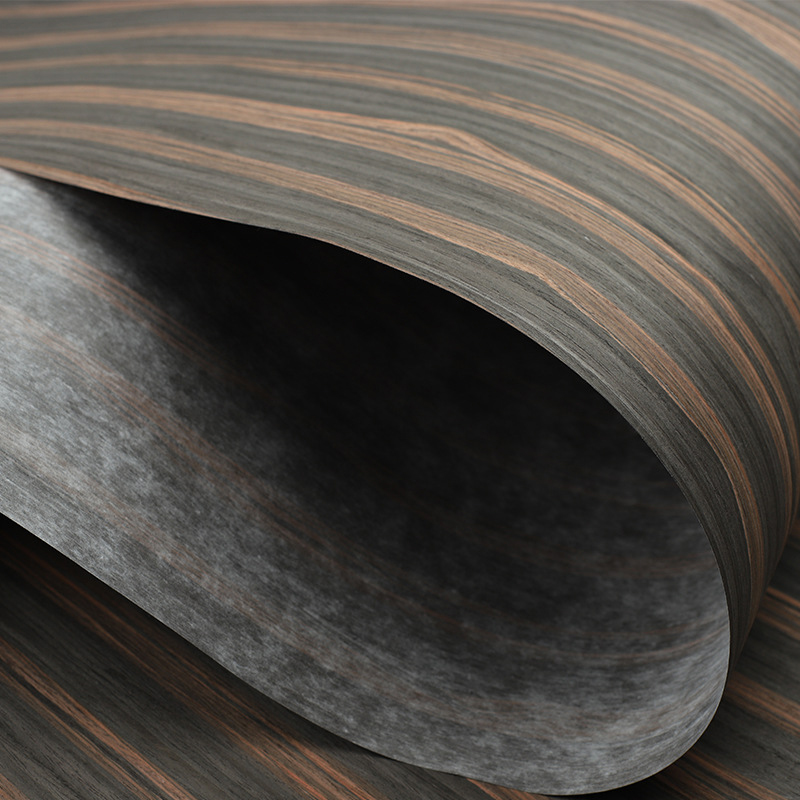
All Kinds Engineered Wood Veneer 640mm × 2500mm
Calibrated engineered veneer for furniture faces, interior panels and architectural surfaces where grain consistency and thickness control matter.
View product →
LANTISE 18mm E0 First-Class Basswood Fire-Resistant Melamine Board
Double-sided melamine decorative board for Italian furniture, shop fitting and public interiors requiring low-emission and fire-resistant performance.
View product →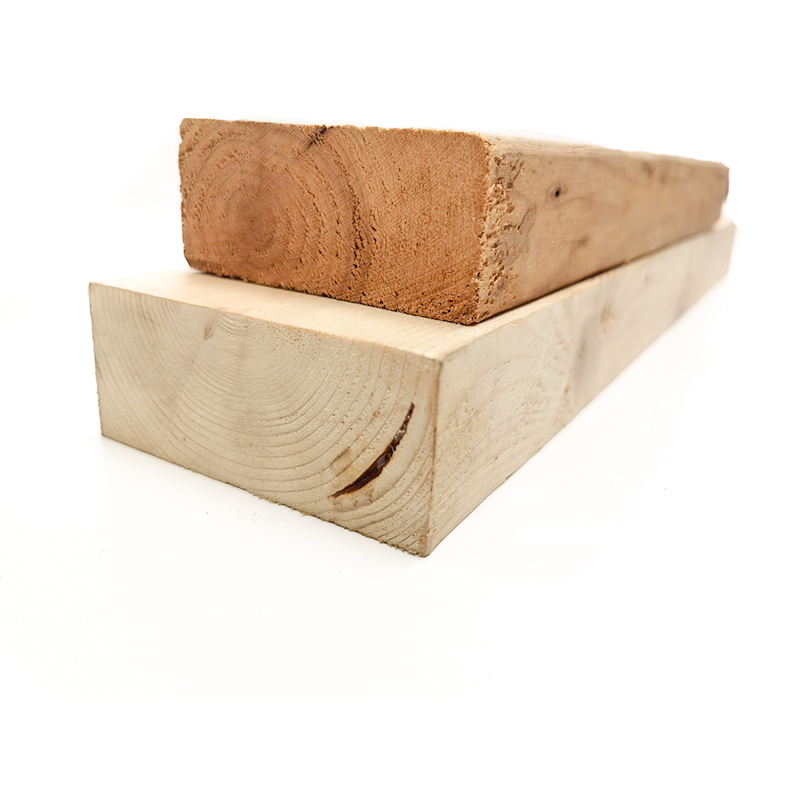
2x6 LVL Board
Laminated veneer lumber for scaffold planks, packaging, door cores, furniture frames and engineered structural components.
View product →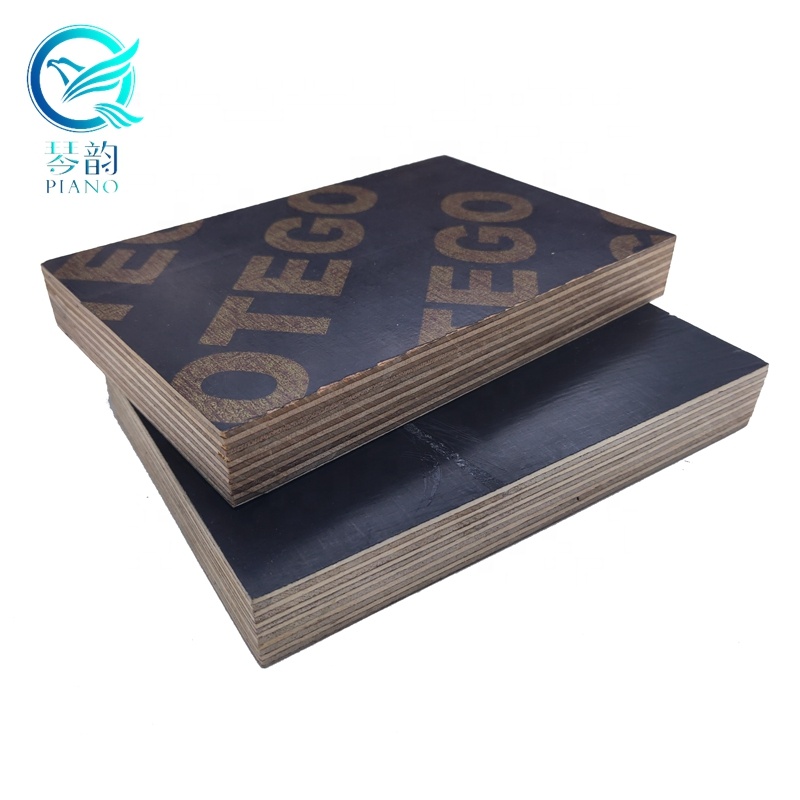
BS1088 CE ISO9001 Eucalyptus Hardwood Core Marine Plywood, E0, 1220×2440mm
High-density eucalyptus hardwood core with phenolic face options for 18mm, 25mm and 28mm formwork, marine fit-out and transport flooring.
View product →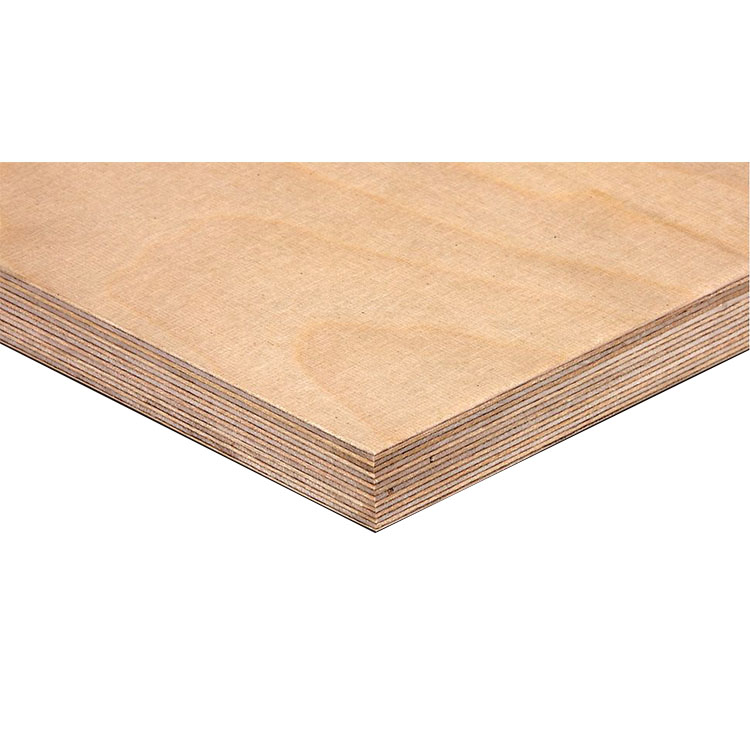
Film Faced UV Coated Double-Sided E0 Certified Birch Piano Plywood
Pre-finished birch plywood for piano components, high-end cabinetry and decorative interior manufacturing with tight surface requirements.
View product →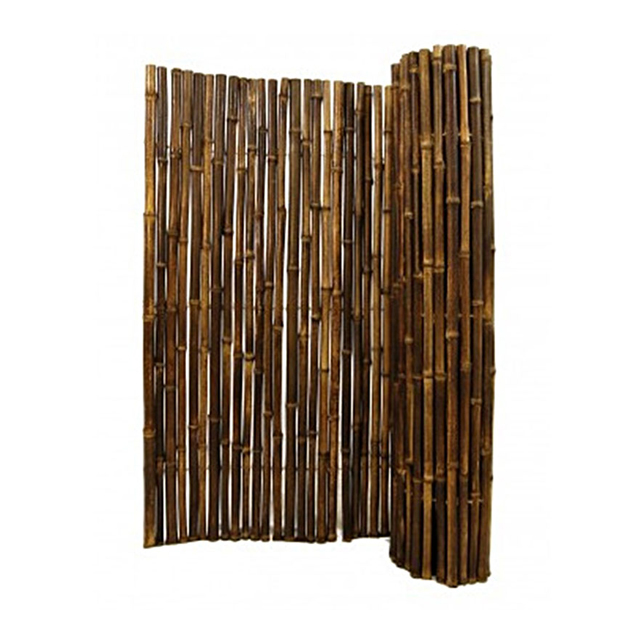
Piano Tall Bamboo Fencing 20mm–30mm Eco-Friendly Waterproof Heat Treated
Decorative and privacy fencing for hospitality gardens, terraces and landscape projects requiring weather-resistant natural screening.
View product →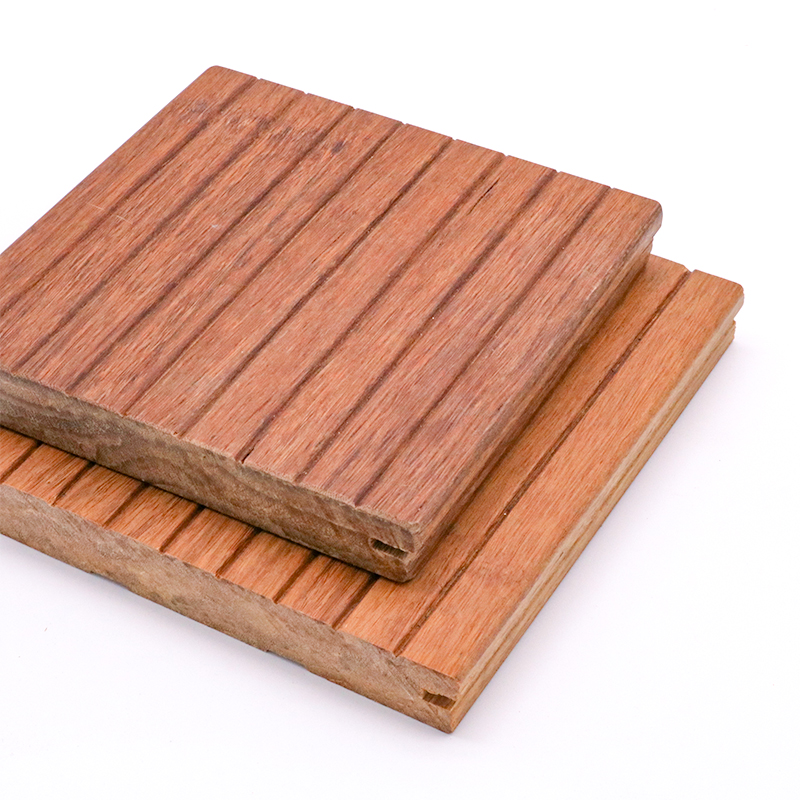
20mm White Engineered Stranded Bamboo Decking, UV/Waterproof Coating
Heavy-duty exterior decking for hotels, pool surrounds, villas and commercial terraces where dimensional stability and colour consistency matter.
View product →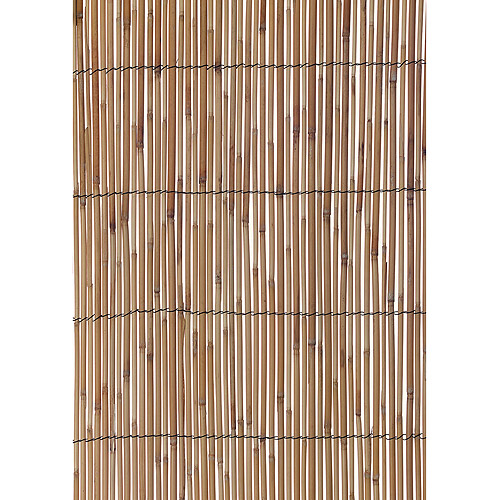
14–16mm High Quality Modern Bamboo Fence with Wood Frame
Eco-friendly, waterproof and rot-resistant bamboo fencing for gardens, resorts and exterior landscape screening projects.
View product →Years in Export
International trading since 2008.
Monthly Capacity
Plywood output from the affiliated mill.
Complete Production Lines
Peeling, pressing, calibrating and sanding in-house.
Buyer Rating
38 verified reviews in the original supplier profile.
Eucalyptus Plywood Exporter vs. “Exporters in Italy”: What the Search Result Really Means
Search intent around eucalyptus plywood exporter and eucalyptus plywood exporters in Italy is mixed. One buyer may be an Italian distributor looking for a direct mill partner; another may be a contractor searching for an Italian stockist with immediate availability; a third may be a specifier comparing CE documentation before a public or hospitality project. A list of exporters can help discover names, but it does not answer the procurement question: can the supplier prove the core, glue, emissions, dimensions and loading plan?
For Italian buyers, the word “trusted” should be treated as a claim to test. Eucalyptus plywood is a family, not a single grade. It can be a film-faced formwork panel, a marine-grade panel to BS1088, a furniture core, a packaging board or an engineered veneer substrate. Performance depends on veneer thickness, lay-up symmetry, species density, moisture content, resin type, pressing cycle, calibration tolerance, film weight and edge sealing. Two panels can share the same nominal size and still behave differently after eight concrete pours or one humid summer in Liguria.
Italy is a quality-sensitive market. Buyers routinely ask for CE declarations, formaldehyde data, bonding test reports, FSC availability and pre-shipment inspection evidence. The most reliable sourcing strategy is not to collect the longest list of exporters, but to compare a small number of suppliers against a documented specification and a repeatable QC process. This guide is structured around that idea and uses Dorni’s stated export capabilities, mill setup and product portfolio as a practical reference.
A useful shortcut is to separate the query into three decisions: product fitness, supplier evidence and logistics fit. Product fitness asks whether the panel is correct for the Italian application. Supplier evidence asks whether the mill and trading company can prove consistency across shipments. Logistics fit asks whether the order can be consolidated, packed, inspected and shipped to an Italian port without hidden rework.
Procurement principle for Italian buyers
A low unit price is not comparable until the following are fixed: core species, glue class, formaldehyde grade, nominal and actual thickness, sheet size, film type, edge treatment, packaging, Incoterm, destination port and inspection method.
- Ask for a specification sheet, not only a quotation.
- Request current CE and test evidence for the exact product.
- Approve a sample and record the reference standard.
- Confirm loading photos and container plan before balance payment.
- Compare landed cost after port charges and any re-sawing.
Why Eucalyptus Plywood Fits Italian Project Conditions
Italy’s construction, marine, furniture and packaging clusters each place a different demand on plywood. The same eucalyptus core can be specified very differently depending on the project.
Concrete Formwork and Retrofit
In Lombardy, Lazio and Emilia-Romagna, contractors need film-faced panels that resist repeated pours, edge damage and site moisture. A phenolic WBP eucalyptus core in 18mm or 21mm is often specified for foundations, walls, columns and retrofit works. Italian buyers should confirm film weight, edge sealing and actual thickness, because a nominal 18mm panel that calibrates low can affect joint quality and reuse cycles.
Marine and Yacht Fit-Out
Liguria and the Veneto coast have a dense marine refit and yacht interior supply chain. BS1088 eucalyptus hardwood core marine plywood is attractive where screw holding, stiffness and moisture resistance matter. For Italian boatyards, request bonding evidence aligned with EN 314-2, consistent face quality and a clear statement of core species. E0 or E1 low-emission grades can also support interior cabinetry where air quality is part of the specification.
Furniture and Interior Components
In Brianza and the Veneto furniture districts, calibrated plywood is used for cabinets, seating frames, shop fitting and decorative panels. Italian manufacturers value stable thickness, clean sanding and low formaldehyde. E0 and E1 grades are frequently requested. Eucalyptus core can provide density and screw holding, while engineered veneer and UV-coated birch surfaces serve visible applications. The purchasing team should match surface quality to the final coating, not only to the raw board price.
Industrial Packaging and Logistics
Emilia-Romagna and Veneto manufacturers use plywood and LVL for crating, machinery packaging, pallets and container repair. Here the priority is consistent mechanical performance, accurate dimensions and predictable supply more than decorative appearance. MR, melamine and phenolic glue options can be matched to the exposure level. Mixed orders with LVL, standard plywood and bamboo products can reduce freight cost when the loading plan is engineered properly.
Local Trends Reshaping Eucalyptus Plywood Specifications and Delivery
Italian demand is moving toward better evidence, lower emissions and more efficient container planning. These trends affect what a serious exporter must prepare before quoting.
EUDR and Traceability
Wood products placed on the EU market face stronger due diligence expectations under the EU Deforestation Regulation. Italian importers increasingly ask for origin documentation, species declarations and chain-of-custody evidence. A trusted exporter should be able to connect the shipment to the mill, raw material batch and FSC status where applicable.
Lower Formaldehyde Demand
Italian furniture, hospitality and public interior projects continue to push for lower emissions. E1 remains a core requirement, while E0 is often requested as a commercial low-emission grade. Buyers should ask for product-specific test reports and confirm whether the claim applies to the finished panel, the glue line and the face material.
Reusable Formwork and Retrofit
Public works, seismic retrofit and energy-efficiency renovation keep demand for reusable formwork panels. Contractors are calculating cost per pour rather than cost per sheet. Phenolic WBP eucalyptus panels, sealed edges and consistent thickness help reduce on-site waste, which is increasingly important in Italian tender scoring and construction-site management.
Port and Mixed-Container Economics
Italian buyers compare routes into Genoa, La Spezia, Venice and Trieste, as well as inland distribution from northern European ports. Mixed containers combining eucalyptus plywood, LVL, engineered veneer and bamboo decking can improve freight efficiency, but only when bundle weights, stack heights and unloading sequence are planned before production.
Which Eucalyptus Plywood and Allied Product Fits Your Italian Application?
Use this matrix as a starting point for an RFQ. The final specification should be confirmed with samples, drawings, exposure conditions and the intended number of reuse cycles.
| Recommended Route | Italian Application | Critical Specification | Buying Note |
|---|---|---|---|
| Phenolic film-faced eucalyptus plywood | Concrete formwork, walls, columns, foundations and retrofit works | 18mm or 21mm; phenolic WBP; black or brown film; sealed edges; E1/E0 option | Ask for cost per pour, film weight and actual thickness tolerance. Confirm reuse target before choosing a lighter panel. |
| BS1088 eucalyptus hardwood core marine plywood | Yacht interiors, boatbuilding, marine cabinetry, vehicle and transport floors | 18mm, 25mm or 28mm; hardwood core; WBP; EN 314-2 bonding evidence; E0 option | Check core species, face grade and moisture content. A CE or ISO claim should be linked to the exact product and production batch. |
| E0/E1 calibrated eucalyptus core panel | Furniture frames, cabinets, shop fitting and interior structures | Calibrated thickness; clean sanding; low formaldehyde; consistent density; CNC-friendly | Approve the sample under the same coating system used in production. Surface absorption can affect lacquer and laminate adhesion. |
| Industrial plywood and LVL | Crating, machinery packaging, pallets, door cores and scaffold planks | MR, melamine or phenolic glue; 2x6 LVL; accurate dimensions; load-bearing performance | Specify the mechanical requirement rather than only the visual grade. Packaging performance often depends on moisture exposure. |
| Engineered veneer and UV-coated birch | Decorative panels, piano components, high-end cabinetry and furniture faces | E0 grade; UV coating; engineered veneer 640×2500mm; colour and grain consistency | Request face samples from the same batch. For visible applications, grain matching and surface protection are as important as the core. |
| Bamboo decking and fencing | Hotel terraces, pool surrounds, gardens, resorts and landscape screening | Stranded bamboo decking; UV/waterproof coating; 14–16mm or 20–30mm fencing; wood frame | Confirm fixing method, expansion gaps, colour variation and maintenance plan. Bamboo products should be quoted separately from plywood when testing standards differ. |
For a mixed order, ask the exporter to provide a loading sketch and bundle schedule before confirming the deposit.
What to Ask a Eucalyptus Plywood Exporter Before You Compare Prices
This is the information-gain checklist that separates a credible export quotation from a directory listing. Each item should be available in writing.
| Verification Item | Why It Matters to Italian Buyers | Evidence to Request |
|---|---|---|
| Certificate scope | CE, ISO 9001 and FSC claims must apply to the product and process you are buying. | Current certificate copies, CE declaration of performance where applicable, FSC code and scope, certificate validity dates. |
| Bonding and formaldehyde | Formwork, marine and interior applications fail in different ways. Bond class and emission data must be product-specific. | EN 314-2 bond test report, formaldehyde test report, glue type declaration, production batch reference. |
| Raw material and veneer quality | Eucalyptus density, veneer thickness and lay-up determine screw holding, stiffness and surface stability. | Species statement, veneer grade, moisture content range, core photos, raw material inspection record. |
| Pressing and calibration | Poor thickness tolerance causes visible joints, coating defects and wasted CNC time in Italy. | Nominal versus actual thickness, tolerance range, sanding and calibration record, sample measurement report. |
| Film, edge sealing and packaging | Italian sites and warehouses expose panels to moisture during transport and storage. | Film weight or grade, edge paint specification, bundle packing photos, corner protection and container loading plan. |
| Export history and inspection | A supplier that can document past shipments is easier to qualify and less risky for a first order. | Pre-shipment inspection photos, third-party inspection acceptance, trade history, SGS assessment or equivalent evidence. |
Why Dorni Is Built for Italy-Bound Eucalyptus Plywood Orders
Shanghai Dorni International Trading Co., Ltd. has exported plywood and building materials since 2008, supported by an affiliated mill in Dangshan County, Anhui Province. The mill operates three complete production lines covering peeling, veneer drying, glue lay-up, cold and hot pressing, double-side calibration, sanding and container loading. This structure gives Italian buyers a direct route to mill-controlled quality and export documentation, not only a trading introduction.
Production is managed under ISO 9001 and controlled to CE requirements, with CE No. 1301-CPD-0569 referenced in the company profile. FSC-certified material is available on request, and the company has been assessed on-site by SGS Group. A dedicated QC team inspects raw materials and finished goods before loading. For Italian importers, that means the technical conversation can move from catalogue images to measurable specifications, samples and pre-shipment evidence.
18+ Years of Export Experience
Founded in 2008, the team understands documentation, sampling, container loading and the communication节奏 required by European buyers.
Affiliated Mill with 3 Lines
Peeling, drying, pressing, calibrating and sanding are controlled in-house, allowing tighter follow-up on thickness and surface quality.
6,000 m³ Monthly Capacity
Capacity supports repeat orders, mixed specifications and scheduled production for distributors and project buyers.
ISO 9001 · CE · FSC · SGS
The quality system, CE-controlled production, FSC availability and on-site SGS assessment give procurement teams verifiable starting points.
Raw Material and Finished Goods QC
Inspection covers raw materials, veneer, glue application, pressing, calibration, film surface and final packing before shipment.
Customisation and Export Logistics
Private-label film, custom sizes, grading to BSI, IHPA, JPIS or GB, loading at Lianyungang or Qingdao, and FOB, CFR, CIF, EXW, FAS or CIP terms.
Questions Italian Importers Ask Before Ordering Eucalyptus Plywood
These answers reflect the practical questions raised by distributors, contractors and project buyers when comparing an exporter with a list of exporters in Italy.
What is the minimum order for eucalyptus plywood to Italy?
Standard film-faced and construction plywood typically starts from 50 m³, roughly two 40HQ containers. Some 3-ply shuttering panels can start from 7–50 m³ depending on specification, while bamboo decking may start from 100 m². Trial mixed containers can be discussed when the loading plan is efficient.
Which eucalyptus plywood grade is best for Italian formwork?
For repeated concrete pours, specify a phenolic WBP film-faced panel with a dense eucalyptus hardwood core, sealed edges and a consistent actual thickness. Melamine glue can be cost-effective for projects with fewer reuse cycles. Ask for the reuse target and cost per pour before choosing.
Can you supply E0 or E1 low-formaldehyde eucalyptus plywood?
E1 is a common baseline for European interior projects, while E0 is often requested as a lower-emission commercial grade. The claim should be supported by a product-specific test report and should identify the glue system and panel construction. Do not accept a generic E0 statement without batch traceability.
Can you provide CE, ISO 9001 and FSC documents?
Dorni’s mill is managed under ISO 9001, production is controlled to CE requirements, and FSC-certified material is available. The company has also been assessed on-site by SGS Group. Italian buyers should request current documents and confirm that the certificate scope matches the exact product being purchased.
Which Italian ports and Incoterms do you support?
Goods are usually loaded at Lianyungang or Qingdao port. The export team can quote FOB, CFR, CIF, EXW, FAS and CIP. For Italy, the destination port may be Genoa, La Spezia, Venice or Trieste depending on the buyer’s inland logistics and shipping schedule.
Can we mix eucalyptus plywood with LVL or bamboo decking?
Yes, mixed-product containers can be evaluated, but the loading plan must respect bundle weights, stack heights and unloading sequence. Keep a clear specification and inspection plan for each product line, especially when plywood, LVL and bamboo have different moisture and packaging requirements.
Do you offer private-label film and custom sheet sizes?
Customisation includes sample-based, design-based and full private-label production, logo printing on film, edge-sealing colour, packaging and grading to BSI, IHPA, JPIS or GB standards. Custom sizes should be confirmed against the press format and order quantity before quotation.
How do you control moisture, thickness and edge sealing?
Control points include veneer drying, glue mix, pressing cycle, double-side calibration, sanding, film overlay and edge paint. For Italian buyers, ask for a sample measurement report and pre-shipment photos showing edges, bundle protection and container loading.
Can we receive samples before placing an order?
Yes. Samples can be arranged for specification approval, but the sample should represent the proposed core, glue, film and thickness. Record the approved sample reference in the order confirmation so that mass production can be checked against the same standard.
How should we compare Dorni with a list of exporters?
Compare on evidence, not only price: certificate scope, product-specific test reports, thickness tolerance, packaging, loading photos, Incoterm, port and lead time. A direct exporter with mill control can often support customisation and repeatability, while an Italian distributor may offer faster local availability. Choose the model that fits your project risk.
Send a Specification, Not a Generic Price Request
Share the application, panel size, core, glue, formaldehyde class, film or surface, quantity, destination port and target delivery date. The export team can then prepare a technical proposal with product route, packing plan and loading recommendation.
Include these 8 details for a faster reply
- End use: formwork, marine, furniture, packaging or outdoor
- Eucalyptus core or alternative core preference
- Glue: MR, melamine or phenolic WBP
- Emission target: E1 or E0 where required
- Thickness, sheet size and tolerance
- Film, veneer or UV surface requirement
- Order quantity and destination port in Italy
- Sample, inspection or private-label needs