8 Bamboo Cladding and Project-Matched Products for Paris Buyers
For a bamboo cladding supplier serving Paris, product selection must connect exterior appearance with moisture exposure, fire documentation, fixing method and container planning. These eight products cover bamboo screening, exterior bamboo decking, formwork, engineered wood and moisture-resistant project panels.
 Bamboo line
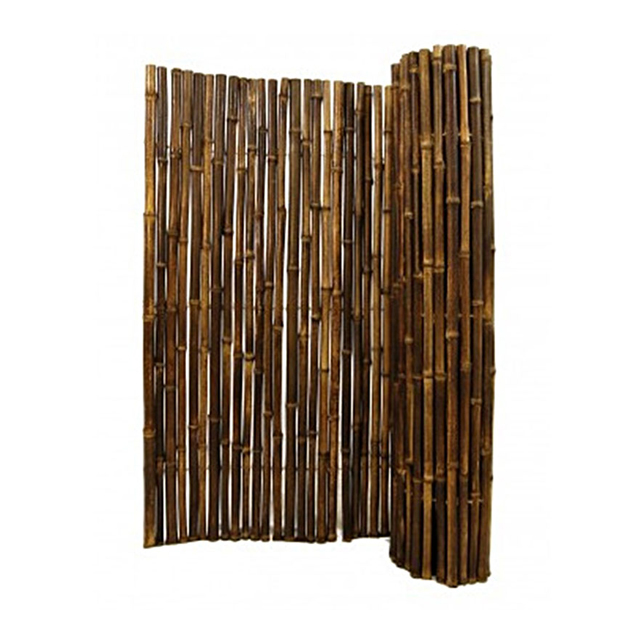
Piano Tall Bamboo Fencing 20mm-30mm Eco-Friendly Waterproof Rot Proof Heat Treated Wood Frame Yellow CE2 Certified Garden
Tall bamboo screening with heat-treated, waterproof bamboo and a yellow timber frame. A practical option for Paris courtyard privacy, hotel terraces and facade accents where natural texture is required.
View product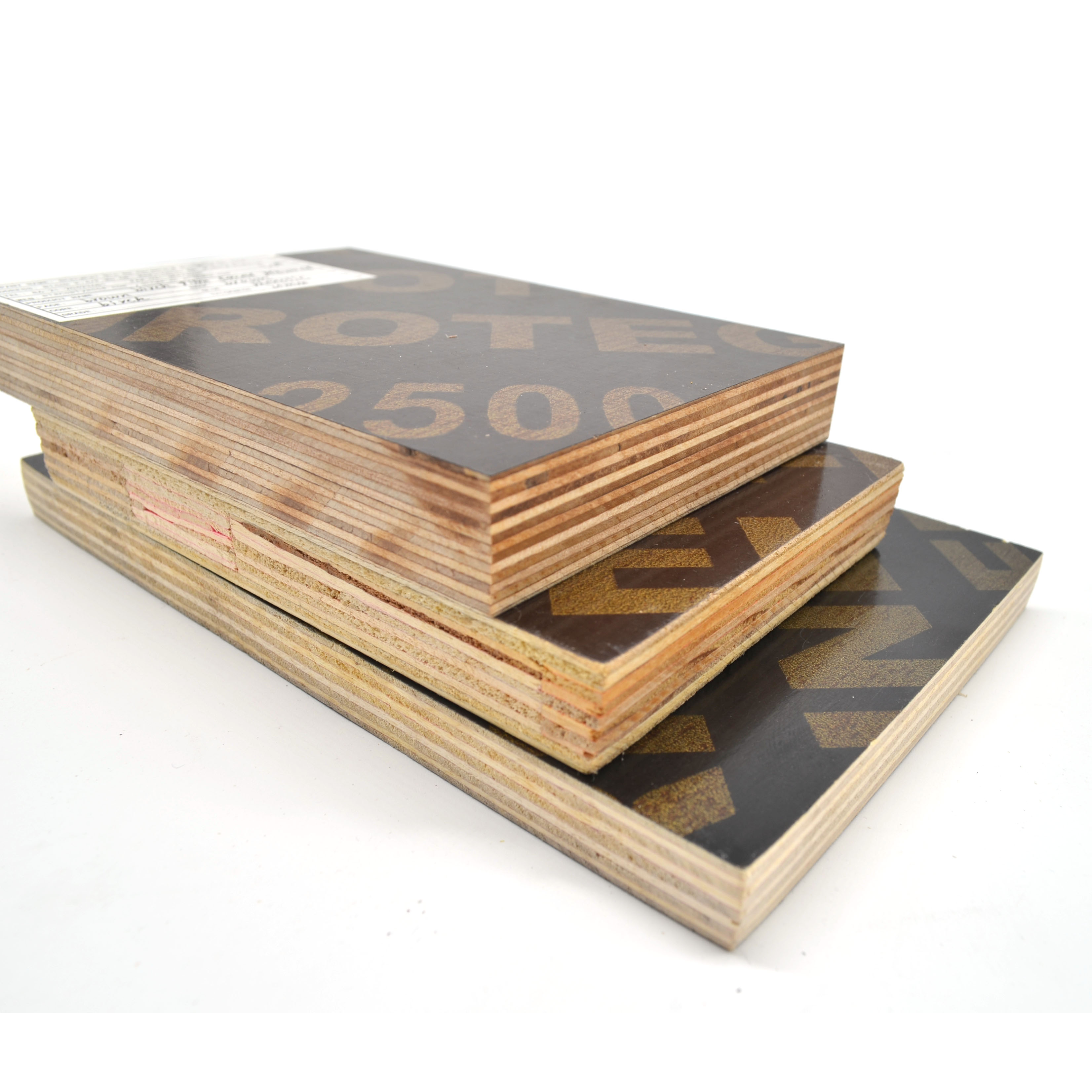 CE / E0
Phenolic Red Film Faced 18mm E0 First-Class Grade Poplar Plywood Strongplex CE Certified Outdoor Use
Phenolic film-faced poplar plywood in 18 mm with E0 emission and first-class grade. Suitable for protected outdoor use, site protection, robust joinery and project panels requiring a consistent face.
View product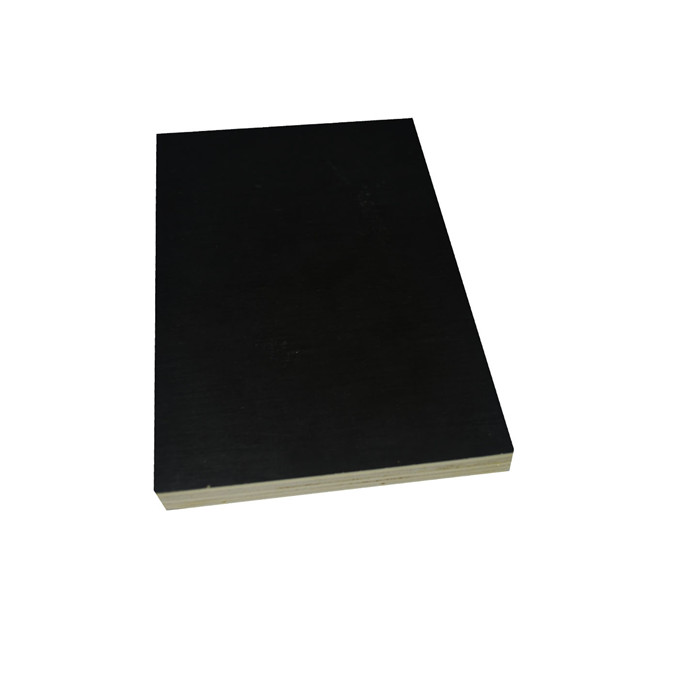 Formwork
21mm Poplar Chinese Construction Siganal Film Faced Plywood for Formwork
21 mm poplar film-faced plywood for concrete formwork. A useful specification for contractors comparing panel stiffness, face quality and release performance on Paris fit-out and structural sites.
View product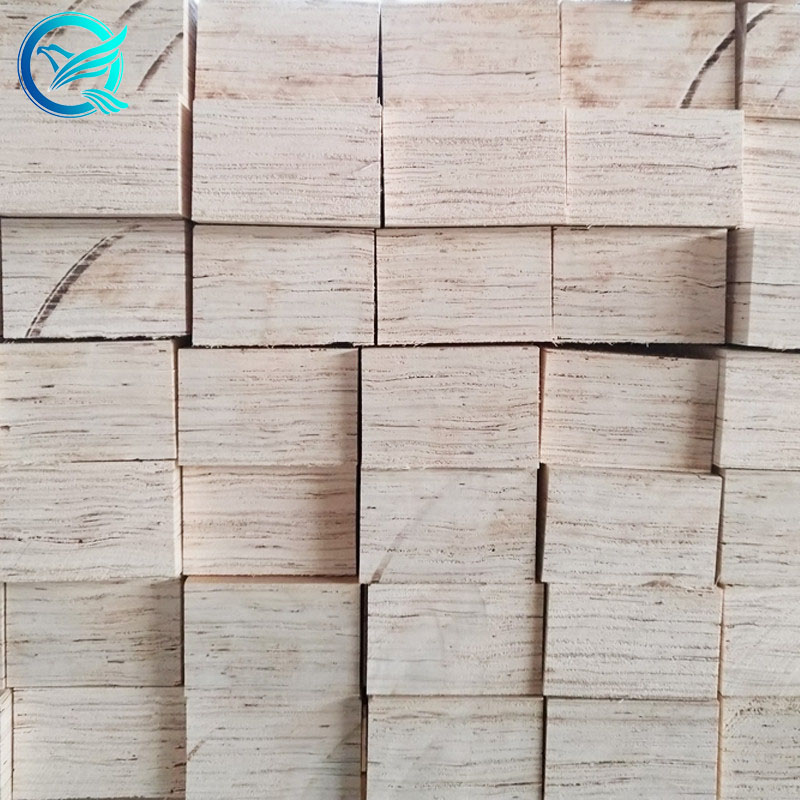 Engineered wood
Poplar LVL Beams Laminated Veneer Lumber Board Double-Sided Decorative Surface for Bed Slats Packing Boxes Exterior Use
Poplar LVL beams with a double-sided decorative surface for bed slats, packing boxes, exterior use and engineered details. Useful for fabricators needing stable, straight engineered wood components.
View product Exterior bamboo
Singer 20mm Engineered Stranded Bamboo Deck Tiles Float Installation UV/Waterproof Coating 5+ Year Warranty Exterior Wall
20 mm engineered stranded bamboo deck tiles with float installation, UV/waterproof coating and a 5+ year warranty statement. Well suited to Paris roof terraces, balconies and exterior wall features where the project team confirms fire and fixing requirements.
View product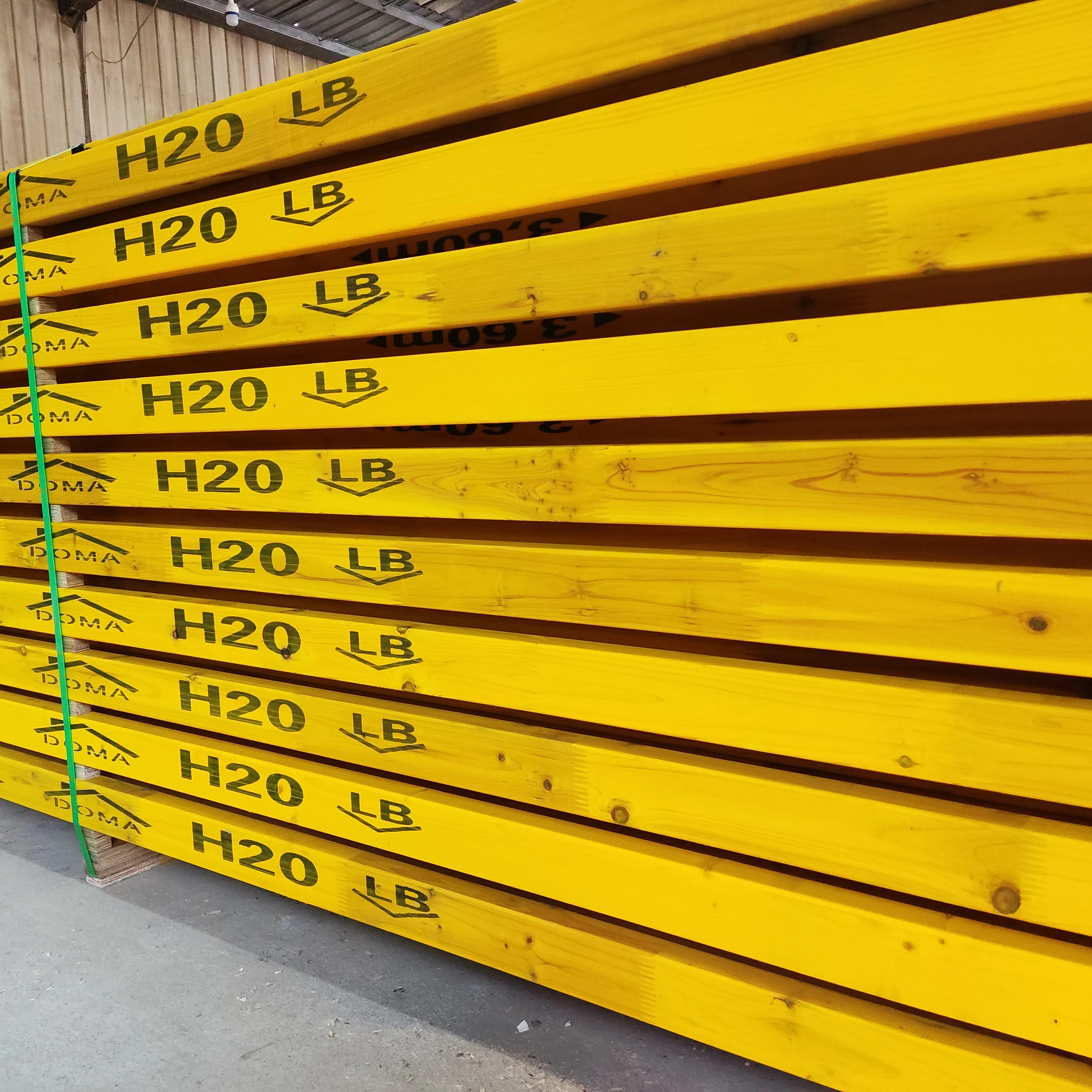 EN 13377
 H20 Beam Red Plastic Cap Construction Formwork H16 H30 200x80x40x27mm E0 EN 13353 H20 Beam Formwork
H20 timber beam with red plastic cap, E0 and formwork dimensions for H16/H30 systems. A supporting product for Paris contractors that also need formwork, site protection or temporary works materials.
View product Interior / E0
LANTISE 18mm First-Class Basswood Fire Resistant Melamine Film Faced Modern Design E0 Formaldehyde Emission Double-Sided 3-Year
18 mm basswood melamine film-faced board with E0 formaldehyde emission, double-sided finish and modern design. For interiors, hospitality fit-outs and protected applications where the final fire report is verified for the exact specification.
View product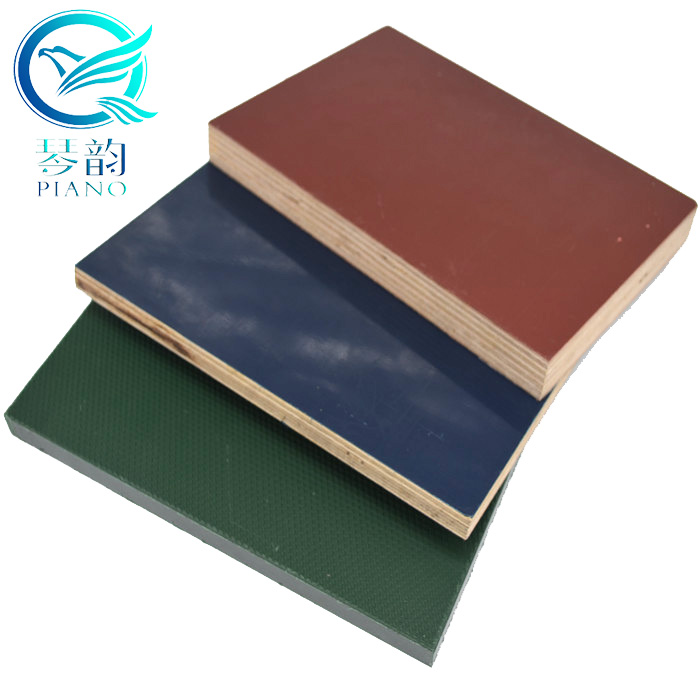 Anti-slip
Green Color Anti-skip PP Coated Birch Plywood Sheets 6-35mm Thickness First-Class Grade MUF Glue CE Certified Double-Sided
Green PP-coated birch plywood in 6–35 mm with MUF glue, CE certification and double-sided coating. A practical panel for temporary walkways, vehicle areas, event structures and anti-slip project surfaces in Paris.
View productBamboo Cladding for Paris: A Specification-Led Buying Guide, Not a Catalogue Listing
Paris buyers search for a bamboo cladding supplier with different intents. The strongest export content must answer the technical, regulatory and logistics questions behind those searches.
The query “bamboo cladding Paris” is not a single buying intention. It may describe exterior bamboo siding for a hotel courtyard, bamboo slat cladding for a rooftop bar, bamboo screen cladding for a residential terrace, or bamboo fencing and decking for a landscape architect working on a Paris public realm project. A trusted supplier must separate these use cases before quoting, because external bamboo cladding in Paris is exposed to wind-driven rain, summer UV, winter damp, urban pollution and maintenance expectations that differ from indoor panel applications.
For Paris architects and contractors, the decision is rarely “bamboo or no bamboo.” The real decision is which format, coating, fixing method, fire documentation and maintenance cycle will satisfy the project. A façade consultant may require a ventilated rain-screen detail, stainless-steel fixings, a defined expansion gap and a maintenance manual. A hotel developer may prioritise colour consistency, delivery phasing and sample approval. An importer may focus on MOQ, mixed-container loading, CE documentation and total landed cost. A supplier that answers only price per square metre is not providing enough information gain for a Paris specification team.
Shanghai Dorni International Trading Co., Ltd. exports wood-based panels and bamboo outdoor products from Shanghai, supported by an affiliated mill in Dangshan County, Anhui Province. For Paris buyers, that structure is relevant because it connects export communication with mill-level production control. The mill runs three complete production lines, with capacity of approximately 6,000 m³ per month, and production is managed to ISO 9001 and controlled to CE requirements (CE No. 1301-CPD-0569). FSC-certified material is available, and the company has been assessed on-site by SGS Group. These are the proof points a procurement team should verify before placing a bamboo cladding or decking order for Paris.
The practical recommendation is to specify by exposure, not by image alone. For a covered courtyard screen, a bamboo fencing system may be appropriate. For an exposed roof terrace, engineered strand bamboo decking with UV/waterproof coating is more relevant. For a full exterior facade, the project team should request façade-specific fixing details, fire classification documentation and a maintenance plan for the exact bamboo cladding SKU. For interior reception areas, retail displays or hotel joinery, E0 melamine film-faced boards and decorated panels may be more suitable than exterior bamboo. This is the kind of product matching that separates a semantic, buyer-focused supplier page from a generic product list.
Paris procurement snapshot
- Confirm application: façade, soffit, screen, terrace, interior or temporary works.
- Request fire, CE, FSC and technical data for the exact SKU.
- Approve colour, surface, density and fixing samples before production.
- Plan delivery via Le Havre, Fos-sur-Mer, Antwerp or Rotterdam.
- Use stainless fasteners and a ventilated, drainage-friendly detail.
Which Bamboo Cladding or Exterior Bamboo Format Fits a Paris Project?
The best specification depends on exposure, substrate, maintenance access and the French project’s fire strategy. Use this matrix before requesting a quotation.
| Paris application | Recommended format | Why it fits | Procurement checks |
|---|---|---|---|
| Courtyard privacy and hotel screening | Tall bamboo fencing with heat-treated, waterproof bamboo and timber frame | Natural appearance, quick visual screening, suitable for terraces and hospitality courtyards | Wind load, fixing detail, colour consistency, base drainage and fire documentation if close to a building |
| Rooftop terrace or balcony deck | Engineered strand bamboo deck tiles with UV/waterproof coating | Float installation supports access and maintenance; warm natural finish for Paris outdoor living | Drainage, pedestal or support system, anti-slip performance, UV warranty and fire classification for the building |
| Exterior façade accent or ventilated screen | Exterior bamboo cladding system with project-specific fixing design | Creates depth and biophilic character while separating cladding from the facade | Ventilated rain screen, stainless clips, expansion gaps, fire report, wind load calculations and maintenance plan |
| Interior hospitality and retail finish | E0 melamine film-faced board or decorated panel | Clean surface, low emission options and design flexibility for reception, display and joinery | E0/E1 documentation, class of use, edge sealing, sample approval and install tolerances |
| Temporary works and site protection | Film-faced plywood, PP-coated birch plywood, H20 beams and LVL | Moisture resistance, reusable surfaces and engineered strength for site logistics | CE documentation, glue type, thickness tolerance, reuse target and loading/installation method |
Bamboo cladding is not automatically “fire-rated” or “maintenance-free.” For Paris projects, request the technical file for the exact product, install method and intended exposure, and have fire and facade compliance confirmed by the responsible project professional.
Where Bamboo Cladding and Bamboo Screening Work in Paris
Paris projects often combine heritage constraints, compact courtyards, rooftop exposure and ambitious sustainability targets. These scenarios help buyers match bamboo products to the real environment.
Hotel courtyards and rooftop terraces
Paris hospitality projects use bamboo screens and deck tiles to soften courtyards, create bar zones and improve rooftop terraces. The visual warmth suits boutique hotels, but the specification must address drainage, wind uplift, fire access and winter maintenance.
- Prefer sample-approved colour batches.
- Plan removable panels for service access.
- Confirm fire and fixing reports early.
Residential balconies and small terraces
In dense Paris residential areas, bamboo screening is often used to improve privacy and soften balcony edges. Lightweight systems and floating deck tiles can reduce site work, but co-ownership rules and façade modification approvals should be checked before installation.
- Keep fixings reversible where possible.
- Respect ventilation and drainage paths.
- Use anti-slip surfaces in wet zones.
Schoolyards, public realm and urban cooling
Paris has been investing in courtyard greening, shade and biodiversity. Bamboo screens and natural outdoor surfaces can contribute to a warmer, less mineral visual environment, but public procurement requires robust documentation, maintenance planning and compliance with safety and fire rules.
- Specify durable, repairable systems.
- Avoid creating hidden moisture traps.
- Provide maintenance and cleaning guidance.
Retail, showroom and wellness interiors
For interiors, E0 boards, decorated panels and bamboo-look surfaces can create a natural atmosphere with controlled tolerances. In these applications, emission class, edge finishing, cleaning resistance and sample consistency are usually more important than exterior weathering.
- Match board specification to use class.
- Approve texture and sheen under project lighting.
- Protect edges and cut faces during fit-out.
Localised Trends Shaping Bamboo Cladding Demand in Paris
Specifiers in Paris are not only buying a visual finish. They are buying carbon data, biodiversity value, maintenance predictability and a supply chain that can support European project documentation.
RE2020 and low-carbon material choices
France’s RE2020 framework has increased attention on bio-based materials, carbon performance and lifecycle thinking. Bamboo is fast-growing, but Paris buyers should request product-specific environmental data rather than assuming a low-carbon outcome from the material name alone.
Urban heat island and biophilic design
Paris has a strong policy interest in cooling public space, greening schoolyards and improving comfort in dense neighbourhoods. Bamboo screens, decking and natural textures support biophilic design, but they must be installed with ventilation, drainage and long-term maintenance in mind.
Décret Tertiaire, HQE and BREEAM expectations
Commercial and hospitality projects increasingly expect documented environmental performance, responsible sourcing and low-emission materials. For bamboo cladding and panels, buyers should ask for FSC availability, E0/E1 emission data, technical sheets and maintenance information before tender submission.
Reversible fixing and circular economy
Paris project teams increasingly prefer systems that can be inspected, repaired and removed without destroying the substrate. For bamboo cladding, this points toward mechanical fixing, ventilated cavities, replaceable panels and clear installation manuals rather than permanent adhesive systems.
Hospitality, rooftop and experience-led spaces
Hotel renovations, restaurant terraces and rooftop venues need materials that photograph well and feel warm in a dense city. Bamboo can deliver that aesthetic, but the supplier must coordinate colour batches, delivery phasing and replacement stock so the project does not depend on a single fragile sample.
Documentation and consolidated logistics
Paris importers want fewer supply-chain surprises. A bamboo cladding supplier that can combine bamboo products, decking, plywood and formwork in a controlled container plan, provide loading photos and issue complete export documents is more valuable than a low unit price with fragmented shipping.
Bamboo Cladding vs Alternative Exterior Finishes for Paris Projects
No material wins on every criterion. This comparison helps Paris buyers frame the supplier conversation around maintenance, compliance and total cost rather than appearance alone.
| Criterion | Exterior bamboo cladding | Tropical hardwood cladding | WPC composite cladding | Aluminium cladding |
|---|---|---|---|---|
| Visual character | Warm, natural, biophilic; colour varies by batch and coating | Rich natural timber appearance; species-dependent colour and grain | Uniform, low variation; appearance can look more synthetic | Precise, technical, available in many finishes and colours |
| Weathering in Paris | Requires correct ventilation, coating and maintenance; not maintenance-free | Durable when specified and maintained; some species face sourcing scrutiny | Generally stable, but heat and expansion must be designed for | Highly stable and dimensionally predictable |
| Fire documentation | Must be verified for exact product, fixing and use | Must be verified for exact species, treatment and system | Must be verified for formulation and system | Non-combustible options available, subject to system certification |
| Sustainability story | Fast-growing raw material; ask for FSC and product-specific data | Traceability and responsible sourcing are critical | Depends on polymer content and end-of-life pathway | Recyclable, but high embodied energy in many specifications |
| Best use in Paris | Screens, terraces, courtyard accents and ventilated decorative systems | Premium facades where sourcing and maintenance are managed | Low-maintenance residential and commercial exteriors | Technical facades, soffits and projects requiring precise metal systems |
For tender submissions, compare the full system: substrate, clips, ventilation cavity, fire seals, maintenance access and expected replacement cycle. A low panel price can be misleading if the fixing system or documentation is incomplete.
What Paris Buyers Commonly Ask a Bamboo Cladding Supplier
These are the questions that matter before a quote becomes a purchase order. Clear answers reduce sample rounds, customs delays and site surprises.
What is the minimum order quantity for bamboo cladding, decking or project panels to Paris?
For bamboo decking and related outdoor bamboo products, minimum order quantities can start from approximately 100 m², depending on specification and packing. Standard film-faced and construction plywood usually starts from 50 m³, roughly two 40HQ containers. Mixed-product containers can be discussed for project trials, but the final MOQ depends on sizes, colours, packaging and whether custom tooling or private label is required.
Can you provide CE, FSC, ISO 9001 and SGS documentation for a Paris tender?
The supplier operates with ISO 9001 quality management, controlled CE production and FSC-certified material availability. The original company profile references CE No. 1301-CPD-0569 and on-site assessment by SGS Group. For a Paris project, request the technical data sheet, declaration or certificate relevant to the exact SKU, and confirm that the document matches the product, thickness, finish and intended use.
How is bamboo cladding delivered to Paris, and which Incoterms are accepted?
Goods are typically loaded at Lianyungang or Qingdao port. The supplier accepts FOB, CFR, CIF, EXW, FAS and CIP terms. Paris-bound containers commonly arrive via Le Havre, Fos-sur-Mer or Northern European gateways such as Antwerp and Rotterdam, followed by road or rail delivery. Your freight forwarder should confirm the best routing based on volume, delivery date and customs requirements.
Does bamboo cladding meet French fire requirements?
There is no single answer for all bamboo cladding. Fire performance depends on the product, treatment, thickness, fixing method, substrate and building use. A responsible supplier should provide available test or classification documents for the exact product and avoid promising automatic compliance. For Paris projects, the final fire strategy should be reviewed by the project’s fire consultant or contrôle technique before ordering.
How should bamboo cladding be installed for Paris weather conditions?
Use a ventilated fixing detail that allows drainage and air movement. Keep bamboo cladding separated from damp substrates, use stainless fasteners suitable for the exposure, and follow the supplier’s fixing pattern and expansion gaps. Allow products to acclimatise before installation, and protect cut edges as required. In courtyards and rooftop areas, wind uplift and maintenance access must be designed by the responsible contractor.
Can you customise colour, profile, packaging, logo or private label?
Yes. The company offers sample-based, design-based and full customisation, including logo printing on film, edge-sealing colour, bundle packaging and grading to BSI, IHPA, JPIS, GB or customer-specific standards. For Paris distributors and hotel projects, early sample approval helps align colour, surface, packing mark and delivery sequence before production begins.
What lead time should a Paris buyer expect?
Lead time is confirmed after the specification, order quantity, sample approval, deposit and production schedule are clear. Sea freight, port handling, inspection and inland delivery to Paris add further time. For tender planning, request a written production schedule and loading plan rather than relying on a generic lead-time statement.
What should a Paris buyer check before confirming a bamboo cladding order?
Check the exact product code, thickness, density or core, coating, colour range, moisture content, fire documents, CE and FSC status, fixing method, maintenance manual, packing, loading photos and Incoterms. Confirm that the supplier can replace damaged panels after installation and that the shipping documents match the French importer’s requirements. A good supplier will welcome this level of verification.
Why Paris Importers and Project Teams Shortlist This Bamboo Cladding Supplier
Trust is built from verifiable production, documentation and export behaviour. These advantages are directly relevant to Paris buyers who need a responsive supplier rather than an anonymous trading page.
Shanghai export base with an affiliated mill
Shanghai Dorni International Trading Co., Ltd. has been exporting since 2008. The affiliated mill in Dangshan County, Anhui Province, supports tighter coordination between export sales, production planning and quality control for European buyers.
Three production lines and 6,000 m³ monthly capacity
The mill operates three complete lines with peeling, pressing, calibrating and sanding capability, plus roughly 6,000 m³ monthly plywood capacity. This matters when a Paris project needs phased deliveries or a mixed container with bamboo, decking and panels.
ISO 9001, CE, FSC and SGS assessment
Production is managed to ISO 9001 and controlled to CE requirements, with FSC-certified material available. The company has been on-site assessed by SGS Group, giving procurement teams independent verification to discuss alongside the project-specific technical file.
Raw material and finished goods inspection
A dedicated QC team inspects raw materials on-site and checks finished goods before loading. For Paris buyers, this can be supported by pre-shipment photos and third-party inspection arrangements, helping reduce the risk of colour, thickness or packing issues on arrival.
Custom specifications and private label
Sample-based, design-based and full customisation are available, including logo printing on film, edge-sealing colour, bundle packing and grading to BSI, IHPA, JPIS, GB or customer standards. This is useful for Paris distributors building their own brand.
Export logistics and buyer support
Loading is usually arranged at Lianyungang or Qingdao, with FOB, CFR, CIF, EXW, FAS and CIP terms accepted. The supplier profile shows a 5.0/5 aggregate buyer rating from 38 reviews. Combined with container loading photos and document follow-up, this supports smoother Paris procurement.
Project-specific advice: send your application, drawing reference, exposure, target thickness, finish, quantity and delivery city. The export team can recommend a bamboo cladding or project-panel specification and confirm documentation before quotation.
Get a QuoteRequest a Specification-Led Quote for Bamboo Cladding, Decking or Project Panels
Share the intended use, drawing or sample reference, quantity, finish, fixing method and Paris delivery requirement. The export team will respond with product options, available documentation, packing plan and commercial terms.