Bamboo cladding, screening and exterior panel products for Sydney projects
These eight lines are useful as a specification bench rather than a single-item catalogue: natural bamboo screens, tall privacy fencing, carbonised bamboo decking, certified birch plywood and LVL for secondary structure and packaging. Images are shown in full without forced cropping.
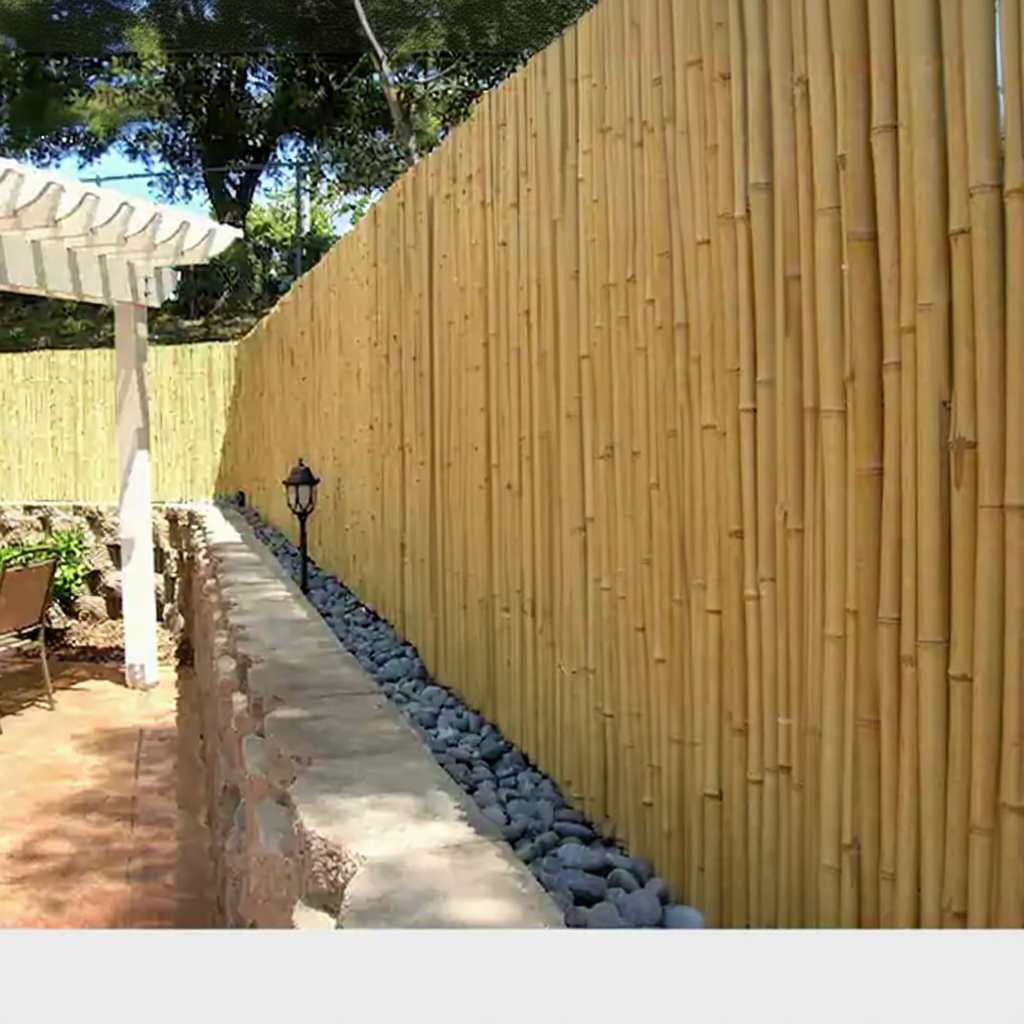
Natural Bamboo Fence High Quality ISO9001 for Certified 6 Feet Indoor/Outdoor Use Easy Assembly 100% Raw Bamboo Customized
A 6 ft natural bamboo screen for courtyard privacy, side-return screening and light commercial landscaping. Confirm straightness, node spacing, binding method and coating suitability before exposed coastal use.
View product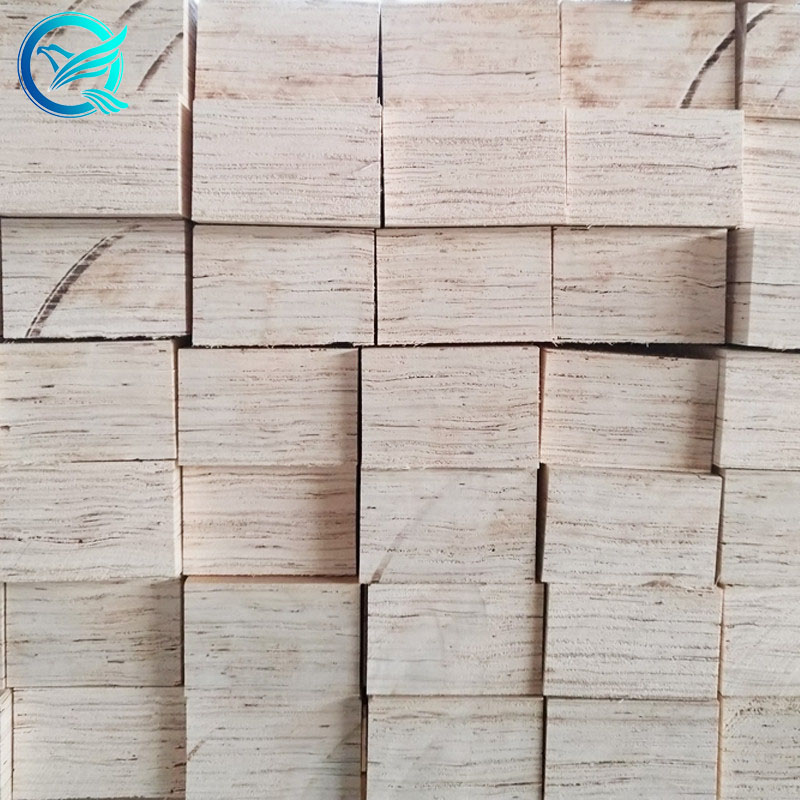
Poplar LVL Beams Laminated Veneer Lumber Board Double-Sided Decorative Surface for Bed Slats Packing Boxes Exterior Use
Engineered veneer lumber for bed slats, packing boxes, secondary framing and decorative surfaces. Specify glue class, thickness tolerance and moisture exposure so the LVL suits the intended Sydney application.
View product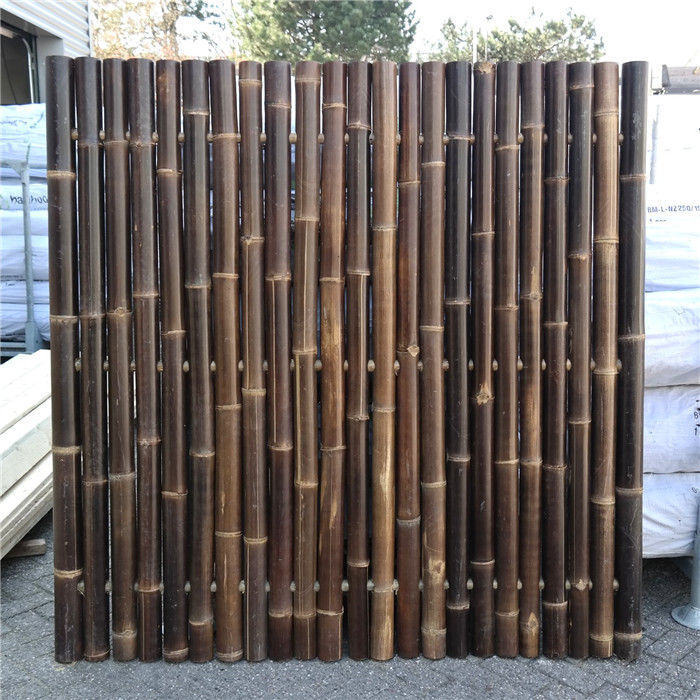
High 2m Bamboo Fence Screening
A taller screening option for terraces, courtyards and boundary separation. Plan wind loading, base fixing, drainage and maintenance access—especially on exposed sites near Sydney's coastline.
View product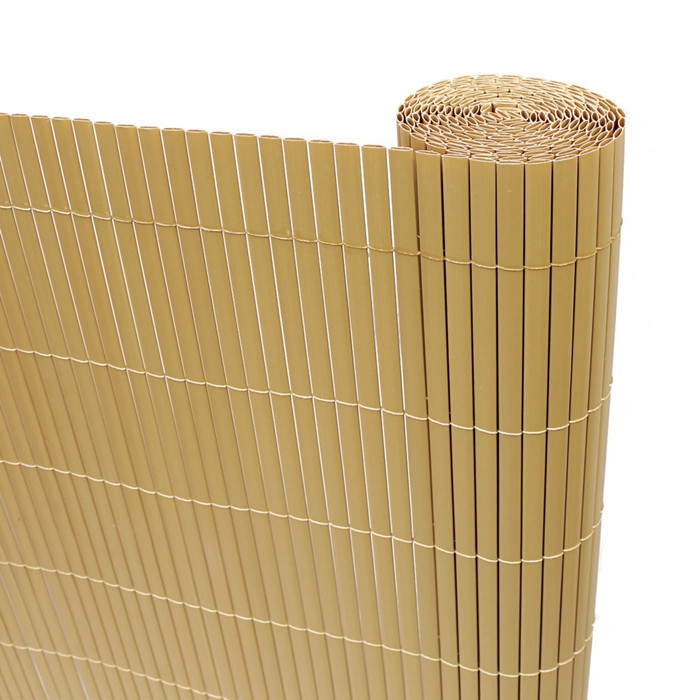
Nature Wood Frame Bamboo Fence Length 1m-12m High Straightness Rot Proof & Eco-Friendly for Livestock Farm
A wood-frame bamboo fence in lengths from 1 m to 12 m for farm, livestock and peri-urban property use. Ask for an engineered fixing proposal where wind exposure or animal loading is significant.
View product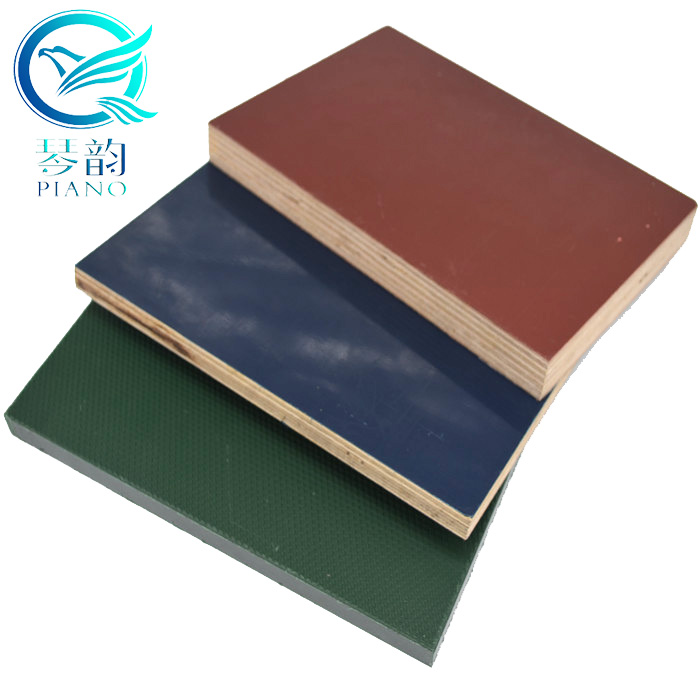
Green Color Anti-skip PP Coated Birch Plywood Sheets 6-35mm Thickness First-Class Grade MUF Glue CE Certified Double-Sided
PP-coated birch plywood with an anti-slip face for temporary walkways, contractor platforms and fit-out use. Verify MUF glue class, thickness, edge sealing and slip performance for wet sites.
View product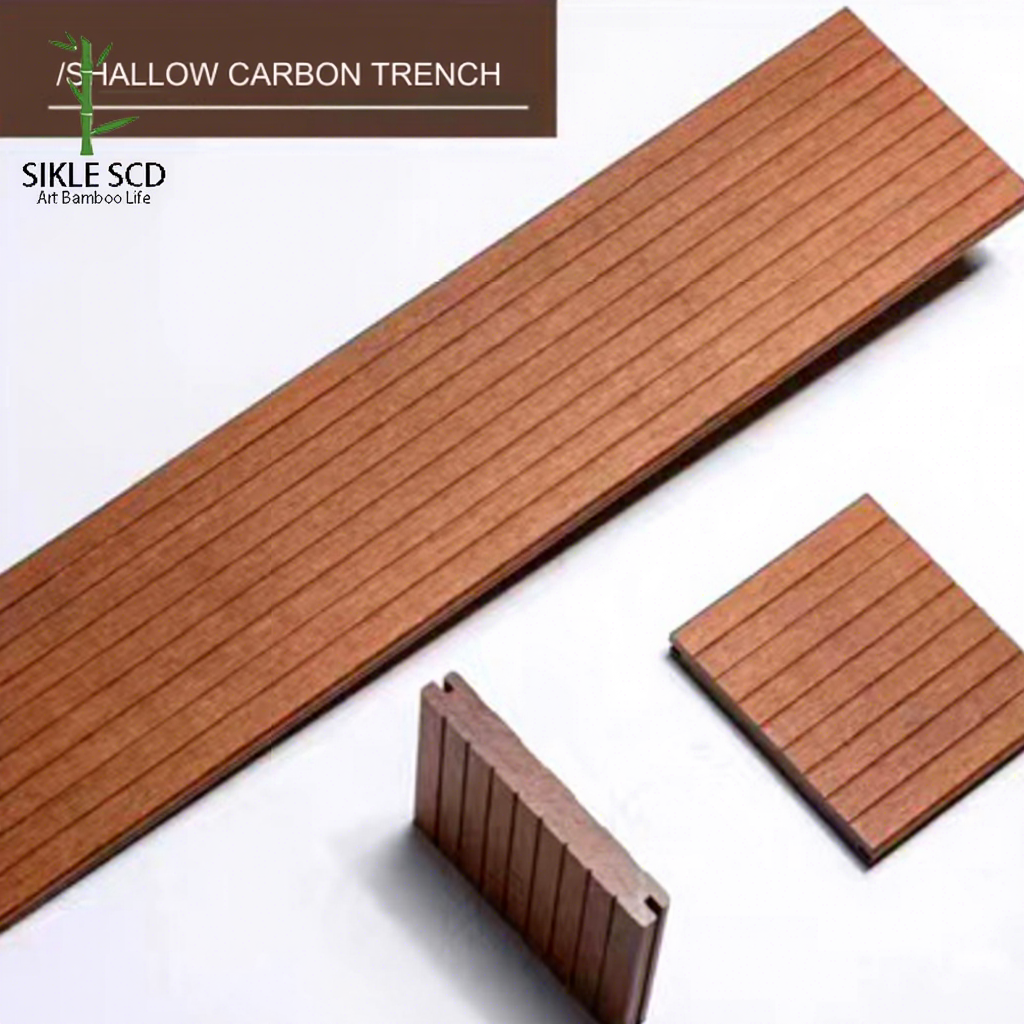
SIKLE SCD Bamboo Decking Solid Bamboo Shallow Deep Carbon 13 Coating Finish Hotel Use 5+ Year Warranty E1 Formaldehyde Standard
Carbonised solid bamboo decking for hotel terraces, courtyards and residential outdoor rooms. The listed 5+ year warranty and E1 formaldehyde standard should be verified against the exact finish and substrate detail.
View product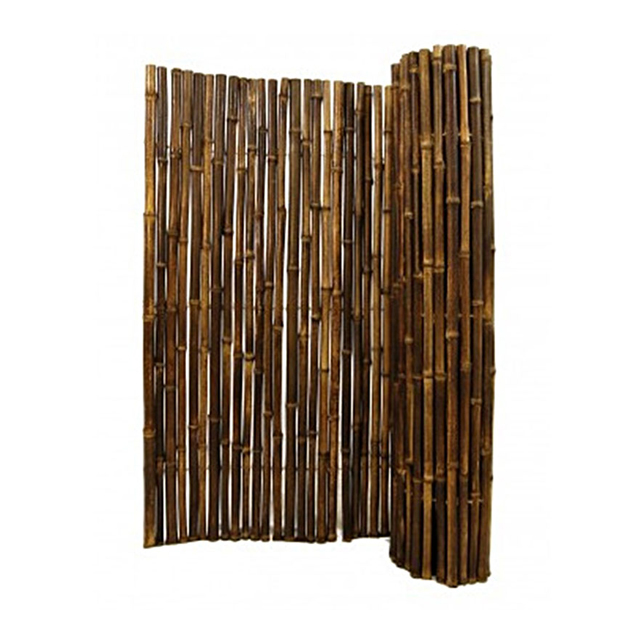
Piano Tall Bamboo Fencing 20mm-30mm Eco-Friendly Waterproof Rot Proof Heat Treated Wood Frame Yellow CE2 Certified Garden
A heat-treated tall bamboo fence with yellow wood frame for garden screening and privacy. Request treatment records, frame details and a fixing method that keeps airflow behind the screen.
View product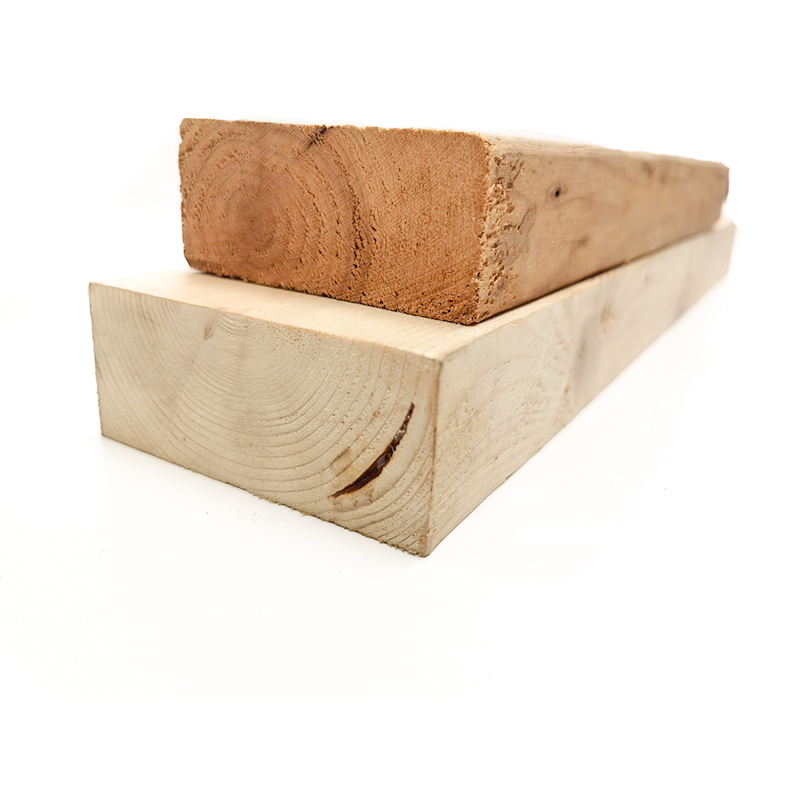
2x6 LVL Board
A 2x6 laminated veneer lumber board for packaging, temporary works, furniture components and secondary structure. Confirm span, load path and finish with a qualified engineer before structural use.
View productWhy Sydney rewards a different bamboo cladding checklist
Bamboo cladding in Sydney is rarely a simple “boards on a wall” purchase. A façade or privacy screen in Bondi, a strata courtyard in Parramatta, a hotel terrace near Darling Harbour and a rural fence on the city fringe face different combinations of salt-laden air, driving rain, UV, wind uplift, council notification and installer competence. The most useful shortlist is therefore not the one with the lowest headline price. It is the one that can prove the material, detail the fixing system and support installation with documentation.
This page is deliberately not a paid directory of ten factory names. It applies a 10-point filter that our export team uses when a Sydney buyer asks for support on a bamboo cladding, screening or exterior panel project. The product range above includes bamboo fence and screen systems, bamboo decking, birch plywood and LVL because many Sydney imports are mixed containers rather than single-product orders.
The supplier behind this guide, Shanghai Dorni International Trading Co., Ltd., is a China-based exporter, not a Sydney factory. That distinction matters: a local factory may offer faster site visits, while an export factory must give you stronger evidence on material control, packing, documents, container loading and pre-shipment inspection. The best result usually comes from comparing both models on the same technical basis.
Use the criteria below when you compare the top 10 bamboo cladding factories and exporters in Sydney—or any number of quotes. Apply the same questions to each supplier, record the answers and request evidence for the exact product specification you intend to import.
What this page covers
A practical, evidence-led view of external bamboo cladding and screening for Sydney buyers.
- 10 factory and exporter selection filters
- Sydney coastal, courtyard and strata applications
- Local trends in carbonised finishes and prefabrication
- Landed-cost and container planning
- Documentation, biosecurity and NCC cautions
- Original supplier strengths and FAQ
The 10 checks we would apply to every Sydney bamboo cladding factory or exporter
“Top 10” should mean ten verifiable tests—not ten paid logos. Use these checks to separate a genuine project supplier from a trading page with recycled specifications.
Define the bamboo material
Clarify split culm, carbonised strip, strand-woven bamboo or composite. Density, node treatment and thickness tolerance determine appearance, stability and fixing design.
Match finish to Sydney exposure
Ask for coating data, pre-treatment, UV resistance and salt-spray expectations. Coastal wind-driven rain and summer sun are harder on a screen than a project photo suggests.
Detail the cavity and fixings
Ventilated rainscreen principles, stainless fixings, expansion gaps and drainage matter. A poor fixing detail can ruin a good bamboo board faster than the product itself.
Ask for fire evidence
Bamboo is an organic material. For NCC or bushfire-prone sites, request test evidence for the complete assembly and confirm with your certifier. Do not accept generic “fireproof” claims.
Check moisture movement
Ask for acclimatisation, maximum unsupported span, board gap and maintenance instructions. Sydney's humid spells and dry westerly winds can stress poorly specified screens.
Audit the factory, not only the office
Look for production lines, in-house QC, material traceability and container-loading photos. SGS assessment, ISO 9001 and factory video evidence are more useful than a generic brochure.
Read certificates correctly
ISO 9001 is a quality system; CE is not an Australian compliance mark; FSC relates to chain of custody. Check the scope, product and certificate holder before relying on a logo.
Calculate the landed cost
Compare product, packing, freight, insurance, Australian port charges, customs brokerage, duty, GST, delivery and installation—not just FOB price per square metre.
Protect continuity and spares
Ask about batch consistency, replacement boards, spare fixings, lead time and written care. A 5+ year warranty is only useful if the supplier can support future replacement.
Stress-test communication
Send a drawing, sample request and document list before deposit. Fast, specific replies with marked-up details indicate a supplier that can handle Sydney project administration.
Where bamboo cladding and screening perform in Sydney
Use the application to drive the specification. A salt-sprayed ocean-facing façade, an internal courtyard screen and a hotel pool surround should not be bought from the same generic line item.
Coastal façades and screens
For Bondi, Manly or Cronulla exposure, specify stainless fixings, a drained cavity and a finish that can be maintained. Salt spray accelerates corrosion on poor fixings before bamboo boards show wear.
Courtyard and strata privacy
Courtyard screening in Parramatta or inner Sydney often needs privacy without blocking air. Check strata approval, boundary height, fixing to common property and access for future maintenance.
Hotels and commercial landscape
Hospitality terraces and commercial gardens need repeatable modules, spare boards and colour consistency. Prefabricated screen panels can reduce site labour and protect the finish during installation.
Pool surrounds and garden rooms
Poolside and garden-room projects need slip resistance, drainage and breathable details. For bushland-edge or bushfire-prone sites, confirm fire performance separately; bamboo cladding is not automatically compliant.
Localised trends shaping bamboo cladding procurement
These trends come from quote requests, specification questions and installation feedback—not from a generic global trend report.
Carbonised and deeper tones
Darker carbonised bamboo finishes remain popular for façades, screens and decking. Buyers are asking for sample approval and batch photos because visual variation matters more on large elevations.
Mixed-material exterior packages
Bamboo screens are increasingly quoted with LVL, plywood or engineered timber in the same container. Mixed supply reduces freight complexity but increases the need for one clear specification schedule.
Prefabricated screen modules
Sydney installers are asking for cut-to-size panels, pre-drilled rails and labelled bundles. Prefabrication can reduce waste and site time, but the shop drawing must resolve wind and fixing loads.
Evidence-led procurement
More clients want certificates, treatment records, pre-shipment photos and third-party inspection before release. This is healthy: it shifts the conversation from brochure claims to verifiable documents.
From China to Sydney: how to read a bamboo cladding quote
A low FOB price can hide high packing, low container utilisation or expensive Australian charges. Ask for a cost breakdown that separates product, packaging, ocean freight, insurance, port charges, customs clearance, GST, duty, delivery and installation.
The bar chart is an illustrative planning model, not a quotation. Actual proportions vary with volume, Incoterm, port schedule, product mix, tariff classification and whether you use a Sydney warehouse or direct site delivery.
Inside the exporter behind the range
Shanghai Dorni International Trading Co., Ltd. has exported wood panels and building materials since 2008. The company is supported by an affiliated mill in Dangshan County, Anhui Province, with three complete production lines covering peeling, pressing, calibrating, sanding and container loading.
The mill is managed under ISO 9001 and production is controlled to CE requirements. FSC-certified material is available, and the company has been assessed on-site by SGS Group. Production can be graded to BSI, IHPA, JPIS, GB or a buyer's own specification, with dedicated QC checks on incoming raw materials and finished goods before loading.
For Sydney buyers, the practical advantage is not a vague claim of “factory direct”. It is the ability to consolidate bamboo screens, decking, plywood and LVL, document the specification, inspect before shipment and load from a known port with clear Incoterms. Customisation is available on a sample, design or private-label basis, including logo printing, edge sealing, packaging and grading.
- Export experience since 2008
- Affiliated mill with 3 production lines
- 6,000 m³ monthly plywood capacity
- ISO 9001, CE-controlled production
- FSC-certified material available
- SGS on-site supplier assessment
- Incoming material and final QC checks
- ODM, OEM and private-label support
Years in export
Trading wood panels and building materials since 2008.
Monthly capacity
Plywood output from the affiliated mill.
Production lines
Peeling, pressing, calibration, sanding and loading.
Thickness range
MR, ML, WBP, E2, E1 and E0 options available.
Documents Sydney buyers should request before deposit
Use the same document list for every factory or exporter you compare. A supplier that can answer precisely—and attach evidence—is usually easier to manage through production and shipping.
Specification sheet
Product type, dimensions, tolerance, density, coating, glue class, edge treatment and packing method.
Certificate scope
Current ISO 9001, FSC or CE-related documents with the exact product and certificate holder shown.
Inspection plan
Incoming material checks, in-process controls, final inspection photos and third-party inspection options.
Shipping plan
Loading port, Incoterm, container utilisation, estimated schedule and document handover before sailing.
Common questions from Sydney buyers comparing bamboo cladding suppliers
Direct answers to the commercial, technical and documentation questions that appear most often during first enquiries.
Are you a Sydney bamboo cladding factory or an overseas exporter?
Shanghai Dorni International Trading Co., Ltd. is a China-based exporter supported by an affiliated mill. We are not a Sydney manufacturer or warehouse. For Sydney projects, we support specification review, production, pre-shipment inspection and export loading; local delivery and installation should be arranged with your Sydney logistics and trade partners.
What is the minimum order for bamboo screening, decking and exterior panels?
Minimum order varies by line. Standard film faced and construction plywood starts from 50 m³, roughly two 40HQ containers; 3-ply shuttering panels can start from 7–50 m³ depending on specification; bamboo decking starts from 100 m². Bamboo fencing and screen volumes depend on height, frame and packing, so send dimensions for a precise answer.
How long does shipping from China to Sydney usually take?
Allow for production, inspection, inland transport to port, vessel schedule, ocean transit, Australian clearance and delivery. As a planning guide, many buyers allow several weeks for production plus several weeks of shipping and clearance, but schedules vary by product, port and season. Ask for a week-by-week schedule before you commit to a site programme.
What Australian compliance and biosecurity documents should I check?
Request the commercial invoice, packing list, bill of lading, certificate of origin if applicable, treatment or manufacturing declarations, and product-specific certification. Australian biosecurity requirements can vary by material and packing, so confirm with your licensed customs broker before shipment. CE, ISO and FSC logos are useful but do not by themselves prove NCC compliance.
Can bamboo cladding be used in bushfire-prone Sydney areas?
Do not assume that any bamboo cladding is suitable for a bushfire-prone site. Bamboo is an organic material, and fire performance depends on the complete wall or screen assembly. Request test evidence for the proposed system, check the applicable BAL requirements with your certifier and comply with the National Construction Code and local council conditions.
How do I compare a Sydney-made quote with an imported quote?
Put both quotes on the same basis: delivered price, square-metre coverage, fixing system, coating, warranty, sample approval, lead time, site delivery, spare allowance and documentation. Compare the landed cost—not only the product price—and include customs clearance, GST, duty, port charges, transport and installation contingency.
Can you customise length, colour, packaging or private-label branding?
Yes. The original supplier capability includes sample-based, design-based and full customisation, logo printing on film, edge-sealing colour, bundle packaging and grading to BSI, IHPA, JPIS or GB standards. For bamboo screens, provide a shop drawing or clear photo reference so length, frame and packing can be quoted accurately.
Can I request samples and a pre-shipment inspection?
Yes. Sample arrangements can be discussed before order confirmation, and pre-shipment inspection photos or third-party inspection can be coordinated. Ask for close-ups of ends, nodes, coating, frame joints, labels and loading patterns so the approved sample becomes a practical production standard rather than a shelf ornament.
Ready to shortlist a bamboo cladding exporter for your Sydney project?
Send your drawings, required dimensions, finish direction, fixing method, postcode and target delivery window. Our team will respond with the specification questions needed to prepare a practical quote and packing plan.