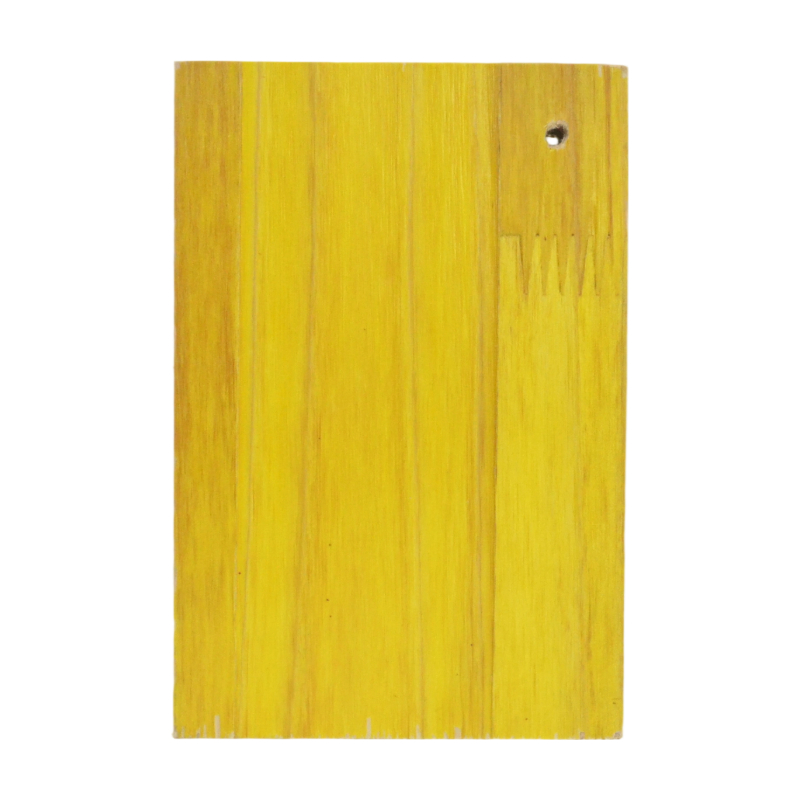
LEONKING Yellow 3-Ply Spruce Shuttering Panel
21/27 mm three-layer spruce board with sealed edges for slab and wall formwork — ordered alongside flooring packages for the site phase.
View specificationEight specifications that leave our mill most often on mixed and single-product containers bound for Wielkopolska — strand woven bamboo decking and screens for the finished space, marine plywood, LVL and shuttering panels for the build phase.
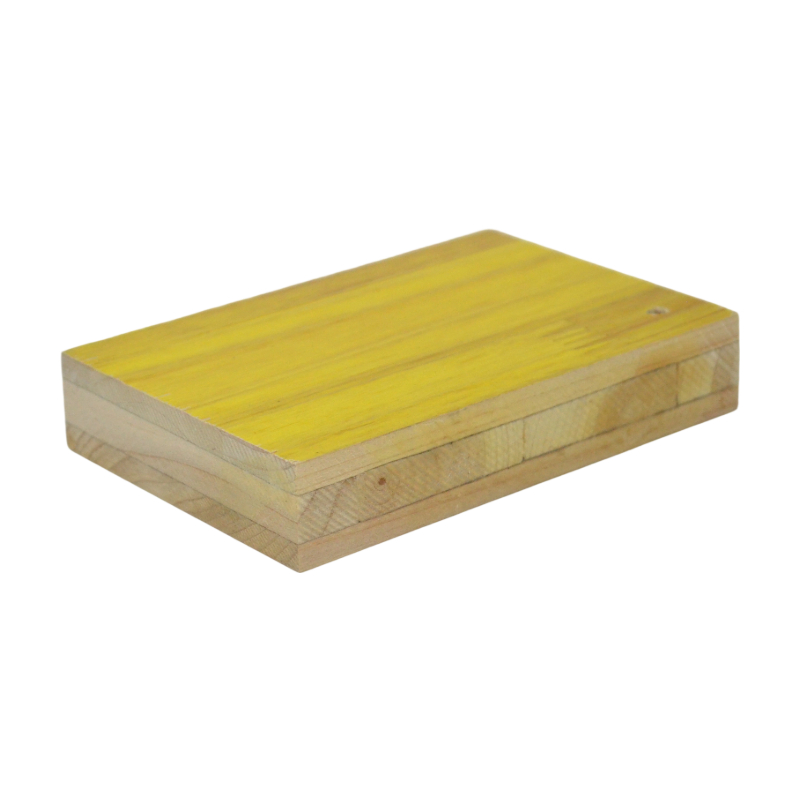
21/27 mm three-layer spruce board with sealed edges for slab and wall formwork — ordered alongside flooring packages for the site phase.
View specification
1220 × 2440 mm in 18/25/28 mm with a 0.5 mm phenolic face and E0 glue line — specified for wet rooms, kitchen plinths and bathroom pods.
View specification
Double-sided decorative surface for bed slats, packaging frames, door cores and dry-construction sub-frames; exterior glue line available.
View specification
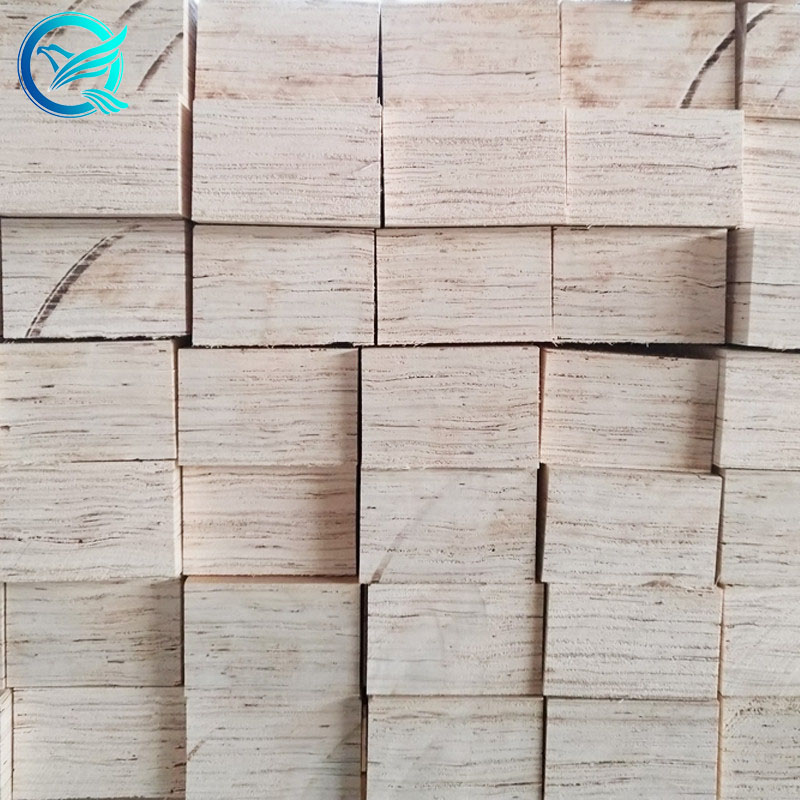
Pine formwork board engineered for fast assembly on concrete slab construction, with tight thickness tolerance for reusable panel systems.
View specification
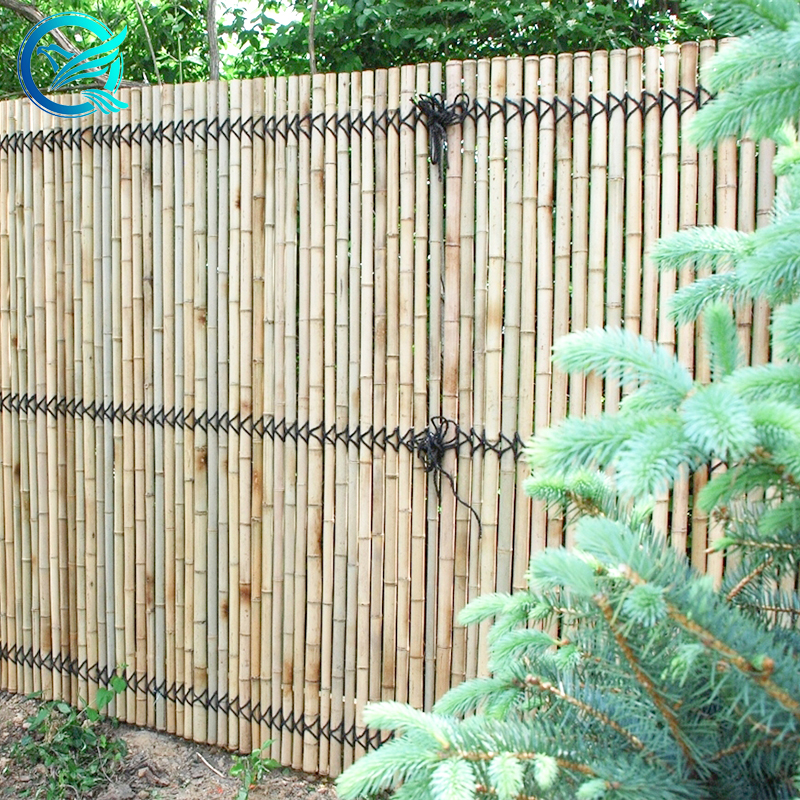
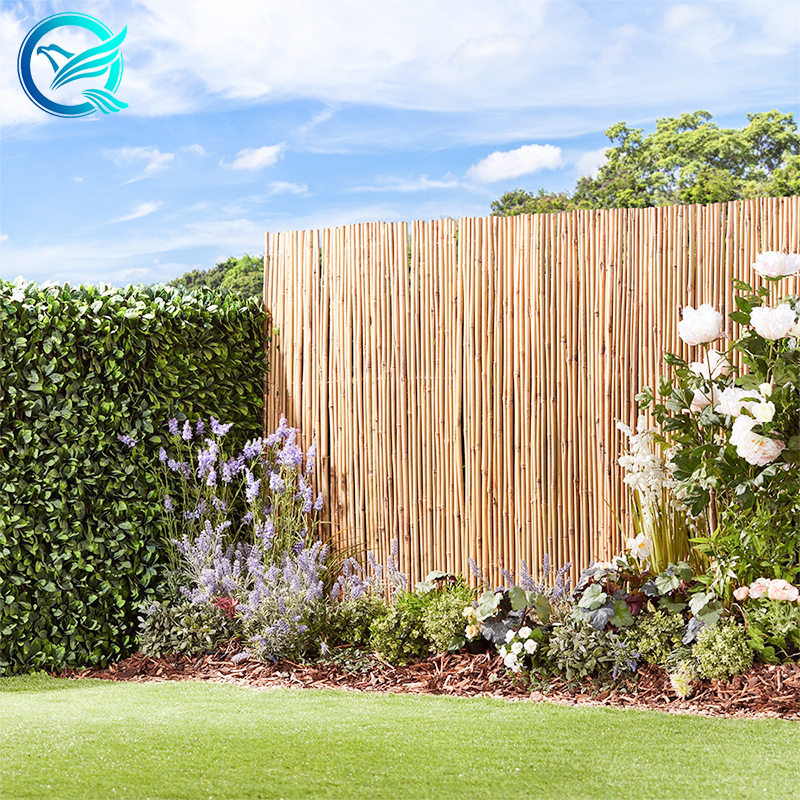
Rolled bamboo matting for garden fencing and gate infill — a low-cost way to finish hotel courtyards and restaurant terraces.
View specification
Half-split bamboo screen panels for garden and terrace screening, supplied with matching posts, capping and fixing sets.
View specification
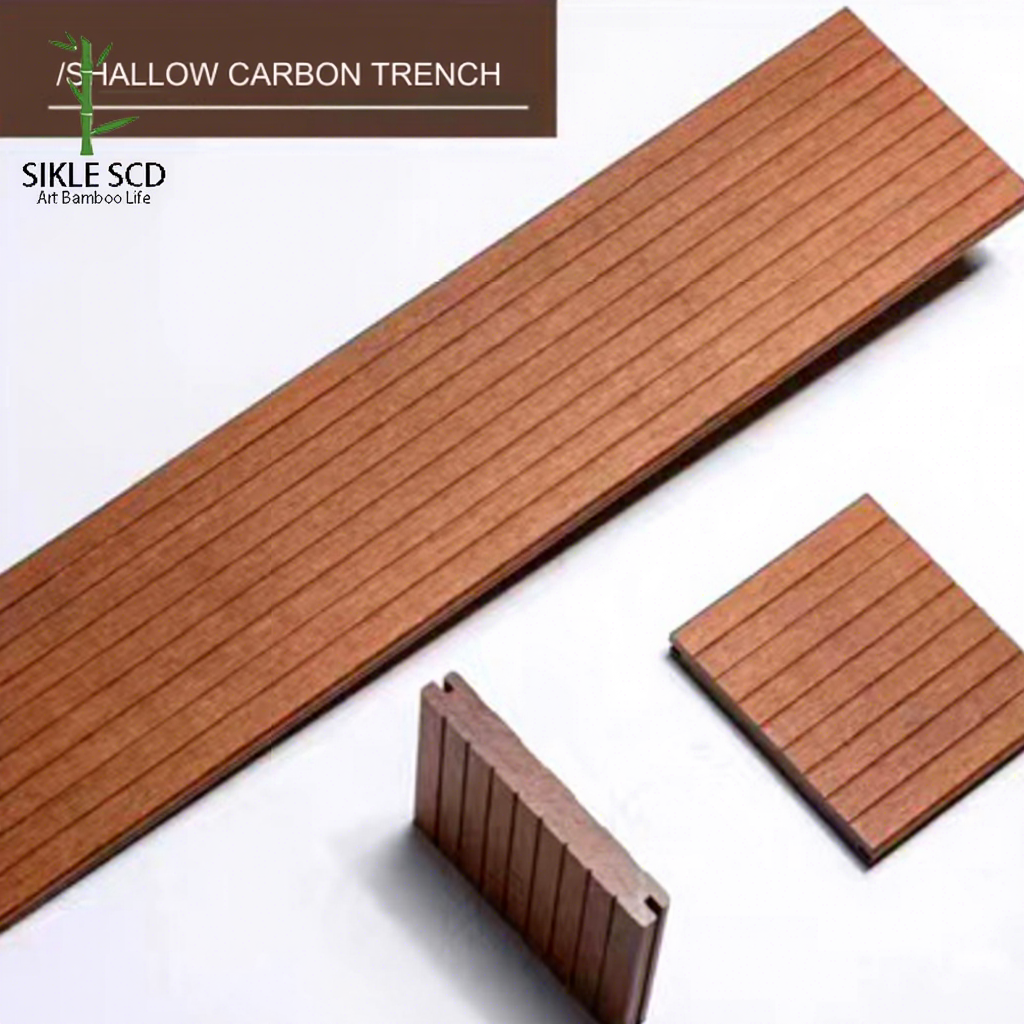
Shallow-to-deep carbonised strand bamboo with a 13-coat finish, 5+ year warranty and E1 formaldehyde class — the spec used in hotel and pool projects.
View specification
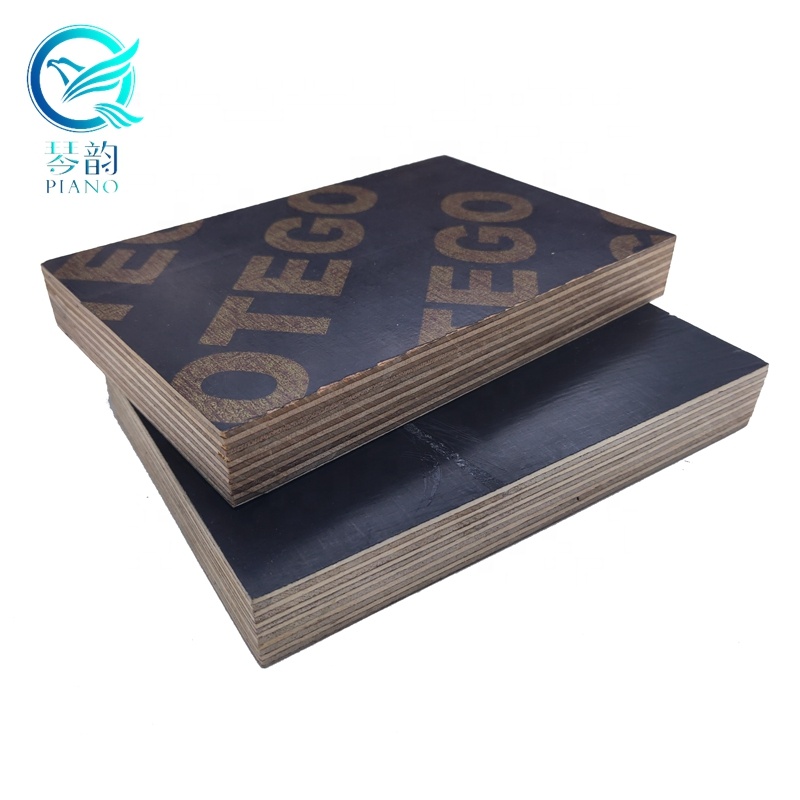
Spruce-pine-fir core shuttering plywood in 21/27 mm with UV and WBP paint coating, sealed for repeated concrete pours.
View specificationColours, plank sizes, wear layers, click systems, MOQ per SKU and Polish-language documentation — in one PDF.
Poznań sits in a transitional climate between oceanic and continental Europe: mean January temperature near −2 °C, July near +19 °C, and indoor relative humidity that can swing from 30 % in a heated February to 65 % in an unshaded July.
That humidity swing, not foot traffic, is the single largest cause of flooring complaints in Wielkopolska. Ordinary bamboo flooring — the three-layer horizontal or vertical strip product sold in most DIY chains — is made from bamboo culms cut into slats and glued face-to-face. It is dimensionally stable enough for a controlled interior, but the glue lines between slats remain the weak point once relative humidity starts moving seasonally. Strand woven bamboo is manufactured differently. The culms are split and mechanically crushed into long fibrous strands, dried to a controlled moisture content, impregnated with resin under vacuum, and then pressed at high pressure and temperature into a block that behaves much closer to a homogeneous engineered material than to a laminated one.
The result is a plank with a pressed density of roughly 1,050 to 1,200 kg/m³ — against approximately 700 kg/m³ for European oak and around 500 kg/m³ for pine. Higher density means higher resistance to point loading, which is exactly what a hotel corridor, a restaurant floor or a rental apartment in Jeżyce actually experiences. It also means the material takes far longer to reach moisture equilibrium, so the acclimatisation window before installation is longer and must be respected rather than rushed.
There are two colour routes. Natural strand woven bamboo is pressed without thermal treatment and keeps a pale, warm straw tone. Carbonised bamboo is steamed under pressure before pressing, which caramelises the sugars in the fibre and produces the deep honey-brown that most Poznań hotel and restaurant specifiers ask for. Carbonisation slightly reduces hardness, which is why a serious supplier will tell you which route a given SKU uses rather than showing a single hardness claim for the whole range.
What separates a floor that survives ten Wielkopolska winters from one that cups in the third is not the raw material — it is the process around it. Five checkpoints matter. First, the density figure must come from an actual test report, not from a brochure. Second, the formaldehyde class must be declared to EN 717-1, because Polish clients and their consultants now read that line item. Third, the wear layer and lacquer build — a 0.5 mm wear layer under seven to nine UV-cured coats behaves very differently from a 0.3 mm layer under three. Fourth, the click or tongue geometry, because a joint that is 0.2 mm out of tolerance will open under seasonal movement. Fifth, the edge seal: a micro-bevel that has been correctly sealed slows moisture ingress at exactly the point where failures start.
We publish all five figures per batch. That is the difference between buying a floor and buying a specification.
Janka side-hardness values below are typical ranges from batch test reports, not best-case marketing numbers. Use them to position bamboo against the oak and maple specifications already written into a Polish tender.
| Property | Test Standard | Declared Value | Why It Matters in Poznań |
|---|---|---|---|
| Density | EN 323 | 1,050–1,200 kg/m³ | Point-load resistance in corridors, cafés and rental units |
| Janka hardness | ASTM D1037 | 3,200–3,800 lbf | Competes directly with oak specifications in tenders |
| Formaldehyde | EN 717-1 | E1 (≤0.124 mg/m³); E0 on request | Indoor air quality for WELL and BREEAM credits |
| Reaction to fire | EN 13501-1 | Bfl-s1 (treated plank) | Escape routes and public interiors |
| Slip resistance | EN 13893 | DS ≥ 0.30 (dry) | Restaurant and hotel public areas |
| Thermal resistance | EN 12664 | ≈ 0.08 m²K/W at 15 mm | Underfloor heating compatibility |
| Dimensional stability | EN 318 | ≤ 0.25 % per 1 % MC change | Survives the winter/summer RH swing |
The city is not a single market. A refurbished kamienica in Śródka, a hotel beside Lake Malta and a logistics office near Ławica each impose a different requirement on the same material.
Hospitality refurbishments need a floor that survives luggage trolleys, feels warm underfoot in February and stays quiet between rooms. A 1,050 kg/m³ strand woven plank over an acoustic underlay meets Class 32/33 traffic while keeping the build-up under 15 mm.
Most of Poznań's current office activity is refurbishment, not new build. A prefinished plank with a 10 mm build-up goes over existing screed without cutting door heights, and E1/E0 boards support WELL and BREEAM indoor-air credits.
Pre-1945 kamienice bring uneven joists, 2.6 m ceilings and original door leaves that cannot be trimmed. A floating system with 8–10 mm total build-up and a 10 mm perimeter expansion gap solves both problems without touching the staircase.
Showrooms and stands around the Poznań International Fair precinct need demountable, reusable surfaces. Click-lock bamboo planks can be lifted and relaid three or four times without damage to the joint — a genuine cost advantage for exhibition contractors.
Hotel spas and the pool zones around Lake Malta combine high humidity with bare feet and chlorinated water. Strand bamboo decking rated R10/R11 slip resistance, fixed on a ventilated sub-frame with stainless clips, handles that environment far better than solid hardwood.
Poznań's build-to-rent pipeline needs one specification repeated across hundreds of units: consistent batch colour, E1 formaldehyde and a surface that can be re-lacquered after a tenancy rather than replaced. Batching is agreed at order stage and held for the duration of the project.
These are the four shifts our Poznań customers raise most often in the first fifteen minutes of a technical conversation.
Since the WT 2021 energy rules took effect, heat pumps paired with low-temperature underfloor heating have become the default in new Polish housing. A 15 mm bamboo plank sits at roughly 0.08 m²K/W thermal resistance — comfortably inside the 0.15 m²K/W ceiling most heating-system suppliers accept.
Municipal projects funded through the national recovery plan and the Wielkopolska regional programme increasingly ask for EPDs, FSC chain of custody and a Polish-language declaration of performance before a material is admitted to the tender shortlist.
Śródka, Jeżyce and Wilda are being refurbished building by building rather than replaced. Thin, floating, dust-free installation wins those tenders, because tenants stay in the building while the work proceeds.
China–Europe block trains into Małaszewicze and the Łódź terminal, then one to two days by truck to Poznań, cut total transit to roughly 12–18 days. Buyers can now hold three months of stock instead of six, which materially changes the working-capital calculation.
Under the Construction Products Regulation a wood flooring product placed on the Polish market needs a declaration of performance. Here is exactly what ships with our containers.
| Requirement | Document We Issue | Our Position |
|---|---|---|
| CE marking (CPR 305/2011) | Declaration of performance to EN 14342 | Issued in English and Polish; OEM version in the buyer's brand |
| Reaction to fire | EN 13501-1 classification report | Bfl-s1 on treated plank |
| Formaldehyde release | EN 717-1 chamber test | E1 as standard; E0 on request |
| Slip resistance | EN 13893 test report | DS ≥ 0.30 for dry public interiors |
| Legal harvest | EUTR / EUDR due-diligence file | FSC chain of custody plus country-of-harvest record |
| Chemicals | REACH SVHC declaration | Issued per production batch |
| Packaging EPR | Packaging weight data per SKU | Formatted for your BDO register entry |
One point is routinely missed by first-time importers. If your company is the importer of record into Poland, you are the economic operator responsible for packaging placed on the Polish market, which means a BDO register entry and the associated packaging fee. That obligation is yours, not the mill's — but it is far easier to discharge when the supplier hands you packaging weights broken down by material and SKU. We provide that data as a standard line on the packing list, so the BDO entry does not become a two-week exercise in estimation.
Equally, the declaration of performance must be issued by the manufacturer, so under OEM terms we issue the manufacturer's declaration and the supporting technical file in your brand name. That single arrangement is usually enough to move a product from a tender query list to an approved specification.
Shanghai Dorni International Trading Co., Ltd. has exported wood panels and formwork since 2008, supported by an affiliated mill in Dangshan County, Anhui Province.
Trading since 2008 across North America, Western and Eastern Europe, South America, the Middle East, North Africa and Asia — including buyers who have reordered every season since the first container.
Peeling, drying, glue lay-up, hot pressing, double-side calibration, three-head sanding and container loading platforms — all under one roof, so the specification you sign is the specification that is pressed.
Enough output to absorb a large project order without pushing routine reorders down the queue — the practical reason our lead times stay inside 25–35 days for production.
The mill is managed under an ISO 9001 quality system, production is controlled to CE requirements (CE No. 1301-CPD-0569), and FSC-certified material is available on request.
The company has been assessed on site by SGS Group and carries a 5.0 / 5 aggregate rating from 38 verified buyer reviews — records a procurement team can check independently.
Sample-based, design-based and full customization: logo printing on film, edge-seal colour, bundle packaging, and grading to BSI, IHPA, JPIS, GB or your own written standard.
Founded in 2008 and trading continuously since.
Plywood and panel output from the affiliated mill.
Peeling, pressing, calibrating and sanding in-house.
Małaszewicze and Łódź terminals, then truck to Poznań.
Orders usually leave Lianyungang (250 km from the mill) or Qingdao (450 km), on FOB, CFR, CIF, EXW, FAS or CIP terms.
Colour route, plank size, wear layer, click versus tongue-and-groove, underfloor heating, target price and destination. We answer with a written technical proposal, not a bare quotation.
A physical sample board with the exact lacquer, bevel and colour batch is couriered to Poznań, plus a written acclimatisation and installation instruction in Polish and English.
Raw material is checked on arrival and finished goods are inspected before every loading. Third-party inspection is welcome, and pre-shipment photographs are issued as standard.
Sea to Gdańsk or Gdynia, sea to Hamburg or Rotterdam plus truck, or rail to Małaszewicze with onward delivery. Documents are couriered and emailed before the vessel or train departs.
Eight questions that come up in almost every first conversation with a Polish importer, contractor or flooring distributor.
Production runs 25–35 days from confirmed deposit and approved sample. Sea freight to Gdańsk or Gdynia adds roughly 32–40 days, giving 45–60 days door to door. The rail option into Małaszewicze or the Łódź terminal takes 12–18 days, plus one to two days by truck to Poznań — realistically 35–50 days end to end. For repeat orders with agreed stock reservation, the production leg can often be shortened.
Three routes are in regular use: direct sea freight to Gdańsk or Gdynia, which suits full containers of flooring and decking; sea to Hamburg or Rotterdam followed by truck, which is often faster for western Poland; and China–Europe block trains into Małaszewicze or Łódź with onward trucking. We quote FOB Lianyungang or Qingdao, CIF Gdańsk, and DAP Poznań so the landed cost comparison is straightforward.
Yes, and it is one of the reasons the material is gaining ground here. At 15 mm thickness the thermal resistance is around 0.08 m²K/W, well below the 0.15 m²K/W figure most heating-system suppliers set as their ceiling. Keep the floor surface at or below 27 °C, commission the heating system before installation, and use a glue-down or a low-resistance underlay rather than a thick foam. Acclimatise the packs in the room for 48–72 hours at 18–22 °C and 40–60 % relative humidity.
The declaration of performance to EN 14342 in English and Polish, the EN 13501-1 fire classification, the EN 717-1 formaldehyde report, an FSC chain-of-custody invoice declaration, a REACH SVHC statement, the packing list with packaging weights broken down by material for your BDO entry, and installation and maintenance manuals in both languages. Under OEM terms the declaration of performance is issued in your brand name.
Strand woven flooring starts at 300 m² per order, or 500 m² per colour where several colours are combined. Bamboo decking starts at 100 m², bamboo screens at 49 m², 3-ply shuttering panels at 7–50 m³ depending on specification, and standard plywood at 50 m³. Mixed containers are routine — a single 40HQ can carry flooring plus accessory profiles, or flooring plus decking for the same project.
Keep the packs unopened in the installation room for 48–72 hours at 18–22 °C and 40–60 % relative humidity, then open the packs 24 hours before laying. Never install over a freshly screeded floor — a cement screed needs roughly one week per centimetre of thickness to dry, and a moisture reading must be taken first. In heated apartments, a small humidifier in the first winter prevents the 30 % dips that cause most joint complaints.
Yes. We print cartons, labels and pallet markings to your artwork, add your EAN codes, and issue the declaration of performance and installation guide in Polish. Logo printing on the protective film, custom edge-seal colour, custom bundle packaging and grading to BSI, IHPA, JPIS or GB standards are all available on the same production run.
Residential warranties run 20–25 years and commercial warranties 5–10 years depending on wear layer and traffic class, each issued with a written maintenance schedule. The SIKLE SCD carbonised decking range carries a 5+ year warranty with an E1 formaldehyde declaration. If a batch ever falls outside the agreed specification, we replace it against the retained production sample, which is why we keep a sealed sample of every order for twelve months.
Tell us the colour route, plank size, wear layer, project location in Wielkopolska and target delivery window. Our export team will return a written proposal covering thermal performance, formaldehyde class, packaging data for your BDO entry, and landed cost to Poznań.
Get Catalog ISO 9001 · CE 1301-CPD-0569 · FSC · SGS Assessed