Poplar Combi Core Plywood Manufacturer & Exporters serving Florence
CE, FSC and ISO 9001 mill-direct supply for Florentine restoration, concrete formwork, hospitality fit-outs and precision joinery — engineered for the Arno Valley climate and shipped through Livorno.
Eight products Florentine buyers specify with poplar combi core plywood
This range covers the practical envelope around a combi-core order: formwork, structural LVL, anti-slip birch, marine plywood and bamboo screening for terraces, gardens and hospitality spaces. The product URLs below are preserved from our current catalogue; mixed-container combinations can be discussed with our export team.
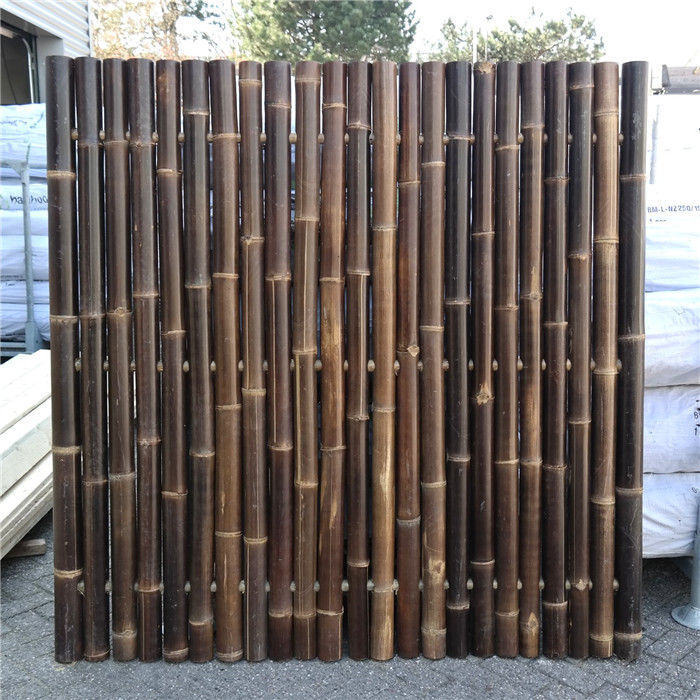
High 2m Bamboo Fence Screening
For terraces, hotel courtyards and villa gardens where a natural screen is needed without heavy construction. Pair with sealed posts and stainless fixings for Florentine humidity.
View product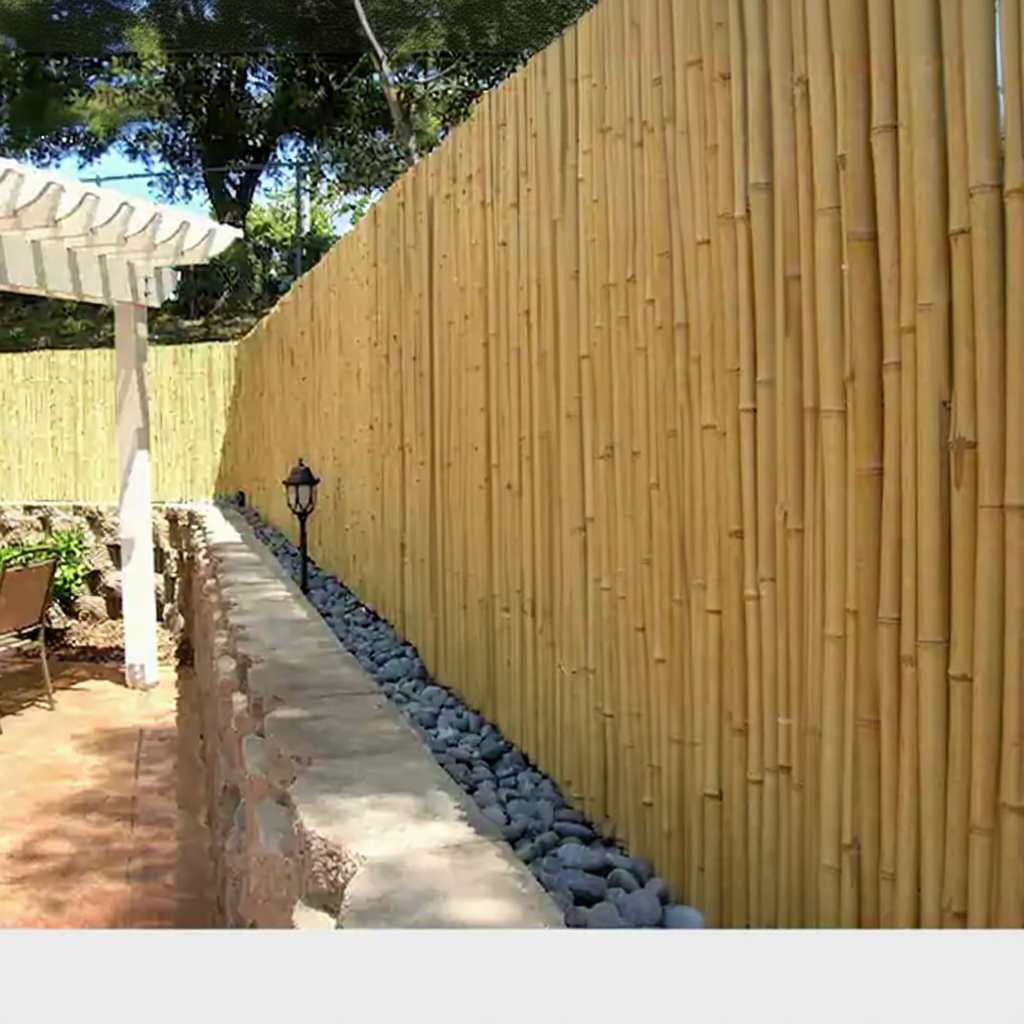
Natural Bamboo Fence High Quality ISO9001 for Certified 6 Feet Indoor/Outdoor Use Easy Assembly 100% Raw Bamboo Customized
A 6 ft natural bamboo fence for rental gardens, agriturismo and event spaces. Raw bamboo construction, ISO 9001 production and easy assembly suit fast Florence refurbishments.
View product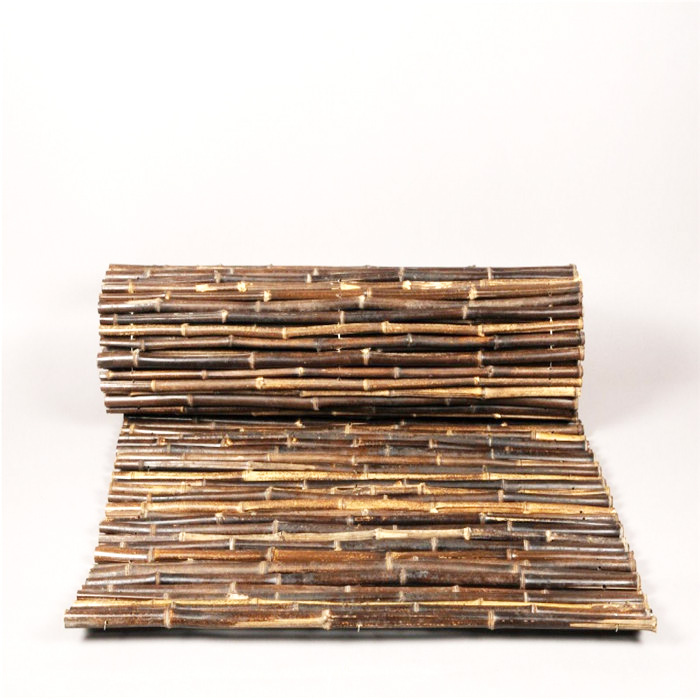
22-35mm High Straightness Bamboo Fence
Higher straightness gives clean sightlines in Oltrarno courtyards, restaurant terraces and garden divisions. A good match for projects that need a neat finish and rapid installation.
View product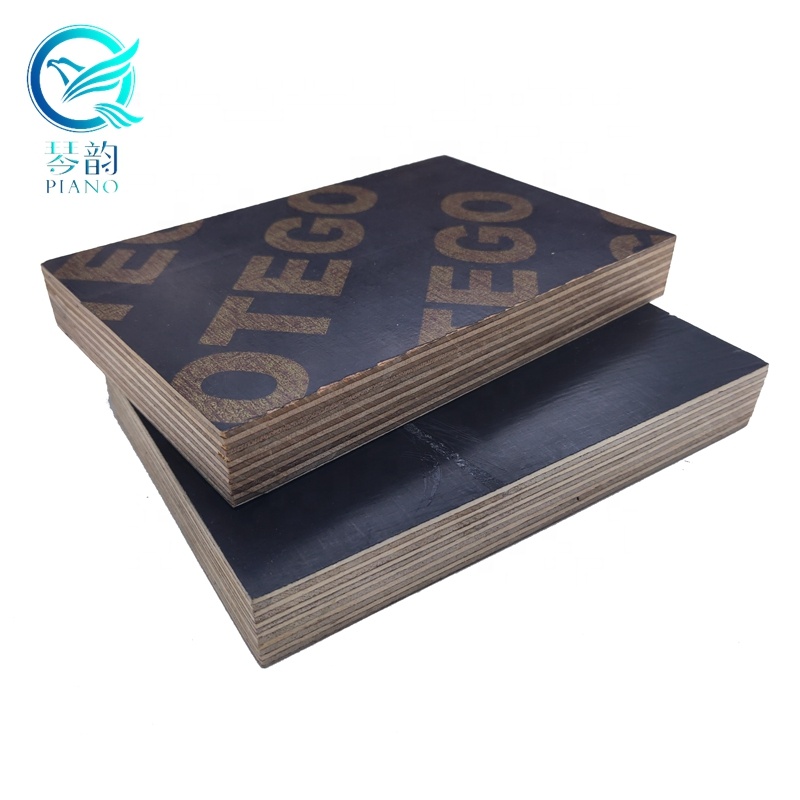
BS1088 CE ISO9001 Certified 1220×2440mm 18/25/28mm 0.5mm E0 Eucalyptus Hardwood Core Phenolic Face Marine Plywood
A marine-grade alternative for moisture-prone ground floors, kitchen zones and protected exterior joinery. CE, ISO 9001, E0 and a phenolic face support demanding Florence specifications.
View product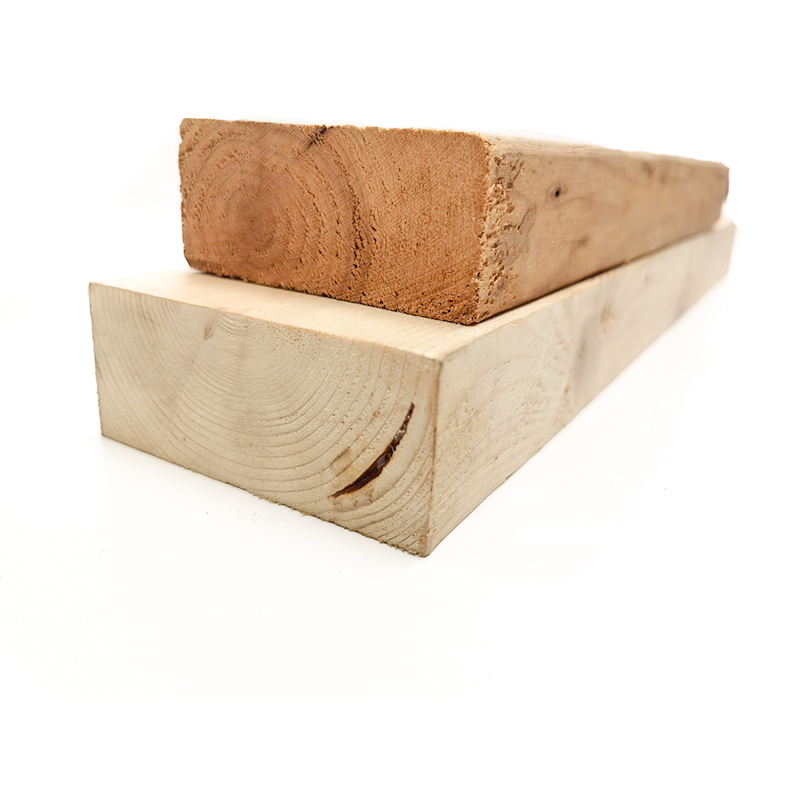
2x6 LVL Board
Engineered laminated veneer lumber for scaffold planks, formwork bearers and long-span joinery where straightness and predictable strength matter on tight Florence sites.
View product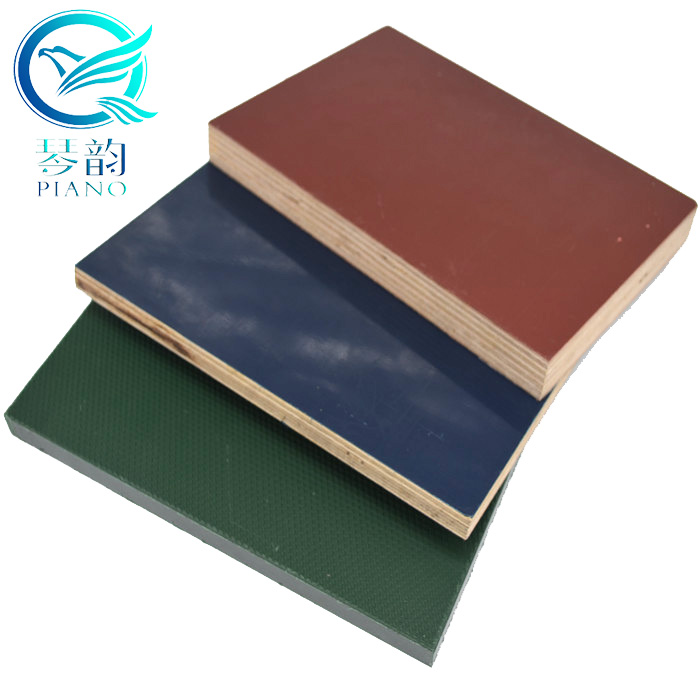
Green Color Anti-slip PP Coated Birch Plywood Sheets 6-35mm Thickness First-Class Grade MUF Glue CE Certified Double-Sided
Anti-slip flooring for temporary works, mezzanines and back-of-house areas. CE certified MUF glue and double-sided coating help keep site access safe during renovation works.
View product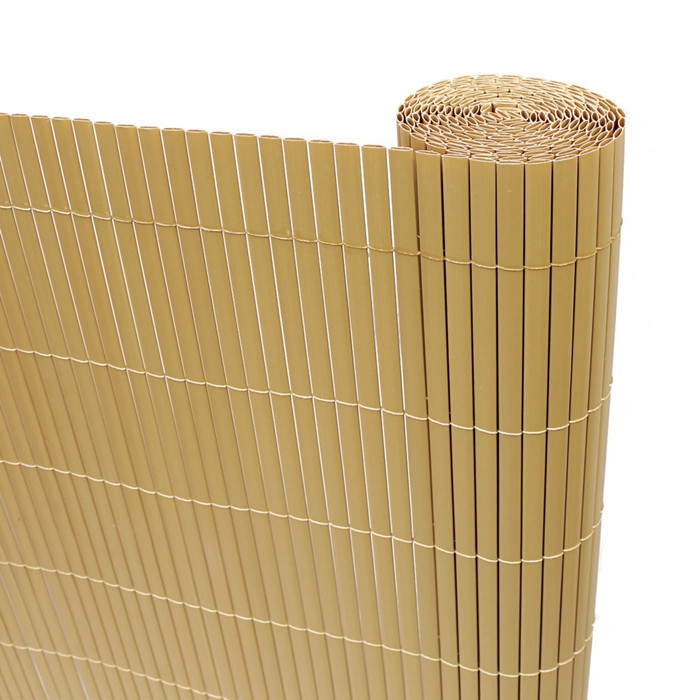
Nature Wood Frame Bamboo Fence Length 1m-12m High Straightness Rot Proof & Eco-Friendly for Livestock Farm
For rural properties in Chianti, Mugello and the Florentine countryside. Available in 1m-12m lengths, rot-proof bamboo and a wood frame for livestock and boundary use.
View product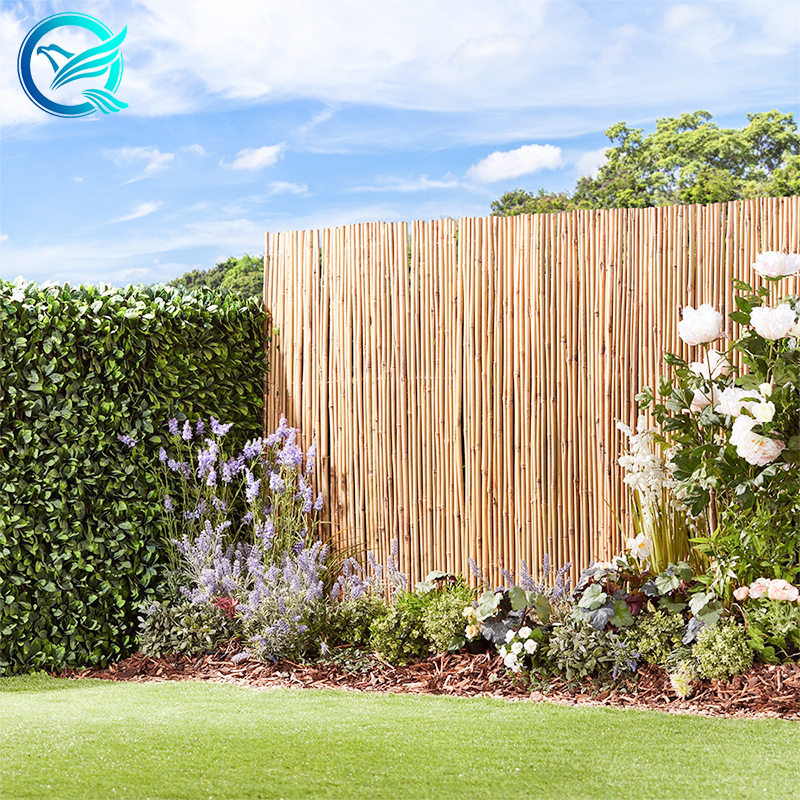
Wooden Garden Fence/bamboo Screen
A practical garden screen for Florence courtyards, hotel terraces and residential boundaries. The combination of wood frame and bamboo delivers a warm natural look with quick installation.
View productPoplar Combi Core Plywood for a City That Builds Inside History
Florence is not a greenfield construction market. The historic centre is a UNESCO World Heritage site, streets are narrow, storage is limited and many projects sit inside buildings that date back centuries. In this environment, poplar combi core plywood is valued not because it is the cheapest panel, but because it balances machinability, screw-holding, dimensional stability and predictable finishing.
A true combi core typically combines poplar face and back veneers with mixed hardwood or eucalyptus inner plies. For Florentine joiners, shopfitters and formwork contractors, this construction can reduce bowing, accept veneer and laminate well, and maintain a more stable panel in the seasonal humidity of the Arno Valley. For interiors, specify E0 or E1 where low emission matters; for concrete formwork and flood-risk ground floors, specify phenolic WBP glue and sealed edges.
Shanghai Dorni International Trading Co., Ltd. supports this specification from an affiliated mill in Dangshan County, Anhui Province, backed by an export team in Shanghai. Production is managed to ISO 9001 and controlled to CE requirements, with FSC-certified material available on request and grading to BSI, IHPA, JPIS, GB or your own standard. This article is technical guidance for procurement and design discussions; final structural, fire and moisture performance must always be confirmed by the project’s Florentine engineer.
At a glance for Florence buyers
- 18mm and 21mm combi core for joinery, fit-outs and general formwork
- Phenolic WBP glue for basements, retaining walls and repeated pours
- E0/E1 low-emission options for hotels, museums and residential interiors
- Edge sealing and precise cut-to-size for humid, space-limited sites
- CE, ISO 9001, FSC and SGS documentation available for procurement
- Livorno routing and mixed-container support for Florentine importers
Years in export
Founded in 2008, supplying wood panels to international buyers ever since.
Monthly capacity
Plywood output from the affiliated mill, controlled from peeling to loading.
Complete lines
Peeling, pressing, calibration, sanding and container loading in-house.
Technical response
Specification review for glue, core, surface, size and packaging.
What Is Poplar Combi Core Plywood? A Technical Brief for Florence Buyers
“Combi” is not a decorative label. It describes a mixed veneer core strategy that lets buyers tune the panel for weight, machining, screw-holding, moisture exposure and price. For Florence, the correct build-up depends on whether the panel will be painted, veneered, filmed, edge-sealed or used in formwork.
Core architecture
Poplar face and back veneers are combined with inner hardwood or eucalyptus plies. This gives a lighter panel than full hardwood while improving screw-holding and resisting warping in interior joinery.
Glue and emission
MR, melamine and phenolic WBP are available, with E2, E1 and E0 grades. For Florentine interiors, E0/E1 supports low-emission specifications; phenolic WBP is preferred for formwork and damp ground floors.
Surfaces and machining
Film-faced, anti-slip, PP-coated and sanded surfaces can be produced. Combi core machines cleanly for CNC, edge-banding, veneering and painting — useful in Oltrarno workshops and hotel fit-out factories.
Tolerances and sizes
Thickness can range from 2.2 mm to 30 mm. Common formats include 1220×2440, 1250×2500, 1500×3000 and 915×1830 mm. Custom sizes and cut-to-size bundles help when Florence storage is tight.
Production is managed to ISO 9001 and controlled to CE requirements, CE No. 1301-CPD-0569. Grading can follow BSI, IHPA, JPIS, GB or customer specifications. FSC-certified material is available on request; documentation should be confirmed at quotation stage.
Recommended Poplar Combi Core Specifications for Florence Projects
These recommendations are starting points for quotation and design review. Thickness, glue, surface and edge treatment should be matched to the actual exposure, fixing method, finish and expected service life of each Florentine project.
Shutters, panelling and restoration joinery
18mm poplar combi core, E0, sanded both sides, FSC where required. Suitable for non-structural shutters, wall panelling, wardrobe internals and reversible fit-out elements in the historic centre. CNC cutting helps match existing profiles.
Boutique hotels and short-term rentals
18mm combi core with E1 or E0, melamine or veneered face, edge-banded. Use for wall linings, headboards, minibar carcasses and wardrobe structures. Fast-fit modules reduce site time in constrained Santa Maria Novella buildings.
Display plinths and temporary walls
15mm or 18mm combi core with E0 and a stable sanded face. Good for vitrine bases, exhibition walls and gallery storage. Fire treatment and surface class should be confirmed with the museum’s safety consultant.
Concrete formwork near the Arno
18mm film-faced poplar combi core, phenolic WBP glue and sealed edges. Recommended for foundations, retaining walls and basement works where moisture exposure is higher. Reuse depends on handling, release agent and site care.
Flagship retail and showroom modules
18mm melamine combi core, E1, scratch-resistant face. Appropriate for display plinths, cash desks, back-wall units and modular partitions in Via de’ Tornabuoni and Santa Maria Novella retail projects.
Fiesole and Settignano villas
18mm or 21mm combi core, FSC and E0, with sealed edges for built-in wardrobes, kitchen carcasses, library shelving and ceiling panels. A stable panel helps in villas with seasonal humidity changes.
Trade fairs and event booths
12mm or 15mm combi core, E1, lightweight and reusable. Ideal for modular walls, counters and display systems at Fortezza da Basso and other Florence event venues where fast assembly matters.
Ground-floor and flood-risk areas
21mm phenolic WBP combi core with sealed edges, or a BS1088 eucalyptus marine plywood alternative from our range. Use raised base details, stainless fixings and ventilation; the panel is not a substitute for flood barriers.
For standard combi-core and film-faced plywood, typical minimum order quantities start from 50 m³, roughly two 40HQ containers. Trial and mixed-container options can be discussed for Florentine importers, distributors and fit-out contractors.
Where Poplar Combi Core Plywood Fits in Florence
Florence projects often combine heritage constraints, narrow access, high humidity and demanding finish quality. The use cases below show how combi core can be positioned in real local workflows without overstating its role.
UNESCO historic centre restoration
Use combi core for reversible, non-structural elements such as exhibition backdrops, removable panelling and joinery internals. Keep fixings independent of historic fabric and confirm every intervention with the relevant Florence authority.
Oltrarno artisan workshops
Furniture makers and restoration workshops need panels that machine cleanly, hold screws and accept veneer. Combi core is practical for prototypes, frames, carcasses and shop displays in small-batch production.
Hotel conversions in Santa Maria Novella
Boutique hotels and short-term rental operators need fast, precise fit-outs. Combi core supports wall panels, wardrobe structures, headboards and vanity bases when edges and bathroom zones are properly sealed.
Arno flood-risk ground floors
For basements and ground floors, specify phenolic WBP, sealed edges and raised base details. Combi core can support robust interior linings, but flood protection strategy remains an engineering and architectural responsibility.
Fiesole and Settignano villas
Villas in the hills above Florence often require bespoke cabinetry, library shelving and ceiling elements. A stable combi core with E0/E1 and FSC documentation suits high-specification residential interiors.
Retail and showroom fit-outs
Florentine retail projects require clean edges, repeatable modules and fast installation. Melamine combi core works for counters, plinths and back-wall systems where a consistent decorative finish is required.
Museums, galleries and exhibitions
Galleries require stable surfaces, low emissions and accurate thickness for plinths and temporary walls. Combi core also suits reusable exhibition systems where panels must be handled and stored between events.
Terraces, courtyards and gardens
Bamboo screening products from our range complement plywood-led fit-outs at hotels, villas and agriturismo properties. Use them for privacy, wind screening and garden division, with external-grade fixings and drainage details.
Local Trends Shaping Demand in Florence and Tuscany
Demand for poplar combi core plywood in Florence is being shaped by heritage rules, energy and emission targets, flood resilience, hospitality investment and the practical constraints of working in a dense historic city.
Heritage-compatible interventions
Architects and authorities increasingly prefer reversible, dry-fixed and non-invasive solutions. Combi core is well suited to removable panelling, display systems and joinery that can be adjusted without damaging historic fabric.
Low-emission specifications
E0 and E1 requirements are becoming more common in hotels, museums, schools and residential refurbishments. Buyers now ask for emission documentation before approving interior panels, not after delivery.
FSC and due diligence
European buyers are tightening timber due diligence. FSC-certified material, clear chain-of-custody documentation and consistent grading help Florentine importers answer questions from architects and main contractors.
Prefabrication for narrow streets
Florence’s limited storage and narrow access favour cut-to-size bundles, labelled modules and just-in-time delivery. Combi core can be produced to agreed sizes so site cutting and waste are reduced.
Flood resilience after the Arno
Ground-floor refurbishments increasingly consider moisture exposure. Sealed edges, phenolic WBP glue and raised base details are practical measures for joinery and formwork in flood-risk zones.
Hospitality and short-term rental
Hotel upgrades and rental conversions continue to drive demand for fast, modular fit-outs. Combi core supports repeatable wall panels, wardrobes and furniture components that can be fabricated off-site.
Circular economy and reuse
Reusable formwork, demountable exhibition systems and movable joinery are gaining attention. Choosing a stable panel with sealed edges can extend service life and improve end-of-project recovery.
Digital procurement and traceability
Florentine buyers increasingly expect photos, inspection records, certificates and loading details before shipment. Online B2B ordering and Alibaba Trade Assurance support more transparent international purchasing.
Why Dorni Is a Practical Manufacturing and Export Partner for Florence
Shanghai Dorni International Trading Co., Ltd. combines an export team in Shanghai with an affiliated mill in Dangshan County, Anhui Province. For Florentine buyers, that means one point of contact for specification, production, inspection and loading.
18+ years of export experience
Founded in 2008, Dorni has built long-term supply relationships across Europe, the Americas, the Middle East, Africa and Asia, with export documentation prepared for international buyers.
Affiliated plywood mill
The mill in Dangshan County, Anhui Province, runs peeling, drying, pressing, calibration, sanding and loading operations, giving Dorni closer control over quality and delivery.
6,000 m³ monthly capacity
Three complete production lines support a monthly plywood capacity of 6,000 m³. Mixed specifications and private-label orders can be planned around the production schedule.
Certification and assessment
ISO 9001 management, CE marking under CE No. 1301-CPD-0569, FSC-certified material on request and on-site SGS assessment give procurement teams verifiable documents to review.
Raw material and finished goods QC
The QC team inspects raw materials on-site and checks finished panels before loading. Pre-shipment photos and third-party inspection can be arranged for Florentine importers.
Custom specifications
Options include core mix, glue type, film face, anti-slip surface, edge sealing, logo printing, bundle packaging and grading to BSI, IHPA, JPIS, GB or buyer standards.
Export logistics and terms
Goods are usually loaded at Lianyungang or Qingdao port. FOB, CFR, CIF, EXW, FAS and CIP terms are accepted, with T/T, L/C, D/P and D/A available for qualified buyers.
Technical support
Our export specialists help review glue, core, surface, thickness, size and packaging against the project brief, and respond to specification questions within 24 hours where possible.
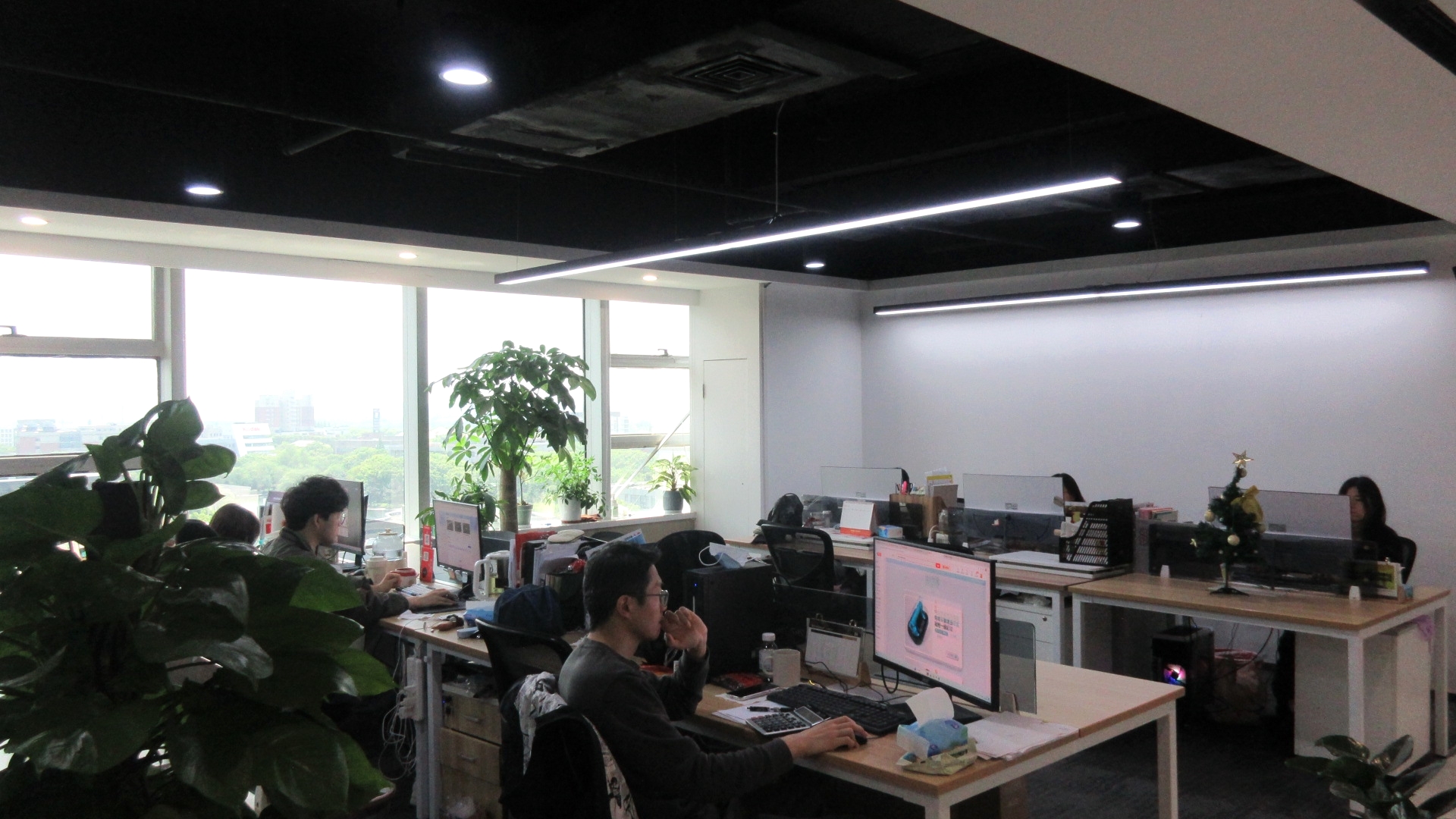
Mill-direct control, not trader-only sourcing
Dorni’s affiliated mill runs three complete production lines, from peeling and veneer drying through pressing, calibration and sanding to container loading. This structure helps Florentine buyers reduce specification drift between the approved sample and the delivered container.
For projects requiring CE, FSC, E0/E1 or specific grading, the earlier the specification is locked, the smoother the production and inspection process. Share your drawing, sample board or performance requirement, and our team will prepare a practical proposal.
Production capability at a glance
Typical indicators relevant to a Florence poplar combi core plywood enquiry. Final capacity and lead time depend on specification, order mix and production schedule.
Quality Assurance and Documentation Before Your Container Leaves China
For Florentine buyers, quality is not only about the panel surface. It is also about traceable glue, consistent thickness, edge sealing, packaging and the documents needed for import and project approval.
ISO 9001
Mill managed under an ISO 9001 quality management system.

CE Marking
Production controlled to CE requirements, CE No. 1301-CPD-0569.

FSC Available
FSC-certified material can be quoted for projects requiring chain of custody.

SGS Assessed
The company has been assessed on-site by SGS Group, supporting supplier due diligence.
Specification lock
Confirm core mix, glue, thickness, sheet size, surface, edge sealing, grading and packaging before production.
In-process checks
Veneer moisture, glue spread, press cycle, thickness tolerance and surface condition are monitored through production.
Pre-shipment inspection
Final inspection checks dimensions, bonding, film adhesion, edge paint, moisture and bundle markings, with photos recorded.
Loading and documents
Container loading is checked against the packing list. Certificates and shipment photos can be shared with the Florence buyer before departure.
Florence Procurement FAQ: Poplar Combi Core Plywood
Practical questions asked by Florentine architects, joiners, fit-out contractors and importers when comparing combi core plywood suppliers.
Which combi core grade should I specify for Florence’s humidity?
For interior joinery, E0 or E1 with a well-sanded face is usually appropriate. For formwork, basements and flood-risk ground floors, specify phenolic WBP glue and sealed edges. Florence’s summer humidity and winter damp make edge protection important, especially for panels near kitchens, bathrooms and ground-floor walls.
Can you ship poplar combi core plywood to Florence?
Yes. Goods are typically loaded at Lianyungang or Qingdao port and can be quoted on FOB, CFR, CIF, EXW, FAS or CIP terms. For Florence, the usual route is to Livorno or La Spezia, followed by truck delivery to the project or warehouse. We prepare export documents for the destination arrangement.
What is the minimum order for a first Florentine project?
Standard combi-core and film-faced orders typically start from 50 m³, roughly two 40HQ containers. Trial or mixed-container options can be discussed depending on specification and production schedule. Bamboo decking and some other product lines have different minimum quantities.
Do you provide CE, ISO and FSC documents?
ISO 9001 management and CE-controlled production are part of our quality system, with CE No. 1301-CPD-0569. FSC-certified material is available on request. The company has also been assessed on-site by SGS Group. Certificate copies and grading details can be provided for procurement review.
Can you cut panels to size or supply CNC-ready blanks?
Custom sizes, edge sealing, labelling and bundle preparation are available, subject to order quantity and specification. For complex CNC work, we recommend coordinating with your Florentine fabricator so machining, grain direction and edge treatment match the final design.
How do you manage colour and surface consistency?
Film, coating and sanded surfaces are checked against the approved specification, and pre-shipment photos help confirm the batch appearance. Natural poplar and hardwood veneers can vary in colour and grain, so project samples and approval before production are recommended.
What lead time and sample options are available?
Lead time depends on thickness, glue, surface, quantity and production schedule. Samples can be arranged by express for material review. For Florence projects with fixed installation dates, share your required arrival window early so production and Livorno routing can be planned together.
Can you support architects with specification and fire documentation?
We can provide available technical data, CE information, FSC documentation and details on glue, emission and surface options. Fire classification and project-specific compliance must be confirmed by the local Florentine designer or fire consultant, using the applicable European and Italian requirements.
Send Your Poplar Combi Core Plywood Requirements
Share core type, glue, thickness, sheet size, surface, edge sealing, quantity and destination. Our export team will prepare a practical proposal for Florence, including available certification, packing and Livorno routing options.
What to include in your inquiry
- Application: joinery, formwork, hotel fit-out, retail or exhibition
- Thickness, sheet size and required quantity
- Glue and emission: MR, melamine, phenolic WBP, E0/E1/E2
- Surface: sanded, film-faced, anti-slip or PP-coated
- Certification and grading requirements
- Destination: Florence project, warehouse or Livorno delivery