Pine LVL Factories & Suppliers Serving the Mosul Market
Engineered pine LVL, film faced formwork, H20 beams and weather-ready wood products for Nineveh reconstruction, commercial fit-out and distribution — supported by mill-direct capacity, export documentation and Mosul-specific specification guidance.
Pine LVL & Formwork Product Shortlist for Mosul Projects
Eight catalogue items commonly requested by Mosul-bound contractors, distributors and fit-out specialists. Product links and images are retained; the notes explain how each item fits local reconstruction, formwork, interior and outdoor work packages.
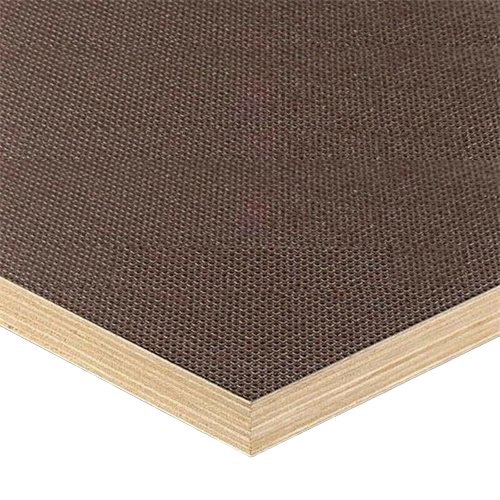
Treezo Linyi Hexa/WireMesh Anti/non-slip Artificial Veneer Pine Veneer Double-Sided Decoration Basswood E1 Water Plywood
Pine-veneer decorative panel with anti-slip/wire-mesh texture for feature walls, shop fronts, joinery and humidity-controlled interiors in Mosul hotels, homes and retail spaces.
View product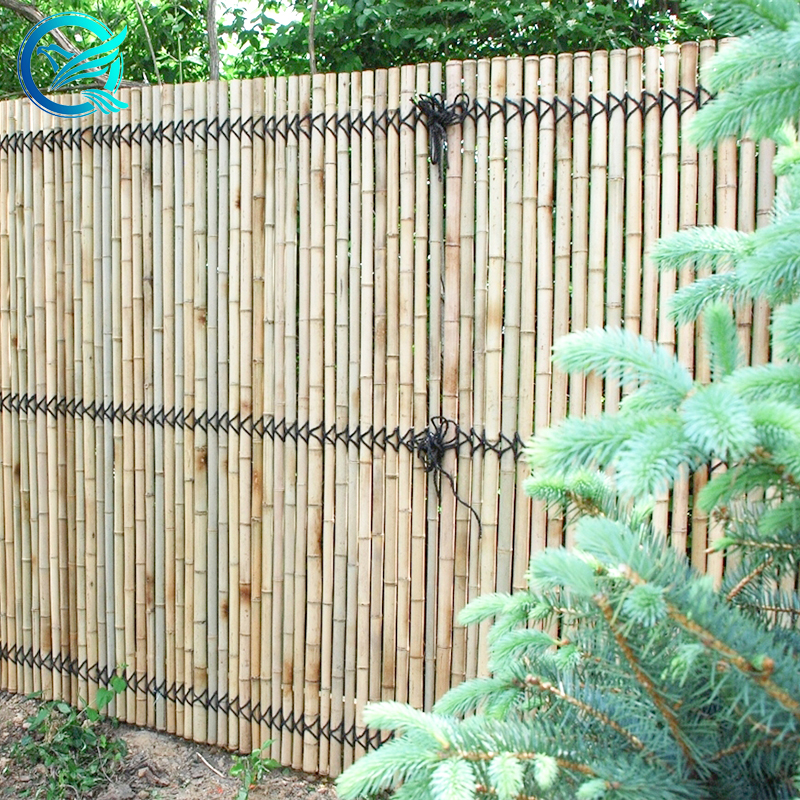
1.12x60meters Privacy Bamboo Curtain and Mat for Garden Fence and Gate
Long-roll bamboo privacy screen for courtyards, villas and hospitality gardens; useful for shade, dust screening and boundary privacy in dense Mosul neighbourhoods.
View product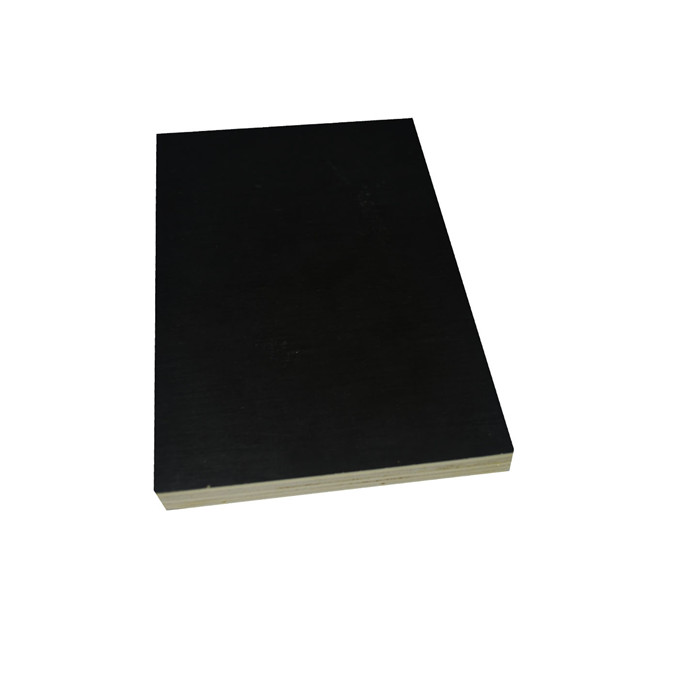
21mm Poplar Chinese Construction Siganal Film Faced Plywood for Formwork
21 mm film-faced panel for concrete walls, columns and slabs; the smooth resin film supports clean release and repeat pours in mid-rise residential and commercial projects.
View product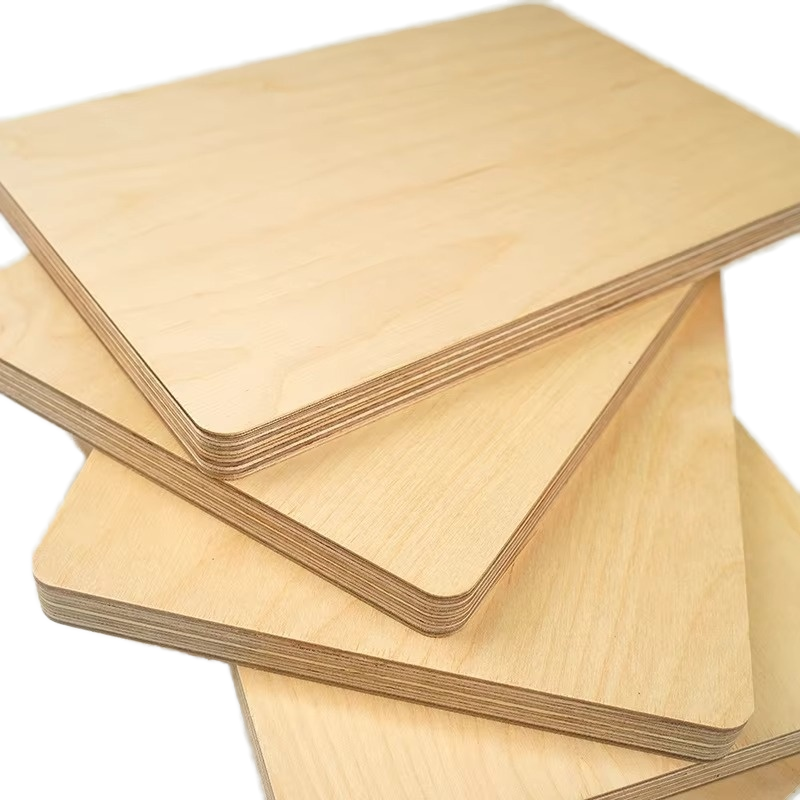
Wanhe CP-52 First-Class Poplar Birch Veneer Plywood E0 Water Resistant Modern Design 1 Year Warranty Outdoor Use Office Building
Poplar/birch veneer plywood with E0 water-resistant bond for office fit-out, furniture, wall linings and protected exterior detailing where low-emission interiors are specified.
View product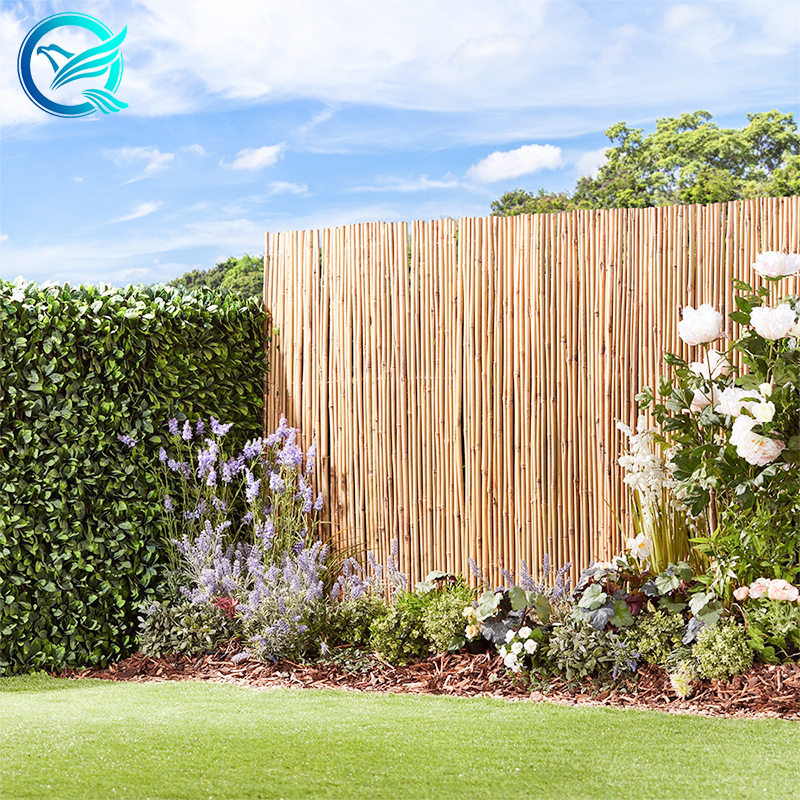
Wooden Garden Fence/bamboo Screen
Decorative wooden garden fence and bamboo screen combination for private terraces, cafés, compounds and boundary screening; fits well in mixed landscaping containers.
View product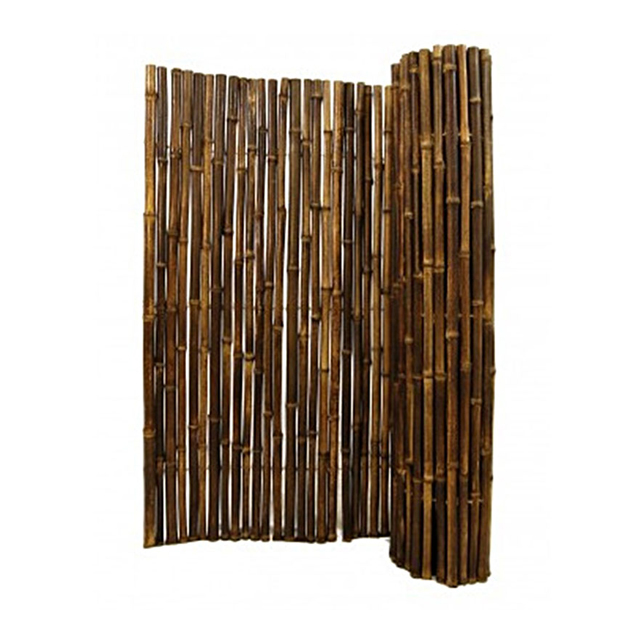
Piano Tall Bamboo Fencing 20mm-30mm Eco-Friendly Waterproof Rot Proof Heat Treated Wood Frame Yellow CE2 Certified Garden
Tall, heat-treated bamboo fencing for boundary privacy and wind screening; the waterproof, rot-resistant finish suits hot summers and occasional winter rain in Nineveh.
View product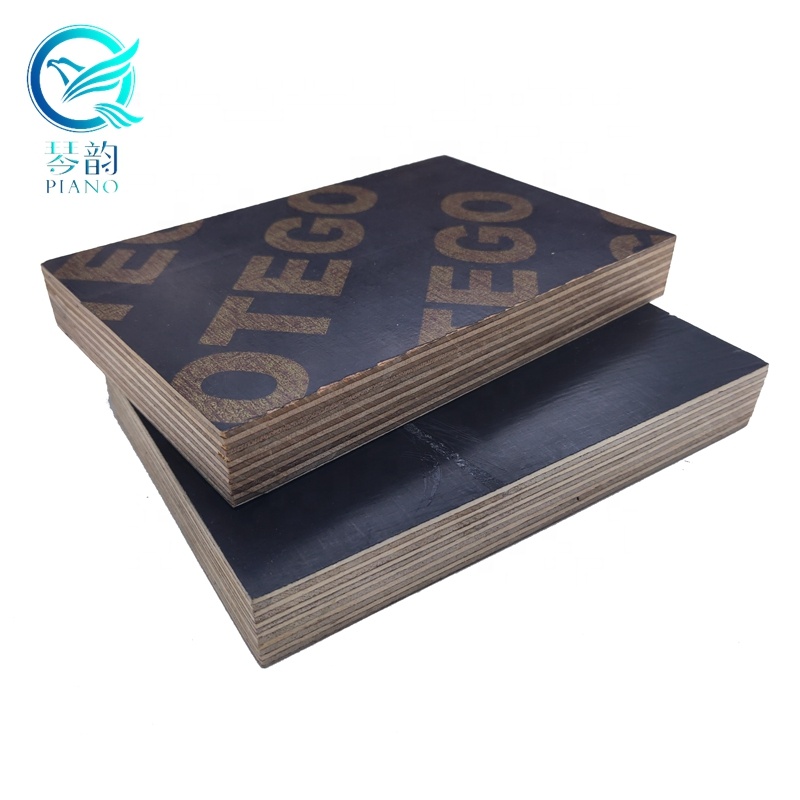
BS1088 CE ISO9001 Certified 1220x2440mm 18/25/28mm 0.5mm E0 Eucalyptus Hardwood Core Phenolic Faced Marine Plywood
Marine-grade phenolic plywood for vehicle floors, wet areas, signage and reusable formwork; high-density eucalyptus core and exterior glue support demanding Mosul projects.
View product
High Quality H20 Beam with Plastic Ends for Construction Phenolic WBP Glue
Phenolic WBP H20 beam with plastic end protection for slab formwork and secondary girders; compatible with common panel formwork systems and designed for repeated use.
View productYears of Export Experience
Operating in wood panels and building materials since 2008.
Monthly Mill Capacity
Plywood output from the affiliated production base.
Complete Production Lines
Peeling, pressing, calibrating, sanding and loading in-house.
Thickness Range
MR, melamine, phenolic WBP and E1/E0 specifications.
What Mosul Buyers Should Understand Before Specifying Pine LVL
Pine LVL is an engineered wood product, not a commodity substitute for solid timber. The specification choices made before the first container determine whether the product performs in Mosul’s climate, site conditions and formwork cycles.
Pine LVL is produced by laying parallel pine veneers with a controlled adhesive film, then pressing them into laminated veneer lumber with predictable strength, straighter geometry and less natural variation than solid timber. For roof purlins, scaffold planks, door cores, packaging, furniture frames, formwork accessories and modular components, this consistency can reduce site waste and improve installation speed. However, “pine LVL” alone is not a complete specification. The buyer should define veneer grade, adhesive type, moisture content, thickness tolerance, edge sealing, surface protection and the intended load or reuse cycle.
Mosul’s climate combines very hot, dry summers with colder winter nights and occasional rain. That cycle rewards panels with a robust exterior glue line, sealed edges and controlled factory moisture. For exposed or humid applications, request phenolic WBP bonding and E1/E0 emission data where indoor air quality is part of the tender. For dry interior joinery, melamine-bonded LVL or furniture-grade plywood can be cost-effective, provided the product is protected during inland transport and site storage. A responsible supplier should explain press cycles, veneer drying targets, glue spread, calibration tolerance and packing method — not simply quote the cheapest price per cubic metre.
A factory audit should also test the commercial chain behind the product. Ask whether the mill can link a certificate to a production batch, whether film-faced panels are edge-sealed after trimming, whether H20 beams have plastic end caps, and whether container loading photos are available before shipment. This is where a mill-backed export team adds value: the sales specification, production record and final inspection can be connected, giving Mosul distributors and contractors a clearer path from tender requirement to delivered bundle.
Where Pine LVL and Wood Panels Fit in Mosul Projects
Mosul’s rebuilding and fit-out market is not a single application. The right product mix depends on whether the buyer is serving residential repair, concrete structure, commercial interiors, landscaping or a mixed trading portfolio.
Residential Rebuild & Roof Framing
Pine LVL and structural panels support roof purlins, floor underlayment, door cores and built-in furniture in repaired homes. Straight, stable LVL members help local carpenters achieve consistent spacing where site-cut timber may twist or vary.
Concrete Formwork & Mid-Rise Construction
Film faced plywood, 3-ply shuttering panels and H20 beams serve wall, column and slab formwork. Phenolic WBP glue and edge sealing are important where panels must survive repeated pours in dusty, hot conditions.
Commercial, Hospitality & Retail Fit-Out
Decorative pine veneer plywood, E0/E1 boards and Birch veneer panels suit hotel joinery, café counters, office partitions, shop displays and reception areas where visual finish and low-emission interiors matter.
Outdoor Privacy & Landscaping
Bamboo screens, garden fencing and privacy curtains improve courtyards, cafés and compound boundaries. Heat-treated bamboo and marine-grade plywood are useful options for shade, screening and protected outdoor structures.
Localized Development Trends in Mosul and Nineveh
Procurement patterns in Mosul are moving toward better documentation, mixed-use project packages and products that can tolerate inland logistics and seasonal climate cycles.
From Commodity Panels to Documented Engineered Wood
Rebuilding budgets still reward competitive pricing, but contractors increasingly ask for glue type, certification, thickness tolerance and batch-linked inspection records. Pine LVL and film faced panels with clear technical data are easier to specify in tenders than generic “construction plywood”.
Climate-Driven Specifications
Heat, dust and winter moisture push buyers toward phenolic WBP adhesive, sealed edges, UV-protected coatings and marine-grade cores for wet or exposed areas. Edge damage during inland transport is a recurring concern, so packaging and corner protection now influence supplier selection.
Inland Logistics and Mixed Containers
Many Mosul-bound consignments are routed through Umm Qasr and then inland by truck, or via Turkey’s Ibrahim Khalil crossing; final routing should always be confirmed with the freight forwarder because customs and security conditions can change. Mixed containers of LVL, formwork, plywood and bamboo screens improve container utilisation.
Traceability in Tender Compliance
ISO 9001, CE, FSC availability and third-party supplier assessment are increasingly useful in institutional and commercial procurement. For Mosul projects, a supplier that can provide pre-shipment photos, loading records and third-party inspection access reduces risk for distributors and main contractors.
Matching Pine LVL and Panel Products to Mosul Work Packages
Use this matrix for early-stage RFQs and tender comparisons. Final specifications should always follow structural design, fire strategy, site storage conditions and the buyer’s inspection standard.
Documentation Traceability
Certificate-to-batch linkage, loading records and inspection photos.
Glue & Moisture Suitability
Phenolic, melamine and MR options aligned to exposure and handling.
Container Loading Discipline
Bundle protection, corner guards and mixed-load planning.
Private-Label Flexibility
Film printing, edge colour, grading and packaging customisation.
Scores are indicative procurement-priority indicators, not third-party product ratings.
A Mill-Backed Supply Chain for Mosul-Bound Buyers
Shanghai Dorni International Trading Co., Ltd. has exported wood panels and building materials since 2008, supported by an affiliated mill in Dangshan County, Anhui Province. The operating model combines mill-direct production, export documentation and customisation for importers, distributors and project buyers.
Three Production Lines, One Quality System
The affiliated mill runs peeling, veneer drying, glue lay-up, cold and hot pressing, double-side calibration, three-head sanding, film facing and container loading. Published capacity reaches 6,000 m³ per month, with production managed under ISO 9001 and controlled to CE requirements (CE No. 1301-CPD-0569). FSC-certified material is available on request, and the company has been assessed on-site by SGS Group.
Mill-Direct Supply
Production is linked to an affiliated mill rather than purely spot trading, helping buyers align specification, quantity and loading plan before peak season.
Quality & Documentation
ISO 9001 management, CE-controlled production, FSC availability and SGS assessment support tender submissions and buyer due diligence.
Customisation & Private Label
Sample-based, design-based and full customisation are available, including logo printing on film, edge-sealing colour, bundle packaging and grading to BSI, IHPA, JPIS or GB standards.
Product Breadth
Film faced plywood, construction plywood, 3-ply shuttering panels, H20 beams, LVL/LVB, birch marine plywood, underlayment CDX, container flooring and bamboo decking can be combined in one supply programme.
Export Terms & Ports
Goods are usually loaded at Lianyungang or Qingdao port. FOB, CFR, CIF, EXW, FAS and CIP terms are accepted, with T/T, L/C, D/P and D/A payment options and multi-currency support.
Buyer Support
Pre-shipment inspection photos, third-party inspection access, Trade Assurance ordering and an export team able to review mixed-product containers reduce first-order risk.
Traceable Production and Loading Discipline
For Mosul buyers, quality is not only a laboratory result. It is the combination of veneer selection, controlled glue spread, press verification, edge protection and final loading checks.
Raw Material & Veneer Inspection
Logs, veneer thickness, moisture and visual grade are checked before lay-up so that core quality and face appearance match the order.
Glue, Lay-Up & Press Verification
MR, melamine or phenolic WBP adhesive is applied to specification, followed by controlled cold and hot press cycles for bond performance.
Calibration, Sanding & Edge Sealing
Double-side calibration and sanding deliver thickness tolerance and surface consistency; film-faced and formwork panels receive edge protection.
Final Inspection & Container Loading
Finished bundles are checked for dimensions, labels, packaging and visible defects before loading photos and shipping documents are issued.
ISO 9001
Quality management system for mill operations.
CE Controlled
Production controlled to CE requirements for wood-based panels.
FSC Available
Responsibly sourced timber can be arranged on request.
SGS Assessed
On-site supplier assessment by SGS Group.
Pine LVL, Formwork and Outdoor Wood Procurement Questions
These are the practical questions importers, contractors and distributors usually raise before confirming a first or repeat order for Mosul delivery.
What is the minimum order for Pine LVL or formwork products?
Standard film faced and construction plywood typically starts from 50 m³, roughly two 40HQ containers. 3-ply shuttering panels can start from 7–50 m³ depending on specification, H20 beams are commonly quoted from around 1,000 m, and bamboo decking or screening from 100 m². Mixed-product containers can be reviewed for trial orders.
Which glue and emission grade should I choose for Mosul?
Phenolic WBP is recommended for exterior, humid or repeatedly wetted applications and for formwork reused over many pours. Melamine is a cost-effective option for protected interior or lower-reuse applications. E1 and E0 grades are available where indoor air quality or tender requirements call for lower emission panels.
How do you protect panels during inland delivery to Mosul?
Export packing should include edge protection, moisture-resistant wrapping, strapping and clear bundle labels. For inland transport, buyers should confirm truck type, transloading points and weather protection. Pre-shipment loading photos help the consignee verify bundle condition before the container leaves the port.
Which documents can support a Mosul tender?
ISO 9001 documentation, CE-controlled production records, FSC availability, SGS assessment records, packing lists, inspection photos and batch-related quality records can be prepared. Third-party inspection is welcome, and project-specific test requirements can be discussed before production.
What are common shipping routes and Incoterms?
Goods are usually loaded at Lianyungang or Qingdao. Many Iraq-bound consignments move via Umm Qasr and then inland by truck, while northern routes may use Turkey’s Ibrahim Khalil crossing. FOB, CFR, CIF, EXW, FAS and CIP terms are accepted; final routing should be confirmed with the freight forwarder.
Can you customise thickness, size, film, logo and packaging?
Yes. Sample-based, design-based and full customisation are available. Options include logo printing on film, edge-sealing colour, bundle packaging, private-label marks, grading to BSI, IHPA, JPIS or GB standards, and custom sheet sizes within production limits.
What is the typical production and transit planning window?
Production planning depends on specification, quantity, film availability and seasonal mill loading. A practical plan should allow for production, container loading, ocean freight and inland trucking to Mosul. The export team can provide an indicative schedule after receiving the full RFQ and destination route.
Do you support mixed containers and sample orders?
Mixed containers can be discussed for buyers who need LVL, formwork panels, marine plywood, decorative panels or bamboo screening in one shipment. Samples can be arranged by express courier, with sample cost and freight confirmed according to the product and destination.
Prepare a Clearer Pine LVL Enquiry for Mosul Delivery
A complete RFQ reduces quotation errors, sampling delays and later disputes. Include the following points before asking for a price and loading plan.
- Product and work package: LVL, H20 beam, film faced plywood, marine plywood, decorative panel or bamboo screen.
- Dimensions and tolerance: thickness, width, length, sheet size and permitted thickness variation.
- Adhesive and emission: MR, melamine, phenolic WBP, E1, E0 or project-specific requirement.
- Use condition: interior, exterior, humid area, concrete formwork, roof framing or vehicle floor.
- Load or reuse target: number of pours, span, load class or expected handling cycle.
- Surface and edge: film colour, anti-slip texture, edge sealing, veneer grade and face protection.
- Packaging and branding: bundle size, corner protection, private label, film printing and marks.
- Destination and documents: Mosul delivery route, port, Incoterm, inspection request and certificate needs.
Request a Pine LVL Specification Review for Your Mosul Project
Send your drawings, work package, target load, glue requirement, thickness, sheet size, surface finish and destination. Our export team will review the specification and respond with a technical proposal, indicative lead time and container loading plan.