Eight Products to Compare Before You Request a Phenolic Shuttering Board Quote
Polish buyers rarely need a generic “phenolic board” page. They need a shortlist that separates true phenolic/WBP shuttering panels from adjacent film-faced, MDF, birch and bamboo products. The eight items below use the original product destinations and image files. For a phenolic formwork quote, the 21 mm poplar film-faced plywood and 18 mm birch film-faced plywood are practical starting points — then confirm glue type, reuse target and edge sealing.
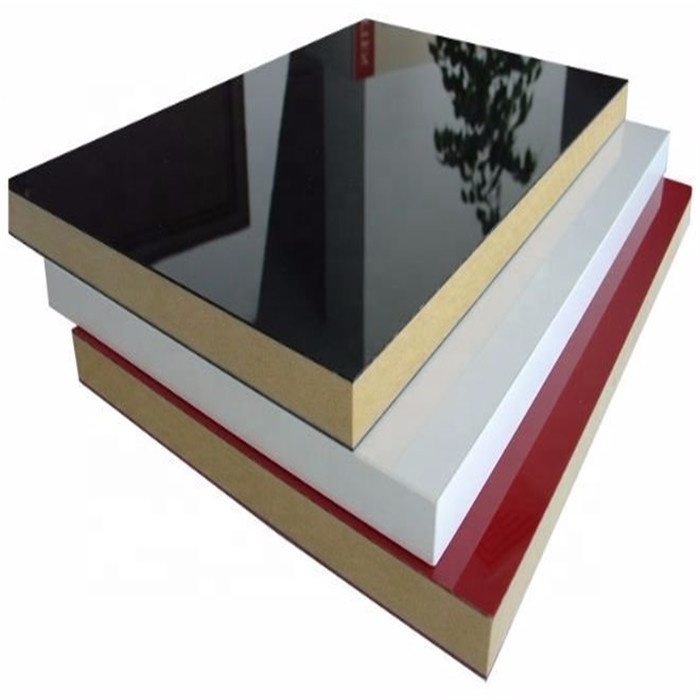
15mm White Painted E1 MDF Board Moisture Resistant Wood Fiber Panel First Class Grade CE CARB Certified Exterior Decoration
Moisture-resistant E1 MDF for interior fit-out, shopfitting and protected exterior detailing; not a substitute for phenolic concrete formwork.
View product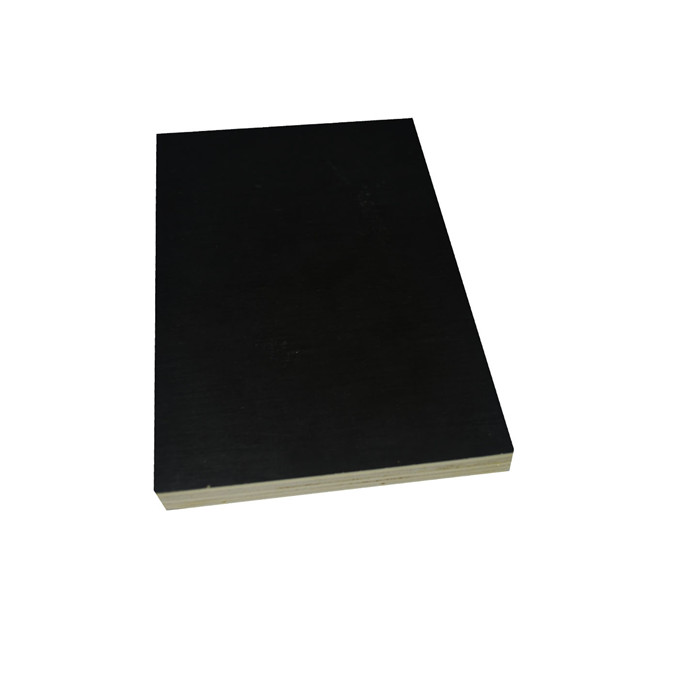
21mm Poplar Chinese Construction Siganal Film Faced Plywood for Formwork
A direct formwork starting point. Specify phenolic WBP and sealed edges for repeated wet pours; confirm film and core for fair-faced finish.
View product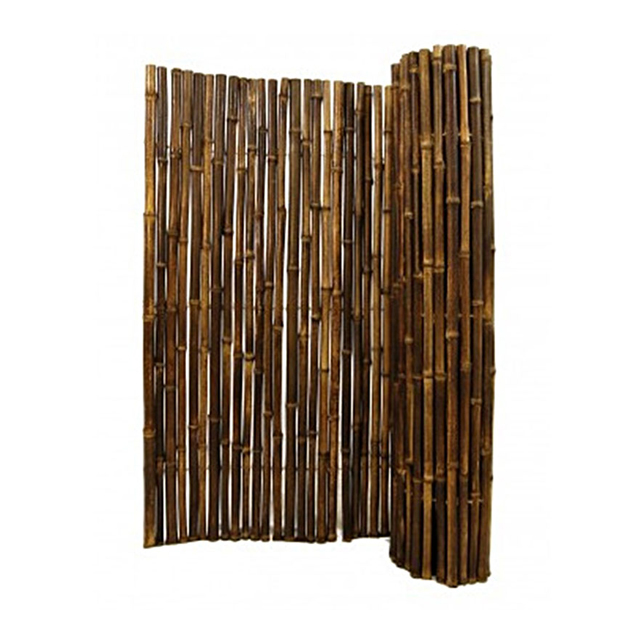
Piano Tall Bamboo Fencing 20mm-30mm Eco-Friendly Waterproof Rot Proof Heat Treated Wood Frame Yellow CE2 Certified Garden
Decorative bamboo screening for hospitality, gardens and landscape zones; heat-treatment and waterproofing claims should be checked against project requirements.
View product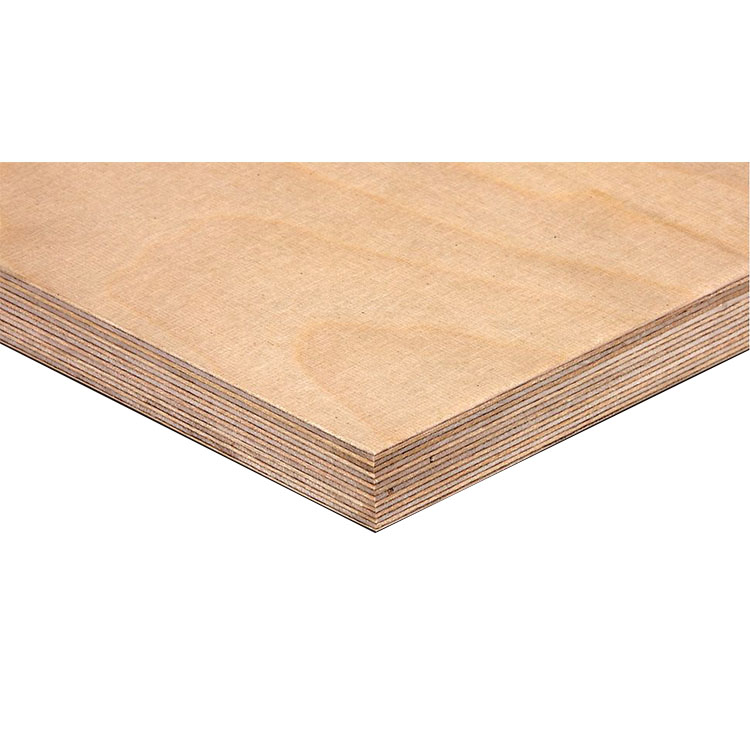
Film Faced UV Coated Double-Sided E0 Certified First-Class Certified for Certified Low Formaldehyde Piano Brand Birch Plywood
Low-formaldehyde E0 birch plywood with UV-coated face for interior and specialty uses; ask for the relevant emission and bonding documents.
View product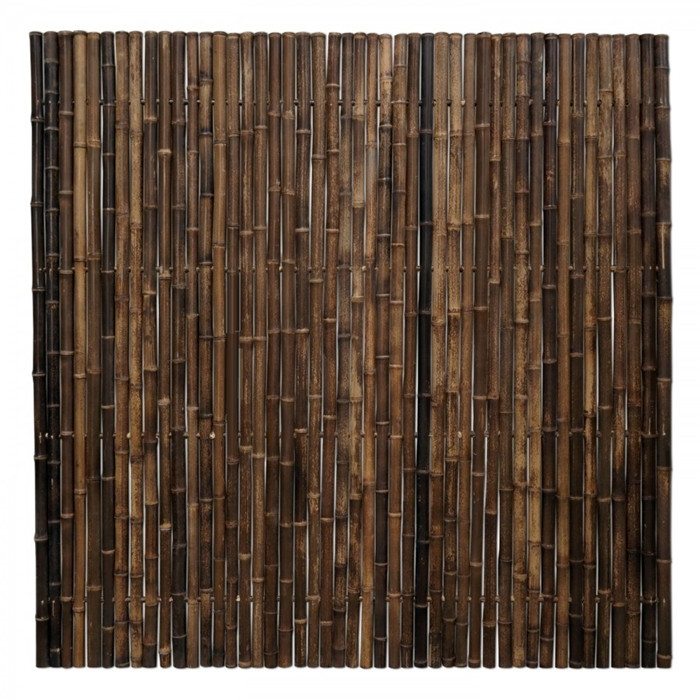
High 2m Bamboo Fence for Garden Bamboo Fence for Yard
A 2 m garden and yard fence option for residential and hospitality projects; useful as a non-structural landscape product.
View product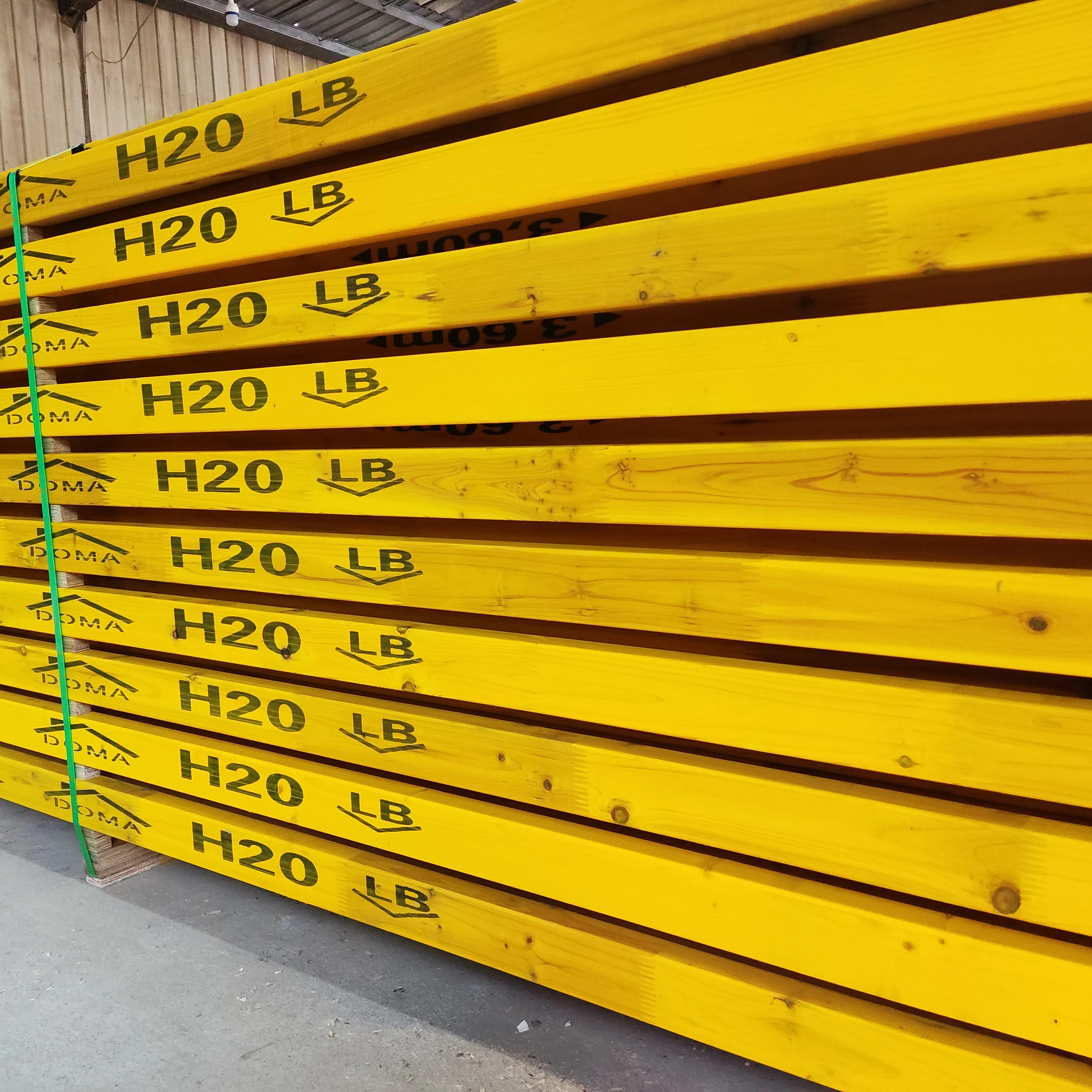
EN 13377 H20 Beam Red Plastic Cap Construction Formwork H16 H30 200x80x40x27mm E0 EN 13353 H20 Beam Formwork
H20 beam for slab and panel formwork systems; confirm EN 13377 dimensional and performance documentation plus end-cap compatibility.
View product
LANTISE 18mm First-Class Basswood Fire Resistant Melamine Film Faced Modern Design E0 Formaldehyde Emission Double-Sided 3-Year
Fire-resistant melamine film-faced basswood board for interior and protected applications where E0 emission is requested; confirm fire classification evidence.
View product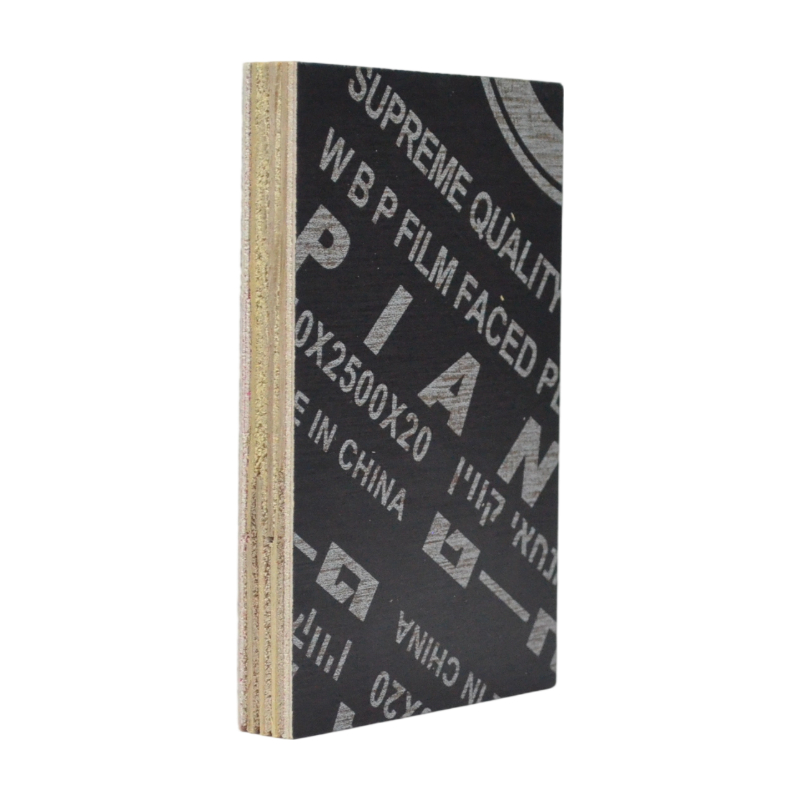
Birch Film Faced Plywood Standard Size High Quality Formwork for Construction Factory Merchants Reusable 1220x2440x18mm Kitchen
18 mm birch film-faced plywood for reusable formwork; specify phenolic glue, edge sealing and a consistent film grade for Polish site cycles.
View productPoland-Ready Supply Evidence at a Glance
Public procurement teams and importers want facts that can survive a supplier audit. These figures are the core operational reference points behind Dorni’s export offer.
Years in the Industry
Founded in 2008; long-run export relationships with contractors, distributors and formwork buyers.
Monthly Capacity
Affiliated mill output supports repeat orders, mixed specifications and container planning.
Complete Production Lines
Peeling, drying, pressing, calibration, sanding and loading managed through in-house lines.
Audit-Ready Management
ISO 9001 system, CE-controlled production and FSC-certified material options; SGS on-site assessed.
What a Phenolic Shuttering Board Really Is — and Why the Keyword Alone Is Not Enough
Phenolic shuttering board is a film-faced plywood panel manufactured with a phenolic adhesive system, usually described as WBP (weather and boil proof) glue in international trade. The resin is the performance backbone: it determines how the panel behaves when exposed to water, alkalinity from fresh concrete, site humidity and repeated stripping. The film face supports a smoother concrete finish and protects the wood substrate, while edge sealing reduces water ingress at the most vulnerable part of the panel. In the Polish market, the same family is searched under several names: phenolic shuttering board, brown film faced plywood, WBP formwork plywood, 18 mm shuttering panel, 21 mm film faced plywood and concrete formwork board. These terms overlap, but they are not interchangeable specifications.
One of the most common procurement errors is to treat colour as a specification. A brown face does not prove phenolic glue; a “waterproof” claim does not define reuse cycles; and a CE mark on one product does not automatically cover a different thickness, core or factory. A useful quote should identify the adhesive, film weight, core species, thickness tolerance, panel size, edge treatment, emission grade and the test documents that will travel with the shipment. That is the information gain a serious supplier must add: translating a search phrase into a manufacturing and compliance specification that a Polish buyer can audit.
Price & MOQ Intent
Budget-driven searches need transparent m³ or sheet pricing, container fill and mixed-order rules.
Engineering & Reuse Intent
Ask for glue type, core, film, thickness tolerance and expected cycles under stated site conditions.
Compliance Intent
CE-controlled production, E1/E0 options, FSC availability and bond declarations where applicable.
Delivery into Poland
Confirm Incoterm, port pair, packing, documents, EORI requirements and the final delivery address.
Localised application insight: Polish projects often combine EU documentation requirements with a strong price-per-use calculation. The winning specification is rarely the cheapest panel per m³; it is the panel that reaches the required finish and reuse target without excessive patching, release-agent problems or edge failure.
Where Phenolic Shuttering Panels Fit in Poland’s Construction Market
Poland is not a single climate or a single building type. Coastal humidity, winter site conditions, urban renovation constraints and large logistics parks all place different demands on a formwork panel. The scenarios below show how a Poland-bound specification can be tuned without losing the core benefits of a phenolic shuttering board.
Residential and Mixed-Use Projects in Warsaw, Kraków and Wrocław
Repeatable wall, column and slab pours benefit from 18–21 mm film-faced panels, sealed edges and a documented release-agent routine. Consistent thickness helps maintain joint tolerances in fair-faced concrete.
Industrial and Civil Works in Silesia, Łódź and Poznań
Heavy repeat cycles and larger formwork systems reward phenolic WBP panels and H20 beams with stable dimensions. Confirm load data and beam compatibility before mixing suppliers.
Baltic and Coastal Sites Around Gdańsk, Gdynia and Szczecin
Wind, rain and salt-laden air raise the value of sealed edges, waterproof bond and disciplined site storage. A lower-cost dry-use panel can become expensive if edges swell early.
Warehouses and Logistics Parks in Central Poland
Fast-track shells need predictable panel supply and simple cycle planning. Mixed containers can combine film-faced plywood, H20 beams and edge protection for one site.
Renovation and Infill in Historic City Centres
Smaller panels, clean cutting and dust control matter more than maximum reuse. Choose panel sizes that reduce offcuts and confirm fire and emission requirements for occupied buildings.
Hospitality, Garden and Landscape Projects
Bamboo fencing, decking and decorative panels sit outside structural formwork. Use them where the project intent is visual screening or outdoor amenity, not concrete containment.
Poland Market Trends Shaping Demand for Phenolic Formwork Panels
Search demand in Poland is moving from “cheap plywood” toward “verified performance”. These trends are practical signals for distributors, contractors and rental yards building a 2026 specification.
EU Compliance Moves Earlier into Buying
CE marking, declaration of performance, E1/E0 emission questions and FSC chain-of-custody are increasingly checked before price negotiation.
Prefabrication and Repeat Cycles
Off-site and system formwork reward panels with stable thickness and repairable edges; buyers compare cost per pour, not only cost per sheet.
Rental Yards Need Repairable Economics
Formwork rental businesses care about edge damage, film wear and compatibility with existing panel systems. Consistent dimensions and batch quality reduce downtime.
Low-Emission and Sustainable Building
E0/E1 options, FSC-certified material and documented sourcing support green-building submissions and client ESG requirements.
Winter and Moisture Management
Polish winters make storage, ventilation and edge sealing part of product performance. Suppliers should explain handling, not only sell panels.
Baltic and EU Logistics Planning
Poland-bound cargo commonly moves through Baltic or western EU ports before road delivery. Incoterm, packing and document accuracy affect total landed cost.
Phenolic Shuttering Board Selection Matrix for Polish Projects
Use this matrix to frame the technical conversation with your formwork engineer, distributor or site team.
| Application | Recommended Starting Specification | Glue / Compliance Focus | Poland-Specific Check |
|---|---|---|---|
| Fair-faced wall and column formwork | 18 mm film-faced poplar, combi or birch panel; 1220×2440 or 1250×2500 mm | Phenolic WBP; sealed edges | Film consistency, release agent and joint pattern |
| High-reuse slab formwork | 21 mm film-faced panel; H20 beams where the system requires | Phenolic WBP; EN 314-2 bond evidence where applicable | Reuse target, stripping method and repair plan |
| Panel formwork and 3-ply systems | 21/27 mm 3-ply spruce, fir or poplar panel | Phenolic bond; system-compatible dimensions | Compatibility with existing panel clamps and accessories |
| H20 beam and slab support | EN 13377 H20 beam with plastic end caps | Phenolic WBP timber or plywood web | Beam height, end-cap fit and load documentation |
| Low-emission interior or specialty use | E0/E1 birch or melamine film-faced board | E0/E1; relevant emission test documents | Whether the board is structural, decorative or fire-rated |
| Outdoor landscape and fencing | Heat-treated bamboo fencing or decking | Weather treatment and product-specific warranty | Non-structural use; fixing, ventilation and coastal exposure |
Common sizes from Dorni’s range include 1220×2440, 1250×2500, 1500×3000 and 915×1830 mm; 3-ply panels in 500×2000/3000 mm and 21/27 mm. Always confirm the final size, tolerance and document set for your formwork system.
Illustrative Relative Fit Indicators — Not a Test Result
Indicative only. Actual performance depends on the ordered specification, concrete practice, release agent, stripping method and site handling.
Why Dorni Is a Practical Manufacturing & Supply Partner for Poland
Dorni is not a marketplace listing without a factory behind it. Shanghai Dorni International Trading Co., Ltd. has exported wood-based panels since 2008. Its affiliated mill in Dangshan County, Anhui Province, operates three complete production lines covering peeling, drying, glue lay-up, pressing, calibration, sanding and container loading. Production is managed to ISO 9001 and controlled to CE requirements; FSC-certified material is available; and the company has been assessed on-site by SGS Group.
Mill-Direct Control, Export-Team Responsiveness
The combination matters for Polish buyers: a mill can control core, glue, film, thickness and edge sealing as production parameters, while an experienced export team can translate those parameters into a quotation, packing plan and document set that matches the buyer’s Incoterm and delivery route.
Dorni supports sample-based, design-based and full customization, including logo printing on film, edge-sealing colour, bundle packaging and grading to BSI, IHPA, JPIS or GB standards. Production is checked before loading, and third-party inspection is welcome.
Mill-Direct Specification Control
Core, glue, film, thickness and edge sealing can be discussed as production parameters, not just catalogue labels.
Certification and Audit Readiness
ISO 9001 management, CE-controlled production, FSC material options and SGS on-site assessment help Polish buyers build a verifiable supplier file.
Customization and Private Label
Sample-based, design-based and full customization, including logo printing on film, edge-sealing colour, bundle packaging and grading to BSI, IHPA, JPIS or GB standards.
Pre-Shipment Inspection
A dedicated QC team checks raw materials and finished goods before loading; pre-shipment photos and third-party inspection can be arranged.
Container Economics
Plywood, H20 beams, bamboo products and specialty panels can be planned in mixed containers where specifications allow, improving freight utilisation for distributors.
Export Terms and Port Options
Goods are typically loaded at Lianyungang or Qingdao; FOB, CFR, CIF, EXW, FAS and CIP terms can be discussed with T/T, L/C, D/P or D/A payment structures.
Quality management system

CE-controlled production

FSC material options

SGS on-site assessed
From Log to Loaded Container: Six Quality Control Stages
Dorni’s affiliated mill runs the main steps in-house, which shortens the feedback loop between a specification change and the finished panel.
Log Selection & Peeling
Raw material selection and rotary peeling to uniform veneer thickness.
Veneer Drying
Moisture content brought to target before lay-up to support stable bonding.
Phenolic Lay-Up
MR, melamine or phenolic WBP adhesive applied according to the agreed specification.
Press & Bonding
Controlled pressure and temperature cycles for panel consolidation.
Calibrate, Sand & Film Edge
Double-side calibration, surface preparation, film overlay and waterproof edge paint.
QC & Container Loading
Final inspection, packing check and loading plan before the container leaves China.
Poland Procurement FAQ: Phenolic Shuttering Boards, Documentation & Delivery
What should I include in a quotation request for phenolic shuttering boards for Poland?
Include the intended application (wall, slab, column or panel system), panel size and thickness, core preference, glue type (phenolic WBP if high reuse is required), film face, expected reuse cycles, emission grade, destination city, preferred Incoterm and any document requirements. For fair-faced concrete, also state the finish expectation and whether edge sealing and release-agent support are needed. This allows the supplier to quote a comparable specification instead of a generic panel.
What is the minimum order and can I mix products in one container?
Standard film-faced and construction plywood starts from 50 m³, roughly two 40HQ containers. 3-ply shuttering panels start from 7–50 m³ depending on specification, and bamboo decking from 100 m². Mixed-product containers can be discussed for trial orders, but the final loading plan depends on dimensions, weight limits and the destination port. For Polish distributors, mixing formwork panels with H20 beams or accessory products can improve container utilisation.
Which ports, Incoterms and payment terms apply to Poland-bound shipments?
Goods are usually loaded at Lianyungang or Qingdao port. We accept FOB, CFR, CIF, EXW, FAS and CIP terms. Payment can be discussed through T/T, L/C, D/P or D/A depending on order value and buyer profile. For Poland, confirm the final route with your freight forwarder: Baltic ports, western EU gateways and road delivery can all change the landed-cost calculation.
Which certifications and technical documents can be supplied?
The mill is managed under ISO 9001, production is controlled to CE requirements, and FSC-certified material is available. The company has been assessed on-site by SGS Group. Technical documents can include product data, packing list, commercial invoice, certificate of origin and relevant test or declaration documents for the ordered specification. Always confirm the exact document set before shipment, especially where a Polish project requires a declaration of performance or an E1/E0 emission statement.
How do E0, E1 and phenolic glue relate to each other?
Phenolic glue describes the adhesive system and water resistance; E0 and E1 describe formaldehyde emission classes. They are related but not the same variable. A panel can be phenolic-bonded and still need emission documentation for a particular project. For interior, school, healthcare or residential work, state the required emission class clearly. For exterior formwork, focus on bond durability, film quality and edge sealing alongside any emission requirement.
Can you customise sizes, film branding and packaging for Polish buyers?
Yes. Dorni offers sample-based, design-based and full customization. Options can include logo printing on film, edge-sealing colour, bundle packaging, private-label marks and grading to BSI, IHPA, JPIS or GB standards. Custom sizes should be checked against panel-system compatibility and container loading efficiency before the order is finalised.
How should phenolic shuttering boards be stored and handled on a Polish site?
Store panels on level bearers, protected from standing water and direct rain where possible, with good air circulation. Keep edges sealed and avoid dragging panels across abrasive surfaces. In winter, allow panels and formwork accessories to acclimatise and remove snow or ice before use. A panel that is technically waterproof can still fail early if edges are damaged or bundles sit in water for weeks.
How can I verify quality before shipment or request a sample?
Ask for the exact specification in writing, pre-shipment inspection photos and the relevant test or declaration documents. Third-party inspection is welcome, and samples can be arranged by express. For a first order, a mixed or trial container can reduce risk, but the sample should be evaluated against the same criteria as the bulk order: thickness tolerance, film adhesion, edge sealing, core quality and paperwork.
What lead time and order planning should a Polish buyer expect?
Lead time is confirmed after the specification, order quantity, deposit and packaging details are agreed. Production scheduling, pre-shipment inspection, ocean transit and EU customs clearance all contribute to the final delivery window. For first orders or projects with a fixed site date, request a written schedule and keep a buffer for sample approval, packaging decisions and freight delays. Mixed containers and peak-season bookings should be planned earlier.
Request a Poland-Focused Phenolic Shuttering Board Quotation
Send your target panel size, thickness, core, glue, expected reuse cycles, delivery city and preferred Incoterm. The Dorni export team will map the request to a mill-direct specification and confirm availability, documentation and loading options for the Poland market.