OEM/ODM Finger Jointed Core Plywood Manufacturers & Wholesalers in the Najaf Market
Mill-direct engineered plywood, formwork and fit-out panels for Najaf contractors, distributors and private-label buyers — backed by Shanghai Dorni's ISO 9001 production system and 6,000 m³ monthly capacity.
Eight Products for Najaf Wholesalers, Fit-Out Contractors and Project Buyers
These eight product lines cover a practical buying basket for the Najaf market: engineered core panels, concrete formwork, interior fit-out boards, anti-slip flooring and outdoor bamboo. Each product link is preserved exactly; OEM/ODM and mixed-container quotations are available.
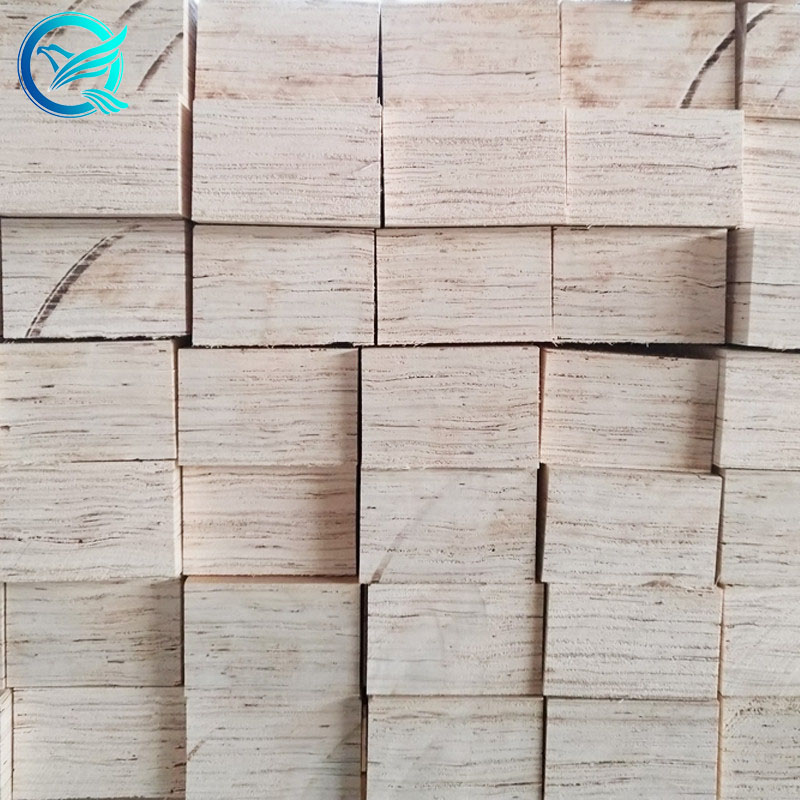
Poplar LVL Beams Laminated Veneer Lumber Board Double-Sided Decorative Surface for Bed Slats Packing Boxes Exterior Use
Najaf use: bed slats, furniture frames, packing boxes, modular furniture and light structural parts where consistent density and straightness matter.
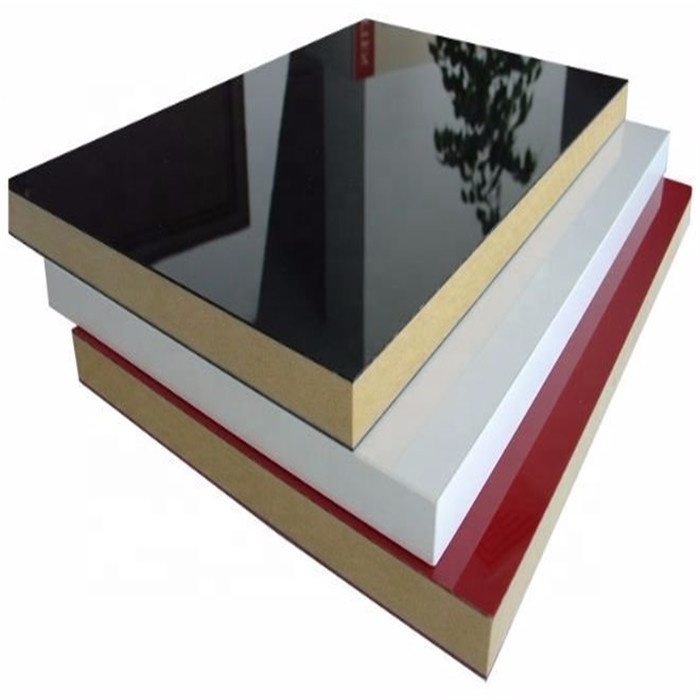
15mm White Painted E1 MDF Board Moisture Resistant Wood Fiber Panel First Class Grade CE CARB Certified Exterior Decoration
Najaf use: reception counters, wardrobes, shop displays, cabinet doors, wall linings and dry-area fit-out where a clean white finish is required.
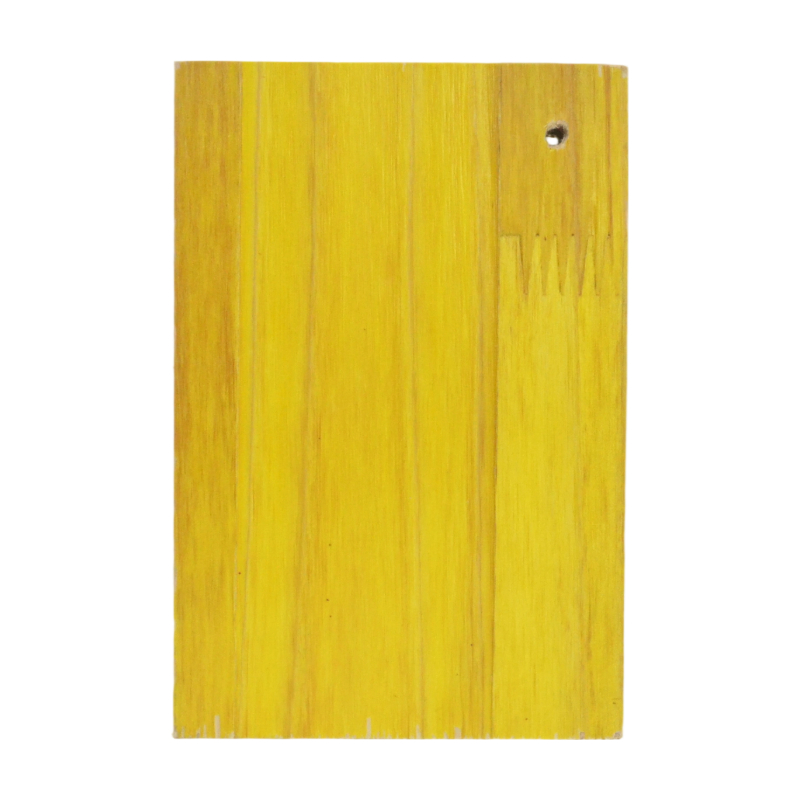
LEONKING Yellow 3 Ply Shuttering Panel Three Layer Board 21/27mm Spruce Fir Pine Three Ply Shuttering Panel
Najaf use: slab, wall and column formwork for residential buildings, commercial projects and repeatable panel-formwork systems.
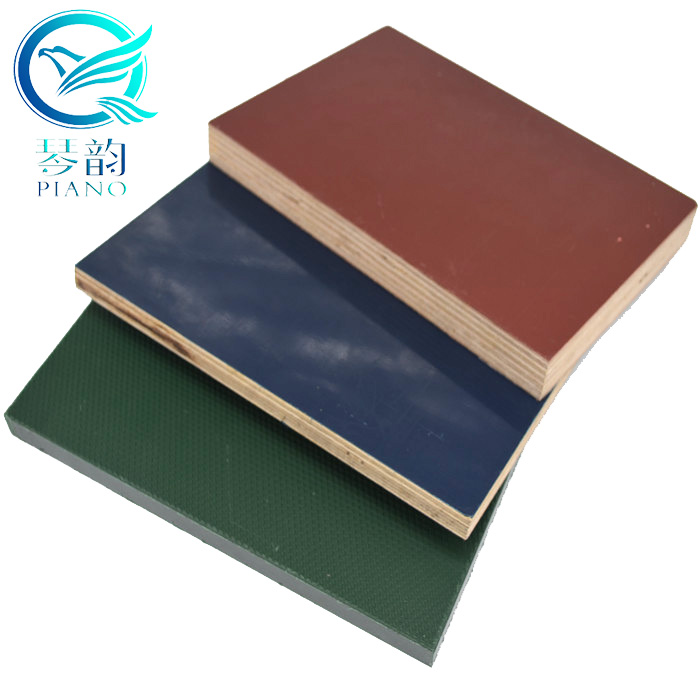
Green Color Anti-skip PP Coated Birch Plywood Sheets 6-35mm Thickness First-Class Grade MUF Glue CE Certified Double-Sided
Najaf use: truck beds, ramps, scaffold platforms, temporary flooring and transport equipment where slip resistance and surface durability are essential.
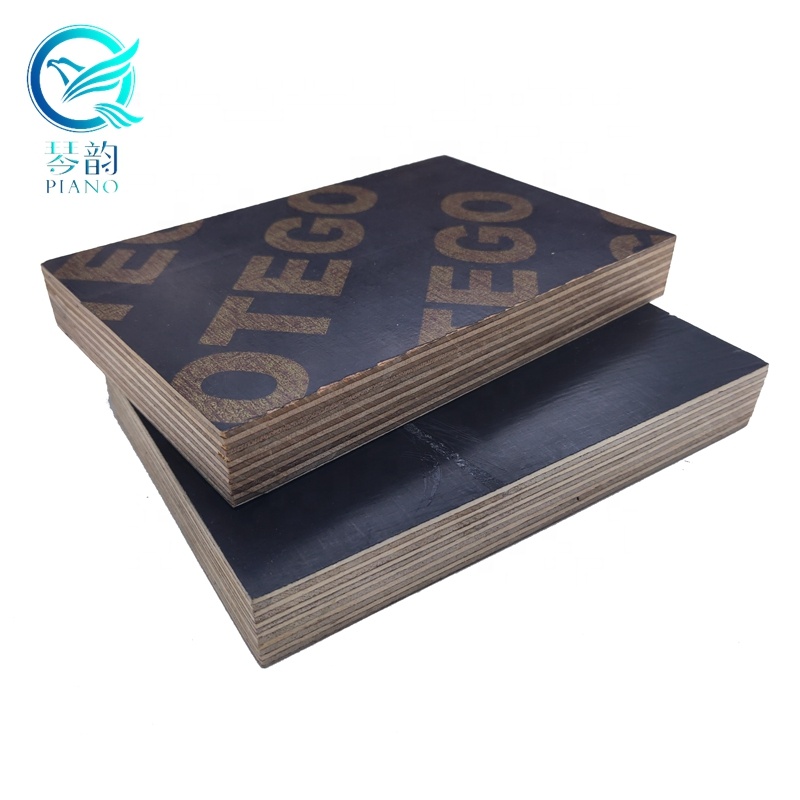
BS1088 CE ISO9001 Certified 1220x2440mm 18/25/28mm 0.5mm E0 Certified Eucalyptus Hardwood Core Phenolic Face
Najaf use: exterior joinery, vehicle flooring, signage, wet-area structures and demanding formwork where a dense hardwood core is preferred.
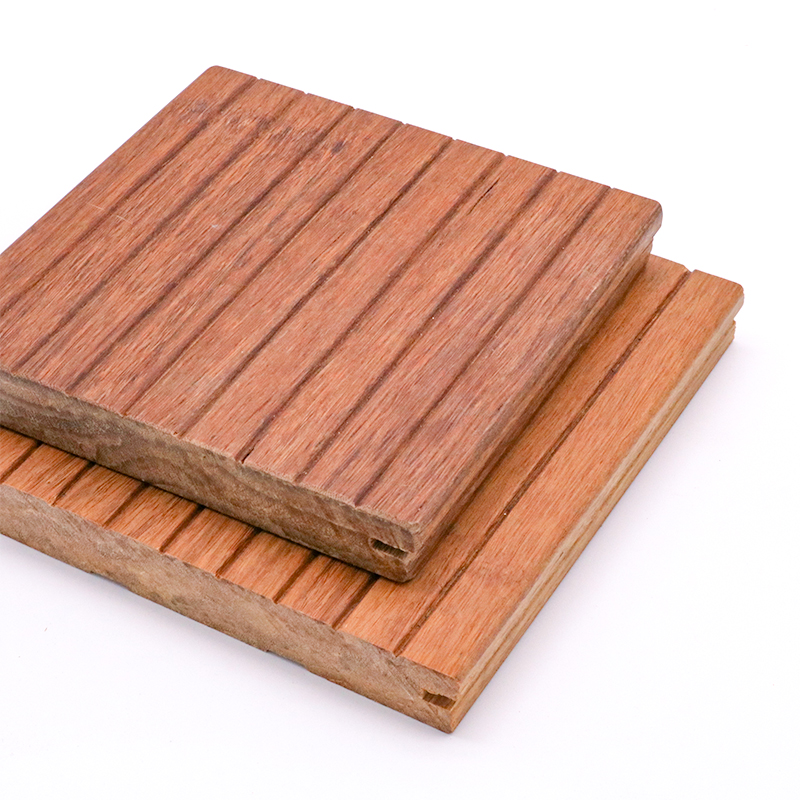
20mm Good Price White Engineered Stranded Bamboo Deck Float Exterior Wall Paneling Flooring UV/Waterproof Coating 5-Year
Najaf use: hotel terraces, villa courtyards, roof decks, pool surrounds and outdoor feature walls that need a stable, low-maintenance surface.
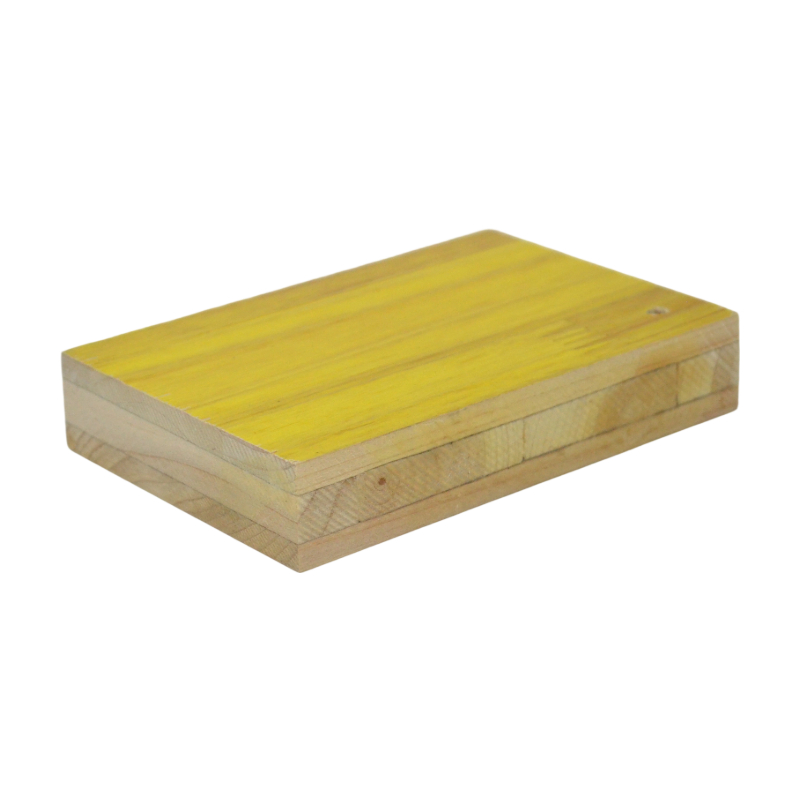
3 Ply Yellow Spruce Shuttering Panel 21-27MM Pine Formwork Board Easily Assembled for Concrete Slab Construction
Najaf use: concrete slab construction, beam sides, columns and fast-assembly formwork where panel consistency and handling speed matter.
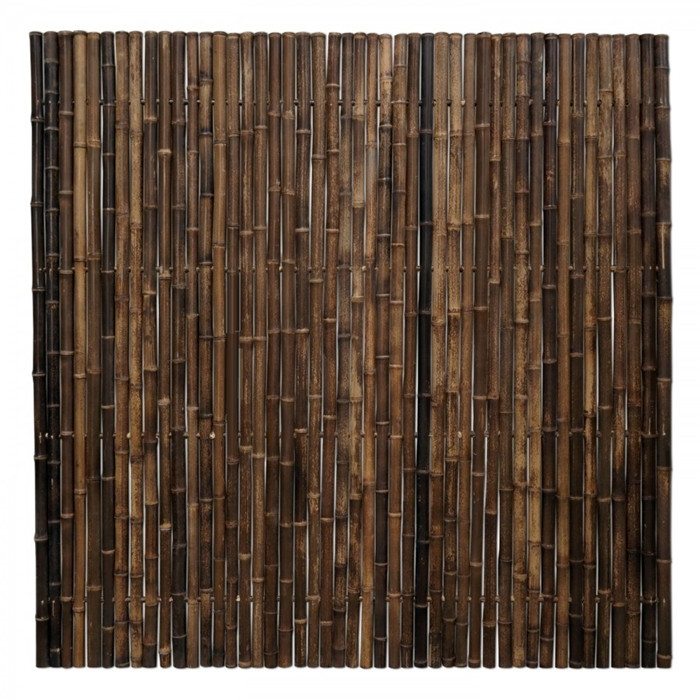
High 2m Bamboo Fence for Garden Bamboo Fence for Yard
Najaf use: villa gardens, hotel screening, courtyard privacy, outdoor hospitality areas and temporary site hoarding with a natural finish.
Years in Export
Founded in 2008, serving importers and project buyers worldwide.
Monthly Capacity
Plywood output from the affiliated mill in Anhui Province.
Complete Production
Peeling, pressing, calibrating and sanding are controlled in-house.
Thickness Range
MR, melamine, phenolic WBP, E2, E1 and E0 options.
Capability figures and certification references are based on Shanghai Dorni International Trading Co., Ltd. company information. Current capacity, certification scope and stock availability should be confirmed for your specific order date.
The Najaf Lens: Why Finger-Jointed Core Plywood Is Moving from Price-Led to Performance-Led
Najaf is not only a city-level resale market; it is a project market connected to residential districts, pilgrimage and hospitality demand, retail fit-out, education, healthcare, transport and light industry. For wholesalers and contractors in Najaf and the wider Al-Najaf Governorate, finger-jointed core plywood is increasingly evaluated as an engineered component rather than a commodity sheet. It can appear in concrete formwork, door cores, furniture carcasses, wardrobe backs, shop counters, packaging and modular building panels.
The local climate also shapes specifications. Najaf has long, hot and dry summers, dust exposure, strong sunlight and occasional rain events. Panels can sit in warehouses, open yards or project stores before installation. A stable core, controlled moisture content, adequate glue line and sealed edges matter as much as the initial price per sheet. Finger-jointed core construction can improve flatness and dimensional stability when the joint quality, core species, glue spread and pressing process are properly controlled.
Information gain for buyers: “finger-jointed core” is a manufacturing method, not a performance grade by itself. A high-quality finger-jointed core panel should be specified by species, joint integrity, core gaps, density, thickness tolerance, moisture content, glue type, emission class, face grade and packaging. Without these details, two quotations with the same “finger-jointed core plywood” label may behave very differently on a Najaf project.
What Najaf buyers should verify before confirming a container
- Core species and whether the finger-jointed core is poplar, eucalyptus, mixed hardwood or pine.
- Glue system: MR, melamine, MUF or phenolic WBP according to wet, outdoor or formwork exposure.
- Thickness tolerance, squareness and flatness for CNC cutting and panel-formwork assembly.
- Face and back grade, film weight, anti-slip coating, melamine finish or veneer quality.
- Edge sealing, bundle protection, corner guards and container loading plan for the Iraq route.
- ISO 9001, CE, FSC availability, pre-shipment photos and third-party inspection access.
Najaf Procurement Priority Index
Illustrative relative priorities observed by our export team across Middle East panel inquiries; not a statistical survey.
For Najaf wholesalers, the winning offer is rarely the cheapest sheet alone. It is the combination of predictable quality, container efficiency, clear documentation and a supplier who can repeat the specification.
Where Finger-Jointed Core Plywood and Related Panels Fit in Najaf Projects
Najaf buyers usually need more than one panel type. The most practical sourcing strategy is to combine core plywood, formwork, fit-out boards and outdoor materials in a single qualified supply plan.
Residential Joinery and Wardrobes
Finger-jointed core plywood is suitable for door cores, wardrobe carcasses, kitchen cabinet boxes and built-in furniture where flatness, screw-holding and stable dimensions are important. In Najaf's dry interior environment, E1 or E0 interior-grade panels with sealed edges are usually easier to specify than generic “commercial plywood”.
Hospitality and Pilgrim Accommodation
Hotels, guesthouses and hospitality projects around Najaf require reception counters, headboards, wardrobes, bathroom vanities, wall linings and outdoor terrace materials. Combining finger-jointed core panels with white painted MDF, marine plywood and bamboo decking allows a coordinated interior and exterior package.
Retail and Commercial Fit-Out
Shop counters, display units, partitions, office reception desks and clinic cabinetry demand panels that machine cleanly and hold fixings. Najaf fit-out contractors should compare face quality, core density and thickness tolerance, not only the face colour. A stable finger-jointed core can reduce rework when panels are cut into long, narrow components.
Concrete Formwork and Shuttering
For residential towers, commercial buildings and civil works, yellow 3-ply shuttering panels and film-faced plywood help produce repeatable concrete surfaces. In Najaf's heat, storage discipline and edge protection directly affect reuse cycles. Phenolic WBP glue is appropriate for demanding wet formwork conditions, while melamine can suit shorter reuse cycles.
Transport, Container and Industrial Use
Anti-slip PP-coated birch plywood, BS1088 marine plywood, LVL and container flooring grades serve truck bed repair, ramps, workshop floors, transport equipment and industrial packaging. These applications require dense cores, durable glue lines and surfaces that tolerate abrasion better than standard interior boards.
Outdoor Terraces and Landscaping
Bamboo decking and bamboo fence panels give Najaf hotels, villas and landscaped courtyards a warm, natural finish without the movement associated with some solid timber products. They can be specified together with marine plywood for substructures and edge details, subject to correct ventilation and installation practice.
What Is Changing in Najaf's Panel and Formwork Procurement?
The Najaf market is becoming more specification-aware. Buyers still care about price, but they increasingly ask for repeatable quality, documentation, private-label packaging and container plans that reduce risk.
Most containerised imports into Iraq enter through southern ports such as Umm Qasr and move by road toward Najaf; some buyers also compare alternative regional routings. The practical implication is that packaging, loading sequence, edge protection and document accuracy matter before the container is sealed.
Certification Is Becoming a Sales Tool
Wholesalers and project suppliers increasingly use ISO 9001, CE, FSC availability and SGS assessment records to reassure contractors and consultants. Documentation quality is now part of the product offer.
Private-Label Wholesale Is Growing
Najaf distributors want product names, film printing, edge-sealing colours, bundle labels and packaging that support their own brand. OEM/ODM supply lets them compete beyond commodity pricing.
Climate and Storage Awareness
Heat, dust and variable storage conditions are pushing buyers toward MR, MUF or WBP glue, sealed edges and better export packaging. “Cheap sheet, expensive failure” is a common lesson in fit-out and formwork.
Mixed Containers Reduce Risk
Buyers increasingly combine finger-jointed core plywood, shuttering panels, MDF, marine plywood and bamboo products in one order. A qualified mixed load lowers freight complexity and gives wholesalers a broader stock mix.
How Najaf Wholesalers Can Specify Finger-Jointed Core Plywood Correctly
Use this six-part specification checklist to compare suppliers on equal terms. It is also the information our export team needs to prepare a technical quotation.
Core Species and Joint Quality
Define whether the finger-jointed core uses poplar, eucalyptus, mixed hardwood or pine. Ask for joint length, core-gap limits, density targets and cross-section photos. A clean, well-bonded core is more important than simply using the phrase “finger-jointed”.
Glue and Emission Class
Select MR, melamine, MUF or phenolic WBP according to exposure. Interior furniture in Najaf may use E1 or E0; formwork and outdoor products need a more durable glue line. Specify the emission class and test requirement in writing.
Dimensions and Tolerances
Common sizes include 1220×2440, 1250×2500, 1500×3000 and 915×1830 mm. Thickness can range from 2.2 mm to 30 mm, with 3-ply panels commonly at 21 or 27 mm. Confirm thickness tolerance, squareness and panel flatness before ordering.
Face, Back and Edge Protection
Choose film-faced, anti-slip, melamine, painted or veneered surfaces according to the application. For Najaf's dust and heat conditions, edge sealing and bundle protection help reduce moisture pickup and handling damage during storage and transport.
OEM/ODM Branding and Packaging
Private-label options can include logo printing on film, edge-sealing colour, bundle labels, custom packaging and grading to BSI, IHPA, JPIS, GB or your own standard. Sample-based, design-based and full customization are available.
Inspection and Export Documents
Ask for raw-material inspection records, finished-product checks, pre-shipment photos and third-party inspection access. Confirm the commercial invoice, packing list, certificate of origin and any certification copies required by your Iraqi buyer or project consultant.
A Mill-Backed OEM/ODM Partner for Najaf Wholesalers
Shanghai Dorni International Trading Co., Ltd. is a China-based exporter supported by an affiliated plywood mill. We are not a local Najaf stockist; we support Najaf wholesalers, distributors and project buyers through direct container supply, private-label production and export documentation.
Mill-Backed Capacity
The affiliated mill in Dangshan County, Anhui Province, runs three complete production lines with peeling, pressing, double-side calibration, sanding and container loading. Monthly plywood capacity is stated at 6,000 m³.
Quality and Certification
Production is managed to ISO 9001 and controlled to CE requirements, with CE No. 1301-CPD-0569 referenced in company information. FSC-certified material is available on request, and the company has been assessed on-site by SGS Group.
Export Logistics Experience
Goods are usually loaded at Lianyungang or Qingdao. We accept FOB, CFR, CIF, EXW, FAS and CIP terms, with T/T, L/C, D/P and D/A payment options. Export markets include the Middle East, Europe, the Americas, Africa and Asia.
Customization for Local Brands
We offer sample-based, design-based and full customization: logo printing on film, edge-sealing colour, packaging, private-label grading and mixed product containers. QC checks raw materials on-site and inspects finished goods before loading.
For buyers comparing local Najaf traders with direct exporters, the key question is not only “who is closest?” but “who can repeat the exact specification, inspect it before loading and provide the documents my project requires?”
Common Procurement Questions from Najaf Wholesalers and Contractors
These are the questions our export team receives most often from Middle East panel buyers, distributors and project suppliers.
Is finger-jointed core plywood suitable for Najaf's hot and dry climate?
Yes, when the panel is correctly specified. Hot, dry conditions can stress panels if they have unstable moisture content or poor edge protection. For interior fit-out, choose a stable core with controlled moisture and sealed edges. For formwork or outdoor exposure, choose a suitable WBP or phenolic glue system and protect edges during storage. Najaf buyers should avoid treating “finger-jointed” as a guarantee; the species, glue, density and pressing quality determine performance.
Which glue should I choose for formwork or outdoor use in Najaf?
For repeated concrete formwork, outdoor exposure or damp storage, phenolic WBP is usually the safer specification. Melamine glue can be cost-effective for interior or shorter-reuse applications. MR glue may suit dry interior uses but should not be assumed to equal WBP performance. State the intended use, reuse target and storage conditions in your inquiry so the glue system can be matched to the risk.
What is the minimum order and can I mix products?
Standard film-faced and construction plywood commonly starts from 50 m³, roughly two 40HQ containers, while 3-ply shuttering panels may start from lower quantities depending on specification. Bamboo decking may start from 100 m². Mixed-product containers can be discussed for trial orders, distributor stock programmes and project packages that combine plywood, MDF, formwork and bamboo products.
Can you produce OEM/ODM private-label panels for Najaf wholesalers?
Yes. We support sample-based, design-based and full customization. Options include logo printing on film, custom edge-sealing colour, bundle labels, packaging design, private-label grades and specification to BSI, IHPA, JPIS, GB or your own standard. For a serious OEM programme, provide artwork, target panel specification, annual or container volume and the market positioning you want to achieve.
Which certifications and documents can you provide?
Company information references ISO 9001 management, CE-controlled production, FSC-certified material availability and an on-site SGS assessment. The exact certificate scope, valid copies and product-specific documents should be confirmed at quotation stage. For Iraqi import and project submissions, also confirm the commercial invoice, packing list, certificate of origin and any buyer-specific inspection documents before shipment.
How do I verify panel quality before the container leaves China?
Request pre-shipment inspection photos, core cross-section photos, thickness and dimension checks, glue-line information and packaging details. Third-party inspection is welcome. For repeat orders, keep a signed approval sample and a written specification sheet so that future production can be compared against the same standard. A low quotation without verifiable specification is not a like-for-like offer.
What sizes and thicknesses are available?
Plywood thickness generally ranges from 2.2 mm to 30 mm. Common sheet sizes include 1220×2440, 1250×2500, 1500×3000 and 915×1830 mm. Three-ply shuttering panels are commonly 500×2000 or 500×3000 mm in 21 or 27 mm. Custom sizes can be discussed, but buyers should confirm minimum quantities, tooling requirements and delivery schedule before committing.
How should panels be stored in Najaf after arrival?
Store panels flat on dry dunnage, off the ground, with adequate ventilation and protection from direct sun and rain. Keep bundles supported at regular intervals and avoid point loading. If panels are moved from a hot container into a cooler or damp store, allow gradual acclimatisation before cutting or installation. Sealed edges and intact packaging reduce moisture pickup and handling damage.
Which ports and Incoterms do you use for Iraq-bound shipments?
Goods are usually loaded at Lianyungang or Qingdao. We accept FOB, CFR, CIF, EXW, FAS and CIP terms. For Najaf buyers, the commercial team can coordinate with your freight forwarder or discuss a routing plan through the port and border arrangement you prefer. Final freight, insurance and destination charges should be confirmed with your logistics provider.
How do I compare “cheap” finger-jointed core plywood quotations without hidden risk?
Compare the core species, joint quality, glue type, emission class, thickness tolerance, face grade, moisture content, edge sealing and packaging. Ask for cross-section photos and pre-shipment inspection. A quotation that omits these details may hide weaker core filling, lower glue spread, thinner face veneer or poor moisture control. For Najaf projects, the cost of warping, delamination or rejected fit-out panels usually exceeds the initial saving.
What should I include in my inquiry?
Send the product, application, core preference, glue type, emission class, thickness, sheet size, face/back requirement, estimated quantity, destination, preferred Incoterm and any OEM branding or packaging needs. If you have a target price, include it transparently, but keep the technical specification separate so that our team can quote a comparable product rather than an unclear substitute.
Request a Najaf-Ready OEM/ODM Quotation
Share your panel specification, container plan and branding requirements. Our export team will review the application, recommend a suitable core and glue system, and prepare a quotation for your Najaf wholesale, fit-out or project supply programme.
- Product and application: formwork, furniture, fit-out, transport or outdoor use.
- Core, glue, emission class, thickness, size, face and edge-sealing requirements.
- Quantity, destination, preferred Incoterm and target shipment window.
- OEM/ODM details: logo, film, packaging, labels and grading standard.
Email: info@dorniplywoods.com
Talk to an Export Specialist
Use the live quote channel below to start your inquiry. For faster technical review, include the full specification and destination port.
Get a QuoteShanghai Dorni International Trading Co., Ltd. · Mill-backed plywood, formwork and bamboo supply since 2008.