Eight Product Lines for a Yemen-Focused Panel Programme
Furniture-grade panels sit alongside engineered veneer, LVL, formwork and outdoor bamboo products so wholesalers can build a practical mixed offer.
 Furniture Finish
All Kinds Engineered Wood Veneer 640mm × 2500mm
Decorative engineered veneer for cabinet doors, wall panels and hotel joinery where grain consistency and reduced wastage matter.
View product →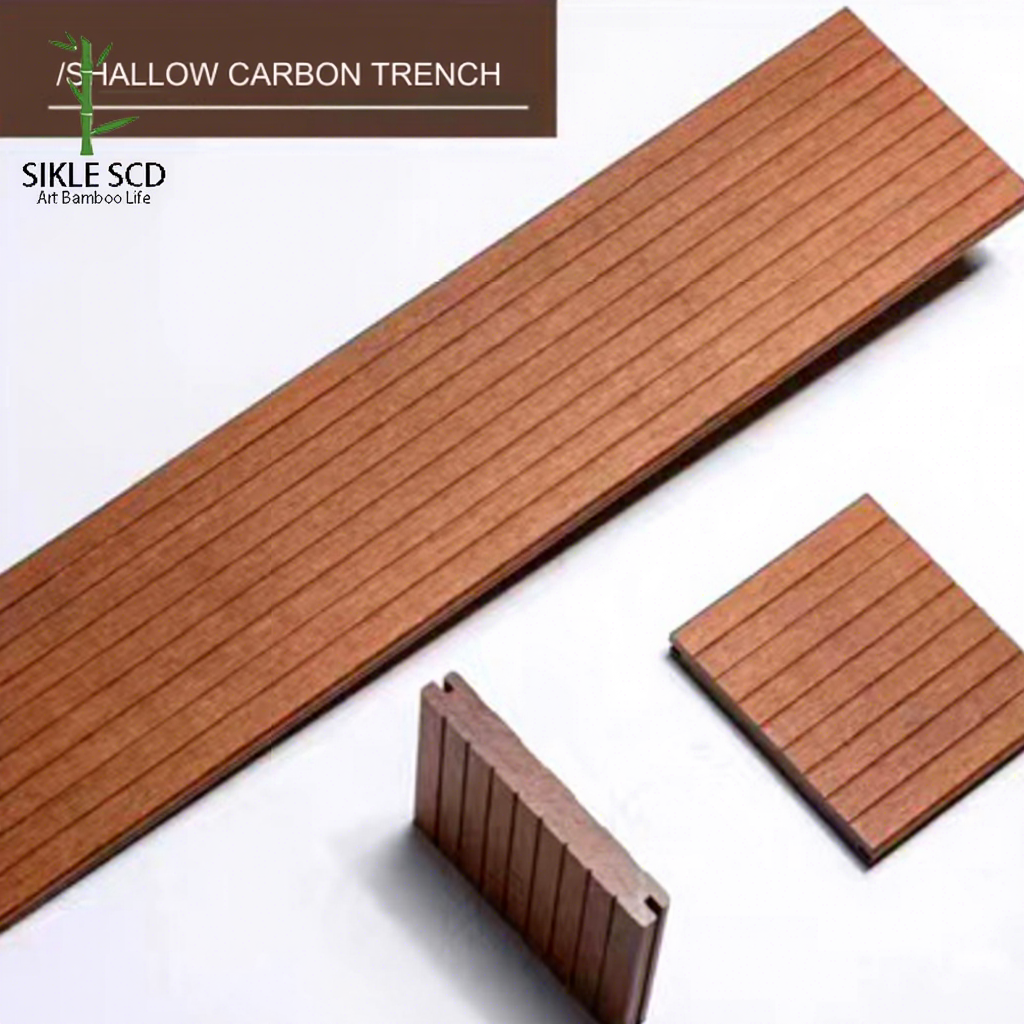 Hospitality Outdoor
SIKLE SCD Solid Carbonized Bamboo Decking
13-coat finish, shallow and deep carbon options, E1 formaldehyde standard; suited to hotel terraces and shaded outdoor areas in Yemen.
View product →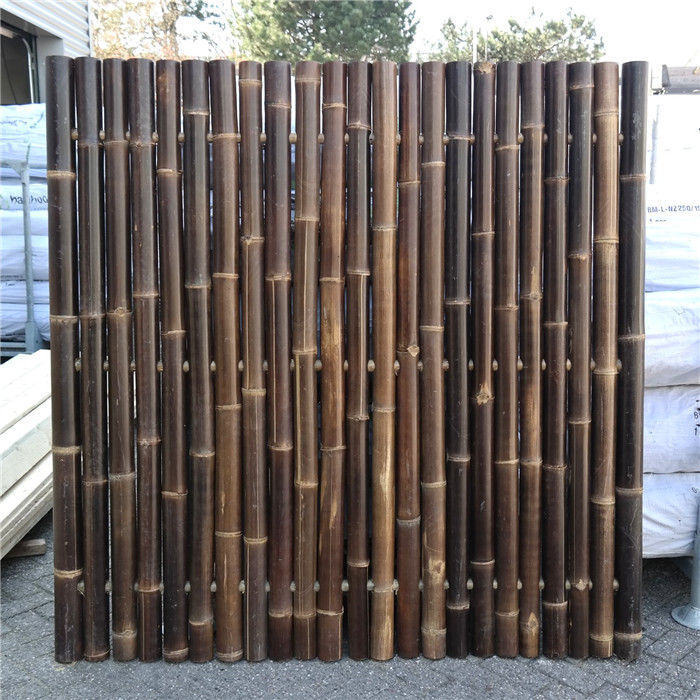 Screening
High 2m Bamboo Fence Screening
A ready-to-install privacy screen for villas, cafés and garden partitions, with natural texture and fast site assembly.
View product →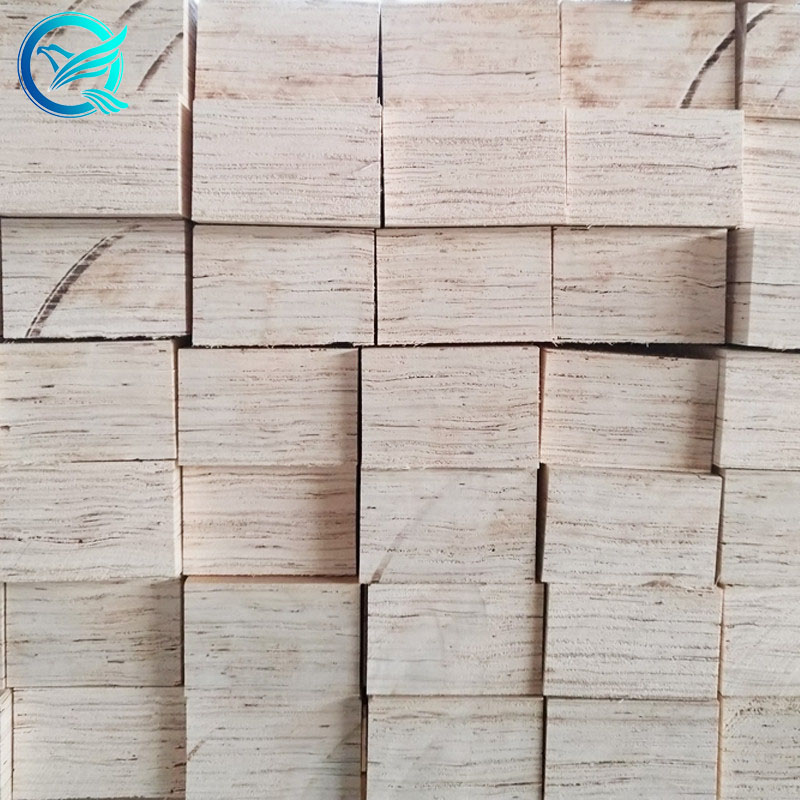 Engineered Core
Poplar LVL Beams Laminated Veneer Lumber Board
Dimensionally stable LVL for bed slats, packing boxes, door cores and shopfitting frames; double-sided decorative surface available.
View product →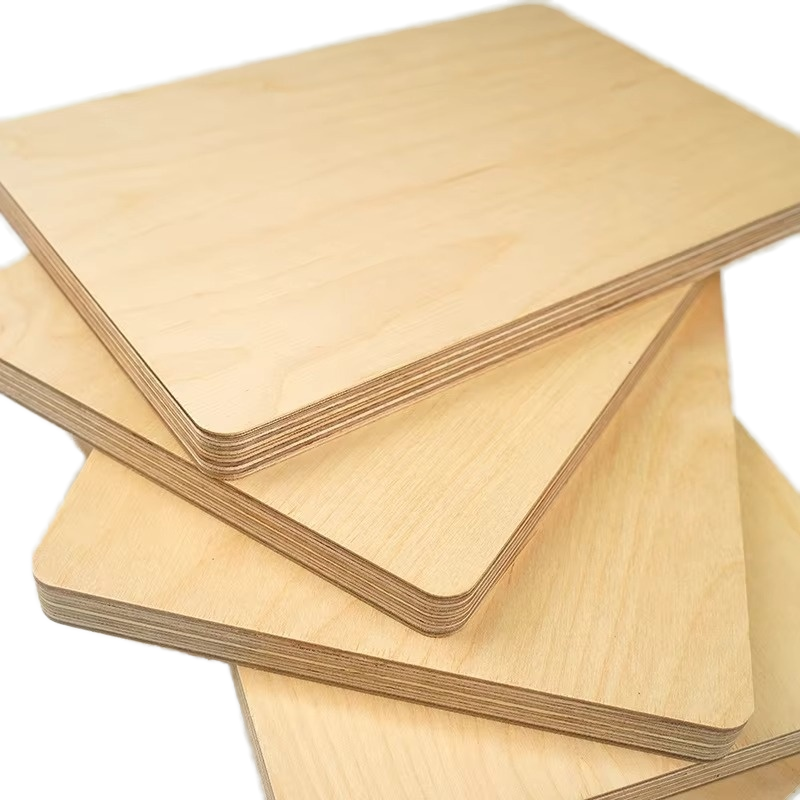 Furniture Grade
Wanhe CP-52 Poplar Birch Veneer Plywood E0
A practical furniture-grade panel for Yemeni workshops: poplar/birch veneer, E0 water-resistant glue, modern surface and outdoor-use potential when sealed.
View product → Formwork
LEONKING 3-ply Shuttering Plywood
Spruce/pine/fir core with UV and WBP paint coating, 21/27mm yellow panel; designed for concrete formwork and contractor supply.
View product →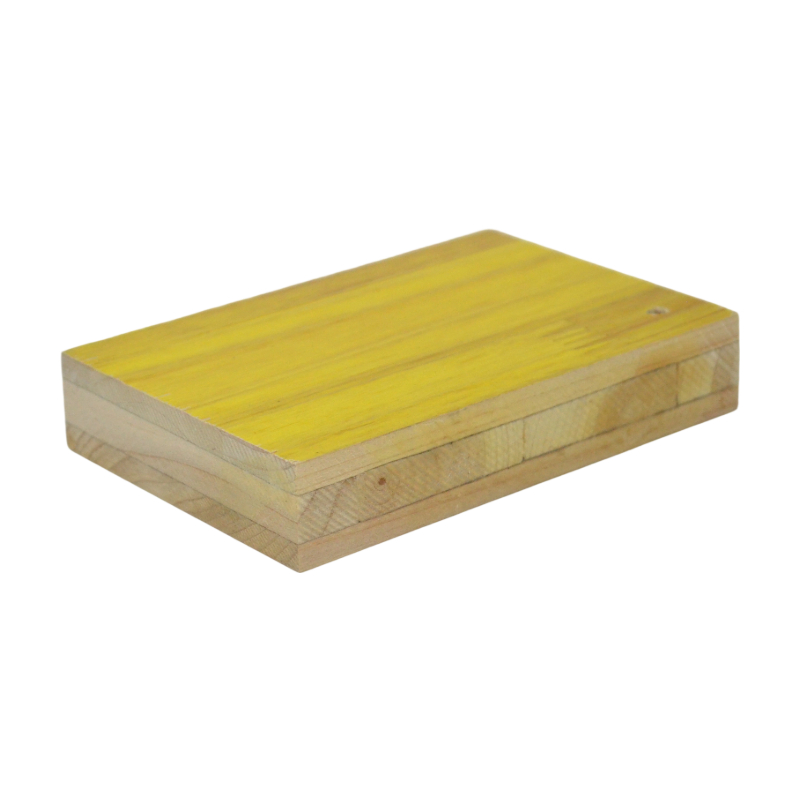 Concrete Slab
3 Ply Yellow Spruce Shuttering Panel 21–27mm
Pine formwork board that assembles easily for concrete slab construction; complements furniture panel orders for project-focused buyers.
View product →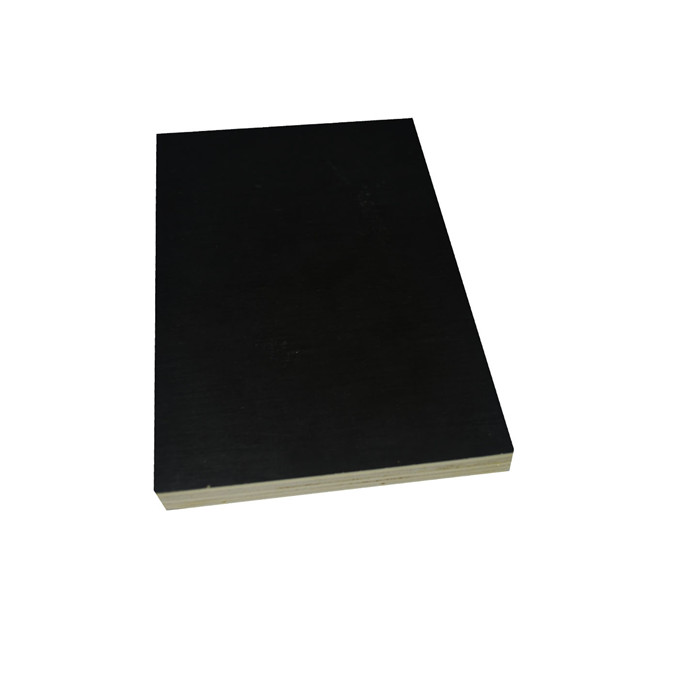 Construction
21mm Poplar Film Faced Plywood for Formwork
Film-faced plywood for formwork and site protection; useful for contractors needing panel supply alongside furniture-grade materials.
View product →Years in Export
Wood-panel trading since 2008.
Monthly Capacity
Plywood output from the affiliated mill.
Production Base
Peeling, pressing, calibrating and sanding.
Quality Framework
Certified production and SGS assessment.
A Practical Procurement Guide for Yemeni Furniture Manufacturers and Wholesalers
This is not a catalogue page. It is a specification-led guide to buying wood panels for Yemeni workshops, projects and distribution.
Furniture-grade plywood is not defined by a single stamp on a panel. For a Yemeni furniture manufacturer, it is the combination of a clean face, a stable core, controlled thickness, consistent sanding and a bond that can survive heat, humidity and the long sea voyage into Aden, Hodeidah or Mukalla. A panel that performs well in a dry showroom can fail in a coastal workshop if the glue line, edge sealing and storage routine are not specified together.
Shanghai Dorni International Trading Co., Ltd. has worked in wood-panel export since 2008, supported by an affiliated mill in Dangshan County, Anhui Province. The operation runs three complete production lines, from peeling and drying to pressing, calibrating, sanding and container loading, with 6,000 m³ of monthly plywood capacity. That mill-direct structure is relevant to Yemeni wholesalers because it allows one technical team to coordinate furniture panels, formwork, LVL and bamboo products instead of stitching together several traders.
For buyers in Sana'a, Aden, Taiz, Hodeidah and Mukalla, the practical question is not simply “what is the cheapest sheet?” but “which specification will reduce rejects in my workshop and claims after the container arrives?” The sections below answer that question with application scenarios, a specification matrix, local trend notes and a short FAQ.
What this guide adds: a Yemen-specific view of moisture exposure, port logistics, mixed-container planning and the product mix that furniture makers and project contractors actually order together.
What Furniture Grade Plywood Means in the Yemeni Market
In everyday trade, “furniture grade” describes plywood intended for visible or semi-visible furniture components, not for concrete formwork. Four performance areas matter most.
Face and Surface Quality
Cabinet doors, wardrobe fronts and reception counters need a face that sands, laminates and veneers predictably. Patching, grain consistency and face-veneer thickness should be agreed in the sample, not left to “standard export quality.”
Core and Thickness Tolerance
A stable core reduces bowing after cutting. For Yemeni workshops using circular saws and edge banders, thickness tolerance and internal voids matter more than a glossy film face. Ask for a sample from the production lot, not only a showroom board.
Bond and Moisture Resistance
MR glue is a cost-effective choice for dry interior furniture; WBP or phenolic-bond panels are preferred where humidity, plumbing leaks or outdoor exposure are possible. In Aden and Hodeidah, sealed edges and back faces are part of the specification.
Emission and Indoor Air
E1 and E0 panels are increasingly requested for schools, clinics, hotels and residential interiors. Buyers should match the emission class to the project and request test documents that identify the production batch.
A common purchasing error is to substitute film-faced shuttering plywood for cabinet carcasses because it looks robust and is readily available. Film-faced panels are engineered for concrete pressure and reuse; their surfaces, edge quality and core structure are not automatically suitable for exposed furniture. Use furniture-grade plywood for interiors, LVL for stable structural components, and 3-ply shuttering panels where the job is genuinely formwork.
Where the Products Fit: Eight Application Scenarios
Yemen is not one climate or one market. Coastal cities, highland workshops and project sites each create different exposure profiles.
Kitchen Cabinets and Wardrobes
Use moisture-resistant furniture-grade plywood for carcasses, drawer boxes and wardrobe backs. In Aden and Hodeidah, specify sealed edges, MR or better glue, and a dry storage plan before installation.
Office and Commercial Fit-Out
Sana'a offices, banks and co-working spaces use plywood for reception desks, storage walls, acoustic backing and concealed frames. Dimensional stability and clean sanding reduce finishing time.
School and Institutional Furniture
Desks, library shelving, laboratory cabinets and clinic counters need repeatable sheet sizes and predictable screw-holding. Pre-sanded panels and consistent thickness help local fabricators meet project schedules.
Hotel and Hospitality Refurbishment
Hotels and resorts can combine poplar/birch veneer plywood for interior joinery with carbonized bamboo decking and fence screening for terraces, pool edges and shaded outdoor areas.
Shopfitting and Retail Display
Retailers need flat panels that accept laminate, paint and veneer. Engineered wood veneer and LVL help produce straight counters, display plinths and modular fixtures that survive repeated installation.
Doors, Partitions and Joinery
Plywood cores and LVL provide stable substrates for door skins, sliding partitions and built-in joinery. Choose WBP or MR bonding according to exposure and seal cut edges on site.
Transport, Packaging and Bed Frames
Poplar LVL is used for bed slats, packing crates and protective dunnage. Its engineered structure gives consistent straightness, which is valuable when solid timber is variable or slower to source.
Outdoor Screening and Decking
Bamboo decking and 2m fence screening create usable outdoor rooms for villas, cafés and hospitality projects. Specify ventilation, stainless fixings and a maintenance plan for coastal salt air.
Localized Trends Shaping Panel Demand in Yemen
Several procurement patterns are visible across furniture workshops, importers and project suppliers serving Yemen.
Rebuilding and Fit-Out Demand
Repair, refurbishment and new fit-out work continue to create demand for panels that can be cut and finished locally. Importers favour specifications that are easy to explain to workshops and flexible enough for several end uses.
Engineered Wood Replacing Solid Timber
Solid hardwood is increasingly reserved for visible accents. Plywood, LVL and engineered veneer deliver straighter components, lower waste and more predictable delivery for volume furniture.
Low-Emission Specifications
E1 and E0 formaldehyde classes are moving from premium request to standard question, especially for schools, clinics, hotels and residential interiors. Clear test documents shorten approval cycles.
Mixed-Container Purchasing
Wholesalers often prefer one container that combines furniture panels, formwork and outdoor bamboo rather than committing to a single SKU. This spreads inventory risk and supports smaller dealers.
Private Label and OEM
Distributors want their own brand on film, edge sealing, bundle labels and packaging. A mill-direct supplier that can print logos and grade to BSI, IHPA, JPIS or GB standards has an advantage.
Documentation and Traceability
Buyers increasingly ask for ISO 9001, CE, FSC availability, SGS assessment records and pre-shipment photos before releasing payment. Documentation is now part of the product, not an afterthought.
Specification Guide: Matching Product to Application
Use this matrix as a starting point for a Yemen-specific request for quotation. Final selection should be confirmed by sample, exposure conditions and project standards.
| Application | Recommended Product | Critical Specification | Why It Matters in Yemen |
|---|---|---|---|
| Kitchen cabinets and wardrobes | Poplar/birch veneer plywood, furniture grade | E1/E0, MR or WBP glue, sealed edges | Coastal humidity and kitchen moisture demand stable cores and protected edges. |
| Office and hotel joinery | Furniture-grade plywood, engineered veneer | Face grade, thickness tolerance, sanding quality | Consistent finishing reduces rework in local workshops. |
| Doors and partitions | Plywood core, LVL, engineered veneer | Straightness, screw-holding, bond class | Heat and handling can magnify core defects after installation. |
| Concrete formwork | 3-ply yellow shuttering panel, film-faced plywood | 21/27mm, phenolic/WBP bond, coating | Reuse cycles and site handling require a panel designed for concrete pressure. |
| Outdoor decking and screening | Carbonized bamboo decking, bamboo fence | E1, 13-coat finish, ventilation details | UV, salt air and seasonal rain require outdoor-specific products. |
| Packaging and bed slats | Poplar LVL, strong plywood | Double-sided surface, straightness, moisture content | Transport and furniture production need dimensional stability, not just low price. |
Common panel sizes include 1220×2440, 1250×2500, 1500×3000 and 915×1830 mm. 3-ply shuttering panels are commonly 500×2000/3000 mm in 21 or 27 mm. Standard film-faced and construction plywood orders typically start from 50 m³; 3-ply panel minimums range from 7–50 m³ depending on specification; bamboo decking starts from 100 m². Trial mixed containers can be discussed.
Why Dorni Is a Practical Supply Partner for Yemen
The company profile matters because it answers the questions a Yemeni importer cannot easily inspect from a distance: who controls production, who checks quality, and who is accountable when the container arrives.
Mill-Direct Structure
Shanghai Dorni has exported wood panels since 2008. Its affiliated mill in Dangshan County, Anhui Province, operates three complete lines — peeling, pressing, drying, calibration and sanding — with 6,000 m³ monthly capacity.
Certified Production
Production is managed to ISO 9001 and controlled to CE requirements (CE No. 1301-CPD-0569). FSC-certified material is available on request, and the company has been assessed on site by SGS Group.
Customisation for Wholesalers
Sample-based, design-based and full customisation are available, including logo printing on film, edge-sealing colour, packaging, private labels and grading to BSI, IHPA, JPIS, GB or customer standards.
Export Logistics and QC
Goods are commonly loaded at Lianyungang or Qingdao. FOB, CFR, CIF, EXW, FAS and CIP are accepted. QC covers raw materials and finished goods, with pre-shipment photos and third-party inspection welcome.
For Yemeni buyers, the practical benefit is consolidation. A wholesaler can discuss furniture-grade plywood, 3-ply shuttering panels, LVL, engineered veneer, bamboo decking and fence screening with one export team. That reduces the risk of mixed quality standards, mismatched documentation and fragmented loading plans across several suppliers.
Quality Control and Documentation for Yemen-Bound Shipments
Long transit times and limited opportunities for quick replacement make pre-shipment control critical.
Incoming Raw Materials
Face veneers, core veneers, glue and film are checked against the approved sample before production starts.
In-Process Control
Press pressure, glue spread, thickness, sanding and coating are monitored through the run, not only at final inspection.
Pre-Shipment QC
Finished panels are checked for dimensions, face defects, edge sealing, bundle marking and moisture protection. Photos can be shared before loading.
Export Documentation
Commercial invoice, packing list, certificate of origin and product certificates are prepared to match the consignee and destination requirements. Third-party inspection is welcome.
For shipments routed to Aden, Hodeidah, Mukalla or a regional transshipment point, clarity at the document stage prevents delays. Buyers should confirm consignee details, Incoterm, port and any required certificate before production begins. Packaging can be adjusted for sea freight: PE film, corner protectors, strapping, pallets or crates, and desiccant where condensation risk is high.
Common Questions from Yemeni Buyers
These are the questions our export team receives most often from furniture workshops, distributors and project suppliers.
What is the minimum order?
Standard film-faced and construction plywood typically starts from 50 m³, roughly two 40HQ containers. 3-ply shuttering panels start from 7–50 m³ depending on specification, and bamboo decking from 100 m². For a first trial, mixed-product loading can be discussed.
Which panel suits Aden and Hodeidah humidity?
For interior furniture, choose a furniture-grade panel with E1/E0 glue, sealed edges and a dry storage plan. For wet or semi-exposed areas, specify WBP or phenolic bond and protect cut edges on site.
Can you provide CE, FSC, ISO and SGS documents?
The mill is managed to ISO 9001 and production is controlled to CE requirements. FSC-certified material is available on request, and Dorni has been assessed on site by SGS Group. Request the document set for your exact product and order.
Can we mix furniture panels, formwork and bamboo?
Yes, subject to minimum quantities and a practical loading plan. Mixed containers are often useful for distributors testing several product lines before committing to a full container of one specification.
How are panels protected during sea freight?
Standard protection includes PE film, corner protectors, strapping and bundle marking. Pallets, crates or desiccant can be added where the route or season requires extra protection. Pre-shipment photos are available.
Can you customise sizes, logo and packaging?
Yes. We support sample-based, design-based and full customisation, including film logo printing, edge-sealing colour, private-label packaging and grading to BSI, IHPA, JPIS, GB or customer standards.
Plan a Yemen-Specific Panel Order with Dorni
Send your panel type, size, glue, emission class, quantity, destination port and preferred Incoterm. Our export team will reply within 24 hours with a specification proposal, loading plan and quotation.
Send an Inquiry