Eight Product Lines for Wholesalers, Fit-Out Contractors and Project Buyers
These eight product lines support a practical Dammam supply programme: decorative faces for interiors, engineered wood for furniture and packaging, formwork panels for concrete, H20 beams for slab systems, LVL for structural components and bamboo screening for outdoor spaces.
Why Dammam Buyers Need a Localized OEM Decorative Plywood Strategy
Dammam is the commercial gateway to Saudi Arabia’s Eastern Province and one of the most practical entry points for importers serving Khobar, Dhahran, Qatif and Jubail. It is also a market where a decorative panel that performs well in a temperature-controlled showroom can behave very differently in an unshaded warehouse, a coastal villa, a hotel fit-out or a project site exposed to dust and intense solar gain. For wholesalers and OEM buyers, the winning specification is not simply the lowest price per sheet; it is the panel that arrives flat, machines cleanly, accepts adhesive and edge banding, maintains face consistency and survives the first maintenance cycle.
As a custom OEM decorative plywood exporter and wholesaler for the Dammam market, our role is to translate local application requirements into production details: core type, face veneer, glue line, emission class, thickness tolerance, UV coating, edge sealing, panel size, bundle protection and private-label packaging. This is why a Dammam-focused programme should combine decorative plywood with complementary engineered wood products such as LVL, H20 beams and formwork panels, allowing distributors to serve both interior fit-out customers and active construction sites from one supplier.
Dammam buyers rarely purchase in isolation. A single container may need UV-coated birch plywood for joinery, engineered veneer for feature walls, poplar LVL for furniture components, bamboo screens for landscaped areas and yellow shuttering panels for a contractor working nearby. A supplier who understands the mixed nature of the market can reduce ordering friction, simplify documentation and improve stock turnover for local wholesalers.
Heat and Solar Load
Unshaded storage and transport conditions require stable cores, controlled moisture content and coating systems selected for higher surface temperatures.
Coastal Humidity
Humidity and salt-laden air make WBP glue, phenolic bonding, sealed edges and protected bundles especially relevant for Dammam and Khobar projects.
Mixed Project Demand
Villas, hotels, retail, schools, warehouses and concrete sites need more than one product line from the same supplier.
Documentation Confidence
ISO 9001, CE, FSC availability and SGS-assessed operations help procurement teams compare suppliers with less risk.
Six Factors That Decide Whether Decorative Plywood Succeeds in Dammam
These are the practical issues procurement teams, joinery workshops and site engineers raise when they move from a sample to a repeat order.
Heat and Surface Stability
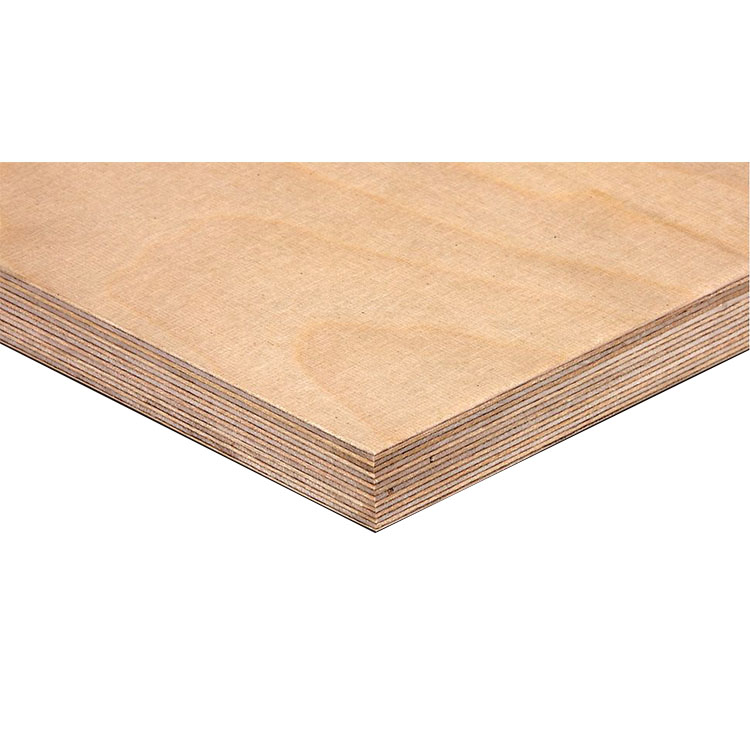
Dammam project sites and warehouses can expose panels to high surface temperatures before installation. A stable core, well-controlled moisture content and balanced construction reduce bowing, face checking and machining variation. For interior joinery, UV-coated birch and engineered veneer faces should be specified with packaging that protects edges from rapid moisture changes during storage.
Humidity and Salt-Air Awareness
Coastal humidity affects edges, exposed veneers and unprotected panels in service areas. For projects near the Dammam Corniche, Khobar waterfront or hospitality terraces, buyers should request sealed edges, WBP or phenolic adhesive options where appropriate, and protected bundle packaging. Outdoor screening products such as bamboo garden screens should be specified with fixings and ventilation details that avoid trapped moisture.
Project Mix Across the Eastern Province
The Dammam market is not only one customer type. Villa joinery, hotel refurbishment, retail showrooms, school furniture, warehouse packing and concrete formwork can all appear in the same commercial district. Wholesalers benefit from a supplier able to combine decorative plywood with LVL, film-faced plywood, 3-ply shuttering panels and H20 beams without forcing them to manage multiple quality systems.
Low-Formaldehyde Indoor Applications
Interior fit-out clients increasingly ask about indoor air quality and material emissions. E0 and E1 options, together with clear documentation and batch traceability, help Dammam contractors answer those questions earlier. The product recommendation should match the application: E0 UV birch for furniture and sensitive interiors; suitable exterior or formwork grades where moisture resistance is the primary concern rather than indoor emission class.
Container and Stock Economics
A Dammam wholesaler may prefer a mixed container that balances fast-moving decorative panels, structural LVL and formwork components. Poor loading plans can create damaged edges, wasted space and slow customs documentation. A supplier experienced in export packing can consolidate multiple product lines, protect faces with interleaving and label bundles according to the buyer’s warehouse requirements.
Specification Before Price
Price comparison becomes unreliable when one quotation is 12 mm poplar-core decorative plywood and another is 18 mm birch-core E0 UV-coated plywood. Dammam buyers should compare core, face, glue, thickness tolerance, surface coating, panel size, packaging, MOQ and inspection terms. A clear specification table reduces disputes and helps local wholesalers quote confidently to their own customers.
Where Custom OEM Decorative Plywood Wins in Dammam and the Eastern Province
From villa interiors to concrete slabs and landscaped terraces, the product mix must reflect real installation conditions rather than a generic export list.
Villa and Residential Joinery
Dammam villas and residential compounds require wardrobes, kitchen carcasses, TV units, doors and decorative wall panels. UV-coated E0 birch plywood and engineered veneer faces provide a clean decorative surface with low-formaldehyde positioning for interior joinery. Contractors should request edge sealing, consistent face colour and packed bundles that protect corners during transport from the warehouse to the site.
Hotel, Restaurant and Café Fit-Outs
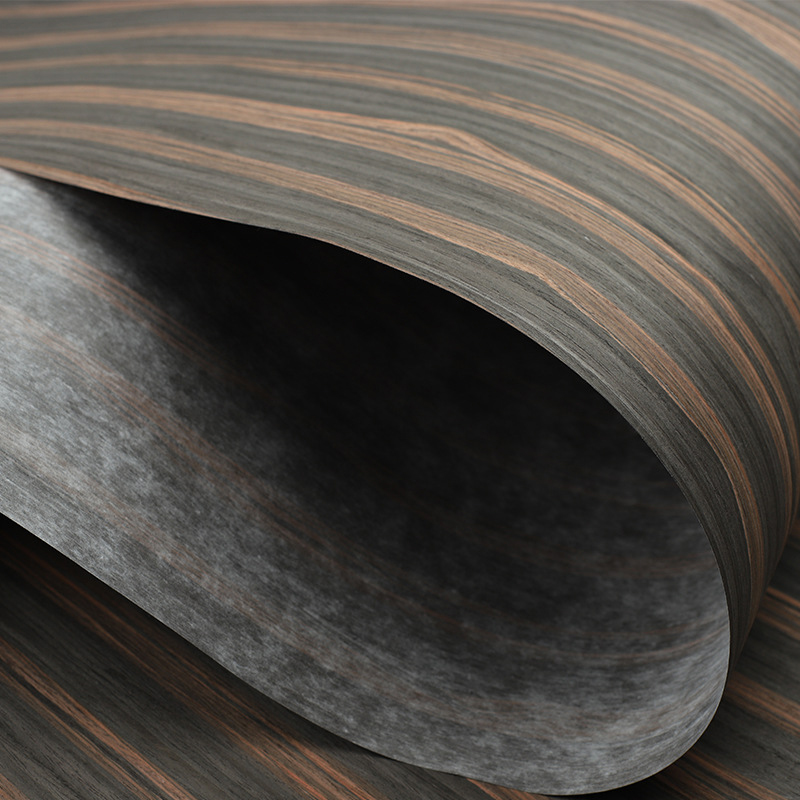
Hospitality projects in Dammam and Khobar often combine decorative feature walls with high-traffic furniture and outdoor screens. Engineered wood veneer in 640×2500 mm can reduce visible joints on long walls, while bamboo screens add privacy and texture to terraces. For café counters and restaurant fixtures, UV-coated birch plywood can support repeated cleaning and a more controlled factory finish.
Retail Showrooms and Reception Areas
Showroom displays, reception desks and branded retail fixtures need consistent faces and reliable CNC machining. Custom OEM decorative plywood allows distributors and fit-out companies to specify panel size, face grade, core, backing and packaging. Engineered veneer and UV birch panels can be book-matched or batch-matched so that display units, wall panels and counters read as one coherent interior.
Corporate, Healthcare and Education Interiors
Offices, clinics, schools and training centres in the Eastern Province prioritize durable, easy-to-clean surfaces and low-emission materials. E0 or E1 plywood with UV coating, proper edge sealing and consistent thickness helps cabinet makers and joinery workshops deliver repeatable results. Buyers should discuss cleaning chemicals and expected wear because a decorative face selected for a bedroom wardrobe may not suit a reception desk.
Concrete Formwork and Structural Components
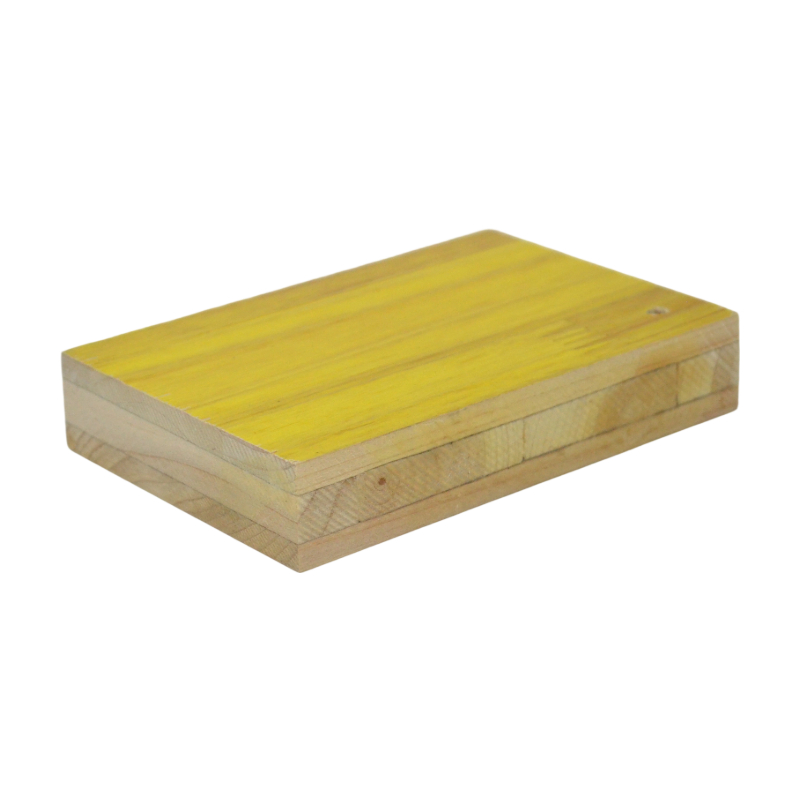
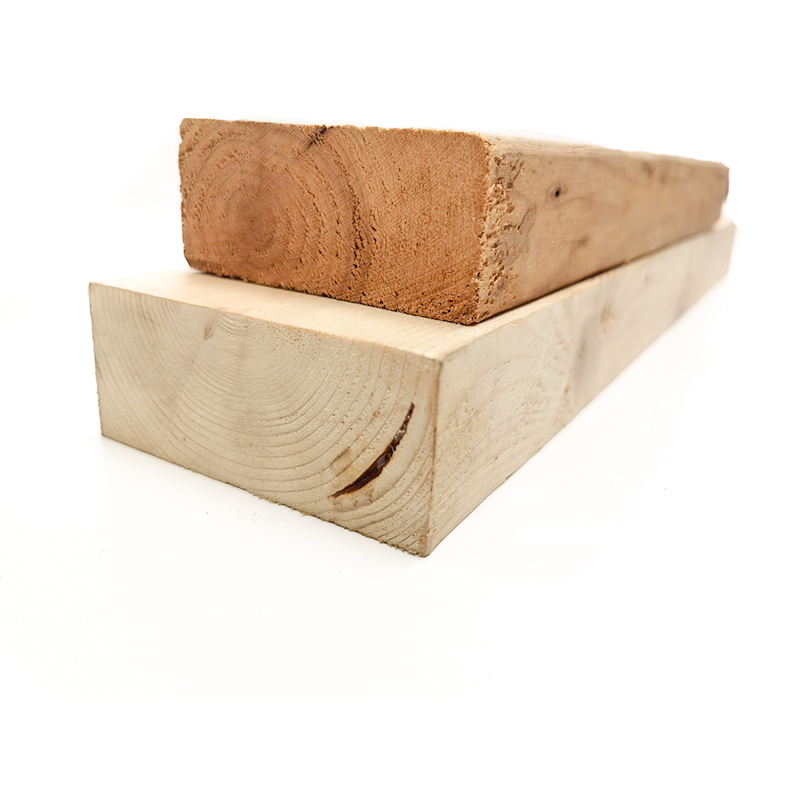
Dammam contractors working on slabs, villas, warehouses and infrastructure need formwork that assembles quickly and resists site conditions. Yellow 3-ply spruce shuttering panels, film-faced plywood and H20 beams with plastic ends can be specified together as a working system. For secondary structural and fit-out elements, 2×6 LVL boards provide straightness and machinability.
Outdoor Landscape and Packaging
Garden fences and bamboo screens serve villas, cafés and hospitality courtyards where privacy and climate-appropriate detailing matter. Poplar LVL and 2×6 LVL boards also support packaging, bed slats, furniture frames and internal transport components. For outdoor use, buyers should specify ventilation, fixing details and protected storage to avoid moisture trapped against decorative surfaces.
Recommended Product Fit for Dammam Projects
Use this matrix as a starter reference when preparing a quotation for a Dammam distributor, contractor or OEM buyer. Final specifications should always be confirmed against drawings, samples and project requirements.
| Application | Recommended Product Line | Key Specification Focus | Why It Fits Dammam |
|---|---|---|---|
| Villa wardrobes and kitchen carcasses | UV-coated E0 birch plywood | E0/E1, double-sided UV, sealed edges, 18 mm, consistent face | Low-formaldehyde interior positioning, clean factory finish and reliable machining for joinery workshops. |
| Feature walls and reception counters | Engineered wood veneer 640×2500 mm | Face grade, batch matching, WBP glue, long panel size | Longer panels reduce joints and help create continuous decorative surfaces for hotels and showrooms. |
| Hotel and retail furniture | UV birch plywood plus engineered veneer | CNC suitability, edge sealing, consistent thickness, protective packing | Supports repeatable fabrication, transport protection and a premium decorative finish. |
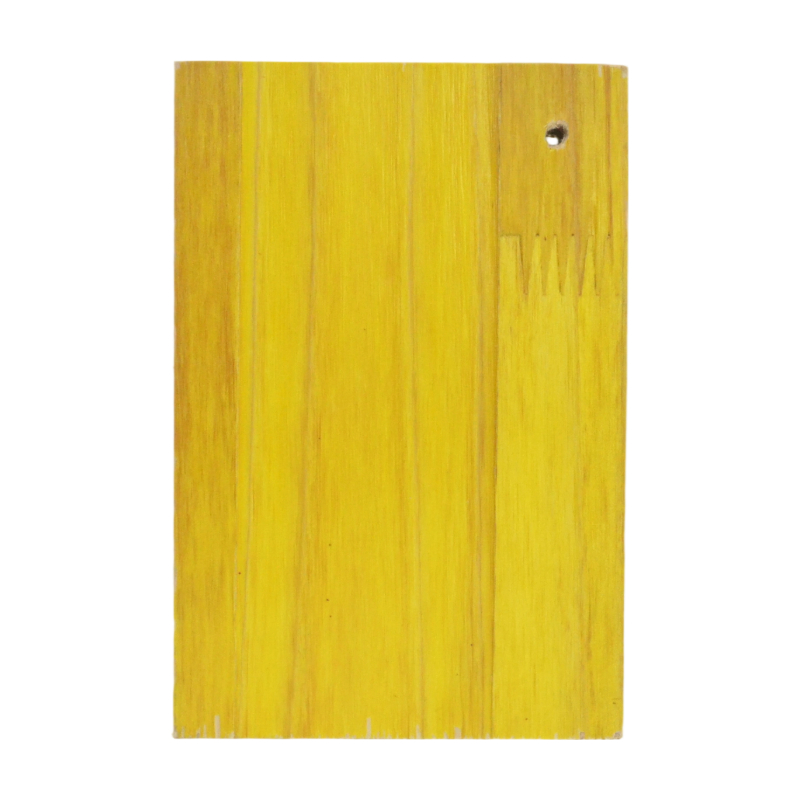
| Concrete slabs and walls | 3-ply yellow spruce shuttering panel | 21/27 mm, phenolic bond, yellow coating, easy assembly | Designed for concrete formwork where speed, handling and repeat use are important. |
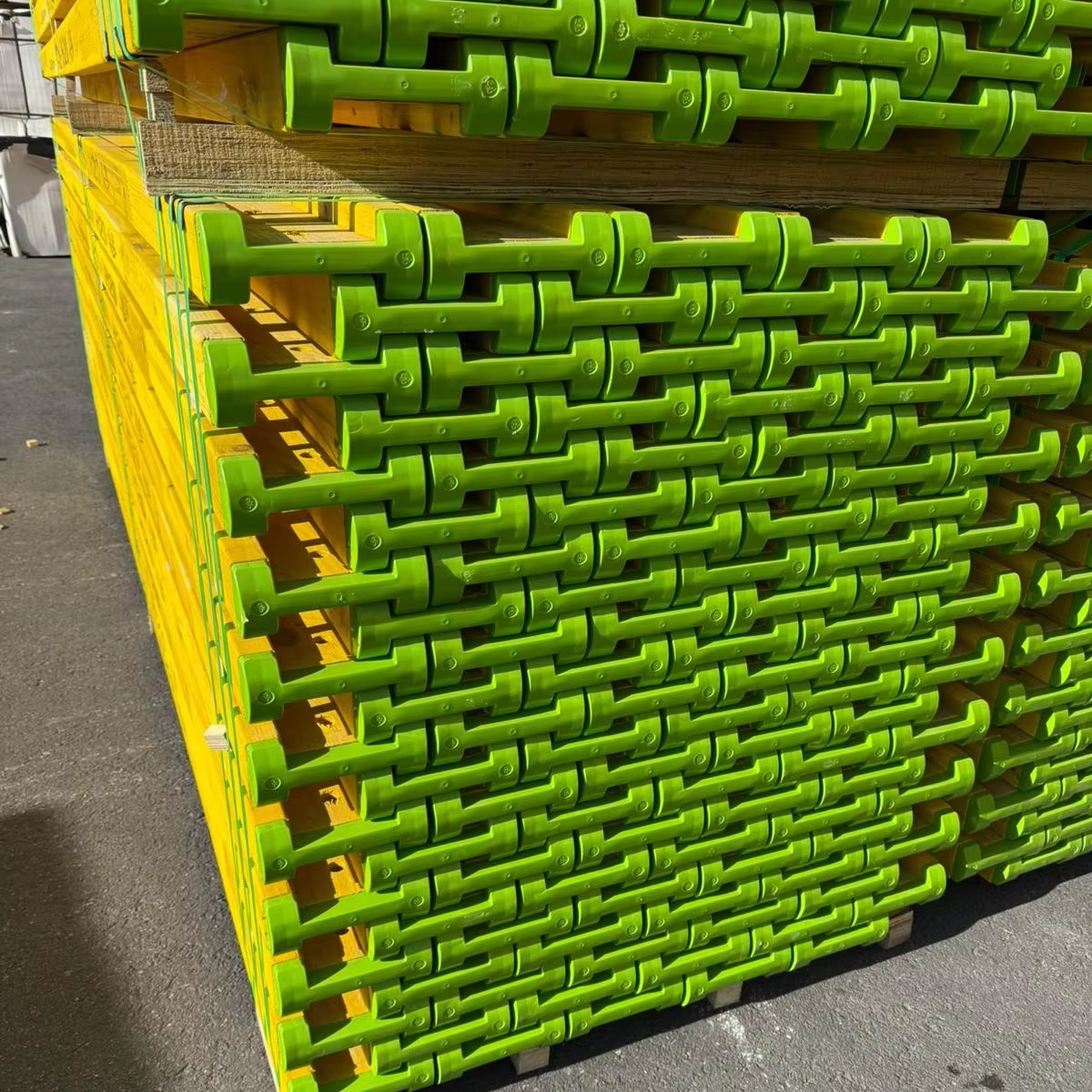
| Slab formwork systems | H20 beam with plastic ends | Waterproof painting, spruce flange, pine plywood web, plastic ends | Matches common panel formwork requirements and protects beam ends during site handling. |
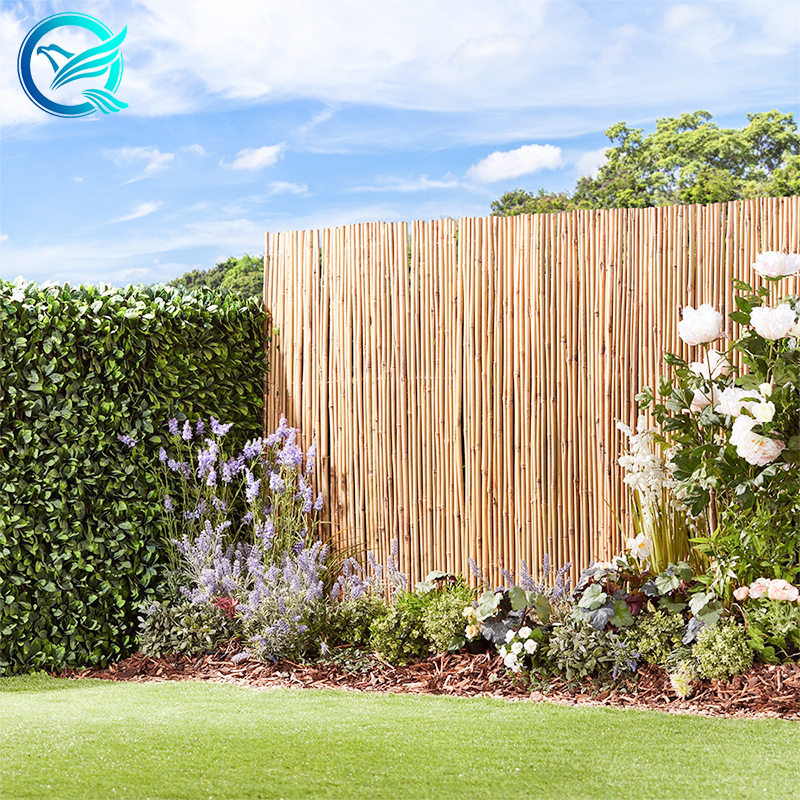
| Landscaped terraces and privacy screens | Wooden garden fence and bamboo screen | Screen height, bamboo finish, fixing method, ventilation, storage protection | Useful for villas, cafés and hospitality projects where quick visual screening is required. |
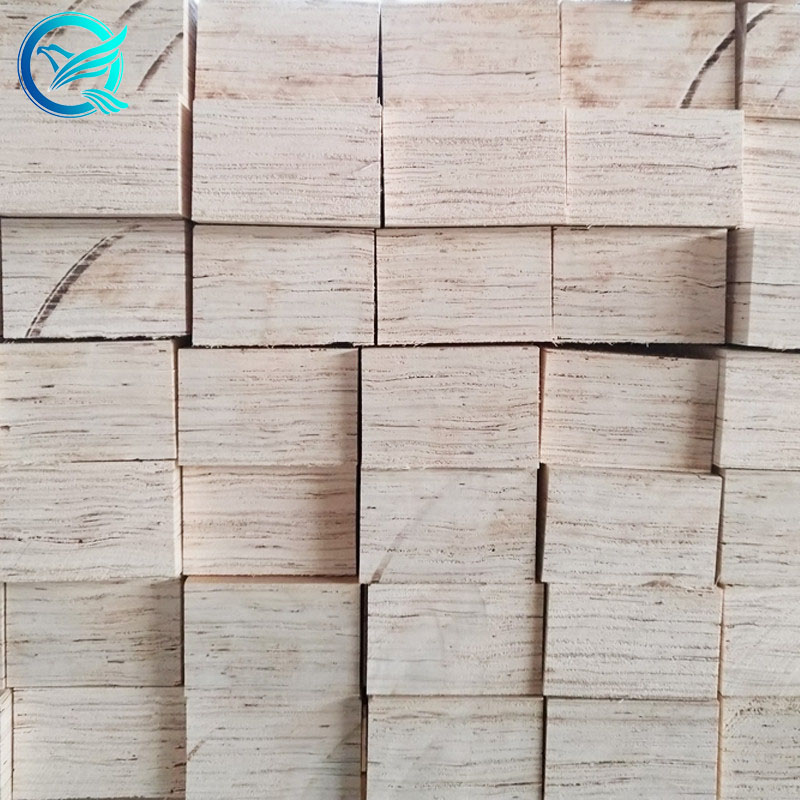
| Packaging, bed slats and furniture components | Poplar LVL and 2×6 LVL board | Straightness, moisture resistance, dimension stability, decorative face option | Supports local furniture production, packing and fit-out fabrication with stable engineered wood. |
| Mixed wholesale stock | Decorative plywood, LVL, formwork and outdoor range | Mixed container plan, bundle labels, inspection photos, private-label packing | Helps Dammam wholesalers serve multiple customer groups without multiplying suppliers. |
Common plywood sizes include 1220×2440, 1250×2500, 1500×3000 and 915×1830 mm. Thickness, face grade, glue type, emission class, edge treatment and packaging can be customized for OEM programmes.
What Is Changing in Dammam’s Decorative Plywood and Fit-Out Supply Chain
The strongest suppliers are not waiting for a single project specification. They are preparing product platforms that can serve many projects across the Eastern Province.
Vision 2030 Fit-Out Momentum
Saudi Arabia’s long-term investment programme continues to support construction, hospitality, retail, healthcare and education projects. Dammam wholesalers and contractors benefit from suppliers who can handle both decorative interior panels and construction-stage products, reducing lead-time uncertainty when a fit-out package accelerates.
Low-Formaldehyde Preference
E0 and E1 plywood specifications are increasingly discussed in furniture, wardrobes, school furniture and hospitality interiors. Buyers should not treat “E0” as a decorative claim alone; they should ask for the core, glue system, test documentation and application suitability to be stated clearly in the quotation.
Pre-Finished Surfaces
UV-coated panels reduce on-site finishing steps and help control surface quality. For Dammam joinery workshops, factory-finished decorative plywood can shorten installation cycles and improve consistency across repeated hotel or retail units. The specification should include face protection, edge sealing and handling instructions.
Engineered Veneer and Long Panels
Designers continue to favour continuous grain and fewer visible joints. Engineered veneer in 640×2500 mm allows feature walls, counters and tall cabinetry to be planned with better visual flow. Batch matching and sample approval become more important than ever when several rooms or floors are part of one project.
Mixed Containers and Faster Reorders
Dammam distributors are under pressure to stock the right mix without overcommitting to a single SKU. A supplier who can combine decorative plywood, LVL, H20 beams, shuttering panels and outdoor screening in a planned container programme helps the wholesaler react faster to local project demand.
Documentation as a Sales Tool
Technical data, inspection photos, bundle labels and certification summaries increasingly influence repeat orders. For OEM buyers, clear documentation protects the brand promise and helps the local sales team answer questions from fit-out contractors, consultants and procurement departments.
From Application Brief to Dammam Container: A Six-Step OEM Workflow
A controlled OEM process protects face consistency, packaging, documentation and delivery expectations.
Application Brief
Define the final use: wardrobe, feature wall, hotel fixture, concrete slab, packaging or exterior screen. Share drawings, target thickness, panel size, face expectation, emission class, moisture exposure and destination port.
Sample and Face Selection
Approve face veneer, colour tone, UV coating, sanding level and edge treatment. For engineered veneer and decorative plywood, batch matching should be discussed before bulk production rather than after loading.
Engineering and Compliance Review
Confirm core, glue line, emission class, thickness tolerance, panel size and packing. Certificates such as ISO 9001, CE and FSC availability can be reviewed alongside testing or inspection requirements.
Pilot Run and Quality Control
Produce pilot panels where needed, inspect veneer, pressing, calibration, surface and edges, then document the approved standard for bulk production. Raw material and finished-goods inspection support consistency.
Private Label and Packing
Apply logo printing, private-label marks, bundle labels, edge protection and export packing. Mixed-product loading can be planned so decorative panels, LVL and formwork products arrive in usable warehouse quantities.
Loading and Dammam Documentation
Arrange container loading, final inspection photos and shipping documents from the selected port. Buyers should confirm document requirements with their freight forwarder and customs broker before shipment.
A Mill-Backed Supply Team for Custom OEM Decorative Plywood
Dammam buyers need a supplier that can discuss panel engineering, production control and export loading in the same conversation.
Shanghai Dorni International Trading Co., Ltd.
Shanghai Dorni International Trading Co., Ltd. has exported plywood and building materials since 2008, supported by an affiliated mill in Dangshan County, Anhui Province. The mill runs three complete production lines covering veneer preparation, pressing, calibration, sanding and container loading. This mill-backed structure gives Dammam buyers a practical path from sample approval to repeat production.
Quality management is aligned with ISO 9001, production is controlled to CE requirements, FSC-certified material is available on request and the company has been assessed on-site by SGS Group. A dedicated QC team can check raw materials and finished goods before every loading, while custom grading can follow BSI, IHPA, JPIS, GB or buyer-specific standards.
- Founded in 2008 with global export experience
- Affiliated mill with three complete production lines
- ISO 9001 quality management system
- CE-controlled production and FSC availability
- SGS on-site supplier assessment
- Raw material and finished product inspection
- OEM, ODM and private-label customization
- Lianyungang and Qingdao port loading
Mill-Direct Control
The affiliated mill supports veneer preparation, pressing, calibration and sanding, giving buyers clearer control over decorative face quality and core consistency.
Proven Export Experience
More than 18 years in the industry and a customer base across Europe, the Americas, the Middle East and Africa support practical export communication.
Certification and Traceability
ISO 9001, CE-controlled production, FSC availability and SGS assessment help procurement teams evaluate supplier capability before ordering.
Quality Checks Before Loading
Inspection of raw materials and finished products helps catch face defects, thickness variation, edge damage and packing issues before shipment.
Custom OEM and Private Label
Support is available for sample-based, design-based and full customization, including logo printing, edge-sealing colour, bundle labels and grading standards.
Mixed-Product Export Capability
Decorative plywood, film-faced plywood, 3-ply panels, H20 beams, LVL and bamboo screening can be planned together for Dammam wholesalers.
Trade Terms and Logistics
FOB, CFR, CIF, EXW, FAS and CIP terms can be discussed. Goods are usually loaded at Lianyungang or Qingdao port.
Dammam-Focused Communication
Share application, specification and destination port details, and our export team can prepare a practical technical and commercial response.
Common Procurement Questions from Dammam Importers, Contractors and Wholesalers
These answers reflect the questions that usually arise before a first container, sample order or private-label programme.
What is the minimum order quantity for custom OEM decorative plywood to Dammam?
Standard decorative and film-faced plywood programmes often start from around 50 m³, roughly two 40HQ containers, depending on specification. Formwork panels, H20 beams, LVL and bamboo screening have different MOQs, and mixed-product containers can be discussed for trial orders. The final MOQ should be confirmed after core, face, thickness, size, coating and packing are defined.
Can you produce E0 or E1 low-formaldehyde decorative plywood?
Yes. E0 and E1 options can be discussed for interior decorative applications such as furniture, wardrobes, doors and feature panels. Buyers should state the application clearly because the suitable glue and core system may differ between a decorative interior panel and an exterior or formwork product. Test documentation and sample approval can be reviewed before bulk production.
Which product is most suitable for Dammam’s humidity and coastal conditions?
For humid or coastal exposure, the conversation should focus on the actual application. WBP or phenolic adhesive options, sealed edges, protected packing and proper installation detailing are important. For interiors, E0 UV birch plywood and engineered veneer may be appropriate when protected from direct moisture; for outdoor screens, bamboo products need ventilation and appropriate fixings. No single panel is universal, so application-specific selection is recommended.
Can you support private label, logo printing and custom packaging?
Customization can include logo printing, private-label marks, edge-sealing colour, bundle labels, packaging design and grading to BSI, IHPA, JPIS, GB or buyer-specific standards. For Dammam wholesalers, clear bundle labels are especially useful because they help warehouse staff identify face grade, thickness, batch and customer order without opening every pack.
What documents can support Saudi import and project approval?
Documentation can include commercial invoices, packing lists, certificates of origin, inspection photos and available management-system or product certification information such as ISO 9001, CE-controlled production and FSC availability. Buyers should confirm specific Saudi import requirements with their customs broker and, where required, arrange third-party testing or conformity documents appropriate to the product and project.
How are goods shipped to Dammam and what Incoterms do you accept?
Goods are usually loaded at Lianyungang or Qingdao port, with shipment to the destination agreed with the buyer’s freight forwarder, commonly King Abdulaziz Port in Dammam when that route is suitable. FOB, CFR, CIF, EXW, FAS and CIP terms can be discussed. Lead time depends on product line, order quantity, sample approval and production schedule.
Can I mix decorative plywood, formwork panels, LVL and bamboo screens in one container?
Mixed-product loading can be discussed for distributors and project buyers who need several categories. The loading plan should consider panel protection, bundle weight, container space, unloading sequence and warehouse storage. Sharing the target quantity and delivery priority early helps the export team propose a practical combination rather than a theoretical one.
How do we start an OEM sample and quotation process for Dammam?
Send the application, target product, size, thickness, core preference, face type, glue or emission requirement, estimated quantity and destination port. If a sample is needed, specify whether it should match a colour, veneer, coating or existing board. The team can then recommend a product configuration and prepare the next step for sampling, production and container planning.
Send Your Dammam Specification for a Custom OEM Decorative Plywood Quotation
Share the application, panel size, thickness, core, face, glue, emission class, estimated volume and destination port. Our export team can combine decorative plywood, LVL, formwork panels, H20 beams and outdoor products into a practical container plan for the Dammam market.
info@dorniplywoods.com