Carbonized Bamboo Panels and Complementary Products Recommended for Isfahan OEM Buyers
Isfahan importers often need more than one material in the same container. The products below combine carbonized bamboo outdoor systems with engineered wood, fire-resistant interior board and veneer options so distributors, contractors and hospitality buyers can build a practical mixed-product program.
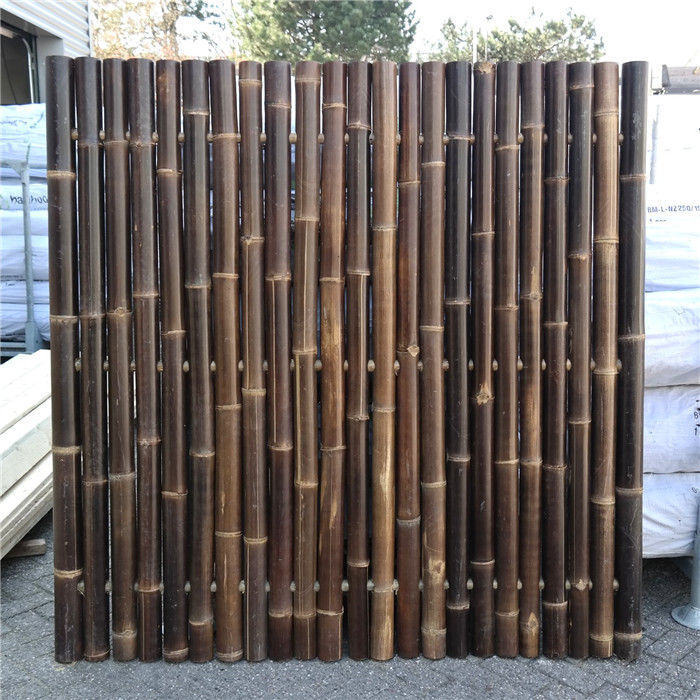
High 2m Bamboo Fence Screening
For villa gardens, boutique hotel courtyards, cafés and landscape privacy. Specify carbonized tone, roll length, binding wire and retail-ready packing for Isfahan project or distributor delivery.
View product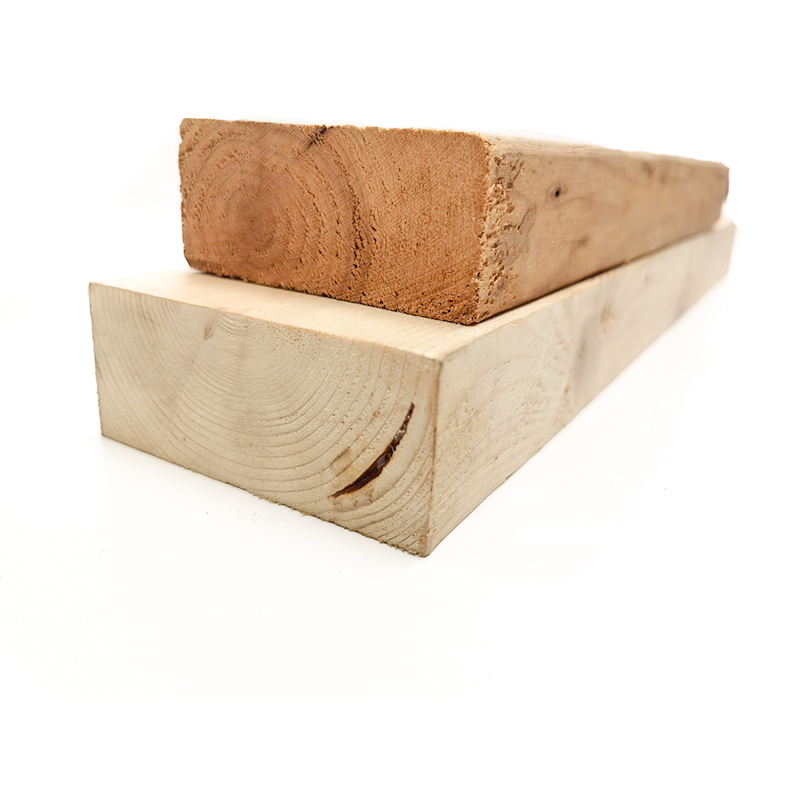
2x6 LVL Board
A complementary engineered wood line for structural supports, packaging upgrades and interior build-outs. Useful when Isfahan buyers want straight, consistent material alongside bamboo panel orders.
View product
LANTISE 18mm First-Class Basswood Fire Resistant Melamine Film Faced Modern Design E0 Formaldehyde Emission Double-Sided 3-Year
Suited to hotel interiors, retail fit-outs and commercial joinery where fire-resistant melamine film, E0 formaldehyde emission and clean double-sided finishing are part of the specification.
View product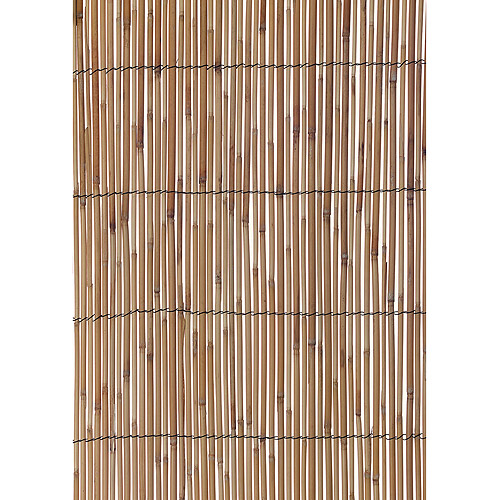
14-16mm High Quality Modern Bamboo Fence with Wood Frame-Eco-Friendly Waterproof Rot & Rodent Proof
Modern framed bamboo fencing for restaurant enclosures, roof terraces and landscaped boundaries. The wood frame supports a cleaner architectural line and easier installation on site.
View product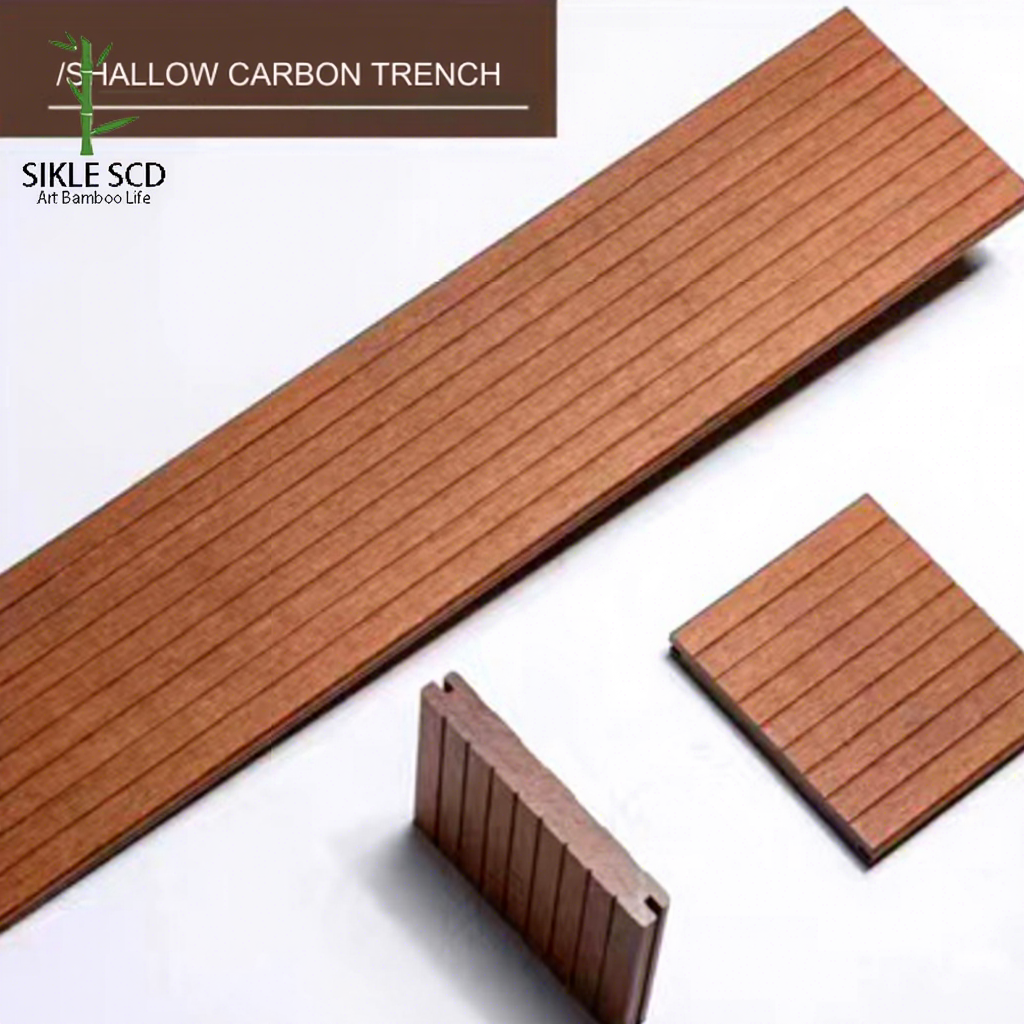
SIKLE SCD Bamboo Decking Solid Bamboo Shallow Deep Carbon 13 Coating Finish Hotel Use 5+ Year Warranty E1 Formaldehyde Standard
An exterior decking option for hotel terraces, pool surrounds and hospitality gardens. Specify shallow or deep carbon tone, 13-coat finish, E1 formaldehyde standard and warranty documentation.
View product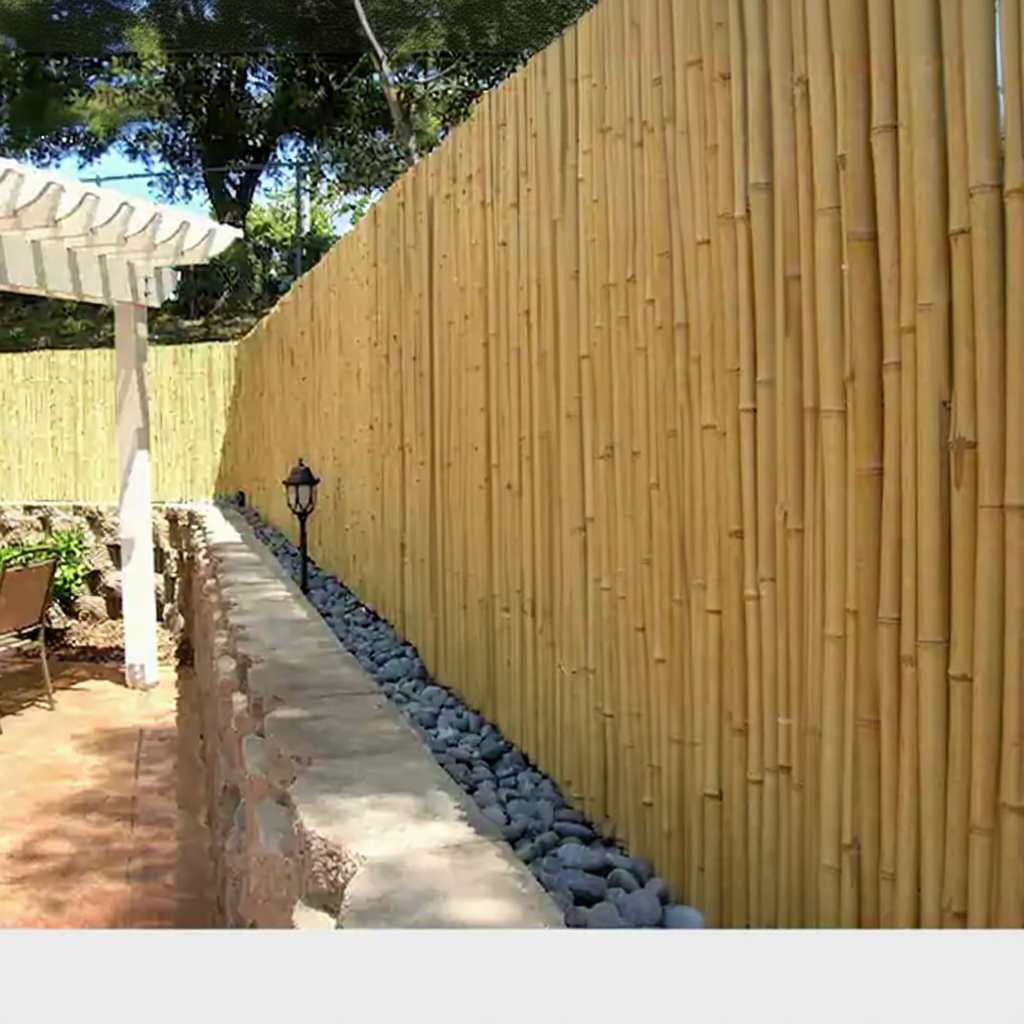
Natural Bamboo Fence High Quality ISO9001 for Certified 6 Feet Indoor/Outdoor Use Easy Assembly 100% Raw Bamboo Customized
Easy-assembly natural bamboo fencing for residential, landscaping and event projects. Customized height, roll size and labeling let Isfahan distributors serve local contractors efficiently.
View product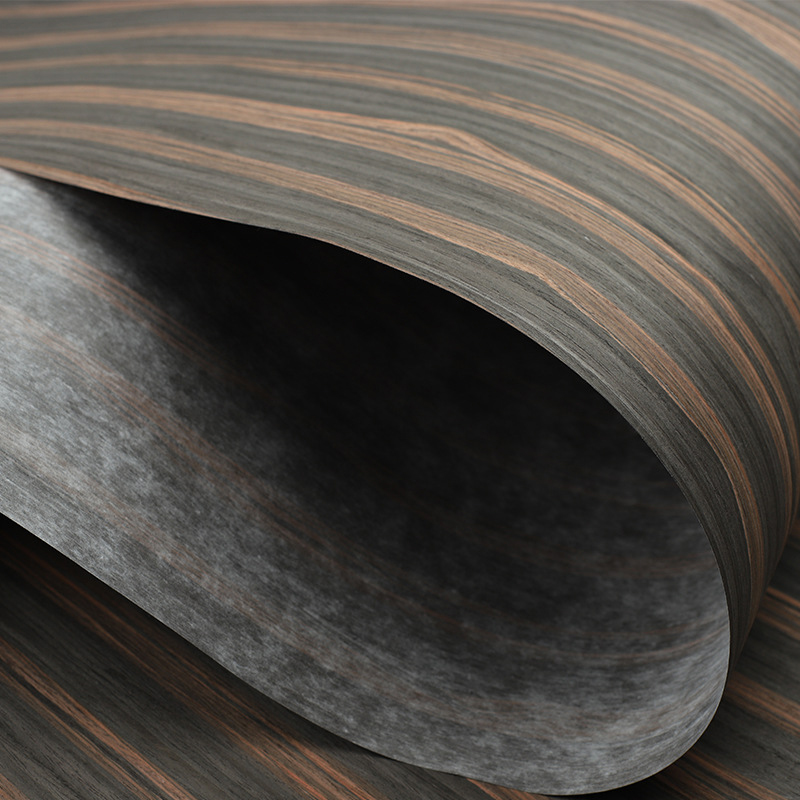
All Kinds Engineered Wood Veneer 640mm * 2500mm Size
For doors, wall panels, furniture and interior surfaces. A practical complement for Isfahan buyers ordering bamboo outdoor panels and interior decorative materials in one sourcing program.
View product
Singer 20mm Engineered Stranded Bamboo Deck Tiles Float Installation UV/Waterproof Coating 5+ Year Warranty Exterior Wall
Float-install bamboo deck tiles for rooftop terraces, pool decks and fast hospitality renovations. UV and waterproof coating options support Isfahan’s sunny, dry outdoor environment.
View productNeed a custom profile, carbonized color, UV coating, logo, mixed container or sample set before ordering? Send the intended application and destination details so the export team can prepare a specification-based quotation.
A Factory-Direct Supply Partner for Isfahan Buyers — Not an Anonymous Listing
Shanghai Dorni International Trading Co., Ltd. has supplied wood panels, formwork and bamboo building materials since 2008. Dorni is not a local Isfahan factory; it is a China-based export team backed by an affiliated plywood mill and audited production partners, serving importers, distributors and project buyers with documented QC and container consolidation.
Years in the Industry
Export experience since 2008 across North America, Europe, the Middle East, Africa and Asia.
Monthly Plywood Capacity
Affiliated mill output supports stable scheduling for panel and mixed-product orders.
Complete Production Lines
Peeling, drying, pressing, calibrating, sanding and loading under one quality system.
Buyer Rating
Verified review signal from export buyers, supported by SGS on-site assessment.
Why Carbonized Bamboo Panels Are Increasingly Specified in Isfahan
Isfahan’s semi-arid climate combines strong sun, dry air, dust, hot summers and cooler winters. That does not automatically make every bamboo panel suitable for every outdoor project. The value comes from matching carbonization, coating and installation details to the actual exposure.
UV and Dry-Heat Stability
Carbonization improves dimensional stability and gives bamboo a deeper, more uniform tone, but an exterior UV-stable coating is still essential. For Isfahan terraces and façades, buyers should specify coating system, maintenance interval and color tolerance rather than relying on carbonization alone.
Hospitality and Courtyard Culture
Isfahan’s courtyards, boutique hotels, restaurants and garden settings reward materials with a warm architectural finish. Carbonized bamboo decking, framed fencing and cladding support low visual contrast with brick, stone and landscape planting while reducing the need for imported tropical hardwood.
Water-Conscious Landscaping
Water scarcity is a practical design driver in Central Iran. Carbonized bamboo panels work well in hardscape-focused landscape schemes — shaded terraces, pool surrounds, pergolas and screen walls — where low-maintenance materials help reduce irrigation-dependent planting and long-term repair work.
Where Carbonized Bamboo Panels and OEM Bamboo Products Fit in Isfahan Projects
The strongest demand is rarely for a single board. Isfahan buyers usually combine decking, screening, tiles, interior panels and structural products for a complete space. This is where OEM color control, packing discipline and mixed-container planning create real commercial value.
Boutique Hotels and Guesthouses
Courtyard decks, terrace flooring, pool surrounds, privacy screens and reception feature walls. Carbonized tones help create a calm hospitality look while the OEM program aligns board color, groove profile and packaging with the project brand.
Villas and Private Courtyards
Garden screening, roof terraces, shaded seating zones and pool decks. Homeowners and local contractors appreciate easy-clean surfaces, stable profile options and the ability to order replacement pieces with the same finish direction.
Restaurants and Retail Terraces
Framed bamboo fencing, modular deck tiles and wall cladding for fast renovation cycles. Float-installed deck tiles are especially useful when a venue needs minimal site disruption or a staged outdoor upgrade.
Interior Feature Walls and Joinery
Engineered veneer, fire-resistant basswood board and bamboo accents can be coordinated for lifts, lobbies, cafés and showrooms. Buyers should confirm E0/E1 emission requirements, edge sealing and panel size before production.
Public Landscape and Parks
Decorative screens, path edges, pergola panels and seating areas. For public projects, the specification should define surface slip performance, fixing method, replacement module size and resistance to dust and dry heat.
Distributor Stock Programs
Isfahan distributors benefit from repeatable carbon tones, private-label packaging, barcode labels and mixed container planning. A stable supplier specification reduces complaints and makes local stock easier to sell to contractors.
What Isfahan Buyers Are Prioritizing When Sourcing Carbonized Bamboo
Demand is moving from “find the lowest price per square meter” toward “secure a repeatable specification.” That shift favors suppliers who can document material, control color, protect edges and pack for long-distance handling.
From Material Purchase to Project Specification
Hospitality and residential buyers increasingly ask for sample-approved color batches, fixed groove profiles, UV coating confirmation, matching end caps and installation guidance. A supplier that can repeat the same finish across containers is more valuable than one that only quotes a generic “carbonized bamboo decking” price.
Another trend is mixed sourcing. An Isfahan importer may load carbonized bamboo decking, deck tiles and fencing together with LVL, veneer or fire-resistant basswood board to improve container utilization and serve multiple local customer groups.
Custom Carbonized Bamboo Panel Programs for Isfahan Importers
OEM value is not only a logo on a box. For bamboo panels, it starts with the board itself: carbon tone, surface texture, coating, profile, moisture protection, packing and the commercial documents that make the order easy to receive and resell.
- Carbonized color direction: shallow carbon, deep carbon or project-specific sample approval.
- Dimensions and profiles: decking width, thickness, groove spacing, end matching and cladding profiles.
- Surface coating: exterior UV-resistant finish, waterproof coating, anti-slip texture and touch-up guidance.
- Branding: logo printing, private-label cartons, product labels, barcodes and distributor manuals.
- Packing: moisture barrier, corner protection, pallet layout, mixed SKU packing and container loading plan.
- Quality documents: inspection photos, packing list, commercial invoice, certificates available for the order.
- Sample-based production: buyer samples, design references or full custom development can be reviewed.
- Grading options: BSI, IHPA, JPIS, GB or buyer-specific grading for relevant wood panel products.
- Mixed container support: combine bamboo panels, deck tiles, fencing, LVL, veneer or interior board.
Why Isfahan Buyers Shortlist Dorni for Carbonized Bamboo and Wood Panel Sourcing
The strongest supplier is not the one that promises everything. It is the one that can explain what is controlled, what is inspected and what is documented before the container leaves China.
Mill-Backed Export Team
An affiliated plywood mill in Dangshan County, Anhui Province, supports capacity, production control and stable lead times for panel and engineered wood programs.
Certified and Assessed
ISO 9001 quality management, CE-controlled production, FSC-certified material options and an SGS on-site supplier assessment support buyer due diligence.
QC Before Loading
Raw material inspection, in-process checks and finished-goods inspection are built into the export workflow. Pre-shipment photos and third-party inspection are welcome.
Export Logistics Experience
Loading from Lianyungang or Qingdao, with FOB, CFR, CIF, EXW, FAS and CIP terms available. Export markets include the Middle East, Europe, the Americas, Africa and Asia.
What Isfahan Buyers Can Verify
Company profile, trade capacity, transaction level, trade history, credit index, SGS assessment and buyer feedback are available through Dorni’s public company pages. This reduces the risk of sourcing from an unverified intermediary.
What Dorni Controls in OEM Orders
Samples, color direction, coating specification, logo and packaging requirements, inspection criteria, loading plan and pre-shipment evidence can be agreed before mass production, so both sides know the acceptance standard.
What Buyers Should Confirm Locally
Installation method, substrate ventilation, expansion gaps, maintenance schedule and project-specific fire or building requirements should be confirmed with the Isfahan project team. Supplier documents support this process but do not replace local professional review.
What to Check Before Ordering Carbonized Bamboo Panels from China
A serious supplier should answer technical questions in writing. For Isfahan-bound orders, request the board specification, coating system, moisture-control packing, color sample and loading photos before shipment. This is especially important when the same product will be sold through local distributors.
ISO 9001
Quality management system at the mill level, supporting traceability and process consistency.
CE Controlled
Production controlled to CE requirements for relevant wood-based panels, with documentation available for review.
FSC Options
FSC-certified material can be discussed for buyers who need chain-of-custody documentation in their market.
SGS Assessed
The company has been assessed on site by SGS Group, giving procurement teams an independent reference point.
Board and Finish
Confirm carbonization level, density, profile, moisture content tolerance, surface coating, color range and sample approval standard. For outdoor use, ask how edges and end grain are protected.
Packing and Loading
Ask for corner protection, moisture barrier, bundle labels, pallet plan and container photos. Dry-climate markets still need moisture protection during sea transport and inland handling.
Commercial Documents
Agree invoice, packing list, bill of lading, certificate availability and inspection terms before production. Destination-specific import rules remain the buyer’s responsibility and should be checked locally.
Common Questions from Local Importers, Contractors and Distributors
Can you supply custom OEM carbonized bamboo panels to Isfahan?
Yes. Orders can be reviewed for carbon tone, dimensions, groove profile, UV or waterproof coating, logo, private-label packaging, sample approval and mixed-product loading. Send the intended application and target price level so the team can propose a suitable specification.
Which finish is more suitable for Isfahan’s sunny, dry climate?
Exterior carbonized bamboo should be specified with a suitable UV-stable coating and a realistic maintenance plan. Deep carbon may hide surface variation, while shallow carbon may suit a lighter architectural tone. The final choice should be sample-approved under natural light.
What is the usual MOQ and container plan?
MOQ depends on the product family and customization. Bamboo decking and deck tiles are often discussed around project quantities, while plywood and wood panels may start from container-level volumes. Mixed containers can combine decking, fencing, LVL, veneer or interior board, subject to loading and packaging review.
Can I get samples before placing a production order?
Yes. Sample-based, design-based and full customization are supported. For Isfahan buyers, it is useful to approve color, texture, coating sheen, groove profile and packing label before mass production. Courier cost and sample lead time are confirmed case by case.
Can one order combine bamboo outdoor products with interior panels?
Yes, mixed sourcing is a practical advantage for distributors. A container may include carbonized bamboo decking, deck tiles, bamboo fencing, LVL, engineered veneer or LANTISE fire-resistant basswood board, provided the quantities, packing and loading plan are confirmed together.
How do you reduce color variation and transport damage?
Color control starts with sample approval and batch sorting. Transport protection should include moisture barrier, corner guards, bundle labels and a loading plan. For repeat Isfahan orders, keeping the approved sample and specification sheet on file helps preserve consistency across shipments.
Request a Custom OEM Carbonized Bamboo Panel Quote for Isfahan
Share the application, preferred carbon tone, dimensions, coating requirement, packing format, target quantity and delivery port. The export team can then prepare a practical specification, sample plan and container-loading proposal for your Isfahan project or distributor program.
Contact Us