Eight product routes for commercial plywood, concrete formwork and outdoor specification
These are the core products most often requested by importers and project buyers who need documentation, consistent tolerances and a practical route from a Chinese mill to an Italian port.
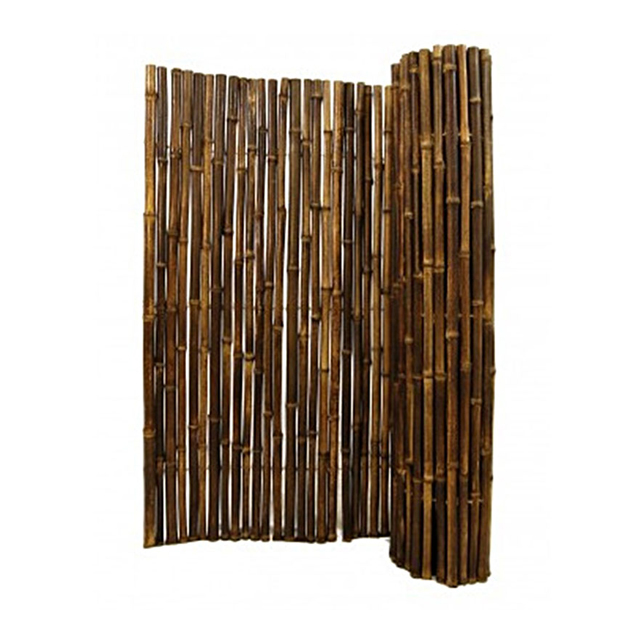
Piano Tall Bamboo Fencing 20mm-30mm Eco-Friendly Waterproof Rot Proof Heat Treated Wood Frame Yellow CE2 Certified Garden
View product specification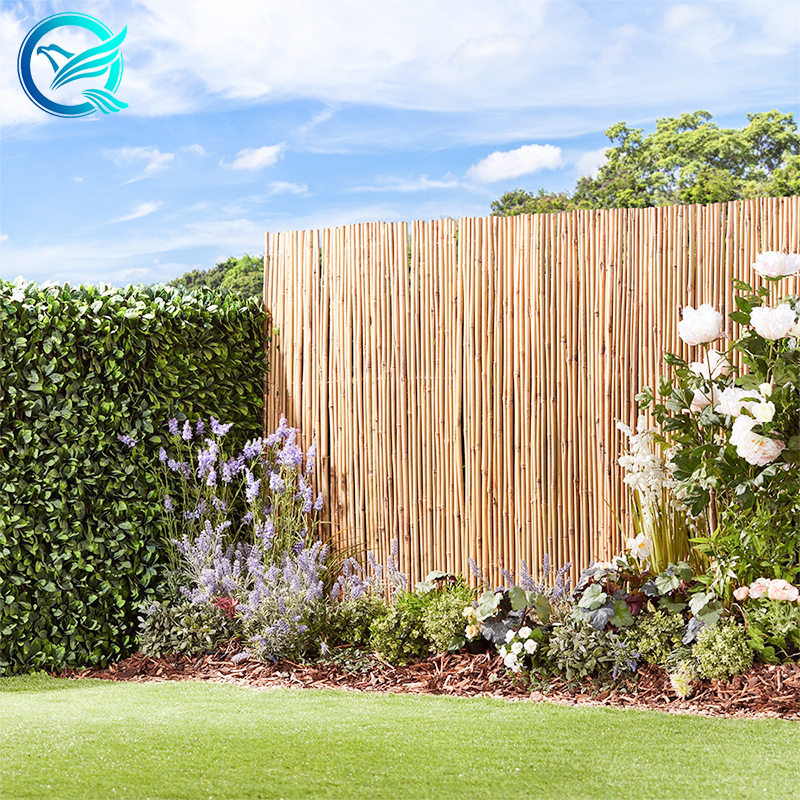
Wooden Garden Fence/bamboo Screen
View product specification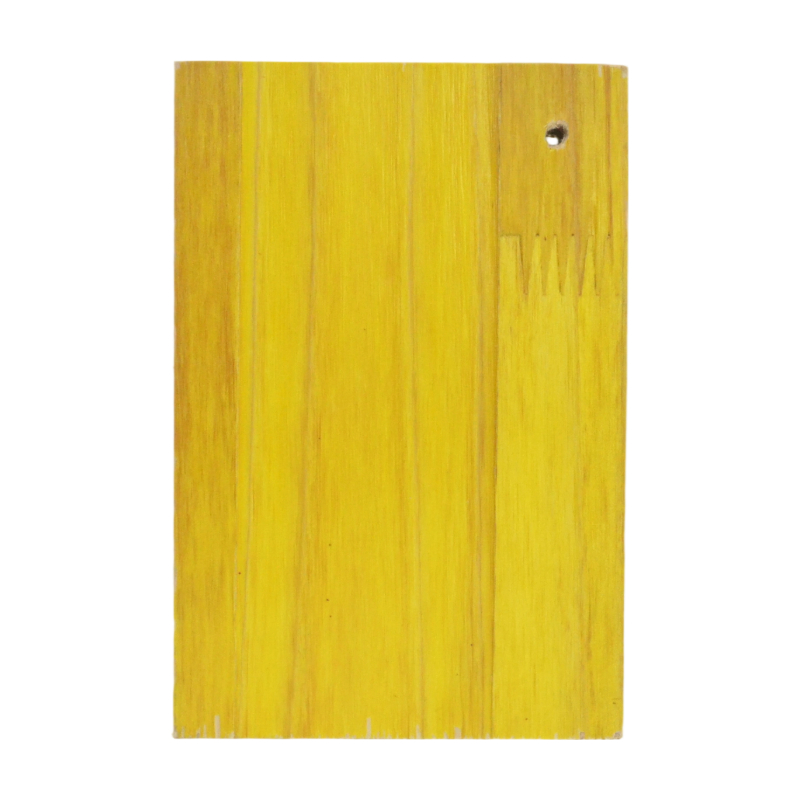
LEONKING Yellow 3 Ply Shuttering Panel Three Layer Board 21/27mm Spruce Fir Pine Three Ply Shuttering Panel
View product specification
High Quality LEONKING 3-ply Shuttering Plywood Spruce Pine Fir Core UV & WBP Paint Coating 21/27mm Yellow Panel Formwork Easily
View product specification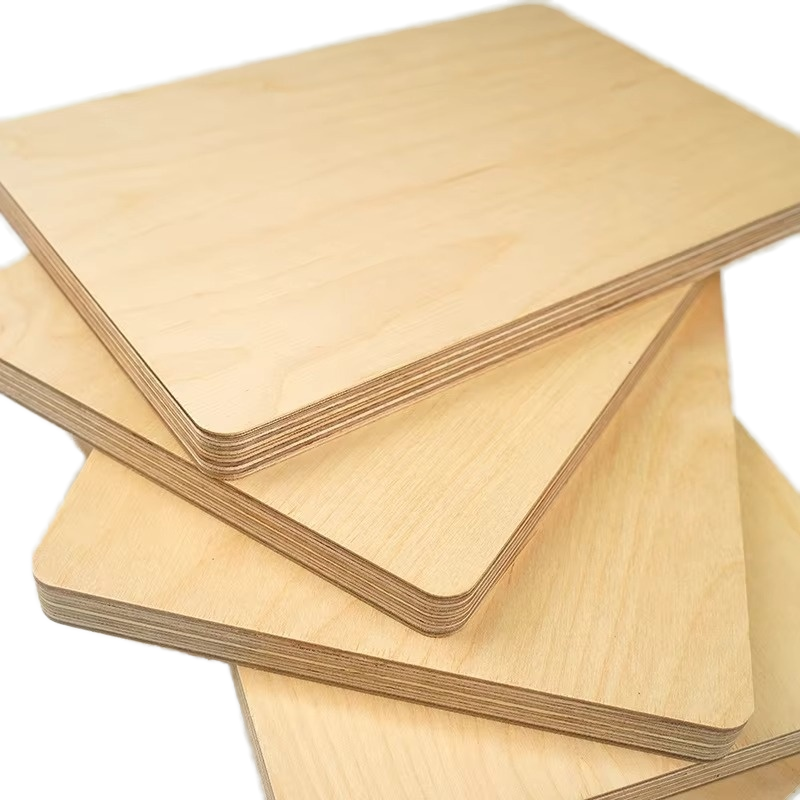
Wanhe CP-52 First-Class Poplar Birch Veneer Plywood E0 Water Resistant Modern Design 1 Year Warranty Outdoor Use Office Building
View product specification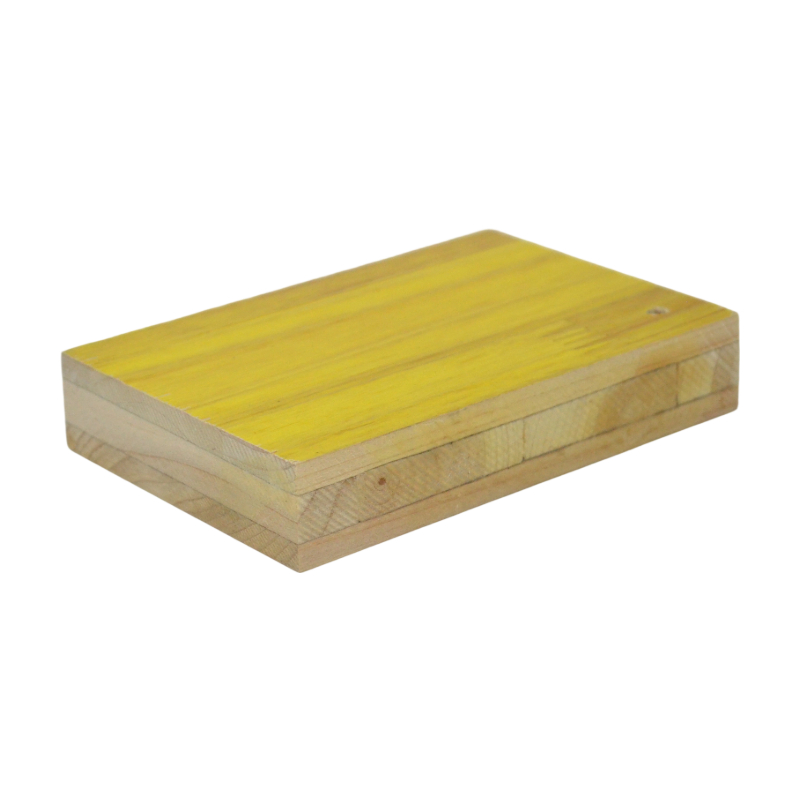
3 Ply Yellow Spruce Shuttering Panel 21-27MM Pine Formwork Board Easily Assembled for Concrete Slab Construction
View product specification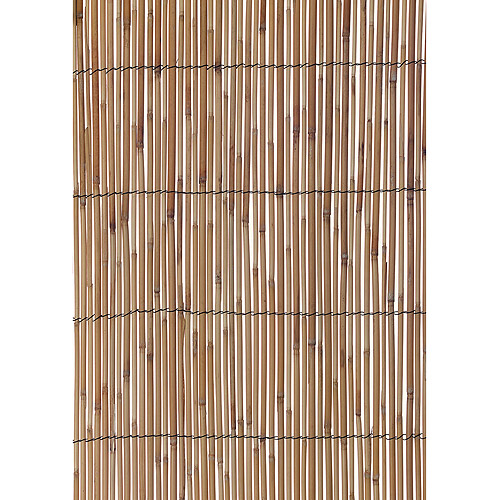
14-16mm High Quality Modern Bamboo Fence with Wood Frame-Eco-Friendly Waterproof Rot & Rodent Proof
View product specification
Singer 20mm Engineered Stranded Bamboo Deck Tiles Float Installation UV/Waterproof Coating 5+ Year Warranty Exterior Wall
View product specificationImages are displayed without cropping. Confirm face grade, core, glue class, thickness tolerance, edge treatment and packaging on the final order sheet; colour and grain may vary by production batch.
A commercial plywood manufacturer and supplier with documented mill control
Rome procurement is not a single conversation. A quantity surveyor, a formwork subcontractor, a hotel fit-out buyer and a landscape contractor may all ask for “plywood”, yet require different cores, glues, faces and documents.
For the Rome market, the commercially useful definition is not “cheap sheet” but a repeatable specification that survives handling, humidity, site cutting and customs review. That is the standard this supply programme is built around.
Terminology matters. In Italian project packages, buyers may refer to compensato commerciale, pannelli di cassero, compensato fenolico, multistrato di betulla and bambù per esterni. These terms can appear in the same tender file, but they are not interchangeable. Commercial plywood for joinery has different face, glue and emission priorities from a reusable concrete formwork panel. Film faced plywood may be specified for release performance; 3-ply shuttering panels are chosen for panel formwork systems; birch plywood is often preferred where machining, coating or furniture-grade edges matter; bamboo decking and fencing answer a different outdoor brief altogether.
Shanghai Dorni International Trading Co., Ltd. has exported wood panels since 2008, supported by an affiliated mill with three complete production lines and a stated plywood capacity of 6,000 m³ per month. Production is managed under ISO 9001, controlled to CE requirements, and FSC-certified material is available on request. The company has also been assessed on site by SGS Group. For a Rome buyer, that combination matters because it supports batch discipline, pre-shipment evidence and a document pack that can be reviewed before the container is released.
Where commercial plywood and formwork panels earn their place in Rome
Rome’s construction economy is shaped by renovation, hospitality, civil works and dense urban logistics. Each scenario changes the right panel choice.
Concrete formwork around EUR, Tiburtina and Metro C corridors
Projects of the type underway across Rome’s redevelopment corridors need slab, wall, column and retaining-wall formwork that can be handled repeatedly. Yellow 3-ply shuttering panels, film faced plywood and H20-style timber beams support clean release, dimensional consistency and efficient crane or manual handling.
Recommended route: 3-ply shuttering panels, film faced plywood, spruce/pine formwork boards.
Hospitality, retail and FF&E fit-out in the historic centre
Hotels, restaurants, showrooms and short-stay apartments in central Rome depend on joinery that arrives flat, machines cleanly and accepts veneer, laminate or paint. Poplar and birch commercial plywood are practical for wardrobes, wall panels, reception counters, exhibition plinths and back-of-house furniture.
Recommended route: poplar/birch commercial plywood, E0 or E1 grades, melamine or veneered faces.
Heritage-sensitive restoration and site protection
Restoration teams in Rome often need temporary protection, dust screens, templates and non-structural partitions rather than exposed structural panels. The specification should separate temporary-use plywood from visible or structural elements, then confirm fire, moisture and handling requirements with the project designer.
Recommended route: commercial plywood for protection and templates; project-specific fire and moisture review.
Roof terraces, courtyards and hotel gardens
Rome’s outdoor living spaces place a premium on materials that drain, ventilate and resist seasonal humidity. Stranded bamboo deck tiles, waterproof decking and bamboo fencing provide a warm architectural finish for hotel terraces, private courtyards, pool surrounds and roof gardens when installed with correct substructure and drainage.
Recommended route: bamboo deck tiles, exterior bamboo decking, modern bamboo fence panels.
Localised development trends behind commercial plywood and bamboo specifications
These are procurement signals rather than a market forecast. They help a Rome buyer frame the questions to ask a supplier before fixing a panel schedule.
Renovation-first planning and adaptive reuse
Rome’s building stock rewards renovation over greenfield expansion. That increases demand for smaller, mixed specifications: joinery panels for interior upgrades, protection boards for phased works, and formwork panels for structural repairs. Suppliers must be able to combine multiple product families in one shipment without losing traceability.
Procurement implication: mixed-container planning and clear packing marks matter more than a single lowest unit price.
Post-Jubilee hospitality maintenance and short-stay upgrades
The visitor economy continues to drive hotel refresh, restaurant fit-out and apartment conversion work across Rome. These projects often value E0/E1 emission documentation, consistent face quality and reliable edge machining. Private-label packaging and bundle marking help distributors serve local joinery shops efficiently.
Procurement implication: specify emission class, face grade and packaging before comparing quotations.
Infrastructure-led concrete works and temporary structures
Civil works, station upgrades, utility corridors and urban logistics projects require shuttering that can be reused, stripped cleanly and replaced without stopping the pour cycle. Phenolic WBP bonding is usually preferred where panels face outdoor exposure and repeated use; melamine remains cost-effective for shorter cycles.
Procurement implication: match glue class and film face to the reuse plan, not just the first pour.
Climate-resilient outdoor amenity spaces
Rome’s hot summers and humid shoulder seasons push outdoor specifications toward UV-stable coatings, ventilation-friendly installation and materials that recover well after rain. Bamboo deck tiles and engineered bamboo decking offer a different visual language from timber while requiring disciplined substructure design.
Procurement implication: confirm coating, fixing method, drainage detail and warranty terms with the installer.
Matching the panel route to the Rome brief
The scores below are indicative specification-fit assessments based on typical project requirements. They are not market shares and do not replace project-specific structural, fire or acoustic design.
Application fit for typical Rome purchasing briefs
Use this as a starting point for the enquiry, then confirm glue, face, thickness, certification and packing.
Controls that reduce Rome project risk
- Written order sheet covering core, face, glue, thickness tolerance and edge treatment.
- Moisture and bonding class checked against the actual exposure and reuse plan.
- Pre-shipment inspection photos, bundle marks and loading sequence evidence.
- CE-controlled production records, FSC material on request and EUTR due-diligence support.
Why Dorni is a credible commercial plywood supplier for Rome importers
For a European buyer, credibility is built on verifiable process control, not adjectives. These are the operating advantages that can be checked during supplier selection.
Mill-backed capacity, not broker uncertainty
The affiliated mill in Dangshan County, Anhui Province, runs three complete production lines with peeling, drying, lay-up, pressing, calibration and sanding. Stated plywood capacity is 6,000 m³ per month, which supports planned container programmes rather than ad-hoc sourcing.
18+ years of export learning since 2008
Shanghai Dorni has supplied importers, contractors, distributors and OEM buyers across Europe, the Americas, the Middle East, Africa and Asia. That experience shapes the document pack, packing marks, tolerance discussions and loading plans used for Italian destinations.
Certified management and traceability
The mill is managed under ISO 9001, production is controlled to CE requirements, and CE No. 1301-CPD-0569 is referenced in company documentation. FSC-certified material is available on request, and the company has been assessed on site by SGS Group.
Two-stage QC and pre-shipment evidence
A dedicated QC team inspects raw materials on site and checks finished goods before loading. Thickness, glue line, film face, edge sealing, bundle count and packing can be photographed and shared. Third-party inspection before shipment is welcome.
Custom specifications and private label
Sample-based, design-based and full customization are available, including logo printing on film, edge-seal colour, bundle packaging and grading to BSI, IHPA, JPIS or GB standards. This is useful for Rome distributors building a local brand and for contractors standardising site deliveries.
Export terms built for container procurement
Goods are usually loaded at Lianyungang or Qingdao port. FOB, CFR, CIF, EXW, FAS and CIP terms are accepted, with T/T, L/C, D/P and D/A payment routes available. For Rome, quotations can be structured to Civitavecchia or another nominated Italian port.
From the mill to Civitavecchia: a four-step Rome supply route
A clear route reduces the risk of specification drift between the architect’s intent, the importer’s purchase order and the container that arrives in Italy.
Brief and compliance screening
Define the application, face and core, glue class, thickness, sheet size, emission requirement, certification scope, quantity and target port. Separate visible joinery panels from temporary protection or formwork panels.
Sample and order sheet
Confirm the sample reference, face grade, edge treatment, logo or private-label requirements, bundle packing and inspection criteria. The approved order sheet becomes the basis for production and QC.
Production and pre-shipment QC
Raw materials are checked, panels are produced to the confirmed specification, and finished goods are inspected before loading. Loading photos and container marks can be shared with the Rome buyer or appointed inspector.
Shipment and Italian documents
Containers are loaded at Lianyungang or Qingdao and shipped under the agreed Incoterm. The buyer or appointed haulier arranges customs clearance and final delivery from Civitavecchia or another Italian port to the Rome site.
Common purchasing questions from Rome importers and project buyers
These answers reflect the practical questions raised when a first container is being specified for Italy.
Can you deliver commercial plywood directly to Rome, or only to an Italian port?
We can quote on CFR or CIF terms to Civitavecchia, the main port gateway for Rome, or to another nominated Italian port. We are a China-based manufacturer and exporter, not a Rome warehouse. Final customs clearance and delivery from port to site are normally handled by the buyer’s appointed Italian logistics provider. Lead time depends on line loading, vessel schedule and port congestion; a written schedule is confirmed with the order.
What documents should a Rome importer expect?
The standard pack includes commercial invoice, packing list, bill of lading and certificate of origin. Depending on the product and order, we can also provide CE-related declarations or test documentation, FSC documentation when FSC material is ordered, and information to support the buyer’s EUTR due-diligence process. The exact document scope should be fixed in the quotation.
What is the minimum order for a trial container?
Standard film faced and construction plywood usually starts from 50 m³, roughly two 40HQ containers. 3-ply shuttering panels can start from 7–50 m³ depending on specification, and bamboo decking from 100 m². Mixed-product containers can be discussed for trial orders, subject to packing and loading efficiency.
Which panel should we specify for interior fit-out in Rome?
For interior joinery, wardrobes, reception counters and shopfitting, poplar or birch commercial plywood is often practical. Confirm E1 or E0 emission requirements, face grade and whether the surface will be veneered, laminated or painted. Use melamine bonding for dry interior work; specify WBP where there is meaningful humidity or exterior-adjacent exposure. Fire performance must always be checked against the project specification.
Can Dorni provide CE, FSC and SGS evidence?
The mill is managed under ISO 9001, production is controlled to CE requirements and CE No. 1301-CPD-0569 is referenced in company documentation. FSC-certified material is available on request. The company has been assessed on site by SGS Group. Buyers should verify that the certificate scope and product route match the exact panel being ordered.
How is quality controlled before the container is loaded?
Raw materials are inspected on site and finished goods are checked before loading. The inspection can cover thickness, glue line, film face, edge sealing, bundle count, packing and marks. We can provide pre-shipment photos and loading evidence, and third-party inspection is welcome before shipment.
Can you customise sizes, film, logo and packaging for our brand?
Yes. We offer sample-based, design-based and full customization, including logo printing on film, edge-seal colour, bundle packaging, private-label marks and grading to BSI, IHPA, JPIS or GB standards. Custom work should be documented on the approved order sheet before production.
What Incoterms, ports and payment terms do you use for Italy?
Goods are usually loaded at Lianyungang or Qingdao port. We accept FOB, CFR, CIF, EXW, FAS and CIP terms, and can quote to Civitavecchia or another Italian port. Payment routes include T/T, L/C, D/P and D/A, with USD, EUR, GBP, JPY and other currencies discussed at quotation stage.
Send your Rome specification, quantity and target port
Include the product family, core, glue class, thickness, sheet size, face finish, certification requirements, quantity and whether you need CFR or CIF Civitavecchia. Our export team will prepare a technical-commercial response with tolerances, packing, document scope and a written loading plan.
For faster screening, state whether the panels are for concrete formwork, interior joinery, hospitality FF&E, temporary protection or outdoor bamboo decking and fencing.