China Top Veneered Blockboard Manufacturers & Suppliers Serving United Kingdom
A procurement-led guide to veneered blockboard for UK joinery, shopfitting, hospitality, furniture and interior fit-out — with factory evidence, local application insight and practical specification controls.
Veneered Blockboard & Complementary Panels for UK Buyers
Veneered blockboard is often purchased inside a wider fit-out package. These eight product lines reflect the panel, engineered wood and outdoor ranges that UK contractors, distributors and project buyers frequently evaluate alongside veneered blockboard under one quality system.

High Quality H20 Beam with Plastic Ends for Construction Phenolic WBP Glue
For slab formwork, secondary beams and repeatable concrete cycles where dimensional stability matters.
View product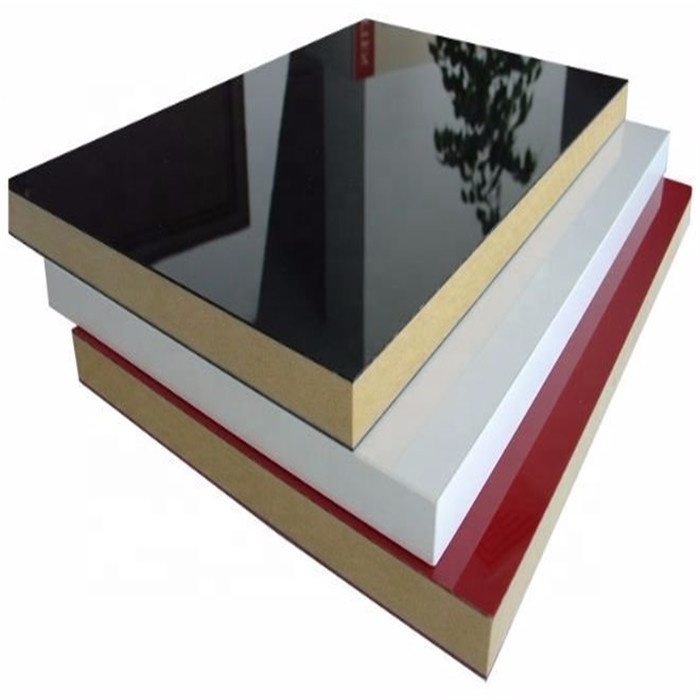
15mm White Painted E1 MDF Board Moisture Resistant Wood Fiber Panel First Class Grade CE CARB Certified Exterior Decoration
A complementary painted panel option for interior fit-out, joinery and controlled decoration applications.
View product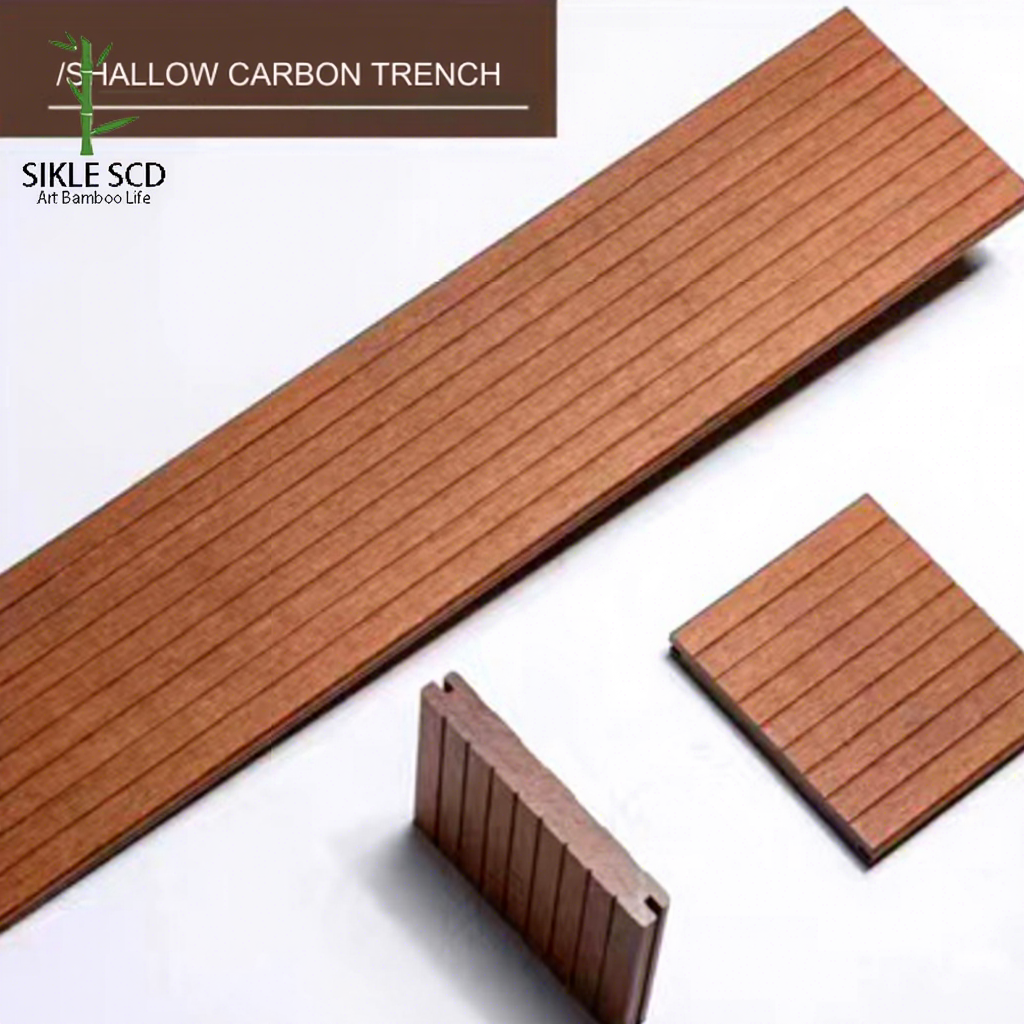
SIKLE SCD Bamboo Decking Solid Bamboo Shallow Deep Carbon 13 Coating Finish Hotel Use 5+ Year Warranty E1 Formaldehyde Standard
For hospitality terraces, landscape decks and outdoor amenity areas requiring a warm natural finish.
View product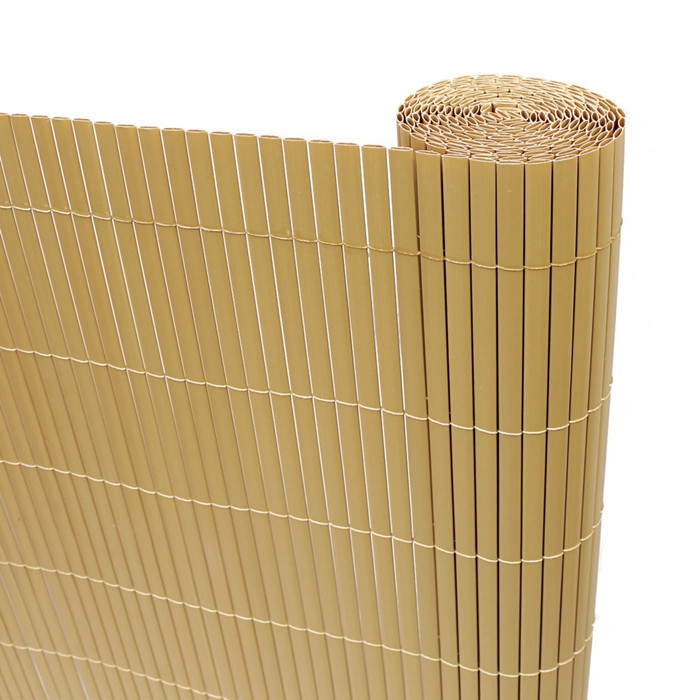
Nature Wood Frame Bamboo Fence Length 1m-12m High Straightness Rot Proof & Eco-Friendly for Livestock Farm
A natural screening and farm boundary option for rural estates, landscape contractors and agricultural buyers.
View product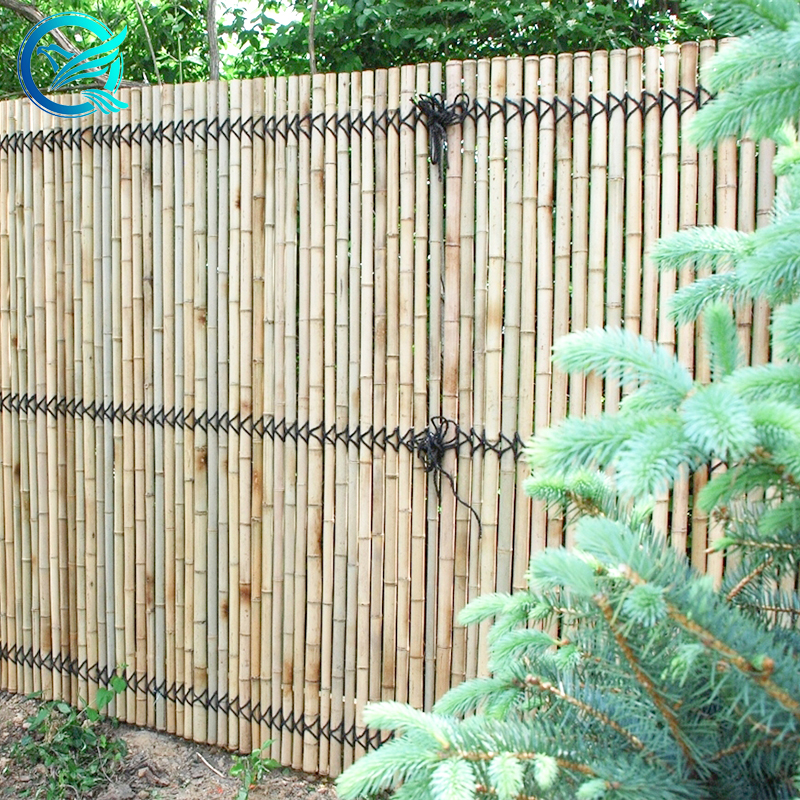
1.12x60meters Privacy Bamboo Curtain and Mat for Garden Fence and Gate
For garden screening, hospitality boundaries and residential privacy upgrades in UK landscape projects.
View product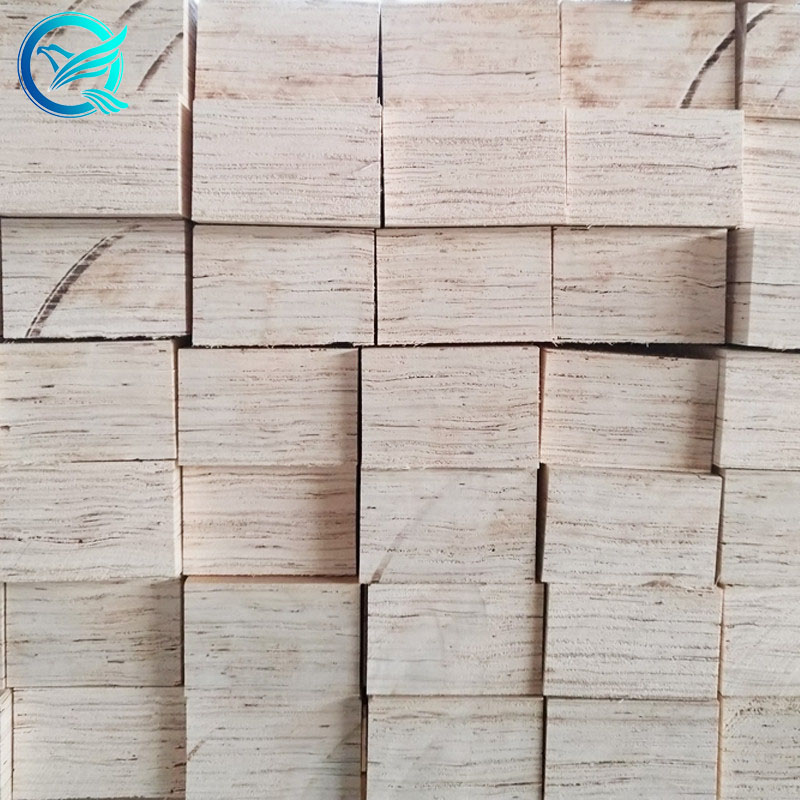
Poplar LVL Beams Laminated Veneer Lumber Board Double-Sided Decorative Surface for Bed Slats Packing Boxes Exterior Use
Engineered wood for furniture components, packaging, bed slats and selected exterior-use applications.
View product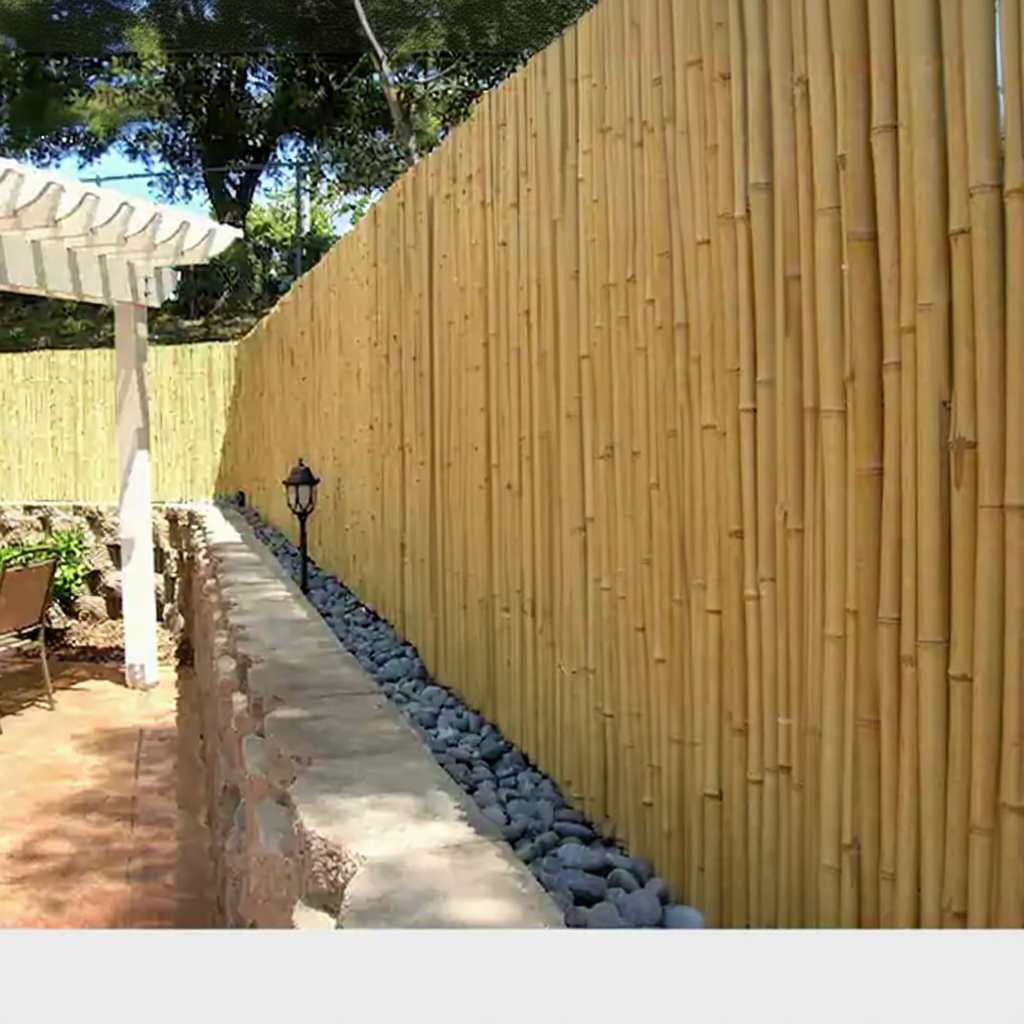
Natural Bamboo Fence High Quality ISO9001 for Certified 6 Feet Indoor/Outdoor Use Easy Assembly 100% Raw Bamboo Customized
For quick-assembly privacy screens, garden fencing and natural-look outdoor boundary treatments.
View product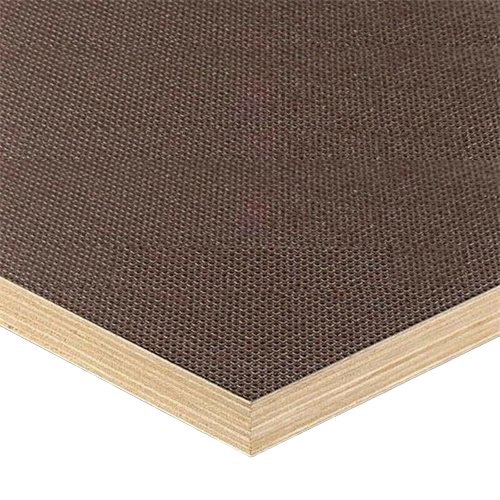
Treezo Linyi Hexa/WireMesh Anti/non-slip Artificial Veneer Pine Veneer Double-Sided Decoration Basswood E1 Water Plywood
A decorative veneer-faced plywood alternative for anti-slip, interior and project-specific panel requirements.
View productFor veneered blockboard enquiries, share the target thickness, core species, veneer species, adhesive class, surface finish, edge treatment and UK delivery postcode. A mixed-project container can combine blockboard with engineered wood and outdoor products, subject to loading and order confirmation.
Years in export
Shanghai Dorni International Trading Co., Ltd. has supplied international buyers since 2008.
Monthly capacity
Affiliated mill production capacity, supported by three complete production lines.
Managed quality
Mill operations are managed under ISO 9001, with CE-controlled production and FSC material available on request.
On-site assessed
Supplier assessment evidence is available for procurement teams that need third-party verification.
Veneered Blockboard for the UK: Material, Market and Procurement Insight
In UK joinery specifications, “veneered blockboard” usually refers to a batten-core panel faced with a decorative wood veneer. The construction combines a lightweight, screw-friendly core with a natural face that can be coordinated to oak, ash, walnut, maple, sapele, birch or project-specific veneers. It is not a single commodity grade. The difference between a successful order and a costly claim often sits in details agreed before production: core species, veneer sequence, adhesive class, thickness tolerance, sanding quality, moisture content, edge sealing and packaging.
China remains one of the deepest manufacturing sources for veneer-faced panels because it combines veneer preparation, panel pressing, calibrating, sanding and finishing within a mature wood-processing cluster. For UK buyers, however, the sourcing advantage is not “factory price” alone; it is information gain before the purchase order. A credible supplier should make uncertainty visible: which veneer lot will be used, how face colour will be batched, what happens at cut edges, how panels are protected during sea freight, and which documents will be ready for UK delivery and project handover.
The strongest procurement approach is to treat veneered blockboard as a specified interior material rather than a generic board. Confirm the end use, the service environment, the visible face direction, the edge detail and the acceptance standard. For damp zones, kitchens, bathrooms and utility rooms, moisture-resistant construction and sealed edges should be discussed at quotation stage. For commercial interiors, fire performance, low-emission formaldehyde and consistent surface appearance should be written into the technical submittal. This is where an experienced China supplier can add value: not by promising every grade, but by documenting exactly what will be produced, inspected and shipped.
What a UK-ready quotation should state
- Panel type: veneered blockboard, veneered plywood or decorative MDF alternative
- Core species and batten structure, including any lightweight or moisture-resistant option
- Face and back veneer species, grade, matching method and grain direction
- Nominal thickness, tolerance, calibration and sanding requirement
- Adhesive and emission class: E1, E0 or other agreed low-emission specification
- Surface finish, edge sealing, label direction and packing protection
- Certification, FSC claim, inspection photos and shipment documents
- Incoterm, UK destination port, delivery window and loading plan
01Stable, workable core
Blockboard’s batten core can reduce weight while retaining screw-holding capacity, making it practical for wardrobes, reception counters, wall panelling and furniture components where solid timber may move more.
02Natural veneer value
Oak, ash, walnut, maple, sapele and birch faces allow UK designers to achieve a real wood appearance with controlled veneer matching and a factory-applied finish route.
03Machining and edge detail
UK joinery shops expect clean saw cuts, stable edges, consistent thickness and predictable veneer behaviour during CNC, edge-banding and finishing operations.
04Evidence for compliance
UK buyers increasingly expect documented adhesive class, emission data, FSC availability, inspection records and clear product declarations before approving a supplier.
Where Veneered Blockboard Works in UK Projects
The same panel can perform differently across London refurbishments, regional fit-out contracts and commercial furniture programmes. Application context should shape the specification, not the other way around.
London residential refurbishment
Built-in wardrobes, alcove shelving, media walls, dressing rooms and stair joinery often benefit from a stable core with a natural oak or painted veneer face. For period properties, installers should allow for site acclimatisation, controlled humidity and sealed cut edges to reduce movement risk.
Hotel and hospitality fit-out
Headboards, wardrobe pods, reception counters, corridor panelling and bedroom casegoods need batch-to-batch visual consistency. For Manchester, Birmingham, Edinburgh or London hotel projects, agree veneer batch, grain direction and replacement-panel stock before production begins.
Retail, office and shopfitting
Display units, cash desks, meeting-room joinery and feature walls require repeatable machining and clean surfaces. Low-emission panels, edge protection and packing that survives multiple site moves are as important as the veneer itself.
Education and workplace furniture
Storage walls, desk screens and practical furniture benefit from a stable board with robust screw fixing. Specify impact-resistant edges, low-formaldehyde adhesive and a cleanable finish; confirm fire performance for the exact construction rather than relying on a generic claim.
For structural, direct-water-contact or high-risk fire applications, veneered blockboard should only be used after checking the project specification and, where required, obtaining advice from a qualified engineer or fire consultant.
Five Shifts Reshaping How UK Buyers Source Veneered Blockboard
Procurement priorities have moved beyond unit price. UK buyers are asking suppliers to demonstrate material traceability, interior air quality, visual consistency and delivery reliability in one commercial package.
Trend 01Timber due diligence
UK buyers increasingly request FSC evidence, species declarations and credible origin information. A supplier that can organise documents before shipment reduces customs and project-submittal friction.
Trend 02Low-emission interiors
E1, E0 and lower-emission specifications are now common talking points in residential, hotel, education and workplace joinery. The practical answer is not a slogan but a tested construction and a clear declaration.
Trend 03Batch-consistent natural veneer
Designers want the warmth of real wood without unpredictable colour swings. Veneer lot approval, panel photographs and reserved replacement material are becoming part of professional procurement.
Trend 04Shorter lead-time pressure
UK fit-out programmes leave less float for remakes. Suppliers that control veneer pressing, calibration, packing and container loading can reduce the risk of split deliveries and site delays.
Application-Based Selection for UK Veneered Blockboard Orders
Use this matrix as a starting point for technical discussion. Final construction, adhesive, finish and performance claims must be confirmed against the project specification and the supplier’s approved sample.
| UK application | Typical panel route | Face veneer direction | Adhesive / emission focus | Critical acceptance point |
|---|---|---|---|---|
| Built-in wardrobes and bedroom furniture | 18 mm veneered blockboard; lightweight or standard batten core | Oak, ash, maple, walnut; vertical or horizontal grain agreed by elevation | E1 or E0 low-emission adhesive according to project policy | Face colour consistency, screw-holding, clean cut edges and site acclimatisation |
| Kitchen carcases and utility joinery | Moisture-resistant panel strategy with sealed edges and protected back face | Veneer or painted finish depending on exposed areas | Low-emission construction; moisture resistance confirmed by exact product route | Edge sealing at sink, appliance and service voids; ventilation detailing |
| Hotel headboards and reception counters | 18 mm or 25 mm engineered core; calibrated panels for long runs | Oak, walnut, sapele or specified architectural veneer; batch matching | E1 as standard; project-specific low-emission or FSC claim to be stated | Batch approval, reserved replacement stock and protection during transport |
| Retail displays and shopfitting | 16 mm or 18 mm panels for fixtures, plinths and feature walls | High-clarity maple, birch, oak or dark timber veneer | Adhesive and emission class matched to client sustainability requirements | Machining accuracy, surface sanding, corner protection and bundle labelling |
| Office and education storage | 18 mm or 25 mm stable core; impact-resistant edge details | Ash, beech, oak or durable painted face | E1/E0 focus; fire performance to be tested for the final construction if required | Edge impact resistance, repeatable thickness and cleanable finish |
| Architectural wall panelling | 12 mm or 15 mm panel subject to span and fixing design | Book-matched or slip-matched veneer; grain sequence fixed before production | Emission class and substrate compatibility with specified finish | Veneer layout drawing, shade approval and moisture control at installation |
Typical UK enquiry dimensions include 1220 × 2440 mm, 1250 × 2500 mm and project-specific cut sizes. Thickness, core and face veneer availability should be confirmed at RFQ stage.
A Buyer Scorecard with More Signal Than Price Alone
Use a weighted scorecard when comparing China veneered blockboard manufacturers and suppliers serving the United Kingdom. This illustrative model helps procurement teams separate a low-information quotation from a controlled supply proposal.
Illustrative supplier weighting
Why the cheapest quotation can cost more
A veneered blockboard order is rarely just a board price. Remakes, delayed containers, mismatched face veneers, swollen edges and incomplete declarations create hidden cost inside a live UK fit-out. The most reliable comparison asks what evidence is included with the quotation.
What a High-Information Veneered Blockboard Supplier Should Prove
When comparing China manufacturers and trading companies for UK delivery, ask each supplier to answer the same five questions in writing.
| Risk area | Low-information response | Stronger evidence to request | Why it matters to the UK project |
|---|---|---|---|
| Veneer appearance | “Natural wood colour” | Veneer species, grade, cut, matching method, batch photo and approved sample reference | Prevents visible variation across wardrobes, reception panels and replacement units |
| Core and thickness | “18 mm blockboard” | Nominal and actual thickness, tolerance, batten species, glue line and calibration method | Protects CNC programmes, edge-banding performance and installed reveals |
| Emission and certification | “E1 available” | Test route, declaration wording, FSC claim scope and certificate validity | Supports client submittals, procurement due diligence and indoor air quality requirements |
| QC and packing | “Good quality, safe packing” | Inspection checklist, pre-loading photos, corner protection, moisture barrier and bundle labels | Reduces transit damage and site disputes after a long sea freight journey |
| UK delivery coordination | “FOB China” | Port, Incoterm, estimated CBM, container loading plan and document list | Gives the buyer a clear landed-cost view and fewer surprises at UK port arrival |
Why Dorni Is a Credible China Supply Partner for UK Veneered Blockboard Buyers
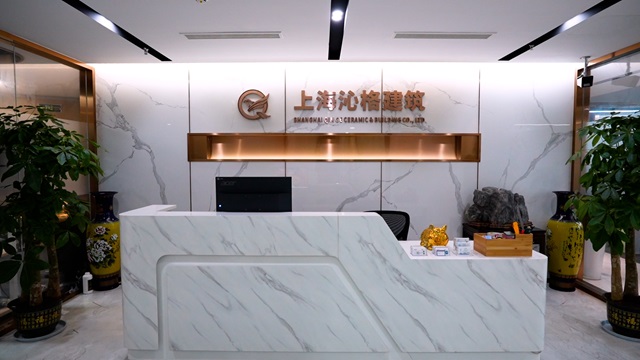
Shanghai Dorni International Trading Co., Ltd. combines an international trading team with an affiliated mill in Dangshan County, Anhui Province. For UK buyers, that means commercial communication from Shanghai and production evidence from a managed manufacturing base.
Since 2008
The company has exported wood panels and building materials for more than 18 years, with experience in international specifications, packaging and documentation.
Mill-integrated capacity
The affiliated mill operates three complete production lines with a stated monthly capacity of 6,000 m³, supporting coordinated production and container planning.
Certification and audit trail
ISO 9001 management, CE-controlled production, FSC material availability and SGS on-site assessment evidence support procurement due diligence.
Customisation and private label
Sample-based, design-based and full customisation can include logo printing, edge-sealing colour, packaging, grading and private-label project supply.
Export logistics
Shipments can be arranged from Lianyungang or Qingdao, with FOB, CFR, CIF, EXW, FAS and CIP terms and common payment methods discussed at order stage.
QC before loading
Raw materials are inspected on-site and finished goods are checked before shipment. Pre-loading photos and third-party inspection access can be discussed.
Evidence pack available before the order
For UK veneered blockboard enquiries, the commercial proposal can be supported with factory profile, relevant certificates, product photos, packing method, loading plan and the agreed inspection points. Where a specification is new, a sample approval route should be completed before bulk production.
- Company profile and affiliated mill background
- ISO 9001, CE-controlled production and FSC availability statement
- SGS supplier assessment reference for procurement review
- Sample, veneer batch and surface finish approval record
- Pre-shipment inspection photos and packing confirmation
From RFQ to Container: A Four-Gate Protocol for UK Orders
A controlled veneered blockboard order should pass through clear decision gates. This simple protocol helps UK buyers protect programme, budget and finished appearance.
Application brief locked
Confirm end use, panel size, thickness, core route, veneer species, adhesive class, emission requirement, fire requirement and edge treatment.
Sample and batch approved
Approve face veneer colour, grain, matching method and surface finish. Record the approved reference so production and replacement panels can be checked against it.
In-process QC checked
Review core preparation, glue application, pressing, calibration, sanding and edge sealing. Confirm tolerance and moisture content against the agreed specification.
Pre-shipment review
Inspect final panels, labels, corner protection, moisture barrier and bundle packing. Confirm documents and container loading before departure.
Common Procurement Questions About Veneered Blockboard from China
These answers reflect the practical questions UK importers, joinery contractors, distributors and fit-out buyers ask before placing a trial or repeat order.
What is veneered blockboard, and how is it different from plywood or MDF?
Veneered blockboard uses a core made from timber battens or blocks, faced with a decorative wood veneer. Plywood has cross-laminated veneer layers; MDF has wood fibres. Blockboard can offer a lighter panel with good screw-holding for furniture and joinery, but the correct choice depends on span, moisture exposure, fire requirement and finish.
Can you supply veneered blockboard in UK project dimensions and thicknesses?
Common enquiry sizes include 1220 × 2440 mm, 1250 × 2500 mm and cut-to-size programmes. Thickness and core availability should be confirmed against the application. For UK joinery, 18 mm and 25 mm are frequently discussed, with 12 mm or 15 mm used only where fixing and span are suitable.
How do you match oak, walnut, ash, maple or sapele veneers?
Matching begins with a sample or elevation drawing. The supplier should state veneer species, cut, grade, grain direction and whether panels are book-matched, slip-matched or random. For hotel and retail projects, reserve replacement material from the same veneer batch to protect future maintenance.
Which certifications and due-diligence documents are available?
Dorni’s affiliated mill is managed under ISO 9001, production is controlled to CE requirements and FSC-certified material can be quoted on request. The company has also been assessed by SGS. For each order, the exact certificate scope, emission declaration, FSC claim and product description should be confirmed in the quotation.
What formaldehyde and fire specifications can be discussed?
E1 and lower-emission requirements are common for UK interiors, with E0 or project-specific declarations available subject to construction. Fire performance must be confirmed for the exact panel, veneer and finish build-up. Do not rely on a generic “fire-rated” statement; request the relevant test route or declaration for the proposed product.
How should UK buyers manage moisture and acclimatisation?
Keep panels wrapped and flat in a dry, ventilated space before installation. Allow the material to acclimatise to the internal environment, protect edges from standing water and seal cut edges in kitchen, bathroom and service areas. Typical interior joinery targets should be agreed with the supplier and checked against site conditions.
What is the minimum order quantity and lead time?
For veneered blockboard, MOQ is specification-dependent. Existing panel lines start from 50 m³ for standard film-faced and construction plywood, 7–50 m³ for 3-ply shuttering panels and 100 m² for bamboo decking. A trial blockboard order can be discussed with mixed-product loading, subject to veneer availability and production scheduling.
Can you provide samples, private-label packing and UK port delivery?
Yes, sample-based and private-label supply can be discussed, including logo, edge-sealing colour, bundle packaging and grading to agreed standards. Shipments are usually loaded at Lianyungang or Qingdao, with FOB, CFR, CIF, EXW, FAS and CIP terms available. UK buyers should confirm destination port, Incoterm, document requirements and inspection access in the RFQ.
Request a Specification Review and 2026 Catalog
Send your veneer species, core preference, panel size, thickness, adhesive class, emission requirement, edge treatment and UK delivery port. The Dorni export team will respond with a focused technical proposal, packing route and loading plan for review.
Use the catalog request button to start a direct conversation with the export team. No additional form or redirect is added to the button.
Get Catalog Email: info@dorniplywoods.comShanghai Dorni International Trading Co., Ltd. • ISO 9001 • CE-controlled production • FSC material available • SGS assessed supplier
Prepare these details for a faster quotation
- Application and project location in the UK
- Veneer species, finish direction and matching requirement
- Core preference, thickness and panel dimensions
- Emission class, moisture resistance and fire requirement
- Estimated quantity, trial order quantity and delivery port
- Required certification, inspection and document list