China Top Poplar Plywood Exporters & Wholesaler for Birmingham
A procurement-led guide for Birmingham contractors, shopfitters, joiners, distributors and project buyers sourcing poplar plywood, film-faced panels, LVL and complementary bamboo systems with documented quality from a Shanghai exporter and its affiliated mill.
Eight Product Lines Birmingham Buyers Can Consolidate Around Poplar Plywood
These eight products reflect practical procurement routes for Birmingham importers and project teams. Some are direct poplar-adjacent panel lines; others are formwork, LVL and landscaping products that help consolidate mixed containers and simplify supplier management.
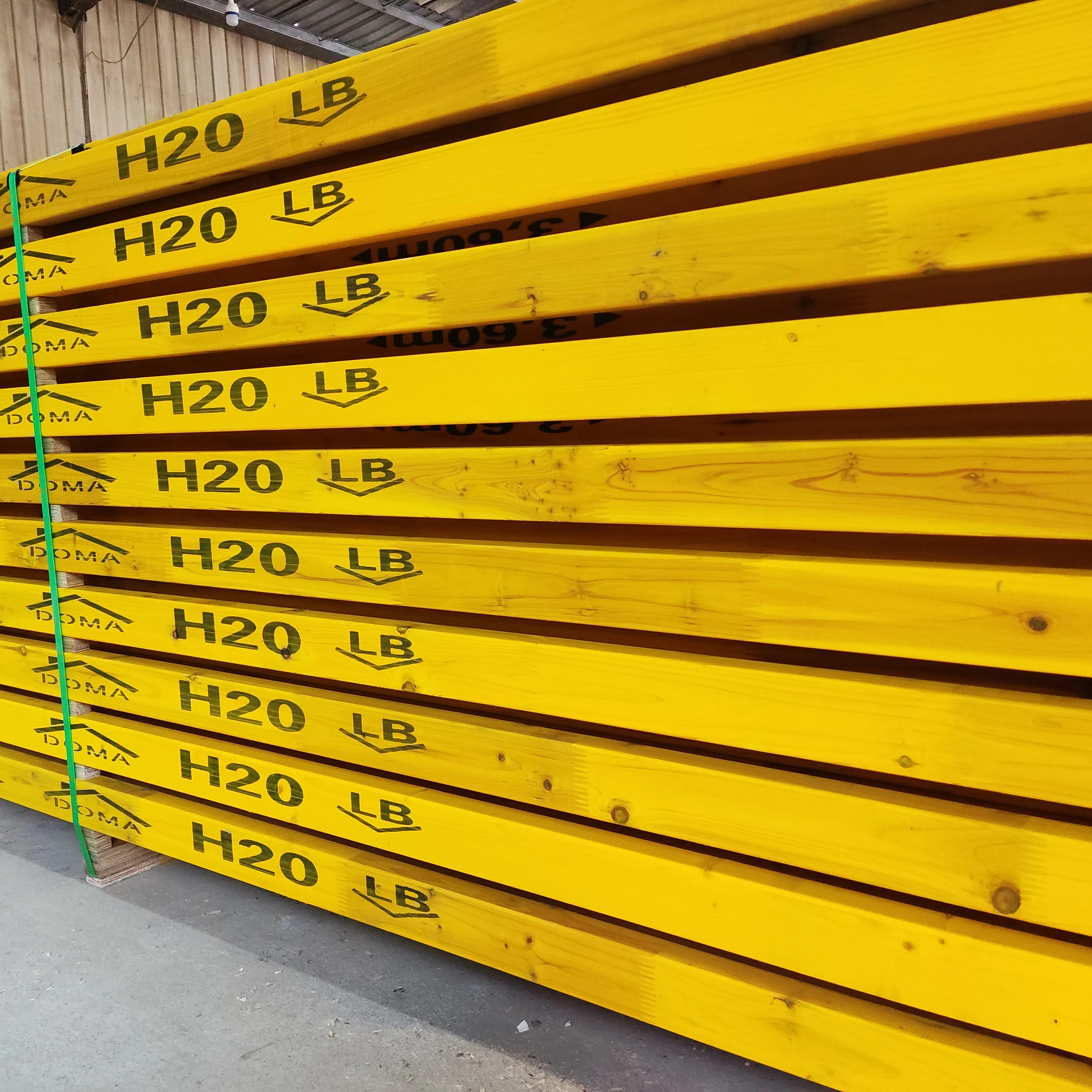
EN 13377 H20 Beam with Red Plastic Cap
H16/H30 200×80×40×27 mm formwork beam with protective end cap. Suitable for slab and wall formwork systems where repeatable secondary beams are required.
View product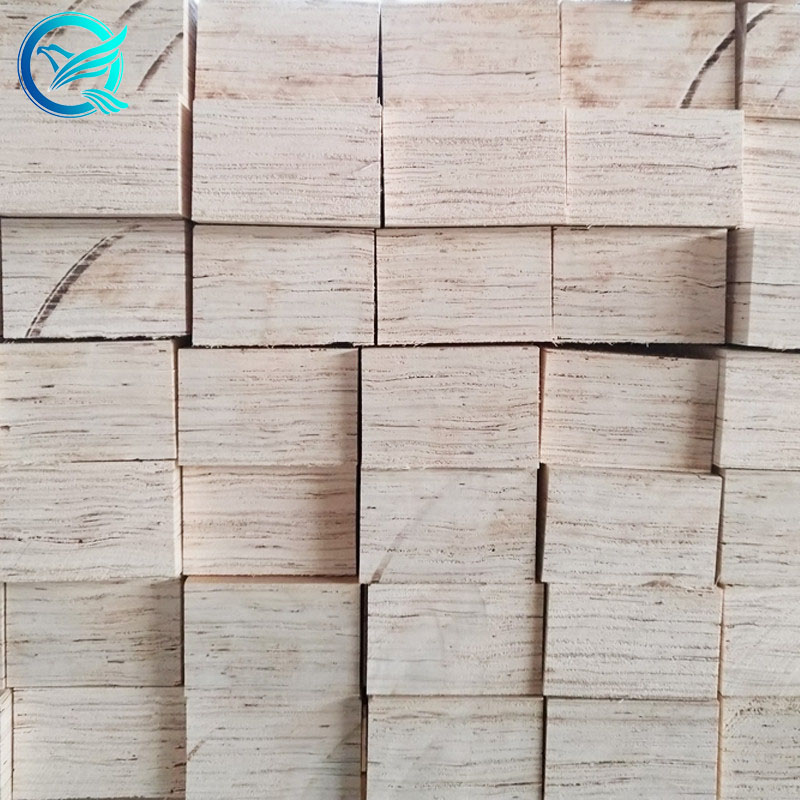
Poplar LVL Beams & Laminated Veneer Lumber
Double-sided decorative surface for bed slats, packing boxes, furniture frames, door cores and exhibition structures where a consistent engineered profile is useful.
View product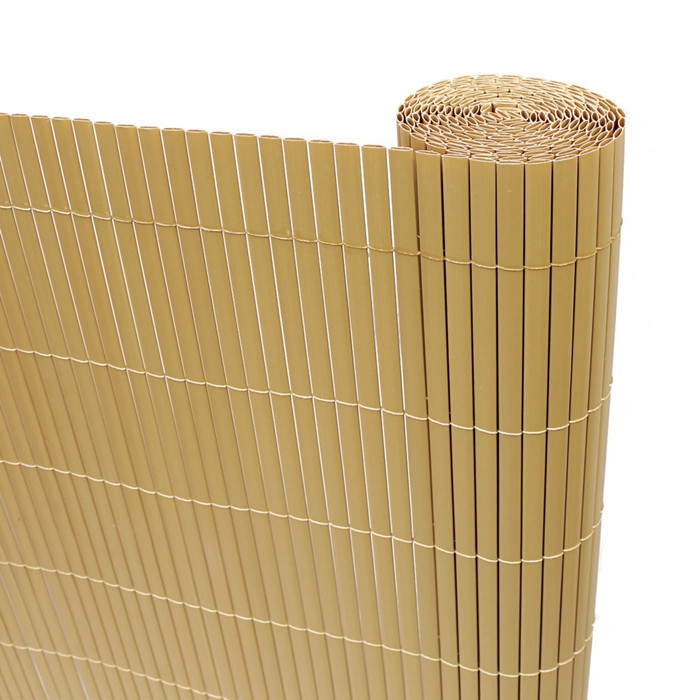
Nature Wood Frame Bamboo Fence, 1 m–12 m
Straight, rot-resistant and eco-friendly fencing for livestock farms, garden centres, hospitality terraces and boundary screening around Birmingham.
View product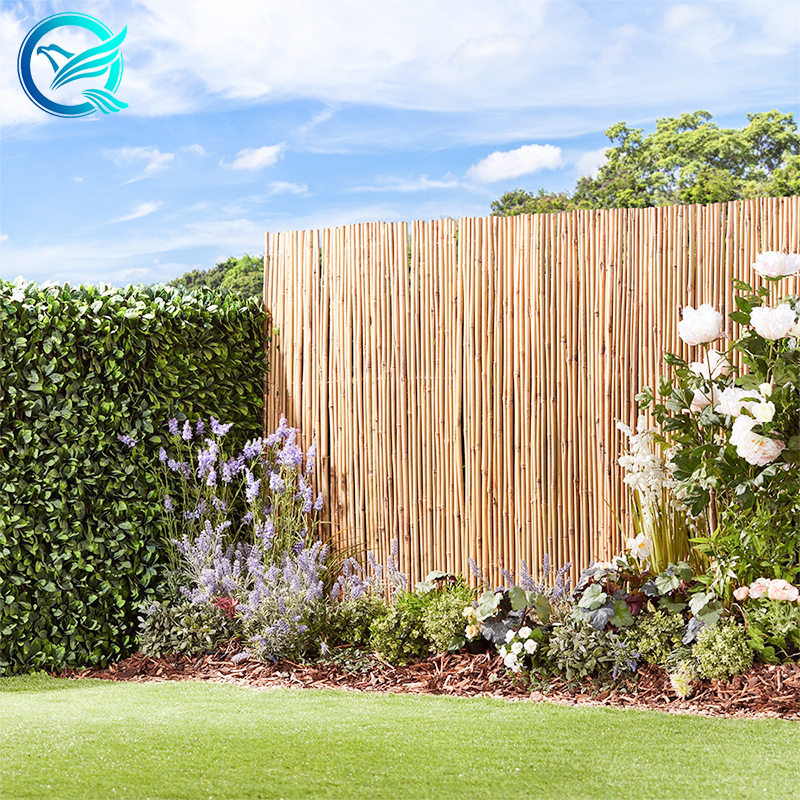
Wooden Garden Fence / Bamboo Screen
A practical combination for residential gardens, pub terraces, canal-side hospitality areas and screening in Birmingham’s refurbishment and landscaping projects.
View product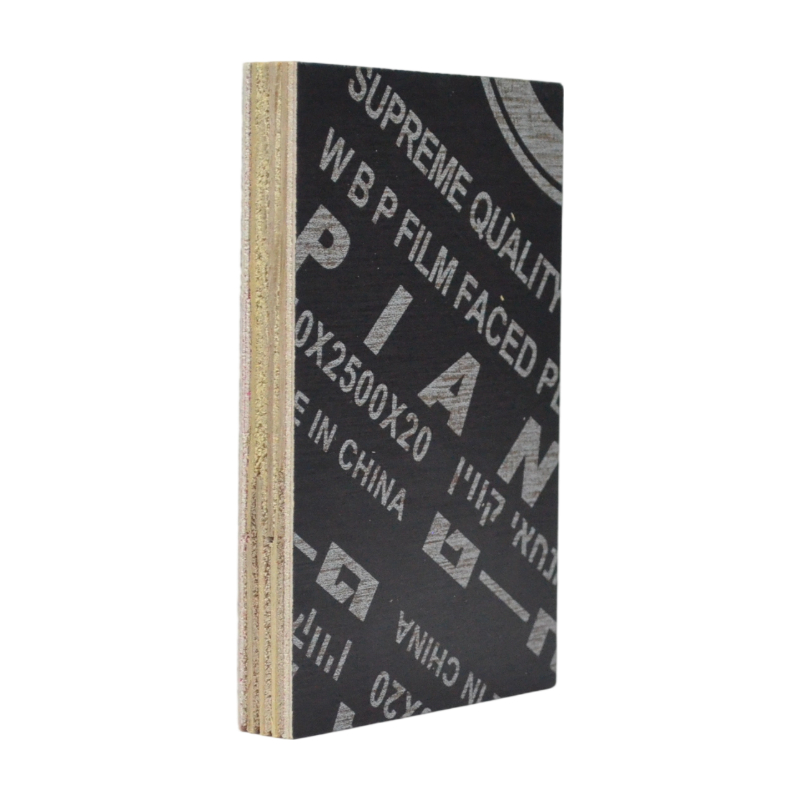
Birch Film Faced Plywood, 1220×2440×18 mm
High-quality reusable formwork panel for construction factory merchants and concrete finishes where a denser birch core and durable film are preferred.
View product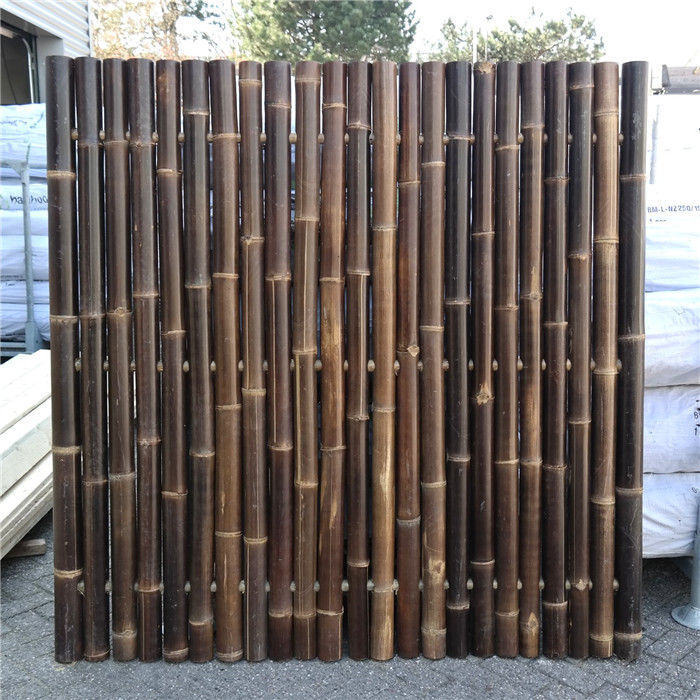
High 2 m Bamboo Fence Screening
Fast privacy screening for urban gardens, outdoor seating areas and landscaping. Useful where a natural finish and quick installation are important.
View product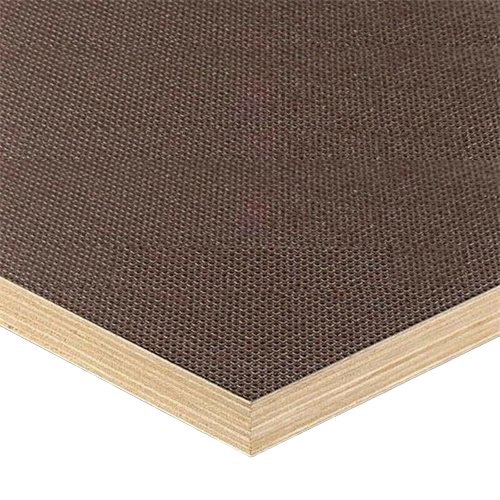
Anti-Slip Decorative Basswood/Pine Veneer Plywood
Double-sided decorative veneer with anti-slip mesh treatment and E1 water-resistant plywood construction for interiors, exhibitions and fit-out.
View product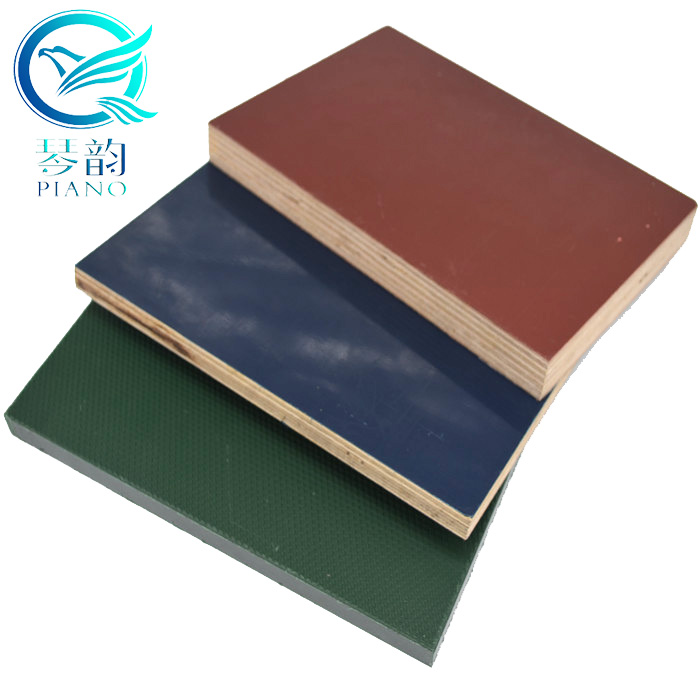
Green Anti-Slip PP Coated Birch Plywood, 6–35 mm
First-class grade, MUF glue and CE-certified double-sided coating. Suitable for anti-slip floors, temporary platforms and fit-out applications where specification permits.
View productNeed a mixed specification for Birmingham? Share panel size, thickness, glue, film type, destination port and expected volume. Our export team will respond with a technical and commercial proposal.
Inquire NowWhy Birmingham Buyers Are Reassessing Poplar Plywood Supply from China
Birmingham is not one construction market. It is a dense network of regeneration, retrofit, shopfitting, logistics, education, hospitality and residential improvement projects. Each has a different view of what “good plywood” means.
Poplar plywood has a strong practical case in this environment because it is relatively light, machines cleanly, accepts paint, veneer and laminate, and can be packed and shipped in efficient container loads. Yet the material only performs when the specification is clear. Lightweight panels still need the right glue, face grade, thickness tolerance, moisture content and edge treatment. For Birmingham buyers, the challenge is not finding a low-cost quotation; it is finding a supplier whose quotation survives sampling, inspection, unloading and installation.
Shanghai Dorni International Trading Co., Ltd. has exported wood panels and building materials since 2008, supported by an affiliated mill in Dangshan County, Anhui Province. The mill operates three complete production lines, with peeling, drying, glue lay-up, pressing, calibration, sanding, film facing, edge sealing and container loading under one quality system. With approximately 6,000 m³ monthly capacity, ISO 9001 management, CE-controlled production, FSC-certified material availability and an on-site SGS assessment, our role is to make Chinese supply more predictable for overseas buyers — not simply cheaper on paper.
Serving international wood panel buyers since 2008.
Plywood output from the affiliated mill.
In-house pressing, calibration and sanding.
MR, melamine, phenolic WBP and E0/E1/E2 options.
Where Poplar Plywood and Complementary Panels Fit in Birmingham
Birmingham’s project mix rewards suppliers who understand application, not just board size. The same poplar panel can be ideal for a shopfitting counter and unsuitable for a load-bearing structural detail.
Shopfitting, Hospitality & NEC Exhibitions
Poplar plywood is light enough for fast assembly and clean enough for veneer, laminate and paint finishes. It is widely used for reception counters, display plinths, wall units, exhibition stands and set-build elements. For Birmingham retail, café, hotel and event work, consistent face quality and tight thickness tolerance can reduce sanding, filling and wasted finish materials. Use E1 or E0 grades for interior environments where emission control is specified.
Residential Refurbishment & Joinery
In Birmingham’s terraced housing, apartments and loft-conversion market, poplar plywood is often selected for non-structural carcasses, wardrobe backs, drawer boxes, wall linings and built-in furniture. Its machinability helps joiners produce clean edges and stable panels. Buyers should allow acclimatisation, check moisture content and seal cut edges where humidity may vary. For any load-bearing use, specify an engineered structural product and obtain project engineer approval.
Concrete Formwork & Civil Works
Film-faced poplar and birch panels support concrete formwork where the reuse target and surface finish are clearly defined. H20 beams and LVL can be used in secondary beam and slab formwork systems. Birmingham regeneration projects benefit from repeatable panel dimensions, protected edges and documented film/glue specifications. The selection should match pour pressure, release agent, stripping time and the number of reuse cycles expected.
Logistics, Packaging & Industrial Fit-Out
Birmingham’s distribution and manufacturing base consumes LVL, packing panels, anti-slip boards and fit-out sheet materials. Poplar LVL is useful for bed slats, packing boxes and furniture frames. Anti-slip coated plywood can suit ramps, temporary platforms, vehicle fit-out and warehouse applications where the specification permits. Consolidated loading with other panel products can improve container utilisation and reduce the administrative burden of multiple suppliers.
Three Birmingham Trends Shaping Poplar Plywood Demand
Procurement teams are buying differently from five years ago. The strongest suppliers are responding with documentation, consistency and packaging discipline, not just lower headline prices.
Responsible Sourcing & Net-Zero Procurement
Birmingham buyers increasingly ask for FSC chain-of-custody evidence, species and origin information, and UK Timber Regulation due-diligence support. Poplar is a fast-growing species, and lightweight panels can reduce handling and freight intensity, but claims must be backed by documents. FSC-certified material should be confirmed at quotation stage because availability varies by specification and order volume.
Retrofit, Adaptive Reuse & Interior-Led Regeneration
Projects across Birmingham are converting existing buildings into workspaces, apartments, hospitality venues and education spaces. This favours materials that can be machined on site or in local joinery workshops, especially for bespoke reception desks, acoustic linings, display units and furniture. Low-emission glue grades and consistent panel thickness become part of indoor environmental quality planning.
Prefabrication, Digital Procurement & Mixed Containers
Contractors and distributors want fewer surprises: clear tolerances, barcode or label requirements, private-label packaging, pre-shipment photos and consolidated container loading. A wholesaler for Birmingham adds value when it can coordinate film-faced plywood, LVL, bamboo screening and anti-slip panels in one order while keeping specifications and documents aligned.
What Our Export Team Reviews Before Releasing a Birmingham-Bound Order
Illustrative review weighting based on our export team’s order-review experience. It is not a statistical survey; it shows the practical checks that protect buyers from costly site surprises.
Specification Decode: A Buyer’s Checklist for Poplar Plywood
“Poplar plywood” is not a complete specification. Core species, face grade, glue type, emission class, film, thickness tolerance and moisture content determine both performance and price.
For interior fit-out and furniture in Birmingham, ask for a clear face/back grade, a suitable emission class, sealed edges where humidity may vary, and a panel thickness that matches your machining and finishing process. For formwork, define the reuse target, film type, edge protection, release-agent compatibility and concrete finish expectation. For any application exposed to weather or prolonged moisture, use an appropriate bond class and confirm the panel’s intended service condition rather than assuming that all poplar plywood is interchangeable.
Do not treat poplar plywood as automatically structural. Many poplar panels are used for non-structural interiors, furniture, shopfitting, packaging and general fabrication. If a panel is load-bearing, specify a structural grade with documented mechanical properties, supported by the project engineer and applicable UK/EU requirements. CE marking and test reports help with due diligence, but they do not replace project-specific design checks.
| Specification Area | What to Verify | Why It Matters for Birmingham Buyers |
|---|---|---|
| Core & Face Grade | Poplar, combi, birch or mixed hardwood; face/back grade; veneer repair limits; decorative veneer direction. | Affects machining, painting, veneering, screw-holding and visual quality in shopfitting and joinery. |
| Glue & Bond Class | MR, melamine (ML) or phenolic WBP; EN 314-2 bond testing where applicable; intended service condition. | Helps match the panel to humidity, formwork reuse and interior fit-out conditions; exterior or damp use needs suitable specification. |
| Emission Grade | E2, E1 or E0; request test reports and confirm the current UK project requirement. | Useful for indoor air quality planning in hospitality, education, residential and commercial interiors. |
| Film & Surface | Black, brown, yellow or anti-slip film; film adhesion; edge sealing; release-agent compatibility for formwork. | Influences concrete surface finish, reuse cycles, water resistance and whether the panel suits visible or working applications. |
| Thickness & Tolerance | Nominal thickness, calibrated tolerance, panel size, squareness and batch consistency. | Reduces sanding, joint mismatch and waste in CNC joinery, exhibition builds and repeated formwork systems. |
| Moisture Content | Target moisture at packing; packaging protection; acclimatisation instructions after delivery. | Birmingham’s seasonal humidity and site storage conditions can affect panel stability if moisture is poorly controlled. |
| Certification & Documents | ISO 9001, CE documentation where applicable, FSC claim if requested, test reports, packing list and loading photos. | Supports procurement due diligence, UKTR checks and internal quality sign-off before the container leaves China. |
Common sizes include 1220×2440, 1250×2500, 1500×3000 and 915×1830 mm. 3-ply shuttering panels are commonly 500×2000/3000 mm in 21 or 27 mm. Custom sizes, film colours, edge sealing and private-label packaging can be discussed against order volume.
Quality Is a Documented Process, Not a Sales Claim
Our affiliated mill in Dangshan County, Anhui Province, operates three complete production lines covering veneer peeling, drying, glue lay-up, cold and hot pressing, double-side calibration, sanding, film facing, edge sealing, final inspection and container loading. That vertical view of production matters because most quality failures originate long before the container arrives in Birmingham.
The mill is managed under ISO 9001, production is controlled to CE requirements, and FSC-certified material is available on request. Our company has also been assessed on-site by SGS Group. A dedicated QC team inspects raw materials and checks finished goods before loading, with pre-shipment photos available for buyer review. Grading can follow BSI, IHPA, JPIS, GB or customer-specific standards.
- Raw material inspection and veneer grading before lay-up.
- Glue, press and thickness control against the approved specification.
- Finished product inspection and loading check before shipment.
- Custom logo printing, edge-sealing colour and packaging options.
ISO 9001
Mill managed under an ISO 9001 quality system.

CE Marking
Production controlled to CE requirements for wood-based panels.

FSC Available
Responsibly sourced material can be confirmed at order stage.

SGS Assessed
On-site supplier assessment by SGS Group.
From Dangshan Mill to Birmingham: Shipping, Documents and Risk Control
For Birmingham importers, the commercial quotation is only one part of the purchase. The stronger question is: what evidence, packaging and loading plan will be in place before the container leaves China?
Goods are usually loaded at Lianyungang Port, about 250 km from the mill, or Qingdao Port, about 450 km away. For UK delivery, common port options include Felixstowe, Southampton and London Gateway, followed by road haulage to Birmingham. We can quote FOB, CFR, CIF, EXW, FAS and CIP terms, and accept T/T, L/C, D/P and D/A subject to order review. The right Incoterm depends on whether your team has a preferred UK forwarder, bonded warehouse or direct-to-site delivery plan.
A practical documentation package can include the commercial invoice, packing list, bill of lading, certificate of origin, FSC documentation where requested, CE declaration or test reports where applicable, glue and emission reports, and pre-shipment loading photos. For UK buyers, UK Timber Regulation due diligence may require species, origin, supplier and volume information; confirm current requirements with your importer or compliance adviser. Wood packaging should be handled according to ISPM 15 where applicable. For standard film-faced and construction plywood, MOQ commonly starts from 50 m³; 3-ply shuttering panels can start from 7–50 m³ depending on specification, and bamboo decking from 100 m². Trial mixed containers can be discussed.
Plan for specification approval, production scheduling, pre-shipment inspection, ocean transit, UK port clearance and haulage to Birmingham as separate steps. Vessel schedules, port congestion and customs checks can change the total lead time. A supplier that provides clear pre-shipment evidence and responsive document support is usually more valuable than a quotation that is only marginally cheaper but difficult to verify.
Questions Birmingham Buyers Ask Before Ordering Poplar Plywood
These are the practical questions that appear repeatedly in first-order discussions with contractors, shopfitters, distributors and project buyers.
What is the minimum order for poplar plywood to Birmingham?
Standard film-faced and construction plywood typically starts from 50 m³, roughly two 40HQ containers. 3-ply shuttering panels can start from 7–50 m³ depending on specification, and bamboo decking from 100 m². MOQ depends on size, film, glue, packaging and customization; mixed-product container discussions are welcome for trial orders.
Can you ship to Birmingham and which Incoterms do you accept?
We usually load at Lianyungang or Qingdao and can arrange shipment to UK ports such as Felixstowe, Southampton or London Gateway, with onward road haulage to Birmingham. We accept FOB, CFR, CIF, EXW, FAS and CIP. Your team can also nominate a UK forwarder if preferred.
Which certifications and documents can support UK compliance checks?
Depending on the product and order, we can provide ISO 9001 evidence, CE-related documentation where applicable, FSC documentation if requested, glue and emission test reports, packing lists, loading photos and certificates of origin. UK Timber Regulation due diligence should be confirmed with your importer or compliance adviser.
Can you customize thickness, size, film, glue and branding?
Yes. Plywood thickness can range from 2.2 mm to 30 mm. Common sizes include 1220×2440, 1250×2500, 1500×3000 and 915×1830 mm. Glue options include MR, melamine and phenolic WBP; emission grades include E2, E1 and E0. Logo printing on film, edge-sealing colour, packaging and grading to BSI, IHPA, JPIS or GB standards can be discussed.
How do we verify quality before shipment?
Our QC team inspects raw materials and finished goods before loading. We can provide pre-shipment photos and loading records, and third-party inspection is welcome. The mill operates under ISO 9001 and our company has been assessed on-site by SGS Group, giving buyers a documented starting point for supplier approval.
Is poplar plywood suitable for structural use?
Not automatically. Poplar plywood is commonly used for non-structural interiors, furniture, shopfitting, packaging and general fabrication. For load-bearing applications, specify a structural grade with documented mechanical properties and obtain project engineer approval. CE marking and test reports support due diligence but do not replace project-specific design checks.
Why Shanghai Dorni Is a Practical Poplar Plywood Wholesaler for Birmingham
A good export partner should make the specification clearer, the inspection easier and the container loading more predictable. That is the standard we set for every Birmingham-bound enquiry.
Shanghai Dorni International Trading Co., Ltd. combines a Shanghai-based export team with an affiliated mill in Dangshan County, Anhui Province. That structure helps us control quality closer to the production line while communicating in the language of overseas procurement. Since 2008, we have supplied film-faced plywood, construction plywood, 3-ply shuttering panels, H20 timber beams, birch plywood, LVL, CDX plywood and bamboo decking to buyers across Europe, the Americas, the Middle East, Africa and Asia.
For Birmingham buyers, our advantages are practical rather than abstract: mill-direct product knowledge; ISO 9001, CE, FSC and SGS-related documentation support; custom film, edge sealing, logo and packaging; consolidated container loading across multiple product lines; raw material and finished goods inspection; and an export team that understands that a quotation must survive sampling, unloading and installation. We also support grading to BSI, IHPA, JPIS, GB or customer-specific standards, and can discuss sample-based, design-based or full customization.
We are not trying to be the cheapest quote for every order. We aim to be the supplier whose specification, inspection evidence and loading photos make the buying decision easier to defend internally. If you are comparing China poplar plywood exporters for Birmingham, send your panel size, thickness, glue, film, emission requirement, quantity and destination port. Our team will review the details and respond with a clear technical and commercial proposal.
Request a Specification Review for Your Birmingham Order
Share your required panel size, thickness, core, glue, film, emission grade, packaging preference and estimated volume. We will help you build a quotation that is easier to verify and safer to specify.