Years in Export
Wood panel supply since 2008.
Monthly Capacity
Affiliated mill production.
Complete Production
Peeling, pressing, sanding, QC.
Thickness Range
MR, E2, E1, E0, ML, WBP.
Why Iran Buyers Source Pine Plywood from China — and How to Specify It
Iran’s construction, fit-out and landscape sectors need wood panels that can survive hot, dry summers, dusty job sites and repeated handling. For a pine plywood factory supplying the Iran market, the real value is not simply a low price per sheet. It is a predictable specification: the right core, glue, thickness, surface and documentation for each project.
This guide is based on the export and factory experience of Shanghai Dorni International Trading Co., Ltd., which has supplied wood panels since 2008 from an affiliated mill in Dangshan County, Anhui Province. The mill operates three complete production lines, manages production to ISO 9001, controls output to CE requirements and offers FSC-certified material on request. It has also been assessed on-site by SGS Group.
For Iran, three specifications appear most often. First, 18 mm 1220 × 2440 mm film-faced plywood with phenolic WBP glue for concrete formwork and repeat-use site work. Second, E0/E1 interior plywood for hotels, offices, schools and residential joinery. Third, cost-controlled pine, poplar, combi and birch alternatives for furniture, doors, packaging and shop fitting. Buyers should confirm whether “pine plywood” means pine face, pine core or a mixed-core substitute, because density, screw-holding, weight and price all change.
In hot and dry climates, edge sealing, WBP bonding and surface protection matter as much as the face veneer. A properly sealed panel resists moisture migration during storage, reduces edge swelling on site and keeps film faces cleaner between pours. This is the type of detail that separates a commodity supplier from a project-ready factory partner.
What Iranian Buyers Usually Verify Before Ordering
- Exact core and face species, not only the trade name “pine plywood”
- Glue type: MR, melamine or phenolic WBP for the intended reuse
- Emission class: E2, E1 or E0 for interior and public projects
- Thickness tolerance, sheet size and edge-sealing colour
- MOQ, mixed-container options and loading plan
- Reference samples, pre-shipment photos and third-party inspection
- Shipping terms to Bandar Abbas or Chabahar with document checklist
Eight Factory-Direct Products for Iran Projects
From concrete formwork to hotel fit-out and garden screening, these eight product links preserve the original product URLs and images. Each specification can be discussed for Iranian weather, handling and project budgets.
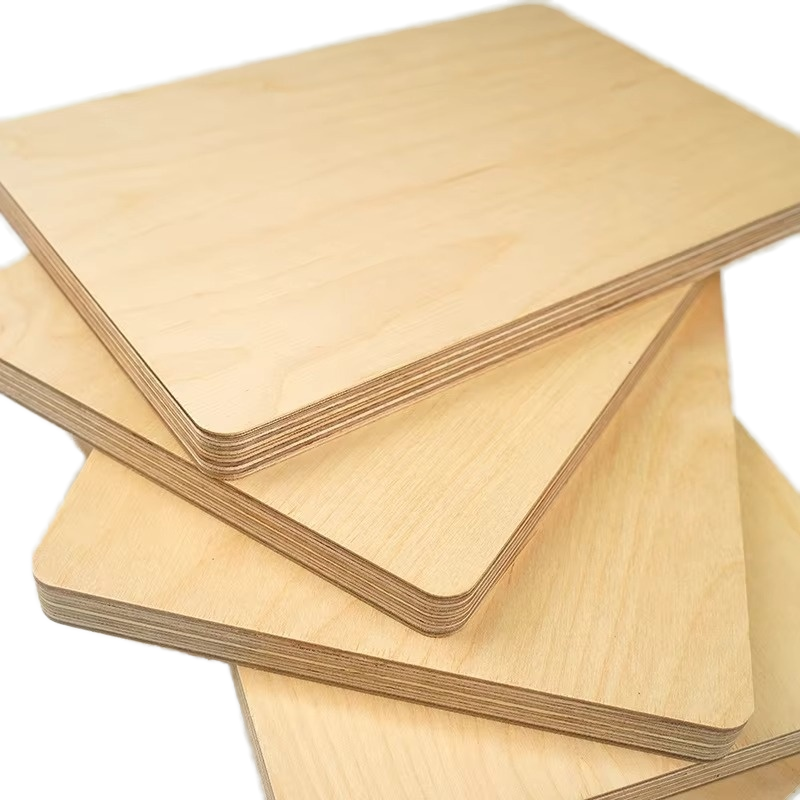
Wanhe CP-52 First-Class Poplar Birch Veneer Plywood E0
A low-emission E0 panel with poplar and birch veneer for office buildings, hotel joinery and protected outdoor detailing. In Iran, it suits interior fit-out projects that need stable sheets, clean surfaces and reduced formaldehyde.
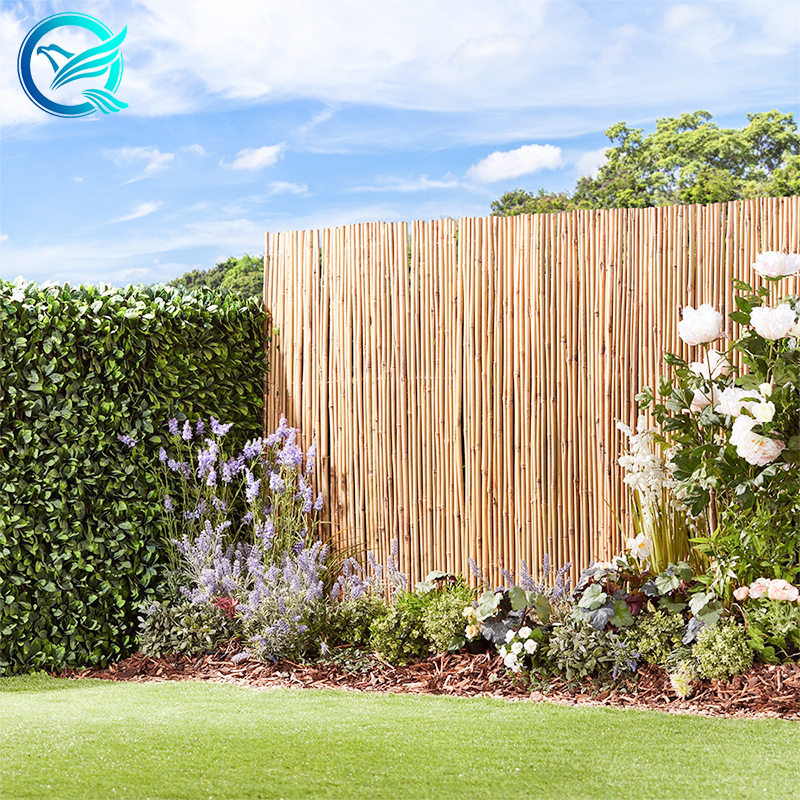
Wooden Garden Fence / Bamboo Screen
A decorative bamboo screen for villas, courtyards, restaurants and hospitality privacy. It pairs well with treated timber posts and plywood windbreak panels in dry Iranian landscapes where irrigation and dust need to be managed.
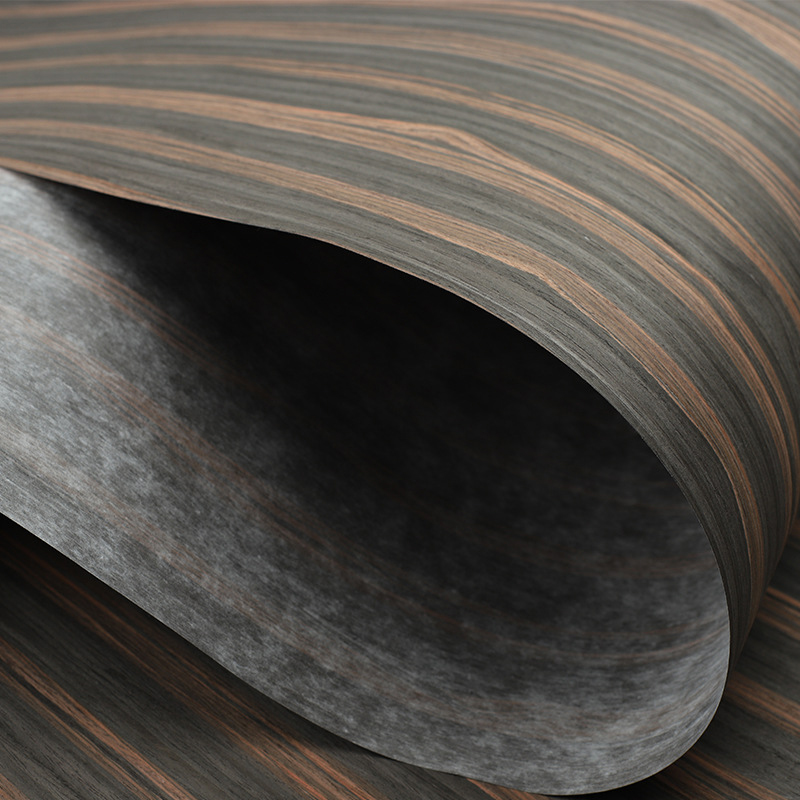
All Kinds Engineered Wood Veneer 640 × 2500 mm
Engineered veneer sheets for doors, wall panels and furniture surfaces. The 640 × 2500 mm format helps Iranian joinery workshops reduce cutting waste and achieve more consistent grain matching across production runs.
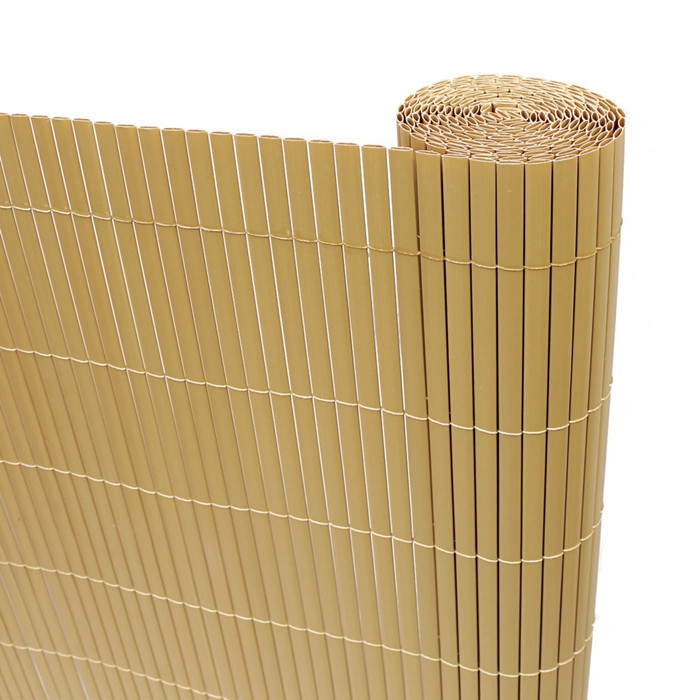
Nature Wood Frame Bamboo Fence for Livestock Farm
Rot-proof bamboo fencing for farms, agricultural compounds and livestock separation. Straight 1–12 m lengths can be combined with plywood windbreak panels to reduce dust and create shaded, organized animal areas.
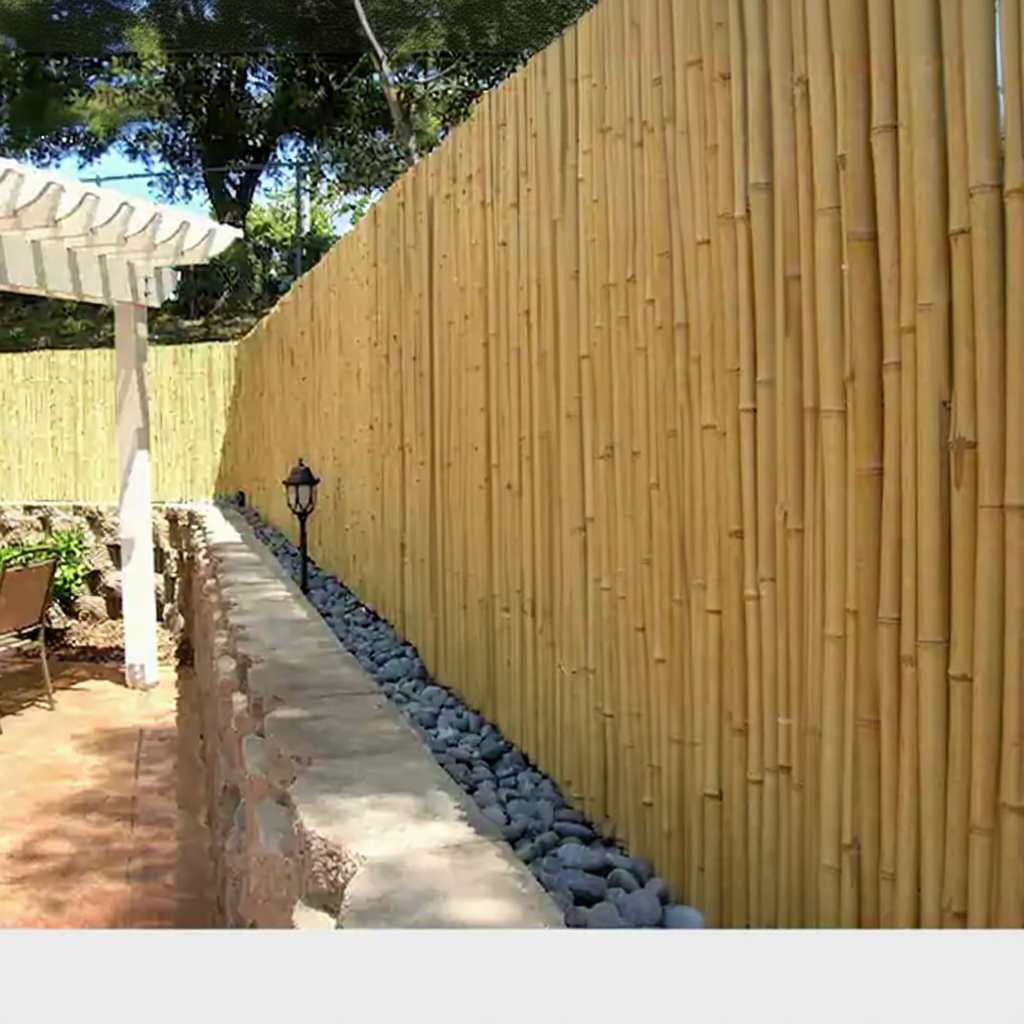
Natural Bamboo Fence ISO9001, 6 ft Customized
ISO 9001-manufactured natural bamboo fence with easy assembly and customization. Suitable for residential gardens, resorts, temporary site screening and landscape upgrades where a warm natural finish is preferred.

H20 Beam with Plastic Ends, Phenolic WBP
Phenolic WBP H20 beam for slab formwork and secondary girders. Plastic ends protect against moisture and impact on repeated reuse cycles, a practical detail for Iranian construction sites with long project schedules.
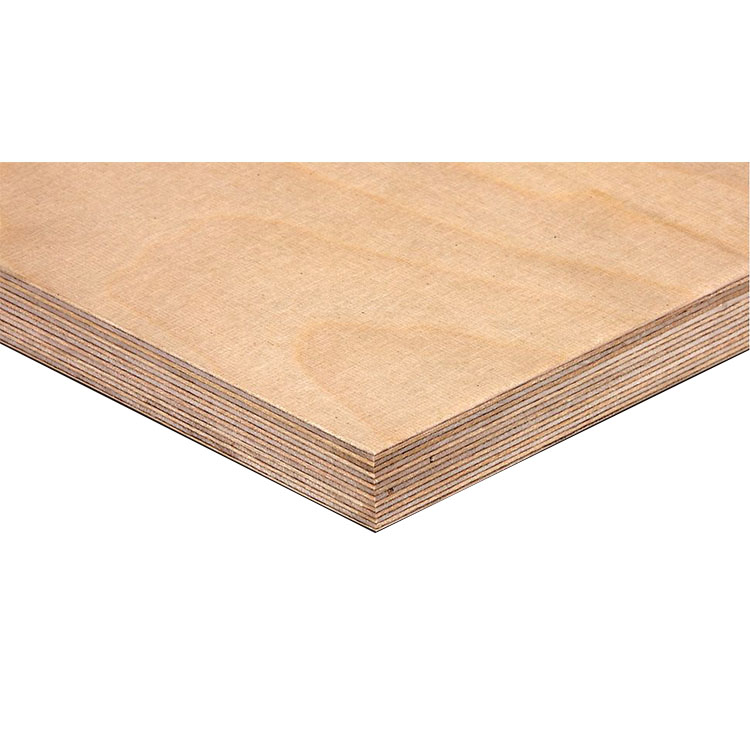
UV-Coated Double-Sided E0 Birch Piano Plywood
UV-coated E0 birch plywood for pianos, cabinetry and premium interior surfaces. Low formaldehyde and a consistent surface make it suitable for schools, hotels, showrooms and residential joinery in Iran.
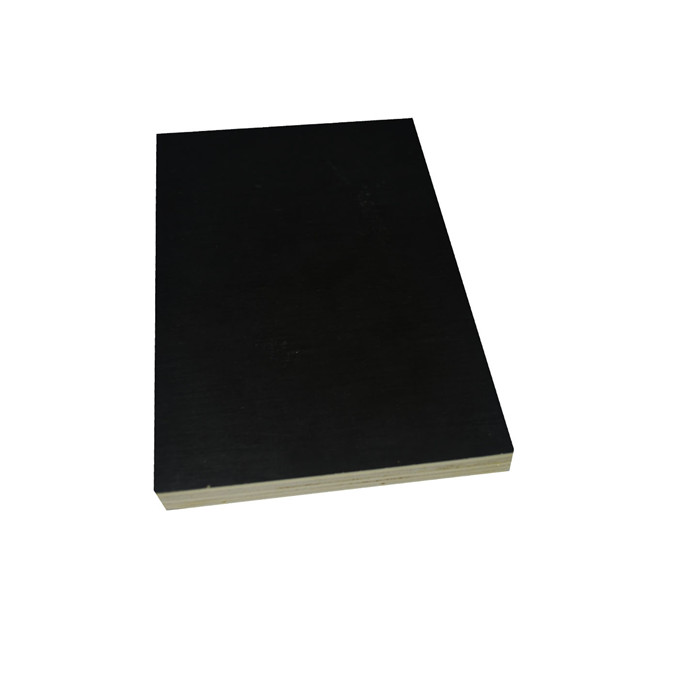
21 mm Poplar Film Faced Plywood for Formwork
21 mm poplar film-faced plywood for concrete formwork, wall pours and slab work. A practical balance between cost, surface quality and repeat use for contractors working on residential and commercial sites.
Where Pine Plywood and Panel Products Fit in Iran
Iran’s project mix calls for more than one panel type. The strongest sourcing plan combines formwork panels, low-emission interior boards, engineered veneer and weather-ready outdoor screening.
High-Rise Concrete Formwork in Tehran and Mashhad
Residential and commercial towers need slab, wall and column formwork that can handle repeated pours. Specify 18–21 mm film-faced pine or mixed-core plywood with phenolic WBP glue, sealed edges and a clean release surface. H20 beams improve alignment and speed on large slab areas. In hot, dusty conditions, panels should be stacked flat, shaded and cleaned between uses.
Hotel, Office and Retail Fit-Out
Interior projects increasingly ask for E0 or E1 boards, consistent surfaces and reliable thickness. UV-coated birch plywood, engineered veneer and poplar/birch core panels work well for reception desks, wardrobes, wall panels and display fixtures. For Iranian projects, confirm edge sealing and moisture content before installation, especially when panels move from a dry warehouse into an air-conditioned interior.
Villa Landscaping and Hospitality Screening
Bamboo fences and screens are widely used around villas, cafés, resorts and courtyard gardens. They provide privacy, shade and a natural finish without heavy masonry. Combine bamboo screening with treated posts and plywood windbreak panels where dust control is important. For coastal or irrigated sites, specify rot-proof treatment and raise the bottom edge above direct soil contact.
Agricultural and Livestock Compounds
Farm and livestock projects need straight, durable fencing that can be installed quickly. Wood-framed bamboo fence in 1–12 m lengths helps separate animals, create windbreaks and organize storage yards. For Iranian farms, pair fencing with plywood panels where dust, sun and seasonal temperature changes are severe. Proper posts and fixings matter as much as the fence material itself.
Infrastructure, Tunnels and Temporary Works
Infrastructure contractors value predictable formwork performance. Phenolic film-faced plywood, 3-ply shuttering panels and H20 beams can be combined for walls, slabs and temporary structures. Buyers should define reuse cycles, release-agent practice, stripping method and storage conditions. A panel that performs well in one project can fail early if edges are exposed or cleaning is rushed.
Furniture, Doors and Interior Panels
Joinery workshops need stable sheets for doors, cabinets, partitions and shop fitting. Pine, poplar and birch plywood can be specified by face grade, core, glue and emission class. Engineered veneer adds a consistent decorative surface. For伊朗 projects, request samples from the same production batch where colour matching is critical, and confirm the final coating system before shipment.
Iran Market Trends Reshaping Pine Plywood Procurement
Price remains important, but Iranian buyers are increasingly asking for documented quality, climate-ready specifications and flexible container planning.
Low-Emission Specification
E0 and E1 panels are gaining attention for schools, clinics, hotels and offices. Buyers now ask for emission class together with glue type and surface finish.
Climate-Resilient Formwork
Hot, dry and dusty sites push demand toward WBP glue, edge-sealed panels, anti-slip film options and better storage guidance.
Mixed Containers and Trial Orders
Importers prefer to test several products before scaling. Mixed containers can combine film-faced plywood, H20 beams, veneer and bamboo screening.
Documented Supplier Quality
ISO 9001, CE, FSC and SGS assessment reports help procurement teams compare suppliers beyond a single price quotation.
Indicative Mill Allocation
Typical production mix for export orders across the group’s panel and engineered wood range. Figures are illustrative and confirmed against each project’s specification and loading plan.
A Shanghai Export Team with Mill-Level Control
Shanghai Dorni International Trading Co., Ltd. has exported wood panels and building materials since 2008. Its affiliated mill in Dangshan County, Anhui Province, runs three complete production lines — veneer peeling, drying, glue lay-up, cold and hot pressing, double-side calibration and sanding — with 6,000 m³ monthly capacity.
The mill is managed under ISO 9001, production is controlled to CE requirements (CE No. 1301-CPD-0569), and FSC-certified material is available. The company has also been assessed on-site by SGS Group. A dedicated QC team inspects raw materials before production and checks finished panels before loading, with pre-shipment photos available for buyers who cannot visit the factory.
Customization is a core strength: sample-based, design-based and full private-label production, including logo printing on film, edge-sealing colour, bundle packaging and grading to BSI, IHPA, JPIS, GB or customer standards. Goods are normally loaded at Lianyungang or Qingdao, and the team accepts FOB, CFR, CIF, EXW, FAS and CIP terms.
- 18+ years of international wood panel experience
- ISO 9001, CE and FSC-certified material options
- SGS-assessed supplier with documented QC
- 3 production lines and 6,000 m³ monthly capacity
- ODM, private label and customer grading standards
- Loading from Lianyungang and Qingdao
- Pre-shipment inspection photos and third-party inspection support
Common Questions from Iranian Importers and Contractors
Practical answers on MOQ, glue, shipping, documentation, quality control and customization before a first container is booked.
What is the usual MOQ for pine plywood shipped to Iran?
Standard film-faced and construction plywood usually starts from 50 m³, roughly two 40HQ containers. 3-ply shuttering panels start from 7–50 m³ depending on specification. Bamboo decking or fencing may start from 100 m², while mixed-product trial containers can be discussed for new buyers.
Which glue and emission grade should Iranian buyers choose?
For dry interior work, MR or melamine glue may be sufficient. For formwork exposed to water, dust and repeated handling, phenolic WBP is the safer specification. For schools, clinics, hotels and residential interiors, choose E0 or E1 and confirm the final coating system. Edge sealing is strongly recommended in hot, dry climates.
Can you ship to Bandar Abbas or Chabahar and provide documents?
Yes. Goods are normally loaded at Lianyungang or Qingdao and can be quoted on FOB, CFR or CIF terms. Typical documents include commercial invoice, packing list, bill of lading, certificate of origin and product certificates where applicable. Wood packaging should be ISPM 15 compliant. Iranian import rules can change, so confirm current tariff and documentation requirements with your customs broker before shipment.
How is quality controlled before loading?
The QC team inspects raw materials on arrival, checks glue lay-up and pressing, verifies thickness and dimensions, and reviews finished panels before packing. Pre-shipment photos can be provided. Third-party inspection is welcome, and samples can be sent before a full order is confirmed.
What sheet sizes and thicknesses are available?
Plywood thickness ranges from 2.2 mm to 30 mm. Common sizes include 1220 × 2440 mm, 1250 × 2500 mm, 1500 × 3000 mm and 915 × 1830 mm. 3-ply panels are often 500 × 2000 mm or 500 × 3000 mm in 21 mm or 27 mm. Custom sizes can be quoted against project drawings.
Can you private label, customize packaging or match a sample?
Yes. Sample-based, design-based and full customization are available, including logo printing on film, edge-sealing colour, bundle packaging, mixed loading and grading to BSI, IHPA, JPIS, GB or a customer’s own standard. Send a photo, drawing or physical sample so the factory can confirm the correct core, face and glue.
Send Your Iran Project Specification — Get a Technical Proposal Within 24 Hours
Share the end use, sheet size, thickness, core, glue, emission grade, quantity, destination port and target price. Our export team will reply with a recommended specification, loading plan, lead time and document checklist for your Iranian project.
No obligation. Drawings, samples and project details are handled confidentially.Start a Mill-Direct Inquiry
Tell us whether you need pine plywood, film-faced formwork, H20 beams, birch plywood, engineered veneer or bamboo screening. We will confirm the most practical option for your market, budget and reuse cycle.
Contact Us