Eight Products Glasgow Buyers Can Combine With Carbonized Bamboo Flooring Orders
These eight export-ready products are regularly consolidated with outdoor bamboo decking, bamboo fencing and engineered wood orders. They share one quality system, one loading plan and one commercial contact, which helps Glasgow importers reduce freight complexity and supplier risk.
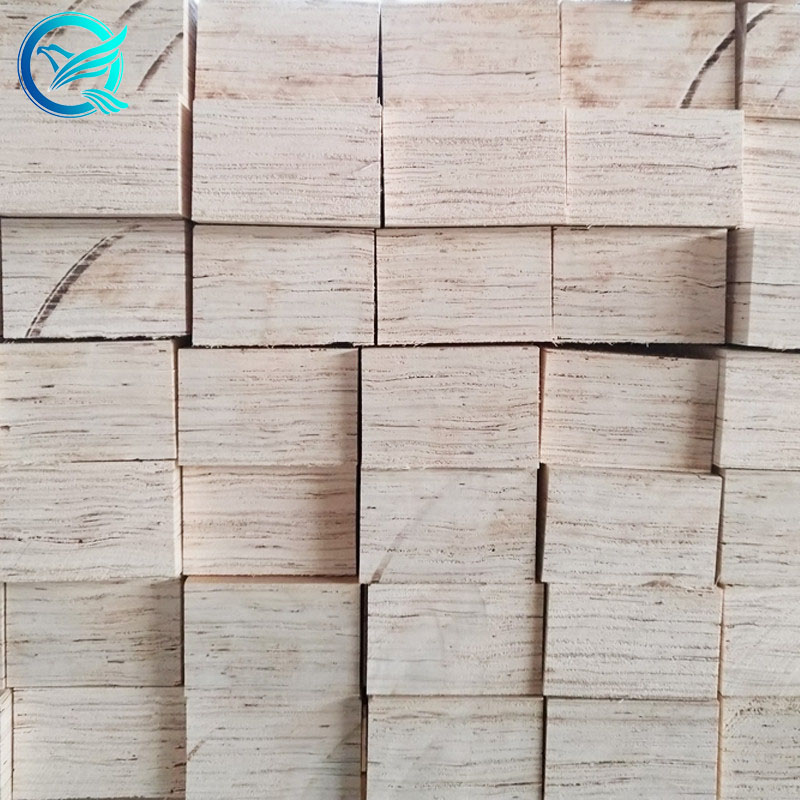
Poplar LVL Beams Laminated Veneer Lumber Board Double-Sided Decorative Surface for Bed Slats Packing Boxes Exterior Use
Dimensionally stable engineered wood for bed slats, packaging, furniture parts and exterior decorative applications.
View product details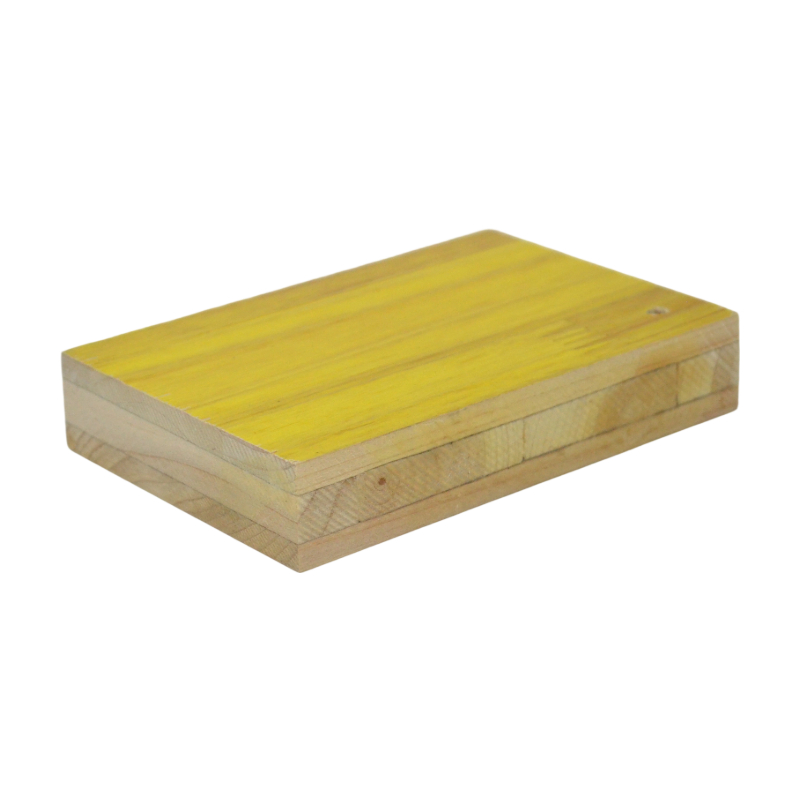
3 Ply Yellow Spruce Shuttering Panel 21-27MM Pine Formwork Board Easily Assembled for Concrete Slab Construction
Lightweight yellow-coated formwork panel for slab and wall systems where fast assembly and clean concrete finish matter.
View product details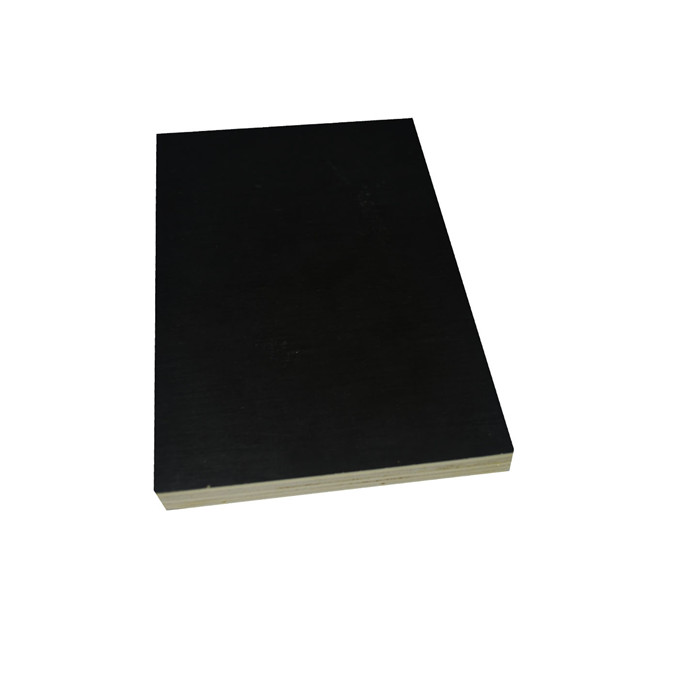
21mm Poplar Chinese Construction Signal Film Faced Plywood for Formwork
Film-faced plywood with a smooth face for concrete formwork, hoarding, temporary works and site protection.
View product details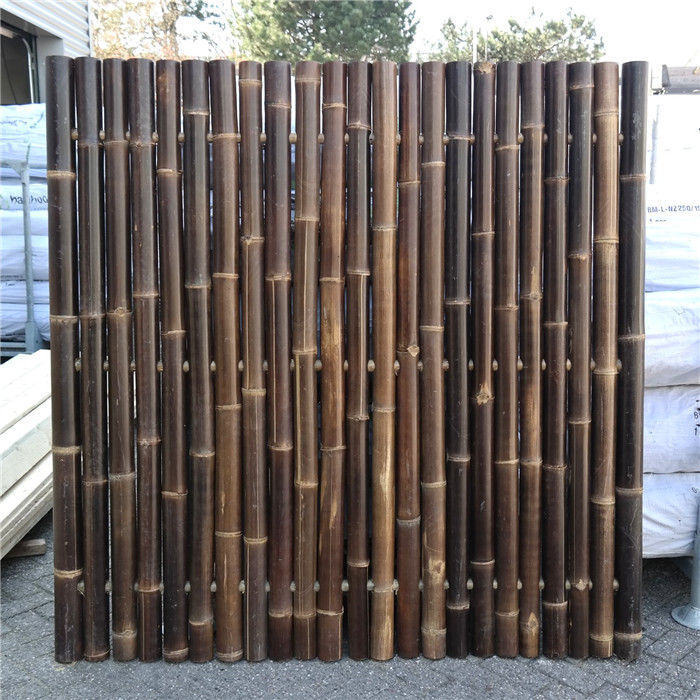
High 2m Bamboo Fence Screening
Tall bamboo screening for garden privacy, hospitality terraces and landscape boundaries with natural visual warmth.
View product details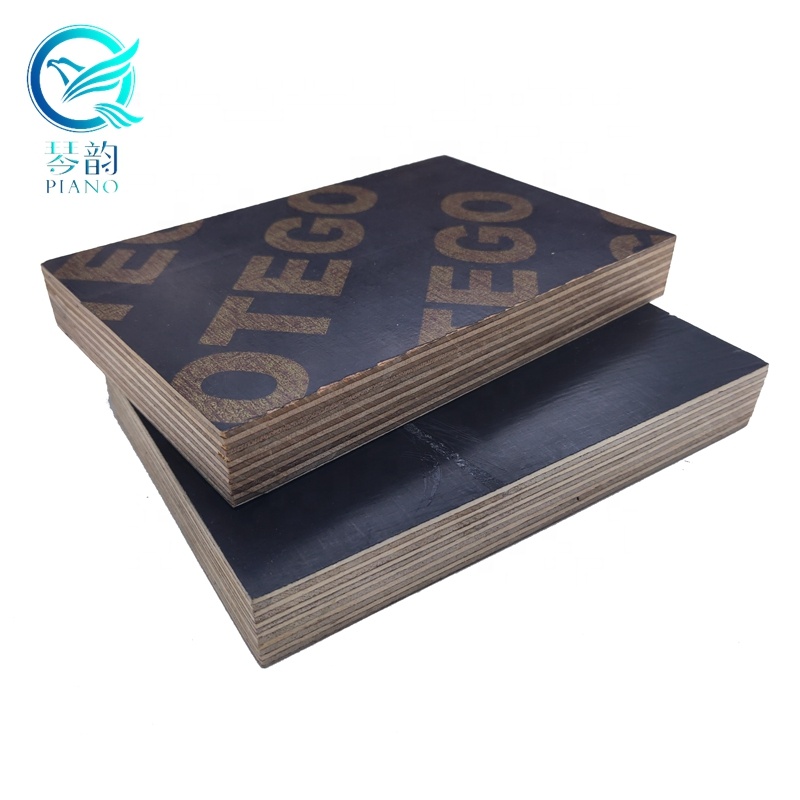
BS1088 CE ISO9001 Certified 1220x2440mm 18/25/28mm 0.5mm E0 Eucalyptus Hardwood Core Phenolic Face Plywood
Hardwood-core marine plywood for demanding moisture, structural and fit-out applications where certification is required.
View product details
All Kinds Engineered Wood Veneer 640mm × 2500mm Size
Engineered veneer for wall panels, cabinetry, joinery and interior specification consistency across large projects.
View product details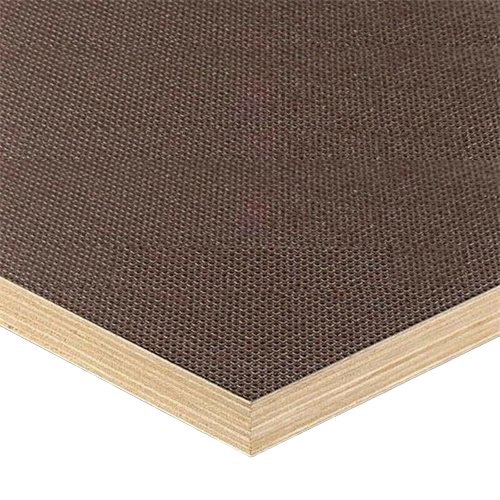
Treezo Linyi Hexa/WireMesh Anti/non-slip Artificial Veneer Pine Veneer Double-Sided Decoration Basswood E1 Water Plywood
Decorative anti-slip plywood for transport, temporary flooring and interior applications where texture and grip matter.
View product details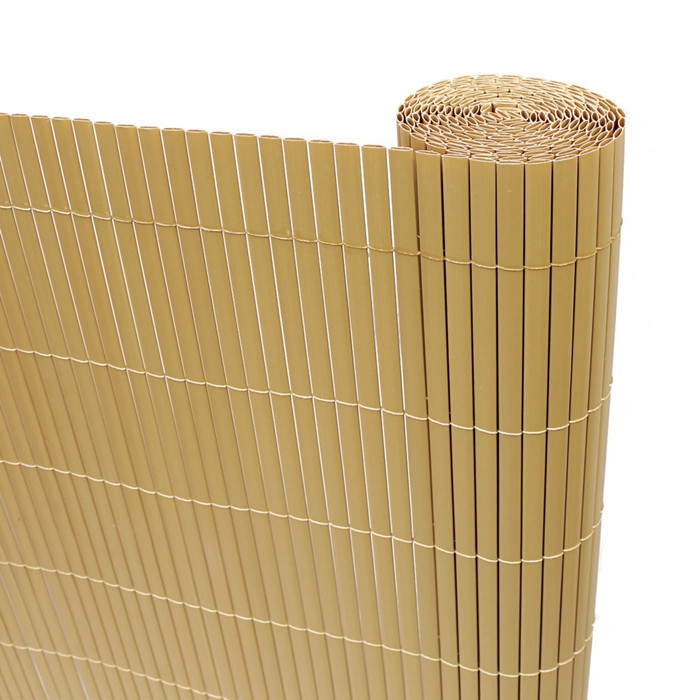
Nature Wood Frame Bamboo Fence Length 1m-12m High Straightness Rot Proof & Eco-Friendly for Livestock Farm
Wood-framed bamboo fence for farm, garden, screening and boundary use where straightness and rot resistance are valued.
View product detailsProduct URLs are preserved as supplied. Specification sheets, packing plans and mixed-container advice are available through the catalogue request.
What Glasgow Buyers Are Really Looking For in Carbonized Outdoor Bamboo Flooring
Semantic search around this product is rarely a single query. Buyers move between carbonized bamboo decking Glasgow, outdoor bamboo flooring suppliers UK, China bamboo decking factory, exterior bamboo flooring Scotland, bamboo decking MOQ and weather-resistant bamboo deck boards. A useful supplier page must answer commercial intent and technical intent together.
Factory-Direct Quotation
Importers compare factory capability, MOQ, FOB and CIF pricing, lead time and loading efficiency. They want a real production base, not only a catalogue.
Glasgow Weather Fit
Rain, wind-driven moisture, moss, algae and freeze–thaw make drainage, expansion gaps, anti-slip texture and stable fixings decisive specification points.
Project Application
Garden decking, pub terraces, hotel courtyards, rooftop terraces, park furniture and residential refurbishment each need different board formats.
Supplier Verification
Trade buyers check ISO 9001, CE, FSC, SGS assessment, trade history, QC photos and third-party inspection before placing a first container.
Where Carbonized Outdoor Bamboo Flooring Works in and Around Glasgow
Glasgow’s mix of tenement gardens, suburban terraces, riverside regeneration, hospitality venues and public realm projects creates practical demand for a warm, natural outdoor surface that performs in a wet climate.
Residential Garden Decking
For homes in the West End, Shawlands, Bearsden, Newton Mearns and surrounding areas, carbonized bamboo decking can create a warmer balcony, patio or garden room threshold than concrete or composite alone. Specify raised joists, ventilation and a fall away from the building.
Hospitality Terraces
Pubs, restaurants and hotels need consistent colour, tactility and low visual maintenance. A brushed or grooved surface helps manage wet feet, while mixed bamboo and screening creates a biophilic backdrop for customers.
Rooftop & Balcony Terraces
Wind exposure and temporary ponding require careful drainage, concealed fixings and lightweight substructure design. Bamboo decking tiles can be useful where a removable, serviceable finish is preferred.
Parks, Riversides & Public Realm
Public and landscape projects often want anti-slip surfaces, repeatable module sizes and responsible sourcing. Carbonized bamboo can add natural texture to boardwalks, seating areas and waterside viewing points.
Screening & Mixed Outdoor Systems
Bamboo fencing and screening can frame a deck, hide service areas and create privacy in dense urban gardens. Combine decking, fence panels and edge trims in one mixed container to reduce freight and handling.
Commercial Refurbishment
Retail courtyards, office terraces, student accommodation and leisure spaces often need short lead times and clear documentation. Factory photos, packing lists and product datasheets support procurement and facilities teams.
Glasgow & Scotland Trends Shaping Outdoor Bamboo Specification
Lower-Carbon Procurement
Public and commercial clients increasingly ask about FSC availability, recycled content, transport emissions and lifecycle maintenance. Bamboo’s fast renewable profile supports the conversation, but claims should be backed by documents.
Biophilic Design
Architects and interior teams in Glasgow use natural materials to soften urban terraces, courtyards and hospitality spaces. Carbonized bamboo provides a darker, warm tone that pairs well with steel, glass and planting.
Weather-Resilient Detailing
Specifiers are moving away from purely visual selection towards moisture management, ventilation, slip performance and repairability. Glasgow projects benefit from raised decks, stainless fixings and non-trapping edge details.
Mixed-Container Efficiency
Distributors and contractors favour fewer suppliers and consolidated loading. Bamboo decking, fencing, plywood and LVL can be planned together, reducing administrative load and shipping risk.
Why Carbonized Bamboo Suits Glasgow’s Climate When Specified Properly
Carbonized outdoor bamboo flooring begins with a controlled heat treatment that darkens the bamboo, reduces free sugars and supports dimensional stability. For exterior use, the more important question is not colour but construction: strand-woven or heavy bamboo, resin type, density, moisture content, surface texture and fixing method. These variables determine how the board behaves under Glasgow’s wind-driven rain, low winter sun, moss pressure and repeated wet–dry cycles.
A responsible supplier should treat bamboo as an engineered outdoor material rather than a generic timber substitute. The deck must shed water, allow airflow beneath the boards, use stainless or corrosion-resistant fixings and leave correct expansion gaps. Where the installation is on paving, a pedestal or raised system is usually safer than direct contact. Where the site is exposed, anti-slip texture and edge restraint matter more than a perfectly smooth showroom finish.
Performance Focus for Outdoor Bamboo
Indicative specification focus, not a guarantee for a single SKU. Confirm board data, finish and warranty in the product datasheet before ordering.
Strand-Woven & Heavy Bamboo
Dense strand-woven formats are often selected for premium outdoor surfaces, while conventional bamboo boards may suit sheltered applications. Ask for density, layer structure and moisture content.
Phenolic & UV-Stable Coating
Exterior products should use suitable resin and coating systems. Brushed, grooved or oiled finishes affect grip, colour retention and maintenance intervals.
Decking, Tiles & Cladding
Boards, interlocking tiles, cladding and screening can be combined. Tile systems support serviceability; linear boards support a more continuous architectural finish.
Ventilation, Fixings & Drainage
Use corrosion-resistant fixings, correct joist spacing and expansion gaps. Ensure falls, drainage and airflow are designed before the first board is fixed.
Why Shanghai Dorni Supports Glasgow Trade Buyers Beyond a Price List
Shanghai Dorni International Trading Co., Ltd. has exported wood panels and bamboo building materials since 2008. The company is supported by an affiliated plywood mill in Dangshan County, Anhui Province, with three complete production lines and a 6,000 m³ monthly capacity. This structure gives buyers a practical mix of export coordination, factory access and documented quality control.
Export Experience Since 2008
Long-running export activity across Europe, the Americas, the Middle East, North Africa and Asia helps the team anticipate documentation, packing and specification issues.
Affiliated Mill & Capacity
Three complete lines cover peeling, pressing, calibrating and sanding, with approximately 6,000 m³ monthly plywood capacity from the affiliated mill.
ISO 9001 · CE · FSC
Production is managed under ISO 9001, controlled to CE requirements, and FSC-certified material is available. The company has also been on-site assessed by SGS Group.
Raw Material & Finished Goods QC
A dedicated QC team inspects raw materials on-site and checks finished goods before loading. Pre-shipment photos and third-party inspection can be arranged.
Customization & Private Label
Sample-based, design-based and full customization options include logo printing, edge-sealing colour, packaging, grading to BSI, IHPA, JPIS or GB, and buyer-specific specifications.
Export Logistics Support
Goods usually load at Lianyungang or Qingdao. Dorni accepts FOB, CFR, CIF, EXW, FAS and CIP terms and supports T/T, L/C, D/P and D/A payment discussions.
From Factory Check to Glasgow Delivery: A Practical Buying Path
For first-time buyers, the safest route is to align sample, specification, inspection and loading before discussing final price. This protects both the project programme and the supplier relationship.
Brief & Sample
Share the application, board size, surface, expected footfall, fixing method and target delivery window. Request a sample and datasheet for approval.
Pre-Production Check
Confirm density, resin, moisture content, coating, colour tolerance and packaging. For mixed orders, agree the container loading plan.
Inspection & Loading
Dorni QC can provide pre-shipment photos. Buyers are welcome to appoint a third-party inspection before container loading.
Documents & Delivery
Commercial invoice, packing list, certificate of origin and available certification are prepared. Shipping can be arranged to a UK gateway with onward trucking to Glasgow.
Typical loading ports: Lianyungang and Qingdao. Delivery terms and payment methods are confirmed per order and destination.
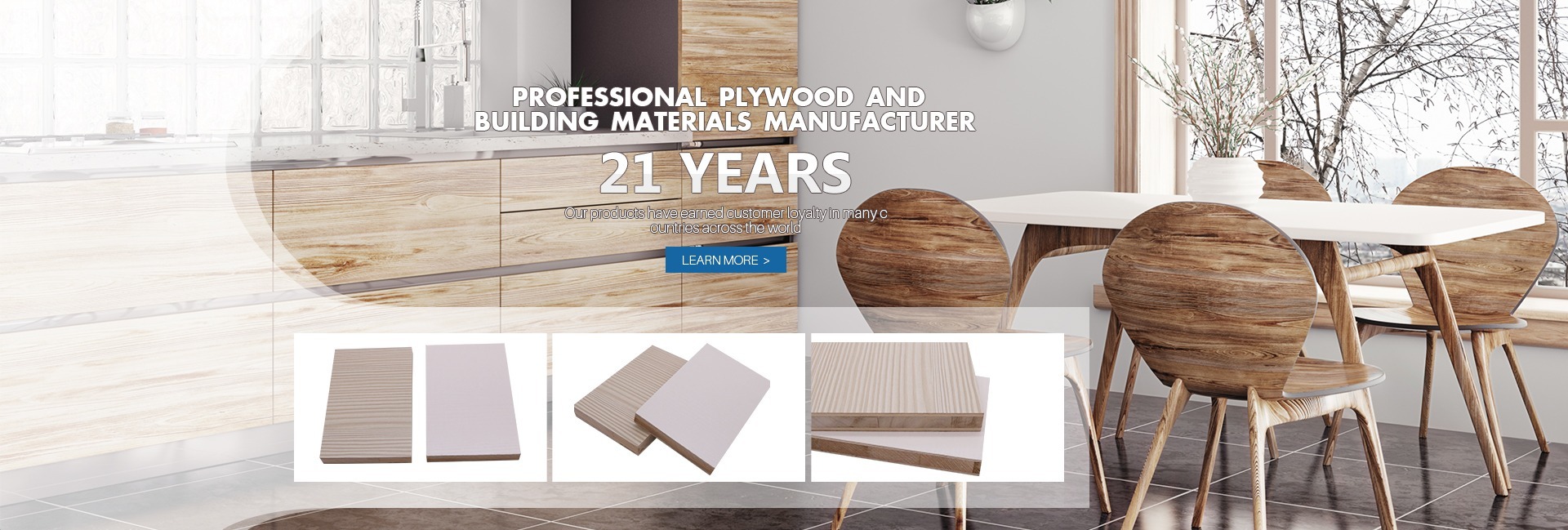
Carbonized Bamboo & Outdoor Bamboo Application Views
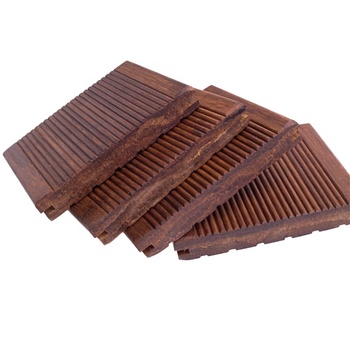
Use these reference images to discuss colour direction, surface texture, decking format and landscape screening with your project team. Final product appearance depends on the selected finish and batch.


Common Questions About Carbonized Outdoor Bamboo Flooring for Glasgow Projects
These answers reflect the practical questions asked by contractors, distributors, architects and facilities teams evaluating a China-based supplier for Glasgow delivery.
Is carbonized outdoor bamboo flooring suitable for Glasgow weather?
It can be suitable when it is specified as an exterior product with appropriate resin, coating, density and fixing details. Glasgow’s rain, wind-driven moisture and freeze–thaw cycles make drainage, ventilation beneath the boards, expansion gaps and corrosion-resistant fixings essential. A raised deck with airflow is generally safer than direct contact with paving. Ask for a project datasheet, confirm the board is intended for exterior use, and follow installation guidance.
How does carbonized bamboo compare with hardwood or composite decking?
Bamboo offers a warm natural appearance and a fast-renewable material story. Hardwood is well understood in the UK market but can carry higher cost and sourcing concerns. Composite decking is often chosen for low maintenance. Carbonized bamboo sits between these options: it needs correct detailing and periodic care, but can deliver a distinctive architectural finish. Compare density, warranty, surface texture, fixing system and maintenance before deciding.
Which surface finish is best for wet Glasgow conditions?
For steps, terraces and public-facing areas, a brushed or grooved anti-slip texture is usually more appropriate than a highly polished surface. Commercial projects may require documented slip performance. Consider water runoff, moss and leaf debris. Hidden clip systems and stainless fixings help maintain a clean appearance, while adequate gaps reduce trapped moisture.
What is the minimum order and lead time for Glasgow?
Minimum order depends on the bamboo decking format and finish. Outdoor bamboo decking orders often start from around 100–300 m², while mixed containers can combine decking, fencing, plywood and LVL. Production lead time is typically discussed after deposit and specification approval, with shipping time added for UK delivery. Confirm MOQ, production schedule and loading port in the quotation.
Can we combine carbonized bamboo flooring with other products in one container?
Yes, mixed-product consolidation is a practical option for distributors and contractors. Bamboo decking, bamboo fence screening, film-faced plywood, LVL and other Dorni products can be planned together, subject to weight, volume and MOQ rules. Send the target product mix and destination; the export team can advise on container efficiency and loading sequence.
How can we verify quality and certifications before shipment?
Request the product datasheet, certification copies, batch inspection records and pre-shipment photos. Dorni operates with ISO 9001, CE-controlled production and FSC-certified material availability, and has been on-site assessed by SGS Group. Buyers may also appoint a third-party inspection company before loading. Confirm that the documents match the exact product and project requirement.
What fixings, joists and drainage details are recommended?
Use corrosion-resistant or stainless fixings suitable for the exposure, and follow the board manufacturer’s joist spacing. Provide ventilation and falls so water does not pond beneath the deck. Maintain expansion gaps at edges and around obstructions. On balconies and rooftops, coordinate with the waterproofing and drainage design before installation. A typical detail includes a raised substructure, drainage layer and removable access where required.
What maintenance does outdoor bamboo decking need in Scotland?
Routine maintenance includes sweeping, removing leaves and debris, cleaning with a mild suitable cleaner, and inspecting fixings and joints. Avoid aggressive jet-washing. In damp Scottish conditions, check for moss or algae and use a manufacturer-approved treatment if needed. If the product uses an oil finish, periodic re-oiling may be required. Set a maintenance schedule at handover rather than waiting for the surface to dry out or discolour.
Send Your Specification — Get a Carbonized Bamboo Flooring Proposal
Share your application, estimated area, preferred board format, surface texture, fixing method and target delivery date. Our export team can return product recommendations, a catalogue, MOQ guidance, packing details and FOB or CIF options for Glasgow-bound projects.
What to Include in Your Enquiry
- Project location: Glasgow or surrounding area
- Application: garden, terrace, hotel, rooftop or public realm
- Area, board size, surface finish and fixing preference
- Required delivery window and preferred Incoterm