8 Exterior Bamboo & Facade Products for Melbourne Buyers
This shortlist preserves the original product links and images from the export range. Use these products as part of a complete facade strategy: bamboo cladding or screening as the visible skin, and panel products as concealed support, soffit, wet-area or site-protection components. Final specifications must be checked against project drawings, wind loading, bushfire requirements, NCC provisions and local council conditions.

Engineered Wood Veneer, 640 × 2500 mm
A warm-tone veneer for soffits, entry features and interior-to-exterior transitions where bamboo screening needs a coordinated timber accent.
Explore veneer specification →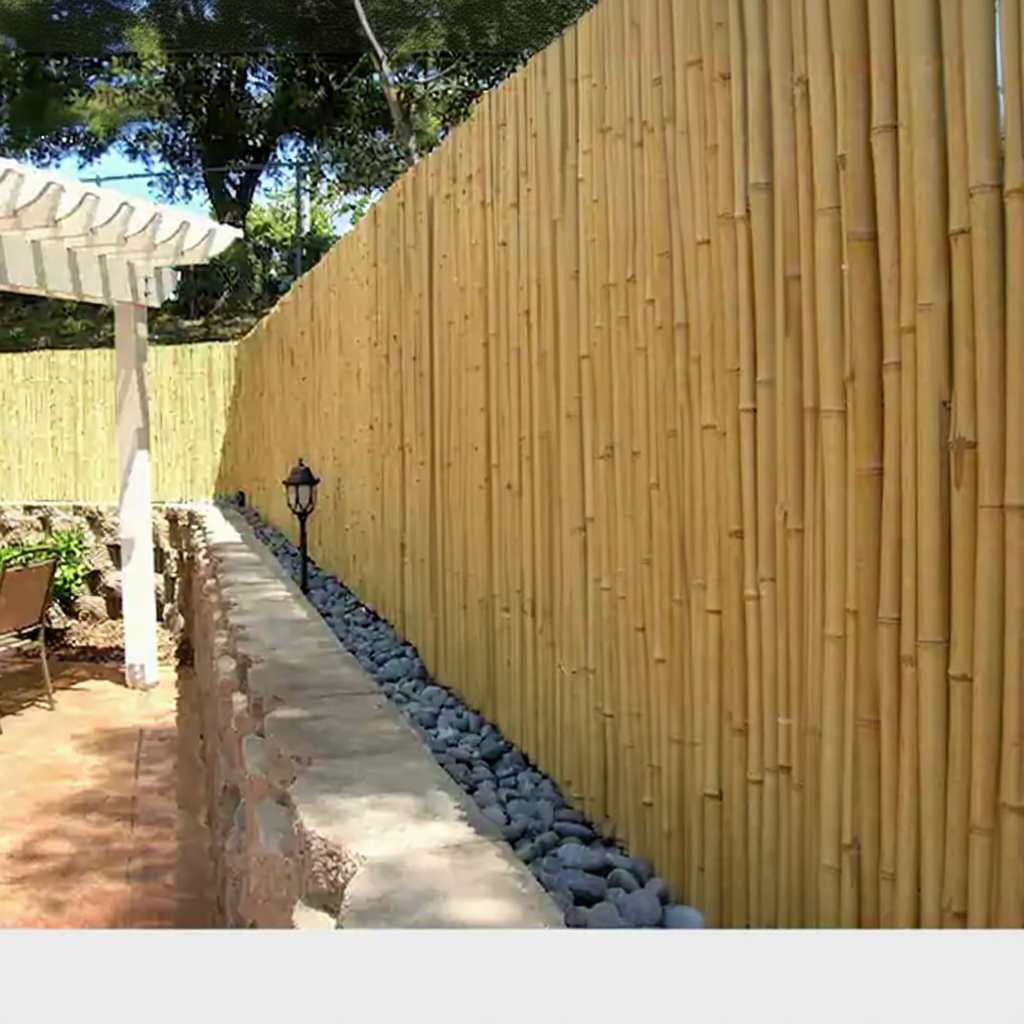
ISO 9001 Natural Bamboo Fence, 6 ft
Raw bamboo screening for courtyards, bin stores and garden privacy. In Melbourne wet zones, specify sealed ends, stainless ties and clearance from ground contact.
View bamboo fence →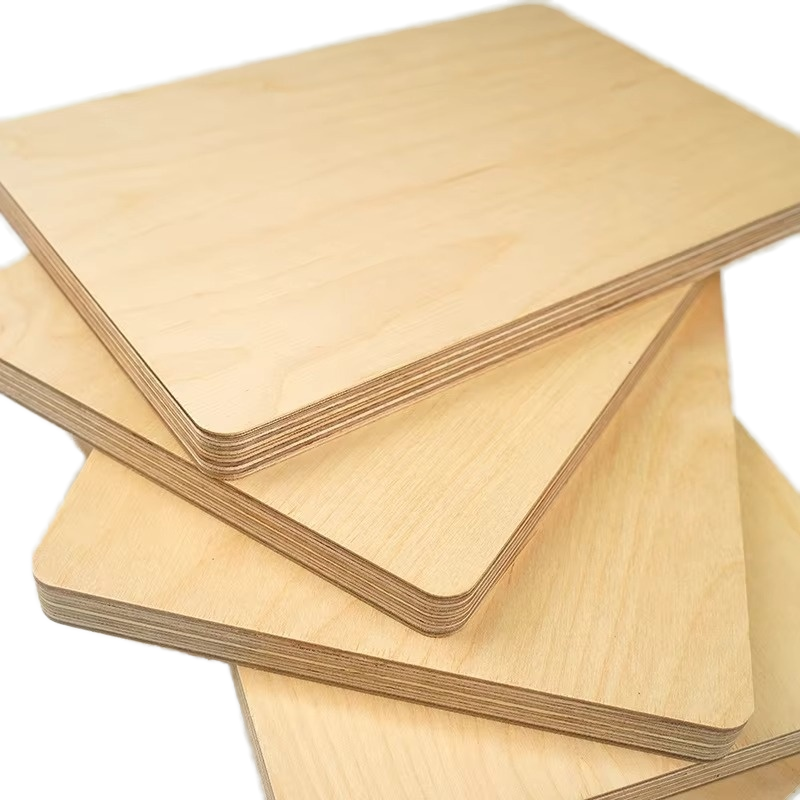
Wanhe CP-52 Poplar/Birch Veneer Plywood, E0
A water-resistant panel for concealed substrates, soffit packers and joinery where a low-emission E0 specification is requested.
Review panel data →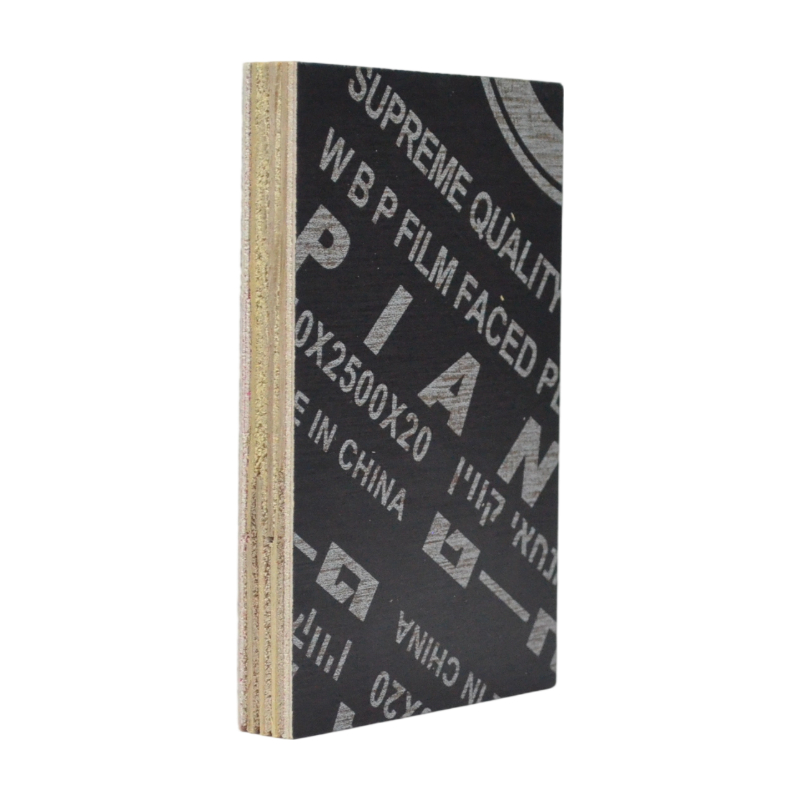
Birch Film-Faced Plywood 1220 × 2440 × 18 mm
Reusable film-faced panel for site protection, temporary hoarding and formwork. It is not a final exposed facade board unless designed as part of a tested assembly.
View plywood details →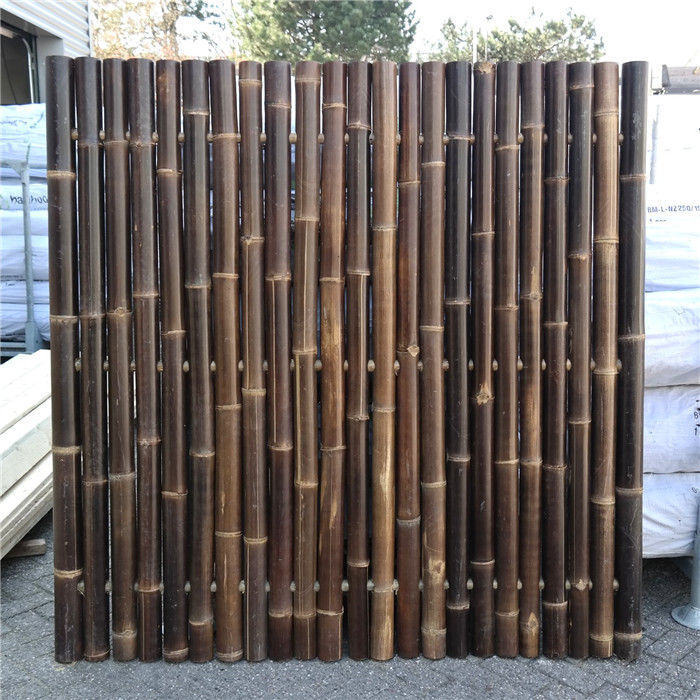
High 2 m Bamboo Fence Screening
A 2 m high bamboo screen for terrace privacy, rooftop edges and apartment courtyards. Confirm wind loading, fixing centres and base details before order.
Check screening size →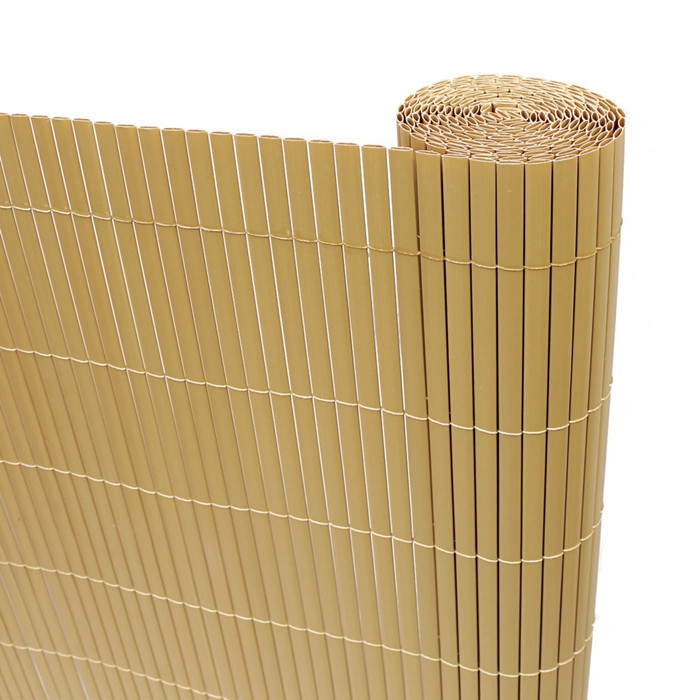
Wood-Frame Bamboo Fence, 1–12 m
Straight, rot-resistant bamboo sections for farm, landscape and commercial screening. Custom lengths help stage delivery for Melbourne landscape programs.
See fence options →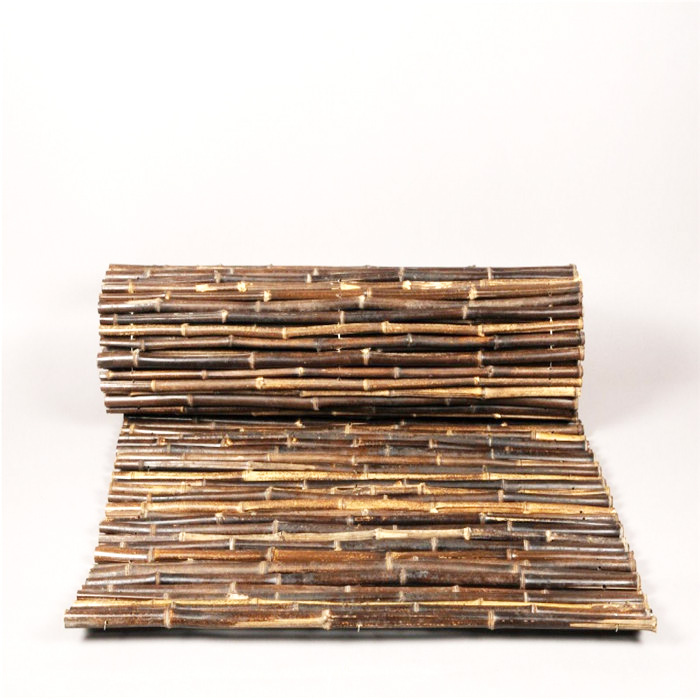
22–35 mm High-Straightness Bamboo Fence
Heavier bamboo poles for visible architectural screens where diameter, straightness and uniform rhythm matter. Select the grade by span, view and fixings.
Review pole grade →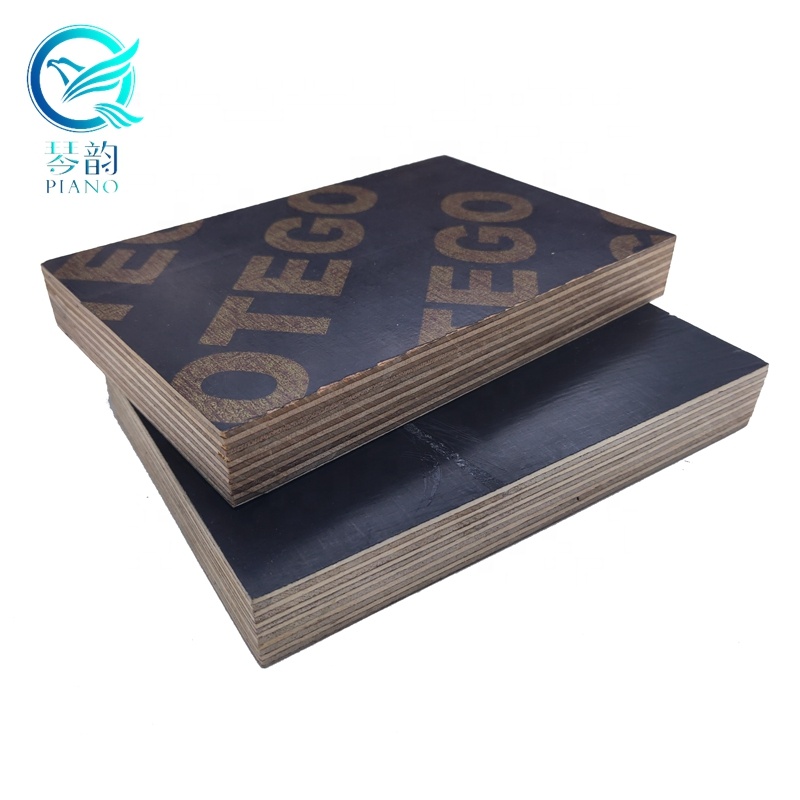
BS1088 Eucalyptus-Core Marine Plywood
Phenolic-bonded structural panel for wet-area substrates, soffits and marine environments. Coordinate exposed edges, coating and AS/NZS project requirements.
Open marine ply data →Exterior Bamboo Cladding Melbourne: Climate, Compliance and Design Fit
“Best” should be tested against Victorian conditions, not judged by a showroom photograph. The following specification logic is written for architects, volume builders, landscape contractors and wholesale buyers.
Rain, Wind and UV
Melbourne’s cool winters, hot spells, sudden rain and strong UV require a drained and ventilated cavity, continuous flashings, corrosion-resistant fixings and a maintainable UV finish. Bamboo should never be trapped against a damp wall.
Facade vs. Fence
Raw bamboo fence panels suit landscape privacy and courtyard screening. Engineered bamboo cladding needs controlled density, moisture content, adhesive performance, coating and concealed fixing details. The two should not be specified as if they were the same product.
Bushfire and NCC Context
Bamboo is an organic material and should not be assumed to be non-combustible. For bushfire-prone sites, the project team must confirm the applicable BAL and whether the proposed cladding system has suitable test evidence. Use a licensed building surveyor or fire consultant.
Whole-of-Life Procurement
A strong exporter supplies more than boards: consistent profiles, QC photos, packing suited to sea freight, sample continuity, honest documentation and a clear replacement strategy. That is the practical meaning of a best-fit wholesale partner for Melbourne.
Which Exterior Bamboo System Should Melbourne Buyers Specify?
Use these four routes to match product selection with the real application, maintenance budget and approval pathway.
Engineered Bamboo Cladding
Best for feature facades, upper-storey volumes, soffits and screened balconies. Request density, moisture content, profile tolerance, coating system, fire evidence and fixing method. Specify a ventilated rainscreen and access for inspection.
Bamboo Screening & Fence Systems
Best for courtyard privacy, bin enclosures, rooftop edges, hospitality gardens and staged landscape works. Specify sealed pole ends, stainless ties, ground clearance and wind fixing. This is where the raw bamboo range can add fast visual value.
Marine & Film-Faced Substrates
Best for concealed supports, wet-area packers, temporary protection and tested assemblies. BS1088 marine plywood and E0 panels can support the facade build-up, but exposed edges need sealing and final use must be confirmed by the designer.
Veneer & Warm-Tone Accents
Best for entry soffits, interior-exterior transitions and retail joinery. Engineered veneer can harmonise with bamboo cladding, but it is not an exterior skin unless the complete coating and substrate system is specified for the exposure.
Where Exterior Bamboo Cladding Works in Melbourne
Bamboo is most convincing when the detail responds to the suburb, the weather exposure and the maintenance reality of the owner.
Inner-North Architect Homes
In Northcote, Brunswick, Fitzroy and Carlton, narrow lots and visible upper volumes reward warm, rhythmic facades. Use bamboo slats for privacy, stair screens and street-facing feature panels, with concealed fixings and a dark window reveal to sharpen the grain.
Bayside & Mornington Peninsula
Brighton, Sandringham and coastal Mornington Peninsula homes face salt, wind-driven rain and stronger UV. Specify 316-grade stainless fixings, sealed cuts, generous drainage and a maintenance interval that suits the owner. Avoid direct ground contact.
Townhouse & Apartment Courtyards
Repeatable bamboo screens create privacy without heavy masonry. For townhouse developments, standardise panel modules, fixing brackets and colour batches so installers can work quickly and future replacement remains practical.
Hospitality, Retail & Workplace
Bamboo brings a biophilic identity to cafes, restaurants, hotels and showrooms. For high-touch areas, specify cleanable finishes, robust corner details and a maintenance manual. Fire and egress requirements must be coordinated early.
Schools & Community Spaces
Education and community projects need durable, accessible and low-maintenance details. Bamboo screens can define entries and play areas, but impact zones and vandal resistance should be discussed. Fixings must remain inspectable.
Bushfire-Prone Fringe Areas
In the Macedon Ranges, Yarra Valley and peri-urban growth corridors, cladding selection is compliance-led. Confirm BAL, ember exposure and test evidence before committing to bamboo. In some locations a non-combustible alternative may be the safer route.
Melbourne Market Trends Shaping Bamboo Cladding Demand
Demand is moving from “natural look” toward documented durability, installation certainty and whole-of-life accountability.
Biophilic, Low-Carbon Design
Architects are using bamboo to soften apartment exteriors, create courtyard privacy and signal sustainability. The credible claim is not “green” by appearance alone: buyers want FSC availability, low-emission adhesives and a finish that lasts.
Rainscreen & Prefabrication
Ventilated facades and prefabricated slat modules reduce site labour and improve consistency. Wholesalers that hold standard profiles, clips and touch-up finishes can support builders better than one-off board shipments.
Compliance-Led Purchasing
Builders and councils increasingly expect test reports, treatment records, fixing specifications and maintenance manuals. “It looks like timber” is no longer enough for a Class 1 or Class 2 project.
Whole-of-Life Cost
Owners are asking how often a facade must be cleaned, re-oiled and inspected. Coastal projects especially need an honest maintenance model. A lower purchase price is less valuable if replacement access is difficult.
Qualitative Buyer Priority Map for Melbourne Inquiries
Illustrative weighting used in Dorni’s Melbourne project discussions, not a statistical survey. Use it as a checklist for your own evaluation matrix.
Specification Guide: Exterior Bamboo, Screening and Substrate Routes
Use this table to align the product route with the real exposure, approval risk and information needed from the exporter.
| Product route | Best fit in Melbourne | Watch-outs | Information to request |
|---|---|---|---|
| Engineered bamboo cladding | Feature facades, soffits, balcony screens, upper-storey volumes, hospitality fronts. | BAL/fire evidence, UV coating, moisture movement, fixing cavity, access for maintenance. | Profile drawing, density, moisture content, adhesive, coating, fire test report, fixing method. |
| Bamboo fence and pole screens | Courtyard privacy, bin enclosures, rooftop edges, landscape screening, staged projects. | Ground contact, end checks, wind loading, stainless ties, variable natural colour. | Pole diameter, straightness grade, treatment, end sealing, bundle/packing method. |
| Bamboo slat and louvre systems | Ventilated screens, car park cladding, shaded facades, residential privacy. | Wind uplift, bracket corrosion, module alignment, touch-up finish. | Slat spacing, clip type, bracket drawings, load data, sample of finished colour. |
| Marine and film-faced plywood | Concealed supports, wet-area packers, formwork, hoarding and site protection. | Do not leave cut edges exposed; confirm bond and emission grade; design for replacement. | BS1088/EN 314 data, E0/E1 grade, phenolic/WBP glue, thickness tolerance, QC photos. |
| Engineered veneer accents | Entry soffits, joinery, interior-exterior transition zones and retail detail. | Not an exterior skin unless the complete coating and substrate system is specified. | Coating system, substrate match, colour batch, sample and maintenance instructions. |
Common export sizes include 1220×2440, 1250×2500, 1500×3000 and 915×1830 mm for panel products; bamboo fence and screening dimensions vary by profile and order. Always confirm the final Melbourne assembly with the project engineer and building surveyor.
Why Dorni Is Built for Melbourne Wholesale Programs
Shanghai Dorni International Trading Co., Ltd. combines an export trading team with an affiliated production base, giving buyers a practical route from specification to container loading.
Export Experience Since 2008
Dorni has exported plywood, formwork and bamboo building materials since 2008. That experience matters when specifications, packing, documentation and shipping need to align across multiple product groups.
Affiliated Mill Capacity
The affiliated mill in Dangshan County, Anhui Province, operates three complete production lines. With 6,000 m³ monthly plywood capacity, Dorni can plan repeat wholesale programs instead of treating every order as an isolated spot purchase.
ISO, CE, FSC and SGS
The mill is managed under ISO 9001, production is controlled to CE requirements, and FSC-certified material is available subject to order scope. Dorni has also been assessed on-site by SGS Group. CE is not a substitute for Australian compliance, but it supports documented quality discipline.
Raw Material and Finished Goods QC
A dedicated QC team inspects raw materials on-site and checks finished goods before loading. Pre-shipment photos and third-party inspection are welcome, which helps Melbourne buyers verify labels, edges, colour and packing before departure.
Customisation and Private Label
Sample-based, design-based and full customisation are available, including logo printing, edge-sealing colour, bundle packaging and grading to BSI, IHPA, JPIS, GB or customer standards. This suits wholesalers building a local stock range.
Global Export Logistics
Goods are usually loaded at Lianyungang or Qingdao. Dorni accepts FOB, CFR, CIF, EXW, FAS and CIP, and serves markets across the Americas, Europe, the Middle East, North Africa, Japan, South Korea and Southeast Asia. Melbourne bound shipments can be quoted to Port of Melbourne.
From Factory Inspection to Melbourne Site Delivery
Wholesale buyers need fewer surprises at the container, not just a lower unit price.
Loading Ports
- Lianyungang Port, about 250 km from the mill
- Qingdao Port, about 450 km from the mill
- Longhai railway and Road 310 nearby
Trade Terms
- FOB, CFR, CIF, EXW, FAS and CIP
- T/T, L/C, D/P and D/A accepted
- USD, EUR, GBP, JPY and other currencies
Buyer Protection
- Pre-shipment inspection photos
- Third-party inspection welcome
- Orders via Alibaba Trade Assurance
Melbourne Planning
- Trial and mixed-product containers can be discussed
- Standard profiles can be quoted for local stock
- Request samples before facade mock-up approval
Exterior Bamboo Cladding Melbourne: Common Procurement Questions
Is exterior bamboo cladding suitable for Melbourne’s climate?
Yes, but suitability depends on the product and assembly. Engineered bamboo cladding with a stable profile, appropriate coating and a ventilated, drained cavity can perform in Melbourne’s rainy winters, hot spells and high UV. Raw bamboo fences are better suited to landscape screening than to a high-exposure cavity facade. Coastal sites require 316-grade stainless fixings, sealed cuts and more frequent inspection. Avoid ground contact and never trap bamboo against a wall that cannot dry.
What is the difference between bamboo cladding and bamboo fencing?
Bamboo cladding is normally an engineered board or slat system fixed as part of a facade, with controlled thickness, coating and concealed fixings. Bamboo fencing uses raw poles or panels for privacy and landscape screening, where natural variation and checking are accepted. They have different tolerances, compliance requirements and maintenance expectations. Melbourne buyers should not use a landscape fence panel as a substitute for a tested exterior cladding system.
Can bamboo cladding be used in bushfire-prone areas around Melbourne?
Do not assume so. Bamboo is an organic material and may be combustible. In designated bushfire-prone areas, the applicable BAL under AS 3959 and the project permits will determine what system is acceptable. The designer, building surveyor and fire consultant must review test evidence for the full assembly, not just a material sample. In some BAL categories, a non-combustible alternative may be required.
How should bamboo cladding be installed for Melbourne weather?
Use the project engineer’s facade details. In principle, provide a drained and ventilated cavity, continuous flashings, sills and weep paths, corrosion-resistant fixings, drainage at the base and access for inspection. Cut ends should be sealed, and boards should not bridge the cavity. Allow for moisture movement. Follow the chosen product’s fixing centres and expansion gaps; do not rely on generic timber advice.
What maintenance does exterior bamboo cladding need?
Inspect after the first wet season and then at least every 6–12 months. Clean with a mild product, remove dirt from drainage paths and check fixings and cut edges. Re-oil or recoat according to the coating supplier’s instructions, commonly every 12–24 months in exposed Melbourne conditions and more often in coastal or high-UV positions. Avoid aggressive high-pressure cleaning that damages the surface.
Which documents can Dorni provide for a Melbourne project?
Depending on the product scope, documents can include ISO 9001 quality information, CE-related production information, FSC-certified material evidence where applicable, SGS assessment records, product specification sheets, QC photos and packing lists. Project-specific fire, durability or structural reports must be confirmed at quotation stage, because test evidence varies by product route and assembly. CE is not a replacement for NCC or Australian project approval.
What is the MOQ and lead time for wholesale orders?
Standard film-faced and construction plywood starts from around 50 m³, roughly two 40HQ containers. Three-ply shuttering panels start from 7–50 m³ depending on specification, and bamboo decking from about 100 m². Bamboo cladding, fencing and screening MOQs depend on profile, finish and packing. Mixed-product trial containers can be discussed. Lead time is confirmed with the final specification and sailing schedule; shipping to Melbourne is usually arranged from Lianyungang or Qingdao.
Can you customise profiles, colours, lengths, branding and packaging?
Yes. Dorni offers sample-based, design-based and full customisation, including logo printing on film, edge-sealing colour, packaging layout, length sorting and grading to BSI, IHPA, JPIS, GB or customer standards. For a Melbourne wholesale program, send profile drawings, target colour direction, fixings, application photos and any project compliance requirements so the quotation can reflect the correct specification.
Request Your Exterior Bamboo Cladding & Facade Catalog
Send your application, facade area, preferred profile, substrate, BAL or council requirement, target delivery date and Melbourne delivery point. Our export team can prepare a product shortlist, technical questions and a quotation route for samples, trial orders or wholesale containers.