Why the 3-Ply Yellow Shuttering Panel Is a Specification Decision, Not a Commodity Purchase
Tehran’s concrete construction market is moving quickly toward shorter floor cycles, tighter finish tolerances and clearer material traceability. In that environment, a yellow 3-ply shuttering panel should be evaluated as a reusable formwork component, not as a generic plywood sheet. The panel’s 500 mm module, 21/27 mm thickness, yellow coating and multi-layer wood core are designed to work together in European-style panel formwork systems, where flatness, screw-holding capacity and edge stability directly influence concrete surface quality and site labor efficiency.
For importers serving Tehran, the real comparison is rarely limited to price per panel. Procurement teams must compare reuse cycle potential, thickness tolerance, coating adhesion, edge sealing, adhesive durability and container loading efficiency. A low-cost panel that loses stiffness after a few pours can cost more than a better-specified panel that holds its geometry through repeated handling, cleaning and transport between floors. This is where mill-direct supply from an experienced Chinese manufacturer becomes commercially relevant.
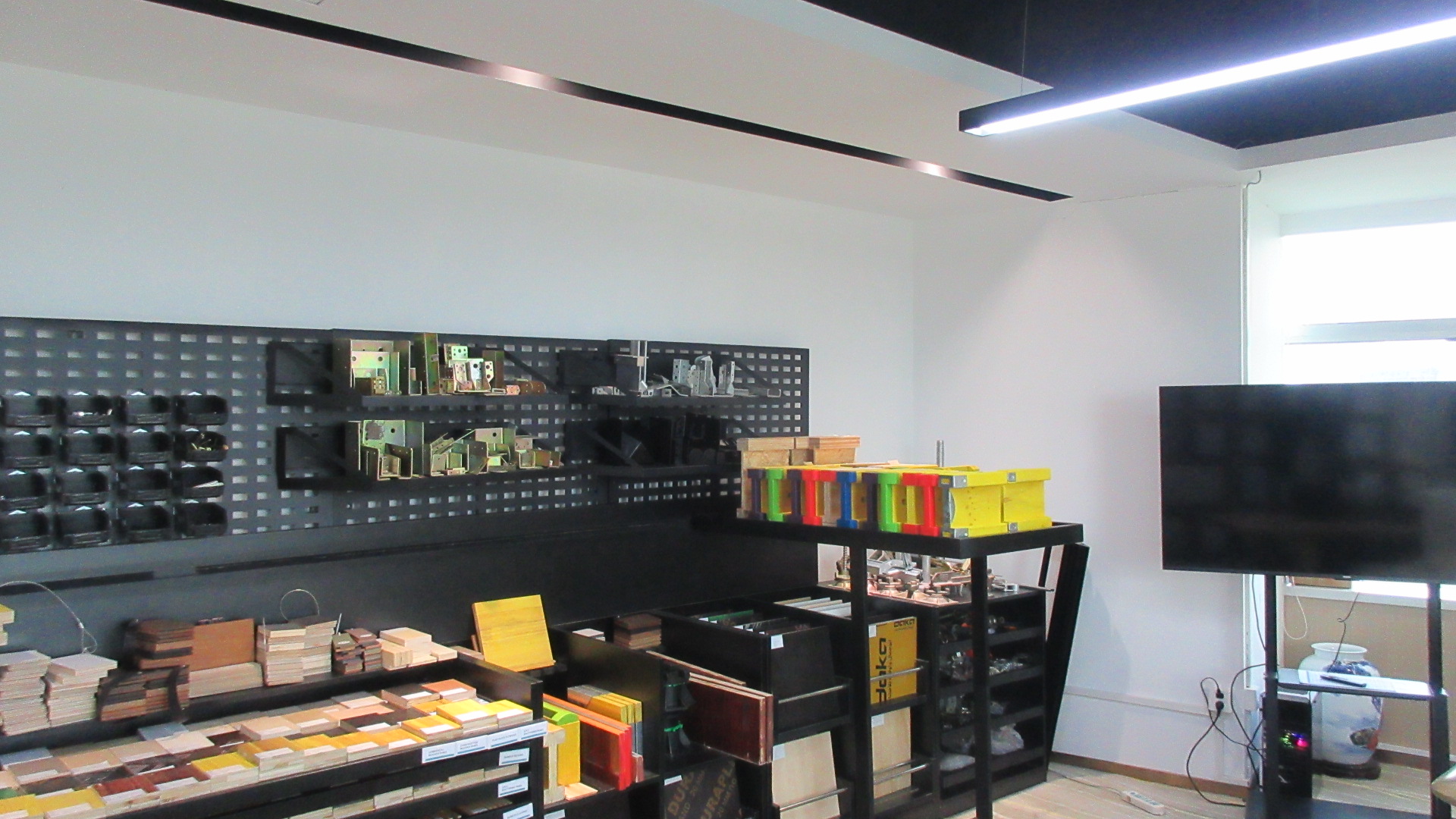
Shanghai Dorni International Trading Co., Ltd. combines an export team in Shanghai with an affiliated plywood mill in Dangshan County, Anhui Province. The mill operates three complete production lines, with a stated monthly capacity of 6,000 m³, and production is managed under ISO 9001, controlled to CE requirements and supported by FSC-certified material availability. For Tehran-bound projects, that structure supports a practical offer: panel specifications matched to the formwork system, pre-shipment inspection photographs, mixed-product container planning and documentation aligned with the buyer’s import process.
What Tehran buyers compare most often
A practical weighting model based on formwork procurement priorities in high-rise, infrastructure and commercial projects.
Eight Products, One Coordinated Supply Chain for Tehran Projects
The 3-ply yellow shuttering panel is the focus product for concrete formwork, but Tehran buyers often consolidate related items into the same shipment. These eight products reflect the core export range from Dorni and LEONKING for formwork, structural panels, engineered wood and outdoor bamboo applications.
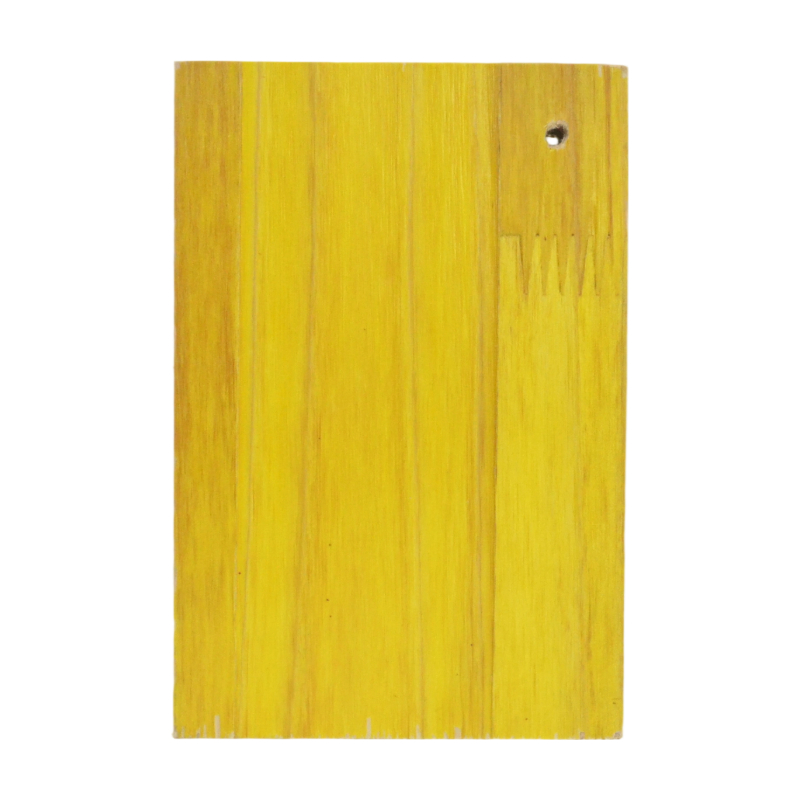
LEONKING Yellow 3 Ply Shuttering Panel Three Layer Board 21/27mm Spruce Fir Pine Three Ply Shuttering Panel
Main recommendation for panel formwork systems in Tehran: yellow melamine-coated surface, spruce/fir/pine core, 500 mm module and phenolic WBP option for repeated pours.
View product specification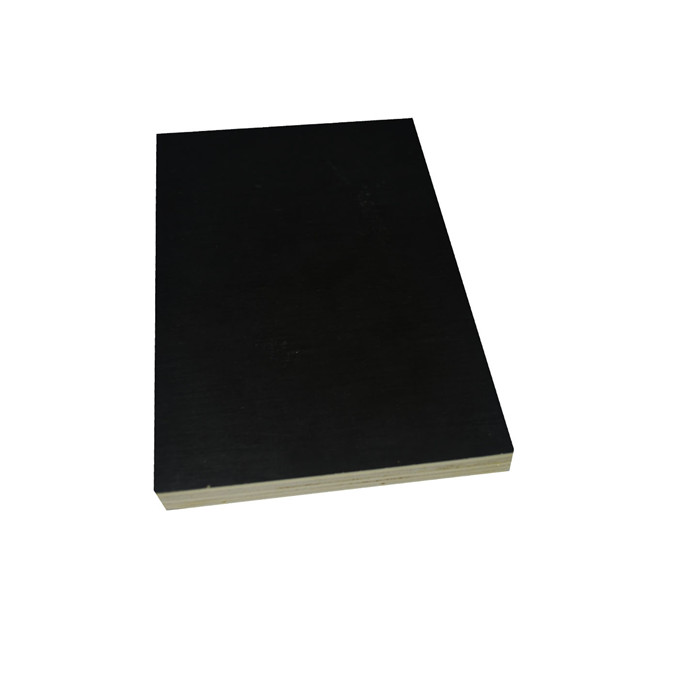
21mm Poplar Chinese Construction Siganal Film Faced Plywood for Formwork
A complementary solution for slab, wall and column formwork where a film-faced plywood sheet is preferred alongside modular 3-ply panels.
View product specification
High Quality H20 Beam with Plastic Ends for Construction Phenolic WBP Glue
Used as a secondary beam with 3-ply panels. Plastic end protection reduces moisture ingress and handling damage during site transport.
View product specification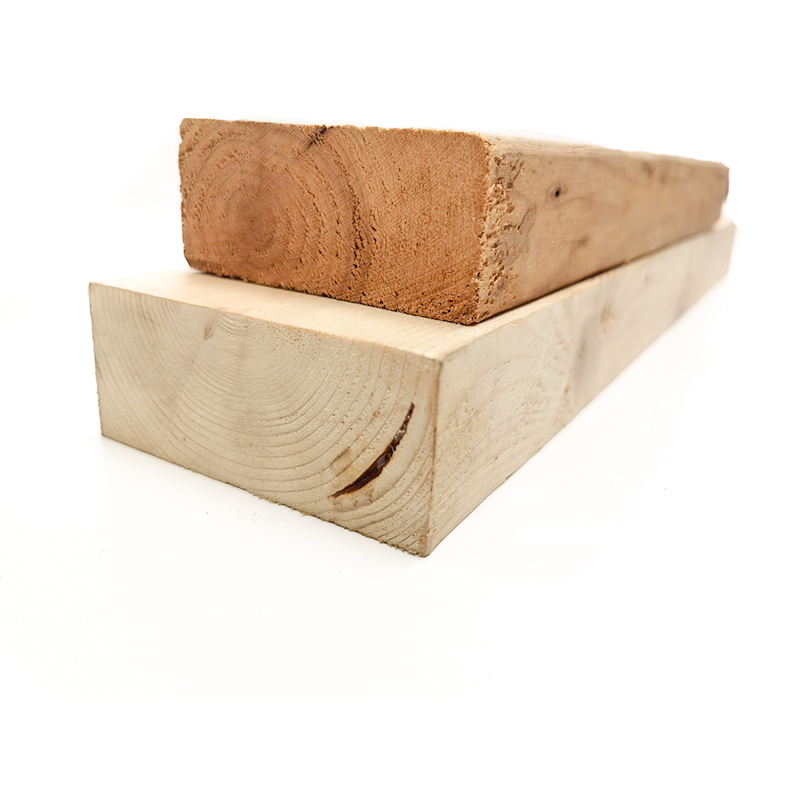
2x6 LVL Board
Laminated veneer lumber for scaffold planks, door cores, packaging and structural applications requiring consistent strength and straightness.
View product specification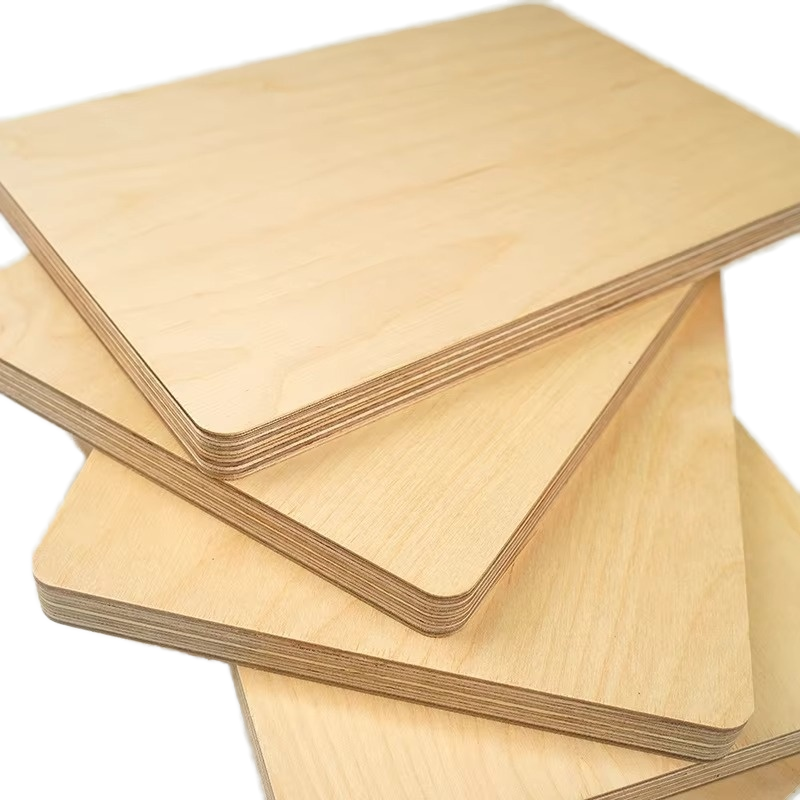
Wanhe CP-52 First-Class Poplar Birch Veneer Plywood E0 Water Resistant Modern Design 1 Year Warranty Outdoor Use Office Building
An E0 water-resistant decorative and structural panel option for commercial interiors, office buildings and protected outdoor applications.
View product specification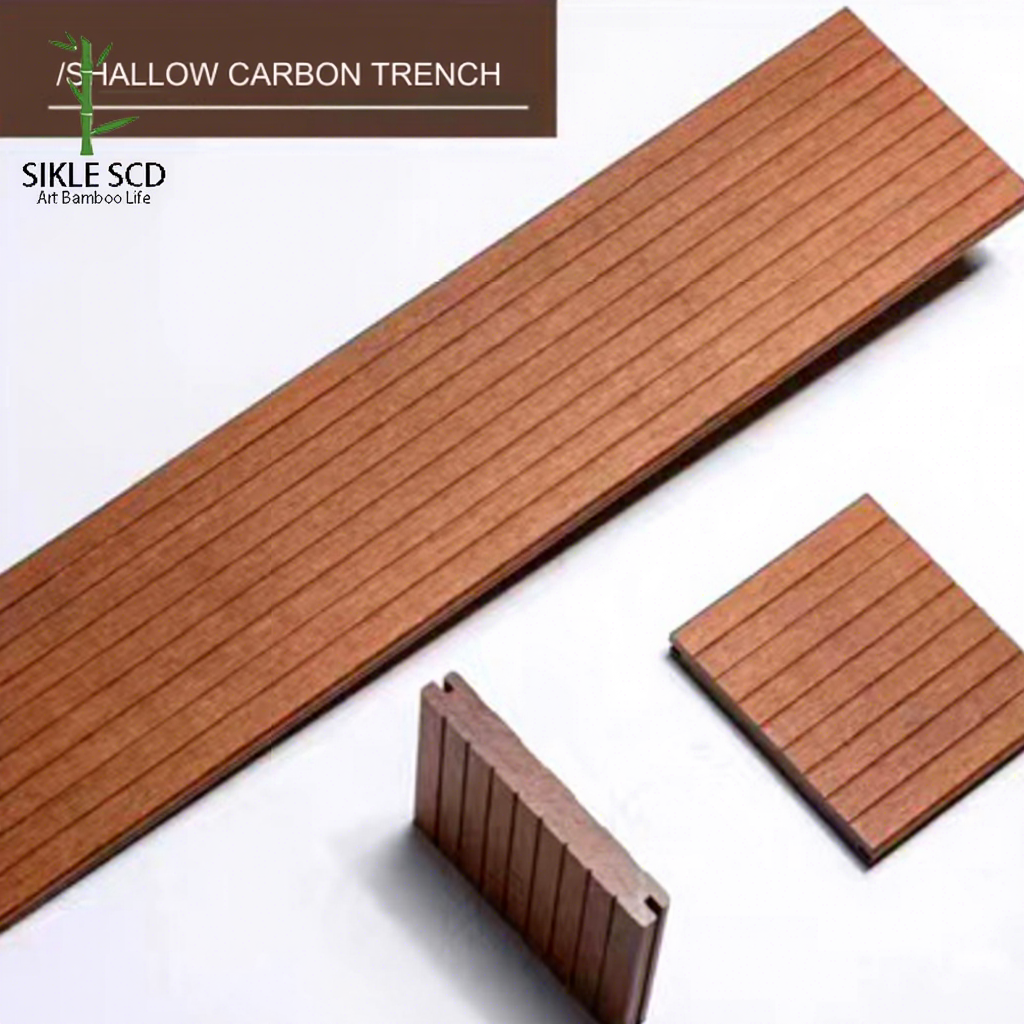
SIKLE SCD Bamboo Decking Solid Bamboo Shallow Deep Carbon 13 Coating Finish Hotel Use 5+ Year Warranty E1 Formaldehyde Standard
For Tehran hospitality, rooftop terrace and landscape projects where a dense, carbonized outdoor decking material is required.
View product specification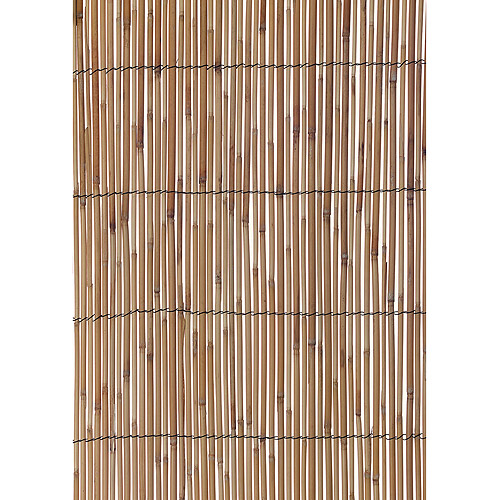
14-16mm High Quality Modern Bamboo Fence with Wood Frame-Eco-Friendly Waterproof Rot & Rodent Proof
Decorative screening for gardens, hospitality courtyards and residential landscape zones, supplied with a protective wood frame.
View product specification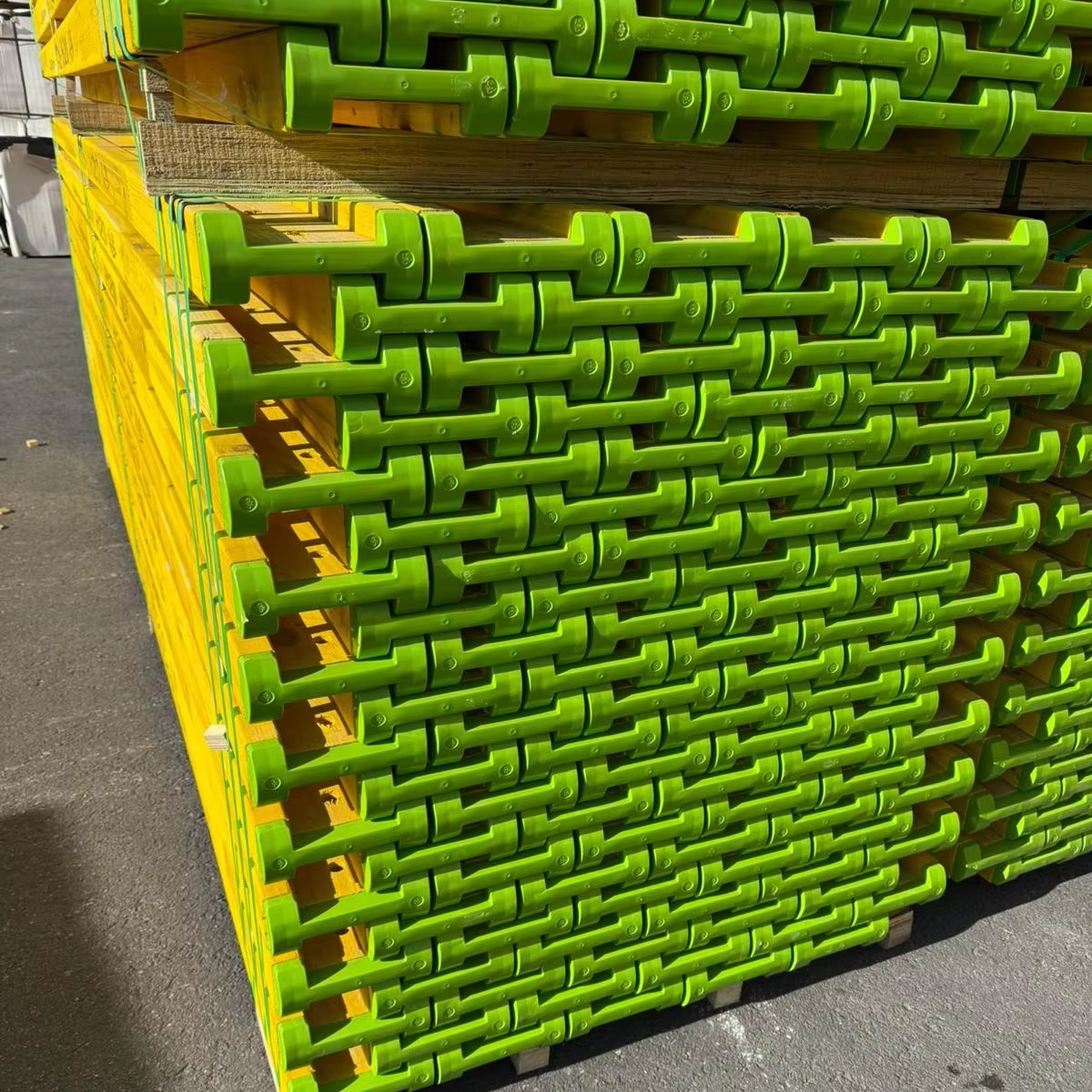
H20 Beam with Plastic Ends Yellow Waterproofing Painting Spruce Flange PINE Plywood Web
Yellow waterproof coating and plastic ends facilitate identification, moisture protection and repeated handling in formwork fleets.
View product specificationWhere 3-Ply Yellow Shuttering Panels Deliver Value in Tehran
Tehran’s project mix is not uniform. A panel specification suitable for a repetitive residential tower may not be the best choice for a metro box structure, a seismic retrofit or an architectural fair-faced concrete façade.
High-rise residential and commercial towers
For repetitive wall, column and core pours in Tehran’s high-rise developments, the 500 mm panel module helps standardize gang sizes and crane cycles. A 27 mm panel is often selected where stiffness and repeat handling are prioritised; 21 mm can suit lighter cycles and tight weight limits.
Metro, underpass and utility structures
Infrastructure work usually demands robust edges and predictable panel geometry under dense reinforcement and vibration. Phenolic WBP bonding, sealed edges and well-calibrated thickness are more important than a cosmetic surface alone.
Seismic-resistant walls and retrofits
Projects aligning with Iranian building regulations and seismic design requirements require consistent concrete cover, alignment and wall thickness. Stable formwork panels support dimensional control in shear walls and retrofit elements, where rework is costly.
Architectural concrete and hospitality
For exposed concrete in lobbies, retail podiums and hotel facades, the yellow coating can help produce a more uniform release surface. Buyers should specify a trial panel, release agent and pour sequence to validate the desired finish.
Specifying the Right Yellow Shuttering Panel for Tehran Conditions
Use this matrix to separate a low-cost quotation from a genuinely suitable formwork specification. Final selection should always match the formwork system, pour pressure, reuse plan and site handling method.
| Parameter | Standard 21 mm option | Heavy-duty 27 mm option | Why Tehran buyers should check |
|---|---|---|---|
| Panel size | 500 × 2000 mm / 500 × 3000 mm | 500 × 2000 mm / 500 × 3000 mm | Confirm compatibility with the existing panel formwork system, clamps and tie spacing. |
| Core material | Spruce, fir or pine | Spruce, fir or pine selected for stiffness | Core quality affects weight, screw holding and resistance to local crushing at clamps. |
| Surface | Yellow melamine coating | Yellow melamine coating with controlled film adhesion | Coating uniformity influences release behavior, cleaning effort and visual inspection. |
| Adhesive | Phenolic WBP or specified MR | Phenolic WBP recommended | For repeated pours, moisture exposure and site cleaning, bond durability is a critical cost factor. |
| Emission class | E1 or E0 as requested | E1 or E0 as requested | Low-emission documentation may be requested by developers, consultants or indoor-adjacent projects. |
| Edge treatment | Waterproof edge paint | Waterproof edge paint; inspection before packing | Tehran’s dry heat and dusty site conditions make edge protection important during storage and transport. |
| Reuse planning | Project-dependent light-to-medium cycles | Project-dependent medium-to-heavy cycles | Do not rely on one reuse claim. Specify handling, release agent, cleaning method and trial panels. |
| MOQ reference | From 7–50 m³ depending on specification | From 7–50 m³ depending on specification | Mixed-product containers can be discussed for trial orders and distributor stock. |
Common reference data from the Dorni product range: 21/27 mm 3-ply panels, phenolic WBP options, E1/E0 availability, ISO 9001 production management, CE-controlled processes and FSC-certified material on request. Confirm final specification in the quotation.
What Is Changing in Tehran’s Formwork and Import Procurement?
Tehran buyers are becoming more analytical. The strongest suppliers are those that can support technical selection, documentation and container consolidation—not only quote a price per panel.
Faster floor cycles and modular formwork
Project teams are standardizing panel sizes to reduce cutting, improve crane productivity and simplify site supervision. The 500 mm module of yellow 3-ply panels fits this logic.
Heat, dust and storage discipline
Tehran’s dry summer conditions and dusty sites place a premium on edge sealing, flat stacking, shade storage and controlled cleaning between pours.
Low-emission and traceable materials
E1/E0 requests, FSC-certified material availability, CE-controlled production and SGS-assessed supplier records increasingly appear in procurement checklists.
Container consolidation
Importers prefer to combine 3-ply panels, film-faced plywood, H20 beams, LVL and bamboo products to improve freight economics and reduce supplier complexity.
Documentation before deposit
Buyers want specification sheets, inspection photos, loading plans, certificate copies and clarification of Incoterms before committing to production.
Whole-life cost comparison
Procurement is shifting from lowest initial price to cost per pour, considering panel stiffness, edge repair, release quality and replacement frequency.
Why Dorni Is a Credible Manufacturing and Export Partner
The following advantages are drawn from the company’s established export structure, affiliated mill capability and quality documentation. They are especially relevant to buyers who need repeatable panel quality across multiple containers.
Mill-direct supply structure
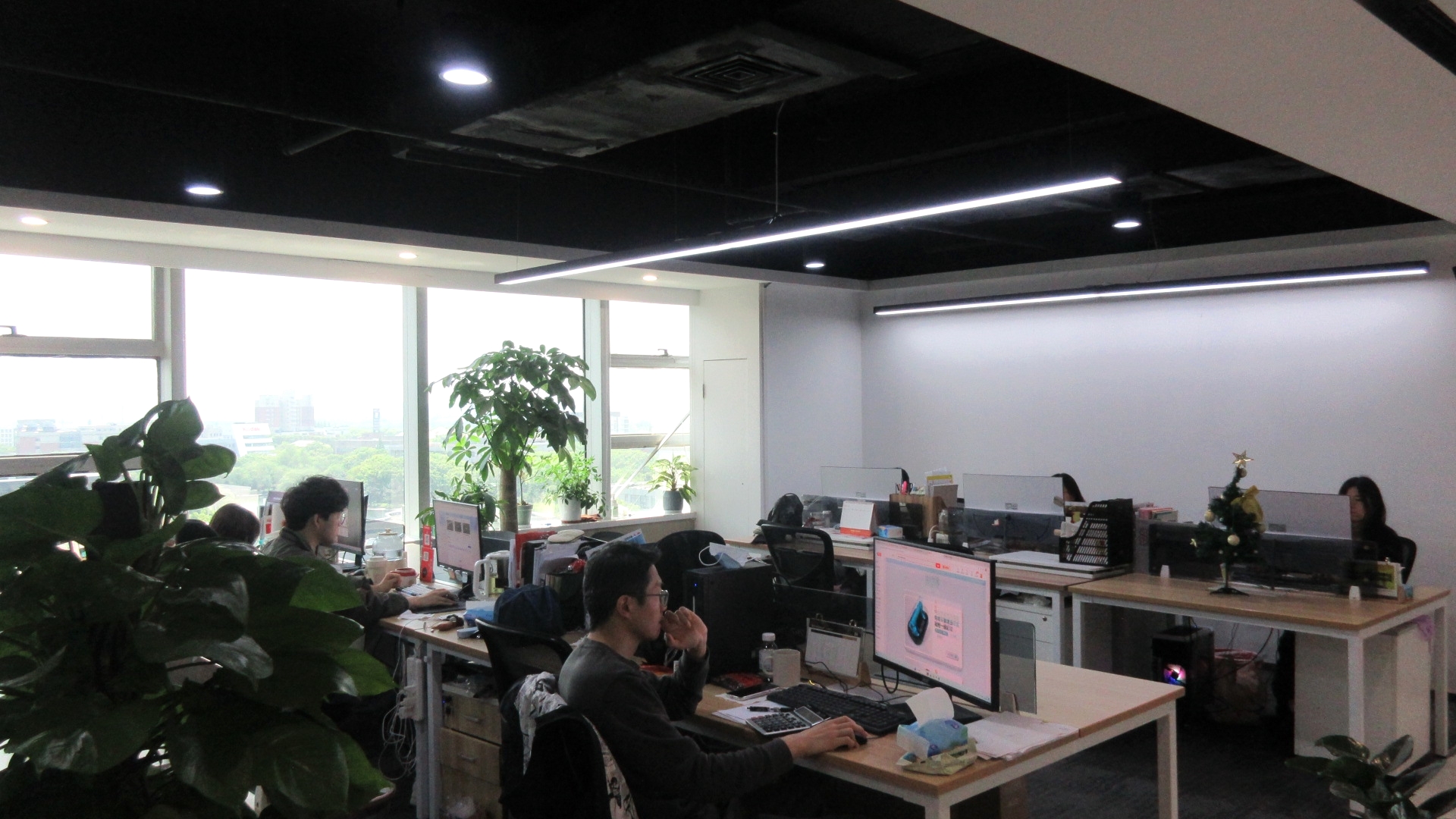
Shanghai Dorni works with an affiliated mill in Dangshan County, Anhui Province, operating three complete production lines and 6,000 m³ monthly capacity. This supports direct technical communication between the buyer’s specification and the production line.
ISO 9001, CE, FSC and SGS records
The mill is managed under ISO 9001, production is controlled to CE requirements, and FSC-certified material is available. The company has also been assessed on-site by SGS Group, giving procurement teams third-party context.
Raw material and finished goods inspection
A dedicated QC team inspects raw materials on-site and checks finished goods before each loading. Pre-shipment photos and third-party inspection arrangements help Tehran buyers verify quality before vessel departure.
OEM, private label and grading
Sample-based, design-based and full customization are available, including logo printing on film, edge-sealing colour, bundle packaging and grading to BSI, IHPA, JPIS, GB or buyer standards.
Export logistics and terms
Goods are usually loaded at Lianyungang or Qingdao port. FOB, CFR, CIF, EXW, FAS and CIP terms are supported, with T/T, L/C, D/P and D/A payment structures available for discussion.
Mixed-product container planning
Panels, H20 beams, film-faced plywood, LVL and bamboo products can be planned together. This reduces supplier fragmentation for Tehran distributors and contractors managing multiple project packages.


 ISO 9001 quality management
CE-controlled production
SGS on-site assessment
From Log Peeling to Container Loading: A Traceable Panel Workflow
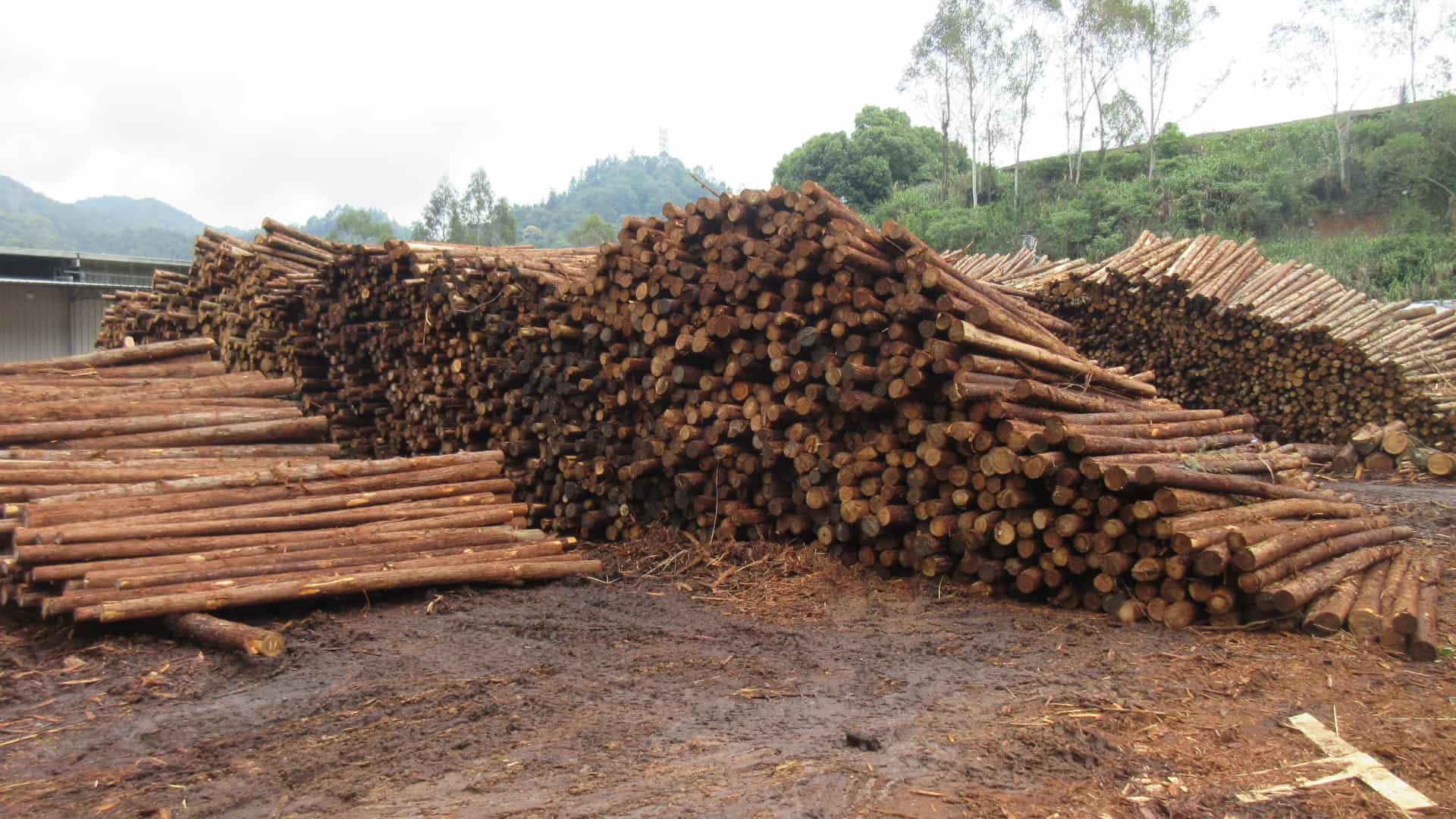
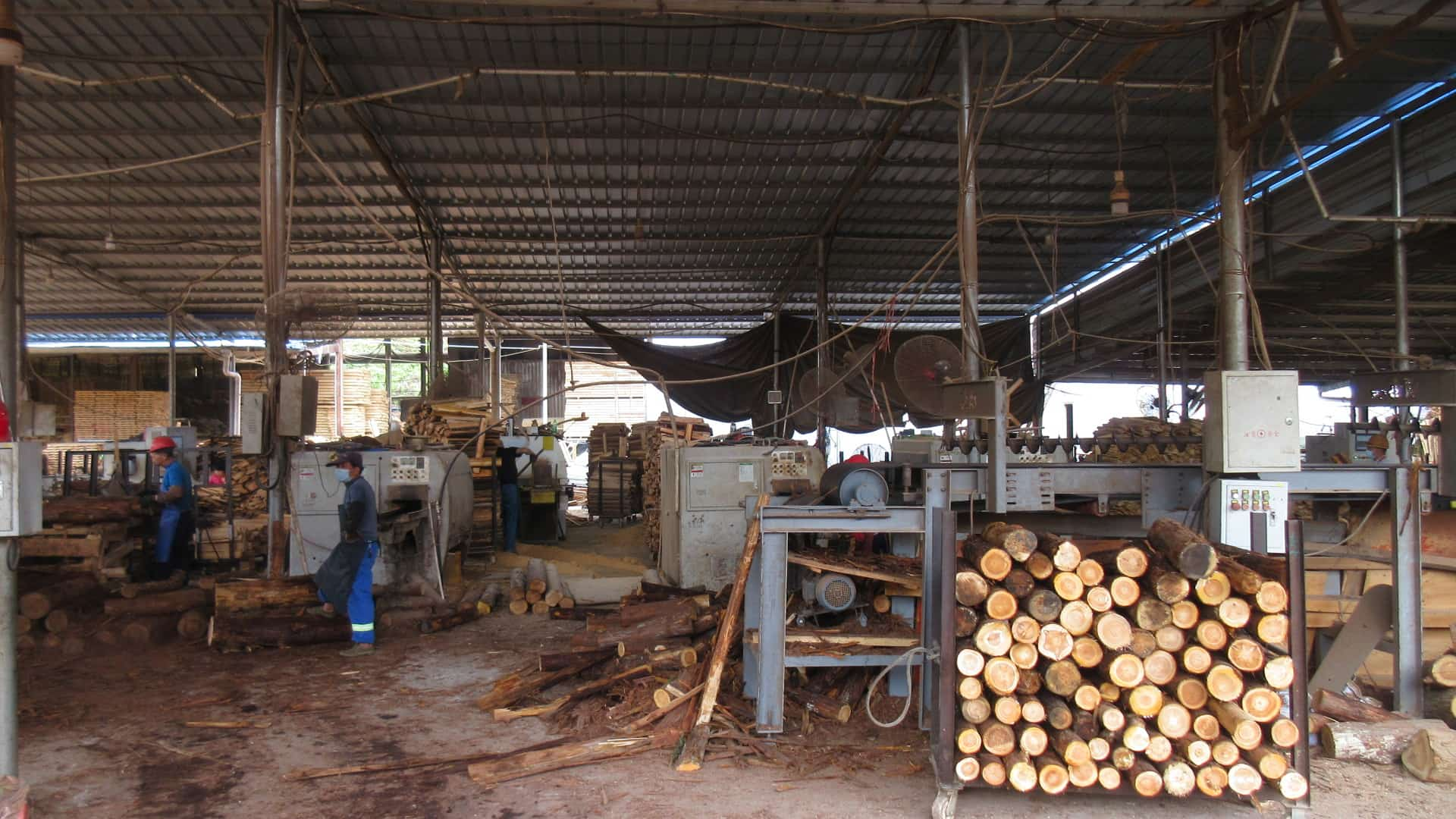
For a buyer in Tehran, traceability matters because a single weak container can interrupt a concrete cycle. The value of an ISO 9001-managed mill is the discipline behind each stage, not just the certificate on the website.
Log peeling
Rotary peeling converts logs into veneer at controlled thickness, forming the basis of panel flatness and core consistency.
Veneer drying
Moisture is brought to target before lay-up, reducing the risk of internal stress, delamination and dimensional movement.
Glue and lay-up
MR, melamine or phenolic WBP adhesive is selected by specification. The core arrangement is controlled before pressing.
Cold and hot press
Pressure and temperature cycles are managed to develop bond strength and panel stability for formwork use.
Calibration, sanding and coating
Double-side calibration supports thickness tolerance, while yellow coating and edge sealing improve release and moisture resistance.
QC and container loading
Finished panels are inspected, packed and loaded with a plan designed to reduce edge damage during ocean freight and inland transport.
Common Questions from Tehran Importers and Contractors
These are the questions that most often appear when a 3-ply yellow shuttering panel inquiry moves from price comparison to technical evaluation.
What makes a 3-ply yellow shuttering panel suitable for Tehran’s climate?
Look for a properly dried core, phenolic WBP adhesive option, uniform yellow coating and sealed edges. Tehran’s dry heat can be demanding, but dust, site storage, cleaning water and transport damage often create more risk than heat alone. Panels should be stored flat, shaded where possible and kept away from standing water. A trial panel and a clear handling procedure are more reliable than a single generic reuse claim.
Can you supply to Tehran and Bandar Abbas, and which Incoterms apply?
Shipments are typically loaded at Lianyungang or Qingdao port. For Iranian buyers, CFR or CIF Bandar Abbas is common, with the buyer or its forwarder arranging inland transport to Tehran. FOB, EXW, FAS and CIP can also be discussed. The final Incoterm should be confirmed in the quotation together with the loading plan and document set.
What is the MOQ for 3-ply panels and related formwork products?
The reference MOQ for 3-ply shuttering panels is from 7–50 m³ depending on specification, coating and packing. Film-faced and construction plywood commonly start from 50 m³, while bamboo decking may start from 100 m². Mixed-product containers can be evaluated for trial orders, especially when panels are combined with H20 beams or LVL.
Which documents and certificates can be provided before shipment?
Depending on the order, the export team can provide commercial invoice, packing list, bill of lading, certificate of origin and pre-shipment inspection photos. ISO 9001, CE, FSC and SGS-related records can be discussed as applicable. Buyers should confirm the exact document list required by their bank, customs broker and import process before production begins.
Should Tehran buyers choose 21 mm or 27 mm panels?
27 mm is normally considered where higher stiffness, heavier pours and more repeated handling are expected. 21 mm can suit lighter panel systems, weight-sensitive projects or shorter reuse plans. The decision should be based on pour pressure, clamp spacing, crane capacity, surface finish target and the actual formwork system—not thickness alone.
How can we verify quality before the container leaves China?
Ask for specification approval before production, in-process photos, finished-panel inspection photos and a loading plan. Third-party inspection is welcome. For repeat buyers, retain a reference panel from each shipment and compare thickness, coating, edge sealing and screw-holding behavior. This simple record is valuable information gain for future orders.
Prepared by the Dorni export engineering team, Shanghai, China. Technical content references the company’s affiliated mill capability, ISO 9001 production management, CE-controlled processes, SGS assessment and established export terms. Project specifications must be confirmed in the final quotation.
Send Your Panel Specification and Receive a Mill-Direct Quotation
Share the panel size, 21 mm or 27 mm thickness, core preference, adhesive grade, emission requirement, quantity, destination port and target application. The export team can then recommend a practical 3-ply yellow shuttering panel specification and a consolidated loading plan for Tehran.