Eight Mill-Direct Products for Consolidated Perth Orders
Carbonized outdoor bamboo flooring is the lead product in this Perth-focused programme, but importers and contractors often consolidate related wood products, formwork lines, bamboo fencing and site materials into one shipment. The eight live product lines below retain their original product URLs and can be quoted together with carbonized bamboo decking, matching trims and fixing systems.
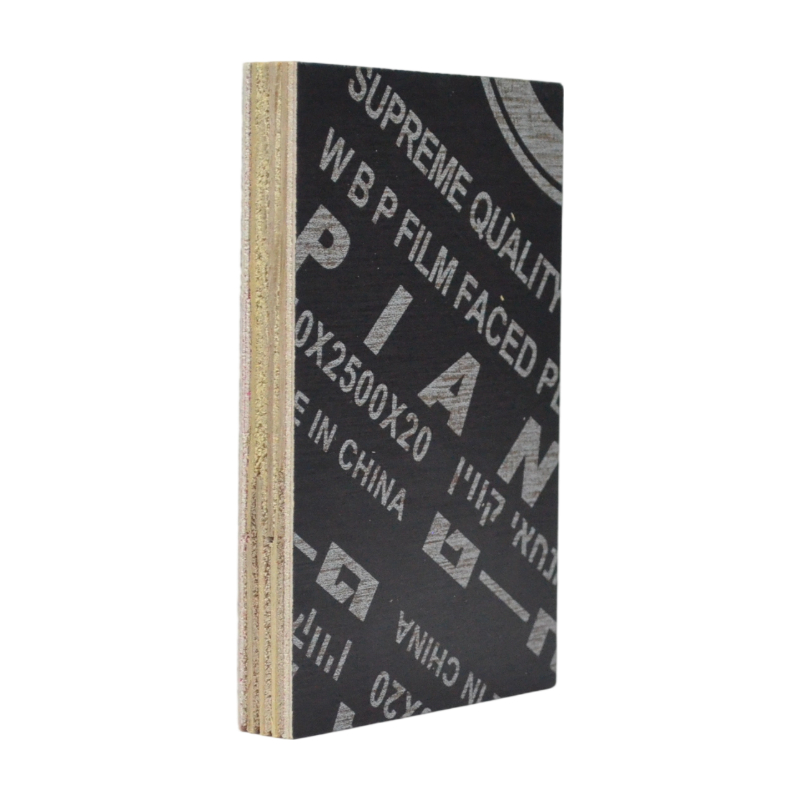
Birch Film Faced Plywood Standard Size High Quality Formwork for Construction Factory Merchants Reusable 1220x2440x18mm Kitchen
Reusable birch film-faced panel for concrete formwork, temporary wet-area protection and builder site works.
View specification →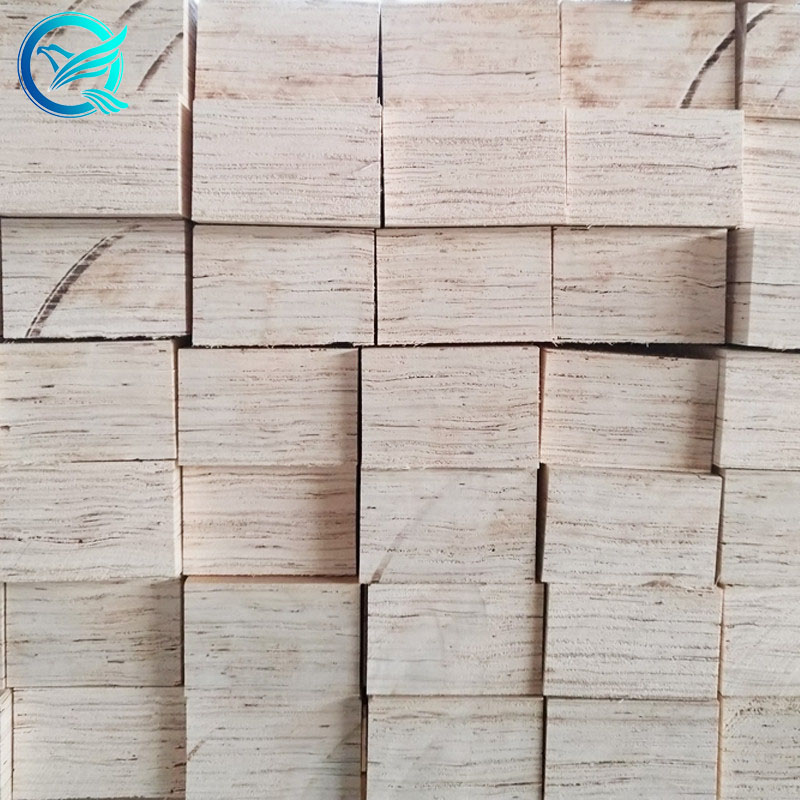
Poplar LVL Beams Laminated Veneer Lumber Board Double-Sided Decorative Surface for Bed Slats Packing Boxes Exterior Use
Laminated veneer lumber for bed slats, packing, prefabricated frames and exterior-use components.
View specification →
High Quality H20 Beam with Plastic Ends for Construction Phenolic WBP Glue
Phenolic WBP H20 beam for slab formwork, secondary beams and panel support systems.
View specification →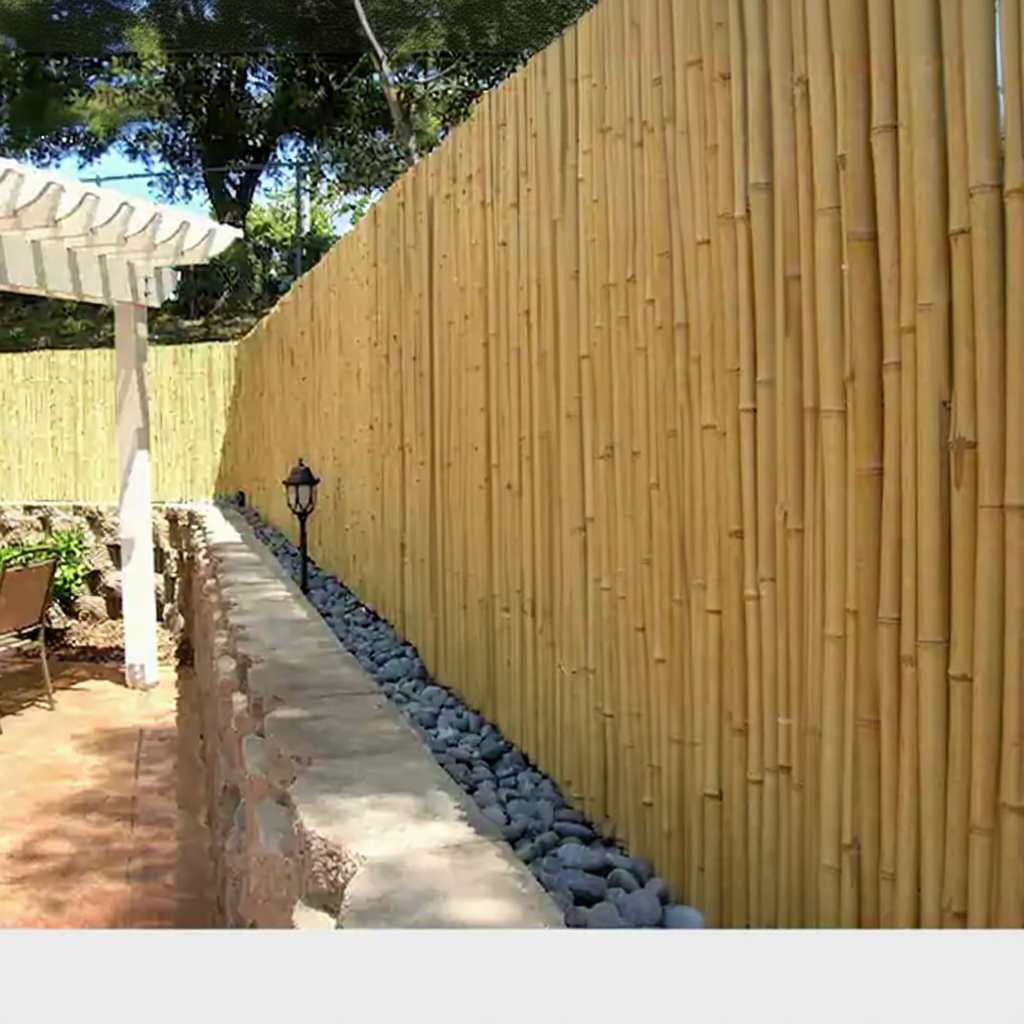
Natural Bamboo Fence High Quality ISO9001 for Certified 6 Feet Indoor/Outdoor Use Easy Assembly 100% Raw Bamboo Customized
Natural bamboo screening for gardens, hospitality areas, privacy zones and landscape screening.
View specification →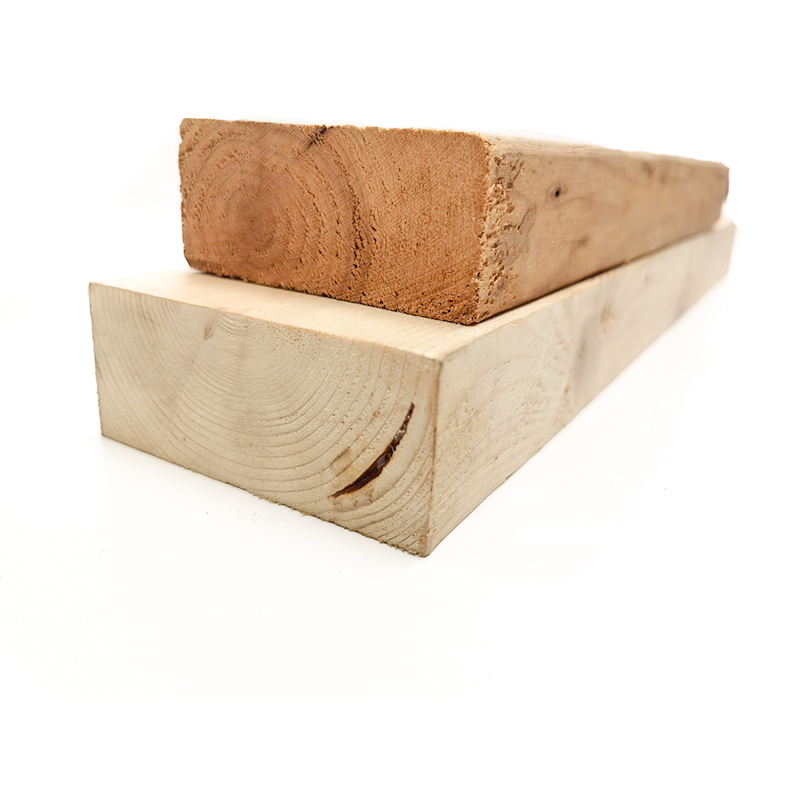
2x6 LVL Board
2x6 LVL board for structural support, packaging, fabrication and project-specific components.
View specification →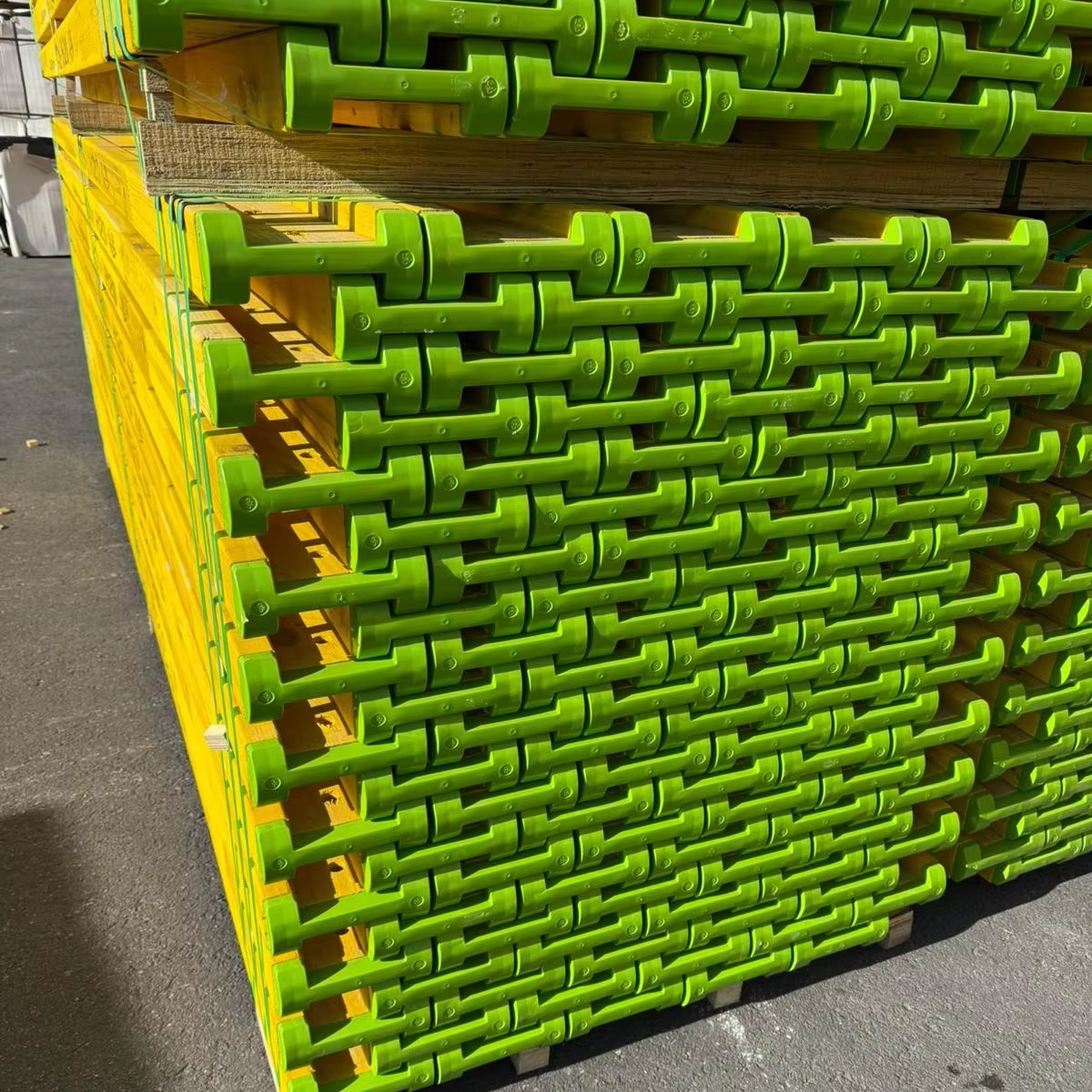
H20 Beam with Plastic Ends Yellow Waterproofing Painting Spruce Flange PINE Plywood Web
Waterproof-painted H20 beam with spruce flange and pine plywood web for wet-weather formwork.
View specification →
LANTISE 18mm First-Class Basswood Fire Resistant Melamine Film Faced Modern Design E0 Formaldehyde Emission Double-Sided 3-Year
Melamine-faced basswood board with E0 formaldehyde emission for interior and specialty fabrication.
View specification →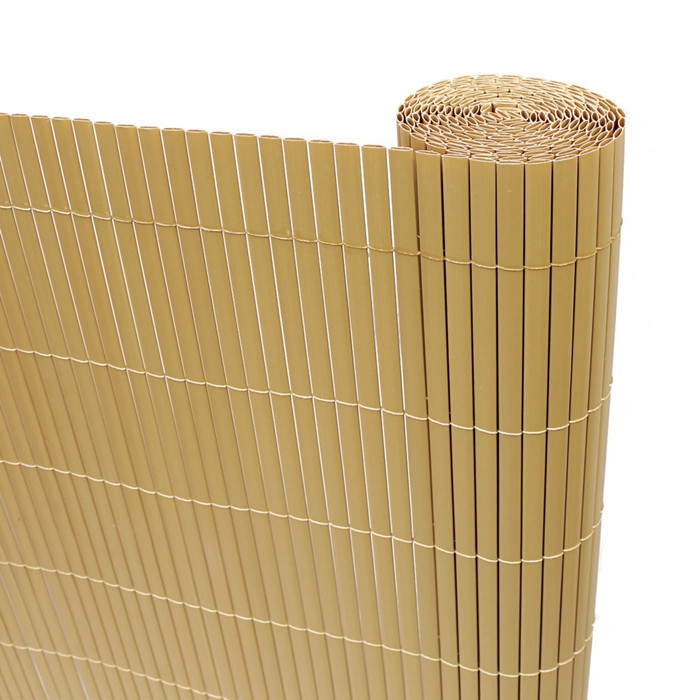
Nature Wood Frame Bamboo Fence Length 1m-12m High Straightness Rot Proof & Eco-Friendly for Livestock Farm
Wood-frame bamboo fence for farm, landscape, privacy and rural boundary applications.
View specification →What Carbonization Actually Does — and Why Perth Buyers Should Ask for More Than a Colour Sample
Carbonized bamboo is not automatically an exterior-grade finished system. The colour is only one outcome of a chain of decisions that determine how the board performs under Perth sun, winter rain, coastal salt and heavy foot traffic.
Carbonization is a controlled heat-treatment process. Bamboo strips are steamed or heated in a low-oxygen environment, which darkens the fibre and reduces free sugars and starches that can attract fungi and insects. The result is a more dimensionally stable strip with a deeper, warmer colour. However, carbonization alone does not make a board suitable for external use. The performance of carbonized outdoor bamboo flooring comes from the complete build: strip selection, resin type, pressing pressure, density, moisture control, profiling, UV coating and fixing design.
Perth’s climate places specific demands on that build. Summers combine high solar radiation, low humidity and hot north-east winds; winter rain can arrive in short, intense events; coastal suburbs add airborne salt; and many installations sit over concrete slabs or sealed balconies where drainage and airflow are constrained. A board that performs on a shaded garden path may not perform on a west-facing pool deck in City Beach or a salt-exposed terrace in Cottesloe. Buyers should therefore compare ex-factory density, moisture content, resin system, coating thickness, profile tolerances, fastener compatibility and installation instructions — not only price per square metre.
Practical information gain for Perth buyers: request the current batch’s density, moisture content, boiling-water or bond test data, slip-resistance report for the exact surface, coating specification, formaldehyde emission class, FSC status where required and packing marks before approving an order. A supplier who can provide traceable batch data is easier to verify than one who only sends a colour photo.
Where Carbonized Bamboo Earns Its Place in Local Outdoor Design
The same board can perform differently across Perth’s suburbs, building types and exposure conditions. These are the application scenarios our export technical team reviews most often with Australian buyers.
Pool surrounds and wet zones
Around pools in Applecross, City Beach and Mandurah, specify a slip-conscious surface, stainless fasteners and a substructure that drains. Carbonized strand-woven bamboo is often chosen for its warm feel underfoot and resistance to intermittent wetting when correctly sealed and ventilated.
Alfresco entertaining areas
In Mount Lawley, Como and Subiaco, the deck becomes an outdoor room. A 20–22 mm board with a fine groove, hidden clip fixing and UV-stable coating balances comfort, drainage and a clean architectural line for family living and entertaining.
Rooftop terraces and strata balconies
Projects in Perth CBD, South Perth and Scarborough often need lightweight, demountable or pedestal-supported finishes. Bamboo tiles or shorter boards can help manage weight, drainage and service access, subject to strata and structural approval.
Hospitality and public realm
Hotels, taverns and foreshore projects in Fremantle and Hillarys require repeatable specification, slip documentation, fire performance discussion and packaging that protects boards through multiple handling stages.
Garden paths and boardwalks
Elevated walkways through landscaped gardens benefit from airflow beneath the board. A ventilated joist system reduces trapped moisture and helps the surface dry after winter rain, especially on shaded southern sides of a property.
Coastal and salt-exposed homes
For Cottesloe, Trigg, Hillarys and Yanchep, use 316-grade stainless fasteners, isolate cut edges, specify frequent cleaning and verify coating compatibility. Salt is a maintenance variable, not a reason to skip detailing.
Perth Trends Shaping Outdoor Bamboo Specification
Search interest in low-maintenance outdoor living, heat-resistant surfaces and coastal detailing continues to influence how builders, landscapers and strata managers compare materials.
Low-maintenance outdoor living
Homeowners want fewer oiling cycles and simpler cleaning. A factory-applied UV coating, correct ventilation and a realistic maintenance plan are more valuable than a generic “no-maintenance” claim.
Heat and UV resilience
West-facing decks and unshaded alfresco areas need coating systems and board profiles that manage surface temperature, colour stability and foot comfort through long Perth summers.
Coast-aware detailing
Salt spray, wind-driven sand and higher cleaning frequency are driving demand for 316 stainless fixings, sealed cut edges and project-specific maintenance schedules.
Strata and apartment documentation
Balcony renovations increasingly require drainage details, weight checks, acoustic consideration and approvals. Suppliers who provide clear installation and product data reduce project friction.
Sustainability and provenance
Bamboo’s rapid renewal cycle appeals to specifiers, but buyers still ask for FSC availability, resin data, formaldehyde emission class, packaging waste reduction and traceable factory records.
Container efficiency and prefabrication
Importers combine bamboo decking with fencing, LVL, formwork panels and site materials to improve container utilisation and reduce landed cost per project.
Choosing the Right Outdoor Surface for a Perth Project
This indicative comparison helps project teams frame the right questions. Final selection should be based on current test reports, structural details, maintenance capacity and the requirements of the certifier or strata manager.
| Material | Typical feel and density | Moisture, heat and UV behaviour | Maintenance and documentation | Best-fit Perth use |
|---|---|---|---|---|
| Carbonized strand-woven bamboo | Warm underfoot; dense, stable board when correctly pressed. | Carbonization improves colour depth and dimensional behaviour; UV coating and ventilation remain essential. | Regular cleaning, annual inspection, coating checks; request batch density, moisture and slip data. | Alfresco decks, pool surrounds, balconies and landscaped walkways. |
| Hardwood decking | Natural timber feel; density varies widely by species. | Can move with moisture; some species weather to grey unless oiled or coated. | Oiling or coating cycles; species and provenance documentation important. | Premium residential decks and natural-look landscapes. |
| WPC composite | Uniform surface; heavier and often warmer than expected in direct sun. | Low water absorption; thermal expansion and colour fade are specification variables. | Low routine maintenance; require slip, fire and expansion data for the exact profile. | Repeatable residential and commercial decks with minimal oiling. |
| Porcelain pavers | Hard, cool surface; precise modular look. | Dimensionally stable; slip finish and substructure design are critical. | Easy cleaning; heavier system and specialist fixing may be required. | Rooftops, balconies and modern terraces where a tile finish is preferred. |
Indicative comparison only. Project-specific test reports, installation manuals and professional advice should govern the final specification.
From Bamboo Strip to Fremantle-Ready Pack
Shanghai Dorni International Trading Co., Ltd. has exported wood panels and building materials since 2008, supported by an affiliated mill in Dangshan County, Anhui Province. The mill operates three complete production lines with peeling, pressing, calibrating, sanding and container loading capabilities, and a QC team checks raw materials and finished goods before shipment.
Strip selection and carbonization
Bamboo strips are graded, heat-treated and colour-controlled to create a consistent carbonized tone.
Drying and resin impregnation
Moisture is brought to target before resin application; resin type and loading influence exterior performance.
Hot pressing and densification
Controlled heat and pressure bond the strand-woven block into a dense, stable board for machining.
Profiling and end matching
Boards are machined for grooves, tongue-and-groove joints, end matching, fascia and clip compatibility.
Coating and surface finish
UV-stable coatings, anti-slip patterns and colour finishes are applied according to the approved sample.
QC, packing and loading
Thickness, moisture, bonding, surface and packing are inspected before container loading and photo documentation.
Verification and E-E-A-T: the mill is managed under ISO 9001, production is controlled to CE requirements (CE No. 1301-CPD-0569), FSC-certified material is available on request, and the company has been assessed on-site by SGS Group. Buyers are encouraged to verify current reports, arrange third-party inspection and approve samples before bulk production.
Carbonized Bamboo Configurations for Perth Outdoor Projects
These are specification starting points, not generic catalogue items. Board size, groove, coating, fixing and packing should be matched to the site, substrate and approval requirements.
Residential alfresco deck
- 20–22 mm grooved board
- Hidden clip fixing
- UV-stable coating
- Ventilated joist detail
Pool surround and wet zone
- Heavier-duty profile option
- Slip-conscious surface
- 316 stainless fasteners
- Drainage and airflow detail
Balcony and rooftop tile
- Bamboo decking tile module
- Pedestal or batten support
- Service access planning
- Strata documentation review
Matching trims and fixings
- Fascia and end caps
- Clips and joist tape
- Coastal screw kit
- Private-label packing
Questions Local Importers, Builders and Landscapers Ask
These answers reflect the practical questions raised by Australian buyers when comparing carbonized bamboo decking, installation methods and import logistics.
Do you ship carbonized outdoor bamboo flooring directly to Perth and Fremantle?
Yes. We quote FOB, CFR, CIF, EXW, FAS and CIP terms, with loading normally from Lianyungang or Qingdao. For Perth buyers, the usual discharge point is Fremantle. Port-to-port transit is typically around three to four weeks depending on schedule, carrier and season, but the binding lead time is always confirmed on the quotation. We are an export manufacturer rather than a local retail warehouse, so container quantities, packing and documentation are planned with your builder or importer.
What is the minimum order quantity and lead time?
Decking MOQ varies by profile, finish and packing. Standard runs often start around 100–250 m², while custom colours, grooves or private-label programmes may require a larger economic batch. Production time is usually a few weeks after sample and specification approval, then sailing time is added. Exact timing depends on order volume, mill schedule and whether the boards require special coating or packaging.
Can you provide slip, fire and moisture test reports for Australian projects?
We can review available reports for the exact board, coating and surface pattern. Australian projects often ask for slip resistance to AS 4586, dimensional and moisture data, bond durability evidence and fire performance information. Requirements vary by building class, application and certifier. Always request the current report for the batch and finish you are buying; do not rely on a generic certificate for a different surface.
How does carbonized bamboo handle Perth sun and coastal salt?
Carbonization improves colour depth and reduces sugars, but long-term performance depends on density, resin, coating and maintenance. In Perth, west-facing decks need UV-stable coatings, ventilation, 316 stainless fasteners in coastal zones and a cleaning regime that removes salt and grit. We recommend a project-specific maintenance plan rather than promising a “no-maintenance” deck.
Which thickness or profile is best for pool surrounds and balconies?
For residential alfresco areas, 20–22 mm grooved boards are common. Pool surrounds and high-traffic commercial areas may justify heavier profiles, tighter specification and more frequent inspection. Balconies often use tiles or shorter boards to suit drainage, service access and weight limits. The right choice depends on joist spacing, substrate, drainage, expected loading and the installer’s detail.
How is the decking installed over concrete, timber joists or pedestals?
Installation can be over timber joists, adjustable pedestals, concrete with battens or proprietary clip systems, provided there is drainage and airflow. Bamboo expands and contracts, so perimeter gaps, end gaps and slotted fixings matter. Follow the project engineer’s details and the board manufacturer’s installation manual; do not fully rigid-fix every board.
What maintenance does carbonized bamboo need in Perth?
Sweep regularly, wash with a pH-neutral cleaner, remove salt and soil, avoid aggressive acid or high-pressure cleaning, and inspect fixings and coating annually. A light maintenance coat may extend appearance on harsh UV or coastal sites. Avoid oiling unless the coating system specifically requires it; incompatible products can trap dirt or damage the finish.
Can you customise length, width, colour, groove and packaging?
Yes. We offer sample-based, design-based and full customisation including length, width, colour tone, groove pattern, end matching, packaging, logo printing, bundle marks and private-label documentation. Custom work requires approved samples and a clear specification sheet before production so that the factory and the buyer are working from the same standard.
How do you control quality and what certifications support the factory?
The affiliated mill operates under ISO 9001, production is controlled to CE requirements (CE No. 1301-CPD-0569), FSC-certified material is available, and the company has been assessed on-site by SGS. QC checks raw materials and finished goods, including thickness, moisture, bonding, surface and packing. Buyers can also appoint a third-party inspection before loading.
Why Perth Buyers Work With Dorni’s Export Team
Carbonized bamboo flooring is a specification-led purchase. The advantage is not only the board itself, but the ability to verify the factory, control packing, consolidate products and receive documentation that supports the importer’s sales process.
Export experience since 2008
Long-standing experience supplying wood panels and building materials to international importers and contractors.
Affiliated production mill
Supported by a mill in Dangshan County, Anhui Province, with peeling, pressing, calibrating and sanding capability.
3 complete lines and 6,000 m³ capacity
Production planning can accommodate mixed panel, LVL, formwork and bamboo-related orders.
ISO 9001, CE, FSC and SGS
Factory management, CE-controlled production, FSC-certified material availability and on-site SGS assessment.
Raw material and finished goods QC
Inspection covers incoming material, thickness, moisture, bonding, surface quality and export packing.
Custom specifications and private label
Sample-based development, colour and groove options, logo printing, bundle marks and packaging customisation.
Lianyungang and Qingdao loading
Practical port selection, container loading photos, export documents and pre-shipment inspection coordination.
Flexible trade terms
FOB, CFR, CIF, EXW, FAS and CIP terms can be discussed, with documentation tailored to the buyer’s import process.
Send Your Project Brief — Get a Specification-Led Quote
Tell us the suburb, application, area, substrate or joist detail, preferred board profile, target finish and any documentation required for approval. Our export team will review the brief and respond with a practical recommendation for carbonized outdoor bamboo flooring, fixings, packing and Fremantle-bound logistics.
Useful details include: pool surround or alfresco, rooftop or ground level, required slip or fire documentation, expected delivery window, Incoterm and whether the order will be consolidated with other Dorni products.
What to include in your inquiry
- Perth suburb and project type
- Area in m² and board direction
- Substrate, joist spacing or pedestal system
- Preferred colour, groove and board size
- Required test reports or approval documents
- Target delivery date and discharge port
No obligation. Send drawings, photos or a specification sheet if available.