Eight Bamboo, Plywood and Formwork Products for London Buyers
The product set below gives London wholesalers and project buyers a practical starting point for mixed containers, sample requests and specification reviews. Each item retains its original product link so procurement teams can move from market research to technical enquiry without losing context.
 FORMWORK
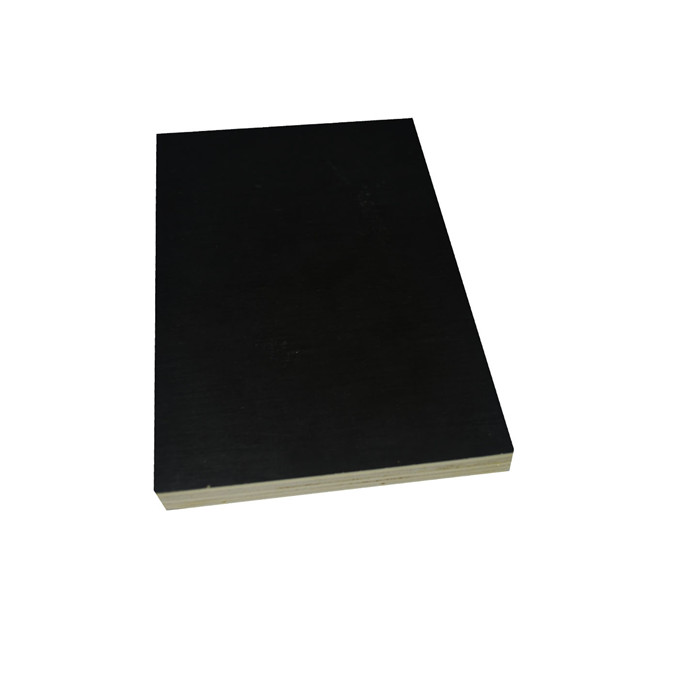
21mm Poplar Chinese Construction Siganal Film Faced Plywood for Formwork
A 21 mm film-faced plywood for concrete formwork, useful for London contractors building a mixed container alongside bamboo decking and screening.
View product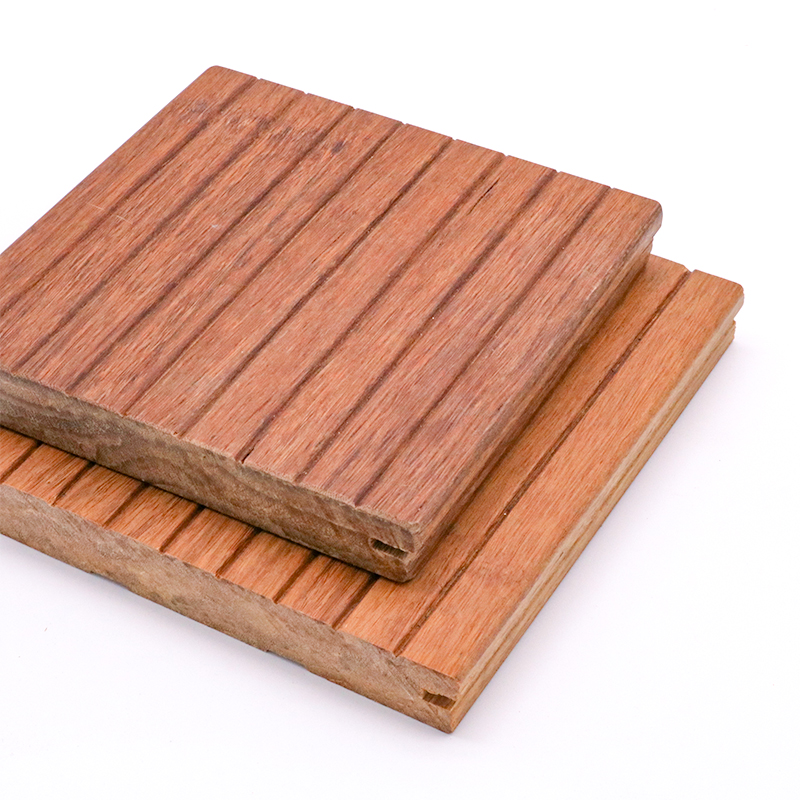 EXTERIOR
20mm Good Price White Engineered Stranded Bamboo Deck Float Exterior Wall Paneling Flooring UV/Waterproof Coating 5-Year
An exterior stranded bamboo panel with UV/waterproof coating; specify as a ventilated system and confirm slip, fixing and fire evidence.
View product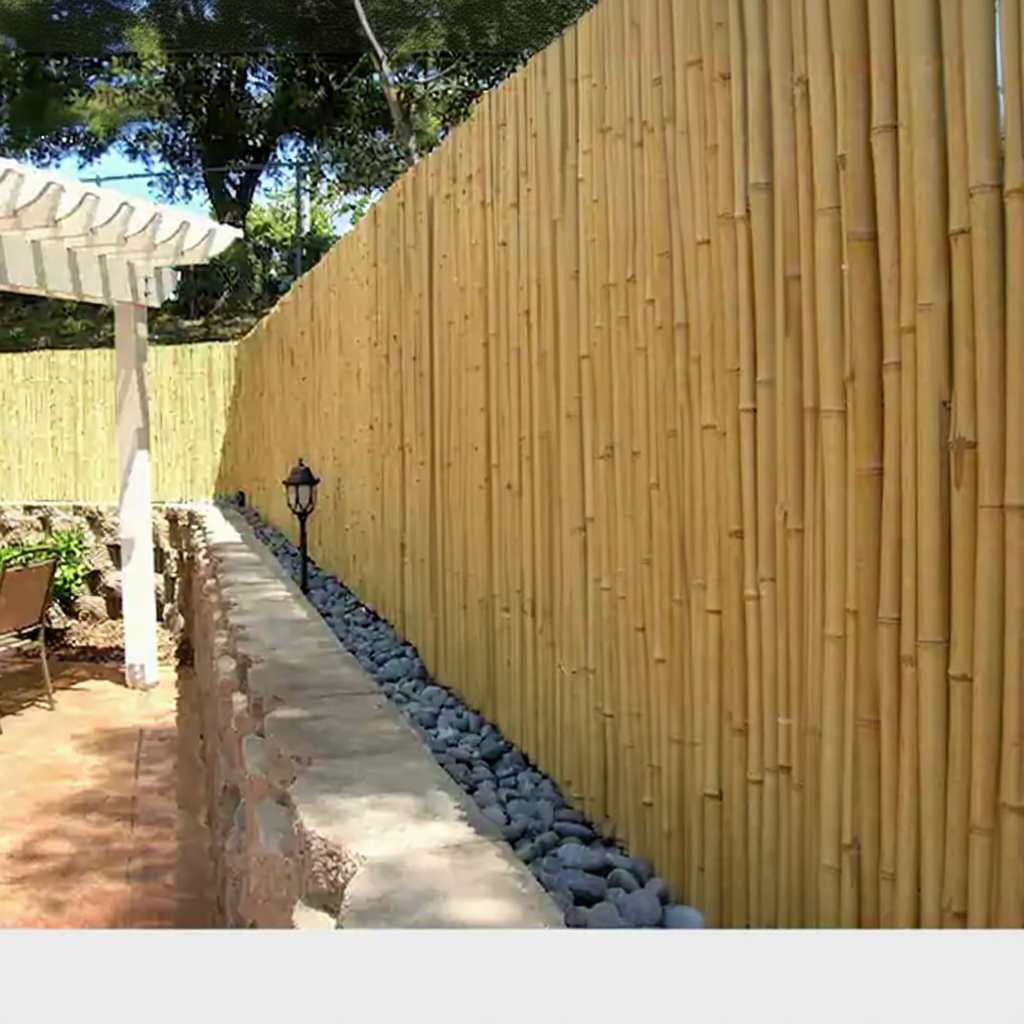 SCREENING
Natural Bamboo Fence High Quality ISO9001 for Certified 6 Feet Indoor/Outdoor Use Easy Assembly 100% Raw Bamboo Customized
A natural bamboo fence option for garden privacy, terrace zoning and biophilic screening; plan wind loading, ground clearance and maintenance.
View product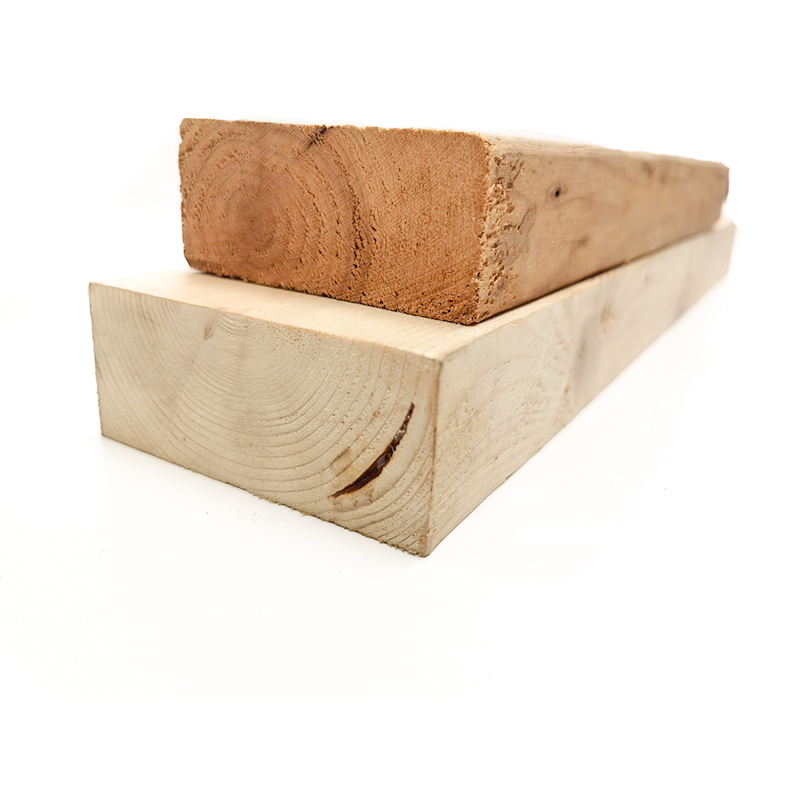 LVL
2x6 LVL Board
Laminated veneer lumber for packaging, door cores, scaffold planks and engineered applications; structural use requires project-specific design.
View product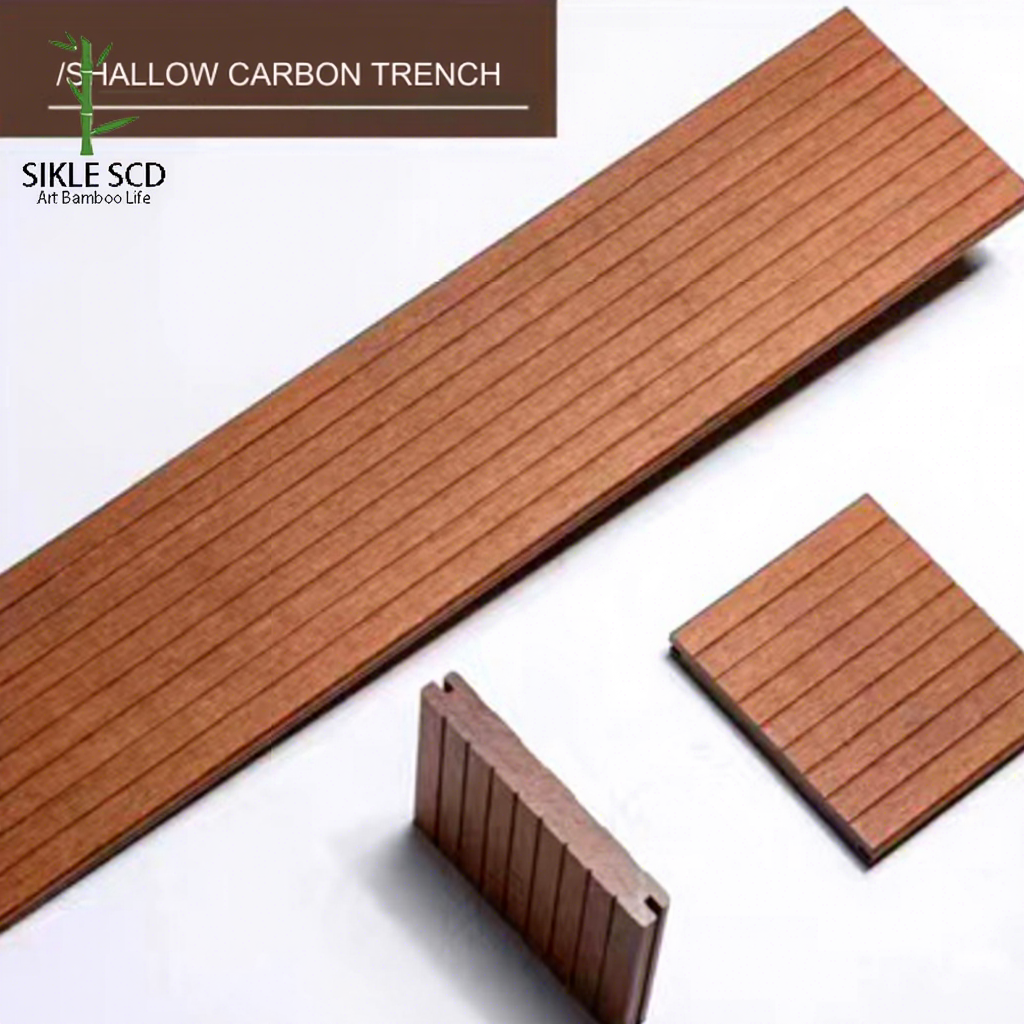 HOTEL
SIKLE SCD Bamboo Decking Solid Bamboo Shallow Deep Carbon 13 Coating Finish Hotel Use 5+ Year Warranty E1 Formaldehyde Standard
Solid carbonized bamboo decking with coating finish for hotel terraces and hospitality courtyards; request current wet-slip and fire documents.
View product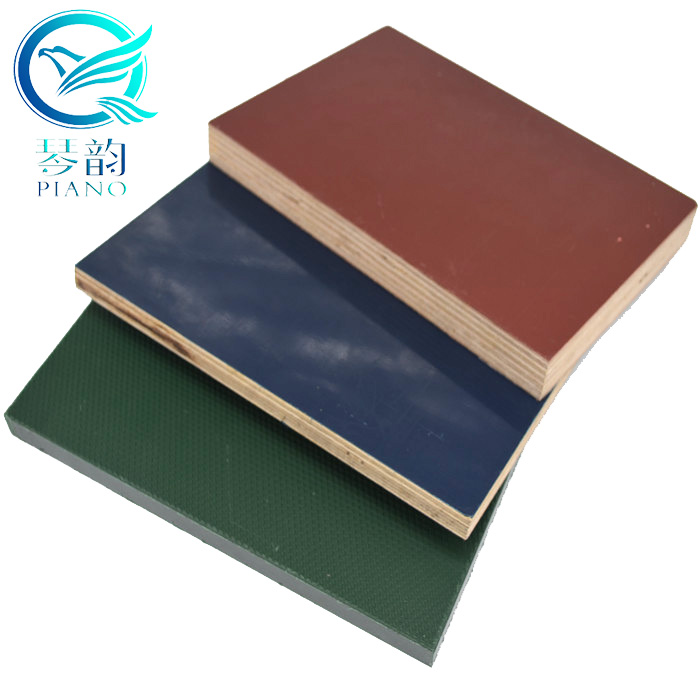 ANTI-SLIP
Green Color Anti-skip PP Coated Birch Plywood Sheets 6-35mm Thickness First-Class Grade MUF Glue CE Certified Double-Sided
PP-coated birch plywood for durable, cleanable panels in fit-out, transport and wet-access applications; confirm CE scope and slip performance.
View product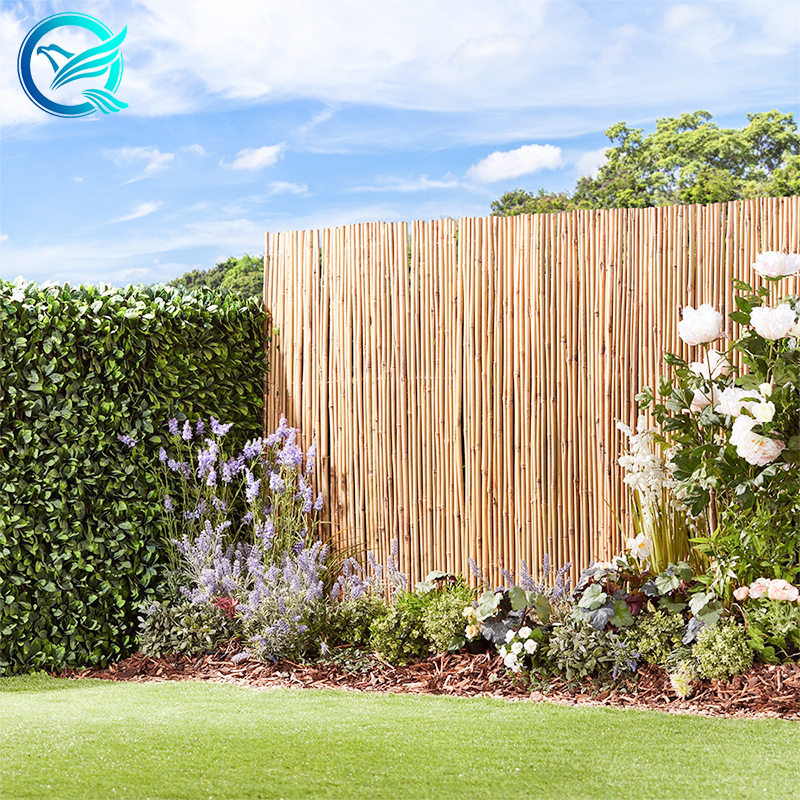 GARDEN
Wooden Garden Fence/bamboo Screen
A garden fence and bamboo screen for privacy, terrace enclosure and planting backdrops; check neighbour, lease and planning requirements.
View product 3-PLY
High Quality LEONKING 3-ply Shuttering Plywood Spruce Pine Fir Core UV& WBP Paint Coating 21/27mm Yellow Panel Formwork Easily
3-ply shuttering plywood for panel formwork and concrete teams seeking repeatable dimensions, WBP bonding and coated working faces.
View productWhy London Is a Distinct Market for Carbonized Bamboo Flooring and Decking
London procurement is rarely a single “UK” purchase. A Westminster hotel roof terrace, a Build-to-Rent balcony in Southwark, a listed mews garden in Kensington and a school canopy in Newham can each impose different requirements on slip resistance, fire documentation, drainage, acoustic build-up, maintenance access and planning. Carbonized bamboo products are often positioned as a warm, biophilic alternative to tropical hardwood and composite decking, but London buyers should separate interior carbonized bamboo flooring from exterior carbonized bamboo decking. The former sits within a dry internal floor build-up; the latter is an exterior system that must tolerate rain, UV, leaf litter, cleaning regimes and periodic cold snaps.
For architects, the appeal is clear: bamboo is a fast-renewing feedstock, strand-woven boards can deliver a dense and consistent surface, and carbonization creates a deep brown tone without the tropical hardwood provenance questions that can trouble sustainability teams. For contractors, however, the material is only as good as the specification behind it: phenolic resin, UV-cured coating, stainless fixings, ventilation beneath boards, correct joist spacing and a maintenance plan. In London’s retrofit-heavy market, reversible fixing and access for drainage inspection are often as important as the board itself.
The strongest tender responses do not simply send a colour sample. They explain what happens at a London junction: how the deck meets a parapet, how water leaves the terrace, how boards are replaced beside a planter, how a balcony achieves the required fire classification, and how the finish will look after three winters. That is the information gap this guide addresses. It is written from the perspective of an export manufacturer working with wholesale buyers, not from a London stockist or installer, so it should be read alongside project-specific advice from the appointed designer, builder and building control body.
Information gain added by this guide
Most supplier pages list dimensions and colours. This guide adds a London-specific decision layer: distinguishing interior flooring from exterior decking, asking for system-level evidence, mapping products to local applications, and exposing procurement risks before a container is ordered.
Illustrative London terrace weighting
Example criteria weighting for a hospitality roof terrace. This is a tender tool, not a market statistic.
Use the weighting to decide which technical documents must arrive with the sample, not after purchase.
Where London Buyers Actually Use Carbonized Bamboo and Bamboo Screening
These are the application scenarios most frequently discussed by London distributors, landscape architects and contractors when comparing bamboo with hardwood, composite and treated softwood.
Hotel and Hospitality Terraces
Rooftop bars, courtyard restaurants and members’ terraces use carbonized bamboo decking for a warm, hospitality-friendly finish. London projects should test wet slip performance, detail drainage outlets, protect neighbouring glazing from cleaning water, and confirm reaction-to-fire evidence where the terrace forms part of a building’s external wall or balcony system.
Residential Gardens and Roof Terraces
Garden designers in Richmond, Islington, Camden and Wandsworth use bamboo screens and decking to create privacy without solid masonry. In leasehold flats and roof terraces, fixing method and maintenance access matter as much as appearance. Designers should check landlord approvals, party-wall sensitivity, planter loads and irrigation overspray.
Commercial Fit-Out and Biophilic Interiors
Carbonized bamboo flooring can support reception, café and studio interiors where a dark timber tone is desired. Interior use requires a dry build-up, suitable acoustic underlay, E1 formaldehyde information where requested, and confirmation that underfloor heating or cleaning chemicals are compatible. Exterior decking boards should never be substituted for interior flooring.
Education, Parks and Public Realm
Outdoor classrooms, park pavilions and meanwhile-use spaces need durable surfaces with clear cleaning routines. Natural bamboo fence panels can provide visual screening, but public sites require attention to fixings, vandal resistance, surface splinters, fire risk from nearby bins or smoking areas, and replacement planning.
Local Trends Shaping Bamboo Procurement in London
London’s policy and construction environment changes the questions buyers ask. These trends should be reflected in the quotation, not left until installation.
Whole-Life Carbon and the London Plan
Bamboo grows quickly, but it still travels to the UK. London specifiers increasingly ask for FSC evidence, product-specific environmental data and transport information. A carbonized bamboo product should be presented as part of a whole-life assessment, not as an automatic low-carbon answer.
Building Safety and External Fire Evidence
For balconies, terraces and external wall zones, the Building Safety Act has sharpened document expectations. A generic “CE” statement is not enough. Buyers should request reaction-to-fire classification, system build-up details, fixing guidance and evidence that the proposed decking can be used in the intended location.
Biodiversity, SuDS and Urban Greening
London planning teams look for urban greening, biodiversity and surface-water benefits. Raised decking with open gaps, permeable sub-bases and planting edges can support these goals when detailed correctly. Avoid sealed platforms that trap water and leaf litter.
Circular Procurement and Maintainability
London estate teams increasingly value reversible fixings, replaceable boards and clear maintenance schedules. A bamboo deck that cannot be inspected or repaired will age badly, even if the first photograph looks excellent. Ask for fixing manuals, spare-board advice and care instructions before comparing prices.
Matching Bamboo and Panel Products to London Conditions
Use this matrix to separate product categories before issuing an enquiry. It is especially useful for wholesalers building a London-facing catalogue and for contractors comparing bamboo with other exterior materials.
| London application | Relevant product or category | Local condition to resolve | Evidence to request |
|---|---|---|---|
| Hotel roof terrace | Solid carbonized bamboo decking, 20 mm exterior stranded bamboo panels | Wet slip, drainage, UV fading, fire classification, maintenance access | Current slip test method, coating specification, fixing guide, reaction-to-fire report, warranty terms |
| Residential balcony or roof terrace | Exterior bamboo decking or anti-slip PP-coated plywood for specific access zones | Landlord consent, party-wall sensitivity, wind uplift, drainage to outlet, replacement strategy | System build-up drawing, fixing spacing, stainless fixings, load information, care schedule |
| Garden privacy and screening | Natural bamboo fence, wooden garden fence/bamboo screen | Planning height, neighbour impact, wind loading, ground contact, moisture staining | Material treatment details, panel dimensions, fixing instructions, delivery protection |
| Interior reception or café | Carbonized bamboo flooring, not exterior decking | Acoustic build-up, underfloor heating, cleaning regime, E1 formaldehyde information | Interior-use declaration, wear data, installation method, maintenance guidance |
| Concrete formwork | 21 mm film-faced plywood, 3-ply shuttering plywood | Re-use cycles, WBP bonding, panel flatness, edge sealing, site handling | Thickness tolerance, glue type, CE scope, loading and striking advice |
| Engineered components | 2x6 LVL board | Structural design responsibility, moisture exposure, fixing details | Product data, dimensional tolerance, project-specific engineering sign-off |
| Wholesale trial container | Mixed bamboo, screening and formwork products | MOQ per item, packaging, labelling, damage risk, port discharge | Packing list, pre-shipment photos, container loading plan, third-party inspection option |
Important distinction: carbonized bamboo flooring for interiors and carbonized bamboo decking for exteriors are different applications. Do not assume that a flooring sample is suitable for a London balcony, or that a decking board meets internal floor requirements.
Dorni’s Export Strengths for London Wholesalers and Project Buyers
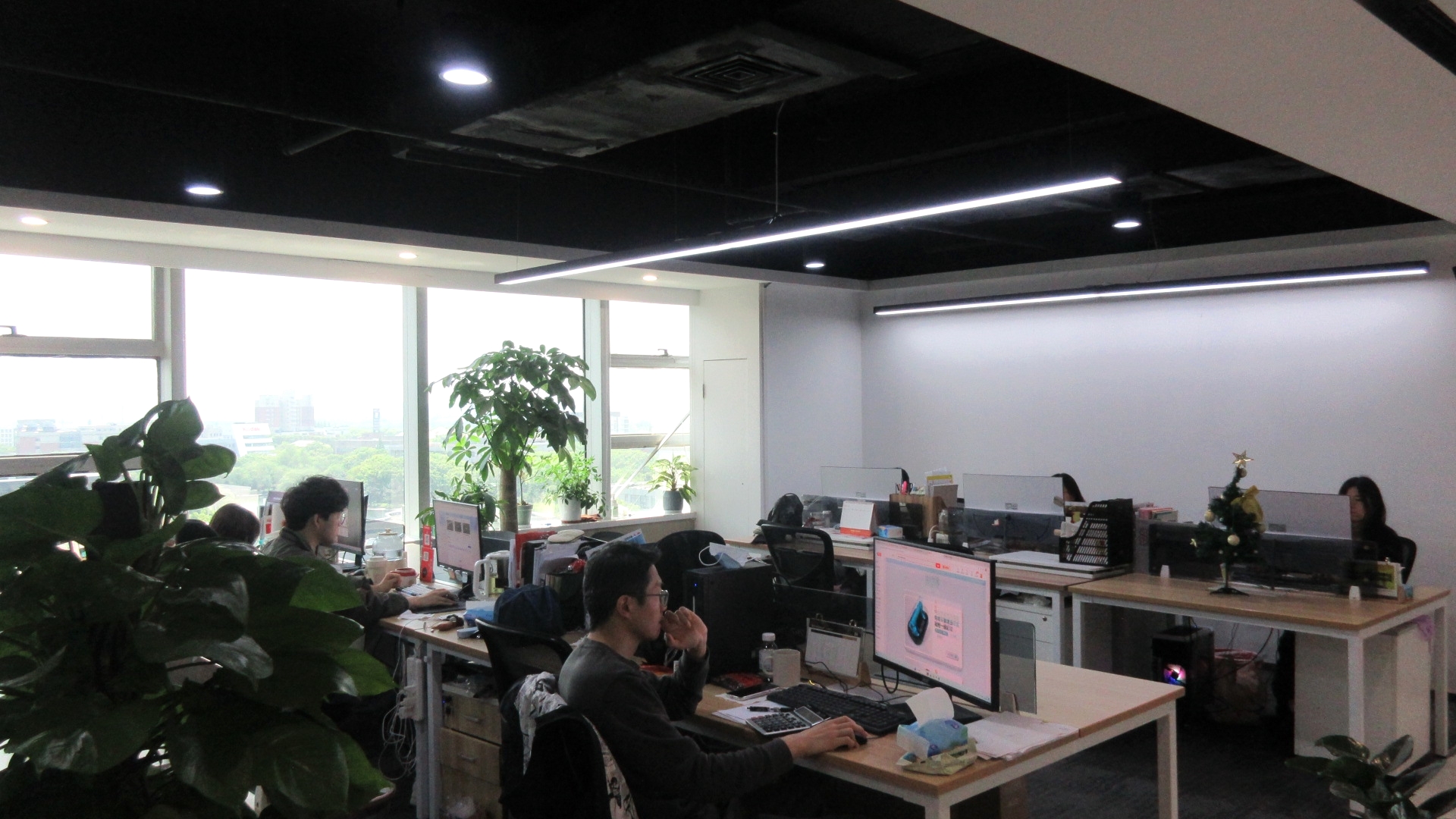
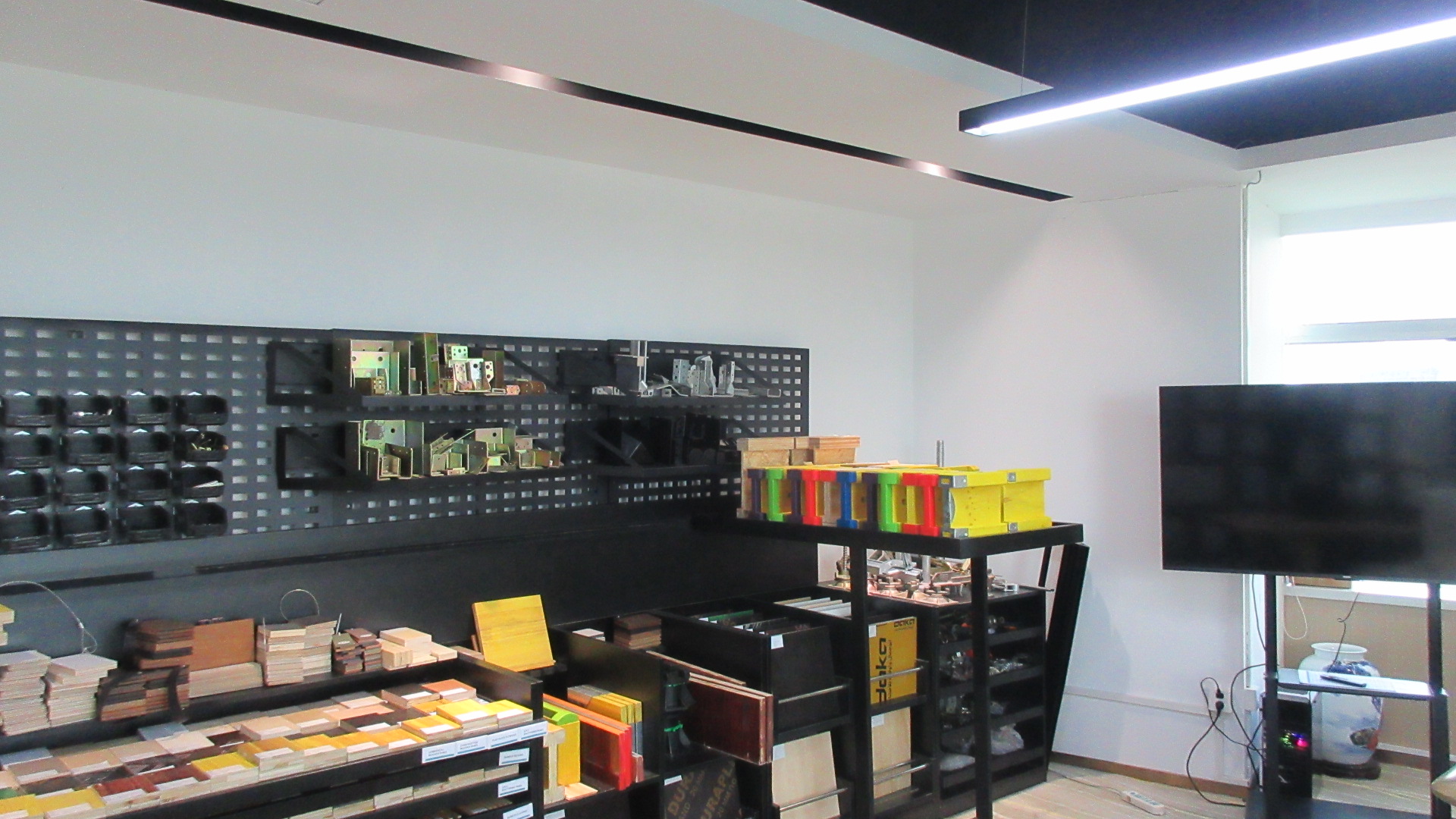
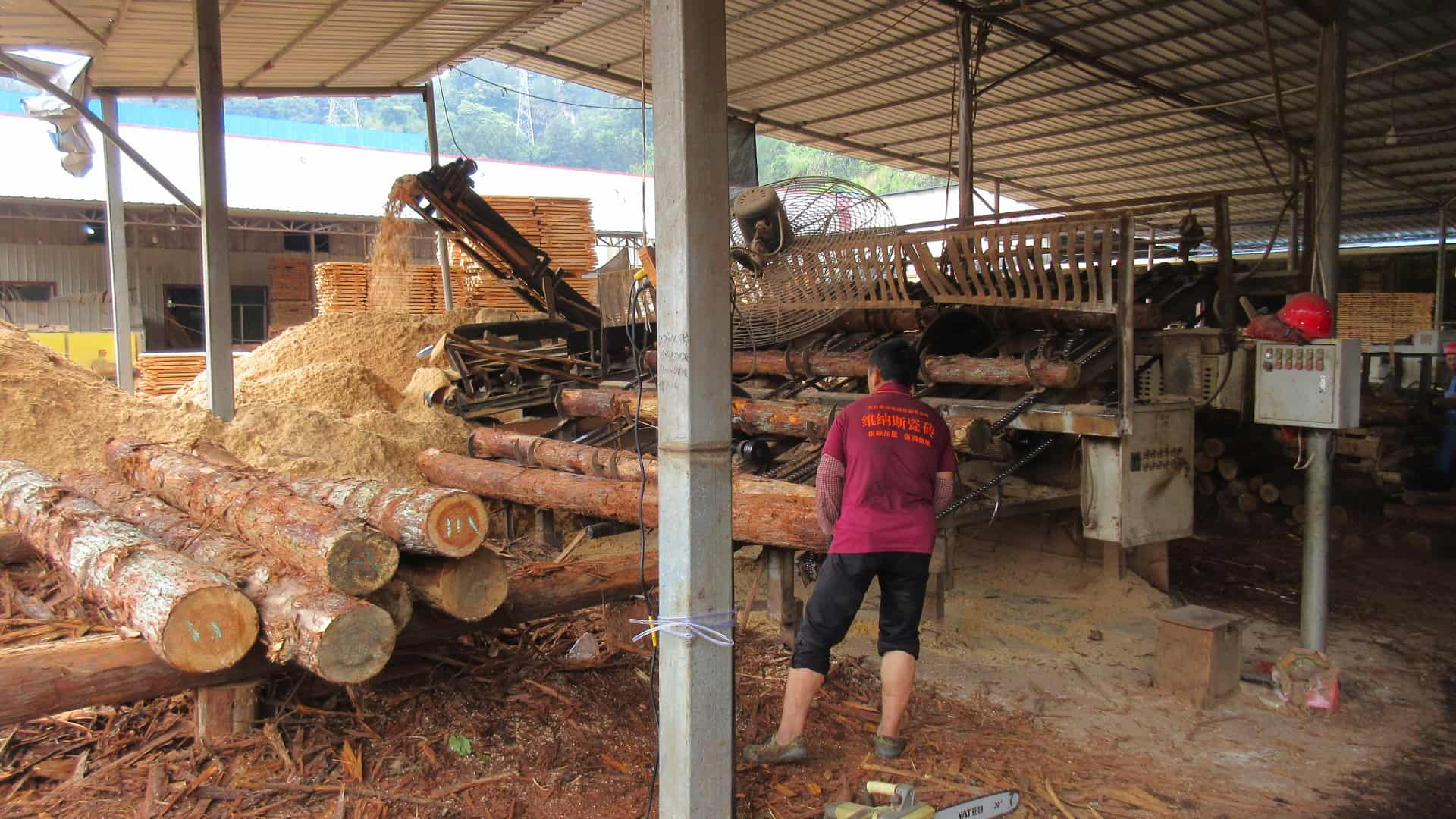
Shanghai Dorni International Trading Co., Ltd. has exported wood panels and building materials since 2008, supported by an affiliated plywood mill in Dangshan County, Anhui Province. The mill operates three complete production lines — peeling, drying, pressing, double-side calibration and sanding through to container loading. This matters to London buyers because it allows product, packaging and inspection conversations to happen closer to the point of manufacture.
Production is managed to ISO 9001, controlled to CE requirements and supported by FSC-certified material where requested. The company has been assessed on-site by SGS Group. For London wholesale programmes, these are not decorative badges: they are the documents a distributor may need when its own customers ask how the material was sourced, bonded, packed and checked. Dorni offers sample-based, design-based and full customization, including logo printing, edge-sealing colour, bundle packaging and grading to BSI, IHPA, JPIS, GB or buyer-specific standards.
Dorni is a China-based exporter with an affiliated mill, not a London stockist or installer. That distinction should be stated openly. The commercial advantage is manufacturer-direct access, consolidated loading and flexible specifications; the buyer’s responsibility is to validate project performance with the appointed designer and building control process. For London distributors, this combination is often most useful as a supply-chain partnership rather than a one-off commodity purchase.
- Established export team since 2008
- ISO 9001, CE-controlled production
- FSC material available on request
- SGS on-site assessed supplier
- Pre-shipment photos and inspection support
- Custom packaging, logo and grading
- FOB, CFR, CIF, EXW, FAS and CIP terms
- Loading from Lianyungang or Qingdao
 Manufacturer-direct export supply
Years in export
Trading since 2008 across Europe, the Americas, the Middle East and Africa.
m³ monthly capacity
Plywood output from the affiliated mill, supporting wholesale programmes.
Complete production lines
Peeling, pressing, calibrating, sanding and loading in one supply chain.
mm plywood range
MR, melamine, phenolic WBP, E2, E1 and E0 options according to order.
From Raw Material to London-Ready Container: Six Checks
Wholesale buyers rarely see the production line. These checkpoints explain what can be documented before shipment and why a low unit price can hide a high project risk.
Raw material inspection
Veneer, bamboo strip and panel inputs are checked for moisture, defects and consistency before production. Buyers should ask for material descriptions that match the quoted grade, not just a generic product name.
Drying and glue control
Moisture content and adhesive type determine bond performance. For exterior bamboo and formwork, confirm phenolic or specified resin, emission grade and any CE or FSC scope in writing.
Pressing, calibration and sanding
Pressure, temperature and calibration affect flatness and thickness tolerance. London formwork teams should compare panel tolerance with the intended handling, striking and reuse cycles.
Coating and edge sealing
UV coating, film face and edge seal influence weathering and site appearance. For exterior bamboo, request the coating system, cleaning advice and touch-up procedure, not only the colour name.
Final inspection and packing
Finished goods can be photographed and inspected before loading. Packaging should protect edges, faces and bundle corners during sea freight and UK distribution handling.
Container loading and documents
A loading plan helps confirm quantity, mixed-item separation and labelling. Commercial invoice, packing list, certificate documents and inspection records should be aligned before departure.
Common Procurement Questions from London Wholesalers and Contractors
These answers focus on the issues that appear repeatedly when London buyers compare carbonized bamboo flooring manufacturers and wholesalers.
Are you a London-based manufacturer or wholesaler?
Dorni is a China-based exporter with an affiliated plywood mill in Dangshan County, Anhui Province. We are not a London stockist or installer. We support London wholesalers, distributors, contractors and project buyers through manufacturer-direct supply, samples, pre-shipment inspection and export documentation. This distinction matters because project compliance, installation and local warranty obligations should be agreed with the appointed UK parties.
What is the difference between carbonized bamboo flooring and exterior bamboo decking?
Carbonized bamboo flooring is generally an interior flooring product designed for dry internal build-ups. Exterior bamboo decking is a different product category: it needs exterior-grade resin, UV and water-resistant coating, ventilation beneath the boards, stainless or suitably protected fixings, drainage and a maintenance plan. A London buyer should never assume that a “carbonized bamboo” sample is suitable for a balcony, roof terrace or external walkway without written exterior-use confirmation.
Can carbonized bamboo decking be used on London balconies and roof terraces?
It can be considered where the full system is designed for the location. The project team must resolve reaction-to-fire requirements, slip resistance, wind uplift, drainage, joist spacing, fixing method, access for cleaning and board replacement. Lease or landlord approvals may also apply. For higher-risk buildings, fire evidence should be reviewed by the responsible designer and building control process, not accepted from a generic catalogue statement.
Which certificates and technical evidence should London buyers request?
Ask for ISO 9001 scope, CE-related documentation where applicable, FSC chain-of-custody evidence if FSC material is claimed, SGS assessment information and product-specific test reports. For exterior decking, request wet-slip test information, coating specification, fixing guide, maintenance instructions and reaction-to-fire classification where relevant. CE marking alone does not prove that a product is suitable for every London balcony or external wall condition.
What is the minimum order and typical lead time for a London trial?
Indicative minimums from the existing product range are 50 m³ for standard film-faced and construction plywood, 7–50 m³ for 3-ply shuttering panels depending on specification, and 100 m² for bamboo decking. Production commonly takes around 15–25 days after confirmation, with sea freight to the UK typically in the region of 30–45 days depending on port, sailing and season. Mixed-product trial containers can be discussed.
Which ports and Incoterms are used for UK shipments?
Goods are usually loaded at Lianyungang or Qingdao port. Dorni accepts FOB, CFR, CIF, EXW, FAS and CIP terms. For London-area importers, CIF quotations can be discussed to UK discharge points such as Felixstowe, Southampton or London Gateway, subject to current freight availability and confirmation by the export team.
How should installers manage London weather, cleaning and maintenance?
Interior carbonized bamboo flooring should be acclimatized and installed within a dry build-up according to the manufacturer’s instructions. Exterior decking should be raised, ventilated and detailed so water cannot sit against the boards or fixings. Use the specified stainless or protected fixings, maintain the required gaps, keep drainage paths clear and follow the coating care schedule. In London, leaf litter, rain-driven dirt and seasonal humidity make a simple inspection routine more valuable than occasional heavy cleaning.
How do we move from a sample to a wholesale catalogue or project order?
Prepare a short brief: application, internal or external use, target area, board or panel size, colour direction, fire or slip requirements, destination port, packaging needs and expected annual volume. The export team can then recommend a product combination, confirm MOQ and prepare documentation. Use the catalog request button to start that conversation with the specification team.
Request a London-Ready Catalog and Specification Sheet
Share your application, approximate area, internal or exterior use, target port and required certification. The export team can respond with product options, sample guidance, MOQ and a container plan for London wholesalers and project buyers.
Get CatalogPlease note: project-specific fire, slip, structural and building-regulation compliance remains the responsibility of the appointed design and construction team in the UK.