Eight Product Lines Available for Consolidated Turkey Shipments
Turkish importers often combine birch plywood with formwork panels, H20 beams, MDF, bamboo screening and decking. The eight lines below are maintained in Dorni’s export portfolio; birch plywood can be quoted alongside them to reduce container fragmentation and simplify supplier management.
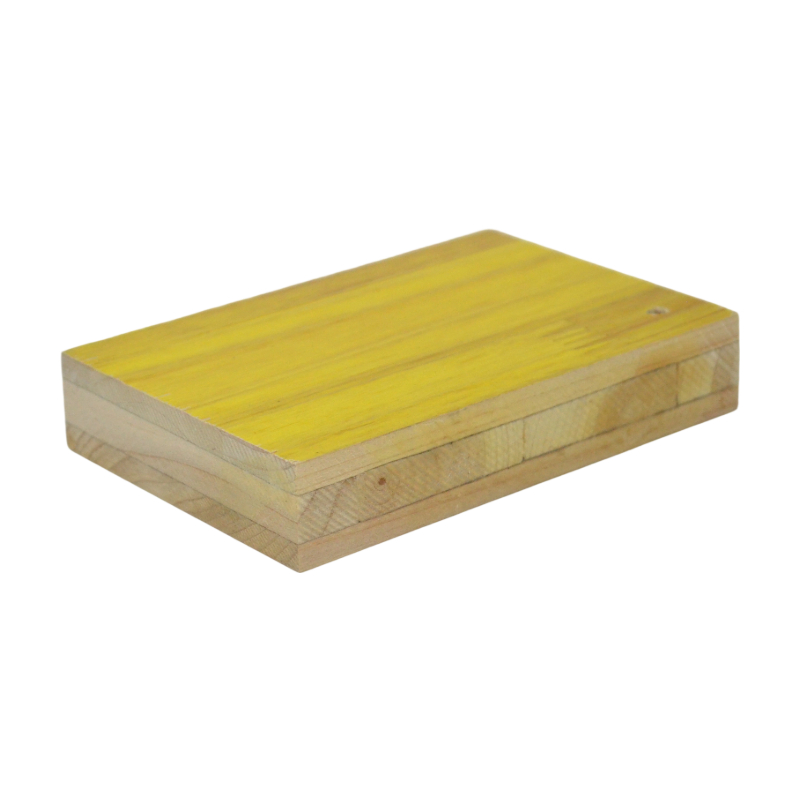
3 Ply Yellow Spruce Shuttering Panel 21-27MM Pine Formwork Board Easily Assembled for Concrete Slab Construction
View Product →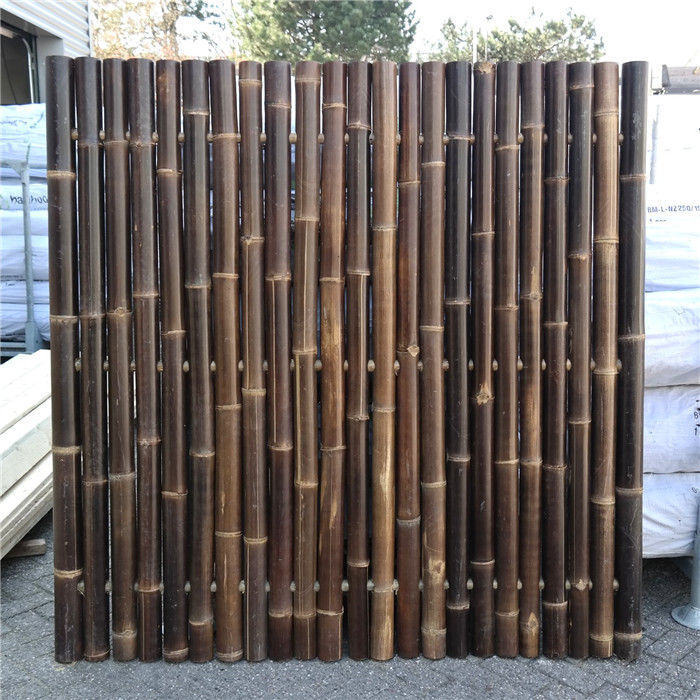
High 2m Bamboo Fence Screening
View Product →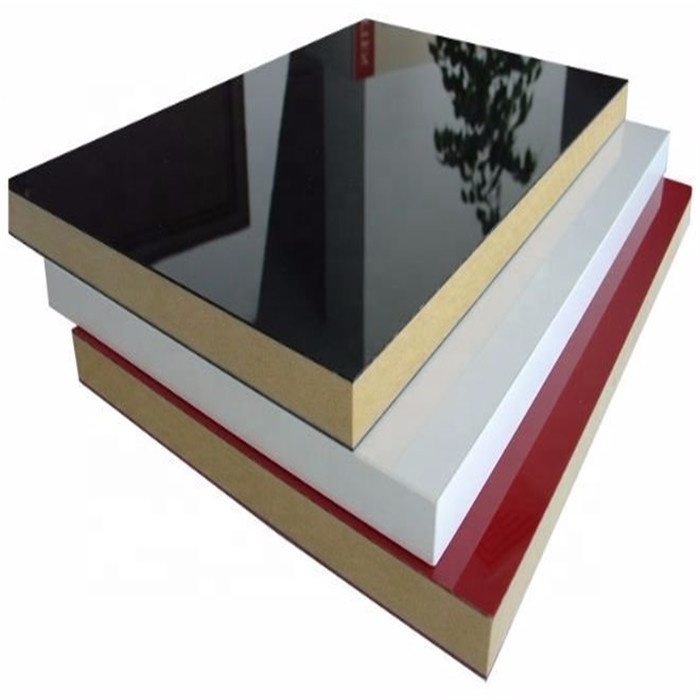
15mm White Painted E1 MDF Board Moisture Resistant Wood Fiber Panel First Class Grade CE CARB Certified Exterior Decoration
View Product →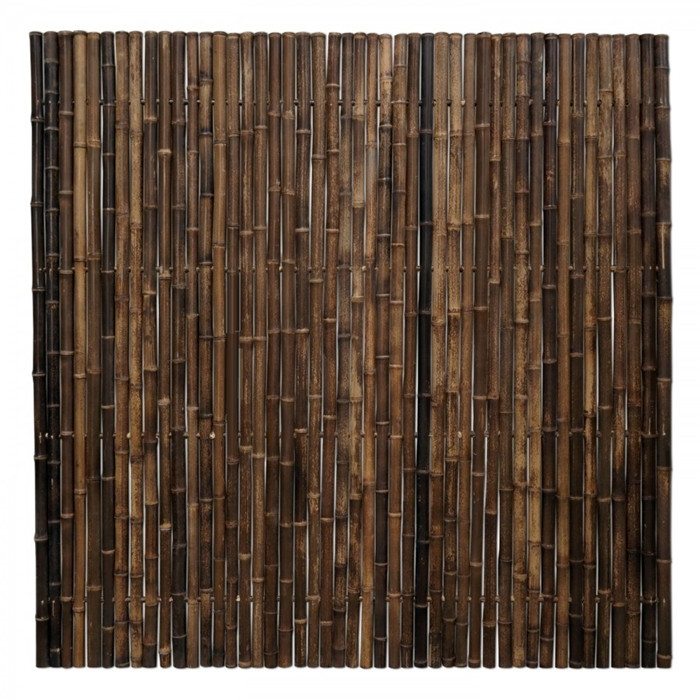
High 2m Bamboo Fence for Garden Bamboo Fence for Yard
View Product →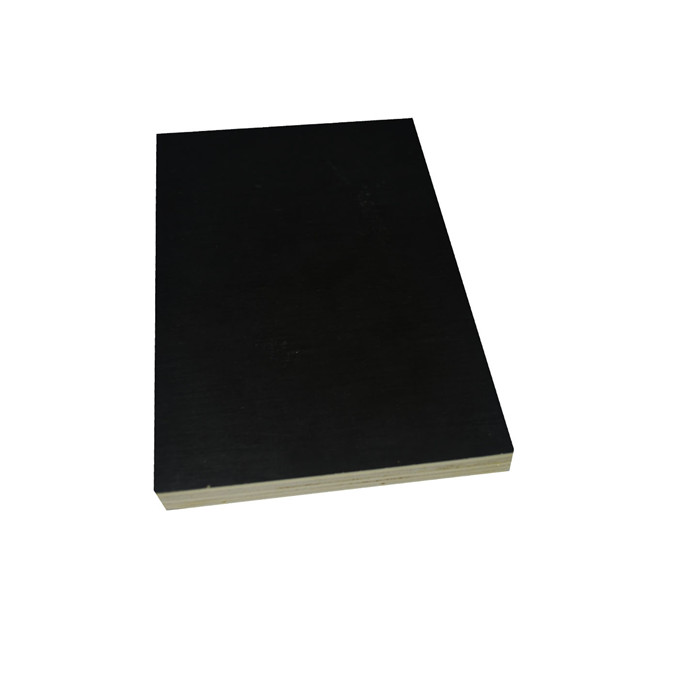
21mm Poplar Chinese Construction Siganal Film Faced Plywood for Formwork
View Product →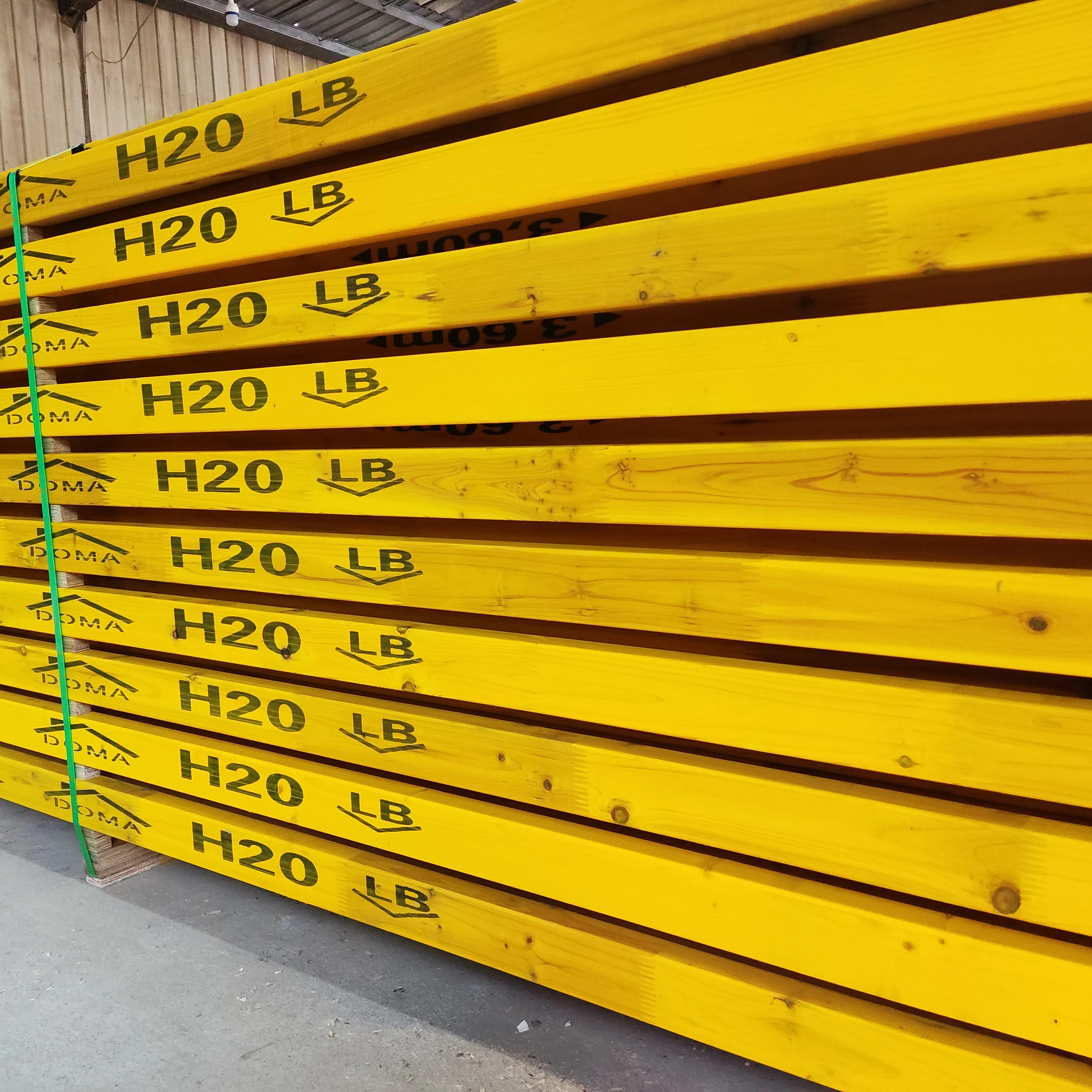
EN 13377 H20 Beam Red Plastic Cap Construction Formwork H16 H30 200x80x40x27mm E0 EN 13353 H20 Beam Formwork
View Product →
Singer 20mm Engineered Stranded Bamboo Deck Tiles Float Installation UV/Waterproof Coating 5+ Year Warranty Exterior Wall
View Product →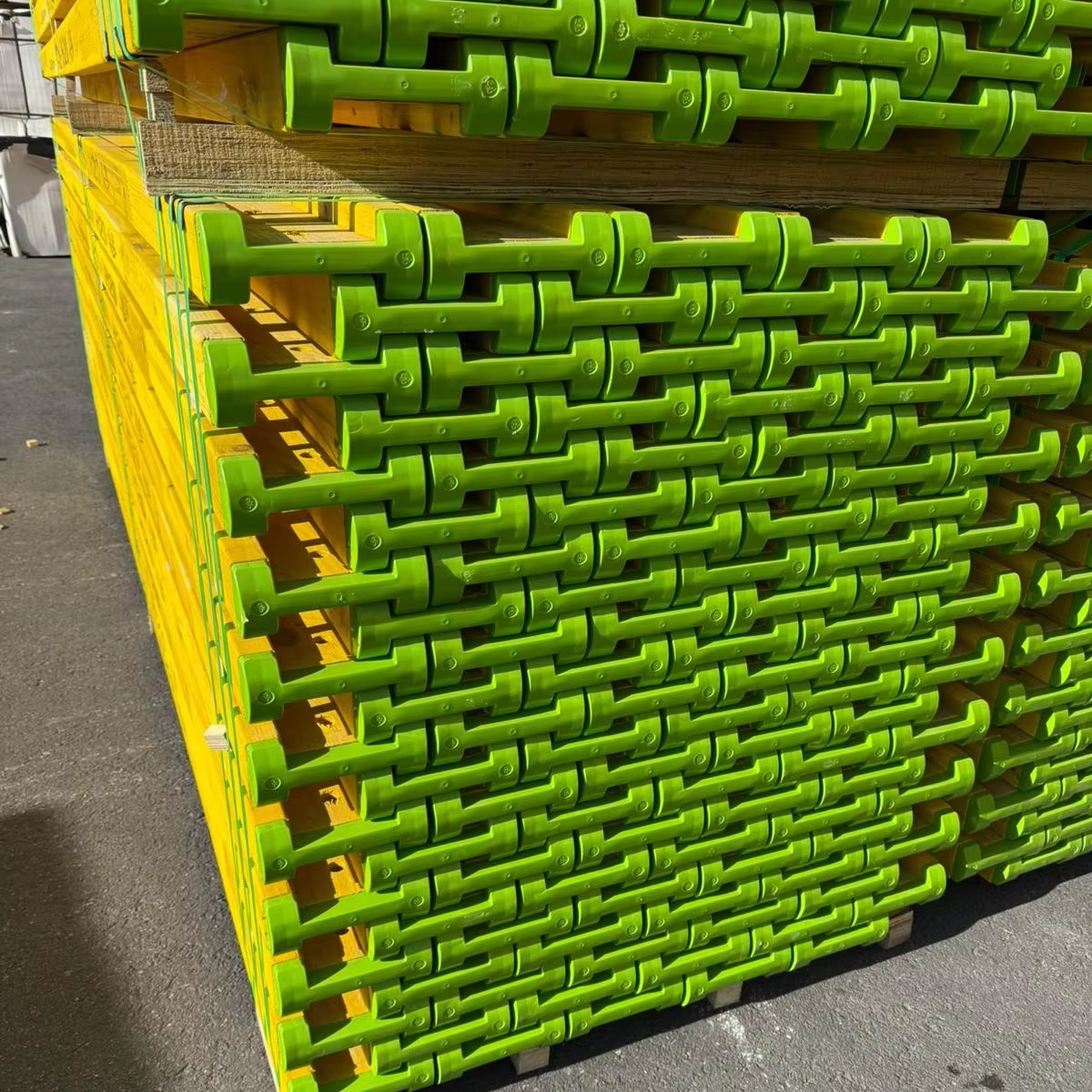
H20 Beam with Plastic Ends Yellow Waterproofing Painting Spruce Flange PINE Plywood Web
View Product →A Factory-Backed Export Platform, Not a Trading-Only Catalogue
Dorni’s export team combines mill data, documented quality control and practical container planning so Turkish buyers can compare specifications before placing a first order.
Years in Export
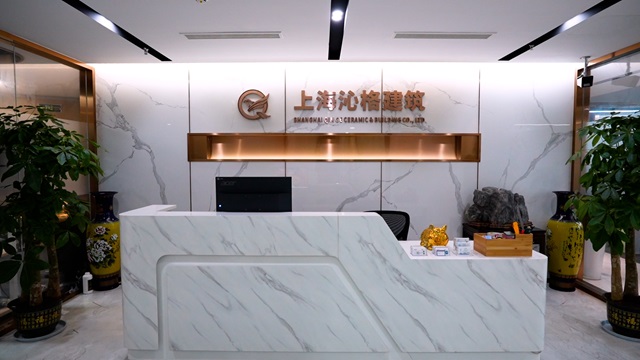
Shanghai Dorni International Trading Co., Ltd. has supplied wood panels and building materials since 2008.
Monthly Plywood Capacity
Output from the affiliated mill, supported by three complete production lines.
Complete Production Flow
Peeling, drying, glue lay-up, pressing, calibration, sanding and container loading.
Thickness Range
MR, melamine, phenolic WBP, E2, E1 and E0 options for different project requirements.
Why Birch Plywood Deserves a More Technical Buying Conversation
Birch plywood is not a commodity grade that can be specified by thickness alone. In Turkey, the panel is often bought for projects where the edge is visible, the face is machined, humidity varies by region, and the final product must survive years of daily use. That is why core quality, glue line, face grade and thickness tolerance matter as much as the price per sheet.
Dorni works with Turkish importers, contractors, furniture producers, marine fabricators and shopfitting companies as a China-based birch plywood factory partner and exporter. The commercial promise is simple: discuss the application first, then lock the panel specification, certification package and container plan. This is the same logic used for film-faced plywood, H20 beams and the other eight export lines shown above: do not buy a catalogue description; buy a specification that survives production, shipping and the Turkish climate.
For buyers comparing Baltic birch, Russian birch and Chinese birch plywood, the practical questions are consistent. Is the core void-free? Is the glue WBP or interior? Is the emission E1 or E0? Will the panel stay flat after CNC cutting? Can the supplier provide CE-controlled production, FSC-certified material and third-party inspection? Answering these questions before the first container is the fastest way to reduce claim risk and rework.
Recommended Birch Plywood Specifications for Turkish Buyers
These grades are commonly discussed with furniture, shopfitting, marine and formwork buyers. Final specifications should always be confirmed against the drawing, surface finish and destination climate.
Baltic Birch Plywood, 3–21 mm
Void-free birch core with sanded faces for furniture, jigs, models and laser-cut parts. Specify EN 314-2 bonding class, face grade and thickness tolerance before quoting. Suitable for Turkish workshops that need stable panels after repeated CNC machining.
Film-Faced Birch Marine Plywood, 18 mm
Black phenolic film, WBP glue and sealed edges for concrete formwork, marine fit-out and transport applications. Turkish contractors often compare reuse cycles, edge sealing quality and film wear rather than only the initial panel price.
Russian Birch Plywood for CNC & Laser Cutting
Thin panels in 4, 6, 9 and 12 mm are used for laser-cut components, acoustic panels, toys, models and decorative fixtures. Consistent density and low void content help reduce burned edges, chip-out and dimensional drift during high-speed cutting.
Birch Plywood for Kitchen & Bathroom Cabinets
Use moisture-resistant glue, E1/E0 emission control and sealed edges for carcasses, drawer boxes and bathroom vanities. In coastal Turkish cities, buyers should specify edge sealing and back-face protection to reduce swelling around sinks and appliance openings.
Birch Plywood for Shopfitting & Hotel Joinery
Retail displays, hotel casework and exhibition stands need a clean face, uniform edge and reliable screw-holding strength. Birch plywood accepts veneer, HPL, paint and lacquer well, making it suitable for Istanbul retail projects and Antalya hospitality fit-outs.
Birch Plywood for Marine & Transport Interiors
Shipyards and transport fabricators often require WBP bonding, controlled thickness and a tight panel surface for flooring, cabinetry and interior linings. Confirm the required class, edge protection and finish before production, especially for projects exposed to salt air and vibration.
Where Birch Plywood Fits Turkey’s Regional Project Map
Turkey is not a single market. Coastal humidity, high-rise construction, furniture clusters, shipyards and inland public projects create different panel requirements.
Istanbul & Marmara: High-Rise Formwork and Retail Fit-Out
Istanbul’s dense construction and retail market creates demand for film-faced birch formwork panels, shopfitting boards and CNC-machined joinery. Buyers often compare film wear, edge sealing and flatness because panels may be reused across multiple pours or finished as visible interior elements.
Izmir & Aegean: Coastal Hotels, Marine Interiors and Humid Conditions
Izmir and the Aegean coast combine tourism, marine trades and a humid climate. Birch plywood for bathroom cabinetry, hotel casework and boat interiors should use moisture-resistant bonding, sealed edges and a finish system that tolerates seasonal humidity changes.
Antalya & Mediterranean: Resort Joinery and Poolside Furniture
Resort projects in Antalya often require decorative panels, poolside cabinetry and outdoor-adjacent furniture. Birch plywood is usually specified with protective coatings, moisture-resistant glue and careful edge detailing to prevent water ingress around cutouts and fixings.
Kayseri & Inegol: Furniture Clusters and Cabinet Components
Turkey’s furniture manufacturing clusters demand consistent thickness, clean faces and reliable machining. Birch plywood is used for drawer boxes, cabinet carcasses, upholstered furniture frames and CNC parts where screw-holding strength and edge quality directly affect production yield.
Tuzla & Istanbul Shipyards: Marine-Grade Birch Interiors
Marine fabricators frequently request birch plywood with WBP bonding, controlled thickness and a smooth face for cabinetry, galley furniture and interior linings. Confirm the required fire, finish and bonding documentation with the yard before the panel is cut.
Ankara & Anatolia: Public Buildings and Reconstruction Projects
Public buildings, modular housing and reconstruction programs require documented materials and repeatable specifications. For formwork, fixtures and interior fit-out, buyers should align the birch plywood grade with the project specification, not only with the lowest available offer.
Four Trends Shaping Birch Plywood Demand in Turkey
Procurement is becoming more technical. Turkish buyers increasingly ask for documentation, process control and application-specific specifications rather than generic plywood offers.
E1/E0 and Indoor Air Quality
Furniture, hotel and residential buyers are paying closer attention to formaldehyde emission classes. Dorni can discuss E1/E0 options and provide available test documentation so Turkish buyers can compare offers on a like-for-like basis.
CE, EN and Documented Performance
Construction-linked buyers increasingly request CE-controlled production, EN 314-2 bonding information and clear specification sheets. The original CE number, ISO 9001 system and FSC availability help support these conversations.
CNC, Prefabrication and Tighter Tolerances
As Turkish workshops invest in CNC and edge-banding equipment, thickness variation and core voids become cost issues. A stable birch panel can reduce rework in cabinet components, shopfitting and modular interior production.
Container-Level Sourcing and Mixed Loads
Importers prefer to consolidate birch plywood with formwork panels, H20 beams, MDF, bamboo decking and other lines. Mixed-product loading can reduce freight fragmentation, but it requires disciplined packaging and loading plans.
Matching Birch Plywood to Turkish Applications
The bars below are a practical comparison guide, not a substitute for a written specification. Final selection depends on finish, loading, humidity, machining and project documentation.
Interior Furniture & Cabinetry
Balanced choice for carcasses, drawer boxes and furniture frames. Confirm face grade, edge quality and emission class.
CNC, Laser & Craft Components
Thin, void-free birch helps maintain a clean cut edge and repeatable dimensions in laser-cut and CNC-machined parts.
Kitchen & Bathroom Cabinets
Specify moisture-resistant bonding, sealed edges and a suitable finish. Coastal Turkish projects need extra attention around sinks and cutouts.
Shopfitting & Hotel Joinery
Clean faces, uniform edges and good coating adhesion are more important than raw mechanical strength alone.
Marine & Transport Interiors
WBP bonding, sealed edges and controlled thickness are usually the first specification points for shipyards and transport fabricators.
Film-Faced Birch Formwork
Phenolic film and edge sealing improve reuse. Buyers should match panel thickness and tie-hole planning to the formwork system.
Why Dorni Is a Practical Birch Plywood Partner for Turkish Importers
The value of a supplier is not only the panel. It is the ability to document, customize, inspect and load the order without surprises.
Factory-Backed Supply
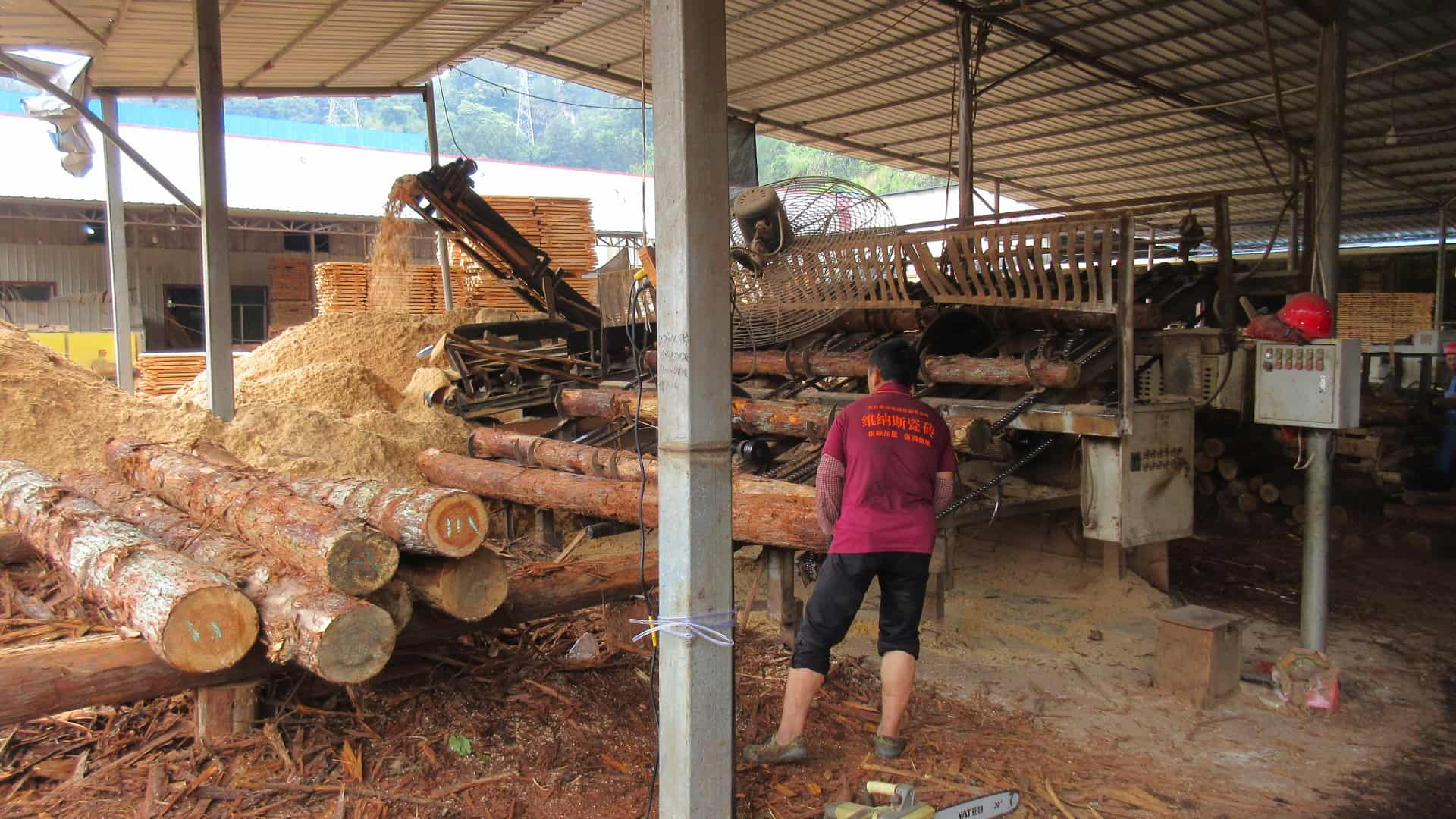
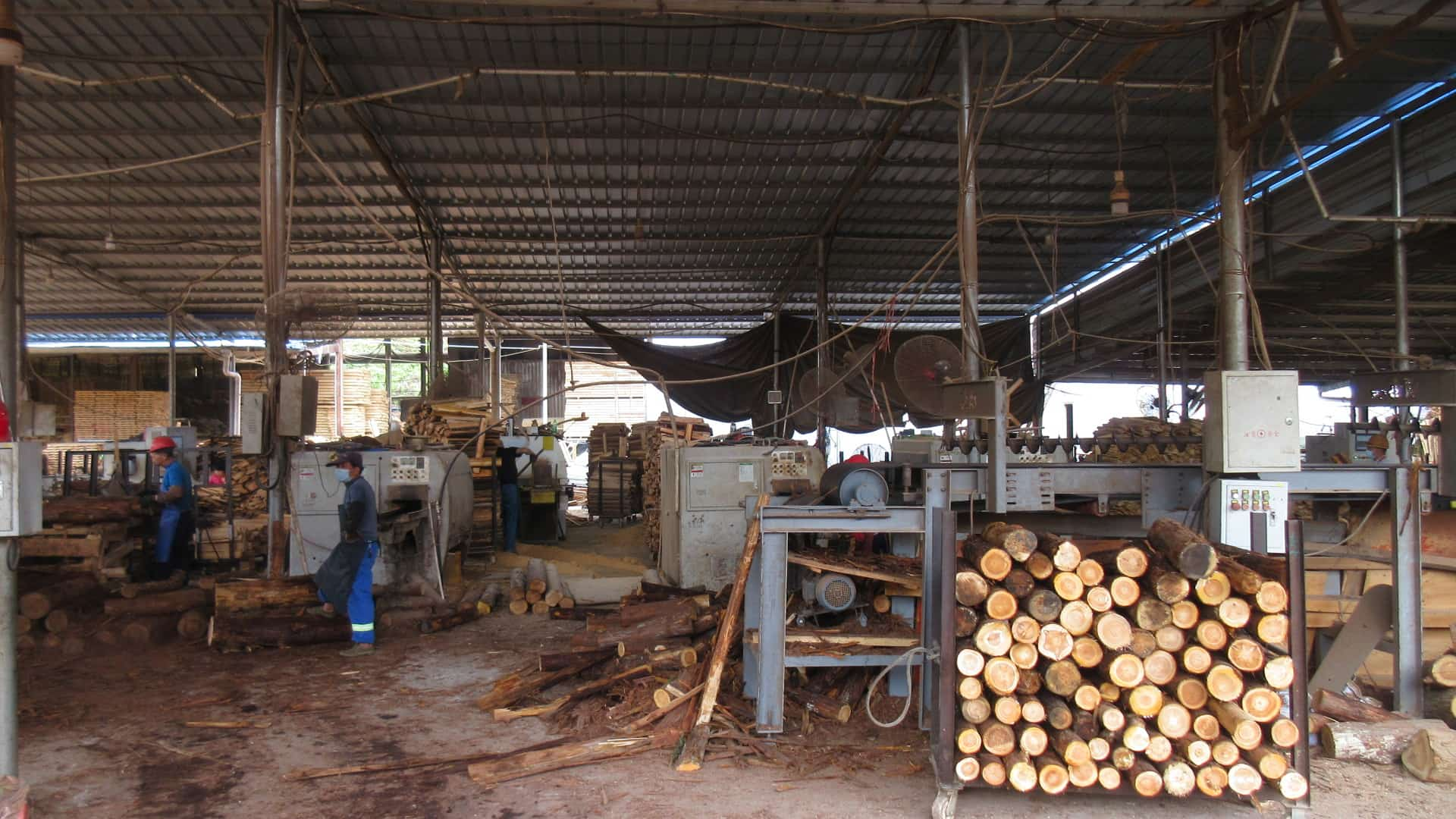
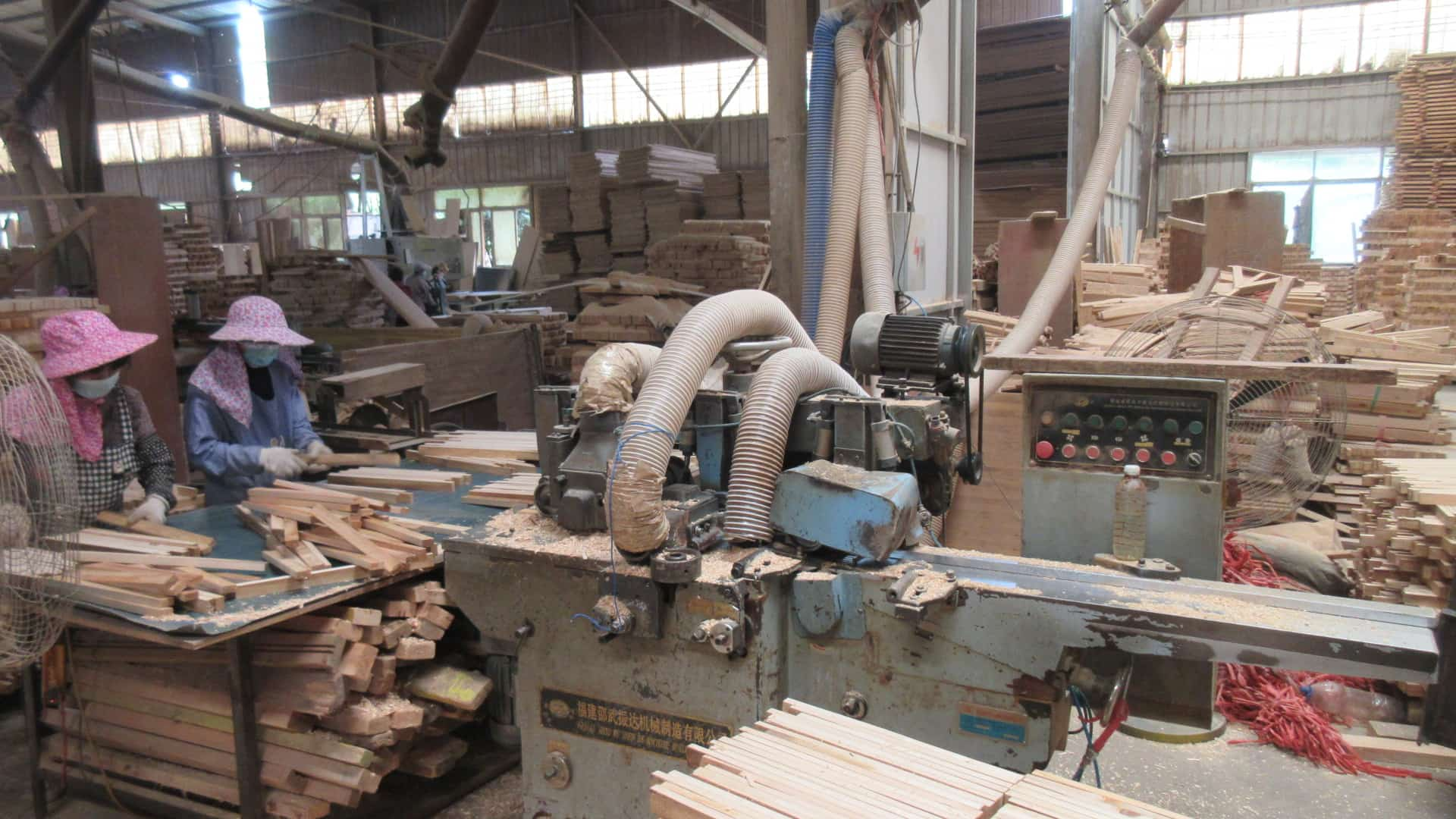
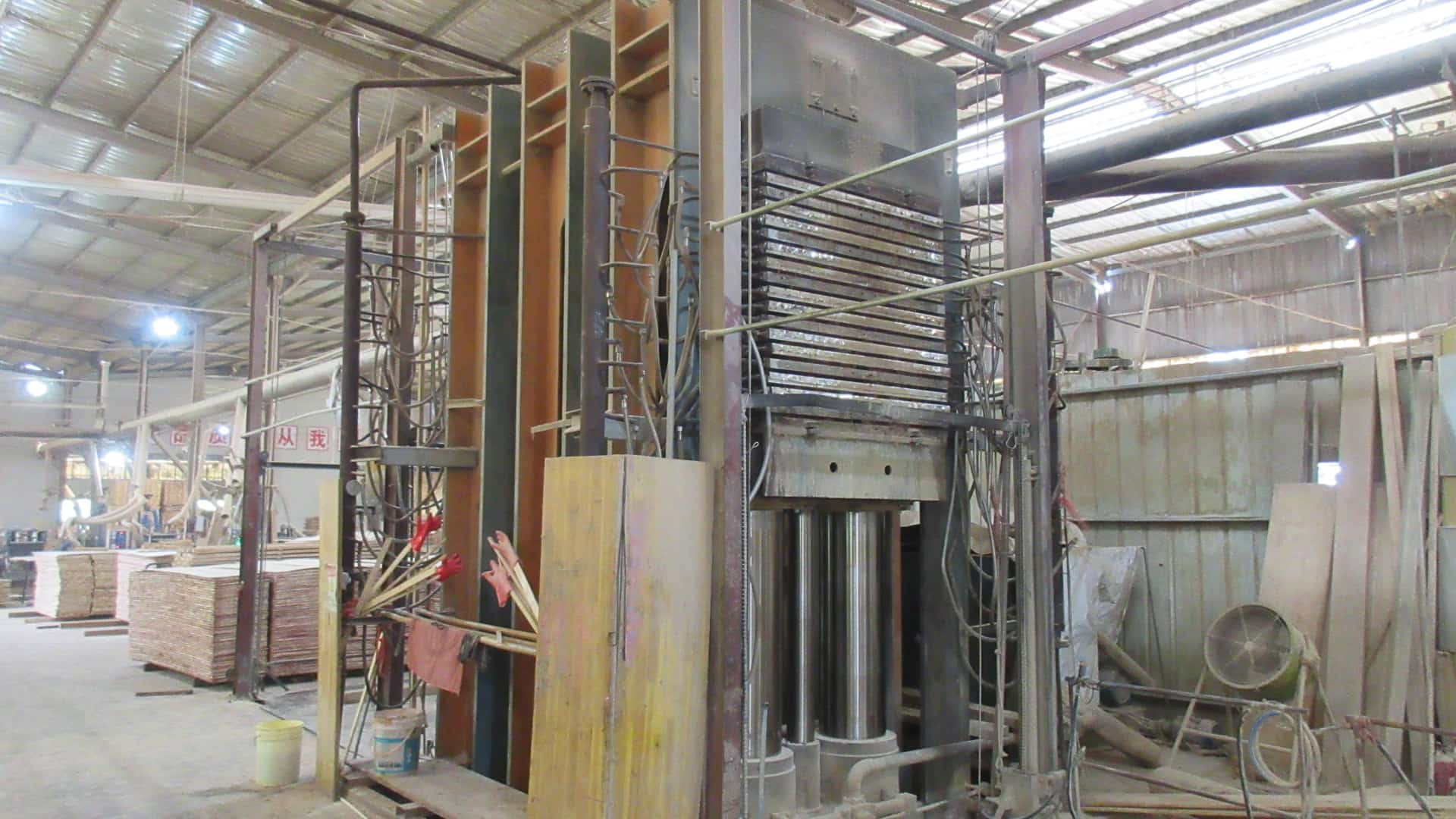
Shanghai Dorni International Trading Co., Ltd. is supported by an affiliated mill in Dangshan County, Anhui Province. The mill runs three complete lines, from peeler compositors and press dryers to double-side calibrators, three-head sanders and loading platforms.
Documented Quality Control
Production is managed to ISO 9001 and controlled to CE requirements, with CE No. 1301-CPD-0569. FSC-certified material is available, and the company has been assessed on-site by SGS Group. A dedicated QC team inspects raw materials and finished goods before loading.
Customization and Private Label
Dorni offers sample-based, design-based and full customization, including logo printing on film, edge-sealing colour, packaging, grading and specification matching to BSI, IHPA, JPIS, GB or customer standards. Turkish importers can build a repeatable private-label program.
Export Execution
Goods are usually loaded at Lianyungang or Qingdao. Dorni accepts FOB, CFR, CIF, EXW, FAS and CIP, with payment options including T/T, L/C, D/P and D/A. Export markets include Europe, the Americas, the Middle East, North Africa and Asia.
Shipping Birch Plywood from China to Turkey: What to Plan
Port selection, packaging and documentation should be discussed before production. A technically correct panel can still become an expensive lesson if the loading plan is weak.
Ports and Routing
Shipments usually start from Lianyungang or Qingdao. For Turkey, common destination gateways include Ambarli, Gemlik, Izmir, Mersin and Iskenderun. Final routing depends on vessel schedule, inland delivery and buyer preference.
Container Loading
Mixed loads can combine birch plywood with formwork panels, H20 beams, MDF and bamboo products. Discuss corner protection, moisture-control packaging, pallet loading and bundle labels before booking. The goal is a load plan that matches both cargo and destination handling.
Documents and Certification
Commercial invoice, packing list, bill of lading and origin documents are standard. For project orders, request available CE, FSC, ISO and test documentation. Confirm current Turkish import requirements with your customs broker before shipment.
Payment and Inspection
Dorni accepts T/T, L/C, D/P and D/A discussions. Pre-shipment inspection photos can be provided, and third-party inspection is welcome. Orders through Alibaba Trade Assurance may support buyer-protection requirements where applicable.
FAQ: What Turkish Buyers Ask Before Ordering Birch Plywood
These are the practical questions that usually appear after the first price request — and before a serious order can move forward.
What is the minimum order for birch plywood to Turkey?
Standard birch plywood orders can start from about 50 m³, roughly two 40HQ containers, depending on thickness, grade, packaging and loading efficiency. Smaller trial quantities and mixed specifications can be discussed, especially when combined with other Dorni lines. For a first order, send thickness, sheet size, glue, emission class, face grade and destination port so the export team can confirm a practical MOQ and loading plan.
Which birch plywood grade is best for kitchens and bathrooms?
For kitchen and bathroom cabinetry, specify moisture-resistant bonding, E1 or E0 emission control where required, sealed edges and a suitable finish. An 18 mm panel is common for carcasses, while thinner panels may be used for drawer boxes and internal components. In coastal Turkish cities, edge sealing and back-face protection are especially important.
Can you provide CE, FSC, E1/E0 and EN 314-2 documents?
Dorni’s mill is managed to ISO 9001 and production is controlled to CE requirements, with CE No. 1301-CPD-0569. FSC-certified material is available, and EN 314-2 bonding information can be discussed according to the product specification. E1/E0 options and available test reports should be confirmed against the exact order before contract.
Which Turkish ports do you ship to?
Common destination gateways include Ambarli, Gemlik, Izmir, Mersin and Iskenderun. Goods are usually loaded at Lianyungang or Qingdao. Routing depends on vessel availability, cargo mix, inland delivery and buyer preference. Dorni accepts FOB, CFR, CIF, EXW, FAS and CIP terms, with shipment details confirmed at booking.
Can you customize thickness, size, film, edge sealing or logo?
Yes. Dorni offers sample-based, design-based and full customization, including thickness from 2.2 mm to 30 mm, common sheet sizes, film colour, edge-sealing colour, logo printing, packaging and grading to BSI, IHPA, JPIS, GB or customer standards. Custom work requires an approved sample or written specification before production.
How can I verify quality before shipment?
The QC process covers raw-material inspection, in-process checks and finished-goods inspection before loading. Pre-shipment photos can be provided, and third-party inspection is welcome. For new specifications, request a sample and a written data sheet first. This is the most reliable way to align the panel, finish and packaging with the Turkish project requirement.
Send Your Birch Plywood Specification for a Turkey-Ready Quotation
Share the thickness, sheet size, glue type, emission class, face grade, estimated quantity and destination port. Dorni’s export team will prepare a practical specification and loading proposal based on the mill’s production capability and the eight-line export portfolio.
Send an InquiryShanghai Dorni International Trading Co., Ltd. · Since 2008 · ISO 9001 · CE-controlled production · FSC material available · SGS-assessed supplier