Eight Product Lines Manchester Buyers Can Review and Consolidate
The selection below preserves the live catalogue URLs and images from the original website. Some lines are bamboo decking-adjacent; others are construction and fit-out materials that wholesalers often consolidate with decking orders. For a specific bamboo deck board profile, use the inquiry button and send density, thickness, length, surface finish, fixing method and delivery window.
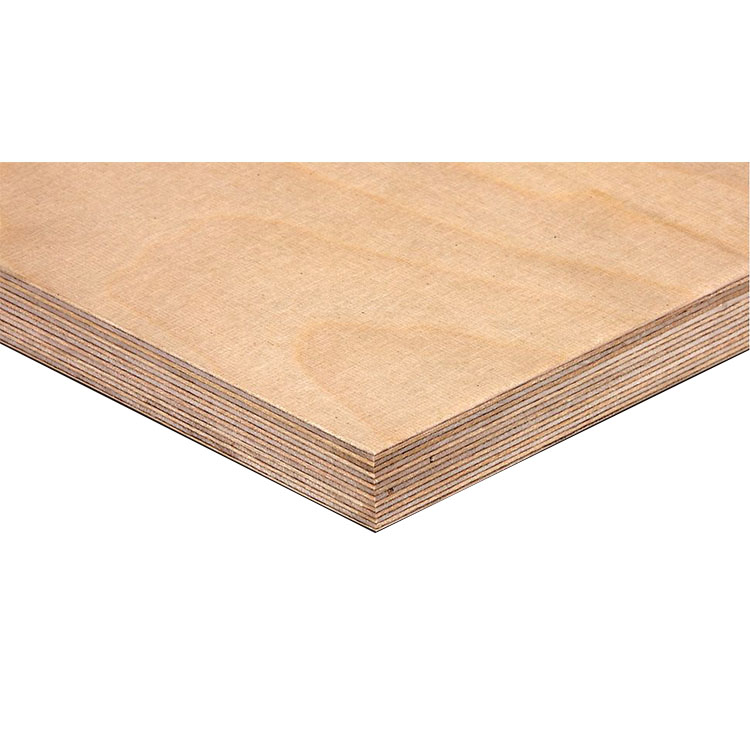 Birch plywood
Film Faced UV Coated Double-Sided E0 Birch Plywood
UV-coated E0 birch plywood for joinery, shopfitting and protected exterior components. It is not a direct substitute for a bamboo deck board; specify it for panel work around terraces, garden rooms and commercial fit-out.
View product ›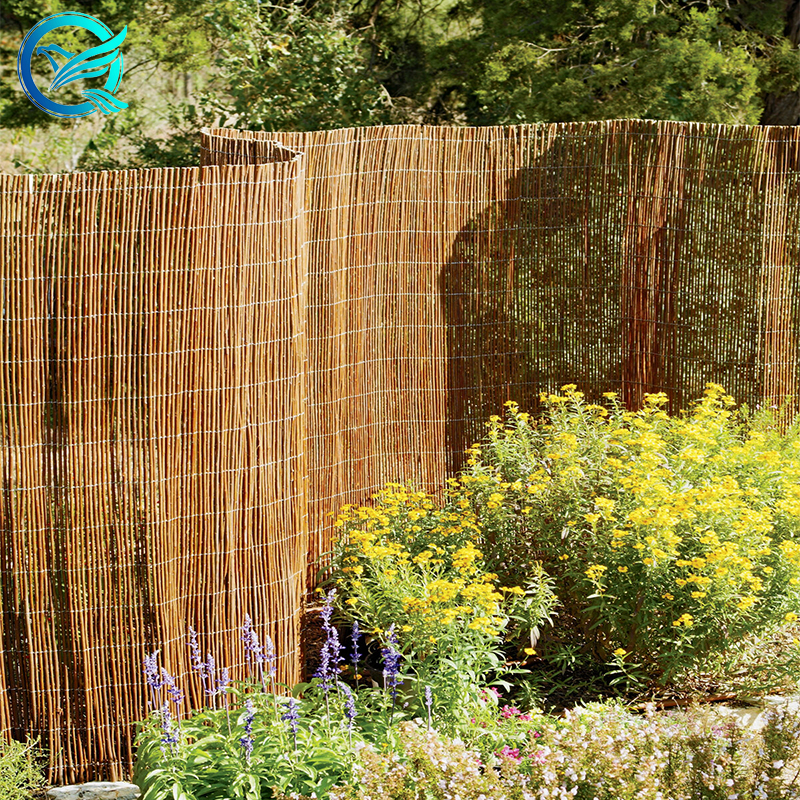 Bamboo shading
Natural Bamboo Roller Blinds Fence for Door and Pergola Shading
A useful match for Manchester garden rooms and covered terraces where shade, privacy and rain protection are specified together. Combine with a ventilated pergola detail to avoid trapped moisture.
View product ›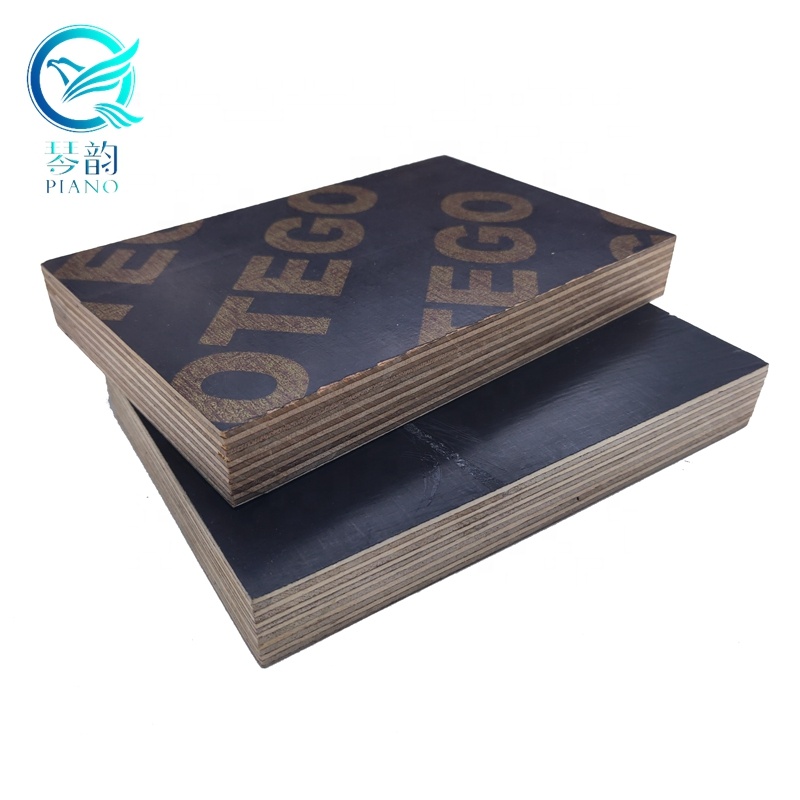 Marine plywood
BS1088 Eucalyptus Hardwood Core Marine Plywood, E0
Eucalyptus hardwood core and phenolic face for site joinery, temporary works, vehicle floors and structural panels. Confirm intended exposure and fixing schedule with our technical team before ordering.
View product ›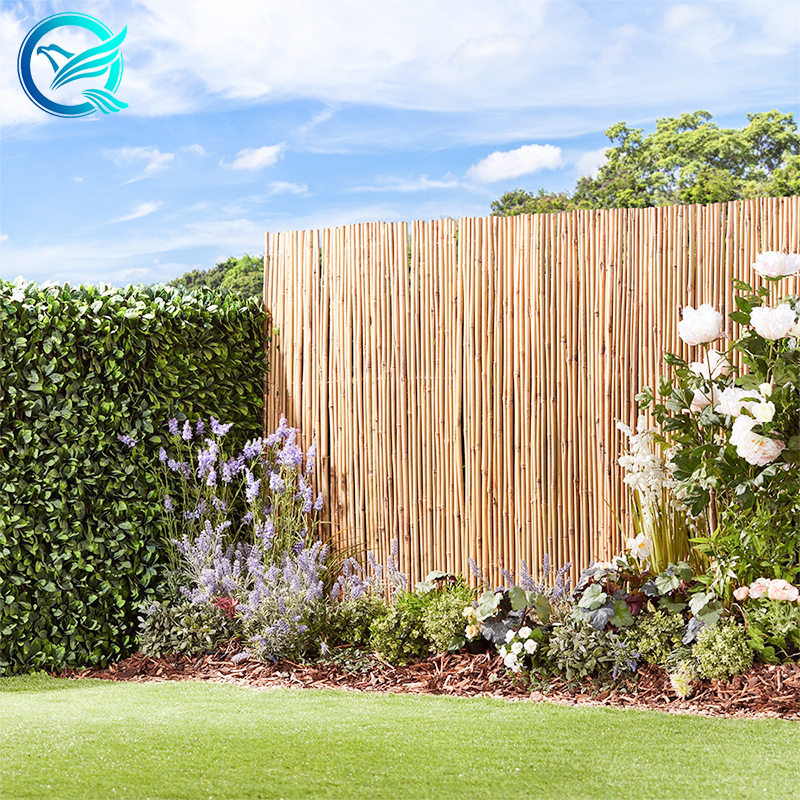 Bamboo screen
Wooden Garden Fence / Bamboo Screen
Boundary screening for canal-side yards, rented gardens, pub courtyards and hospitality terraces. Use stainless fixings and a ventilated fixing pattern to reduce wet pockets in Manchester’s damp months.
View product › Fire-resistant board
LANTISE 18mm Fire-Resistant Melamine Basswood Board
For interior fit-out and commercial joinery where reaction-to-fire documentation is part of the project brief. Keep the board within its intended internal application and verify the certificate scope.
View product ›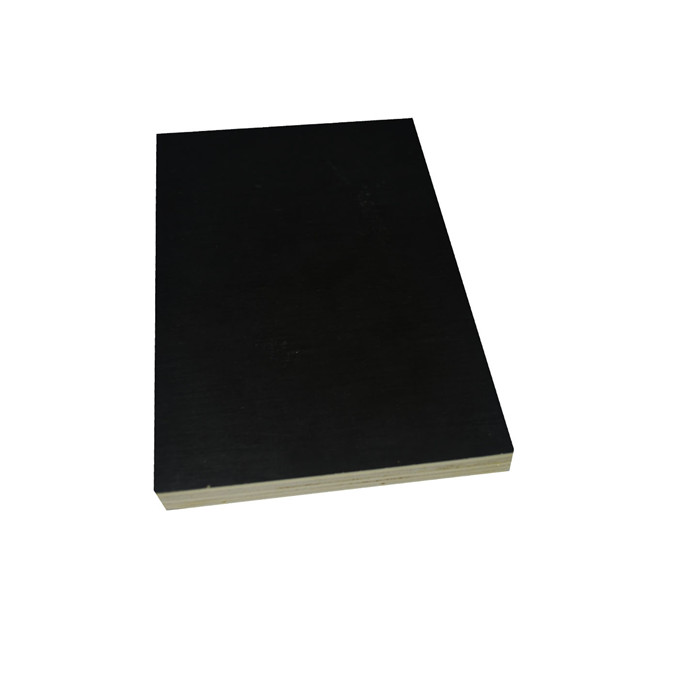 Formwork
21mm Poplar Film-Faced Plywood for Formwork
A mill-standard panel for groundworks, temporary protection and concrete formwork. Choose a separate bamboo deck board for permanent outdoor walking surfaces and check slip performance with the designer.
View product ›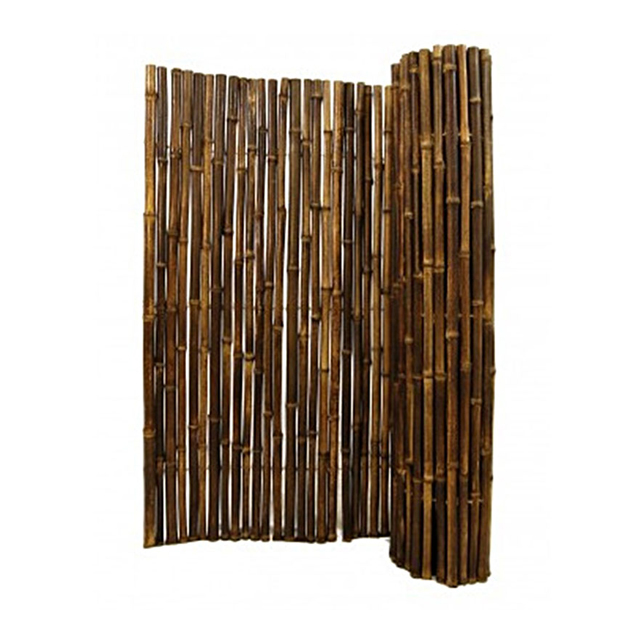 Tall bamboo fence
Piano Tall Bamboo Fencing, Waterproof and Heat Treated
20–30mm bamboo fencing with heat treatment for garden privacy, pub courtyards and screened terraces. Good for Manchester sites that need quick visual enclosure while a longer landscaping programme is phased.
View product ›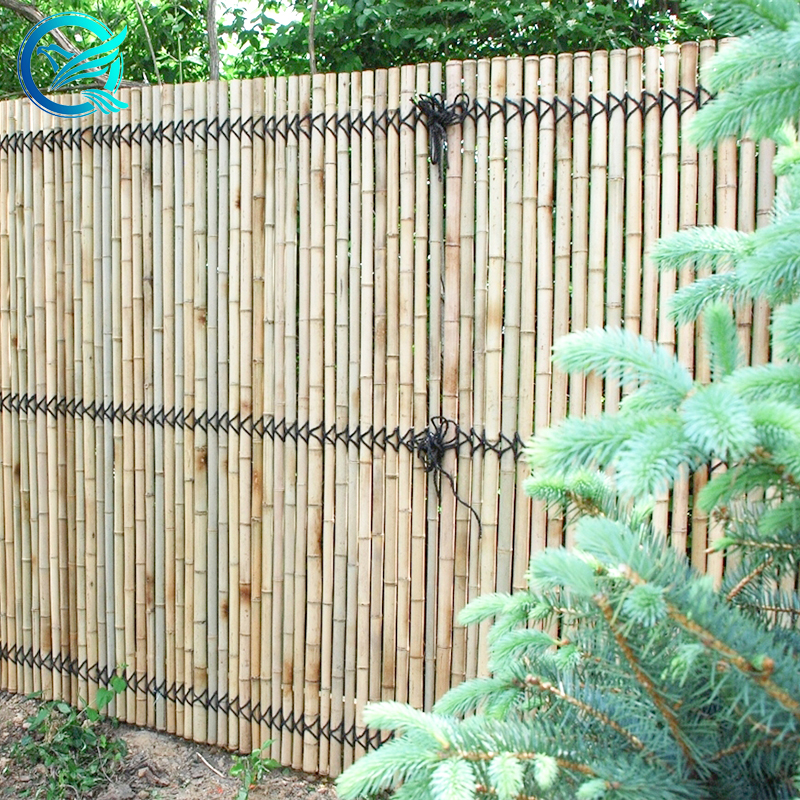 Privacy roll
1.12m x 60m Privacy Bamboo Curtain and Mat
Long-format privacy screening for contractor rolls, event spaces and phased landscaping projects. Specify fixing centres, wind exposure and replacement access before installation on exposed roofs or corners.
View product ›Looking for a specific bamboo deck board, joist system or slip-resistant finish? Send the brief through the inquiry button so the export team can match the request to the live product range rather than a generic catalogue description.
Recommended Bamboo Decking Paths for Manchester Projects
The right deck board is not selected by colour alone. For a wet UK climate, begin with walking surface, structure, drainage and maintenance access, then select a board profile that can be fixed without trapping water.

Waterproof Outdoor Bamboo Decking
Best starting point for hotel terraces, high-use gardens and residential courtyards. Ask for density, moisture content, finish, fixing system, joist spacing and wet slip data before comparing prices.
View decking range ›
Carbonized Solid Bamboo Decking
A premium visual option for residential terraces and hospitality schemes where colour warmth and consistent board width matter. Confirm colour variation, UV behaviour and maintenance regime.
View decking range ›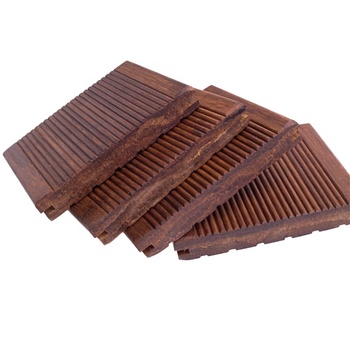
Interlocking Bamboo Decking Tiles
Useful for roof terraces, balconies and phased fit-outs where height build-up and drainage access are tight. Check wind uplift, pedestal compatibility and edge restraint on exposed Manchester roofs.
View decking range ›Why Manchester Rewards Rain-Aware Bamboo Decking Specification
Manchester is not a mild, dry market for timber. Rain can arrive in any month, and many decks sit in shaded courtyards, canal-side terraces and north-facing gardens where surface water, leaf litter and moss pressure are persistent.
That changes the buying question. A low headline price per square metre is not useful if the board cups, the finish becomes slippery, or the substructure cannot dry out. For wholesalers and contractors, the real specification unit is a complete build-up: board, joist, fixing, ventilation layer, drainage path and maintenance plan. A bamboo deck board that is excellent on a sunny terrace can disappoint if it is installed tight to a solid wall, over blocked drainage, or with untreated mild-steel fixings.
Demand is also changing. Greater Manchester’s pipeline of build-to-rent, student accommodation, hotel refurbishment, garden-room construction and public-realm improvement creates repeat demand for outdoor amenity space. Clients and planners increasingly ask for FSC evidence, lower-carbon materials and wet-weather durability rather than a single-season showroom finish. Bamboo deck boards can be part of that answer when the supplier provides consistent density, documented treatment, batch traceability and installation guidance written for a wet UK climate.
Search intent around “bamboo deck boards exporters and wholesalers in Manchester” is mixed. Some buyers want a local merchant with stock; others are procurement teams comparing direct import from an experienced exporter. The practical route is often a hybrid: a Manchester-based contractor or merchant holds the client relationship and installation responsibility, while an experienced exporter supplies documented boards, samples and container-load logistics. The sections below are written for that hybrid buying model, where technical clarity and delivery certainty matter more than slogan-level “cheapest supplier” claims.
Where Bamboo Deck Boards Fit Across Greater Manchester
From Victorian terraces to Salford Quays terraces, the application decides the board profile, substructure and fixing detail. Use these scenarios to structure a site meeting before requesting a quotation.
Rain-exposed residential gardens
Victorian terraces and newer family homes need decks that drain quickly, dry between showers and stay safe underfoot. Prioritise grooved profiles, stainless fixings and a ventilated air gap.
Hospitality terraces and beer gardens
Ancoats, the Northern Quarter and Castlefield schemes require durable surfaces that look good in photographs and can handle spillage, cleaning and commercial footfall. Specify wet slip performance early.
Roof gardens and podium decks
Weight, height build-up, wind uplift and drainage access dominate. A deck tile or low-profile pedestal system may be more practical than a deep timber substructure.
Canal-side and waterside regeneration
Castlefield, Salford Quays and canal-front sites combine humidity, shading and public access. Anti-slip surfaces, edge restraints and replaceable board sections reduce long-term maintenance cost.
Build-to-rent and student amenity
Repeatable specifications, consistent colour and quick replacement matter across multi-block schemes. Lock a board, clip and fixing schedule, then keep a maintenance stock on site.
Garden rooms and home offices
Small decks attached to garden rooms need a clear threshold, drainage away from the building and a simple cleaning route. Avoid hidden pockets where leaves collect behind the deck.
Parks, schools and public realm
Public-sector buyers need evidence: slip risk, fixing security, vandal resistance, cleaning method and replacement strategy. Bamboo deck boards should be assessed as part of the whole landscape build-up.
Meanwhile spaces and retail courtyards
Temporary terraces and pop-up courtyards benefit from modular deck tiles and demountable screens. Specify how sections can be lifted, stored and reused without damaging the substructure.
Manchester Procurement Trends Shaping Outdoor Bamboo Demand
These trends appear repeatedly in early-stage landscape and refurbishment conversations. They are most useful when translated into a written specification, not left as sustainability headlines.
Low-carbon procurement and FSC evidence
Clients increasingly want to see material provenance and chain-of-custody documents before comparing price. FSC-certified material, mill records and a clear treatment statement reduce procurement risk.
Rain-aware detailing and slip resistance
Manchester’s wet-dry cycles make drainage, air movement and wet slip performance central. Designers now ask for board texture, fixing details and cleaning guidance, not just colour samples.
Outdoor hospitality and mixed-use amenity
Hospitality operators, build-to-rent developers and workspace providers use terraces to extend usable floor area. Durable bamboo decking can support identity and comfort when maintenance is planned.
Retrofit, SUDS and urban greening
Retrofit schemes must work around existing drainage, thresholds and walls. Open-jointed decks, raised pedestals and removable panels help with inspection, water management and later repair.
Manchester procurement priority snapshot
Illustrative weighting that our export team uses to structure a specification conversation. It is not a statistical survey; validate final requirements with the project designer, principal contractor or warranty provider.
Rain-Aware Bamboo Deck Board Specification for Manchester
The highest-value information gain for buyers is not the board alone; it is the deck build-up. Use the following checklist to ask better questions, compare suppliers fairly and avoid a low-cost package that fails in the first wet winter.
Board construction and density
Ask whether the board is strand-woven, solid bamboo or a composite bamboo blend. Request density, moisture content, thickness tolerance and surface finish. Higher density alone is not enough; fixing and ventilation must match the board.
Ventilation and substructure
Provide cross-ventilation below the boards and keep joist spacing within the deck manufacturer’s table. Do not copy generic timber-deck assumptions. A continuous air gap and clear drainage path are essential in shaded Manchester courtyards.
Fixings and movement
Use stainless steel fixings appropriate to the exposure and structure. Allow expansion gaps at ends and edges, pre-drill where required and avoid over-tightening. For balconies and raised decks, confirm restraint and structural design with an engineer.
Slip resistance and finish
Wet slip performance should be discussed as a project requirement, especially for commercial, hospitality and public-access terraces. Ask for available test data, maintenance instructions and a sample that can be assessed wet and dry.
Drainage and cleaning
Set a fall away from buildings, keep gaps clear of leaves and avoid high-pressure washing that can erode the surface or drive water into joints. North-facing decks and tree-lined sites need a realistic seasonal cleaning plan.
Documentation pack
Request FSC evidence where required, ISO 9001 information, CE-related documentation for relevant products, batch records, treatment data, installation guidance, maintenance notes and warranty terms. Verify the scope of every certificate.
| Option | Wet-weather behaviour | Maintenance | Sustainability evidence | Best-fit Manchester use |
|---|---|---|---|---|
| Strand-woven bamboo deck board | Good dimensional stability when density, finish and ventilation are correctly specified; wet slip depends on profile and surface. | Regular cleaning, gap clearing and periodic inspection of fixings; avoid aggressive pressure washing. | FSC material may be available; request chain-of-custody, treatment and batch records. | Hospitality terraces, residential gardens, roof terraces and feature amenity decks. |
| Bamboo composite deck board | Consistent profile and colour range; performance depends on polymer/bamboo blend, expansion and joist spacing. | Low-frequency cleaning, but check surface wear, staining and thermal movement. | Question recycled content, bio-based content and end-of-life route. | Large repeatable terraces where colour consistency and low maintenance are priorities. |
| Pressure-treated softwood decking | Familiar UK supply and easy repair; prone to movement, splitting and surface algae if detailing is poor. | Annual inspection, cleaning and possible refinishing; replace individual boards as needed. | Ask for timber provenance, treatment class and responsible sourcing evidence. | Budget-sensitive residential decks and temporary or phased landscapes. |
| Porcelain or stone paving | Excellent water resistance and slip options when correctly selected; heavier and more engineered substructure may be needed. | Routine cleaning; joint maintenance and substructure inspection still required. | High embodied impact in some products; check recycled content and transport distance. | Roof terraces, podium decks and public realm where weight and structure allow. |
Procurement, Samples and Freight to Manchester
For a Manchester merchant or contractor, a reliable import package is more than a board price. It includes a sample that matches production, a specification that survives value engineering, and a loading plan that protects the boards in transit.
MOQ and mixed containers
Standard film-faced and construction plywood starts from 50 m³, roughly two 40HQ containers. Three-ply shuttering panels start from 7–50 m³ depending on specification; bamboo decking can start from 100 m². Mixed-product containers can be discussed for trial orders and wholesale stock builds.
Samples and pre-order checks
Request a current-production sample, colour reference, density/moisture data where available, fixing recommendation and packing plan. For visible projects, approve a mock-up or retained sample before full production.
QC and third-party inspection
The mill is managed under ISO 9001, production is controlled to CE requirements, FSC-certified material is available and the company has been assessed on site by SGS Group. Pre-shipment inspection photos and third-party inspection are welcome.
Freight, ports and Incoterms
Goods are usually loaded at Lianyungang or Qingdao. We accept FOB, CFR, CIF, EXW, FAS and CIP; payment terms include T/T, L/C, D/P and D/A. For Manchester delivery, your forwarder can arrange UK gateway clearance and onward road transport.
A Shanghai Export Team Backed by Its Own Plywood Mill
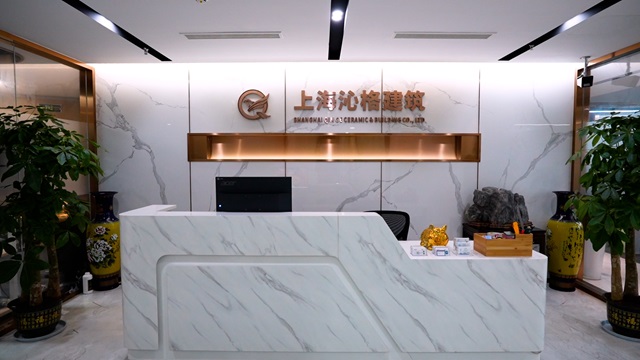
Shanghai Dorni International Trading Co., Ltd. has exported wood-based panels from Shanghai since 2008, supported by an affiliated mill in Dangshan County, Anhui Province. That structure matters for Manchester buyers because the same team can discuss board specification, mill capacity, quality records, container loading and export documents.
The mill runs three complete production lines, with peeling, drying, glue lay-up, pressing, calibration, sanding, film/edge sealing and loading handled in-house. Public company information describes a monthly capacity of 6,000 m³. Grading can be aligned to BSI, IHPA, JPIS, GB or buyer-specific standards, and customization can be sample-based, design-based or fully bespoke.
- Mill-direct supply since 2008
- ISO 9001 quality management
- CE-controlled production
- FSC-certified material available
- SGS on-site assessed supplier
- Private label and packaging options
Questions Local Buyers Ask Before Ordering Bamboo Deck Boards
These answers reflect the questions that matter when a Manchester merchant, contractor or developer moves from an online search to a real specification conversation.
How do bamboo deck boards perform in Manchester rain?
Performance depends on board density, resin system, surface finish, substructure ventilation and installation detailing. A suitable bamboo deck board installed with an air gap, correct fall, stainless fixings and clear drainage can perform well in a wet climate, but it is not maintenance-free. Inspect joints and fixings annually, keep gaps clear, and follow the manufacturer’s cleaning guidance rather than pressure-washing aggressively.
What is the minimum order for wholesale bamboo decking and related products?
Bamboo decking can start from 100 m² according to the current product information. Standard film-faced and construction plywood starts from 50 m³, roughly two 40HQ containers. Three-ply shuttering panels start from 7–50 m³ depending on specification. Mixed-product containers can be discussed for trial orders, but the final mix depends on packing, weight and production scheduling.
Can you supply slip-resistant boards for commercial terraces and hospitality spaces?
Yes, slip-resistant profiles and finishes can be discussed for commercial terraces, beer gardens, roof decks and public-access landscapes. For projects with insurance, public-access or building-control requirements, request available wet slip test data and review it with the project designer. Surface texture alone is not a substitute for a project-specific assessment.
Which certifications and quality documents can Manchester buyers review?
The mill is managed under ISO 9001, production is controlled to CE requirements and FSC-certified material is available. The company has also been assessed on site by SGS Group. Ask for current certificate scope, batch records, treatment details, installation guidance and warranty terms. Buyers should always verify that the certificate and product scope match the exact item being ordered.
How are goods shipped to Manchester and which Incoterms are accepted?
Goods are usually loaded at Lianyungang or Qingdao port. We accept FOB, CFR, CIF, EXW, FAS and CIP, and can support your nominated forwarder. For Manchester, ocean freight normally arrives at a UK gateway port before onward road transport; the best route depends on sailing schedules, container size, delivery date and unloading facilities at site.
Can we request samples, colour matching and private-label packaging?
Yes. Sample-based, design-based and full customization are available, including logo printing on film, edge-seal colour, bundle packaging and grading to BSI, IHPA, JPIS or GB standards. For bamboo deck boards, natural colour variation should be expected; approve a retained sample or mock-up before full production for visible commercial projects.
What fixings and substructure should be specified for a wet UK climate?
Use stainless fixings appropriate to exposure, maintain the manufacturer’s joist spacing, allow expansion gaps and keep the underside ventilated. Set drainage away from buildings and avoid direct soil contact. For balconies, raised decks, roof terraces and public-access structures, the restraint and structural design should be confirmed by a qualified engineer.
Can we combine bamboo decking with screens, plywood or formwork in one order?
Mixed orders can be discussed where packing, weight and production schedules allow. This is often useful for wholesalers who supply decking alongside bamboo screens, formwork panels or joinery boards. Send the target quantities, product links, destination and required delivery window so the export team can confirm the most practical loading plan.
Turn Your Manchester Bamboo Decking Brief into a Quotable Specification
Send the board profile, thickness, density, length, surface finish, slip requirement, fixing method, quantity, target delivery date and whether you need FSC or CE-related documents. Our export team will respond with a technical proposal and a practical quote route.
Serving Manchester merchants, contractors, developers and hospitality buyers through documented mill-direct supply.