Eight Procurement-Ready Products for Bologna Formwork & Finishing Teams
Bologna procurement is rarely a single-SKU exercise. A formwork package may also need H20 secondary beams, anti-slip access boards, decorative surfaces and outdoor finishes. The eight products below are supplied through Dorni’s wood-panel and bamboo range and can be discussed for mixed-container loading.
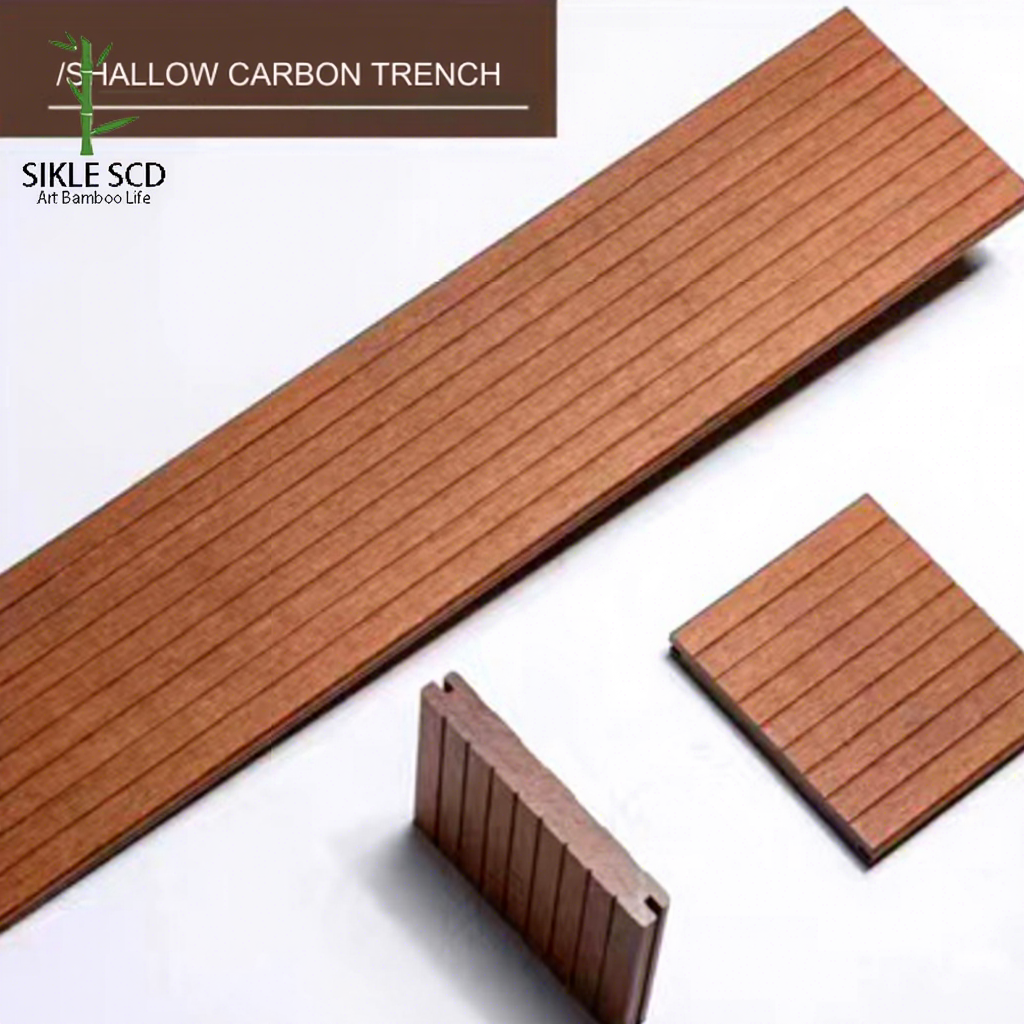
SIKLE SCD Bamboo Decking Solid Bamboo Shallow Deep Carbon 13 Coating Finish Hotel Use 5+ Year Warranty E1 Formaldehyde Standard
Hotel and courtyard decking for Bologna hospitality refurbishment: solid bamboo, shallow/deep carbon, 13-coat finish, E1 formaldehyde standard and 5+ year warranty.
View product →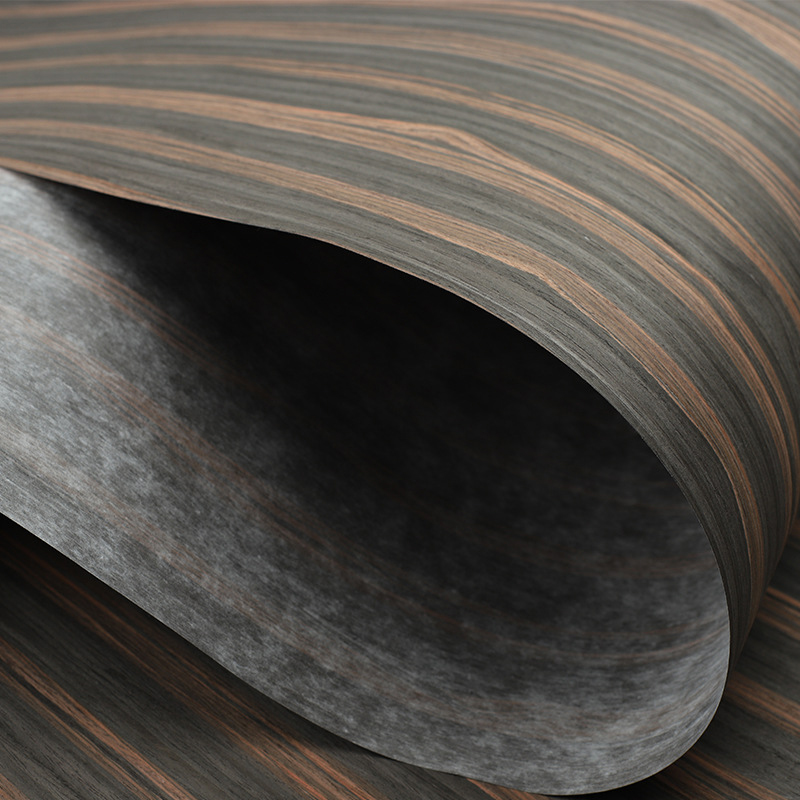
All Kinds Engineered Wood Veneer 640mm * 2500mm Size
For joinery, reception areas, retail fit-out and restoration-sensitive interiors where grain continuity, fast installation and consistent supply matter.
View product →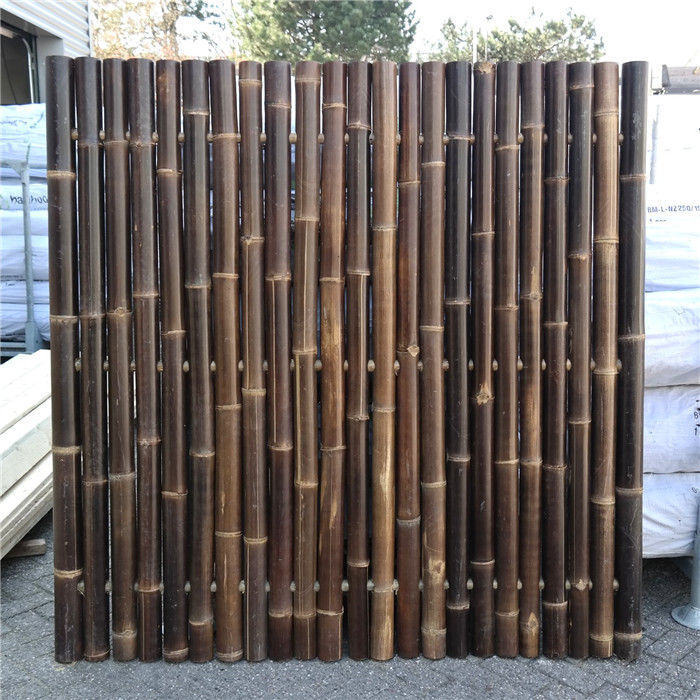
High 2m Bamboo Fence Screening
A fast visual and privacy buffer for site separation, roof terraces, gardens and hospitality courtyards in dense Bologna residential districts.
View product →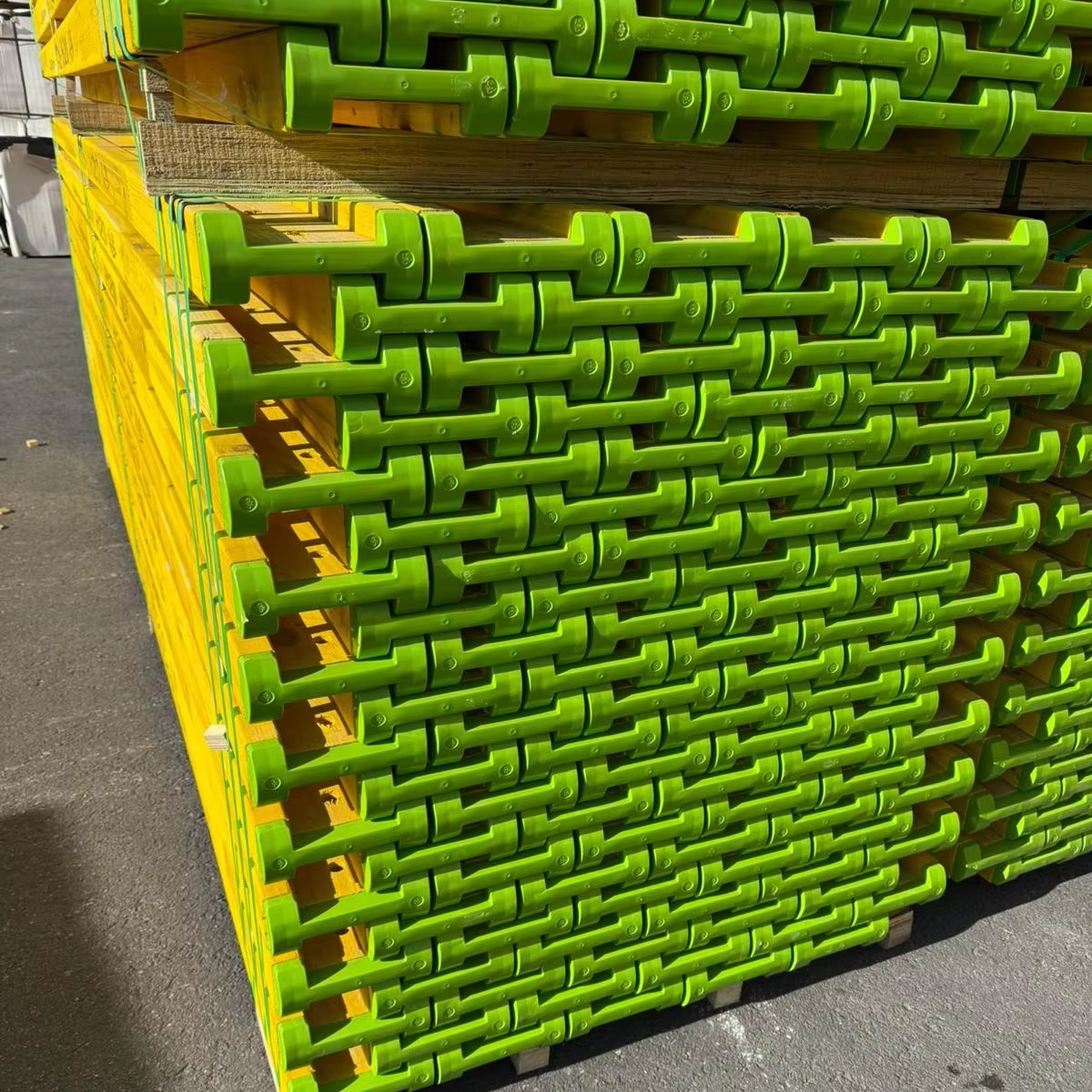
H20 Beam with Plastic Ends Yellow Waterproofing Painting Spruce Flange PINE Plywood Web
Recommended for slab and wall formwork alignment with 3-ply yellow panels; yellow waterproof painting and plastic ends support site handling and repeat use.
View product →
Singer 20mm Engineered Stranded Bamboo Deck Tiles Float Installation UV/Waterproof Coating 5+ Year Warranty Exterior Wall
Float-installed deck tiles for Bologna roof terraces, balconies and pool-side refurbishment; UV/waterproof coating and 5+ year warranty.
View product →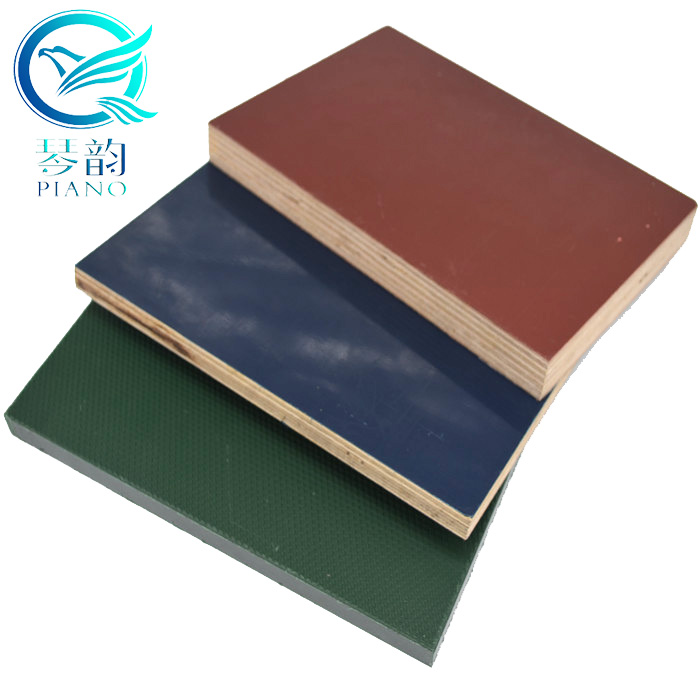
Green Color Anti-skip PP Coated Birch Plywood Sheets 6-35mm Thickness First-Class Grade MUF Glue CE Certified Double-Sided
For temporary platforms, walkways, transport floors and safer site access; 6–35 mm, MUF glue, CE certified and double-sided PP coating.
View product →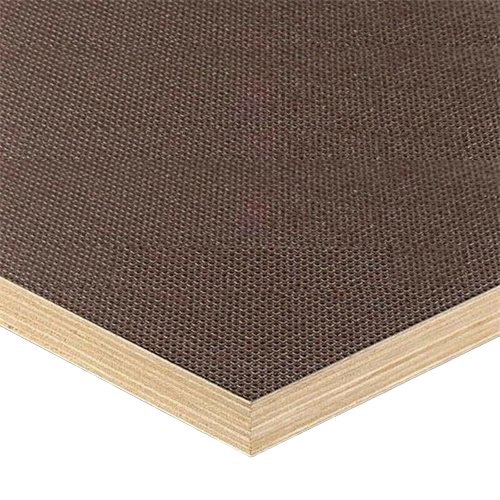
Treezo Linyi Hexa/WireMesh Anti/non-slip Artificial Veneer Pine Veneer Double-Sided Decoration Basswood E1 Water Plywood
Hexa/wire-mesh textured veneer over basswood E1 water plywood for stairs, ramps, shop floors and public-area fit-out with anti-slip character.
View product →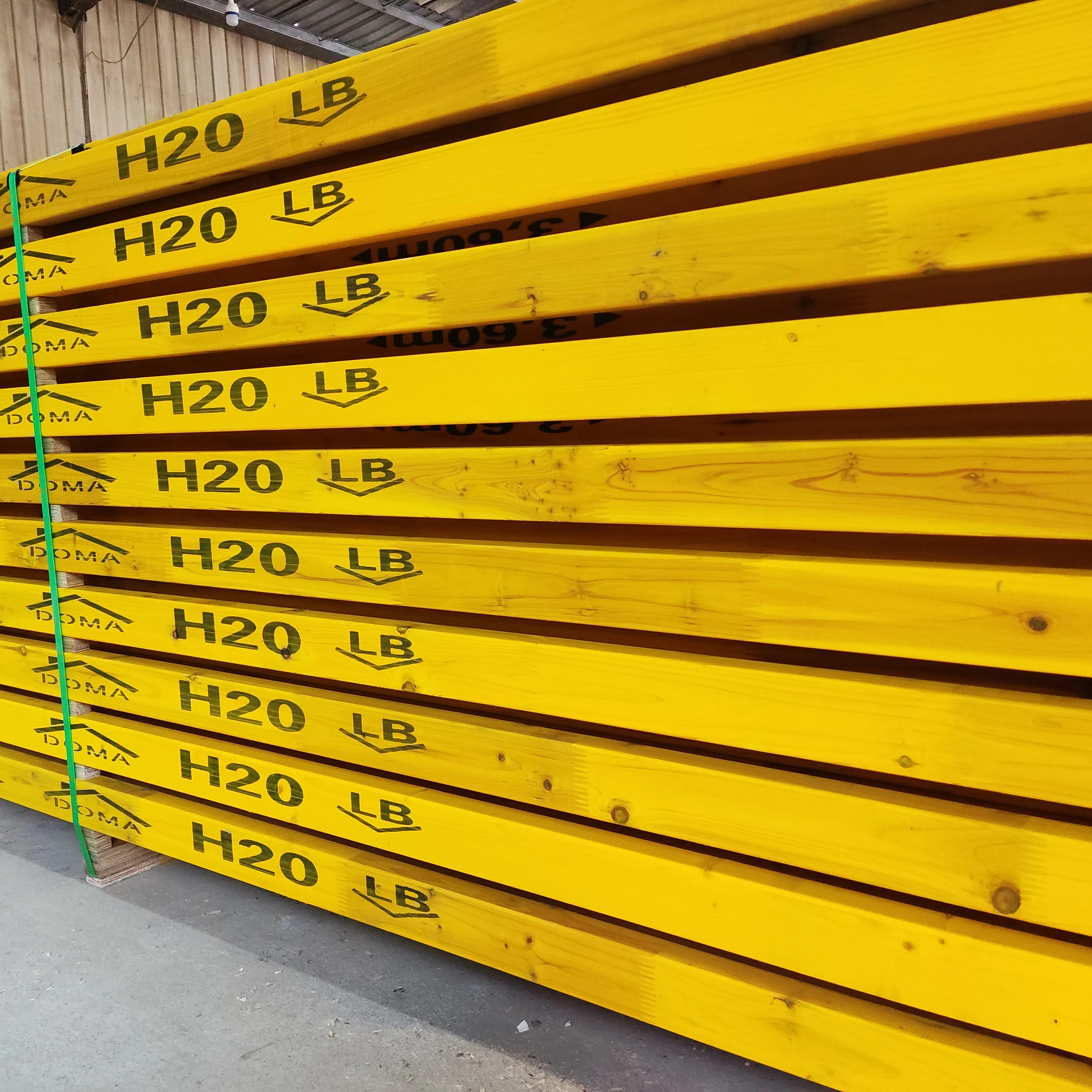
EN 13377 H20 Beam Red Plastic Cap Construction Formwork H16 H30 200x80x40x27mm E0 EN 13353 H20 Beam Formwork
For contractors harmonising slab formwork with existing panel systems; red plastic cap, 200×80×40×27 mm profile and E0 references for project documentation.
View product →Need a panel size, film colour or packing configuration that is not listed? Contact Us
Years export experience
Trading wood panels and formwork since 2008.
Monthly capacity
From the affiliated mill’s plywood output.
Complete production lines
Peeling, pressing, calibrating and sanding in-house.
Continents served
Europe, the Americas, the Middle East, Africa and Asia.
Why Bologna Buyers Are Re-Evaluating 3 Ply Yellow Shuttering Panels
Bologna is a composite construction market. The historic centre demands careful tolerances, clean concrete faces and minimal staining around restoration-sensitive façades; the university, healthcare and student-housing corridors demand repeatable cycles and dependable delivery; and the industrial belt around Interporto Bologna rewards suppliers who can combine formwork panels with H20 beams, anti-slip plywood and protective packaging in one container. A 3-ply yellow shuttering panel is therefore not a commodity purchase measured only by the price per sheet. It is a repeat-use component in a system that includes panel ties, walers, H20 secondary beams, release agents and site handling. For Bologna buyers, the strongest specification is the one that lowers total cost per verified pour while protecting the finish quality expected by Italian project supervisors.
At product level, a 3-ply yellow shuttering panel is typically configured in 21 mm or 27 mm thicknesses and 500 × 2000 mm or 500 × 3000 mm formats, with spruce, fir, pine or poplar cores and a yellow melamine or phenolic film. The yellow coating helps release, edge sealing limits moisture ingress, and the three-ply build contributes to dimensional stability under repeated stripping and re-erection. Bologna specifiers should ask for the glue type (melamine versus phenolic WBP), formaldehyde class (E1/E0 where required), bond test evidence to EN 314-2, dimensional tolerance records and clear loading photographs. Where structural plywood is also specified, EN 636 and CE marking under EN 13986 are useful reference points. The aim is not to buy the thickest panel, but to match thickness, film, core and edge treatment to the pour sequence, climate and stripping method.
Local logistics shape the commercial equation. Bologna sits on the A1 and A14 corridors and close to Interporto Bologna, with Ravenna, La Spezia and Genoa as practical maritime gateways for Italian importers. Some buyers also consolidate through northern European ports and rail. That means a supplier’s value is not only the mill price; it is the ability to build a stable mixed container, present a loading plan that protects edges, provide documents before arrival, and support the distributor or contractor with repeatable specifications. For a Bologna distributor, “3 ply yellow shuttering panel supplier Italy” should mean a partner who can hold a specification across multiple shipments, not a one-off quotation that changes thickness or film between lots.
Use a total-cost-per-pour model before comparing quotations: (panel price + freight + duty + handling + repair + replacement) ÷ verified reuse cycles. A 27 mm phenolic-bonded panel with sealed edges may reduce replacement frequency on high-cycle wall forms; a 21 mm panel may be more efficient for column and table forms where weight and handling dominate.
Bologna evaluation checklist
- Application: wall, column, slab, table, foundation or architectural finish.
- Cycle target: one-off, 5–10 pours, or high-reuse programme.
- Surface: yellow melamine, phenolic, anti-slip or decorative veneer.
- Compliance file: CE-related documents, EN 314-2 bond data, E1/E0, FSC where requested.
- Logistics: mixed container, edge protection, delivery to Bologna or Interporto.
- Commercial: Incoterm, payment terms and spare-panel allowance.
Indicative evaluation weighting for Bologna procurement; not a product test result.
Where 3 Ply Yellow Shuttering Panels Work in Bologna
The best specification changes with site context. These six scenarios reflect the buying patterns of contractors, distributors and fit-out specialists supplying Bologna and Emilia-Romagna.
Historic centre restoration and infill
Projects near Piazza Maggiore and the porticoes often require small, controlled pours, clean release and minimal site disruption. A 21 mm yellow shuttering panel with sealed edges can suit column and wall infill, while H20 beams help maintain alignment in tight courtyards. Ask for batch-consistent film colour and protected edges to avoid staining and rework.
Residential regeneration and student housing
Rapid wall and slab cycles reward 27 mm panels, phenolic bonding and a repeatable panel-to-beam interface. For Bologna’s student-housing pipeline, the priority is cycle speed and replacement predictability: a verified panel count, stripping plan and spare-panel allowance matter more than headline price.
Seismic retrofit and civil works
Retrofit and infrastructure packages often combine irregular geometry, higher concrete pressures and confined sites. Use calibrated panels, compatible ties and H20 beams, and request loading plans that account for edge protection and site storage. Yellow film helps inspection and release in wet weather.
Healthcare, university and public buildings
Public-sector teams increasingly ask for E1/E0 formaldehyde options, FSC-certified material where available, CE-related documentation and consistent surface quality. A low-emission yellow formwork panel plus anti-slip plywood for temporary access can simplify the compliance file.
Hospitality, retail and roof terraces
Bologna’s hotel and food-retail refurbishments often use concrete structure above or behind visible finishes. Pair formwork panels with bamboo deck tiles, fence screening and engineered veneer to deliver a coordinated exterior/interior package from one supplier, reducing site coordination risk.
Logistics and industrial floors
Warehouse and logistics projects around Interporto Bologna need robust formwork, impact-resistant access surfaces and predictable pallet loading. Combine H20 beams, 27 mm shuttering panels and anti-slip birch plywood for temporary platforms, ramps and protection boards.
Technical Selection Guide for Bologna Formwork Packages
Use this matrix to align the panel specification with the pour sequence, documentation requirements and delivery plan. Final selection should always be confirmed against the formwork system, concrete pressure and site stripping method.
| Requirement | Bologna fit | Recommended option | Evidence to request |
|---|---|---|---|
| Panel format | 500 × 2000 / 3000 mm; cut-to-size on request | 27 mm for wall/slab; 21 mm for column/table | Compatibility drawing with existing formwork and cutting plan. |
| Core | Spruce, fir, pine or poplar | Spruce/poplar for stable weight and clean finish | Core photos, density range and batch consistency record. |
| Surface | Yellow melamine or phenolic film | Phenolic for high reuse; melamine for cost-controlled cycles | Film type, release performance and edge-sealing detail. |
| Bond and emissions | Phenolic WBP or melamine; E1/E0 options | E1/E0 where public projects require | EN 314-2 bond evidence, CE DoP and formaldehyde declaration. |
| Reuse | Sealed edges, calibrated thickness, H20 alignment | 27 mm phenolic for repeat pours | Cycle log, QC records and pre-shipment photographs. |
| Delivery | Lianyungang/Qingdao; CFR/CIF to Italian ports | Mixed container with H20, anti-slip and decking | Loading plan, Incoterm and arrival document checklist. |
Bologna recommendation
Match the panel to the pour cycle rather than to a generic “best seller” label.
- High-cycle wall and slab forms: 27 mm, phenolic WBP, sealed edge and yellow film.
- Column and table forms in tight courtyards: 21 mm with controlled weight and clean release.
- First mixed container: combine panels with H20 beams, anti-slip plywood and edge protection.
- Public projects: request E1/E0 and FSC-certified material where available, plus CE-related documents before order.
Bologna Procurement Trends Shaping 2026 Specifications
The buying conversation in Emilia-Romagna is moving from “panel price” to “verified system value”. These four signals are shaping enquiries for 3 ply yellow shuttering panel suppliers.
Document-level compliance
Purchasing teams are moving from generic “CE certified” statements to document-level checks: which standard, which bond test, which declaration. A supplier who can match the spec sheet to the delivery batch has a clear advantage.
Low-formaldehyde sourcing
E1 is now a baseline conversation in many Italian fit-out packages; E0 and FSC-certified material are requested where policy or client sustainability goals require them. Clarify early whether the certificate is for the mill, the product or a specific batch.
Reuse economics
Contractors are comparing panels by verified cycles, edge repair and stripping time, not only purchase price. The 27 mm phenolic panel often wins where forms are reused; 21 mm remains efficient where handling weight drives labour cost.
Mixed-container logic
Bologna distributors increasingly want one container that mixes formwork panels, H20 beams, anti-slip plywood and finish materials. The supplier’s loading plan, edge protection and document pack become part of the service, not an afterthought.
Why Dorni Is a Manufacturer-Backed Supplier for Bologna Buyers
Shanghai Dorni International Trading Co., Ltd. combines an export team in Shanghai with an affiliated mill in Dangshan County, Anhui Province. For Bologna buyers, that structure supports specification continuity from quotation to container loading.
18+ years export experience
Founded in 2008, Dorni has exported plywood, formwork and bamboo building materials to importers on five continents. That experience shows up in practical details: clear Incoterms, loading plans and documents prepared before the vessel cuts.
Affiliated mill capacity
The affiliated mill runs three complete production lines and reports 6,000 m³ monthly capacity, with peeling, pressing, calibrating, sanding and container loading under one quality system. This supports repeat orders and mixed specifications.
Certification and assessment
ISO 9001 management, production controlled to CE requirements (CE No. 1301-CPD-0569), FSC-certified material available and an on-site SGS Group assessment. Buyers can request the documentation package before placing a deposit.
Raw-material and finished-goods QC
A dedicated QC team inspects raw materials on-site and checks finished goods before loading. Pre-shipment photos are available, and third-party inspection is welcome. For Bologna buyers, this reduces the risk of film colour variation, edge damage and thickness drift.
Customisation and private label
Sample-based, design-based and full customisation are available: panel size, thickness, film, edge-seal colour, logo printing, bundle packaging and grading to BSI, IHPA, JPIS, GB or customer standards.
Export logistics and Incoterms
Goods are usually loaded at Lianyungang or Qingdao. Dorni accepts FOB, CFR, CIF, EXW, FAS and CIP, and can prepare mixed containers combining panels, H20 beams, anti-slip plywood and bamboo decking. Main markets include Europe, the Americas, the Middle East, North Africa and Asia.
From Bologna Brief to Loaded Container
A clear brief shortens the path from specification to shipment. The workflow below keeps technical, quality and logistics decisions aligned.
Share the brief
Application, panel size, thickness, cycle target, formaldehyde class, destination and target arrival date.
Technical proposal
Recommended panel and beam combination, MOQ, loading plan, Incoterm and documentation list.
Production and QC
Raw-material check, pressing and calibration, edge sealing, film inspection and pre-shipment photos.
Shipment and handover
Container loading, document set for Italy, shipping from Lianyungang or Qingdao and arrival coordination.
Questions Bologna Importers Ask Before Ordering
These answers reflect the practical questions raised by contractors, distributors and fit-out buyers preparing formwork and finishing packages for the Bologna market.
What is the minimum order quantity for 3 ply yellow shuttering panels to Bologna?
3-ply shuttering panels typically start from 7–50 m³ depending on the specification, size and coating. Standard film faced and construction plywood usually starts from 50 m³, roughly two 40HQ containers. Bamboo decking may start from 100 m². Mixed-product containers can be discussed for trial orders, especially where panels are combined with H20 beams, anti-slip plywood or decking.
Which documents should a Bologna buyer request for compliance?
Ask for the product specification sheet, CE-related declaration or document package, EN 314-2 bond test evidence where applicable, formaldehyde class (E1/E0), FSC certificate details where requested, and a pre-shipment inspection record. For public or healthcare projects, confirm early whether the documents must name the product, the mill or a specific batch.
Should we choose 21 mm or 27 mm yellow shuttering panels?
21 mm panels are often preferred for column, table and lighter wall forms where handling weight matters. 27 mm panels are usually considered for high-cycle wall and slab forms where stiffness and repeat use dominate. The final choice should be checked against concrete pressure, tie spacing, H20 beam layout and the stripping method used by the site team.
How are panels shipped to Bologna and which Incoterms are accepted?
Goods are usually loaded at Lianyungang or Qingdao. Bologna importers often route containers through Ravenna, La Spezia or Genoa, or consolidate via northern European ports and rail. Dorni accepts FOB, CFR, CIF, EXW, FAS and CIP. Import clearance, local haulage and any Italian duties are normally handled by the buyer or the nominated forwarder unless agreed otherwise.
Can you supply a mixed container with private-label packaging?
Yes. We can discuss mixed containers combining 3-ply panels, H20 beams, anti-slip birch plywood, engineered veneer and bamboo decking. Customisation includes logo printing on film, edge-seal colour, bundle packaging, size and thickness, and grading to BSI, IHPA, JPIS, GB or customer standards. MOQ varies by product and specification.
How can we verify quality before the container leaves China?
The mill operates under ISO 9001 and reports on-site SGS Group assessment. QC covers raw materials and finished goods before loading, and pre-shipment photos can be provided. Third-party inspection is welcome. For repeat Bologna orders, keep a signed golden sample and a fixed specification sheet so that film colour, thickness, edge treatment and packing remain consistent between lots.
Request a Bologna-Specific Formwork Proposal
Send drawings, panel sizes, cycle target, delivery city and required documents. Our team will return a specification proposal with 3-ply yellow panel options, H20 beam compatibility, mixed-container loading and a clear Incoterm.
- 21 mm / 27 mm yellow shuttering panel options
- H20 beam and formwork accessory fit check
- E1/E0, CE-related and FSC document review
- Mixed-container loading for Bologna
Share your project brief
Fastest route: tell us the project type, monthly volume, target port and whether the panels will be used for wall, column or slab forms.
Contact UsWe will confirm panel format, MOQ, loading plan and document checklist for your Bologna enquiry.