Eight Verified Product Families for Scaffold, Formwork and Site Protection
Buyers searching for a top trusted LVL scaffold planks supplier usually compare more than one wood-panel family. The range below supports scaffold decking, H20 beam systems, concrete formwork, marine applications, moisture-resistant fit-out and outdoor screening. Product URLs are preserved so technical teams can review full specifications directly.
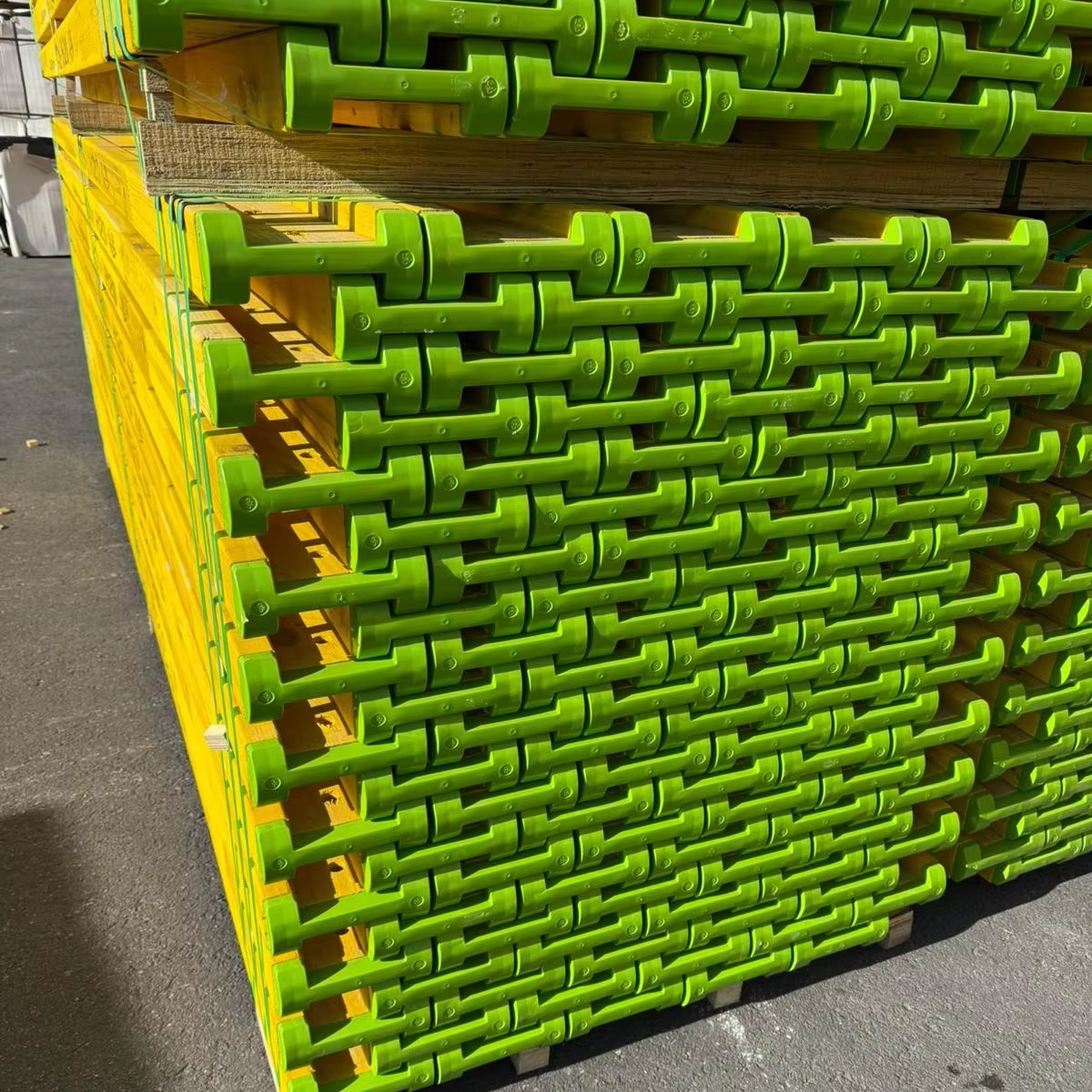
H20 Beam with Plastic Ends Yellow Waterproofing Painting Spruce Flange PINE Plywood Web
Sealed plastic ends help resist water ingress during repeated slab and beam formwork cycles.
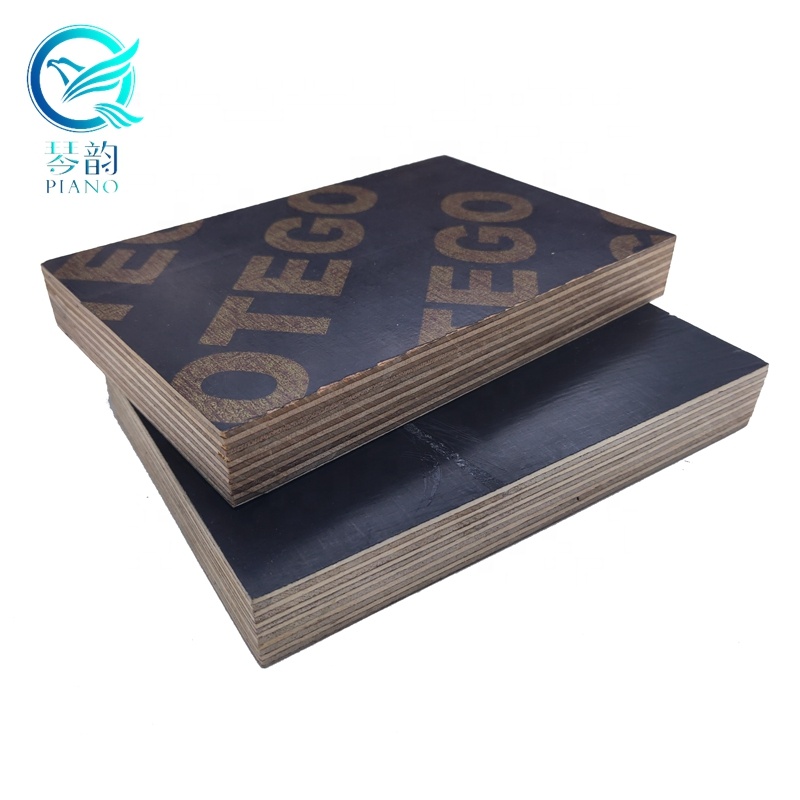
BS1088 CE ISO9001 Certified 1220x2440mm 18/25/28mm 0.5mm E0 Certified Eucalyptus Hardwood Core Phenolic Face for for
Phenolic-faced eucalyptus hardwood core panel for demanding wet, structural and repeated-use applications.
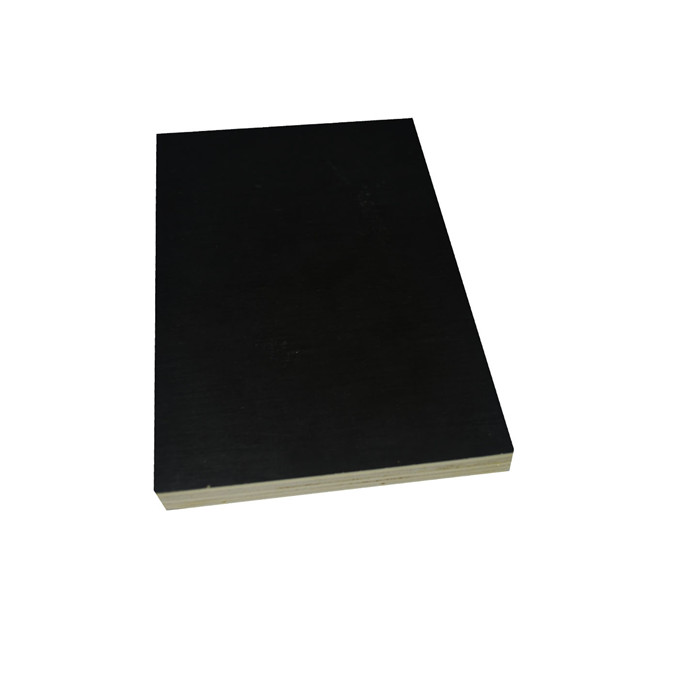
21mm Poplar Chinese Construction Siganal Film Faced Plywood for Formwork
A practical 21 mm poplar construction panel for concrete formwork and general shuttering.
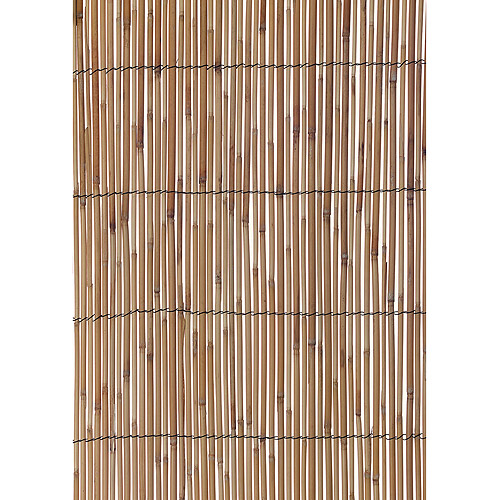
14-16mm High Quality Modern Bamboo Fence with Wood Frame-Eco-Friendly Waterproof Rot & Rodent Proof
Weather-resistant garden screening with a wood frame for landscaping, privacy and hospitality projects.
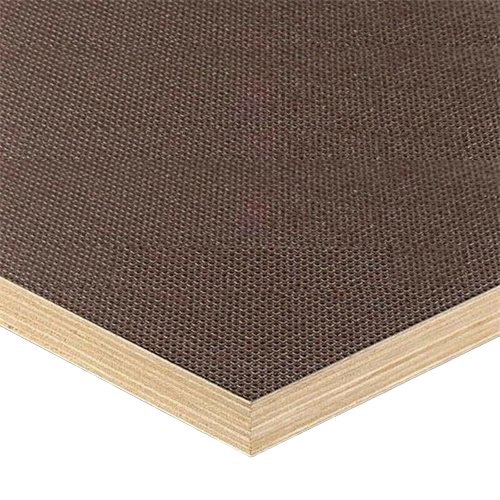
Treezo Linyi Hexa/WireMesh Anti/non-slip Artificial Veneer Pine Veneer Double-Sided Decoration Basswood E1 Water Plywood
Double-sided decorative veneer panel for anti-slip surfaces and E1 water-resistant interior applications.

High Quality H20 Beam with Plastic Ends for Construction Phenolic WBP Glue
Phenolic WBP glued H20 beam with plastic ends for construction formwork systems and secondary girders.
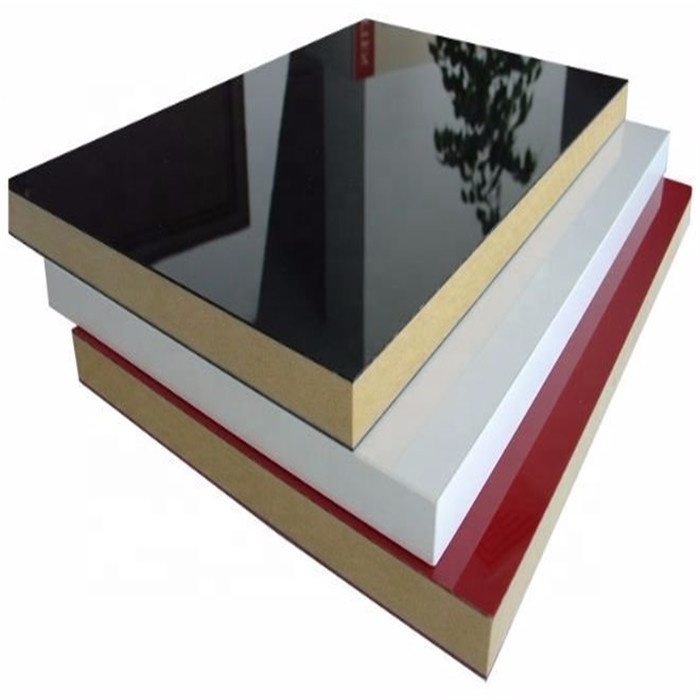
15mm White Painted E1 MDF Board Moisture Resistant Wood Fiber Panel First Class Grade CE CARB Certified Exterior Decoration
Moisture-resistant white-painted E1 MDF for exterior decoration, fit-out and protected façade details.
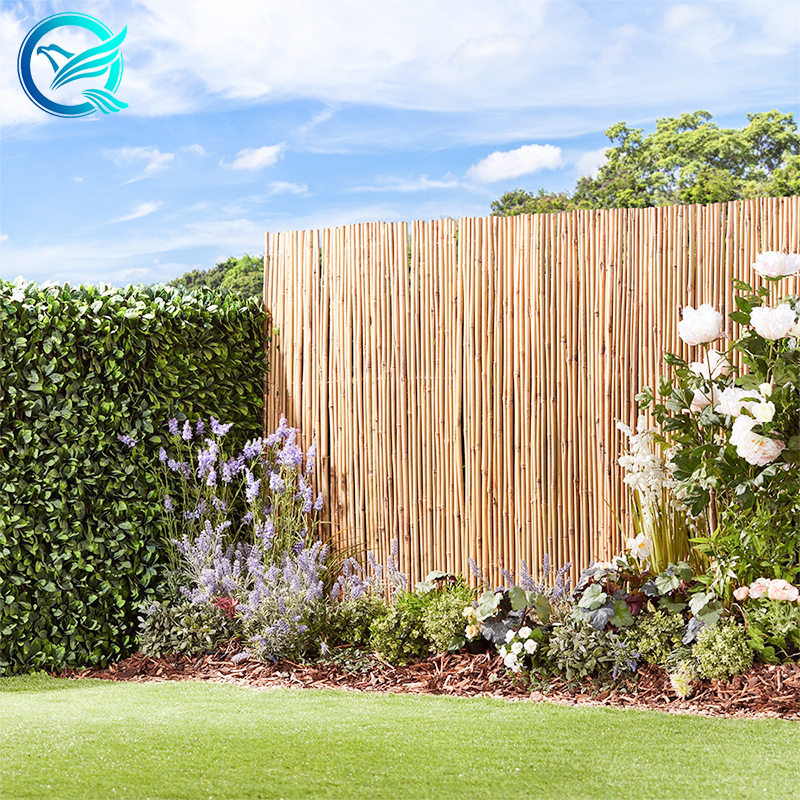
Wooden Garden Fence/bamboo Screen
Wood-framed bamboo screen for landscaping, privacy and projects requiring natural visual screening.
Export Capability That Supports Trusted LVL Scaffold Plank Procurement
Trusted supply is not a slogan. It is the ability to repeat a locked specification, document the production process and load the right mix of products on time.
Years in the Industry
Founded in 2008, exporting wood panels and formwork materials across global markets.
Monthly Capacity
Plywood output from the affiliated mill, supported by three complete production lines.
Complete Production Lines
Peeling, drying, pressing, calibrating, sanding and loading handled through a documented flow.
Thickness Range
MR, E2, E1, E0, melamine and phenolic WBP glue options for different project risks.
What Top Trusted LVL Scaffold Planks Supplier & Suppliers Must Prove
Procurement teams searching for a top trusted LVL scaffold planks supplier are usually trying to reduce three risks: inconsistent plank stiffness, hidden glue or moisture weaknesses, and late documentation. A supplier that simply lists “high quality” is not enough. The credible question is whether the mill can lock a specification, repeat it batch after batch, and prove it before the container leaves China.
Shanghai Dorni International Trading Co., Ltd. supports this verification through an affiliated mill in Dangshan County, Anhui Province, three complete production lines and a monthly plywood capacity of approximately 6,000 m³. Production is managed to ISO 9001, controlled to CE requirements, with FSC-certified material available and an on-site supplier assessment completed by SGS Group. For buyers comparing LVL scaffold planks, H20 beams and film-faced plywood, these are practical signals of process control rather than marketing claims.
Information gain for buyers: a serious RFQ should ask for a locked bill of materials, not just a product name. Confirm veneer species, glue type, thickness tolerance, edge treatment, moisture target, packaging method and the inspection standard. When those variables are written into the order, a “trusted supplier” becomes a measurable supply partner.
- Glue type and emission grade: MR, melamine, phenolic WBP, E2, E1 or E0.
- Thickness and sheet-size tolerance checked before loading.
- Edge sealing, film quality and end protection for moisture exposure.
- ISO 9001, CE, FSC and SGS documentation available for review.
- Pre-shipment inspection photos and third-party inspection access.
- Container loading plan, mixed-product consolidation and port schedule.
2026 Procurement Trends for LVL Scaffold Planks and Formwork Materials
Buyer behaviour is shifting from lowest unit price toward documented performance, total cost of ownership and supply continuity.
Traceable Legal Wood
Importers increasingly request FSC chain-of-custody evidence, CE documentation and clear declarations for wood-based panels. A supplier that can organize these records early reduces customs and tender friction.
Total Cost of Ownership
Scaffold planks are judged by reuse cycles, moisture resistance, edge durability and handling loss. Buyers now compare purchase price against labour replacement cost and project downtime.
Specification Lock
Procurement teams want fewer substitutions. Locking glue type, core species, thickness and branding helps distributors protect repeat orders and avoid complaints from end users.
Digital Pre-Shipment Evidence
Inspection photos, packing records and loading reports are becoming routine buyer expectations, especially for mixed containers combining LVL, H20 beams, plywood and bamboo products.
Product Development Trends Shaping LVL Scaffold Planks and Formwork Panels
Material engineering is moving toward longer service life, tighter tolerances and system compatibility with existing formwork accessories.
Phenolic WBP and Engineered Glue Systems
Phenolic WBP bonding remains a preferred route for outdoor or repeated-use formwork. MR and melamine grades still serve cost-sensitive projects where fewer pours are expected.
Tighter Tolerances and Edge Sealing
Thickness consistency, square edges and sealed ends influence installation speed. These details matter for LVL scaffold planks, H20 beams and 3-ply shuttering panels alike.
System Integration
LVL/LVB planks are increasingly specified alongside H20 beams, plastic end caps and compatible accessories so contractors can assemble repeatable, safer formwork systems.
Surface Engineering and Weather Resistance
Film faces, anti-slip surfaces, edge paint and bamboo weather treatments help products retain performance in humid, coastal and outdoor environments.
Which Product Fits Your Application?
This comparison helps procurement and engineering teams align a product family with the job it must perform, rather than relying on a generic “scaffold plank” or “formwork plywood” description.
| Buyer Goal | Recommended Product | Specification to Confirm | Procurement Note |
|---|---|---|---|
| Scaffold decking and access | LVL/LVB scaffold planks | Poplar or pine core, phenolic or MR glue, thickness to order, end treatment | Agree on inspection criteria for stiffness consistency, moisture, edge damage and load-test protocol before order release. |
| Slab and beam formwork | H20 beam with plastic ends | Phenolic WBP glue, flange and web species, dimensional tolerance, plastic end caps | Specify the beam system and accessory compatibility so the H20 unit fits existing formwork hardware. |
| Concrete face finish | Film-faced plywood | Film colour and texture, core type, glue grade, 12/15/18/21 mm thickness | Match reuse cycles to glue selection; phenolic WBP suits more demanding outdoor use than melamine. |
| Wet or structural panels | BS1088 eucalyptus hardwood core marine plywood | BS1088, phenolic face, E0 grade, 18/25/28 mm sizes, bond quality | Request certification and batch traceability for marine, transport or humid-service applications. |
| Exterior decoration and fit-out | 15 mm white painted E1 MDF board | Moisture resistance, CE and CARB certification, surface finish | Use in protected exterior details; confirm coating compatibility and fixing method with the installer. |
| Garden and hospitality screening | Bamboo fence and wooden garden screen | Bamboo treatment, wood frame, panel size, rot and rodent resistance | Plan spare panels for site damage and confirm packaging suitable for landscaping contractors. |
Common sheet sizes include 1220×2440, 1250×2500, 1500×3000 and 915×1830 mm. Grading can target BSI, IHPA, JPIS, GB or a customer’s own standard.
Why Buyers Shortlist Shanghai Dorni as a Trusted Supplier
Dorni combines a Shanghai export team with mill-level production control, giving buyers a single point of contact from specification review through container loading.
Mill-Backed Export Team
Shanghai Dorni International Trading Co., Ltd. works with an affiliated mill in Dangshan County, Anhui Province. Three complete production lines and 6,000 m³ monthly capacity support repeat orders across plywood, LVL and formwork categories.
Certified Quality System
Production is managed under ISO 9001 and controlled to CE requirements, with CE No. 1301-CPD-0569 referenced in company materials. FSC-certified material is available, and the company has been on-site assessed by SGS Group.
Inspection Before Loading
A dedicated QC team inspects raw materials on site and checks finished goods before each shipment. Buyers can request pre-shipment photos and welcome third-party inspection for higher-risk orders.
Customization and Private Label
Sample-based, design-based and full customization are available, including logo printing on film, edge-sealing colour, bundle packaging and grading to BSI, IHPA, JPIS or GB standards.
Container Logistics and Trade Terms
Goods are usually loaded at Lianyungang or Qingdao port. The team accepts FOB, CFR, CIF, EXW, FAS and CIP terms, with payment options such as T/T, L/C, D/P and D/A subject to order review.
Global Market Experience
More than a decade of export experience covers North America, South America, Western and Eastern Europe, the Middle East, North Africa, Japan, South Korea and Southeast Asia. Mixed-product containers can be discussed for trial orders.
A Four-Step Purchasing Routine for Lower-Risk Orders
Use this sequence to turn supplier claims into documented decisions before the first container is confirmed.
Define the Load Case
Clarify whether the panel or plank is for scaffold access, slab formwork, wall formwork, marine use or decorative screening. Environment and reuse expectations drive the correct product family.
Lock the Bill of Materials
Record species, glue, thickness, size, edge treatment, film type, certification and packaging. Ask the supplier to quote against the same written specification so offers remain comparable.
Verify Evidence
Review ISO 9001, CE, FSC and SGS documents, then request inspection photos of raw materials, finished panels and packing. For higher-value orders, appoint a third-party inspector.
Plan Loading and Aftercare
Confirm port, Incoterm, container loading plan and spare quantity. Store panels flat, dry and protected from edge damage to preserve the performance achieved at production.
Frequently Asked Questions About LVL Scaffold Planks and Wood Panel Procurement
Practical answers for contractors, distributors and importers comparing suppliers.
What distinguishes LVL scaffold planks from ordinary plywood?
LVL/LVB scaffold planks use laminated veneer lumber construction to deliver more consistent engineering properties than general plywood. Buyers should still confirm core species, glue type, thickness tolerance and intended load case, then request inspection criteria before ordering.
Which glue type should I choose for outdoor or repeated use?
Phenolic WBP is the recommended choice when formwork or panels are reused outdoors across multiple pours. Melamine can be a cost-effective option for fewer reuse cycles, while MR and E1/E0 grades should be matched to interior, fit-out or regulatory requirements.
What certifications should a trusted supplier provide?
Ask for ISO 9001 quality management evidence, CE documentation for wood-based panels, FSC chain-of-custody records where certified wood is requested, and any third-party assessment such as SGS. These should match the exact product and order, not only a general company brochure.
What is the minimum order quantity, and can products be mixed?
Standard film-faced and construction plywood typically starts from 50 m³, while 3-ply shuttering panels can start from 7–50 m³ depending on specification and bamboo decking from 100 m². Mixed-product containers can be discussed for trial orders and distributor programmes.
Can you customize dimensions, film, edge sealing or branding?
Yes. Sample-based, design-based and full customization are available, including logo printing on film, edge-sealing colour, packaging design and grading to BSI, IHPA, JPIS or GB standards. Custom sizes should be confirmed against tooling and loading efficiency.
How is quality controlled before shipment?
The mill operates an ISO 9001 system, inspects raw materials on site and checks finished goods before loading. Goods can be shipped from Lianyungang or Qingdao under FOB, CFR, CIF, EXW, FAS or CIP terms, with pre-shipment photos and third-party inspection accepted.
Request a Specification Review Before Your Next Container
Share your LVL scaffold plank size, glue requirement, H20 beam quantity, plywood thickness, destination port and target use. The export team will prepare a technical proposal aligned with your project and inspection needs.