Top Trusted Hardwood Plywood Manufacturers & Wholesalers
Film-faced hardwood plywood, engineered formwork and bamboo exterior systems from a Shanghai export team backed by an affiliated mill with 6,000 m³ monthly capacity.
8 Product Lines From One Mill-Backed Supply Chain
These are eight export-ready products buyers compare when sourcing hardwood plywood, film-faced panels, engineered formwork and bamboo exterior systems. Each image is displayed in full proportion so procurement teams can review faces, edges and textures without distortion.
 Deck tiles
Singer 20mm Engineered Stranded Bamboo Deck Tiles Float Installation UV/Waterproof Coating 5+ Year Warranty Exterior Wall
Floating installation, UV/waterproof coating and a 5+ year warranty suit terraces, balconies and hotel landscape zones where fast dry installation matters.
Inspect specification ↗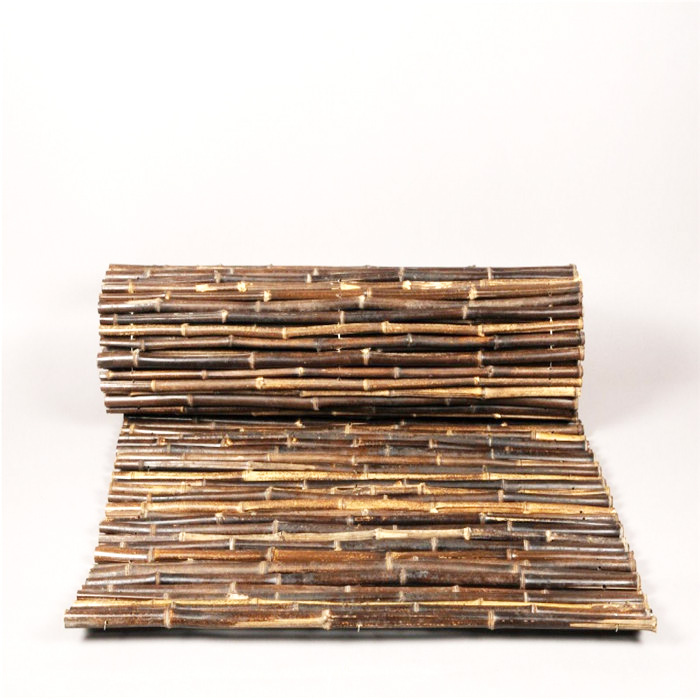 Garden screening
22-35mm High Straightness Bamboo Fence
High-straightness bamboo poles for privacy screens, resort borders and garden fencing. Specify diameter, height and tie style for container-efficient orders.
Inspect specification ↗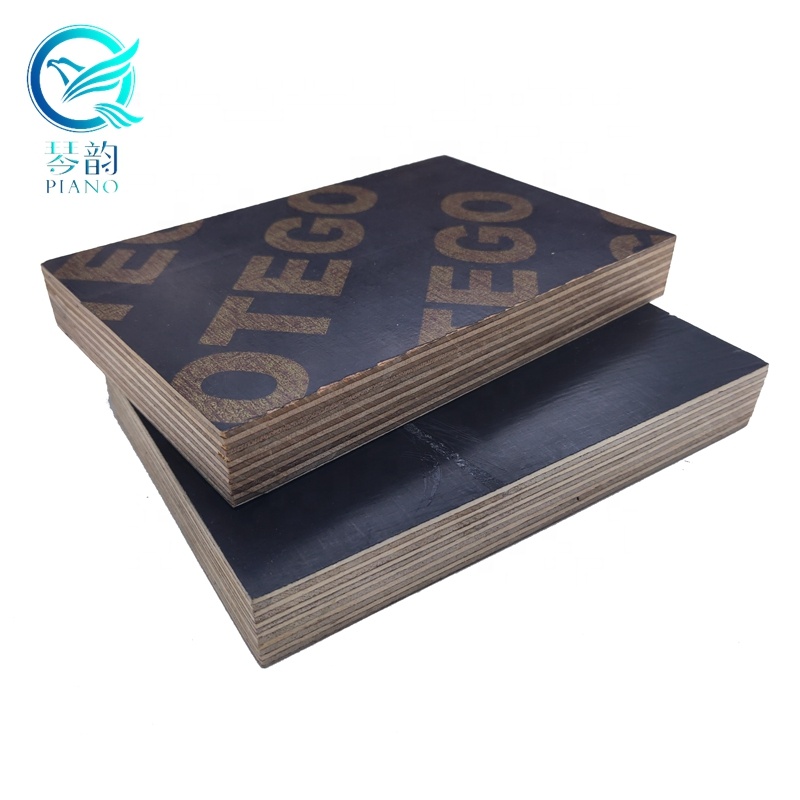 Hardwood core
BS1088 CE ISO9001 Certified 1220×2440mm 18/25/28mm E0 Eucalyptus Hardwood Core Phenolic Film Faced Plywood
A flagship hardwood-core panel for concrete formwork and demanding exterior use. E0 phenolic film face, 1220×2440 mm, with CE and ISO 9001 documentation.
Inspect specification ↗ Formwork beam
High Quality H20 Beam with Plastic Ends for Construction Phenolic WBP Glue
Engineered H20 timber beam for slab and wall formwork systems. Phenolic WBP glue and plastic end protection reduce damage during repeated site handling.
Inspect specification ↗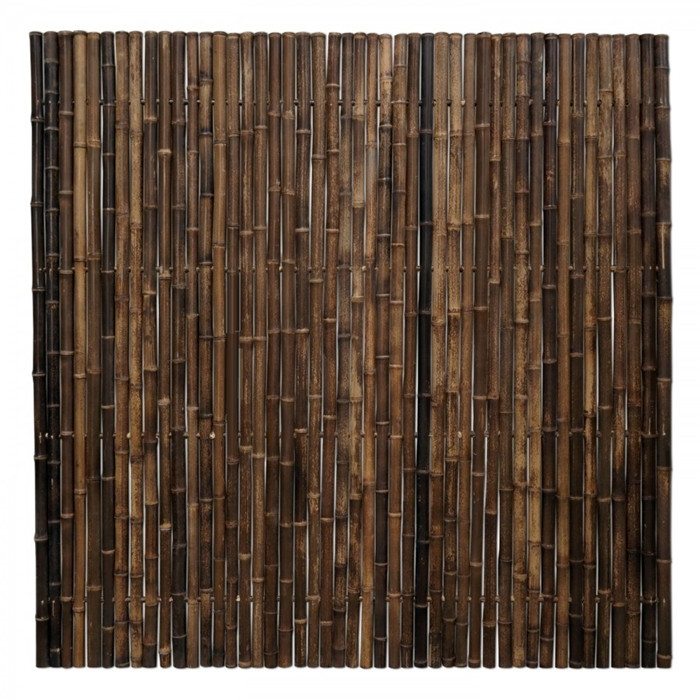 Privacy screen
High 2m Bamboo Fence for Garden Bamboo Fence for Yard
A 2 m bamboo fence for garden and yard privacy. Natural finish and fast visual screening; bundle packing and height tolerances are confirmed at quotation.
Inspect specification ↗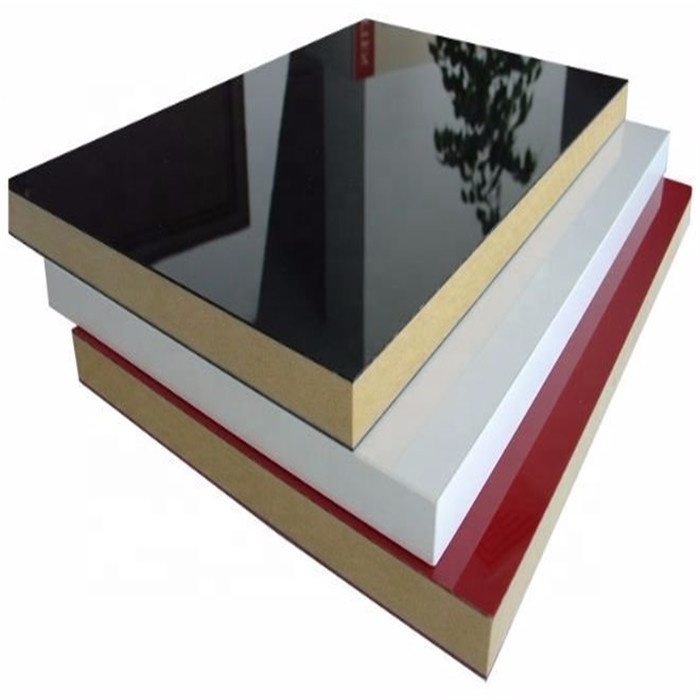 Moisture resistant
15mm White Painted E1 MDF Board Moisture Resistant Wood Fiber Panel First Class Grade CE CARB Certified Exterior Decoration
White-painted moisture-resistant MDF for protected exterior decoration and interior feature panels. E1 emission class with CE/CARB documentation.
Inspect specification ↗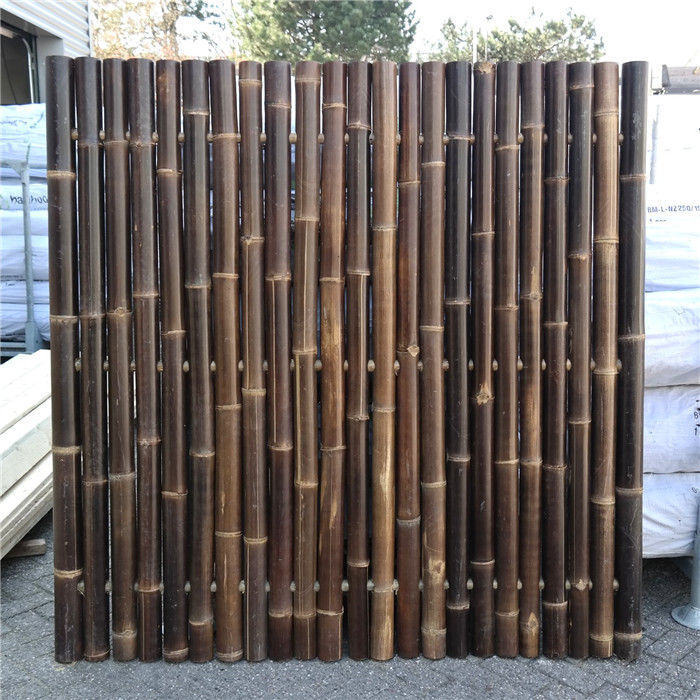 Natural screening
High 2m Bamboo Fence Screening
Dense 2 m screening for terraces, courtyards and hospitality partitions. A natural, fast-renewable alternative when privacy is the primary brief.
Inspect specification ↗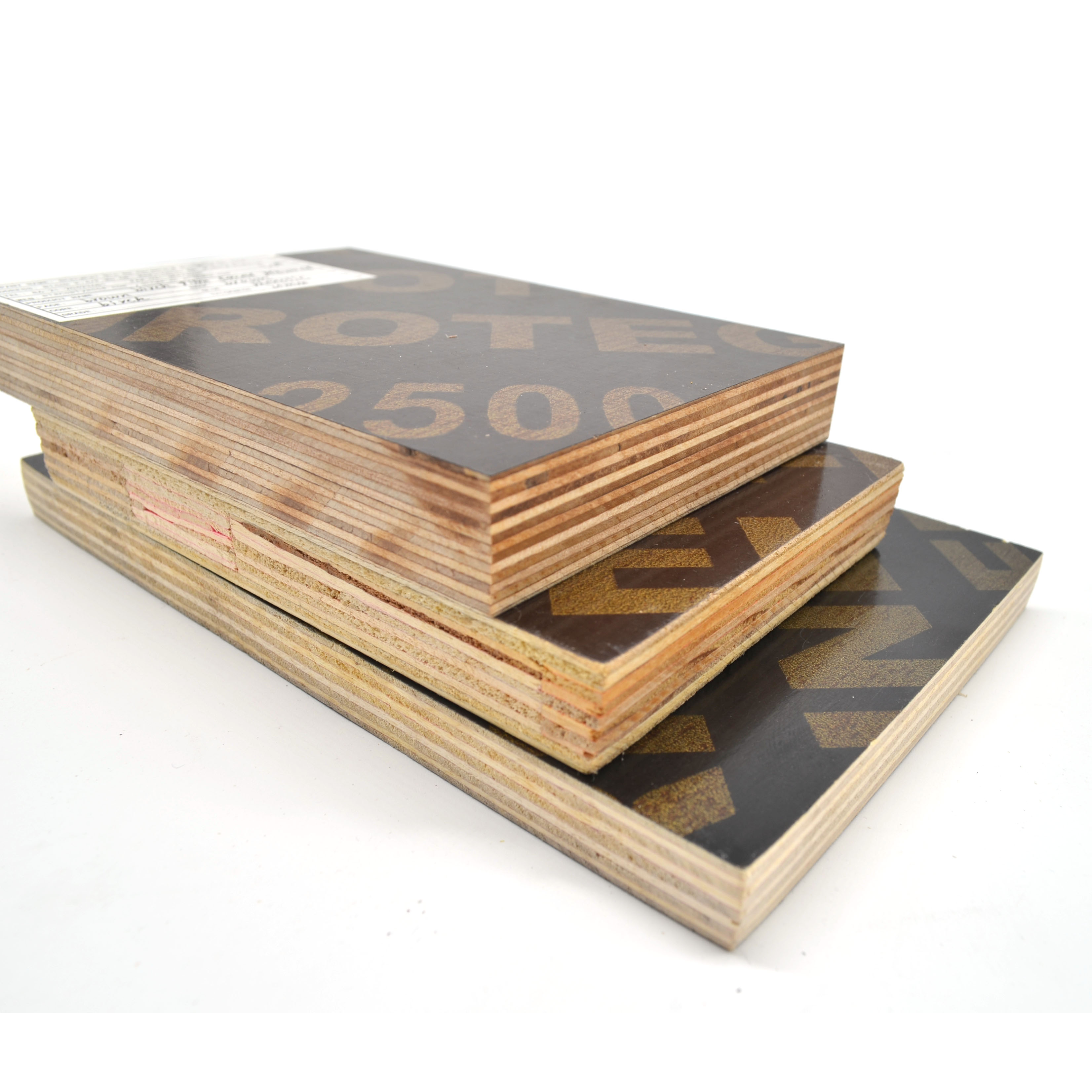 Red film
Phenolic Red Film Faced 18mm E0 First-Class Grade Poplar Plywood Strongplex CE Certified Outdoor Use
Red-film 18 mm poplar plywood for outdoor concrete forming and visible formwork where clean release and E0 grade are specified.
Inspect specification ↗Why Trusted Hardwood Plywood Manufacturers & Wholesalers Are Audited, Not Assumed
The phrase trusted supplier is not a certificate. For importers, it is the sum of controlled production, repeatable tolerances, verifiable documentation and a commercial team that can answer technical questions without transferring risk back to the buyer.
Mill control, export discipline and a documented quality baseline
Shanghai Dorni International Trading Co., Ltd. has exported wood panels since 2008. The affiliated mill operates three complete production lines — peeling, drying, glue lay-up, pressing, double-side calibration, three-head sanding, film overlay, edge sealing and container loading. That vertical visibility matters when a buyer needs consistent thickness, controlled moisture, clean edges and stable film adhesion across repeat orders.
Production is managed to ISO 9001 and controlled to CE requirements; FSC-certified material is available on request. The company has been assessed on-site by SGS Group. Grading can follow BSI, IHPA, JPIS, GB or a buyer-specific standard, and the export team supports sample-based, design-based and full customization, including logo printing, edge-seal colour, packaging and private-label programs.
- ISO 9001, CE and FSC documentation available
- Raw-material and finished-product inspection
- 6,000 m³ monthly plywood capacity
- ODM/OEM, logo and packaging customization
- Loading from Lianyungang or Qingdao
- Third-party inspection welcomed before shipment
Product Recommendations by Application
Do not choose a hardwood plywood only by thickness. The correct panel is the lowest total-cost specification that survives the required number of pours, the exposure period and the handling cycle. Use these four routes to shortlist from the eight products above.
Heavy-duty concrete formwork
Start with the BS1088 eucalyptus hardwood core marine plywood for dense cores and phenolic film. Compare it with 18 mm red-film phenolic poplar where a lighter face and E0 grade are the priority. Confirm film weight, edge sealing and expected reuse before fixing the order.
Review hardwood-core panelSlab and wall formwork systems
Pair film-faced panels with H20 timber beams for slab formwork. Plastic ends reduce handling damage, while phenolic WBP glue supports humid sites and repeated stripping. Confirm beam length, end type and load plan with the formwork supplier.
Check H20 beam specificationHospitality decks and landscape screening
Use float-installed bamboo deck tiles for roof terraces and pool surrounds, then specify 2–2.35 m bamboo fencing for privacy. Keep drainage, fixing method and UV exposure in the same RFQ; mixed loading can reduce freight per square metre.
Review deck tile systemMoisture-resistant decorative panels
For protected exterior decoration, specify 15 mm white-painted E1 MDF with moisture-resistant resin and CE/CARB documentation. Do not substitute it for structural plywood; it is a finishing panel, not a sheathing or formwork solution.
Review MDF boardHardwood Plywood Procurement Trends 2026–2030
Buying behaviour is shifting from lowest FOB price to documented total cost. The four changes below are showing up in RFQs, supplier audits and contract terms.
Documentation-led sourcing
RFQs increasingly request ISO 9001, CE declaration, FSC chain-of-custody, E0/E1 emission data and batch-level QC records. A supplier that cannot package these documents quickly becomes a schedule risk.
Cost per pour, not cost per sheet
Phenolic WBP and sealed edges may carry a higher unit price but reduce replacement, cleaning and site waste. Buyers now compare reuse cycles, film adhesion and thickness tolerance against the full project program.
Mixed containers and trial orders
Distributors prefer consolidated loads that combine film-faced plywood, H20 beams and bamboo decking. Standard MOQs remain 50 m³ for many plywood lines, with smaller starting points for selected 3-ply and bamboo items.
Responsible wood and low emission
FSC material, E0/E1 adhesives and due-diligence documentation are moving from a premium option to a bid requirement. For EU-bound wood products, prepare EUDR due-diligence data where applicable before the order is confirmed.
Quotation checklist signals from Dorni’s export team
Priority weighting used by our quotation desk when preparing a repeat-order proposal. It is a practical checklist, not a market forecast.
Product Development Trends: What the Next Specification Cycle Rewards
Product development in hardwood plywood is less about inventing a new panel than about reducing variability, extending service life and making installation faster.
High-reuse film-faced hardwood panels
Thicker phenolic film, tighter edge sealing and denser hardwood cores are being specified for projects that need more pours between replacements. The win is less handling damage and fewer site rejections.
Engineered formwork components
H20 beams, LVL and calibrated panels are being bought as systems rather than loose materials. Buyers want compatible dimensions, predictable stiffness and documented glue lines.
Bamboo as a fast-renewable exterior system
Strand-woven and carbonized bamboo decking, click tiles and fence panels are gaining traction in hospitality and landscape projects where warm aesthetics and rapid installation matter.
Specification-ready customization
Logo printing, private label, cut-to-size panels, custom edge colours and grading to BSI/IHPA/JPIS/GB reduce the buyer’s conversion work and protect brand consistency.
A 4-Step Vetting Protocol for Hardwood Plywood Wholesalers
Use this protocol before releasing a first container. It works for mill-direct suppliers and independent trading companies alike.
Write the specification
Define core species, glue type, film, thickness tolerance, sheet size, emission class, edge treatment, packaging and required reuse. A vague “18 mm film faced” leaves too much room for substitution.
Verify the document pack
Request ISO 9001 scope, CE declaration, FSC certificate or claim, formaldehyde emission report and bond test where relevant. Confirm the certificate holder and product scope match the quotation.
Inspect the first batch
Ask for pre-shipment photos of bundle labels, edges, film face, thickness checks and loading. For high-value orders, appoint a third-party inspector and retain samples from the approved batch.
Compare landed risk
Model freight, breakage allowance, moisture protection, port charges, lead time and reorder stability. A slightly higher FOB quote with fewer site replacements can be the cheaper decision.
FAQ: Sourcing Hardwood Plywood and Engineered Wood Products
Direct answers to the specification, certification, logistics and customization questions importers ask most often.
What is the minimum order quantity for hardwood plywood and related products?
Standard film-faced and construction plywood begins at 50 m³, roughly two 40HQ containers. Selected 3-ply shuttering panels can start from 7–50 m³ depending on specification, and bamboo decking from 100 m². Mixed-product containers can be discussed for trial orders.
Which glue and emission grades are available?
MR, melamine (ML), phenolic WBP, E2, E1 and E0 are available. For exterior formwork and repeated wet exposure, phenolic WBP is normally the safer specification; melamine can be cost-effective for projects with fewer pours.
What thickness, sheet size and core options can be produced?
Plywood thickness ranges from 2.2 mm to 30 mm. Common sizes include 1220×2440, 1250×2500, 1500×3000 and 915×1830 mm; 3-ply panels are typically 500×2000/3000 mm in 21 or 27 mm. Hardwood-core options include eucalyptus and birch; poplar, combi and finger-jointed cores are also available depending on the product line.
Which certifications should an importer verify?
Check ISO 9001, CE requirements for wood-based panels, FSC certification where responsible sourcing is claimed, and product test reports such as EN 314-2 bond quality where applicable. Dorni’s mill operates under ISO 9001, produces to CE requirements and can offer FSC material; the company has also been assessed on-site by SGS Group.
Can I inspect quality before the container is shipped?
Yes. The mill inspects raw materials and finished goods, and the export team can provide pre-shipment photos or arrange third-party inspection before loading. Bundle labels, edge sealing, thickness, film face and packaging should be checked against the approved sample.
Which ports, Incoterms and payment terms are used?
Goods are usually loaded at Lianyungang or Qingdao port. FOB, CFR, CIF, EXW, FAS and CIP terms are accepted. Payment methods can include T/T, L/C, D/P and D/A subject to commercial approval, and USD, EUR, GBP, JPY and other currencies can be discussed.
Can you produce custom specifications or private-label products?
Yes. Sample-based, design-based and full customization are available, including logo printing on film, edge-seal colour, bundle packaging, grading to BSI/IHPA/JPIS/GB standards and private-label programs for distributors.
How do I choose between hardwood-core plywood and poplar or combi core?
Match the core to the use case. Eucalyptus or birch hardwood cores are preferred where stiffness, density or repeated exterior exposure matter. Poplar and combi cores can be efficient for lighter formwork or interior applications when the glue class and film specification are correctly matched to the job.
Request a Specification Review and Landed-Cost Comparison
Send your core type, glue, thickness, sheet size, film or face requirement, emission grade, packaging, destination port and target reuse cycles. Our export team will confirm the suitable product line, loading plan and quotation route within 24 hours.
Email: info@dorniplywoods.com · Shanghai Dorni International Trading Co., Ltd.