Eight Products for Fire-Retardant, Formwork and Exterior Project Buyers
These are high-frequency export lines for wholesalers building a complete construction and outdoor materials catalogue. Where a project requires fire retardant plywood, the base panel, FR treatment, adhesive system, edge sealing and target test standard are confirmed at quotation before production.
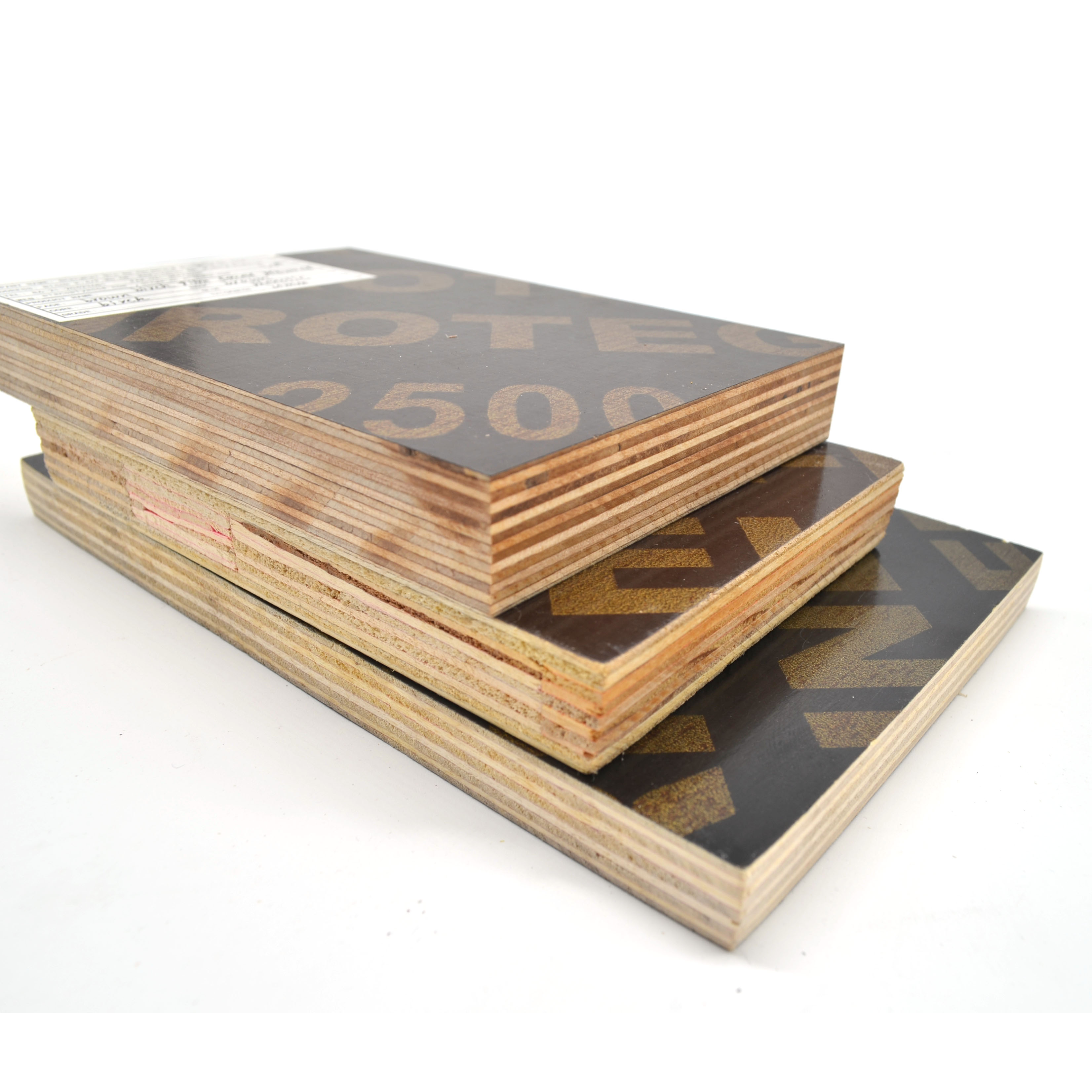
Phenolic Red Film Faced 18mm E0 First-Class Poplar Plywood
A red-film phenolic panel for repeat concrete work and buyers who need a clean face and strong edge performance. It is also a practical substrate for FR treatment when the target standard and batch verification method are declared in advance.
View product →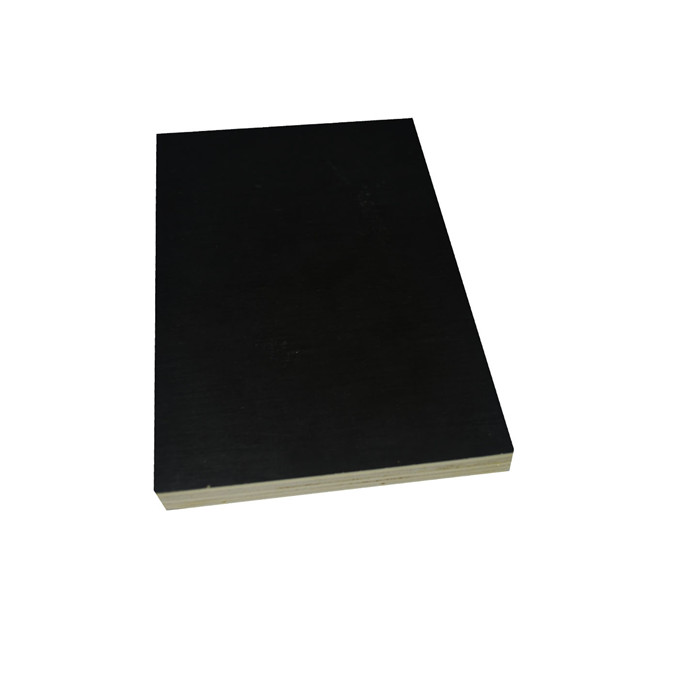
21mm Poplar Chinese Construction Signal Film Faced Plywood for Formwork
A heavy-duty shuttering panel for slab, wall and column systems. For FR projects, buyers should specify whether flame performance is required after cutting, because exposed edges and penetrations need compatible sealing.
View product →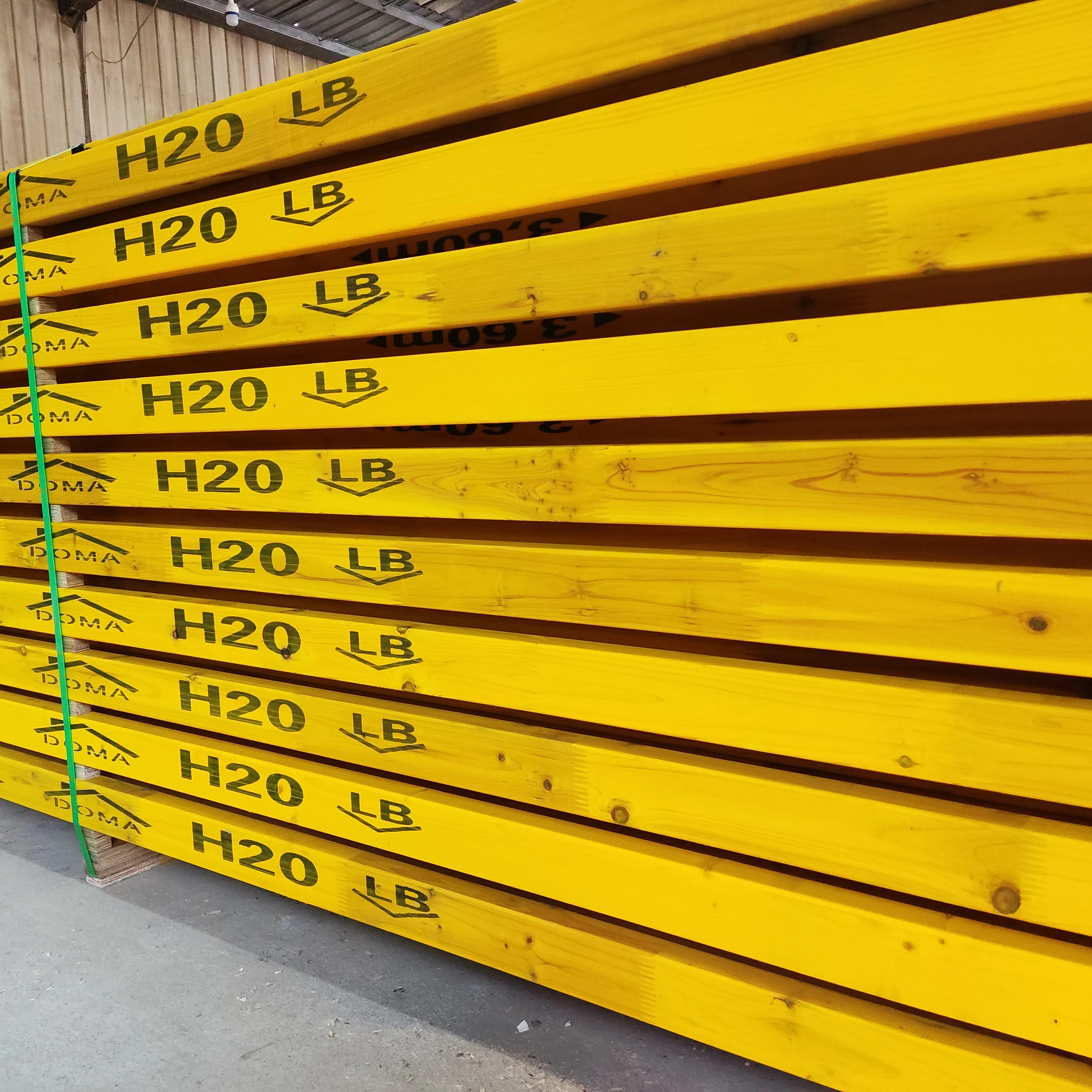
EN 13377 H20 Beam Red Plastic Cap Construction Formwork H16 H30
A formwork girder for slab support and secondary beams. The H20 profile and red plastic cap improve handling and end protection. Combine with film-faced panels for mixed-container efficiency.
View product →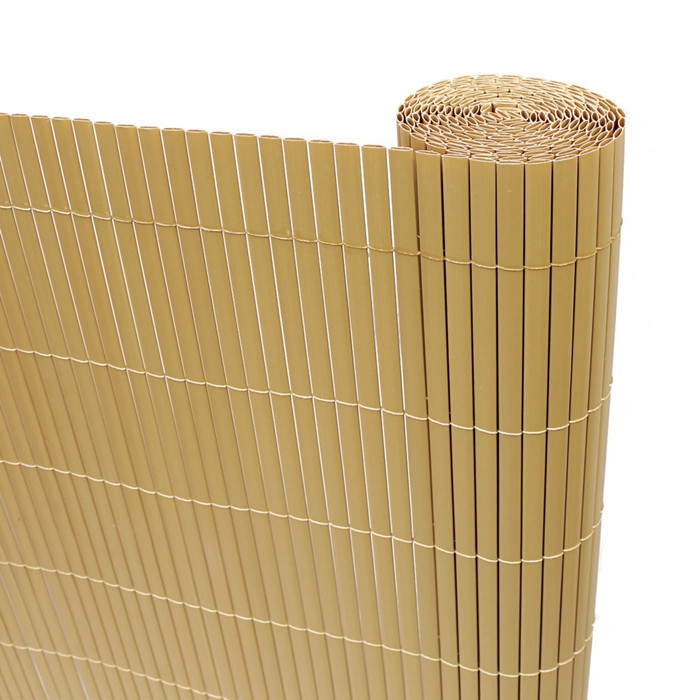
Nature Wood Frame Bamboo Fence Length 1m–12m High Straightness Rot Proof
A stable bamboo fence for livestock farms, gardens and landscape contracts. It helps importers serve hospitality, agriculture and residential clients alongside FR plywood and formwork orders.
View product →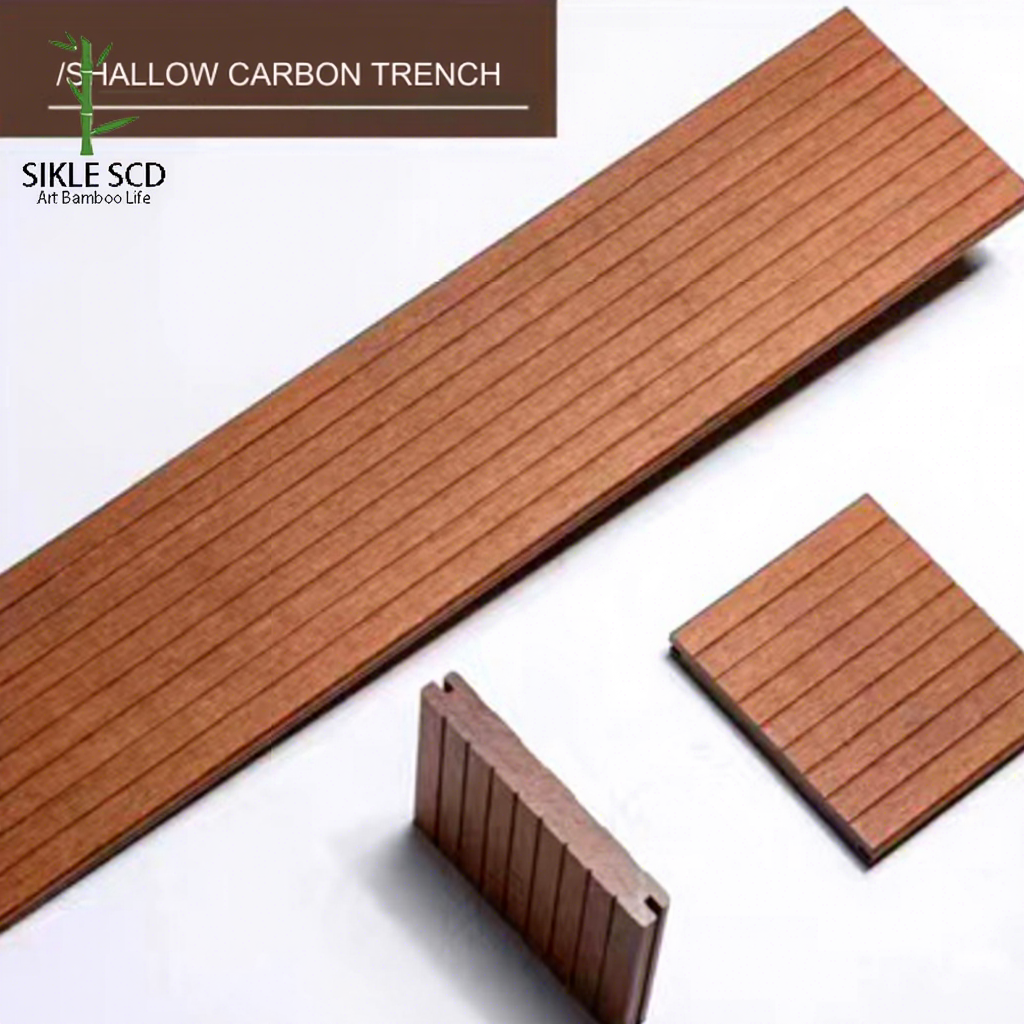
SIKLE SCD Bamboo Decking Solid Bamboo Shallow Deep Carbon 13 Coating Finish
Carbonized solid bamboo decking for hotel terraces, pool surrounds and leisure projects. A useful premium line for buyers who already supply fire-rated panels to commercial interiors and hospitality.
View product →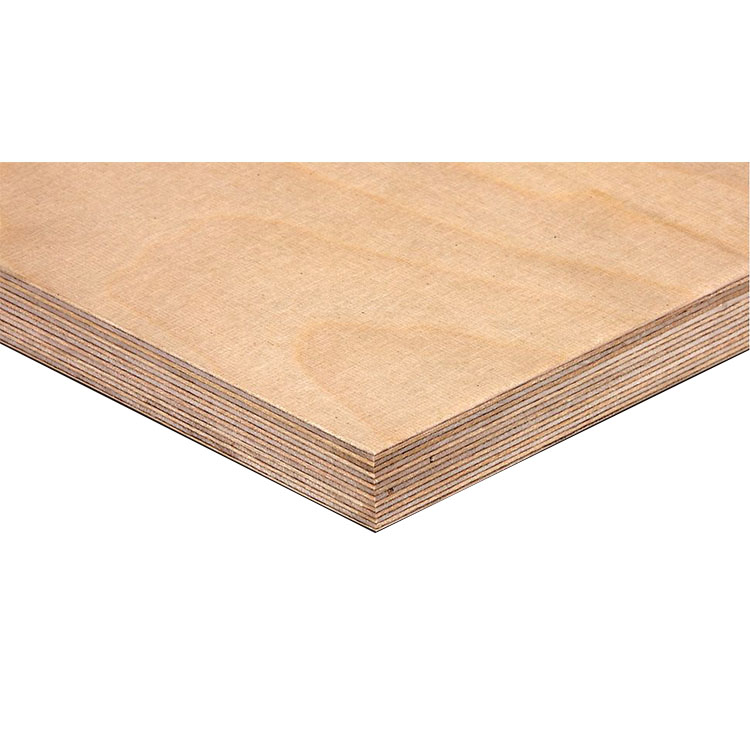
Film Faced UV Coated Double-Sided E0 Certified First-Class Birch Plywood
Low-formaldehyde birch plywood for piano parts, cabinetry and premium interior fabrication. When an interior fire class is requested, the FR treatment and coating compatibility must be reviewed together.
View product →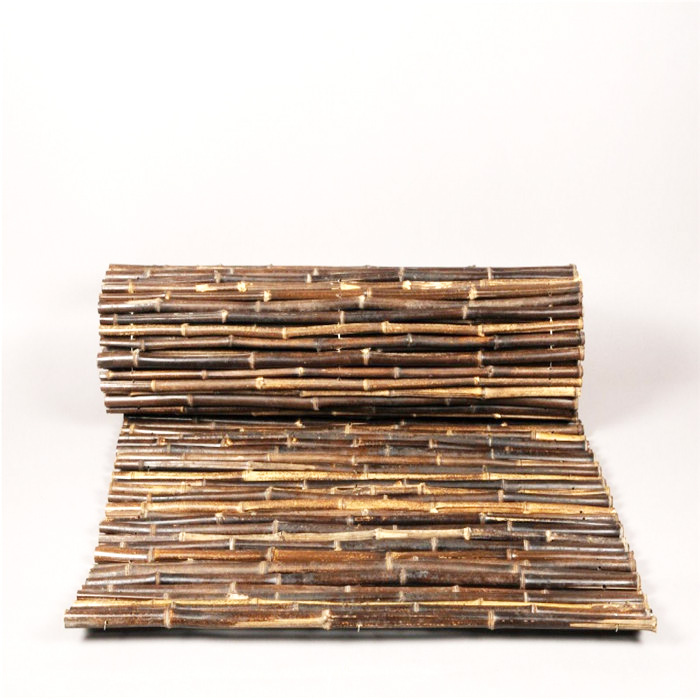
22–35mm High Straightness Bamboo Fence
Straight bamboo screening for privacy, resorts and landscape projects. Its low-cube, high-value profile makes it a practical add-on for wholesalers balancing container loads around plywood and formwork.
View product →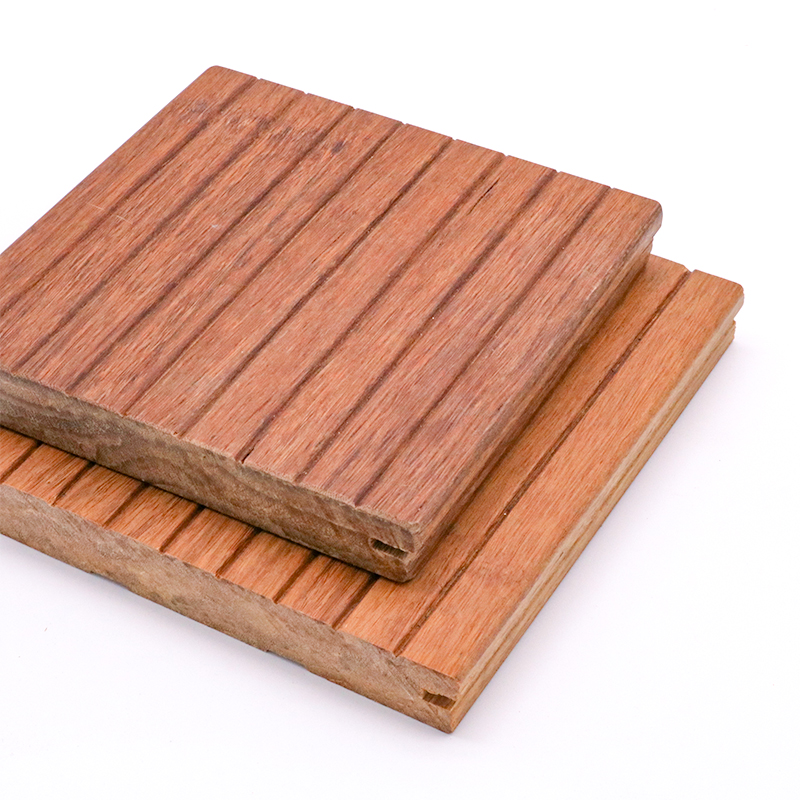
20mm White Engineered Stranded Bamboo Deck Panel
Exterior decking, wall paneling and flooring with UV and waterproof coating. Designed for projects that need a clean white finish, dimensional stability and a lower-maintenance surface than conventional timber.
View product →A Trusted Supplier Is Measured by Capacity, Records and Repeatability
Fire-retardant plywood buyers are not only purchasing boards. They are purchasing a chain of evidence: raw material control, resin and treatment records, pressing parameters, edge sealing, final inspection and loading photos.
Years in Industry
Shanghai Dorni has served global buyers since 2008, combining export discipline with mill-level production knowledge.
Monthly Capacity
Affiliated plywood mill output supports stable repeat orders, specification control and container planning.
Complete Production Lines
Peeling, pressing, calibrating, sanding and loading are managed under one quality system.
Thickness Capability
Plywood thickness ranges from thin panels to heavy boards, with MR, melamine, phenolic WBP, E1 and E0 options.
Why a Mill-Backed Wholesaler Reduces Fire Retardant Plywood Risk
Dorni’s operating model connects a Shanghai export team with an affiliated mill in Dangshan County, Anhui Province. For buyers, that means fewer hand-offs between specification, production, inspection and shipment.
Mill Ownership and Export Discipline
Shanghai Dorni International Trading Co., Ltd. has exported plywood and building materials since 2008. The affiliated mill in Dangshan County, Anhui Province, operates as a production partner rather than a distant trading layer. Export staff, QC and production teams work from the same specification sheet, which reduces the risk of “sales promise” diverging from “factory reality.”
Three Lines and 6,000 m³ Monthly Capacity
The mill runs three complete production lines, covering veneer peeling, press drying, glue lay-up, hot and cold pressing, double-side calibration, three-head sanding and container loading. This integrated flow is important for FR plywood because treatment, resin and pressing variables must be controlled together, not purchased from unrelated workshops.
Certification and Lot-Level Documentation
The mill is managed under ISO 9001, production is controlled to CE requirements, and FSC-certified material can be supplied on request. The company has also been assessed on-site by SGS Group. Products can be graded to BSI, IHPA, JPIS, GB or customer standards. For FR orders, documentation should link the declared performance to the specific construction and batch.
QC Before Loading, Not After Complaint
The QC team checks raw materials on site and inspects finished goods before every loading. Pre-shipment inspection photos can be shared, and third-party inspection is welcome. This is especially relevant for FR panels, where inconsistent treatment, poor edge sealing or mixed batches can create disputes long after installation.
ODM, Private Label and Mixed Specifications
Dorni supports sample-based, design-based and full customization, including logo printing on film, edge-sealing colour, bundle packaging, grade marking and mixed-product containers. Wholesalers can build a private-label FR programme alongside standard film-faced plywood, H20 beams, birch plywood and bamboo decking without managing multiple factories.
Port Logistics and Commercial Flexibility
Goods are usually loaded at Lianyungang Port, about 250 km from the mill, or Qingdao Port, about 450 km away. The location benefits from the Longhai railway and Road 310. Common terms include FOB, CFR, CIF, EXW, FAS and CIP, with payment methods such as T/T, L/C, D/P and D/A. Main markets include Europe, the Americas, the Middle East, North Africa and Asia.
Fire Retardant Plywood Procurement Trends Buyers Are Acting On Now
The buying conversation has moved from “best price per sheet” to “what evidence comes with the container?” Importers, contractors and tender teams are asking for tighter documents, lower emissions, better exterior durability and fewer supply-chain surprises.
Test Reports Matched to the Batch
Buyers increasingly reject generic catalogue scans. They want the report method, product construction, treatment route and production batch to align. A credible FR quotation should state what will be tested or verified and what document will travel with the shipment.
Low Formaldehyde Plus Fire Performance
E0 and E1 expectations are now common in furniture, hospitality and public interiors. Combining low emission with FR treatment requires compatible resin, treatment chemistry and curing. Buyers should avoid assuming that two separate certificates automatically create a compliant finished panel.
Exterior Durability and Edge Protection
FR treatments can change moisture behaviour if the system is not balanced. Formwork buyers therefore ask about phenolic WBP bonding, face coating, cut-edge sealer and storage guidance. Edge protection is no longer a cosmetic detail; it affects service life and fire performance after fabrication.
FSC and Tender-Ready Traceability
Public projects and brand-sensitive buyers want chain-of-custody evidence before award, not after shipment. FSC-certified material can be discussed at quotation. Documentation should match the actual order route, including any mixed-container combinations.
Mixed-Container Efficiency
Distributors increasingly consolidate FR plywood, standard film-faced panels, H20 beams and bamboo decking in one programme. Mixed specifications reduce inventory risk, but require a supplier with production visibility and loading discipline. A mill-backed exporter can align several lines without losing traceability.
Digital Pre-Shipment Evidence
Photo sets, packing lists, container loading images and inspection notes are becoming standard buyer requirements. They shorten claim cycles and support downstream sales. Dorni’s QC routine and pre-shipment communication are designed to give procurement teams usable records before the vessel departs.
Bars illustrate relative emphasis commonly seen in export quotation questions; they are directional indicators, not published market statistics.
Where Fire Retardant Plywood Technology Is Heading
The next competitive advantage will not come from simply adding a red film face. It will come from systems that balance fire performance, smoke behaviour, moisture resistance, formaldehyde control and fabrication practicality.
Halogen-Free and Low-Smoke Systems
Demand is increasing for FR systems that reduce smoke toxicity and corrosive gas risk in enclosed spaces. Buyers should ask for test data that reflects the complete panel build, not just the chemical additive.
FR Plus Weather Resistance
Outdoor formwork, modular buildings and transport applications need FR performance that survives humidity and repeated handling. Phenolic WBP bonding, sealed edges and compatible coatings are becoming specification priorities.
Integrated Coatings and Edge Sealing
Factory-applied UV coatings, anti-slip films and waterproof edge paint reduce site variability. For FR panels, factory sealing of cut edges and penetrations should be planned, not left to chance on site.
Batch Traceability and Carbon Data
Project teams increasingly expect digital records for material origin, treatment, glue type, QC release and shipment. Carbon reporting and lower-impact sourcing will continue to move from marketing language into tender requirements.
A Four-Point Checklist Before You Approve FR Plywood
Use this checklist to turn a vague “fireproof plywood” enquiry into a documentable order. It protects the buyer, the installer and the wholesaler’s brand.
1. Define the Base Panel
State the core material: poplar, combi, eucalyptus, birch or finger-jointed. Choose the adhesive route—MR, melamine or phenolic WBP—based on moisture and reuse. Do not use an interior glue as a substitute for exterior performance.
2. Name the Fire Standard
Specify the target class and test method, such as EN 13501-1, ASTM E84, BS 476-6/7 or the relevant local standard. Ask for evidence that matches the proposed build-up. A generic “FR certificate” is not enough for a serious project.
3. Confirm Treatment and Edges
Ask whether treatment is through the core or surface-applied, how cut edges are protected and whether the coating is compatible with the FR system. For panels that will be machined, edge sealing should be included in the method statement.
4. Plan Use, Storage and Reuse
Formwork reuse, site humidity, stacking and cleaning affect performance. Provide the use conditions at quotation so the factory can recommend film, glue, edge treatment and packaging. For exterior use, water management is part of fire performance.
A Documented Workflow for Fire Retardant Plywood Orders
A controlled workflow reduces misunderstandings between the buyer’s technical team, the factory and the forwarder. The process below reflects the Dorni export routine.
Enquiry Review
Confirm application, target market, standard, thickness, size, core, glue, face, emission, quantity, destination port and required documents.
Specification Lock
Approve samples, labels, edge treatment, packaging and the exact FR claim. Clarify what will be stated on the invoice, packing list and test documents.
Production and In-Process QC
Raw materials are inspected, pressing parameters controlled, panels calibrated and sanded, and finished goods checked before packing.
Pre-Shipment and Loading
Share inspection photos, packing details and container loading records. Third-party inspection is welcome before departure.
Fire Retardant Plywood FAQ for Importers and Project Buyers
These are the questions that matter most when comparing a trusted fire retardant plywood factory and wholesaler. Clear answers at the quotation stage save weeks later.
How can I verify that a fire retardant plywood factory is credible?
Look beyond a logo wall. Check the company history, factory location, production lines, quality system, product certifications, SGS or third-party assessment, and whether the factory can link an FR report to a specific panel construction. Ask for a sample, batch records, edge-sealing details and pre-shipment inspection photos. A credible supplier will welcome a technical review before you place a large order.
Does fire retardant plywood stay fire retardant after cutting or edge exposure?
Performance can be affected when panels are cut, drilled or routed because untreated edges may be exposed. For best results, specify through-core treatment where appropriate, use compatible edge sealer on cut faces, and follow the manufacturer’s installation guidance. For critical applications, test the finished assembly rather than relying only on the untreated panel certificate.
What is the difference between FR plywood and standard film faced plywood?
Standard film-faced plywood is designed mainly for concrete formwork, surface protection and reuse. Fire retardant plywood adds a treatment or engineered adhesive system intended to improve reaction-to-fire performance. The base panel may look similar, but the treatment, glue, coating and documentation differ. Buyers should specify both the formwork requirement and the fire requirement separately.
Can you supply E0 or E1 low-formaldehyde FR plywood?
Low-emission options can be discussed according to the final construction, target market and treatment system. Combining E0 or E1 with FR performance requires compatible resins and controlled curing. The purchase order should state the emission standard, test method and required document. Do not assume that a low-formaldehyde certificate alone confirms the fire performance of the finished panel.
What are the MOQ, loading ports and trade terms?
Standard film-faced and construction plywood usually starts from 50 m³, roughly two 40HQ containers. Three-ply shuttering panels can start from 7–50 m³ depending on specification, and bamboo decking from 100 m². Goods are normally loaded at Lianyungang or Qingdao Port. Common terms include FOB, CFR, CIF, EXW, FAS and CIP, with payment methods such as T/T, L/C, D/P and D/A.
Can you private label FR plywood and arrange mixed containers?
Yes. Dorni supports sample-based, design-based and full customization, including logo printing on film, edge-sealing colour, bundle packaging, grade marking and mixed-product loading. Share the target SKUs, quantities and market requirements so the export team can confirm whether the combination meets production and container-planning rules.
Request a Fire Retardant Plywood Quotation with the Right Evidence
Send the target standard, application, core, glue, thickness, sheet size, emission grade, surface finish, quantity and destination port. Our export team will review the specification, confirm what can be documented, and prepare a practical proposal for your project or distribution programme.
- FR treatment route and standard review
- Film, edge seal and packaging options
- Mixed-container planning with formwork and bamboo
- ISO 9001, CE, FSC and SGS-related documents
Get the Latest Product Catalog
Review specifications, popular export items and application notes before you send your enquiry.
Get Catalog Mill-direct support · Lianyungang / Qingdao loading · Global export