8 Recommended Concrete Formwork Plywood Products for Global Buyers
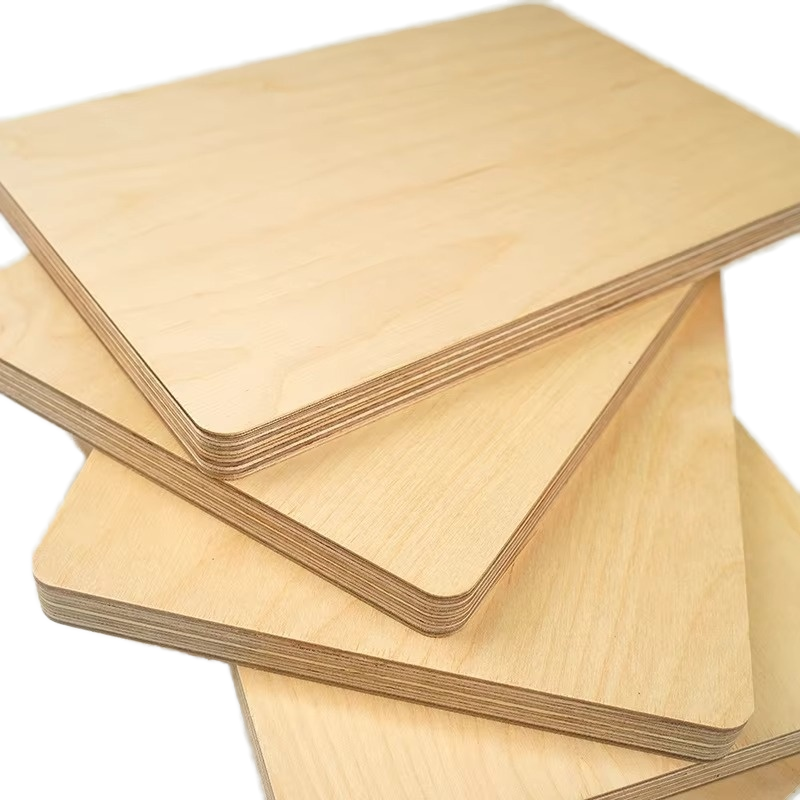
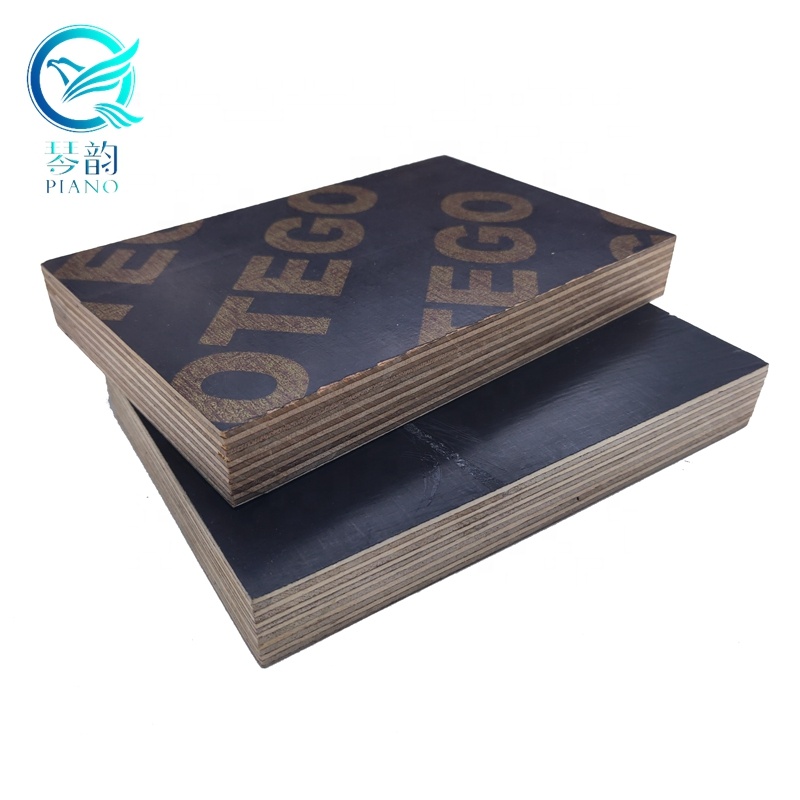
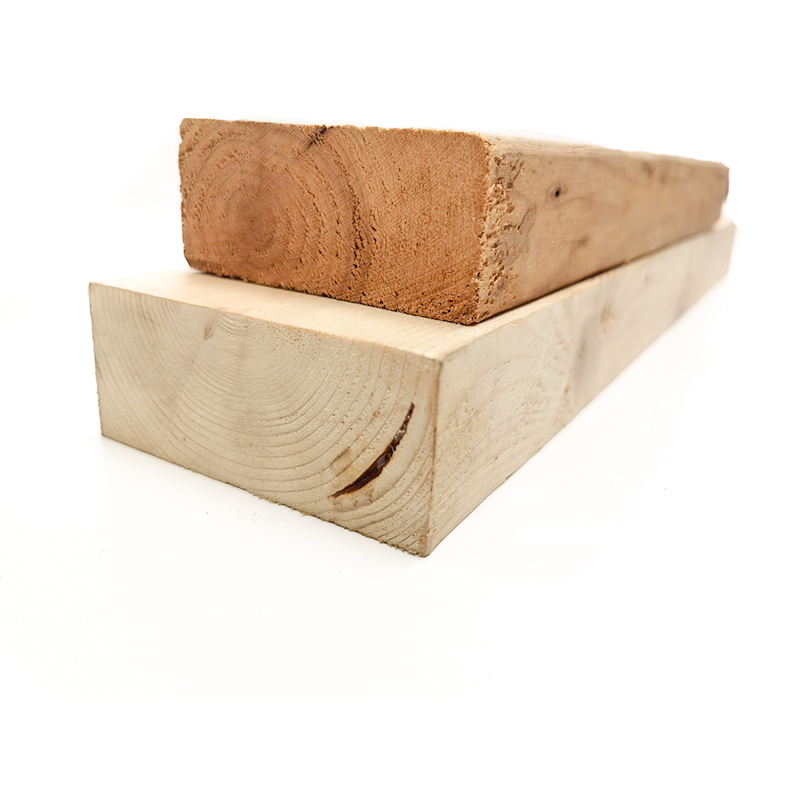
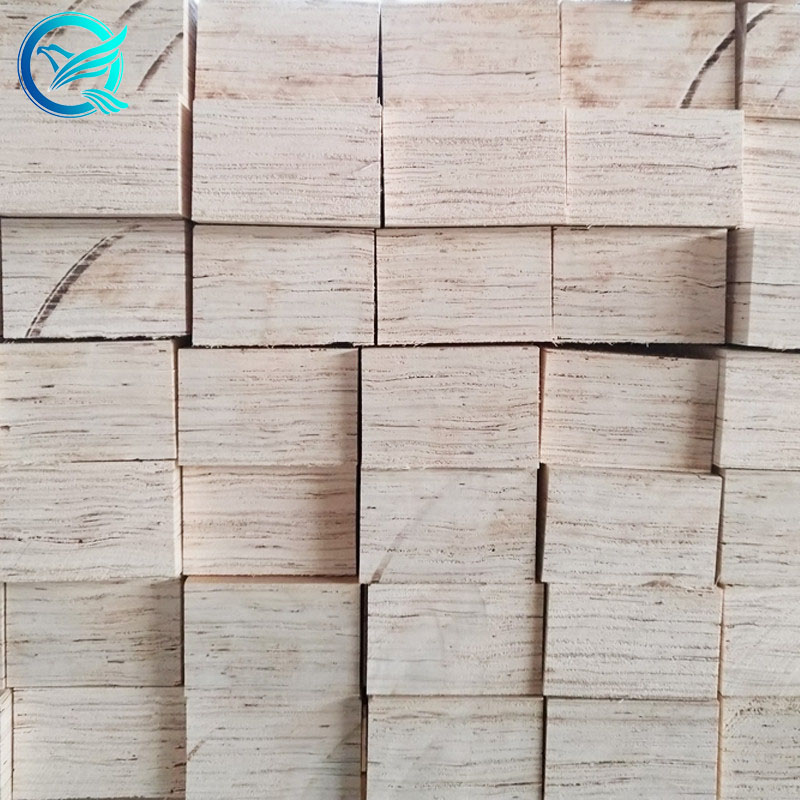
The shortlist below opens on each original product page. It balances concrete formwork, engineered wood and complementary outdoor products so buyers can build a complete container programme without overlooking higher-margin items.
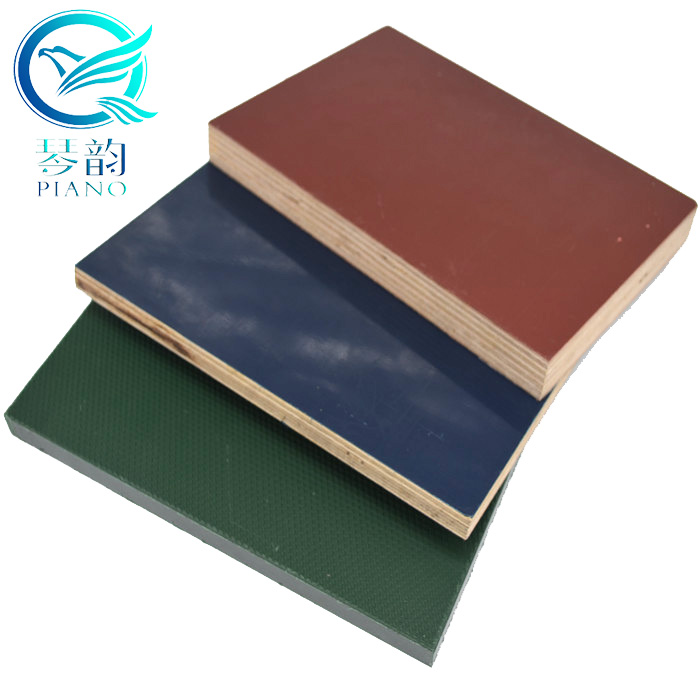
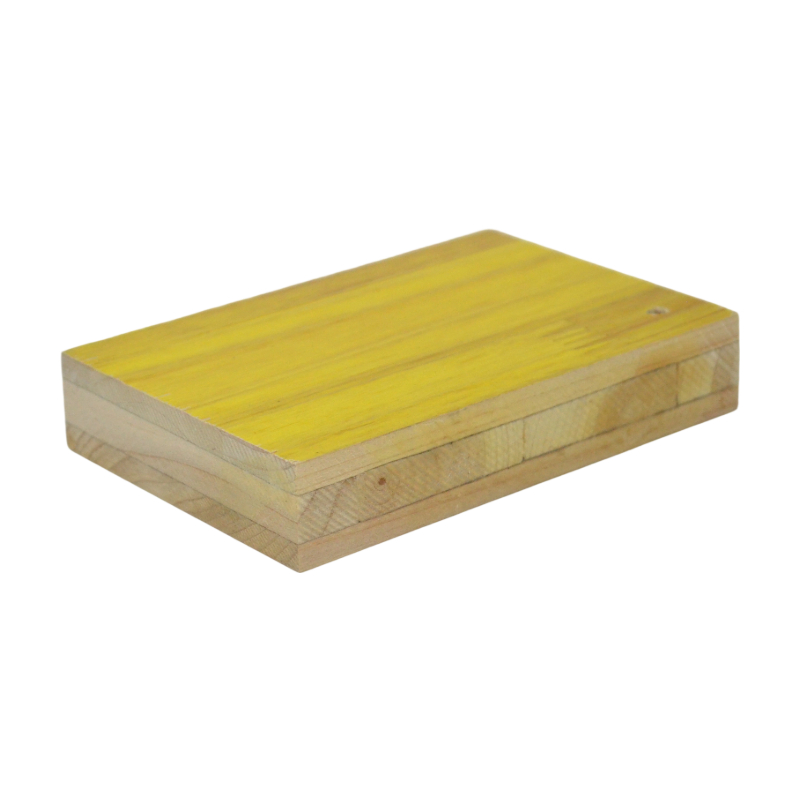
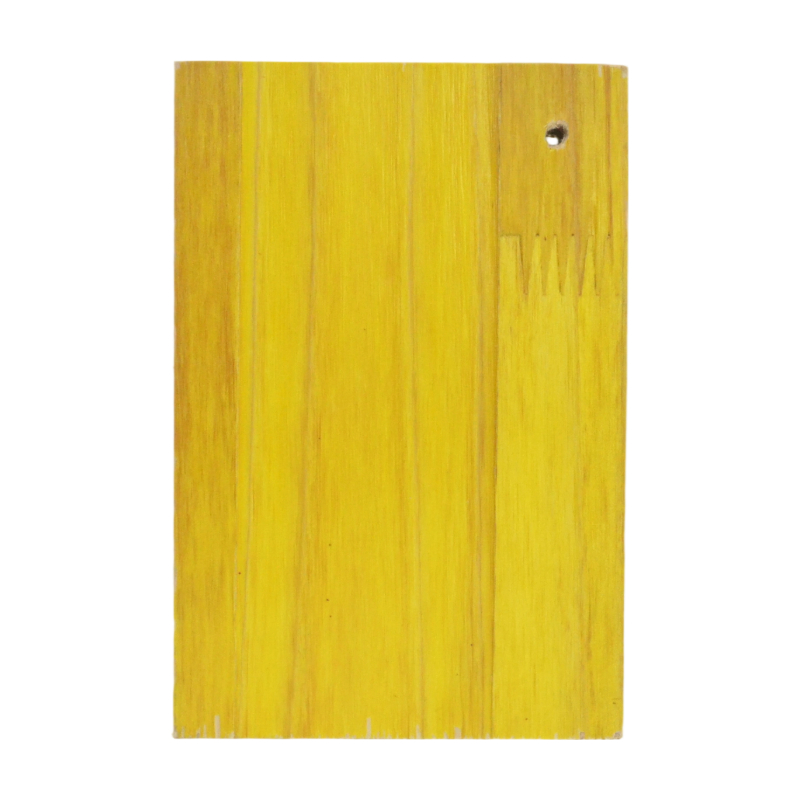
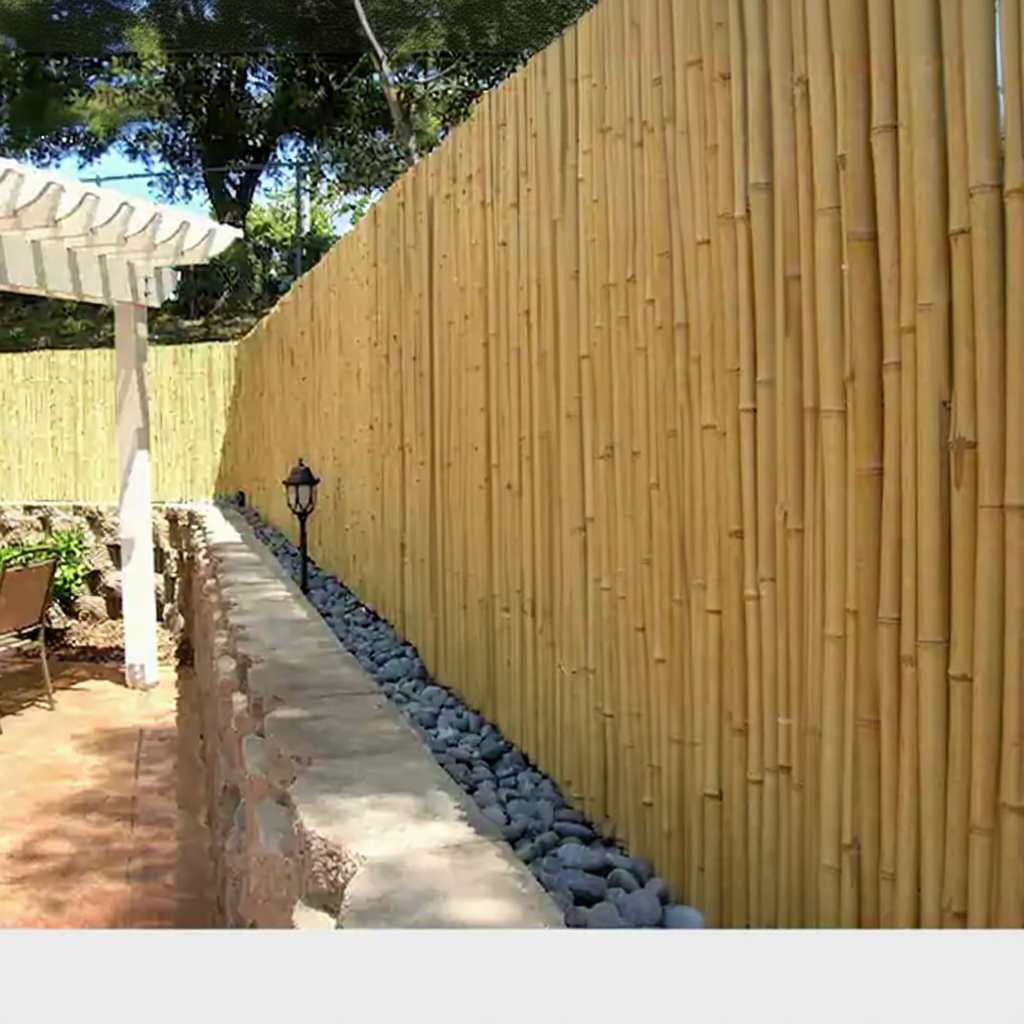
Evidence Buyers Can Verify Before a Container Is Loaded
Trust in concrete formwork plywood is built on process discipline, not catalogue language. These operating figures help procurement teams screen manufacturers and exporters before technical discussion.
Years in Export
Wood panels supplied internationally since 2008.
Monthly Capacity
Affiliated mill output across three complete production lines.
Production Lines
Peeling, drying, pressing, calibration, sanding and loading.
Thickness Range
MR, melamine, E0/E1/E2 and phenolic WBP options.
9001ISO 9001 quality system
 CE requirements
 FSC material available
 SGS on-site assessed
Why Formwork Plywood Is a Specification-Driven Purchase, Not a Commodity
Most RFQs ask for 18 mm film-faced plywood or a 21/27 mm three-ply panel and stop at price. That is enough to compare sheets, but not enough to compare risk. Top trusted manufacturers and exporters compete on cost per pour, not cost per sheet.
The Buying Unit Should Be Performance, Not Price
A 6-pour panel at a low headline price and a 15-pour phenolic panel at a modest premium can produce very different project economics. Reuse cycles affect labour, crane time, release-agent use, surface repair, waste disposal and programme certainty. For high-rise slabs, infrastructure and modular formwork, those variables usually outweigh the initial panel price.
This is where information gain becomes commercial value. A supplier that can explain veneer grading, resin architecture, film weight, thickness tolerance, edge sealing and batch traceability gives buyers a defensible basis for approval. A supplier that only quotes thickness and price shifts technical risk back to the buyer.
For importers, the strongest quality signal is not a single certificate image. It is the ability to connect raw material inspection, in-process checks, finished-goods inspection and loading photos into one traceable order file.
What Many Quotes Omit
- Veneer species, core composition and density assumptions
- Resin type: MR, MUF, melamine or phenolic WBP
- Film weight, surface texture and release performance
- Thickness tolerance after calibration, not nominal size
- Edge-seal behaviour after cutting or drilling on site
- Batch traceability, inspection evidence and loading records
What Top Trusted Concrete Formwork Plywood Manufacturers Do Differently
Use these six evaluation dimensions to compare suppliers beyond the quotation sheet. They are especially useful when auditing new manufacturers, private-label programmes or multi-container annual contracts.
Veneer Grading & Moisture Control
Premium mills sort veneer by species, thickness and defect level, then dry to a controlled moisture range before lay-up. Poor moisture control often appears later as blistering, delamination or thickness drift.
Resin Architecture & Emission Class
MR, melamine, MUF and phenolic WBP behave differently under water cycling and heat. E0 and E1 grades should be matched to the destination market, application and expected reuse cycle.
Film Weight & Surface Engineering
Film weight, texture and release properties influence concrete finish and stripping effort. Anti-slip PP coating, smooth film and phenolic faces solve different site problems and should not be treated as interchangeable.
Press Cycle, Density & Thickness Tolerance
Consistent pressure and temperature improve bond integrity, density and dimensional stability. Double-side calibration and controlled sanding protect panel flatness, screw-holding and joint tightness.
QC Evidence & Traceability
Credible suppliers document raw material inspection, in-process checks, finished-goods inspection and pre-shipment loading. Photo evidence and batch records reduce claim risk when panels arrive on site.
Export Compliance & Packaging
CE, FSC, ISO 9001, ISPM 15 and destination-market documentation should align before shipment. Edge protection, bundle strapping and container loading plans are part of product quality, not an afterthought.
Product Trends Shaping Concrete Formwork Plywood, 2026–2030
Formwork plywood is moving from a generic construction board toward a documented, engineered component. The strongest manufacturers are aligning product development with decarbonisation, site safety and digital traceability.
Higher Verified Reuse Cycles
Premium phenolic WBP panels are being specified for more pours, with suppliers publishing realistic reuse guidance by site condition, stripping method and edge protection rather than a single headline number.
Low-Emission Resins as Standard
E0 and ultra-low-formaldehyde platforms are expanding beyond furniture into formwork procurement. Buyers increasingly request resin data that matches EU, North American and Asian market requirements.
Digital Batch Passports
QR-linked batch records, inspection photos and loading lists are becoming practical sales tools. They allow distributors and contractors to verify glue type, grade, thickness and inspection status after delivery.
Surface Engineering for Safety
Anti-slip PP coating, improved release films and fire-retardant treatments are growing in infrastructure, tunnelling and temporary-works applications where worker safety and surface control matter.
Hybrid Formwork Systems
Plywood panels are increasingly sold alongside LVL, H20 beams, edge protection and system accessories. This reduces compatibility risk and gives importers a higher-value, more defensible product bundle.
Circular and Repairable Panels
Edge-sealed panels, replaceable accessories and take-back discussions are emerging as differentiators. The next procurement question will not only be “how many pours?” but “what happens after the final pour?”
How Buyers Will Source Formwork Plywood in 2026–2030
Price discovery is becoming faster; supplier verification is becoming harder. The purchasing teams that perform best will use structured specifications, total-cost modelling and documentary evidence to compare concrete formwork plywood manufacturers and exporters.
Total Cost per Pour Replaces Lowest Price
Procurement models increasingly include reuse cycles, labour for repair, release-agent consumption, waste disposal and programme delay risk. A higher-priced panel can still win when the verified cycle count is strong.
Verification-First Sourcing
Buyers are asking for SGS assessment, CE documentation, FSC chain of custody, inspection records and loading photos before placing a first order. Supplier claims without evidence carry less weight in approval meetings.
Mixed Containers & Smaller Test Orders
Distributors want to test several SKUs without committing to a full container per product. Flexible mixed loading helps them validate film-faced plywood, 3-ply panels, LVL and accessories in one shipment.
Digital RFQs & Standard Spec Libraries
Repeat buyers are building internal specification libraries that capture core species, glue, emission class, film weight, tolerance and packaging. This reduces quotation ambiguity and speeds up reorders.
Regulatory Alignment Becomes a Gate
Formaldehyde limits, CE marking, FSC claims and destination-market documentation now influence supplier selection. Exporters that maintain current certification files reduce customs and specification risk for importers.
Dual-Region Supply Strategies
Buyers continue to source from China for scale and cost, while qualifying alternative regions for resilience. Manufacturers with stable raw material access, multi-port loading and documented quality systems are better placed to stay on approved lists.
Illustrative Total-Cost Weighting for a High-Rise Slab Project
These weights vary by project, but they show why technical performance should be scored alongside purchase price.
Why Global Buyers Shortlist Dorni as a Trusted Plywood Exporter
Shanghai Dorni International Trading Co., Ltd. combines a Shanghai export team with an affiliated mill in Dangshan County, Anhui Province. That structure gives buyers mill-direct technical support with export-grade documentation and communication.
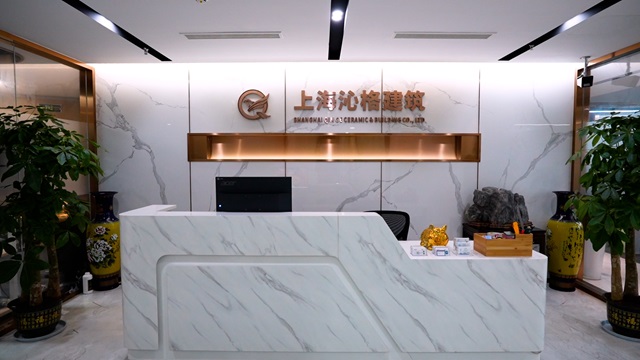
Mill-Direct Control, Export-Ready Execution
The affiliated mill operates three complete production lines covering peeling, veneer preparation, drying, glue lay-up, cold and hot pressing, double-side calibration, sanding, edge sealing and container loading. Monthly plywood capacity reaches 6,000 m³, supported by an experienced export team that understands specification writing and destination-market requirements.
Quality is managed to ISO 9001 and controlled to CE requirements (CE No. 1301-CPD-0569). FSC-certified material is available on request, and the company has been assessed on-site by SGS Group. Panels can be graded to BSI, IHPA, JPIS, GB or buyer-specific standards, with raw material inspection, finished-goods inspection and pre-shipment checks built into the order flow.
- OEM/ODM support, logo printing on film, edge-seal colour and custom packaging
- Sample-based and design-based customisation for distributors and project buyers
- Loading from Lianyungang or Qingdao; FOB, CFR, CIF, EXW, FAS and CIP terms
- Export markets across Europe, the Americas, the Middle East, Africa and Asia
Which Concrete Formwork Plywood Specification Fits Your Application?
Use this matrix as a first-pass screening tool, then confirm pour count, release agent, stripping method and site climate with the manufacturer before approving a batch.
| Application | Recommended Product | Core / Surface | Typical Thickness | Why It Fits |
|---|---|---|---|---|
| High-rise slab formwork | Film-faced plywood, phenolic WBP | Poplar, combi or eucalyptus core | 18 mm | Balanced stiffness, smooth finish and repeatable stripping |
| Wall and column formwork | 3-ply yellow shuttering panel | Spruce, fir or pine | 21 / 27 mm | Edge stability and compatibility with modular systems |
| Table form and slab support | 3-ply panel with LVL or H20 beams | Spruce panel plus LVL flange/web | 21 / 27 mm | System stiffness and predictable deflection control |
| Infrastructure with walking access | Anti-slip PP-coated birch plywood | Birch core, MUF glue | 6–35 mm | Slip resistance, water resistance and CE certification |
| Marine, transport and industrial | BS1088 eucalyptus core plywood | Hardwood core, phenolic face | 18 / 25 / 28 mm | Durable bond and demanding service conditions |
| Office fit-out and furniture | Poplar birch E0 plywood | Poplar and birch veneer | Custom | Low-emission bond and clean decorative face |
| Packaging and bed slats | Poplar LVL board or beam | Poplar veneer, engineered lay-up | Custom | Consistent strength, straightness and machinability |
| Landscaping and project hoarding | Natural bamboo fence | 100% raw bamboo | 6 ft | Fast assembly and indoor/outdoor project flexibility |
Common sheet sizes include 1220×2440, 1250×2500, 1500×3000 and 915×1830 mm. Film-faced plywood MOQ typically starts from 50 m³; 3-ply panels vary by specification; bamboo decking and fencing follow product-specific MOQs.
Common Questions Buyers Ask About Concrete Formwork Plywood
These answers reflect the specification questions our export technical team receives from contractors, distributors and private-label buyers across Europe, the Americas, the Middle East and Africa.
What is concrete formwork plywood, and how is it different from ordinary plywood?
Concrete formwork plywood is an engineered panel used to shape and support wet concrete until it reaches sufficient strength. Compared with ordinary plywood, it usually uses a denser core, a water-resistant or phenolic bond, a controlled film face and sealed edges to survive stripping, cleaning and repeated pours. The performance difference is driven by resin type, film quality, core density and thickness tolerance.
Should I choose film-faced plywood or a 3-ply shuttering panel?
Film-faced plywood is widely used for slab, wall and column formwork where a smooth concrete finish and repeatable reuse are required. Three-ply shuttering panels are often selected for modular panel formwork systems, especially in European-style wall and slab applications, because their construction and edge behaviour suit system hardware. The right choice depends on the formwork system, pour cycle and desired finish.
Which glue or resin should I specify for high-reuse or outdoor formwork?
For repeated pours and exterior exposure, specify phenolic WBP rather than a basic MR bond. Melamine and MUF systems can be cost-effective for fewer reuse cycles or protected applications. Emission grades E2, E1 and E0 are available depending on destination-market requirements, and the glue choice should always match the expected water exposure, stripping method and climate.
How many reuse cycles can I realistically expect?
Reuse depends on panel quality, concrete mix, release agent, stripping technique, edge protection and site handling. A standard film-faced panel may suit a modest number of pours, while a premium phenolic panel with sealed edges can target a significantly higher cycle count. Trusted manufacturers and exporters should quote reuse ranges by application, not a single guaranteed number for every site.
Which certifications and documents should I verify before ordering?
Commonly requested evidence includes ISO 9001 quality management, CE requirements for wood-based panels, FSC chain of custody where relevant, and SGS or third-party supplier assessment. Ask for certificate scope, batch records, inspection photos, packaging details and destination-market documents. Certification should support a traceable order file, not replace it.
What are the common MOQs, thicknesses, ports and trade terms?
Film-faced and construction plywood commonly start from 50 m³, roughly two 40HQ containers. Three-ply shuttering panels may start from 7–50 m³ depending on specification, and bamboo products follow separate MOQs. Thickness ranges from 2.2 mm to 30 mm; common sizes include 1220×2440, 1250×2500, 1500×3000 and 915×1830 mm. Shipments usually load at Lianyungang or Qingdao, with FOB, CFR, CIF, EXW, FAS and CIP terms available. Custom logo, film printing, edge-seal colour, packaging and grading can be discussed for qualified orders.
Send Your Formwork Specification for a Technical Review
Share core species, glue, film weight, thickness, panel size, expected pour count, annual volume and destination port. Our export technical team will return a specification matrix, packaging proposal and indicative quotation within 24 hours.