8 Export Products Buyers Commonly Source With Plastic Faced Plywood
Plastic faced plywood — more precisely called film-faced plywood — is rarely purchased in isolation. Formwork contractors, distributors and project buyers often consolidate complementary panels, H20 beams and bamboo outdoor products into one container programme. The eight items below preserve their original product URLs for direct review.
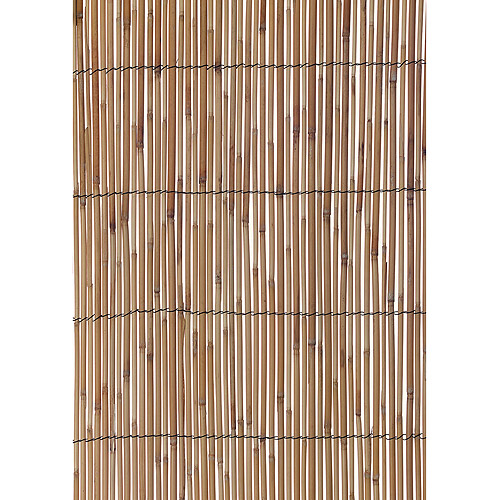
14-16mm High Quality Modern Bamboo Fence with Wood Frame-Eco-Friendly Waterproof Rot & Rodent Proof
A wood-framed bamboo fence for boundary and landscape screening, positioned for weather exposure and residential, resort or site-enclosure applications.
View product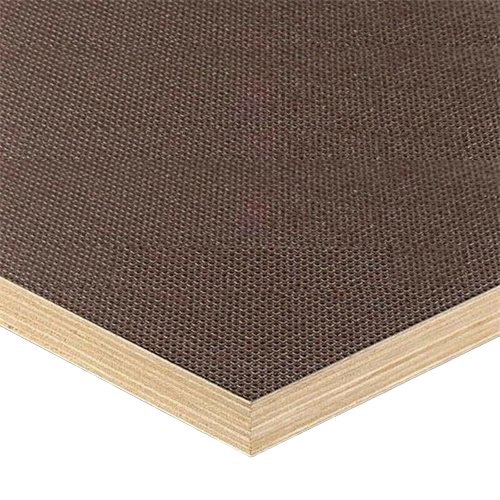
Treezo Linyi Hexa/WireMesh Anti/non-slip Artificial Veneer Pine Veneer Double-Sided Decoration Basswood E1 Water Plywood
Double-sided decorative basswood veneer plywood with an anti-slip wire-mesh surface for lightweight decorative platforms and protected working surfaces.
View product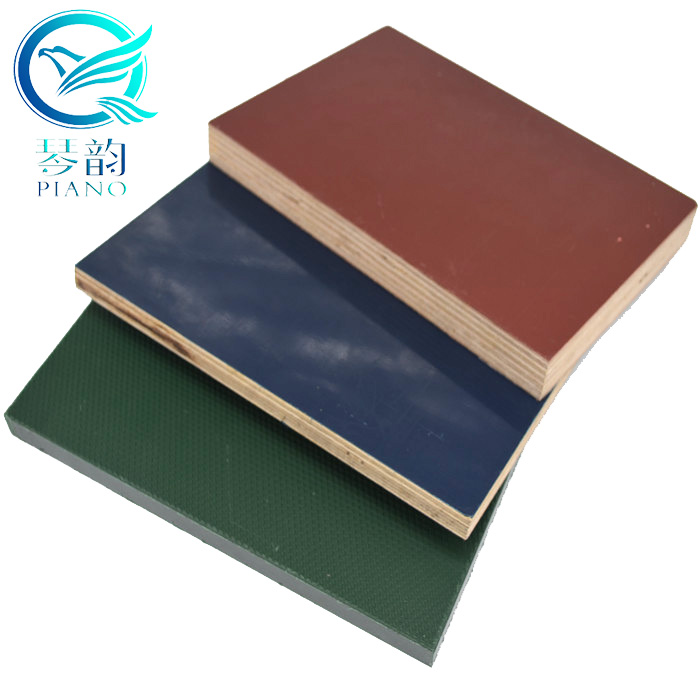
Green Color Anti-skip PP Coated Birch Plywood Sheets 6-35mm Thickness First-Class Grade MUF Glue CE Certified Double-Sided
Green PP-coated birch plywood in 6–35 mm, offered as a first-class CE-certified panel for transport floors, staging and reusable anti-slip surfaces.
View product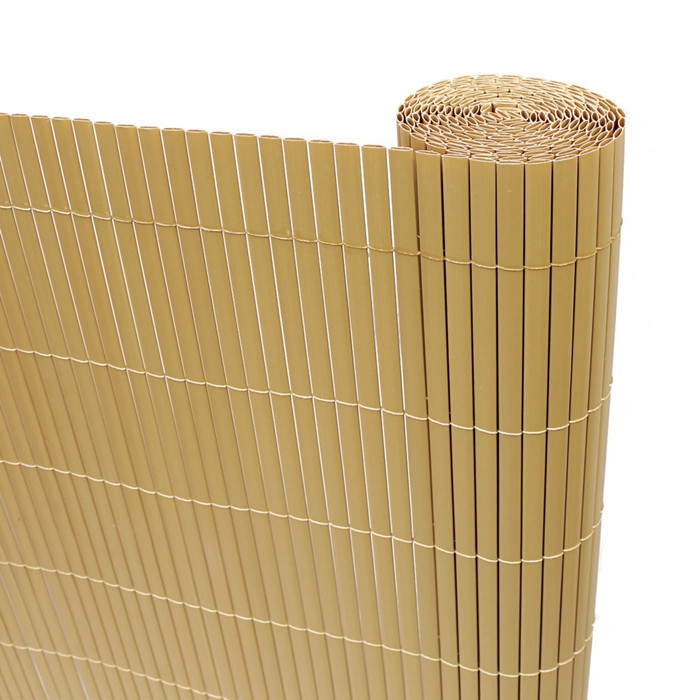
Nature Wood Frame Bamboo Fence Length 1m-12m High Straightness Rot Proof & Eco-Friendly for Livestock Farm
Natural wood-framed bamboo livestock fencing with 1–12 m length options, high straightness and rot-proof treatment for farm partitioning and rural projects.
View product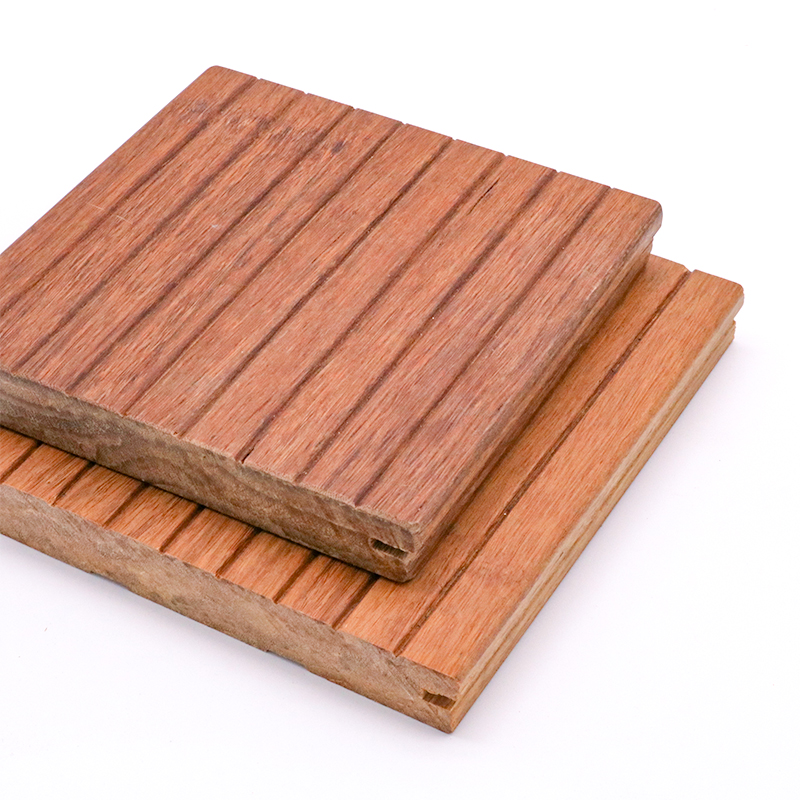
20mm Good Price White Engineered Stranded Bamboo Deck Float Exterior Wall Paneling Flooring UV/Waterproof Coating 5-Year
A 20 mm engineered stranded bamboo board with UV and waterproof coating for exterior decking, wall paneling and landscape surfaces with a five-year claim.
View product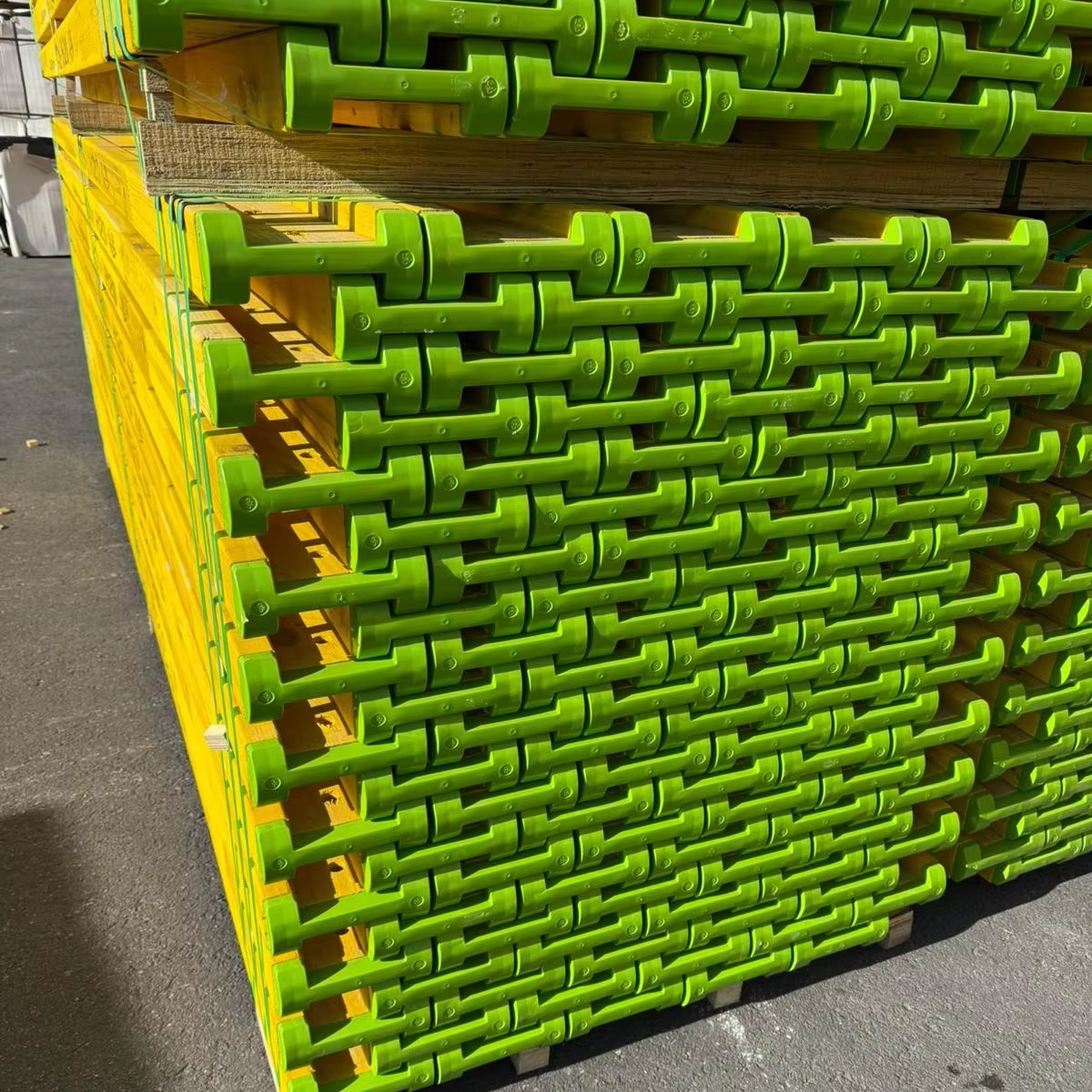
H20 Beam with Plastic Ends Yellow Waterproofing Painting Spruce Flange PINE Plywood Web
Yellow waterproof H20 beam with plastic ends, spruce flange and pine plywood web — a practical girder for slab and wall formwork systems.
View product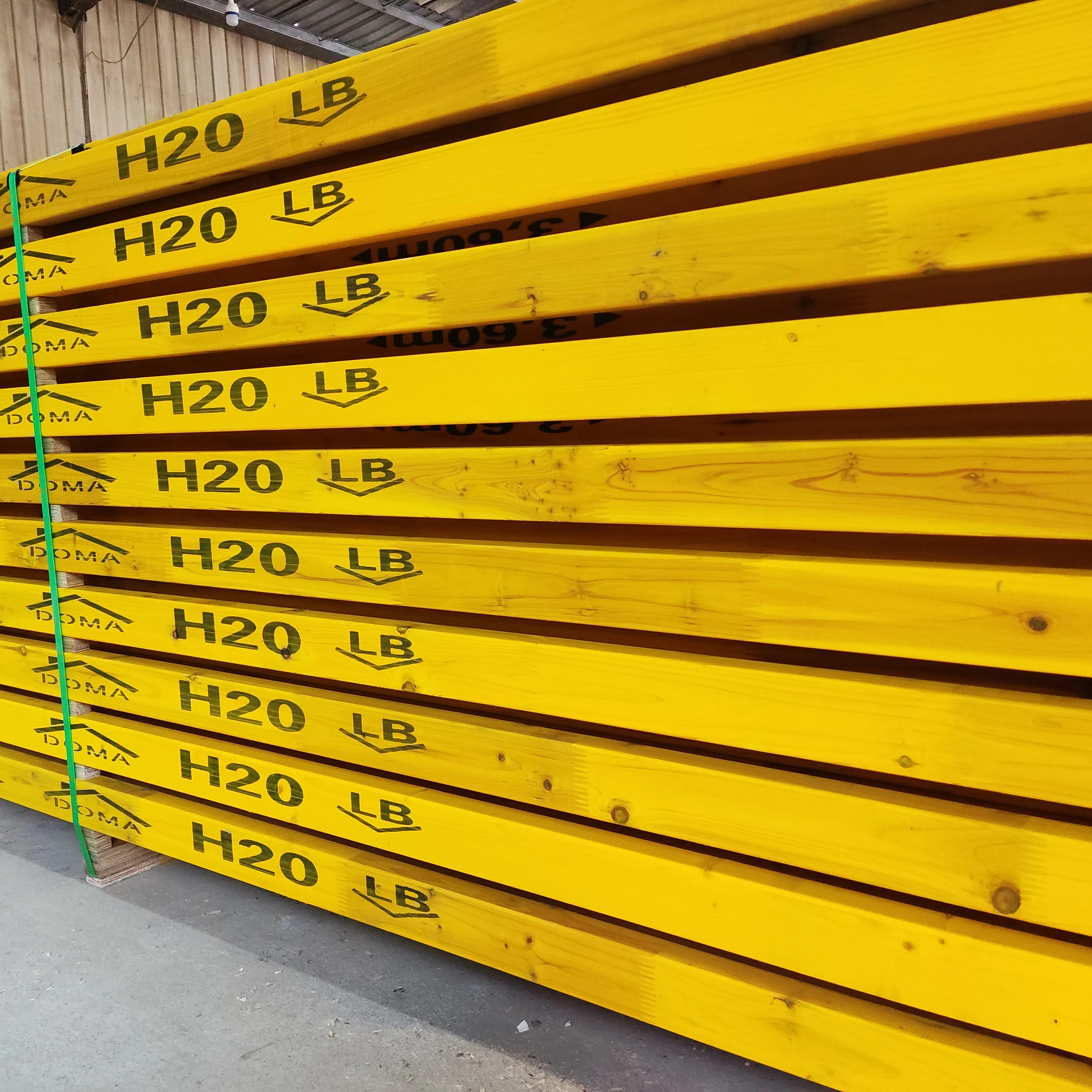
EN 13377 H20 Beam Red Plastic Cap Construction Formwork H16 H30 200x80x40x27mm E0 EN 13353 H20 Beam Formwork
EN 13377 H20 timber beam with red plastic cap, covering H16/H30 references and 200×80×40×27 mm formwork construction for specification-led buyers.
View product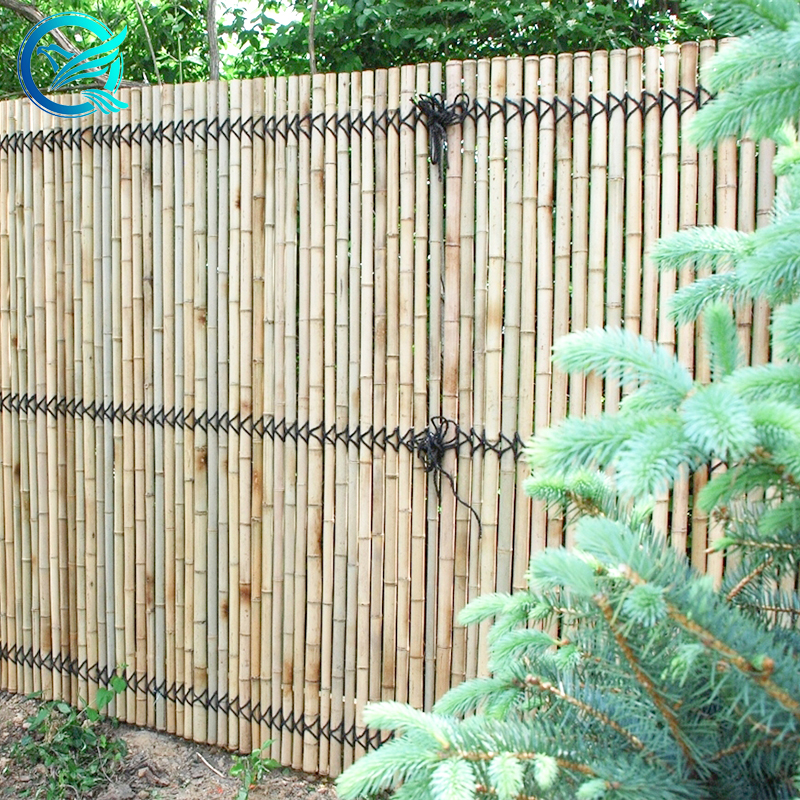
1.12x60meters Privacy Bamboo Curtain and Mat for Garden Fence and Gate
A 1.12 × 60 m privacy bamboo curtain and mat for garden fencing, gates and hospitality screening, supplied in a flexible roll format.
View productWithin the plastic faced plywood range itself, typical starting points are 18 mm poplar/combi core with phenolic WBP glue for general formwork, 21 mm birch or eucalyptus core for higher-reuse projects, and anti-slip film-faced panels for transport or decking applications.
What “Plastic Faced Plywood” Really Means in China’s Export Market
Plastic faced plywood is a buyer’s shorthand for film-faced plywood, also described as shuttering plywood, formwork plywood or phenolic film-faced plywood. In a properly made panel, a resin-impregnated film is bonded to a plywood core under heat and pressure. The film is not a loose plastic sheet; it becomes part of the panel surface, helping to resist water, abrasion and concrete adhesion during repeated pours.
The phrase “top China factory” therefore needs to be read carefully. Some suppliers are mills with peeling, drying, glue lay-up, pressing, calibration and sanding in one location. Others are wholesalers or export trading companies that coordinate several mills. Neither model is automatically better. A mill is often stronger for custom glue systems, film weight, core selection and repeat production. A trading partner can be stronger for mixed containers, multi-category consolidation, smaller trial orders and export documentation.
For procurement teams, the useful question is not simply “Who is cheapest?” but which supplier can prove repeatable quality at the specification you actually ordered. That means checking film weight, phenolic or melamine resin, core species, glue type, thickness tolerance, edge sealing, moisture content, packaging and loading records. The same “18 mm film faced plywood” label can hide meaningful differences in film weight, core density and press control.
China remains a major source because its panel clusters combine veneer supply, resin production, film manufacturing, press capacity and mature container logistics. The advantage is not only scale. It is the ability to coordinate a technical specification, a sample, a production batch and an export loading within one quality system — provided the supplier is selected with evidence rather than directory claims.
Buyer verification points before a first container
Terminology: confirm whether the quotation is for film-faced plywood, PP-coated plywood, melamine-coated plywood, or a decorative veneer panel. These are different products.
Film and glue: ask for film weight per square metre, resin type, glue class and whether the panel is phenolic WBP, melamine or MR bonded.
Factory evidence: request line photographs, a short factory video, current certificate copies, batch records and pre-shipment inspection photos.
Commercial fit: verify minimum order, mixed-container options, port of loading, Incoterms, payment terms and the inspection process before the deposit.
Years in the industry
Dorni has exported wood panels and building materials since 2008.
Monthly capacity
Plywood output from the affiliated mill production base.
Complete production lines
Peeling, pressing, calibrating and sanding controlled in-house.
Thickness range
MR, E2, E1, E0, melamine and phenolic WBP options.
How to Tell a Real China Plywood Factory From a Directory Listing
Google results and B2B marketplaces often use “factory” loosely. A credible supplier should be able to explain exactly where each production step happens and which certificates apply to the product being quoted.
Factory signals
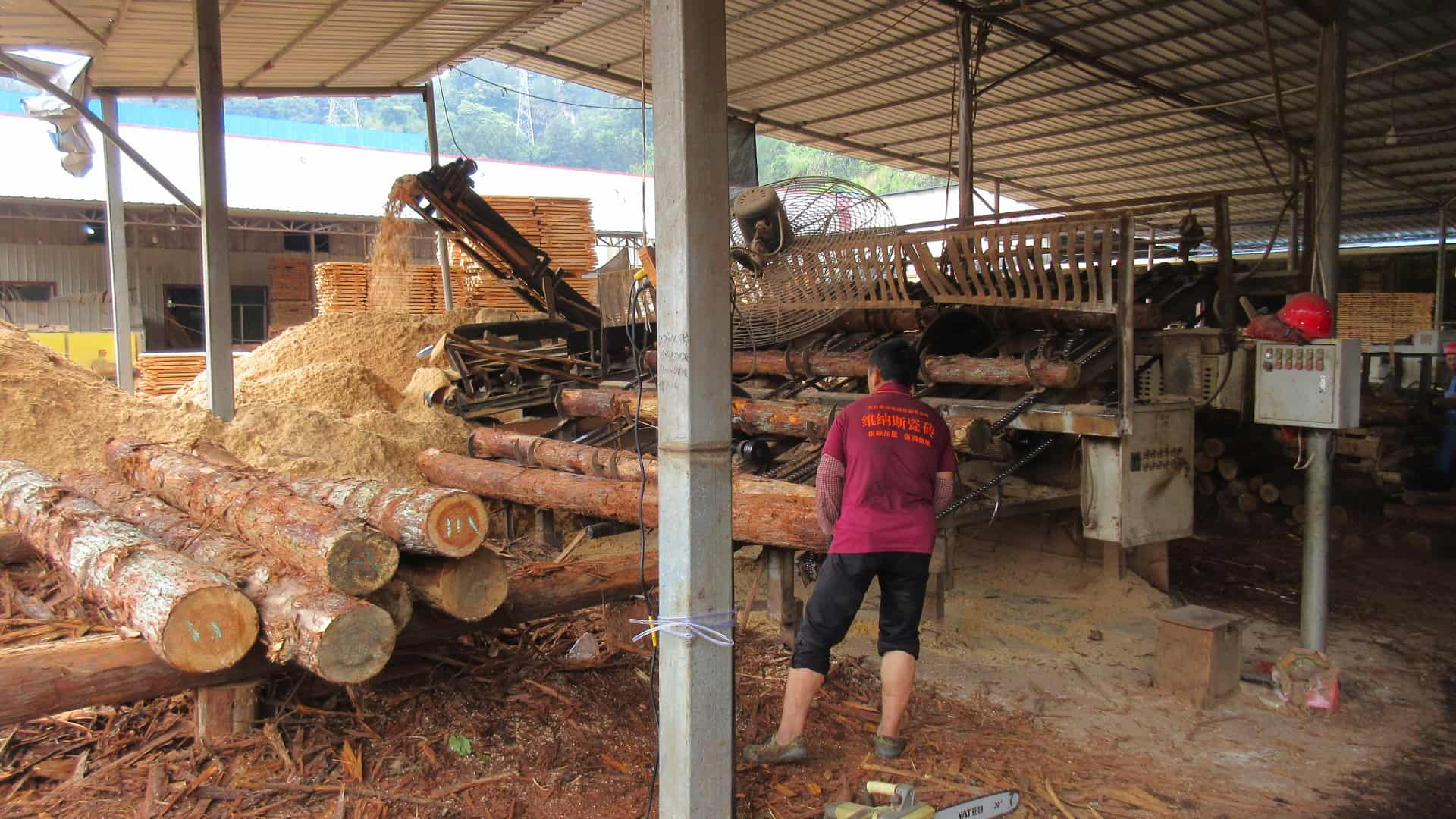
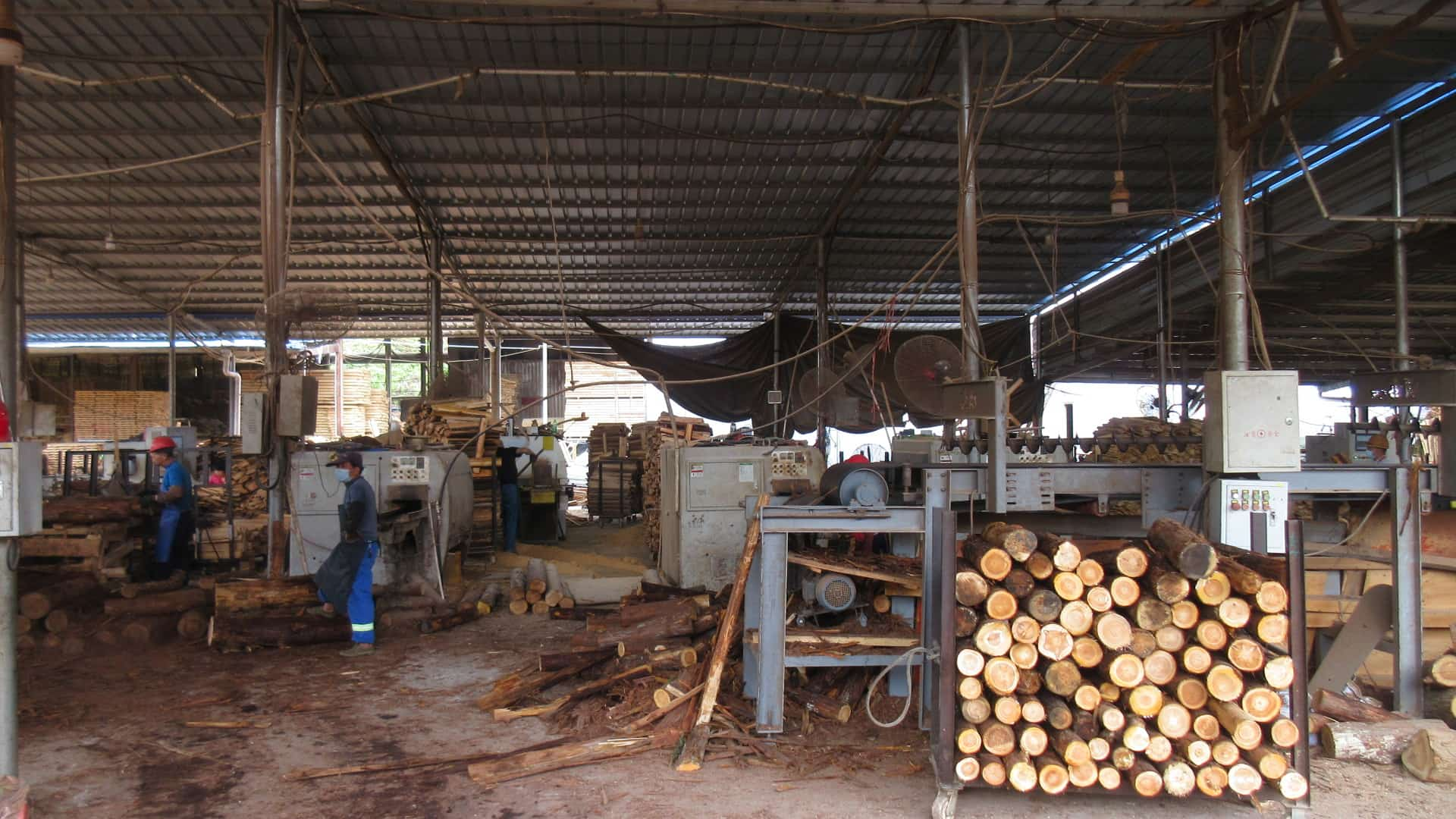
Look for a specific line list: log peeling, veneer drying, glue kitchen, cold press, hot press, double-side calibration, sanding, edge sealing and loading platforms. Capacity statements should match the equipment and the number of shifts. Ask for dated workshop photos and a live video call.
Wholesaler signals
A wholesaler may not own every press, but it should know the source mills, the grade being consolidated and how mixed containers are inspected. That model can be efficient for distributors buying film-faced plywood alongside H20 beams, bamboo decking and fencing.
Verification signals
Request ISO 9001, CE documentation, FSC chain-of-custody evidence where claimed, SGS or third-party assessment records, product labels, bundle photos and loading images. Cross-check the certificate scope and the legal company name — not just the logo on a sales page.
Information gain: a serious quotation should state the film weight, core species, glue type, tolerance, edge treatment, packaging method and loading port. If those details are missing, the comparison is not yet technical; it is only a price comparison.
Which Panel Fits the Application?
Use this practical matrix to align the product with the pour cycle, exposure, surface requirement and loading programme. Final specifications should always be confirmed against a sample and a written contract.
| Application | Typical panel or product | Core / base | Glue or coating | Buyer focus |
|---|---|---|---|---|
| General concrete slab formwork | 18 mm film-faced plywood | Poplar or combi core | Phenolic WBP or melamine | Reuse target, film weight, edge sealing |
| High-reuse wall and column formwork | 18–21 mm film-faced plywood | Birch, eucalyptus or dense hardwood | Phenolic WBP | Density, dimensional stability, face repair |
| European panel formwork systems | 21 / 27 mm 3-ply shuttering panel | Spruce, fir, pine or poplar | Phenolic bond, yellow coating | Panel size, flatness, coating durability |
| Slab and wall formwork girders | H20 timber beam | Spruce flange, plywood web | Phenolic WBP, plastic end caps | EN reference, straightness, end protection |
| Anti-slip transport or staging | PP-coated birch plywood | Birch | PP coating, MUF glue | Surface pattern, thickness, CE evidence |
| Decorative or protected platform | Basswood veneer plywood | Basswood veneer, E1 water-resistant | Decorative veneer, anti-slip mesh | Face appearance, glue class, edge quality |
| Outdoor deck, wall or landscape | Stranded bamboo decking | Engineered stranded bamboo | UV / waterproof coating | Density, coating system, fixing detail |
| Garden privacy and farm fencing | Bamboo fence or privacy roll | Bamboo with wood frame | Rot-proof treatment where specified | Roll length, straightness, weather exposure |
How Plastic Faced Plywood Procurement Is Changing
Buyers are moving from single-price comparison toward total project value, documented quality and supply continuity. These shifts are especially visible in formwork-intensive markets across Europe, the Middle East, Africa and the Americas.
Total cost per pour
Procurement teams increasingly compare cost per reuse cycle rather than cost per sheet. Film weight, glue line, edge sealing and panel handling can change the real cost of a formwork programme.
Digital quality evidence
Photo reports, batch labels, thickness measurements and loading images are becoming normal buyer requirements, especially where the purchase is managed remotely by an importer or project consultant.
Mixed-container programmes
Distributors want to combine film-faced plywood, H20 beams, birch plywood, bamboo decking and fencing. A supplier that understands multi-category loading can reduce consolidation risk.
Low-emission and traceability
E1 and E0 grades, FSC-certified material and clear chain-of-custody records are moving from optional extras to tender requirements in sensitive construction and interior markets.
Anti-slip and coated surfaces
PP-coated birch and anti-slip film-faced panels are attracting more attention in transport, staging and temporary works where worker safety and surface grip matter.
Pre-buy and risk planning
Freight volatility, raw material cycles and project schedules encourage earlier specification approval and pre-buy planning. The supplier’s production calendar becomes part of the buyer’s risk plan.
Where Plastic Faced Plywood and Formwork Products Are Heading
Product development is being driven by durability, handling, emissions, documentation and the need to match international formwork systems with fewer surprises at the site level.
Higher-performance film systems
Phenolic film and denser overlay options continue to improve surface release and abrasion resistance. Buyers should specify film weight and resin type rather than relying only on colour.
Engineered and finger-jointed cores
Finger-jointed and mixed hardwood cores help balance dimensional stability, availability and cost. The key is consistent density and controlled moisture before pressing.
Lower formaldehyde grades
E1 and E0 options are increasingly requested for projects where indoor air quality, worker exposure or tender compliance is part of the specification.
Sealed edges and smarter packing
Waterproof edge paint, reinforced bundle protection and clearer bundle labels reduce moisture ingress and handling damage during long ocean freight and site storage.
Standardised H20 compatibility
EN 13377 H20 beams with plastic caps are being specified alongside 3-ply panels for European-style formwork systems, where dimensions and end protection matter.
Bamboo and wood composites
Stranded bamboo decking, bamboo fencing and bamboo privacy screens expand the outdoor range. They allow distributors to serve landscaping and hospitality projects beyond formwork.
What a Practical Factory Audit Should Cover
A useful audit is not a tour of the showroom. It should connect raw material, glue, pressing, finishing, packing and loading to the specification that will appear on the purchase order.
Veneer and core control
Check veneer thickness variation, moisture content, core species and the presence of defects before lay-up. Good pressing cannot correct unstable raw material.
Glue and press records
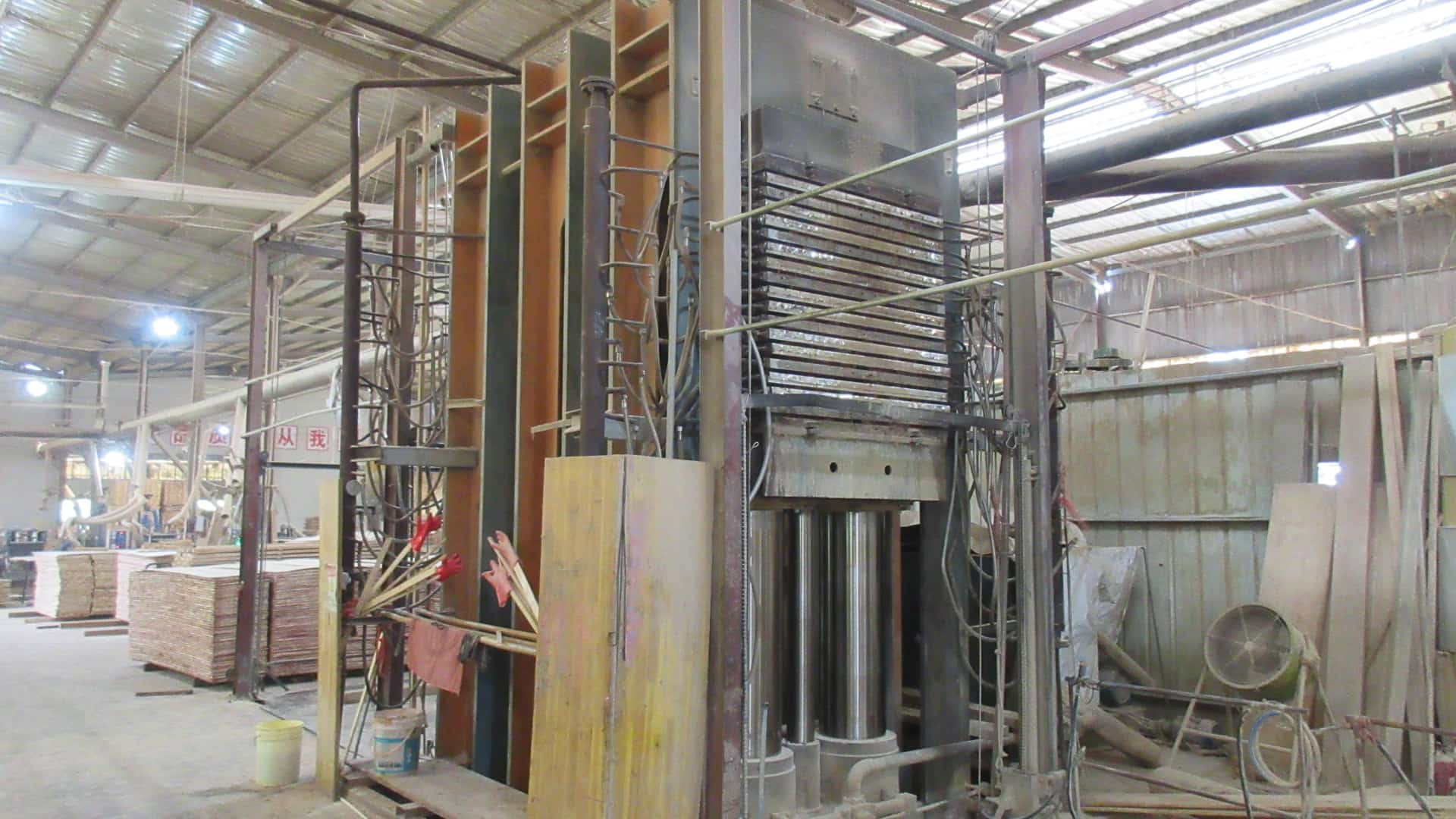
Confirm the glue class used for the order, press temperature and cycle control, and how the factory records batch consistency for phenolic WBP or melamine production.
Thickness and surface checks
Measure thickness at multiple points, check film adhesion, edge sealing and flatness. For anti-slip products, inspect the pattern and coating coverage before loading.
Packing and loading evidence
Review bundle protection, corner guards, pallet or loose-loading plans and container photos. Third-party inspection should be allowed before shipment.
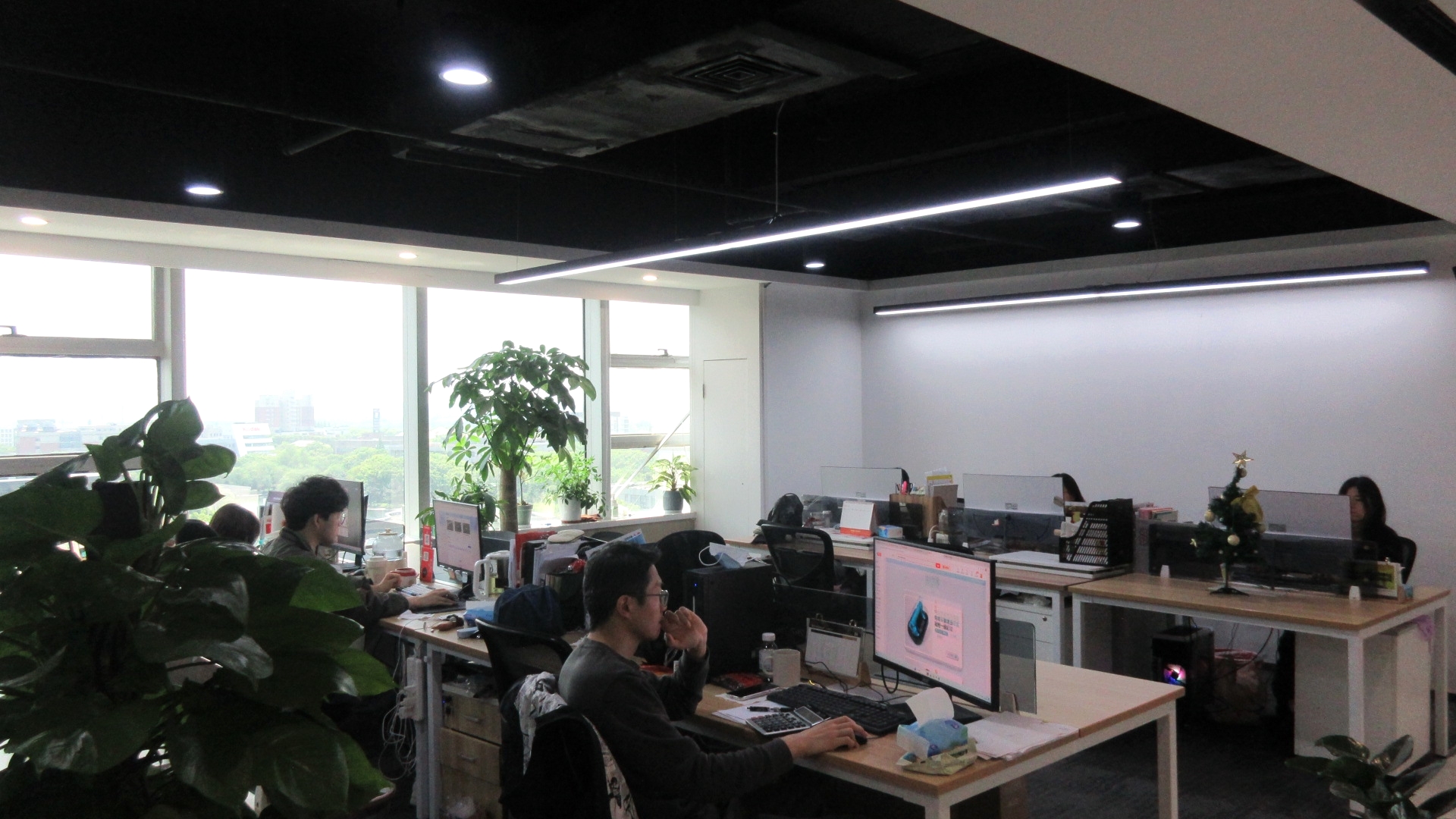
Why Dorni Is a Practical China Factory Partner for Plastic Faced Plywood
Shanghai Dorni International Trading Co., Ltd. is an export team backed by an affiliated plywood mill in Dangshan County, Anhui Province. The mill operates three complete production lines — from peeling and veneer preparation through pressing, double-side calibration and three-head sanding to container loading. This structure gives buyers access to a concrete production base while retaining the flexibility of a Shanghai-based export team.
The company has exported wood panels and building materials since 2008. Production is managed to ISO 9001 and controlled to CE requirements, with CE No. 1301-CPD-0569 referenced for relevant wood-based panel products. FSC-certified material is available on request, and the company has been assessed on-site by SGS Group. Grading can be aligned to BSI, IHPA, JPIS, GB or a buyer’s own standard.
For plastic faced plywood buyers, the advantage is not a slogan. It is the ability to coordinate core selection, glue type, film, thickness, edge sealing, packaging and mixed-product loading within one export programme. The affiliated mill’s stated capacity of 6,000 m³ per month supports repeat orders and container planning, while the Shanghai team handles documentation, inspection follow-up and export logistics.
- Global export experience since 2008
- Raw material inspection
- Finished-product inspection
- ODM and full customization
- Logo and packaging branding
- Sample-based production
Plastic Faced Plywood Sourcing Questions Importers Ask
These answers reflect the practical details buyers usually raise before a sample, trial order or full container commitment.
What is the difference between plastic faced plywood and film-faced plywood?
In most export catalogues, they refer to the same family: a plywood panel with a resin-impregnated film pressed onto one or both faces. However, suppliers also use “plastic faced” for PP-coated panels, so confirm whether the face is a phenolic/melamine film or a separate polypropylene coating. The application, durability and price can differ significantly.
Which glue should I choose for outdoor concrete formwork?
Phenolic WBP is the usual recommendation where panels will be exposed to water and repeated pours. Melamine is often more cost-effective for projects with fewer reuse cycles or better site handling. MR glue is not the automatic choice for exterior formwork. The correct decision depends on the pour schedule, storage conditions and expected reuse.
What is the minimum order quantity for film-faced plywood?
Standard film-faced and construction plywood commonly starts from 50 m³, roughly two 40HQ containers, although this can vary by specification. 3-ply shuttering panels may start from 7–50 m³ depending on size and coating, while bamboo decking and fencing can start from lower area-based quantities. Mixed-product containers can be discussed for trial orders.
Which certifications should a China supplier provide?
Check ISO 9001 for the mill’s quality system, CE documentation for relevant wood-based panels, and FSC chain-of-custody evidence where certified material is claimed. SGS or other third-party assessment reports are useful supporting evidence. Always verify the certificate scope, legal company name, product description and validity date.
Can you customize thickness, film, edge sealing and packaging?
Yes. Common customisations include thickness from 2.2 mm to 30 mm, sheet sizes such as 1220×2440, 1250×2500, 1500×3000 and 915×1830 mm, black or brown film, anti-slip film, edge-sealing colour, logo printing, bundle packaging and grading to BSI, IHPA, JPIS, GB or a buyer’s standard. Sample-based and design-based production are both possible.
Which ports and Incoterms are used for shipment?
Goods are usually loaded at Lianyungang or Qingdao port. Dorni can quote FOB, CFR, CIF, EXW, FAS and CIP terms, and can arrange express delivery for samples. Before production, confirm the port, container type, loading plan, inspection method and payment terms in the sales contract.
Compare plastic faced plywood specifications before you commit a container
Send the application, expected reuse cycle, core preference, glue class, thickness, sheet size, film colour, finishing requirement and destination port. The export team can then prepare a specification-led quotation rather than a generic price sheet.
For faster matching, include: core species, phenolic or melamine, film weight if known, edge sealing, annual volume, trial order quantity, and whether the container will combine multiple product categories.