8 Export-Ready Products from a Vertically Integrated China Supplier
The products below are not an arbitrary catalogue. They represent materials that international buyers frequently combine when sourcing packing timber, formwork, exterior structures and panel-based industrial components from China. Product images are shown without cropping or distortion so texture, coating and edge details can be reviewed before an RFQ is issued.
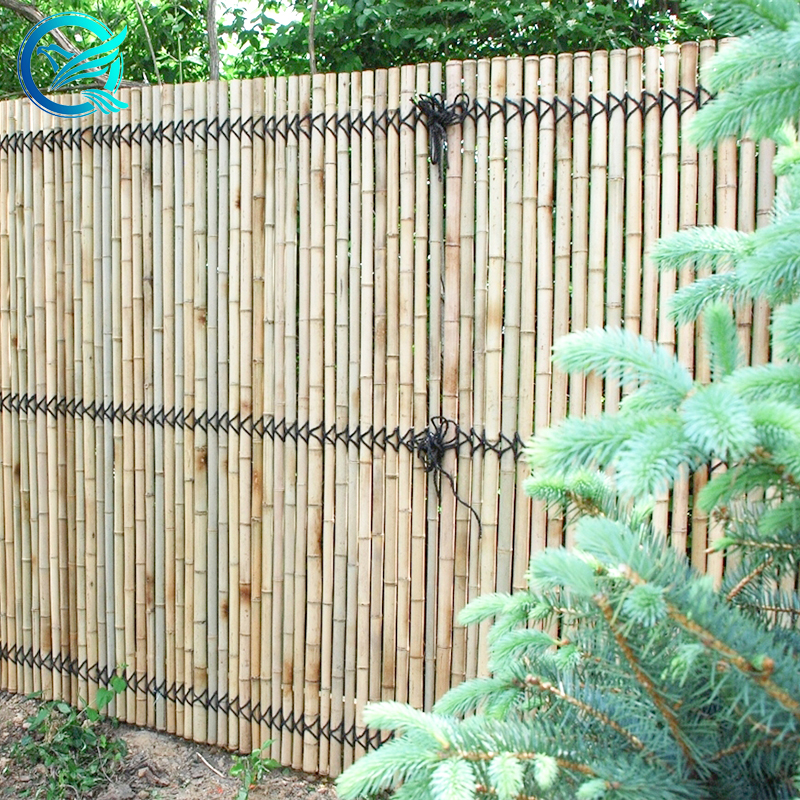
12 × 60 m Privacy Bamboo Curtain and Mat for Garden Fence and Gate
A long-roll privacy screen for gardens, gates and hospitality landscaping. Compact shipping, consistent slat spacing and a natural bamboo finish make it suitable for project quantities.
View product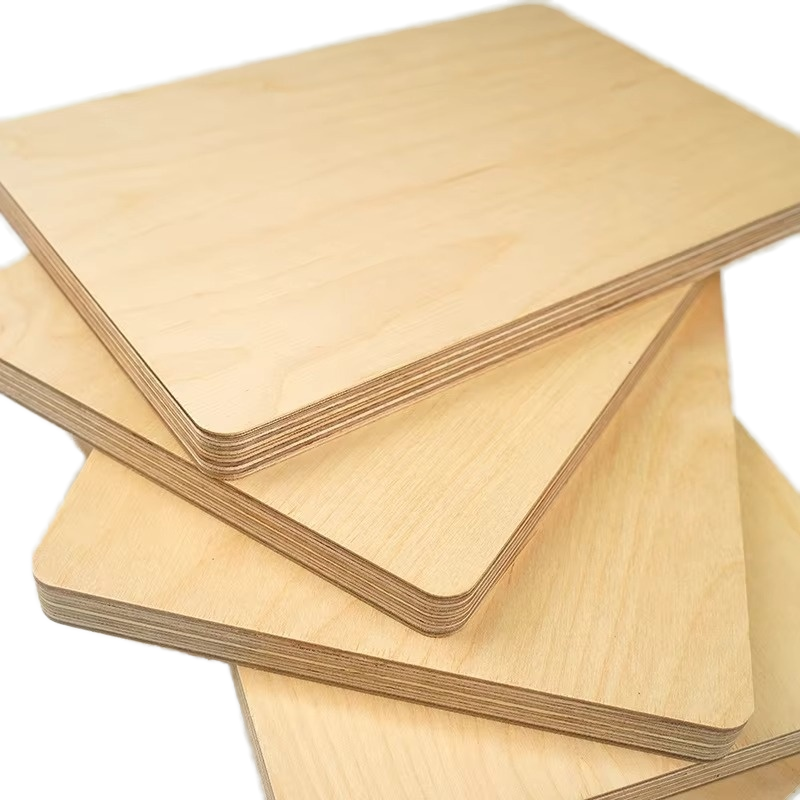
Wanhe CP-52 First-Class Poplar Birch Veneer Plywood E0 Water Resistant
Poplar-birch veneer plywood with E0 water-resistant construction for office buildings, fit-out, furniture and protected outdoor applications where surface quality matters.
View product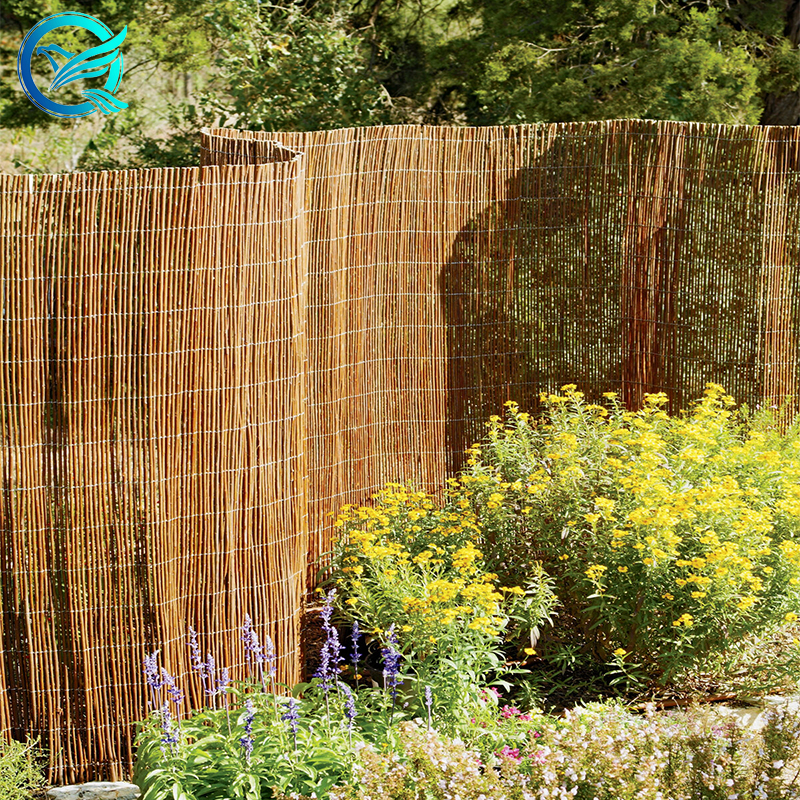
Natural Bamboo Roller Blinds Fence for Door and Pergola Shading
Roller blind fencing in natural bamboo for doorways, pergolas and shading. A lighter visual treatment for residential, resort and landscape projects.
View product
Singer 20 mm Engineered Stranded Bamboo Deck Tiles for Exterior Wall
Engineered stranded bamboo deck tiles with float installation, UV and waterproof coating, and a 5+ year warranty claim for exterior wall, terrace and poolside use.
View product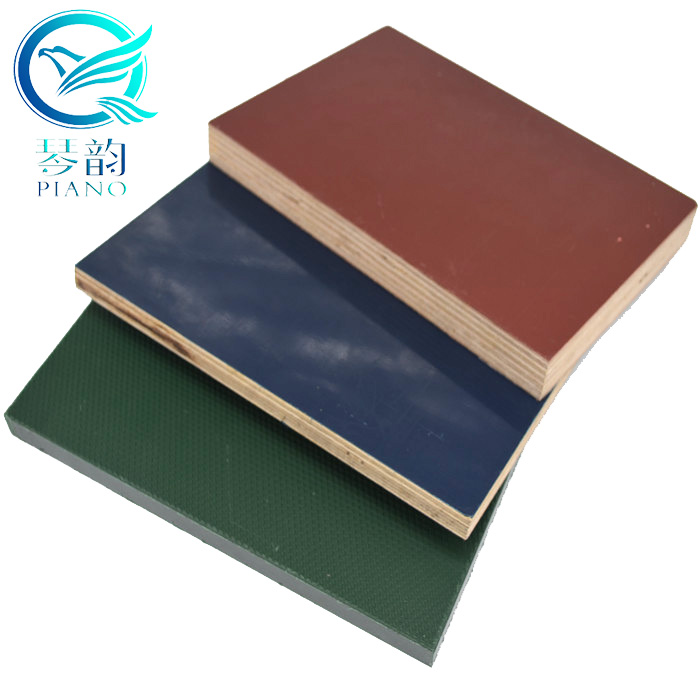
Green Anti-Slip PP-Coated Birch Plywood Sheets 6–35 mm
First-class grade birch plywood with double-sided PP coating, MUF glue and CE certification. A practical panel for anti-slip floors, transport and protected structural applications.
View product
High-Quality H20 Beam with Plastic Ends for Construction
H20 construction beam with plastic ends and phenolic WBP glue. Used in slab and wall formwork systems where repeated load cycles, edge protection and dimensional consistency matter.
View product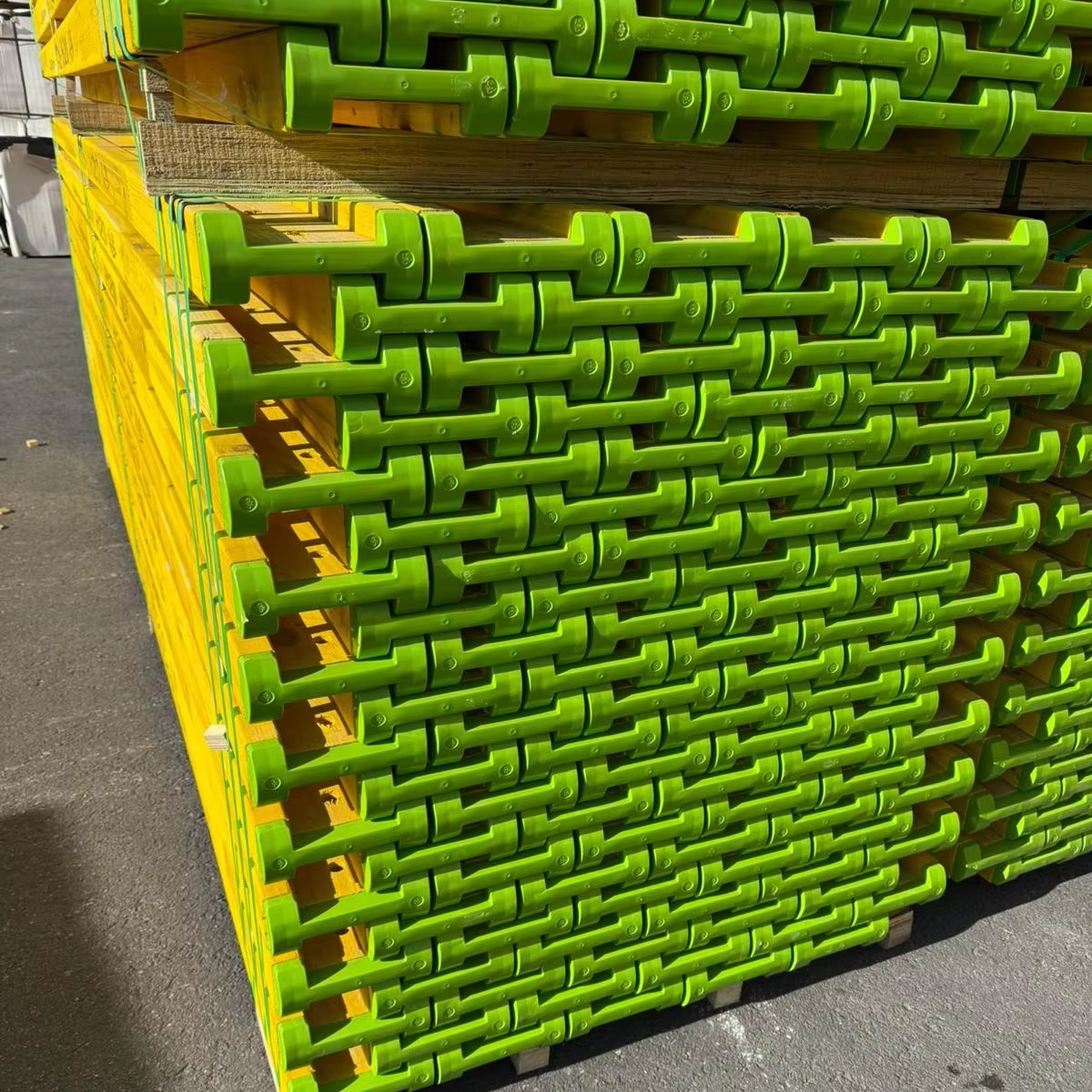
Yellow Waterproof H20 Beam with Plastic Ends
Yellow waterproof H20 beam with spruce flange and pine plywood web. Designed for contractors needing visible moisture protection, easy site identification and reliable formwork handling.
View product
LEONKING 3-Ply Shuttering Plywood for Formwork
Spruce-pine-fir core 3-ply shuttering plywood with UV and WBP paint coating in 21/27 mm yellow panels. A practical choice for panel formwork systems and site-built moulds.
View productNeed current stock, MOQ, loading photos or a mixed-container proposal for these specifications?
Contact UsSupplier Snapshot: Dorni’s Export and Production Base
Shanghai Dorni International Trading Co., Ltd. combines an export team in Shanghai with an affiliated plywood mill in Dangshan County, Anhui Province. The figures below are the operating facts procurement teams usually ask for first.
Years in wood panel and building material export since 2008.
Monthly plywood capacity from the affiliated production base.
Complete production lines covering peeling, pressing and calibration.
Export markets across Europe, the Americas, the Middle East, Africa and Asia.
What Makes a Top China LVL Packing Timber Factory?
For procurement teams, “top” is not a marketing adjective. It is a set of measurable operating capabilities: raw-material selection, veneer peeling accuracy, glue-line control, pressing discipline, moisture management, dimensional tolerance, packaging protection, export documentation and the ability to reproduce the same batch six months later. The strongest China suppliers of LVL packing timber behave less like traders and more like process owners, because packing timber is often a load-bearing or protection-critical component rather than a decorative material.
LVL packing timber is laminated veneer lumber used for crates, pallets, skids, dunnage, machine bases, export packaging, edge protection and internal blocking. It is engineered by laminating veneers under heat and pressure with adhesive, which gives it consistent density, high strength-to-weight performance and reduced warping compared with some solid-wood alternatives. For importers, the real question is not simply “Who has the lowest price per cubic metre?” but “Which factory can deliver repeatable strength, moisture content, dimensions and documentation across multiple shipments?”
This white paper is written for packaging engineers, industrial buyers, contractors and distributors who need to compare Chinese LVL packing timber factories and suppliers without relying on marketplace headlines. It explains what to audit, how buying behaviour is changing, where product development is heading, and how a supplier with integrated plywood and engineered-wood production can support mixed-product purchasing programmes.
Why LVL Packing Timber Is Gaining Share in Export Packaging
Packing timber buyers are balancing three forces at once: load performance, customs compliance and total landed cost. Engineered wood helps address all three when the specification and supplier controls are correct.
Strength with Less Weight
LVL’s laminated veneer structure distributes stress more predictably than uneven solid timber. For crates, skids and machinery bases, that can allow engineers to design lighter packaging without sacrificing stiffness.
Dimensional Stability and Repeatability
Consistent thickness, straight edges and controlled moisture help automated packing lines, CNC cutting and reusable crate systems run smoothly. Reproducibility matters more than a single perfect sample.
Cleaner Compliance Pathway
Processed engineered wood may fall outside some raw-wood packaging requirements in many markets, but importers must confirm destination plant-protection rules. Documentation, adhesive data and heat-treatment evidence still belong in supplier due diligence.
In practice, the best specification is application-led. A heavy machinery skid may require high-density LVL with a defined load direction and screw-holding performance. A one-way export crate may prioritise cost, availability and clean edges. A reusable internal logistics system may require sealed edges, moisture-resistant adhesive and branded identification. Buyers who define the use case before comparing quotations usually avoid the most expensive mistake in packing timber procurement: purchasing the wrong grade efficiently.
China LVL Packing Timber Procurement Trends for 2026–2030
Price will remain important, but supplier selection is shifting toward evidence, continuity and lower total risk. These are the trends that should shape RFQ templates and supplier scorecards.
Certification Becomes Pre-Qualification
FSC chain-of-custody availability, CE-controlled production and ISO 9001 systems are moving from “nice to have” to supplier pre-qualification, especially for European and North American buyers.
Landed Cost Beats Unit Price
Container utilisation, bundle dimensions, moisture protection, port charges and damage rates increasingly determine the winning quotation. A lower ex-works price can lose on total landed cost.
Lower Trial MOQs and Mixed Loads
Importers are asking for trial volumes, mixed specifications and combined shipments of LVL, plywood, H20 beams and bamboo products. Suppliers with broader product access and export experience can consolidate better.
Remote Inspection and Digital Records
Photo documentation, batch labels, loading videos and third-party inspection are becoming routine. Buyers want to verify what was produced, not only what was promised in an email.
Product Development Trends Inside Leading LVL and Engineered-Wood Mills
Factory capability is changing at the product level. The following developments are especially relevant to buyers who need packing timber that performs consistently across repeated orders.
Low-Emission Adhesive Systems
E0, E1, melamine and phenolic WBP adhesive options are being specified more precisely. For export packaging, water resistance and bond durability often matter more than a generic “waterproof” label.
Precision Moisture and Thickness Control
Calibrated thickness, controlled moisture and consistent sanding reduce downstream cutting errors. For automated packaging lines, small dimensional drift can create large handling losses.
CNC-Ready and Cut-to-Size Supply
More buyers want panels or LVL blanks cut to width, drilled, edge-sealed or branded before shipment. This shifts value from basic milling to supplier-side preparation and quality control.
Hybrid Packaging and Reuse Design
LVL is increasingly combined with plywood, plastic protection and modular fasteners to create reusable export crates. Design for disassembly and material identification are becoming purchasing criteria.
How to Evaluate a China LVL Packing Timber Supplier: 8-Point Audit
Use this checklist during supplier discovery, sample approval and pre-shipment verification. A supplier that can answer all eight points with evidence is usually easier to scale than one competing only on quotation price.
1. Mill Ownership or Verified Relationship
Clarify whether the supplier owns production, works with an affiliated mill or sources from third parties. Verify capacity, production lines and loading capability.
2. Raw Material Control
Ask how veneer is selected, sorted and dried. For packing timber, density variation and veneer defects can directly affect screw-holding and load performance.
3. Glue and Bond Class
Request the adhesive type, bond class and any test report. WBP or phenolic systems are often preferred for humid, outdoor or repeated-use packaging.
4. Press and Calibration Capability
Cold press, hot press, double-side calibration and sanding control determine flatness, thickness tolerance and surface quality. Ask for equipment and tolerance data.
5. Moisture and Dimension Testing
Confirm how moisture content, length, width, thickness and squareness are checked. Sampling frequency matters as much as the test method itself.
6. Certification and Export Documents
Check ISO 9001, CE-controlled production, FSC availability and SGS or third-party assessment. Match the document set to the destination market and product claim.
7. Pre-Loading Quality Control
Ask for bundle-level inspection, loading photos and container plans. Good suppliers document the shipment before the container door closes, not after a claim arises.
8. Commercial and Customisation Flexibility
Confirm MOQ, sample policy, lead time, branding, cut-to-size capability and Incoterms. The best supplier is the one that can reproduce your approved sample commercially.
Where Dorni Fits the China Sourcing Picture
Shanghai Dorni International Trading Co., Ltd. is an export-oriented supplier of plywood, formwork and bamboo building materials. Founded in 2008, the company works with an affiliated mill in Dangshan County, Anhui Province, and manages three complete production lines — peeler compositors, press dryers, oil boilers, double-side calibrators and 3-head sanders through to container loading platforms. Monthly plywood capacity reaches 6,000 m³.
Quality is managed to ISO 9001 and controlled to CE requirements (CE No. 1301-CPD-0569), with FSC-certified material available on request. The company has been assessed on-site by SGS Group. A dedicated QC team inspects raw materials on-site and checks finished goods before every loading, which gives buyers a documented point of control between factory output and vessel departure.
- 18+ years in wood panel export
- Affiliated mill with 3 production lines
- 6,000 m³ monthly plywood capacity
- ISO 9001 and CE-controlled production
- FSC-certified material available
- SGS on-site assessed supplier
- Raw material and finished goods QC
- ODM, private label and custom grading
Export shipments usually load at Lianyungang or Qingdao port. Dorni accepts FOB, CFR, CIF, EXW, FAS and CIP terms and serves buyers in North America, Western and Eastern Europe, South America, the Middle East, North Africa, Japan, South Korea and Southeast Asia. Customisation includes sample-based, design-based and full custom production, logo printing on film, edge-sealing colour, packaging design and grading to BSI, IHPA, JPIS, GB or buyer-specific standards.
Contact Us
What Can Go Wrong — and How to Protect Your Order
Most packing timber problems are predictable. They appear as moisture variation, delamination, dimension drift, poor stacking or incomplete documentation. The right RFQ and inspection plan reduces these risks before production begins.
Moisture Variation
Specify a moisture target and test method. Ask how finished bundles are protected before loading and during container transit.
Glue-Line Failure
Confirm adhesive class, press cycle and bond testing. For humid destinations, avoid vague “waterproof” claims without supporting specification.
Dimension Drift
Approve a physical sample and define acceptable tolerances for thickness, width, length and squareness. Recheck at pre-shipment.
Documentation Gaps
List every document before deposit: commercial invoice, packing list, certificate of origin, inspection record and relevant certification evidence.
Frequently Asked Questions About China LVL Packing Timber Factories and Suppliers
These are the questions that repeatedly appear in first-stage sourcing conversations with importers, packaging engineers and project buyers.
What is LVL packing timber used for?
LVL packing timber is used for export crates, pallets, skids, dunnage, machine bases, internal blocking, edge protection and reusable packaging systems. It is chosen when buyers need consistent strength, straightness and dimensional repeatability rather than low-grade blocking material.
How does LVL compare with plywood for export packaging?
LVL is typically stronger in one direction and is often used where load direction is known. Plywood offers broad panel coverage and good screw-holding across the sheet. Many packaging designs combine both: LVL for structural beams or skids and plywood for decks, sides or protection panels.
Is LVL packing timber subject to ISPM 15?
Engineered wood products made with adhesive may fall outside the scope of raw-wood packaging requirements in many markets, but rules vary by destination. Importers should verify current plant-protection requirements and request supporting documentation from the supplier before shipment.
What is a realistic MOQ for a first order?
MOQ depends on size, grade, adhesive and whether the order is mixed. For standard plywood and film-faced panels, 50 m³ is a common starting point; 3-ply shuttering panels may start from 7–50 m³ depending on specification, while bamboo decking may start from 100 m². Trial or mixed-product containers can often be discussed.
Which certifications should I request?
At minimum, ask for the quality management evidence relevant to the factory, product test reports and destination-market compliance documents. Dorni’s mill is managed under ISO 9001, production is controlled to CE requirements and FSC-certified material is available on request; the company has also been assessed on-site by SGS Group.
How do I verify moisture content and glue bond?
Agree on a moisture target and sampling method before production. Request bond-class evidence and, where needed, third-party testing. For high-risk applications, arrange pre-shipment inspection and retain approved samples against which future batches can be compared.
Can Chinese suppliers customise dimensions, CNC cuts or branding?
Yes, but capability varies. Dorni supports sample-based, design-based and full customisation, including logo printing on film, edge-sealing colour, packaging design and grading to BSI, IHPA, JPIS, GB or buyer-specific standards. Custom cutting and branding should be confirmed against drawings before deposit.
Which ports and Incoterms are typical?
Dorni goods are usually loaded at Lianyungang or Qingdao port. The company accepts FOB, CFR, CIF, EXW, FAS and CIP terms. Before comparing quotations, confirm whether the price includes export packaging, inspection, loading photos and destination documentation.
Send Your LVL Packing Timber Specification for a Technical Review
Include thickness, width, length, adhesive class, moisture target, load or application, annual volume, destination port and required certification. Dorni’s export team can respond with material recommendations, a sample plan, lead time and a container-loading proposal. For projects that combine LVL, film-faced plywood, H20 beams or bamboo products, mixed-product shipment can be evaluated.