8 Products Buyers Consolidate with an LVL and Formwork Order
The following eight products are part of Dorni’s engineered wood, formwork and outdoor range. All product URLs are preserved exactly as supplied; each card links to the original product page.

High-Quality H20 Beam with Plastic Ends for Construction – Phenolic WBP Glue
Phenolic WBP bonded H20 timber beam with protective plastic ends for slab formwork, secondary beams and repetitive concrete pours. A natural companion to LVL girders and film-faced panels.
View product
21mm Poplar Chinese Construction Signal Film Faced Plywood for Formwork
21 mm poplar-core signal film-faced plywood for concrete formwork, with a smooth release surface for architectural finishes. Often loaded together with H20 beams and 3-ply shuttering panels.
View product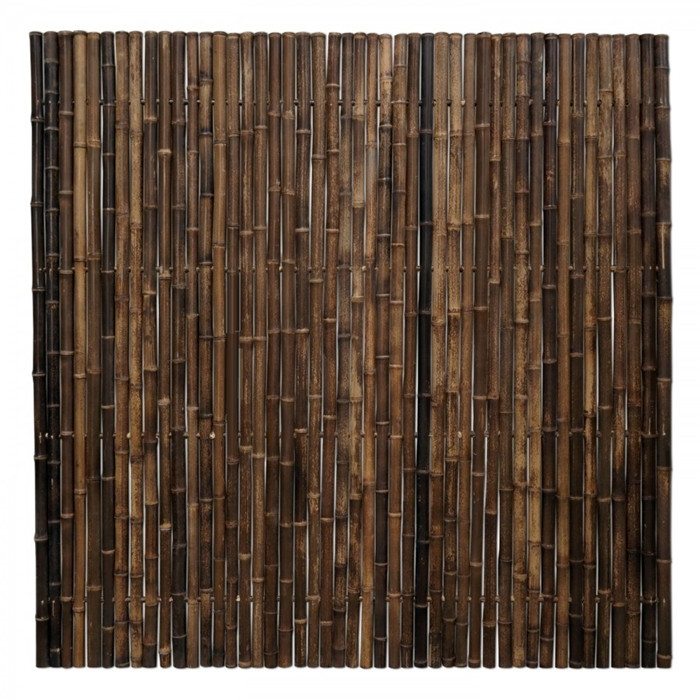
High 2m Bamboo Fence for Garden and Yard
A 2 m bamboo fence solution for landscaping, hospitality and residential screening. Suitable for projects that also specify bamboo decking, garden screens and outdoor structural timber.
View product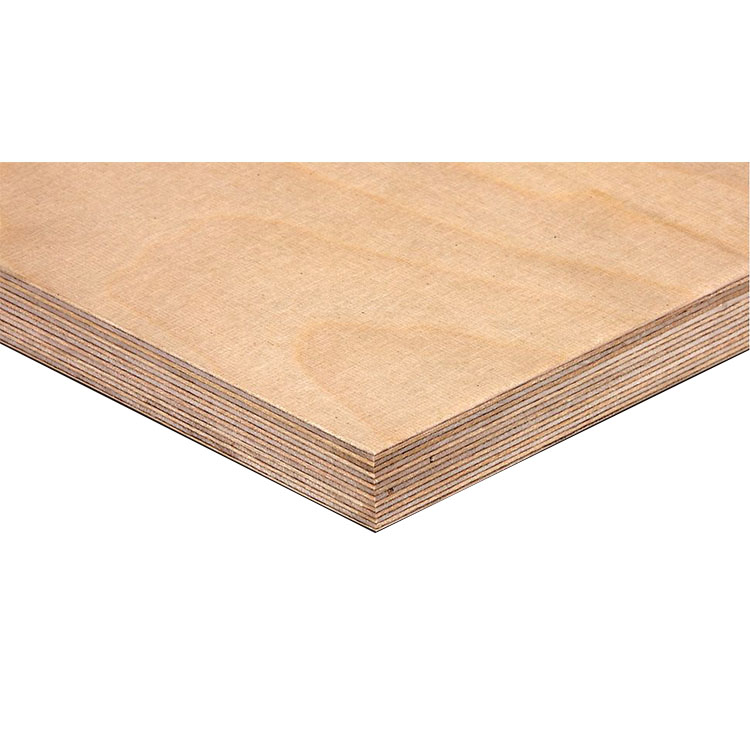
E0 Certified UV Coated Double-Sided Birch Piano Plywood
Double-sided UV-coated birch plywood with E0 low-formaldehyde certification for pianos, furniture, cabinetry and interior fabrication. A specialty panel for buyers who need stable substrate and clean finishing.
View product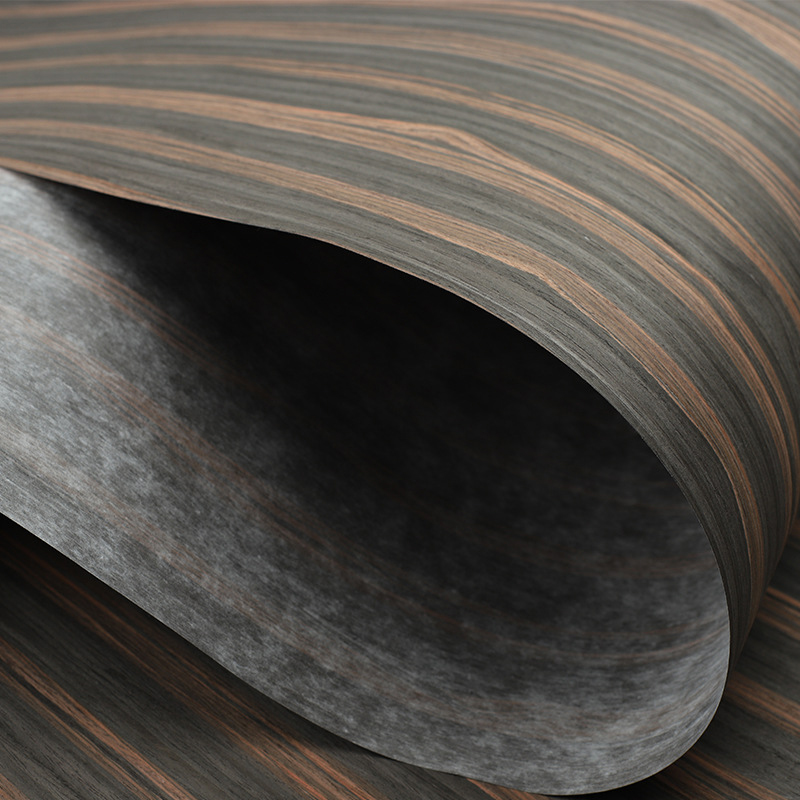
All Kinds Engineered Wood Veneer 640mm × 2500mm
Engineered wood veneer in 640 × 2500 mm for furniture faces, door skins and decorative panels. Useful for buyers combining LVL cores, plywood substrates and surface finishing in one container program.
View product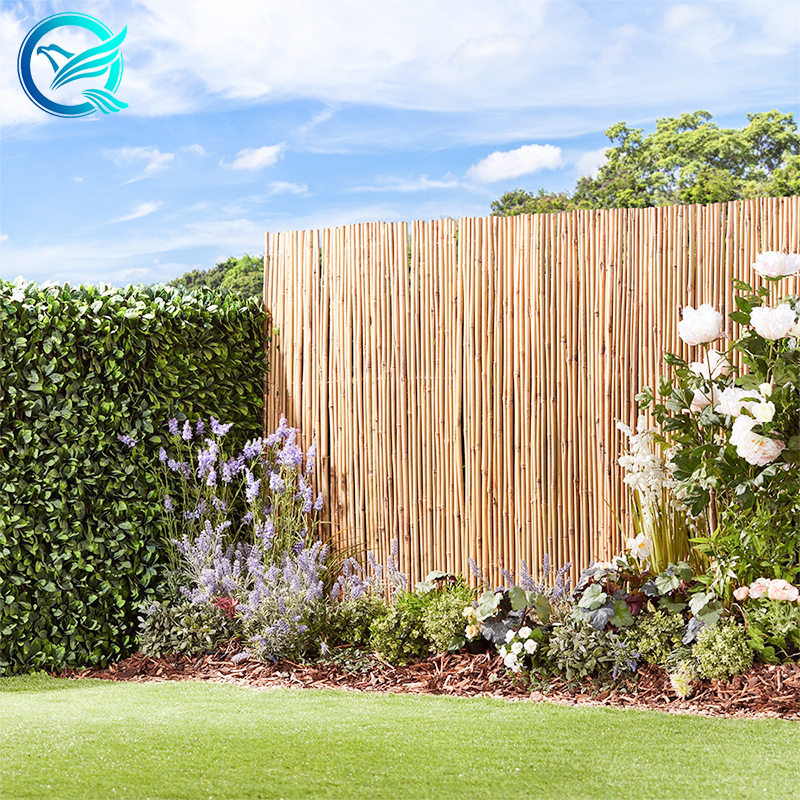
Wooden Garden Fence / Bamboo Screen
Flexible bamboo screen and garden fence option for privacy, resorts, patios and landscape contractors. Can be consolidated with decking, fencing and outdoor bamboo products for project shipments.
View product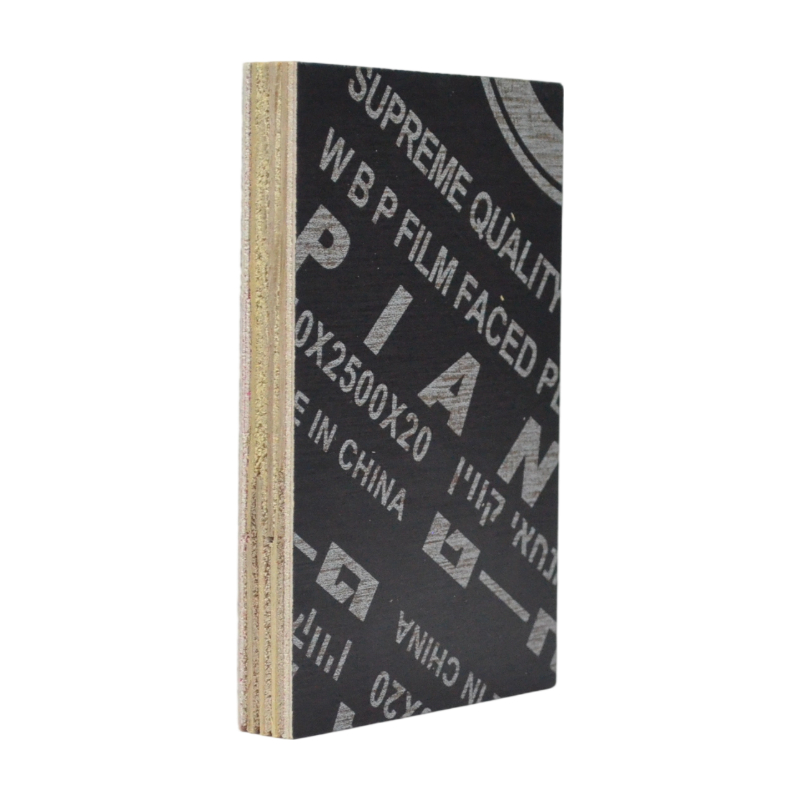
Birch Film Faced Plywood 1220×2440×18 mm for Formwork
Standard-size 18 mm birch film-faced plywood for reusable construction formwork. 1220 × 2440 mm sheets support efficient layout, clean concrete faces and predictable handling on site.
View product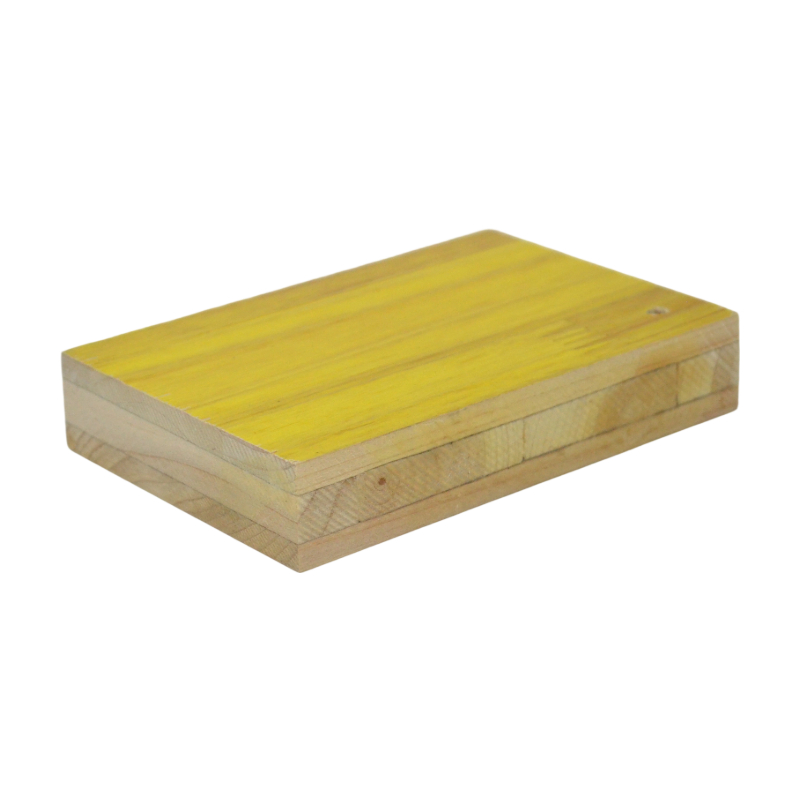
3 Ply Yellow Spruce Shuttering Panel 21–27 mm Pine Formwork Board
Yellow spruce and pine 3-ply shuttering panel for panel formwork systems, easily assembled for concrete slab and wall construction. A practical match for H20 beams and slab-support accessories.
View productChina Laminated Veneer Lumber Manufacturers & Wholesalers: Search Intent, Supply Reality and Buying Logic
Buyers searching for “China laminated veneer lumber manufacturers & wholesalers” are usually closer to a purchase decision than the phrase suggests. They compare structural consistency, glue lines, certification scope, dimensions, MOQ and loading plans — not only price per cubic metre.
Laminated veneer lumber, often shortened to LVL, is an engineered wood product made by grading, drying and bonding veneers under controlled heat and pressure. Because defects are removed or dispersed before pressing, LVL offers more predictable strength and dimensional behaviour than many solid timber alternatives. In formwork, furniture, packaging and structural applications, that consistency translates into fewer site surprises, less cutting waste and better repeatability across repeat orders.
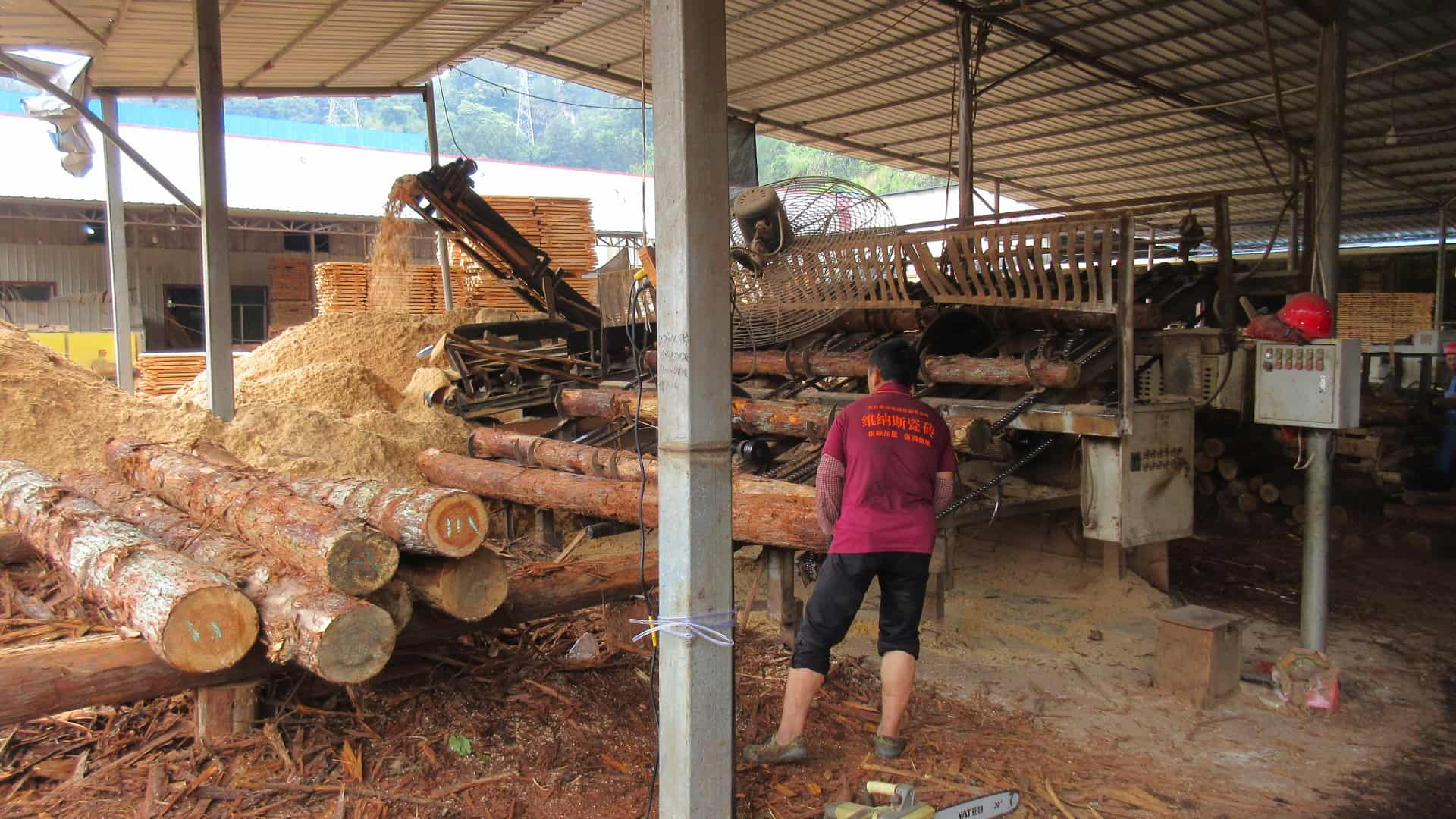
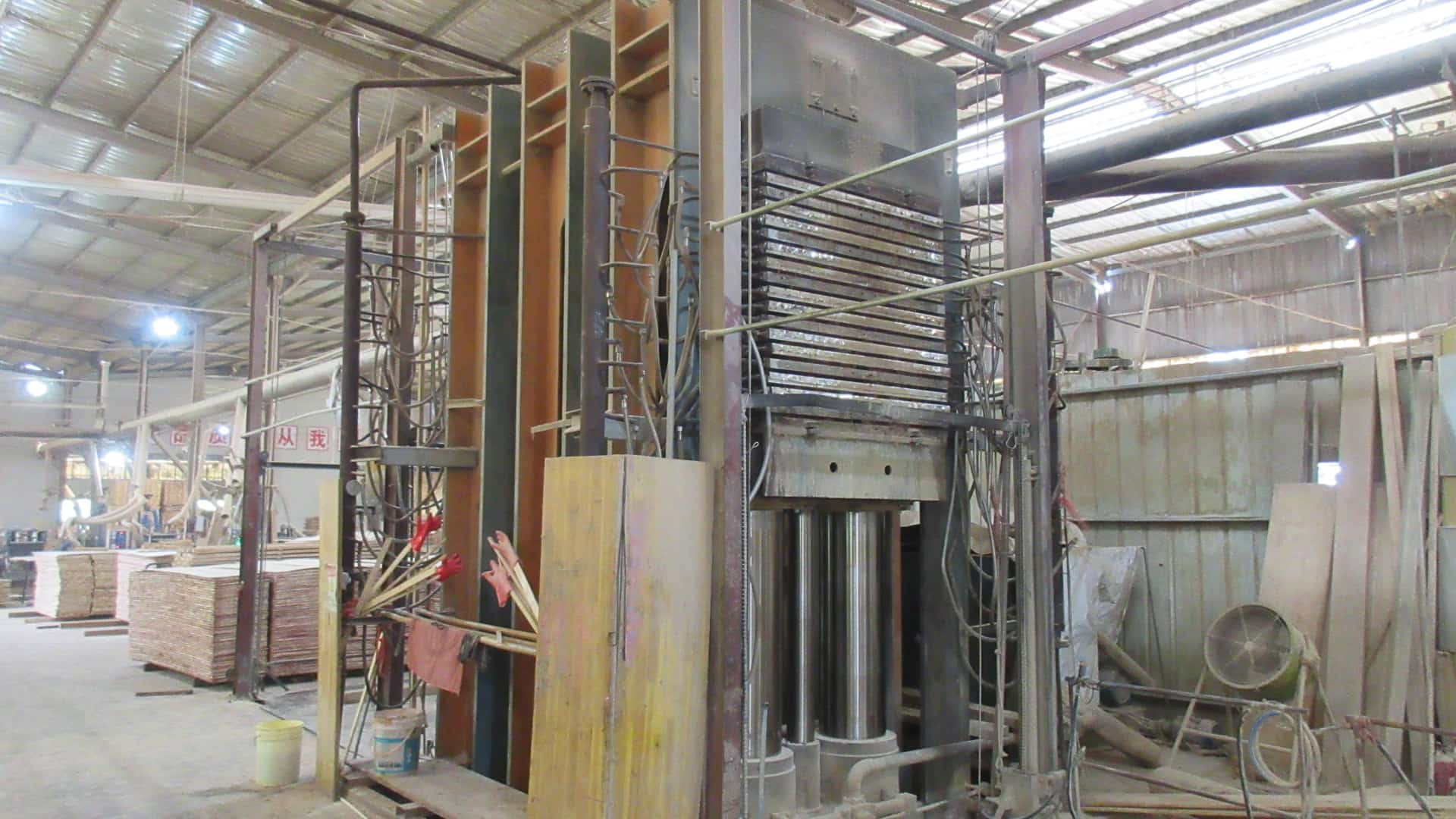
For international buyers, the most important distinction is not simply “manufacturer versus wholesaler.” It is whether the supplier controls the critical production steps — veneer peeling, drying, glue lay-up, cold and hot pressing, calibration, sanding and final inspection — or merely sources finished panels from the open market. A mill-backed export team can discuss glue type, veneer species, moisture content, thickness tolerance and packaging in the same conversation. A pure trader may offer a lower headline price but add uncertainty when specifications tighten.
Dorni’s model combines a Shanghai export office with an affiliated mill in Dangshan County, Anhui Province. Production is managed to ISO 9001 and controlled to CE requirements, with FSC-certified material available and SGS on-site assessment. Three complete production lines support a monthly plywood capacity of approximately 6,000 m³, covering peeling, pressing, calibrating and sanding before container loading.
International procurement teams should also think in product systems rather than single SKUs. An LVL or H20 beam order is often loaded with film-faced plywood, 3-ply shuttering panels, birch plywood, edge-sealed panels, bamboo decking or garden screening. Consolidating these items with one qualified supplier reduces the number of inspections, loading points and documentation sets — a meaningful advantage when project schedules are tight and payment terms are linked to shipment readiness.
Search-Intent Map for Procurement Teams
- Informational: How LVL grades, glue types and veneer species affect strength, reuse and surface finish.
- Commercial: Which China LVL manufacturers or wholesalers can supply E0/E1, phenolic WBP, CE and FSC options?
- Transactional: MOQ, mixed-container loading, port of departure, Incoterms and pre-shipment inspection.
- Risk reduction: SGS assessment, factory ownership, QC photos, third-party inspection and documented loading checks.
Why LVL Is Replacing Solid Timber in Formwork, Furniture and Structural Components
LVL is not a generic “wood substitute.” It is a specification-led engineered material. The following performance factors explain why buyers increasingly include LVL and LVL-compatible systems in annual supply plans.
Dimensional Stability
Veneers are dried and bonded under pressure, reducing bowing, twisting and shrinkage compared with many solid timber sections. Stable components protect concrete finishes, door cores and furniture dimensions.
Predictable Strength
Defects are removed or distributed before lay-up, so LVL delivers consistent stiffness and load behaviour. That predictability is valuable for H20 beams, scaffold planks, packaging runners and door cores.
Strength-to-Weight Advantage
Engineered sections can achieve high structural performance with relatively low mass. Lighter formwork components reduce handling fatigue, speed up erection and can lower transport and site-lifting demands.
Design Flexibility
LVL can be produced in long lengths, custom thicknesses and finger-jointed formats. Buyers can reduce cut-off waste, specify repeating dimensions and coordinate LVL with film-faced plywood or 3-ply shuttering panels.
Material Efficiency
Engineered wood converts smaller logs and veneer resources into high-value components. FSC-certified material can be supplied on request, supporting buyers who must document responsible sourcing to their own customers.
System Compatibility
LVL, H20 beams, film-faced plywood and 3-ply shuttering panels are often specified together. Plastic end caps, phenolic glue and edge sealing help protect components across repeated pours and outdoor storage.
Future Procurement Trends for China LVL and Engineered Wood Wholesale
Price remains important, but the buying criteria around LVL are widening. Procurement teams are being asked to protect schedule, compliance and total cost of ownership at the same time.
Certification-First Sourcing
CE marking, ISO 9001, FSC chain of custody and SGS assessment are moving from “nice to have” to pre-qualification items. Buyers increasingly ask for certificate scope, product coverage and traceability, not just a logo on a catalogue.
Total Cost of Ownership
Reuse cycles, glue performance, edge sealing, film quality and handling damage can matter more than the lowest unit price. A panel that survives additional pours may reduce replacement and labour costs across the project.
Mixed-Container Consolidation
Importers prefer one supplier for LVL, H20 beams, film-faced plywood, 3-ply panels and outdoor bamboo where possible. Consolidated loading reduces freight complexity, documentation risk and the number of quality inspections.
Lower-Emission Specifications
E0 and E1 requirements are appearing in furniture, interior fit-out and export programs. Buyers now request emission reports alongside glue type, because “waterproof” and “low formaldehyde” are separate performance questions.
Remote Verification
Photo and video documentation, loading supervision and third-party inspection help overseas buyers verify production without visiting every factory. Transparent QC records are becoming a competitive advantage for exporters.
Flexible MOQs and Private Label
Standard film-faced and construction plywood starts from 50 m³, 3-ply shuttering panels from 7–50 m³ depending on specification, and H20 beams from 1,000 m. Private-label packaging, film printing and grading to BSI, IHPA, JPIS or GB support distributor programs.
Product Development Trends: Next-Generation LVL, H20 Beams and Formwork Systems
The strongest product development is usually invisible on a data sheet until a contractor compares reuse, handling and finish across several pours. These are the directions shaping the next buying cycle.
Phenolic Bonding for Reuse
Phenolic WBP glue continues to gain attention in formwork and outdoor applications because it supports repeated exposure to moisture and site handling. For H20 beams, film-faced plywood and 3-ply panels, glue selection should be matched to reuse targets rather than defaulted to the lowest cost.
Engineered Veneer Surfaces
Engineered wood veneer in 640 × 2500 mm is increasingly used for furniture faces, door skins and decorative panels where a consistent, repeatable grain is required. It pairs well with stable plywood or LVL cores and supports factory-scale finishing.
E0 and UV-Coated Birch
Double-sided UV-coated birch plywood with E0 certification reflects demand for cleaner interior substrates in pianos, cabinetry and furniture. Buyers are increasingly combining emission grade, surface finish and core stability in one purchase specification.
Waterproof Edge Protection
Plastic ends on H20 beams, edge-sealing paint and controlled moisture content protect engineered wood through transport, storage and repeated pours. For buyers comparing quotes, edge protection is a useful total-cost differentiator.
3-Ply Modular Formwork Panels
Yellow-coated 3-ply shuttering panels in 21 mm and 27 mm are used in panel formwork systems where fast assembly and clean concrete faces matter. Spruce, fir, pine and poplar options let buyers match availability, weight and surface expectations.
Outdoor Bamboo and Landscaping
Bamboo decking, decking tiles, garden fencing and screens extend the engineered wood purchase into landscaping and hospitality projects. These items are increasingly consolidated with formwork and plywood orders for distributors serving multiple customer segments.
Dorni’s Mill-Backed Advantage for LVL and Engineered Wood Buyers
Shanghai Dorni International Trading Co., Ltd. has exported plywood and building materials since 2008. The company combines a Shanghai export team with an affiliated mill in Dangshan County, Anhui Province.
Production, Quality and Customization Under One Export Team
The mill runs peeling, drying, glue lay-up, cold and hot pressing, double-side calibration and three-head sanding through to container loading platforms. Production is managed under ISO 9001 and controlled to CE requirements (CE No. 1301-CPD-0569). FSC-certified material is available, and the company has been assessed on-site by SGS Group.
A dedicated QC team inspects raw materials on-site and checks finished goods before loading. Panels can be graded to BSI, IHPA, JPIS, GB or customer specifications. Dorni also supports sample-based, design-based and full customization, including logo printing on film, edge-sealing colour, bundle packaging and private-label programs.
For LVL and engineered wood buyers, this mill-backed structure provides a practical advantage: LVL-compatible H20 beams, film-faced plywood, 3-ply shuttering panels, birch plywood, underlayment CDX, timber and bamboo products can be discussed with one export team, inspected under one quality system and consolidated for loading.
- 18+ years of export experience
- Affiliated mill in Anhui Province
- ISO 9001 quality management
- CE-controlled production
- FSC-certified material available
- SGS on-site assessment
- Raw material and finished-goods QC
- ODM and private-label support
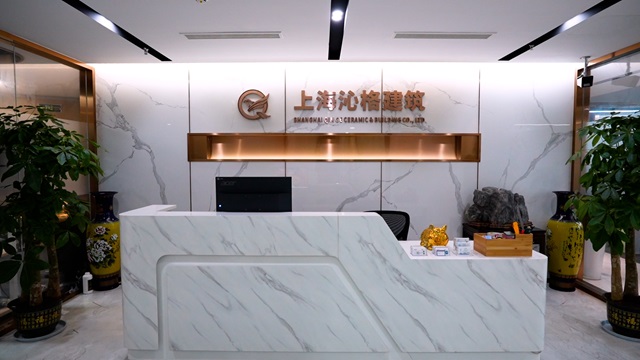 SGS On-Site Assessed
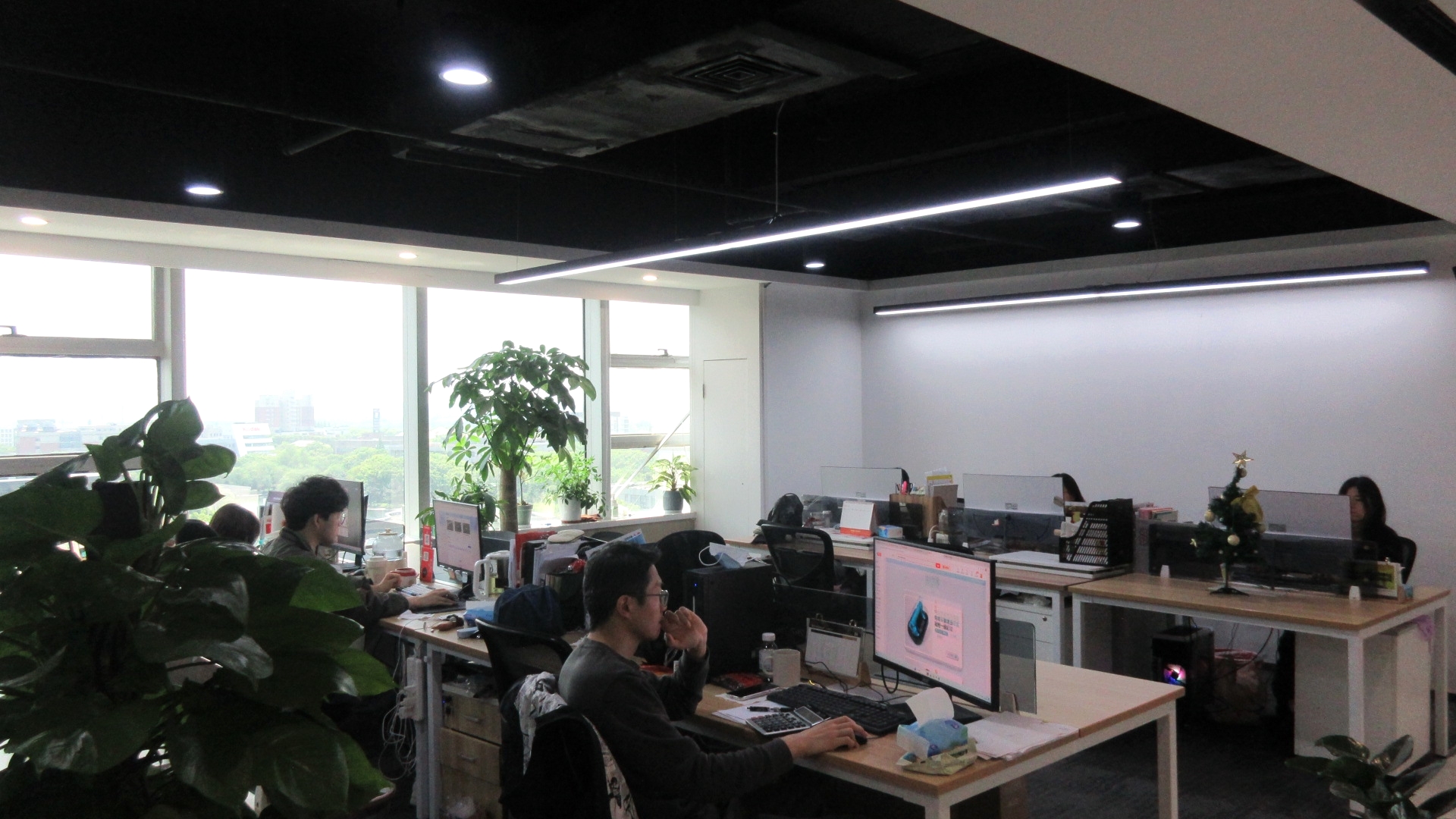
How to Vet China Laminated Veneer Lumber Manufacturers & Wholesalers
A disciplined pre-qualification process is more valuable than a long supplier list. These eight checks help separate capable mill-backed suppliers from intermediaries that cannot control specification.
Confirm Factory Ownership
Ask for the mill address, production-line photos, business licence and the relationship between the export office and the factory. Mill-backed suppliers can explain how veneer, glue and pressing are controlled.
Verify Certification Scope
Check ISO 9001, CE and FSC documents against the actual product and factory. A certificate is only useful when its scope matches the panels, glue and manufacturing process you intend to buy.
Match Glue to Application
MR, melamine and phenolic WBP behave differently under moisture and reuse. For exterior formwork and repeated pours, confirm phenolic WBP and request bonding test reports where needed.
Lock the Species and Grade
Poplar, pine, spruce, birch, eucalyptus and mixed hardwood cores have different weight, strength and surface behaviour. Specify veneer grade, finger-joint quality and plug requirements in writing.
Check Dimensions and Moisture
Confirm thickness tolerance, sheet size, squareness, moisture content and edge sealing. For H20 beams, plastic end caps and glue line quality should be included in the inspection checklist.
Plan MOQ and Loading
Film-faced plywood often starts at 50 m³, 3-ply shuttering panels from 7–50 m³ depending on specification, and H20 beams from 1,000 m. Ask how mixed-product containers are planned.
Review QC and Loading Records
Request raw-material inspection records, finished-goods photos, bundle labels and container-loading images. Third-party inspection should be welcomed, not resisted, before shipment.
Protect the Commercial Terms
Compare FOB, CFR, CIF, EXW, FAS and CIP offers carefully. Confirm payment terms such as T/T, L/C, D/P or D/A, and use inspection-linked documents to reduce transactional risk.
Technical and Commercial Snapshot: LVL, H20 Beams and Companion Products
Use this table as a starting point for an RFQ. Final specifications should always be confirmed against the target market, project drawings, glue requirements and certification needs.
| Product Family | Typical Core / Material | Glue / Grade | Common Size / Thickness | Best-Fit Application | Typical MOQ / Note |
|---|---|---|---|---|---|
| LVL / LVB | Poplar, pine or specified veneer | Phenolic or MR | To order | Scaffold planks, door cores, packaging, bed slats, engineered components | By specification |
| H20 Timber Beam | Timber flanges, plywood web, plastic ends | Phenolic WBP | 200 mm height | Slab formwork girders, secondary beams and panel systems | 1,000 m |
| Film Faced Plywood | Poplar, combi, eucalyptus, birch, finger-jointed | Melamine or phenolic WBP; E1/E0 available | 12, 15, 18, 21 mm | Concrete slab, wall and column formwork | 50 m³ |
| 3-Ply Shuttering Panel | Spruce, fir, pine or poplar | Phenolic bond, yellow melamine coating | 21 mm and 27 mm | Panel formwork systems, wall forms and slab construction | 7–50 m³ |
| Birch Film Faced Plywood | Birch core | WBP / exterior-grade bond | 1220 × 2440 × 18 mm and custom | Reusable construction formwork and clean concrete faces | By specification |
| UV-Coated Birch Piano Plywood | Birch plywood | E0, double-sided UV coating | Custom panel sizes | Pianos, furniture, cabinetry and interior fabrication | From 99 pcs |
| Engineered Wood Veneer | Engineered veneer | Decorative surface | 640 × 2500 mm | Furniture faces, door skins and decorative panels | By order |
| Bamboo Fence / Screen | Bamboo | Outdoor treatment | 2 m high and project sizes | Garden, yard, resort and landscape screening | By project |
Common sheet sizes include 1220×2440, 1250×2500, 1500×3000 and 915×1830 mm. Grading can be aligned to BSI, IHPA, JPIS, GB or customer standards.
Export Logistics, Commercial Terms and Buyer Protection
For first-time and repeat buyers, commercial clarity is part of product quality. These details should be confirmed before production begins.
Loading Ports
- Lianyungang Port — approximately 250 km from the mill
- Qingdao Port — approximately 450 km from the mill
- Longhai railway and Road 310 nearby
- Container loading platforms at the mill
Trade Terms
- FOB, CFR, CIF, EXW, FAS and CIP
- T/T, L/C, D/P and D/A accepted
- USD, EUR, GBP, JPY and other currencies
- Sample arrangements by express delivery
Main Markets
- North America and South America
- Western and Eastern Europe
- Middle East and North Africa
- Japan, South Korea and Southeast Asia
Buyer Protection
- Pre-shipment inspection photos
- Third-party inspection welcome
- Alibaba Trade Assurance orders supported
- SGS on-site assessment and documented QC
FAQ: Buying Laminated Veneer Lumber and Engineered Wood from China
These are the questions international buyers most often ask when comparing China LVL manufacturers and wholesalers for a first or repeat order.
What is laminated veneer lumber (LVL), and how is it different from plywood?
LVL is an engineered wood product made by bonding multiple layers of veneer under heat and pressure, usually with the grain aligned to optimise strength and stiffness along the length. Plywood typically alternates grain direction to create a panel with balanced properties. In practical sourcing terms, LVL is often specified for beams, scaffold planks, door cores, packaging and structural components, while plywood is used for formwork panels, sheathing, furniture and general construction. Both can use MR, melamine or phenolic WBP adhesives, but the correct specification depends on load, moisture exposure and reuse expectations.
How do I choose a China LVL manufacturer rather than a trading company?
Start with factory evidence: mill address, production-line photos, business licence, equipment list, monthly capacity and the relationship between the export office and the factory. A mill-backed supplier can explain veneer peeling, drying, glue lay-up, pressing, calibration and sanding, and can answer technical questions about species, thickness tolerance and bonding. A trading company may still be useful for consolidated purchasing, but you should know which production steps it controls. Ask for recent inspection records, loading photos and a named QC contact. Dorni, for example, operates through a Shanghai export office supported by an affiliated mill in Anhui Province, with three production lines and approximately 6,000 m³ monthly plywood capacity.
Which certifications should I verify before placing an order?
Check ISO 9001 for quality management, CE for relevant wood-based panel requirements, and FSC chain of custody if responsible sourcing is required by your market. SGS on-site assessment is a useful additional trust signal because it indicates an independent review of supplier capability. Always verify certificate scope and validity, and connect the certificate to the specific product and factory. For some projects, buyers also request test reports for formaldehyde emission, bonding strength or moisture content. Certification should support the specification, not replace it.
What glue types and emission grades are available?
Dorni supplies MR, melamine (ML), phenolic WBP, E2, E1 and E0 grades depending on the product and application. Phenolic WBP is commonly recommended for formwork that is reused outdoors or exposed to moisture over multiple pours. Melamine is often a cost-effective choice for projects with fewer reuse cycles. E0 and E1 specifications are relevant for interior applications such as furniture, cabinetry and specialty plywood. For LVL and H20 beams, confirm the glue type, bonding test requirements and edge protection in the quotation so that the delivered product matches the intended service life.
What are the typical minimum order quantities and lead times?
Standard film-faced and construction plywood usually starts from 50 m³, roughly two 40HQ containers. 3-ply shuttering panels can start from 7–50 m³ depending on specification, H20 beams from 1,000 m, and bamboo decking from 100 m². Lead time depends on whether the items are standard or custom, the glue and emission requirements, and the shipping schedule. For repeat buyers, planned production slots can reduce waiting time. Always confirm the production lead time separately from ocean transit time, and include inspection and loading windows in the purchase schedule.
What thicknesses and sheet sizes can be produced?
Plywood thickness typically ranges from 2.2 mm to 30 mm. Common sheet sizes are 1220×2440 mm, 1250×2500 mm, 1500×3000 mm and 915×1830 mm. 3-ply shuttering panels are commonly 500×2000 mm or 500×3000 mm in 21 mm or 27 mm. Custom sizes can be discussed for larger programs. For LVL and H20 beams, dimensions should be confirmed against the formwork system or structural drawing. Thickness tolerance, squareness, edge sealing and moisture content should be written into the order specification.
Can you customize specifications, logo, packaging or private-label products?
Yes. Dorni supports sample-based, design-based and full customization. This can include logo printing on film, edge-sealing colour, bundle packaging, private-label marks, grading to BSI, IHPA, JPIS or GB standards, and custom dimensions where production allows. For engineered wood and plywood buyers, the most useful starting point is a written specification covering species, glue, emission grade, thickness, sheet size, surface, edge treatment, packaging and destination port. A sample or previous order reference can then be used to align production and inspection.
Which ports do you ship from, and which Incoterms do you accept?
Goods are usually loaded at Lianyungang or Qingdao port. The mill is approximately 250 km from Lianyungang and 450 km from Qingdao, with Longhai railway and Road 310 nearby. Dorni accepts FOB, CFR, CIF, EXW, FAS and CIP terms. Payment methods include T/T, L/C, D/P and D/A, subject to commercial review. For samples, express delivery can be arranged. Buyers should confirm the final Incoterm, port, container type and loading plan in the sales contract to avoid ambiguity.
How is quality controlled before shipment?
The mill has a dedicated QC team that inspects raw materials on-site and checks finished goods before loading. Production is managed to ISO 9001 and controlled to CE requirements, with FSC-certified material available on request. Buyers can request pre-shipment photos, bundle labels, loading images and third-party inspection. For technical orders, the inspection checklist should cover species, glue, thickness, dimensions, moisture, surface, edge sealing and packaging. Clear inspection criteria at the order stage are more effective than resolving disputes after the container has sailed.
Can you provide samples before a bulk order?
Yes, sample arrangements can be discussed and are usually sent by express delivery. Samples are most useful when they represent the proposed production specification: core species, glue type, thickness, film or veneer surface, edge treatment and targeted certification. For LVL, H20 beams or custom panels, a sample may need to be produced to the agreed specification rather than selected from standard stock. Buyers should confirm sample dimensions, labelling, courier account and whether sample charges are refundable against a future bulk order.
Share Your LVL and Formwork Specification — Get a Mill-Direct Proposal
Send core species, glue type, emission grade, thickness, dimensions, MOQ, destination port and target certification. Our export team will prepare a technical proposal, packing plan and quotation based on the Dorni mill-backed supply chain.
Email: info@dorniplywoods.com · Shanghai office · Dangshan mill · Export markets across Europe, the Americas, the Middle East, Africa and Asia.
Request a Fast Technical Review
Tell us whether you are comparing China laminated veneer lumber manufacturers, wholesalers or a consolidated engineered wood supplier. We will reply within 24 hours with the next practical step.
Send an InquiryISO 9001 · CE · FSC · SGS Assessed · 18+ Years Export Experience