Top China Formwork Girders Factories & Supplier
An evidence-led guide for importers comparing H20 timber beam factories, 3-ply shuttering panels, film-faced plywood and mixed-container supply from China.
8 Products for Formwork Girders and Allied Shuttering Supply
These eight catalogue items are matched to the search intent behind “China formwork girders factories & supplier.” The H20 references sit first; shuttering panels, film-faced plywood, veneer and bamboo products show how a buyer can consolidate a project order. Product URLs remain unchanged.
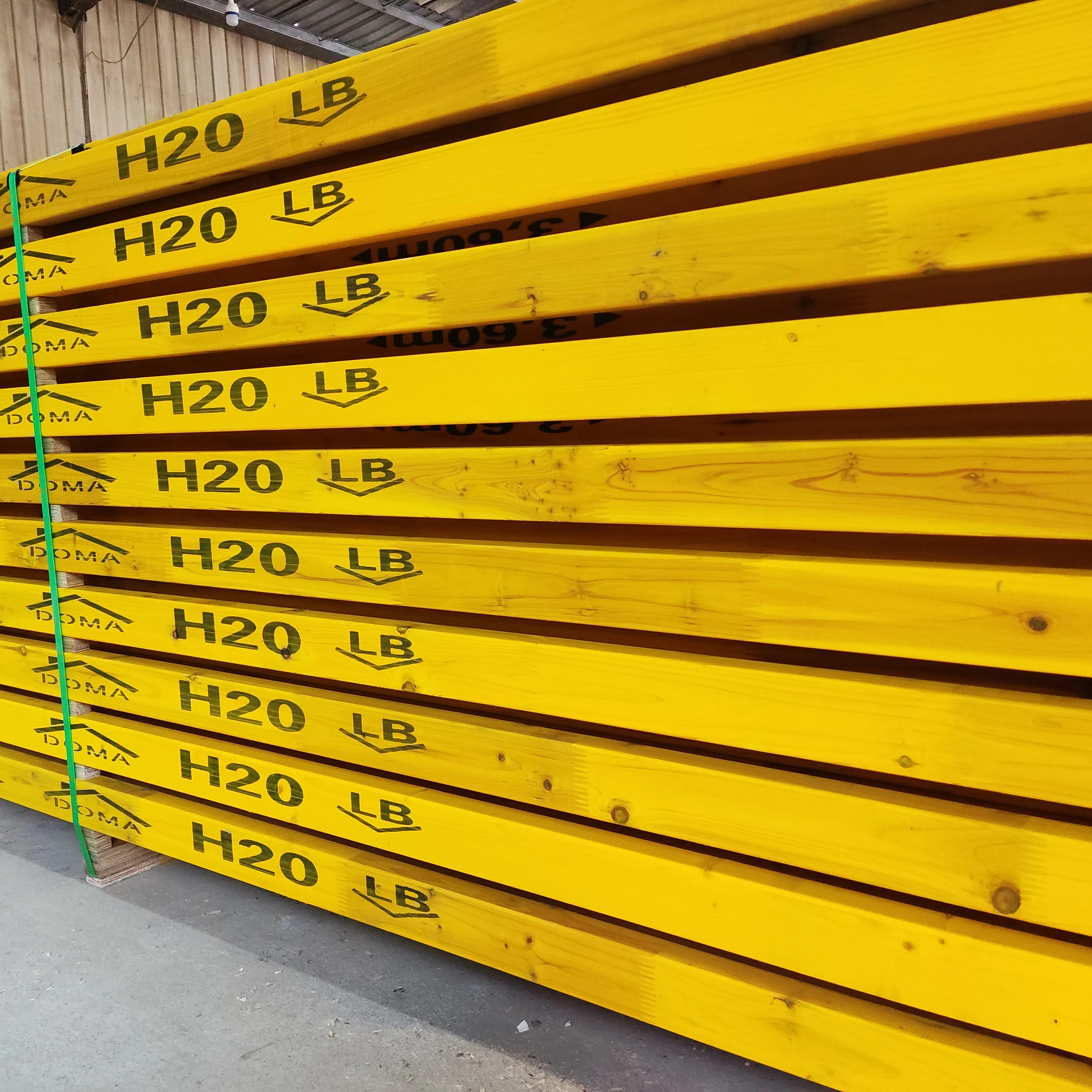
EN 13377 H20 Beam Red Plastic Cap Construction Formwork H16 H30 200x80x40x27mm E0 EN 13353 H20 Beam Formwork
Red plastic end caps and 200×80×40×27 mm geometry for slab and wall formwork. Confirm flange species, web ply construction, glue class and target reuse before ordering.
View product →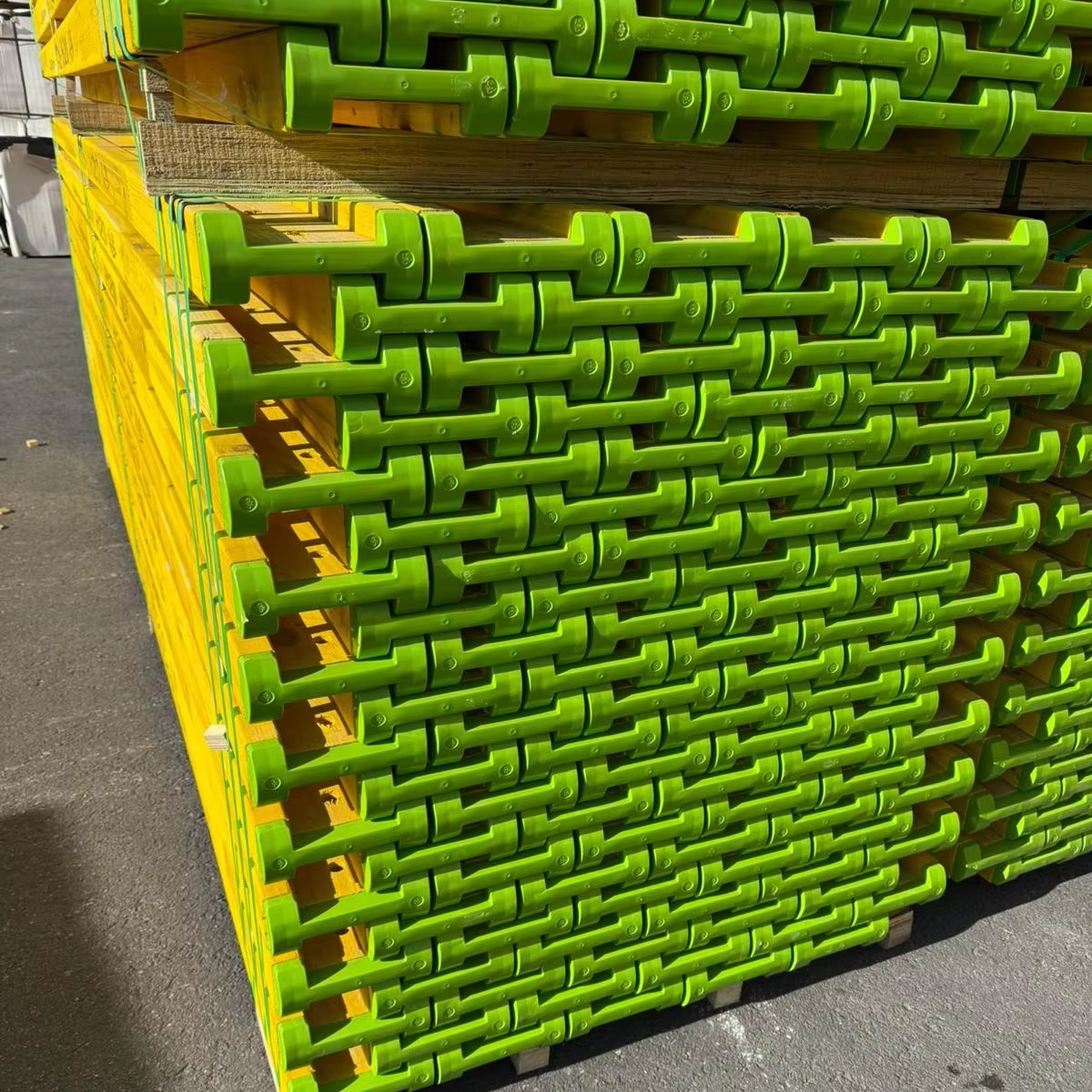
H20 Beam with Plastic Ends Yellow Waterproofing Painting Spruce Flange PINE Plywood Web
Spruce flange, pine plywood web and yellow waterproof coating, intended for wet-weather sites, repeated stripping and returnable formwork fleets.
View product →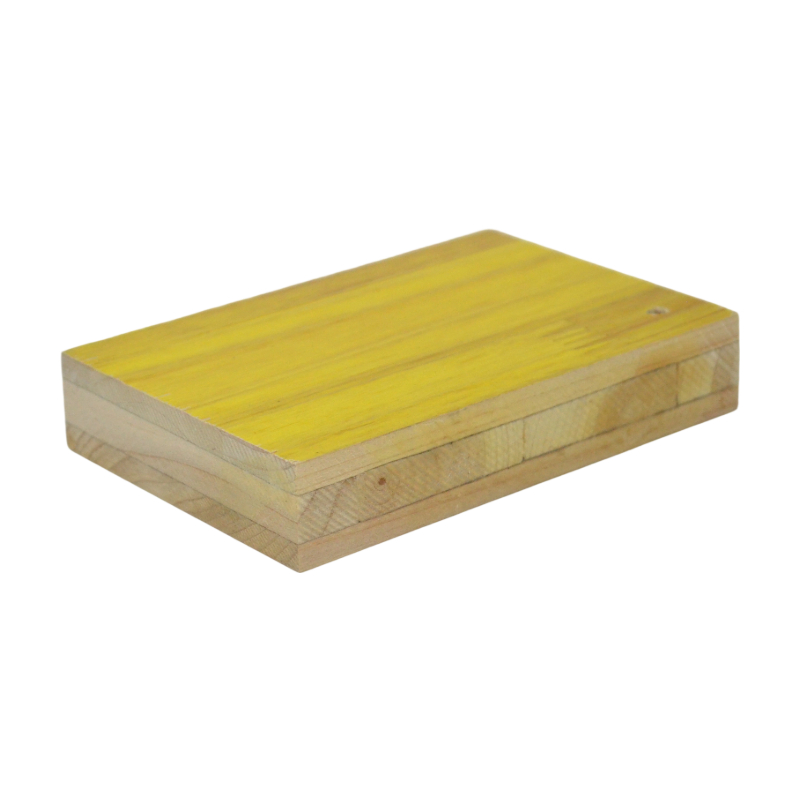
3 Ply Yellow Spruce Shuttering Panel 21-27MM Pine Formwork Board Easily Assembled for Concrete Slab Construction
21–27 mm spruce/pine panel for modular slab formwork. Ask for panel flatness, edge sealing, reuse target and compatibility with the intended panel system.
View product →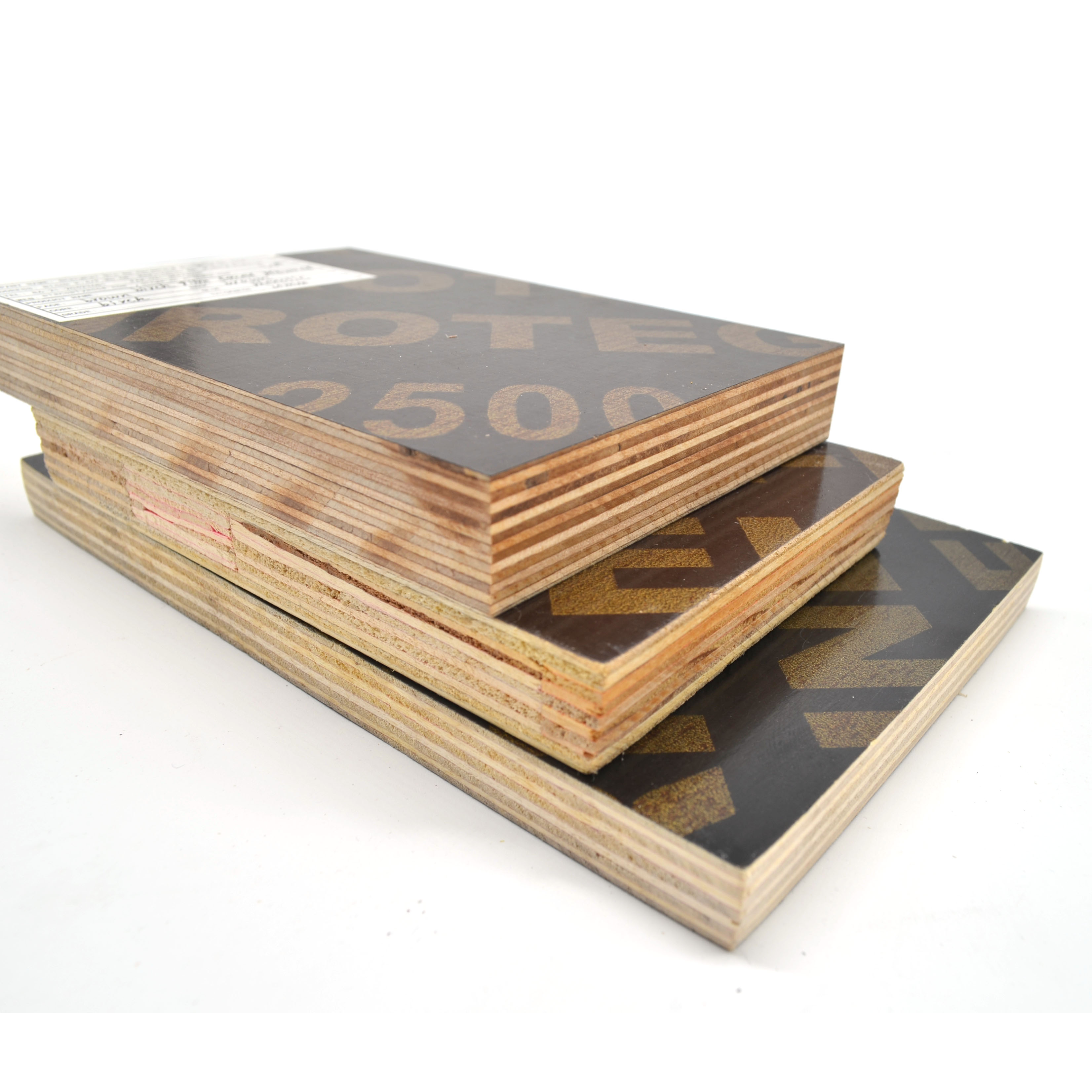
Phenolic Red Film Faced 18mm E0 First-Class Grade Poplar Plywood Strongplex CE Certified Outdoor Use
CE-marked outdoor phenolic film-faced poplar plywood in E0 grade; a companion product for concrete shuttering, site protection and mixed-container orders.
View product →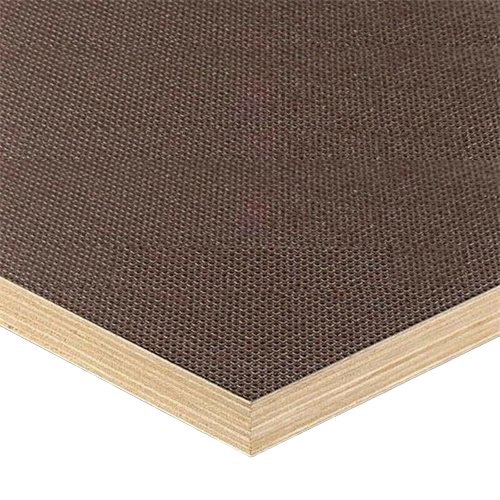
Treezo Linyi Hexa/WireMesh Anti/non-slip Artificial Veneer Pine Veneer Double-Sided Decoration Basswood E1 Water Plywood
Anti-slip double-sided decorative basswood/pine veneer plywood for platforms, vehicle fit-out and interior panels; specify face grade, glue and moisture exposure.
View product →
All Kinds Engineered Wood Veneer 640mm * 2500mm Size
640×2500 mm engineered wood veneer for interior panels, door skins and fit-out work; confirm species, thickness, grain direction and calibration.
View product →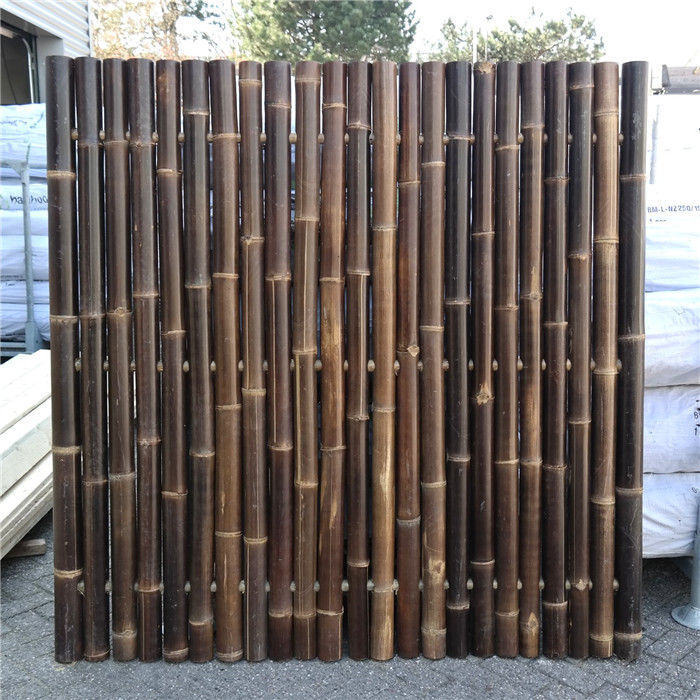
High 2m Bamboo Fence Screening
High 2 m bamboo screening for site hoarding, landscape and hospitality projects; often shipped as a secondary item with timber and panel orders.
View product →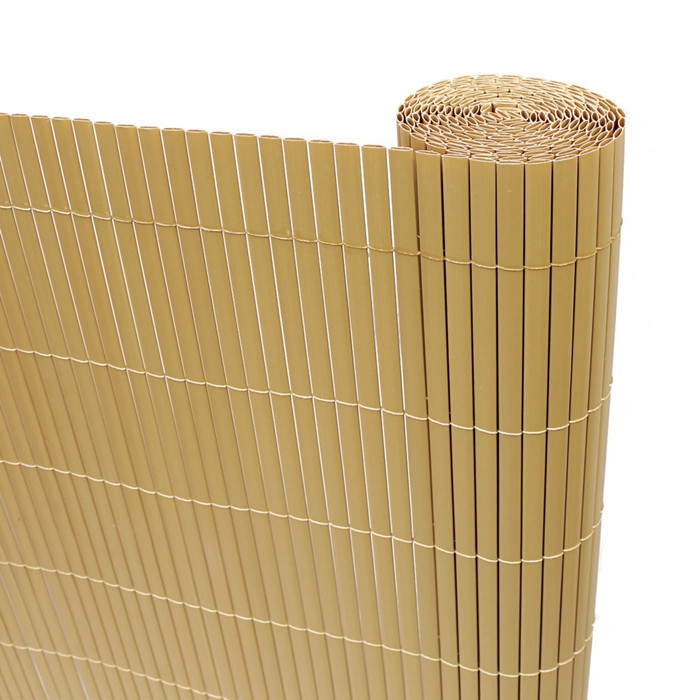
Nature Wood Frame Bamboo Fence Length 1m-12m High Straightness Rot Proof & Eco-Friendly for Livestock Farm
Wood-frame bamboo livestock fence in 1–12 m lengths with rot-proof treatment; relevant for agricultural projects, farm fencing and export mixed loads.
View product →What Buyers Should Really Compare Before Choosing a China Formwork Girder Factory
China’s formwork-girder supply base is broad, but it is not uniform. A buyer can source an H20 timber beam from an integrated plywood mill that controls veneer peeling and glue mixing, from a downstream assembler that buys webs and flanges, or from a trading company that coordinates several workshops. Each model can work. The risk is assuming that a low price per meter, a glossy catalogue or a marketplace badge automatically confirms the production controls that decide whether a girder survives stripping, rain and repeated handling.
From a factory perspective, H20 quality is built before assembly: veneer thickness variation, moisture content, flange grading, finger-joint strength, glue spread, press cycle, web alignment and end sealing. For shuttering panels and film-faced plywood, the equivalent variables are core composition, phenolic or melamine bond, film quality, edge paint and thickness tolerance. Procurement teams that request batch photos, dimension checks and loading reports before shipment consistently reduce claims.
Use this page as a sourcing brief rather than a ranking list. The eight product recommendations above keep the original product URLs for direct verification. The later sections explain how to evaluate factories, what Dorni can document, how product design is changing, and which procurement habits are becoming standard for EPC contractors, formwork rental fleets and distributors.
Prepared by Dorni’s export engineering team. Dorni is a China-based supplier, so readers should treat the recommendations with that perspective in mind; the evaluation criteria, however, are designed to be applied to any formwork-girder factory.
Procurement note: The lowest quotation is rarely the lowest landed cost when reuse cycles, stripping damage, site labour and replacement frequency are included. A factory that can document raw-material control and loading accuracy is often cheaper over a full project cycle than a supplier quoting only on beam price.
H20 Formwork Girders and EN 13377: Specification Points That Change Performance
An H20 girder is a standardized timber I-beam, not a generic piece of timber. The specification must be written clearly before price comparison begins.
The common 200×80×40×27 mm description means 200 mm overall height, 80 mm flange width, approximately 40 mm flange thickness and 27 mm web thickness. EN 13377 is the European standard for prefabricated timber formwork beams; buyers often use it as shorthand for interchangeability with props, clamps, panel systems and slab tables. If a quotation says “H20” but does not state flange species, web construction, glue class, end treatment and inspection routine, the specification is incomplete.
Typical construction uses selected spruce or pine flanges, a plywood web bonded with phenolic WBP adhesive, and plastic caps or sealed ends. The web is not the place to save cost: voids, poorly bonded plies or misaligned grain can reduce stiffness and create delamination points. Flange finger joints also need to be controlled, because they transfer bending and compression loads into the beam. For wet climates, a waterproof coating and well-fitted plastic end caps are functional parts of the product, not cosmetic upgrades.
At buying stage, ask for baseline dimensions, batch traceability, sample photos before and after load testing, the glue type and the target use. A beam specified for indoor use with occasional stripping should not be compared directly with a rental-fleet beam exposed to rain and repeated pressure washing. The total-cost question is not “which beam is cheapest per meter?” but “what is the cost per square meter of slab poured, including replacement, site labour and delayed stripping?”
H20 girder acceptance checklist
- Geometry: 200 mm height × 80 mm width; flange about 40 mm; web about 27 mm.
- Flange: selected spruce/pine; visual grade, knots and finger-joint quality defined.
- Web: multi-ply plywood; continuous lay-up; no voids or separated plies.
- Bond: phenolic WBP for exterior or wet exposure; EN 314-2 bonding where specified.
- Ends: plastic caps or waterproof paint; sealed against moisture ingress.
- Marking: batch, size, grade, factory code and treatment recorded.
- Loading: straightness check, compression check and container loading plan.
How to Evaluate China Formwork Girders Factories Instead of Trusting a Catalogue
A structured factory audit reduces the most expensive risk in formwork procurement: discovering a hidden material or bonding problem after the container has arrived.
Raw material and species control
Ask which logs, veneers and flanges enter the line. Spruce and pine flanges are not interchangeable with low-grade mixed hardwood; veneer moisture and thickness variation affect glue consumption, panel density and beam stiffness. An integrated mill should be able to show veneer storage, drying records and incoming inspection.
Glue line and press verification
Phenolic WBP is the usual baseline for exterior formwork; melamine can be economical for controlled indoor use. Verify glue type in writing, press temperature and pressure cycles, and bond testing. A certificate without batch-level glue records is weaker than a detailed production sheet.
Geometry and straightness
Check height, width, flange thickness, web thickness, straightness, twist and end squareness. Beams that look straight in a stack can still be out of tolerance after shipping. Ask for measurement photos with calipers at both ends and the middle of the bundle.
End-cap and moisture protection
Plastic caps and waterproof end paint slow water uptake. Poorly fitted caps fall off in handling and expose end grain. In wet markets, specify cap material, fit tolerance, edge-sealing method and the coating system on the flange and web surfaces.
Web integrity and load path
Look for continuous plies, controlled gaps and symmetrical lay-up. Web defects can initiate delamination near clamp points. A supplier should be able to show cross-sections or cut samples, not only finished stacks. For higher-risk projects, request load and stiffness data for the exact construction.
QC, traceability and third-party inspection
The best factories can connect a container number to a production batch, glue lot, inspection record and loading photo. Third-party inspection is useful, but it works best when the supplier already has an internal QC checklist and a clear approved sample held until shipment.
Capacity, mixing and loading discipline
Capacity matters when a project needs H20 beams, panels and film-faced plywood in one shipment. Ask about monthly output, container-loading sequence, mixed-item labelling and port distance. A large monthly plywood capacity is useful only if your beam and panel lots can be allocated on the required schedule.
Customization and export documents
Private label, logo printing, special edge colours, non-standard lengths, grading to BSI, IHPA, JPIS or GB and export packaging must be defined before production. Good suppliers show sample approval steps, packing photos and a document list before the deposit is released.
Supplier Advantages: Mill-Backed Production, Export Discipline and Verifiable Documents
Shanghai Dorni International Trading Co., Ltd. combines an export team with an affiliated plywood mill and an established QC routine.
Shanghai Dorni International Trading Co., Ltd. has exported wood panels and building materials since 2008. The company works from Shanghai and is supported by an affiliated plywood mill in Dangshan County, Anhui Province. That mill-backed structure matters for formwork buyers because it brings veneer preparation, glue mixing, pressing, calibration, sanding, QC and container loading closer together.
The mill operates three complete production lines and reaches approximately 6,000 m³ of monthly plywood capacity. Production is managed under ISO 9001, controlled to CE requirements (CE No. 1301-CPD-0569), and FSC-certified material can be arranged. Dorni has also been assessed on-site by SGS Group. These documents do not replace buyer inspection, but they give procurement teams a starting point for supplier qualification.
- Raw-material and finished-goods inspection: QC checks incoming veneer and flanges and checks finished panels before loading.
- Customization: sample-based, design-based and full customization, including logo printing, edge-sealing colour, packaging and grading.
- Product breadth: film-faced plywood, 3-ply shuttering panels, H20 beams, LVL/LVB, birch, CDX and bamboo decking.
- Export terms: FOB, CFR, CIF, EXW, FAS and CIP; T/T, L/C, D/P and D/A; USD, EUR, GBP, JPY and other currencies.
- Ports: Lianyungang, about 250 km from the mill, and Qingdao, about 450 km; practical for container consolidation.
- Markets: North America, South America, Western and Eastern Europe, the Middle East, North Africa, Japan, South Korea and Southeast Asia.

Wood panels and building-material export experience since 2008.
Long-term export knowledge across formwork, plywood and bamboo products.
Affiliated mill plywood output supporting volume and mixed orders.
Peeling, pressing, calibrating, sanding and loading coordinated in-house.
MR, E2, E1, E0, melamine and WBP glue options for different exposures.
Export experience across Europe, the Americas, the Middle East, Africa and Asia.
What the Next Generation of Formwork Girders and Panels Will Be Judged On
Formwork products are moving from “wood with a coating” to engineered components with documented performance, repairability and compatibility.
Engineered consistency over appearance
Buyers increasingly specify flange grade, veneer lay-up, glue class and dimensional tolerance instead of accepting “good wood” as a description. The future advantage belongs to factories that can repeat the same H20 section batch after batch.
Low-emission E0 and E1 specifications
Emission grades are becoming a procurement filter for distributors and project owners, not only an option. E0 and E1 requests are spreading from interior plywood into formwork and fit-out supply, with certificates and batch declarations expected earlier in the sales process.
End-sealing designed as a system
Plastic caps, waterproof paint, edge sealing and coating thickness are now considered together. Buyers of returnable formwork want a repairable beam that survives weather, stripping and pressure washing, not a cosmetic yellow finish.
Hybrid and lightweight sections
Formwork rental fleets are testing hybrid constructions that reduce handling weight while keeping stiffness. The purchasing question is moving toward cost per pour and site productivity, especially where labour availability is tighter than panel supply.
Digital batch traceability
Batch codes, loading photos and inspection sheets are becoming normal expectations in B2B wood-panel trade. A factory that can connect a beam bundle to its production date, glue lot and QC result has a commercial advantage when claims or repeat orders arise.
Customization for formwork systems
Standard 200×80 mm H20 sections remain important, but panel sizes such as 500×2000/3000 mm and 21/27 mm shuttering panels are being ordered around specific formwork systems. Suppliers need to quote by system, not only by loose product name.
How Serious Buyers Will Source China Formwork Girders in Future Projects
The buying process is becoming more evidence-led: fewer supplier switches on price alone, more attention to documentation and reuse economics.
Compliance-first sourcing
CE, ISO 9001, FSC availability, EN 13377 dimensions and bond-class evidence are being requested earlier. Buyers want documents before production, not after a problem appears on site.
Reuse-cost modelling
Rental fleets and contractors are comparing cost per pour instead of cost per panel. A higher-priced girder with better end protection and glue performance may outperform a cheap beam after several reuse cycles.
Mixed-container consolidation
Projects need H20 beams, shuttering panels, film-faced plywood and accessories in one shipment. Suppliers that can coordinate several product families and label bundles clearly reduce port charges and unloading errors.
Dual-source and contingency planning
Importers are qualifying a primary factory and a secondary source for critical SKUs. This is not only a price tactic; it protects project schedules when a single mill is affected by raw-material or shipping disruptions.
Pre-shipment evidence as standard
Dimension photos, bundle labels, container loading images and glue records are becoming routine buyer requests. Suppliers that generate this evidence automatically are easier to integrate into EPC and distributor supply chains.
Private label and supplier integration
Distributors want their own brand on film, edge colour and packaging. Deeper supplier integration is replacing one-off purchases, especially where the buyer needs stable technical data and repeatable grading.
Material, species and moisture control
A practical first test of any H20 beam factory.
Glue, press and bond verification
Critical for exterior formwork and repeated wet exposure.
Geometry, straightness and load path
Controls assembly speed, panel flatness and reuse safety.
End protection, QC records and loading
Decides how much performance survives the shipment.
This scorecard is a suggested discussion tool for supplier qualification, not a published market statistic. Project risk, destination climate and formwork-system compatibility should adjust the weighting.
Product Selection Matrix for Formwork Projects and Mixed Containers
Use this matrix to separate the primary formwork items from companion products that may travel in the same container.
| Product | Primary use | What to verify | Procurement note |
|---|---|---|---|
| EN 13377 H20 beam, red plastic cap | Slab and wall formwork girders | Flange species, web ply, glue class, cap fit, straightness | Use as the lead item for an H20 beam quotation. |
| Yellow waterproof H20 beam | Wet-weather and rental formwork | Coating coverage, end sealing, moisture resistance | Pair with phenolic film-faced plywood for wet sites. |
| 3-ply yellow spruce shuttering panel | Modular slab and wall formwork | Panel flatness, edge paint, E0/E1 grade, system fit | Specify 21 mm or 27 mm according to the formwork system. |
| Phenolic red film-faced poplar plywood | Concrete shuttering and outdoor protection | CE marking, film quality, phenolic bond, E0 claim | Useful as a companion panel in mixed-container orders. |
| Anti-slip decorative veneer plywood | Platforms, vehicle fit-out, interior panels | Slip resistance, veneer grade, glue and water exposure | A secondary product for distributors serving fit-out buyers. |
| Engineered wood veneer 640×2500 mm | Door skins, panels and interior finishing | Species, thickness tolerance, grain direction | Confirm packing with plywood to avoid veneer damage. |
| High 2 m bamboo fence screening | Site hoarding, landscaping, hospitality | Straightness, binding, treatment and panel density | Often a project accessory rather than a lead product. |
| Wood-frame bamboo livestock fence | Farm fencing and agricultural projects | Rot-proof treatment, frame strength, length tolerance | Check mixed-load space and unloading plan. |
Questions Importers Ask Before Ordering Formwork Girders and Panels
Clear answers at the quotation stage prevent most specification disputes later.
What does “H20” mean in formwork girders?
H20 usually refers to a standardized timber I-beam with roughly 200 mm height and 80 mm flange width, often with about 40 mm flange thickness and 27 mm web thickness. It is used as a shorthand for a size family that works with common props, clamps, panel systems and slab tables. Buyers should still specify the exact standard, flange species, web construction, glue and end treatment.
Are all China H20 beams EN 13377 compliant?
No. “H20” describes a size convention, while EN 13377 is a standard with performance and documentation requirements. A supplier may make an H20-shaped beam without full compliance evidence. Ask for the applicable standard, batch inspection records, dimensional checks and bond-class information, and consider third-party inspection for high-risk projects.
How do I tell a factory from a trading company?
Look at production evidence, not the company name alone. A factory can show veneer preparation, glue mixing, press lines, calibration, sanding and loading in its own or affiliated workshop. A trading company may still be a good partner if it has strong QC and documented mill relationships, but the buyer should know which workshop actually makes the H20 beam and who signs the inspection record.
Which glue and end treatment should I specify for wet sites?
For exterior or repeated wet exposure, specify a phenolic WBP bond and clearly request end protection such as plastic caps, waterproof paint or sealed edges. Melamine can be suitable for controlled indoor use or limited reuse. The exact choice should match your reuse target, stripping method, storage conditions and whether the formwork fleet is rented or owned.
What is the minimum order for related plywood and panels?
Based on Dorni’s standard range, film-faced and construction plywood commonly starts from 50 m³, roughly two 40HQ containers. 3-ply shuttering panels start from 7–50 m³ depending on specification, and bamboo decking from 100 m². H20 beam quantities and mixed-product containers should be quoted as a project lot because bundle lengths, panel sizes and destination port all affect loading.
Which certifications and assessments can be documented?
Dorni’s mill is managed under ISO 9001, production is controlled to CE requirements (CE No. 1301-CPD-0569), and FSC-certified material can be arranged. The company has also been assessed on-site by SGS Group. Certification scope should always be checked against the exact product, glue type and destination market requirements before the order is confirmed.
Which ports and Incoterms are typical for China formwork girder shipments?
Goods are usually loaded at Lianyungang or Qingdao port. Dorni accepts FOB, CFR, CIF, EXW, FAS and CIP terms, and can discuss T/T, L/C, D/P and D/A payment structures. For samples, express delivery can be arranged. Buyers should confirm the final port, container type and loading plan in the quotation.
What information should I send to get a faster formwork quotation?
Send the product mix, H20 dimensions and quantity, flange and web preferences, glue class, end treatment, panel size and thickness, certification needs, destination port, target reuse cycle and required delivery date. For panel systems, include a drawing or reference to the system being used. A complete inquiry usually reduces quotation revisions and sample delays.
Send Your H20 Girder Specification for a Factory-Backed Quotation
Share dimensions, quantity, flange and web requirements, glue, end protection, panel mix, destination port and target reuse. Our export team will clarify the technical points before quoting and help consolidate H20 beams, shuttering panels and film-faced plywood into one shipment.
Inquire Now