Construction Plywood, Formwork and Bamboo Products
Start with these eight product families when shortlisting a China construction plywood manufacturer. Each card preserves the original product URL. For buyers who need a specification review before choosing a SKU, use the Get Catalog button at the end of this white paper to send target thickness, core, glue class, surface, edge treatment, MOQ and destination port.
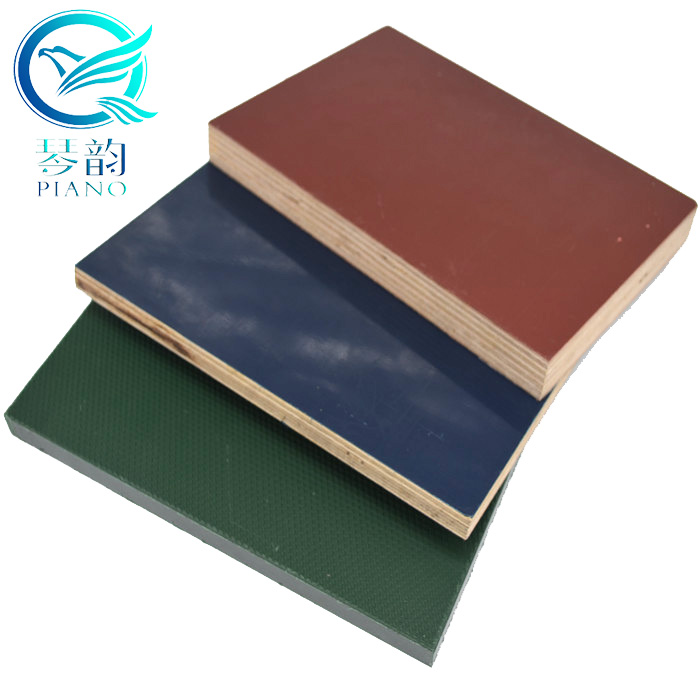 Anti-Slip
Green Color Anti-Skip PP Coated Birch Plywood Sheets 6-35mm First-Class Grade MUF Glue CE Certified Double-Sided
PP-coated anti-slip birch for scaffold decks, ramps and wet work platforms; MUF glue and CE-controlled production support repeatable site safety.
View product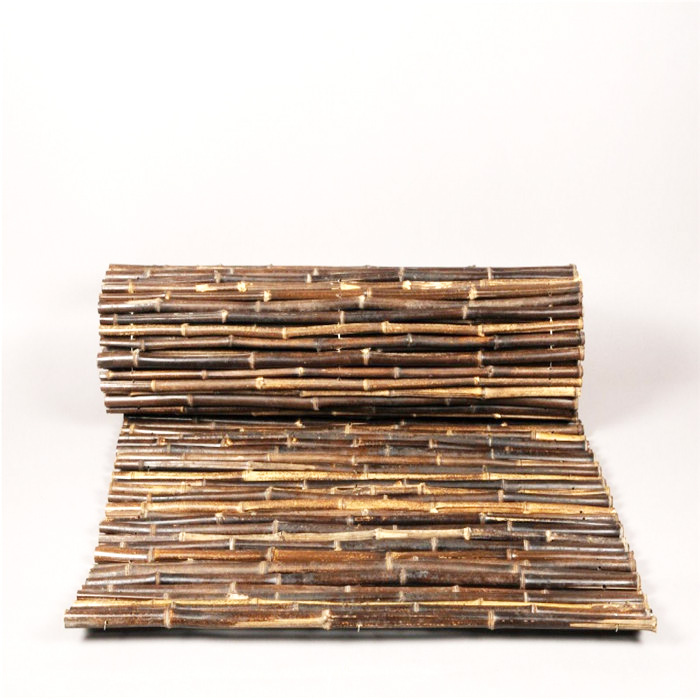 Bamboo
22-35mm High Straightness Bamboo Fence
High-straightness bamboo fence for resort, garden and boundary screening; stable poles reduce rework on landscape packages.
View product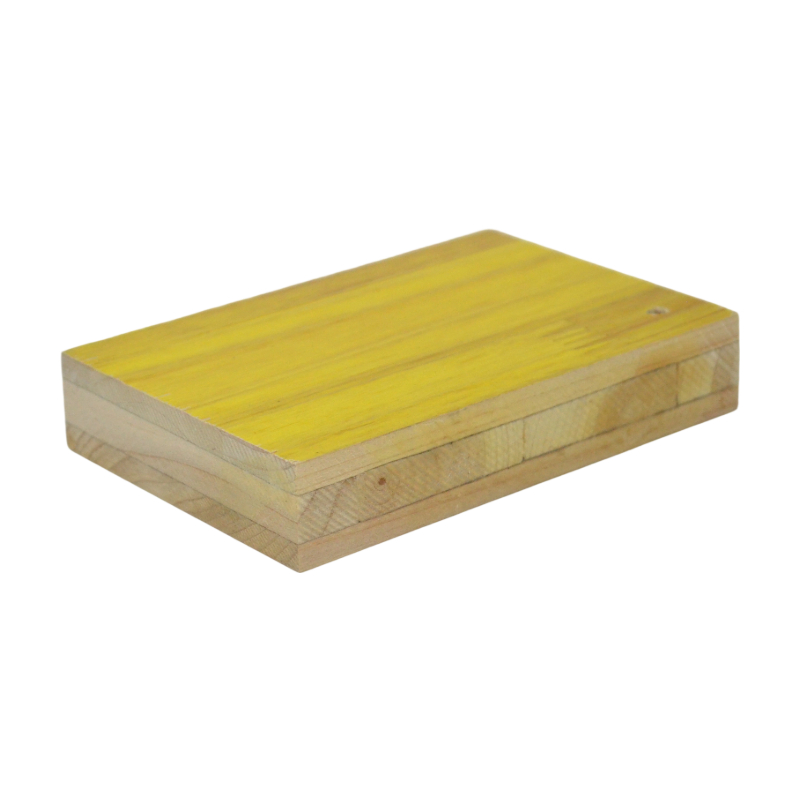 Formwork
3 Ply Yellow Spruce Shuttering Panel 21-27MM Pine Formwork Board Easily Assembled for Concrete Slab Construction
21–27 mm yellow spruce/pine 3-ply panel for slab and wall formwork; easily assembled, with a coated face for repeated concrete pours.
View product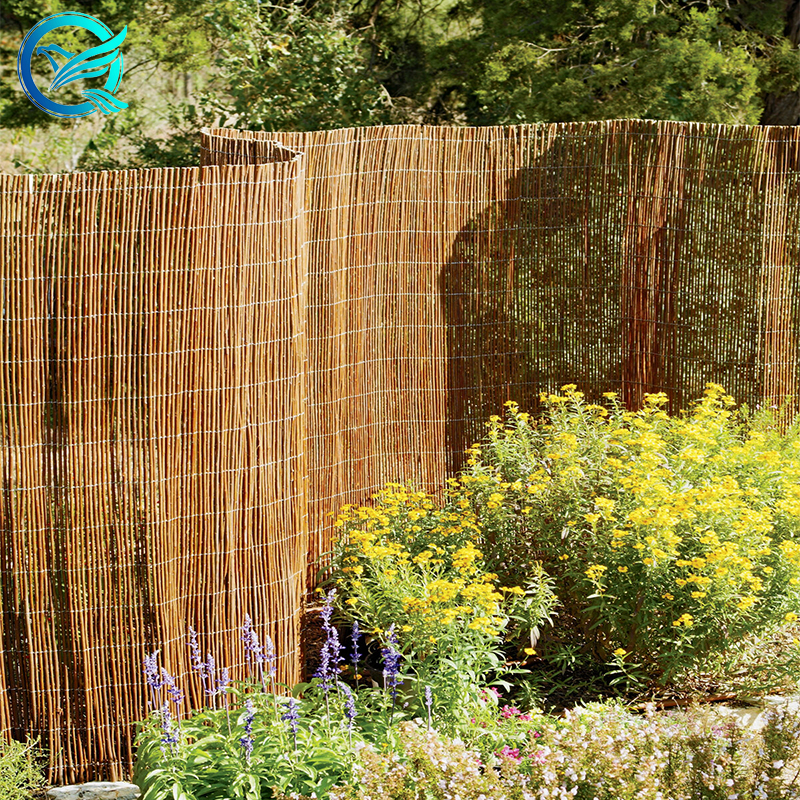 Shading
Natural Bamboo Roller Blinds Fence for Door and Pergola Shading
Natural bamboo roller blind fence for doors and pergolas; a fast-shipping shading line for hospitality and outdoor living projects.
View product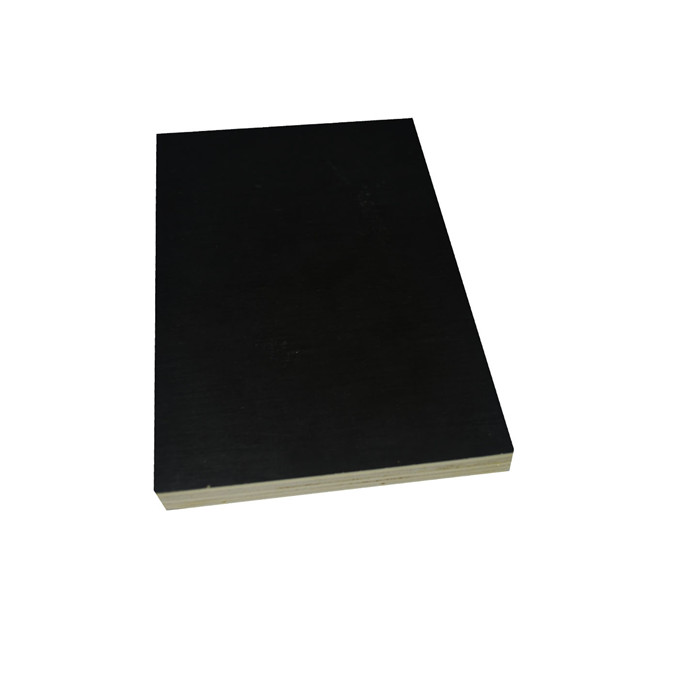 Film Faced
21mm Poplar Chinese Construction Signal Film Faced Plywood for Formwork
21 mm poplar-core film faced plywood for formwork; a value-focused construction panel for one-way and medium-reuse concrete work.
View product Veneer
All Kinds Engineered Wood Veneer 640mm * 2500mm Size
Engineered wood veneer, 640 × 2500 mm, for furniture faces, panel upgrading and decorative surfaces where consistent grain is required.
View product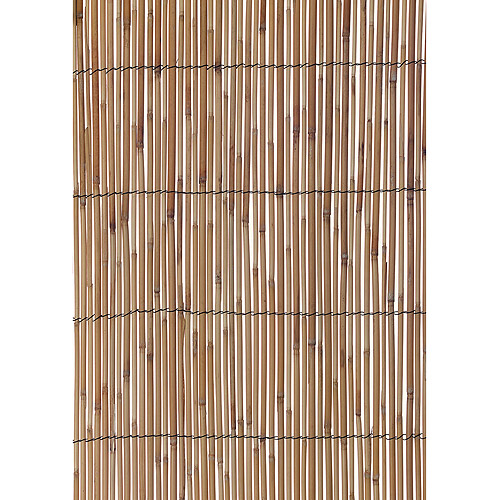 Exterior
14-16mm High Quality Modern Bamboo Fence with Wood Frame – Eco-Friendly Waterproof Rot & Rodent Proof
14–16 mm modern bamboo fence with wood frame; waterproof, rot-resistant and rodent-resistant for exterior privacy and landscape design.
View product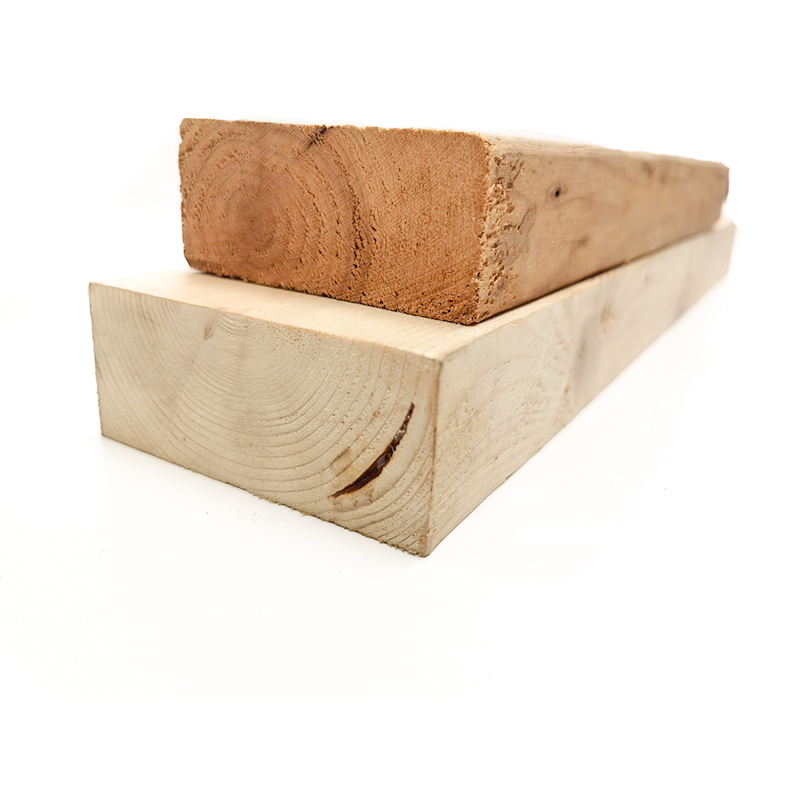 LVL
2x6 LVL Board
2 × 6 LVL board for structural framing, scaffold planks and packaging; engineered veneer construction delivers straightness and predictable strength.
View productWhat “Top Manufacturer” Should Mean in 2026
For project buyers, the real question is not who has the largest catalogue. It is who can reproduce a specification, document it, protect the edges, load the container consistently and answer a claim with evidence.
In 2026, the phrase top China construction plywood manufacturer is less about a factory gate photograph and more about evidence. A serious buyer wants to know which veneer species entered the core, which adhesive was cooked and spread, how thickness was calibrated, how the film was bonded, how edges were sealed, and how the final bundle was inspected before loading. Those details decide whether a panel survives eight pours or twenty, whether a facade contractor can reuse table forms, and whether a distributor avoids a claim during the rainy season.
China remains a strategic source for construction plywood because the country combines veneer processing, resin and film supply, press capacity, hardware and export logistics at scale. The manufacturer behind this white paper, Shanghai Dorni International Trading Co., Ltd., has exported wood panels and building materials since 2008 and works with an affiliated mill in Dangshan County, Anhui Province. The mill operates three complete lines and reaches roughly 6,000 m³ of monthly plywood capacity, while the Shanghai export desk handles specification translation, documentation, inspection follow-up and container planning.
The practical lesson is simple: a plywood quotation is not comparable until film weight, core species, glue type, thickness tolerance, edge sealing, packaging, MOQ, Incoterm and inspection scope are normalized. A board that saves 10% per sheet but loses two reuse cycles is not cheaper. A board that costs 8% more but reduces site rework, delays and warranty calls can be the lower-risk purchase. This guide is structured around that total-cost logic rather than a generic list of factories.
What Project Buyers Check First
Illustrative RFQ weighting used by project and distribution buyers when comparing mill-direct offers. Actual priorities change with application, climate and reuse target.
A Factory-Connected Export Desk, Not a Marketplace Listing
Shanghai Dorni International Trading Co., Ltd. combines an affiliated plywood mill with a Shanghai export team. That structure is the difference between a price and a repeatable supply line.
The company is connected to a mill with identifiable production steps: log peeling, veneer drying, glue lay-up, cold and hot pressing, double-side calibration, sanding, film overlay, edge sealing, grading and container loading. That connection matters because most quality failures in construction plywood begin before the container: wet veneer, inconsistent glue spread, poor thickness control, weak film adhesion or unprotected edges.
Production is managed under ISO 9001 and controlled to CE requirements (CE No. 1301-CPD-0569), with FSC-certified material available on request. Panels can be graded to BSI, IHPA, JPIS, GB or a buyer’s own specification. The company has been assessed on-site by SGS Group, a signal that the trading entity, production capability and documentation trail have been reviewed by a third party rather than presented only in a catalogue. A dedicated QC team inspects raw materials on site and checks finished goods before loading.
The factory advantage is not only capacity. It is the ability to translate a construction method into a panel specification. A European panel formwork buyer may need 21/27 mm yellow 3-ply in 500 × 2000/3000 mm. A Middle East contractor may prioritize phenolic WBP film faced plywood for repeated slab pours. A North American distributor may need 1220 × 2440 mm underlayment CDX or birch plywood with specific face grades. A resort project may combine bamboo decking, fence panels and shading products in one programme.
Export logistics are equally practical. Goods are normally loaded at Lianyungang or Qingdao port, and the company accepts FOB, CFR, CIF, EXW, FAS and CIP terms, with payment routes including T/T, L/C, D/P and D/A. Private-label support can include logo printing on film, edge-sealing colour, bundle packaging and grading to the buyer’s standard. For procurement teams, this is the difference between buying a commodity and building a repeatable supply line.
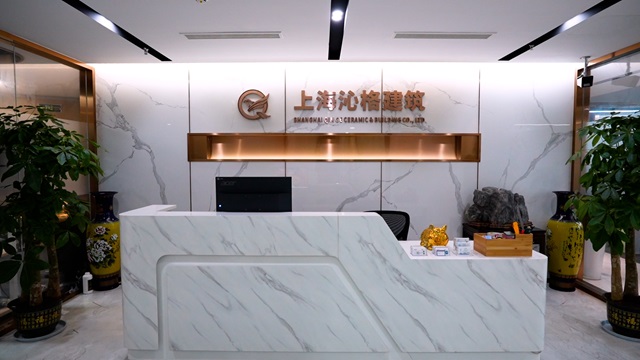 SGS on-site assessed · Dangshan mill + Shanghai export desk
Mill-Direct Quality Loop
Peeling, drying, pressing, calibration, sanding and loading sit inside one controlled chain, reducing the hand-off risk that appears when panels are sourced from multiple traders.
Certification File
ISO 9001 management, CE-controlled production, FSC material availability and SGS on-site assessment give compliance teams documents to verify before the first container.
Raw-to-Finished QC
Raw veneer, glue, film and finished panels are checked against the approved sample. Inspection is not a final photo; it is a sequence of hold points.
Customization That Ships
Sizes, core mixes, glue classes, film colours, edge paint, logo printing and bundle marks can be aligned with the buyer’s market and installation method.
Container Engineering
Mixed specifications, bundle protection, loading sequence and pre-shipment photo records help protect panel edges and reduce site rejects after long sea freight.
Market-Facing Communication
English-language specification review, Incoterm support and export documentation help distributors, contractors and project buyers keep decisions inside one thread.
Buy by Application, Not by Brochure
Construction plywood is a system component. The right recommendation begins with pour count, concrete finish, climate, stripping method, handling equipment and storage conditions.
Film Faced Plywood
Typical specification: 12–21 mm; poplar, combi, eucalyptus, birch or finger-jointed core; melamine or phenolic WBP; sealed edges. Best fit: slab, wall and column formwork; repeat-use projects. Specify reuse target before price comparison.
3-Ply Shuttering Panel
Typical specification: 21/27 mm; spruce, fir, pine or poplar; yellow melamine coating; 500 × 2000/3000 mm. Best fit: panel formwork systems, tables and wall forms. Confirm coating hardness, screw-holding and edge protection.
H20 / LVL
Typical specification: phenolic WBP; 200 mm H20 beam; LVL for scaffold planks, door cores and packaging. Best fit: slab girders, secondary beams and structural framing. Check straightness, end protection and load data.
Birch / Marine Plywood
Typical specification: birch core; WBP; BS EN 314-2 bond testing; 3–21 mm. Best fit: marine, vehicle floors, laser cutting and furniture. Verify face grade and glue bond before assuming formwork suitability.
Underlayment CDX
Typical specification: pine, poplar or hardwood; exterior glue; 9–18 mm. Best fit: roof sheathing, sub-floors and wall bracing. Match thickness to span and fastener schedule.
Bamboo Decking & Fence
Typical specification: strand-woven or carbonized bamboo; phenolic resin. Best fit: hotels, pools, parks and gardens. Plan ventilation, stainless fixings and drainage; bamboo is a finish system, not only a board.
Recommended Buying Scenarios
High-Rise Slab Cycle
18 mm phenolic WBP film faced plywood with sealed edges, paired with H20 beams. Reserve batch numbers to keep film colour and thickness consistent across pours.
Architectural Concrete
21/27 mm yellow 3-ply panels stored flat and protected from coating damage. Rotate panels by pour sequence to preserve face quality.
Marine and Transport
18 mm birch WBP with BS EN 314-2 bond testing. Confirm face defects, CNC behaviour and edge treatment before cutting.
Landscape and Hospitality
Bamboo decking, fence and roller blinds specified as a system: fixings, drainage, UV exposure and maintenance access should be decided together.
From Lowest Price to Lowest Risk
The next buying cycle will reward importers who can prove consistency. Certification scrutiny, reuse-cycle economics, emission requirements and supply resilience are already changing RFQs.
Certification-First Sourcing
CE, ISO 9001, FSC, SGS and bond testing are moving from marketing badges to gate items. Buyers increasingly ask for certificate scope, production code and batch links, not only a logo on a website.
Reuse-Cycle Costing
Procurement teams are calculating cost per pour, not cost per sheet. A phenolic WBP panel with sealed edges may outperform a cheaper melamine panel when stripping damage and film wear are included.
Low-Emission Specifications
E1/E0 and low-formaldehyde requests are spreading from furniture into construction interiors. Buyers should separate emission class from water resistance: E0 does not automatically mean WBP.
Mixed-Container Consolidation
Distributors want one supplier for film faced plywood, LVL, veneer, bamboo fence and decking to reduce freight and documentation friction. Mixed-load capability is becoming a service advantage.
Digital Batch Traceability
Photos of production, packing, container loading and inspection are now part of the buying record. QR-coded bundle labels and batch-linked QC files help resolve claims faster.
Dual-Qualified Suppliers
China remains competitive, but buyers are qualifying a primary and a backup specification. The goal is not to leave China; it is to avoid single-point dependency on one press, film supplier or port.
What the Next Construction Panel Must Do
Panel development is moving in six commercial directions. None is exotic; all affect specification, installation and lifecycle cost.
Tougher Surfaces
Higher film adhesion and anti-slip textures are being specified for scaffold decks, ramps and wet trades. Surface durability is becoming a safety feature, not only a finish.
Edge-Sealed Construction
Water ingress at edges is a leading cause of early formwork failure. Waterproof edge paint, tighter calibration and protected bundle corners are becoming standard requests.
Engineered Cores
Combi, eucalyptus, finger-jointed and LVL cores help balance cost, stiffness and availability. The winning specification is the one with predictable machining and screw-holding for the application.
Lower-Emission Adhesives
E1/E0 and low-formaldehyde systems are expanding as interior air quality rules tighten. The technical conversation is shifting from “strong glue” to “right glue for the exposure class”.
Fast-Renewable Bamboo
Carbonized and strand-woven bamboo continue to move from garden products into hospitality, pool surrounds and commercial landscapes. Fixing systems and maintenance planning are part of the product.
CNC-Ready Formats
Prefabrication and panel formwork systems reward tight dimensional tolerance. Buyers increasingly ask for repeatable thickness, square edges and sizes that fit automated cutting tables.
The direction of travel is not simply thicker or cheaper panels. It is more predictable panels: predictable thickness, predictable bond, predictable surface and predictable delivery. That is where a mill-connected exporter creates more value than a spot trader.
From Log to Container: A Process Buyers Can Audit
A documented production flow lets procurement teams verify what they buy before the container leaves China.
Veneer Selection
Species, grade and thickness are matched to the core specification before peeling.
Peeling and Drying
Rotary peeling creates uniform veneer; controlled drying brings moisture to the press target.
Glue Lay-Up
MR, melamine or phenolic WBP is selected by exposure class; glue spread and lay-up are recorded.
Cold and Hot Press
Pressure, temperature and cycle time are controlled to build a stable bond.
Calibration and Sanding
Double-side calibration holds thickness tolerance; sanding prepares the surface for film or veneer.
Film and Edge Seal
Face film, anti-slip coating, edge paint and logo marking are applied to the approved sample.
Final QC
Dimensions, thickness, bond, surface, edge, moisture and packaging are checked against the order.
Loading and Record
Bundles are protected, loaded by plan and photographed before the container is sealed.
Loading Ports
Lianyungang Port, about 250 km from the mill; Qingdao Port, about 450 km. Longhai railway and Road 310 are nearby.
Trade Terms
FOB, CFR, CIF, EXW, FAS and CIP. T/T, L/C, D/P and D/A accepted. USD, EUR, GBP, JPY and other currencies discussed.
Main Markets
North America, South America, Western and Eastern Europe, the Middle East, North Africa, Japan, South Korea and Southeast Asia.
Buyer Protection
Pre-shipment inspection photos, third-party inspection welcome and orders through Alibaba Trade Assurance where required.
Questions Importers Ask Before Ordering
Clear answers reduce sampling cycles and help technical and commercial teams compare offers on the same basis.
What is the minimum order for film faced plywood?
Standard film faced and construction plywood starts from 50 m³, roughly two 40HQ containers. 3-ply shuttering panels start from 7–50 m³ depending on specification, and bamboo decking from 100 m². Mixed-product containers can be discussed for trial orders.
Which glue should I choose?
MR, melamine (ML), phenolic WBP, E2, E1 and E0 grades are available. Phenolic WBP is recommended for formwork reused outdoors over many pours; melamine is a cost-effective choice for projects with fewer reuse cycles.
What sizes and thicknesses are possible?
Plywood thickness ranges from 2.2 mm to 30 mm. Common sizes are 1220×2440, 1250×2500, 1500×3000 and 915×1830 mm; 3-ply panels are 500×2000/3000 mm in 21 or 27 mm. Custom sizes are available.
Which certifications should be in the file?
The mill is managed under ISO 9001, production is controlled to CE requirements (CE No. 1301-CPD-0569) and FSC-certified material is available. The company has been assessed on-site by SGS Group. Grading can follow BSI, IHPA, JPIS, GB or buyer standards.
How do I compare a China plywood quote?
Normalize core species, glue type, emission class, face film or coating, nominal and actual thickness, size tolerance, edge sealing, moisture content, packaging, MOQ, lead time, Incoterm and inspection scope. Then compare cost per pour or cost per completed project, not only price per sheet.
Can you customize film, edge and packaging?
Yes. Sample-based, design-based and full customization are available, including logo printing on film, edge-sealing colour, bundle packaging and grading to BSI, IHPA, JPIS or GB standards.
Which ports and Incoterms do you use?
Goods are usually loaded at Lianyungang or Qingdao port. FOB, CFR, CIF, EXW, FAS and CIP are accepted, and express delivery can be arranged for samples.
How can I verify quality before shipment?
Request pre-shipment inspection photos, batch samples and third-party inspection. Check thickness, dimensions, bond, film adhesion, edge sealing, moisture and packaging. Container loading photos should be retained as part of the purchase record.
Send the Specification, Not Just the Product Name
A useful inquiry includes end use, core preference, glue or emission class, thickness, sheet size, face type, edge treatment, estimated quantity, reuse target and destination port. Our export team will turn it into a comparable quotation and a production route. If the specification is still open, request the catalogue and technical selection sheet first.
Request the 2026 Catalog
Share your target construction plywood specification, and the Shanghai Dorni export team will prepare the next step within 24 hours.
Get Catalog