8 Products Buyers Compare in a Poplar Core Plywood Factory Quote
Factory-direct poplar core plywood is rarely a single-product purchase. Importers typically bundle formwork panels, coated plywood, LVL, marine-grade sheets and outdoor bamboo systems to build a complete container programme.
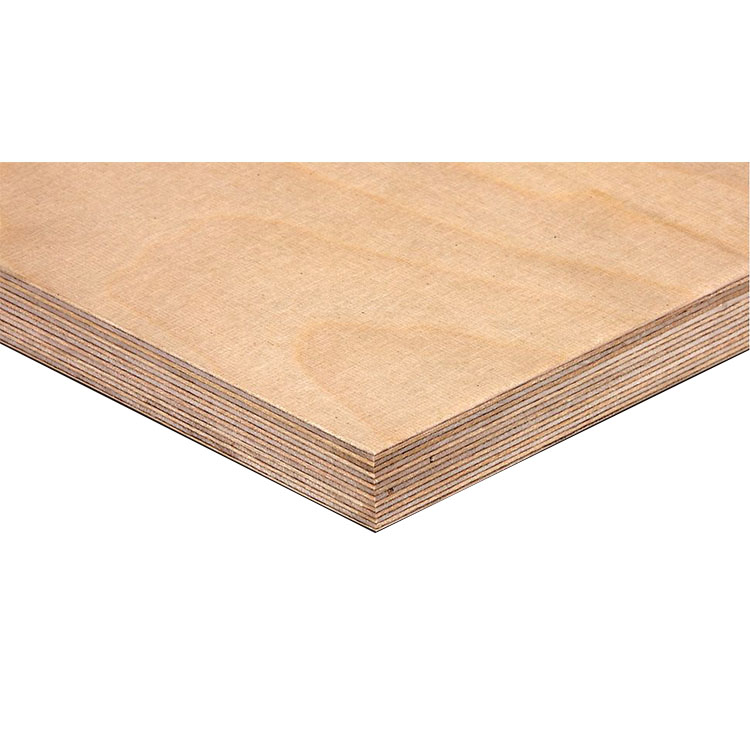
UV-Coated E0 Birch Piano Plywood, Double-Sided Film
Double-sided UV-coated film, low-formaldehyde E0 grade and a stable panel format for piano components, cabinetry and premium interior fit-out.
View product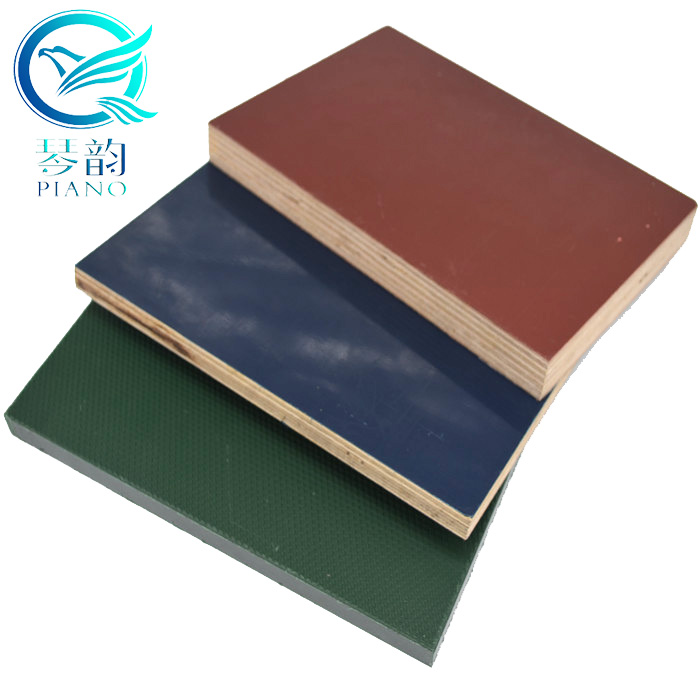
Green Anti-Slip PP-Coated Birch Plywood, 6–35 mm
CE-certified, first-class grade and MUF glue with double-sided PP coating for scaffold decks, transport floors and slip-resistant working platforms.
View product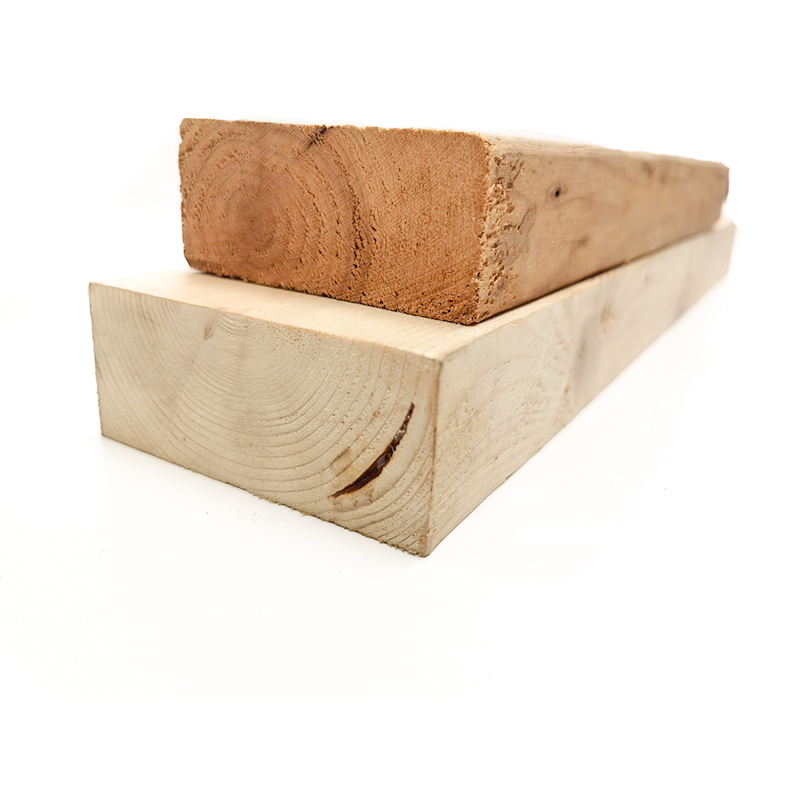
2x6 LVL Board
Laminated veneer lumber for scaffold planks, formwork accessories, packaging and structural components requiring consistent stiffness.
View product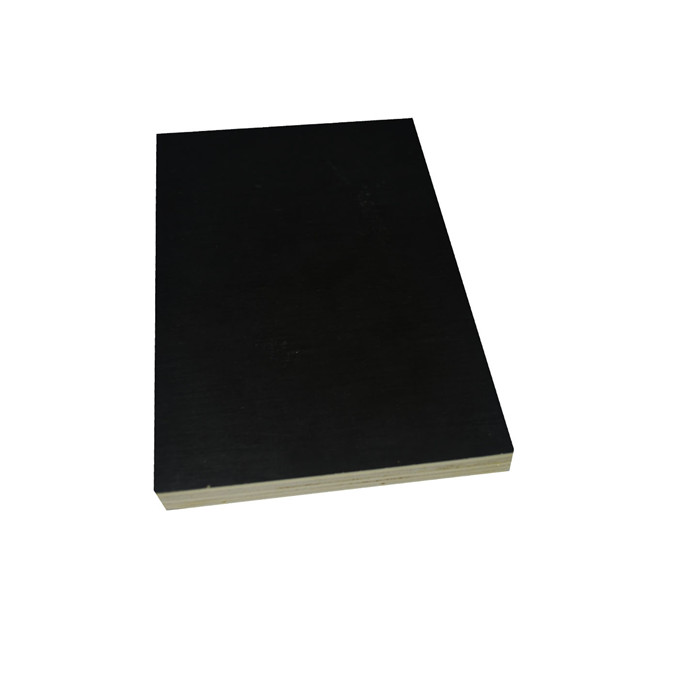
21 mm Poplar Chinese Construction Signal Film-Faced Plywood for Formwork
A practical balance of weight, screw holding and cost for slab, wall and column formwork where repeatable surface finish matters.
View product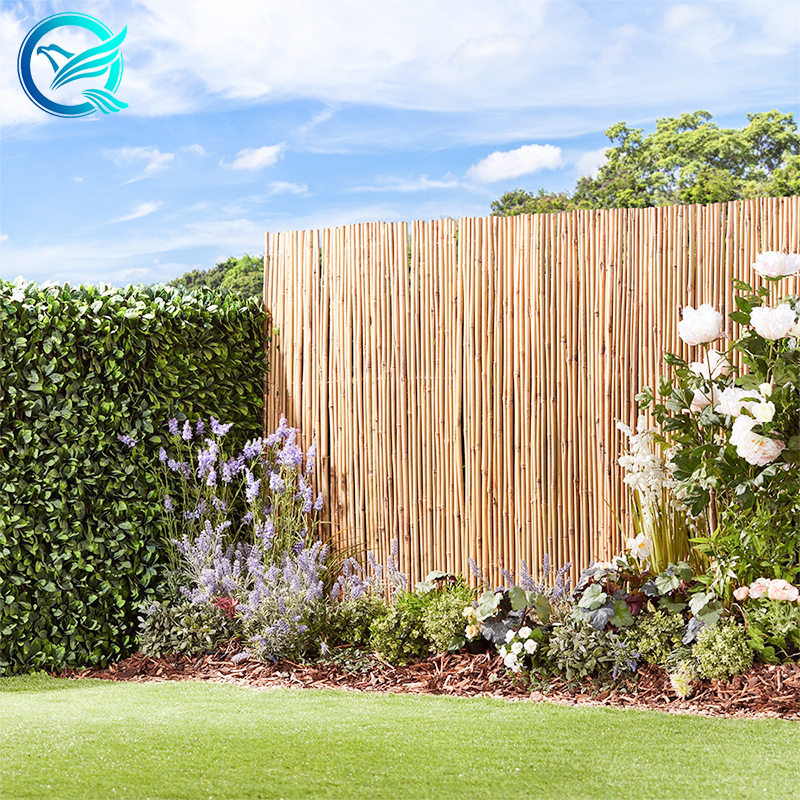
Wooden Garden Fence / Bamboo Screen
A decorative screen and fence system for landscaping, privacy, hospitality and residential projects that need a warm natural finish.
View product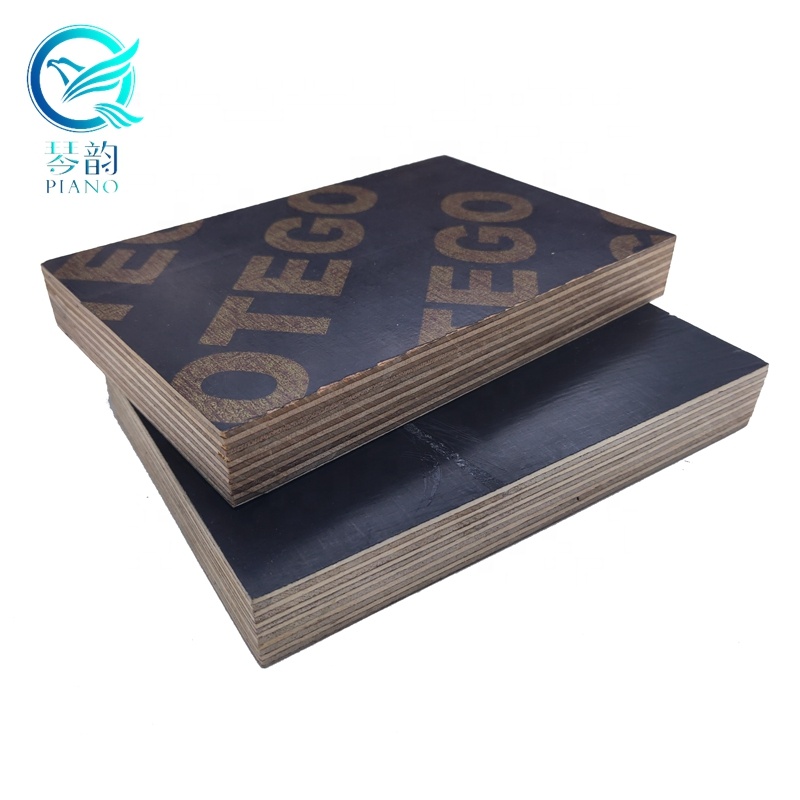
BS1088 Eucalyptus Hardwood Core Marine Plywood, E0
BS1088, CE and ISO9001 controlled marine plywood with eucalyptus hardwood core and phenolic face for demanding wet-service work.
View product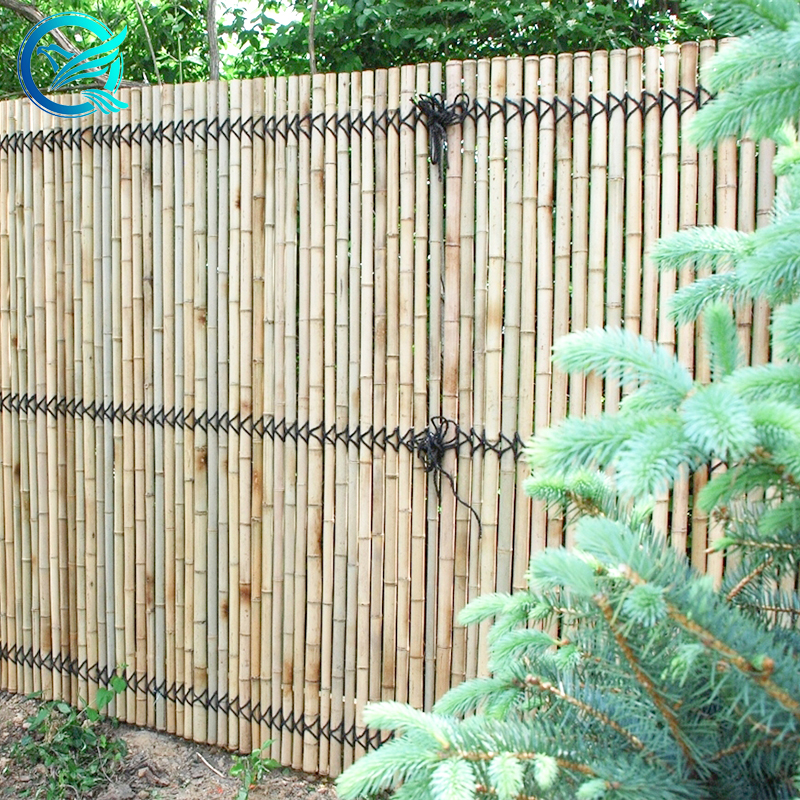
1.12 × 60 m Privacy Bamboo Curtain and Mat for Garden Fence and Gate
Flexible bamboo privacy curtain and mat for garden fences, gates, terraces and commercial landscapes with quick installation.
View product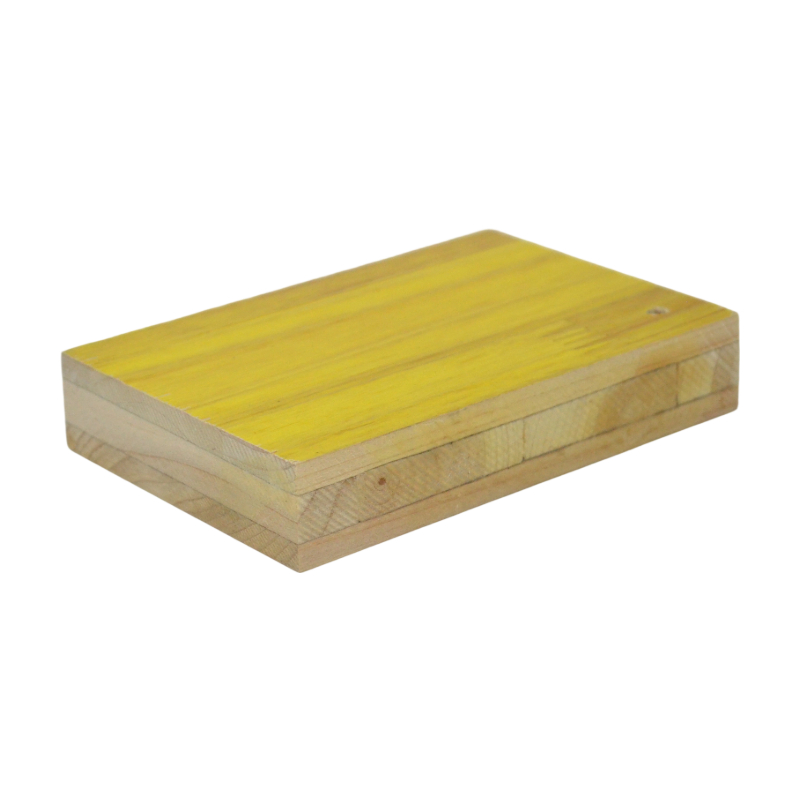
3-Ply Yellow Spruce Shuttering Panel, 21–27 mm
Pine formwork board for concrete slab construction with easy assembly, good surface finish and dimensionally stable shuttering performance.
View productNeed current stock, MOQ, certification copies or a mixed-container proposal? Send your required core, glue, thickness, sheet size and destination port.
Get a QuoteWhy Poplar Core Plywood Still Deserves a Place in Your 2026 Procurement Plan
Poplar core plywood is not simply a low-cost substitute. In the right specification, it offers predictable machining, good screw holding, low panel weight and an efficient route to film-faced formwork, furniture components, packaging and fit-out panels.
The sourcing decision is therefore not “poplar versus hardwood” in isolation. It is a fit-for-purpose question: what core, glue, film and thickness will perform reliably in the intended application, and which manufacturer can prove that specification order after order? A poplar core sheet made with controlled veneer moisture, uniform glue spread and a stable press cycle can outperform a heavier sheet from a factory with weak process control.
This guide is prepared from the export and quality experience of Shanghai Dorni International Trading Co., Ltd., founded in 2008 and supported by an affiliated plywood mill in Dangshan County, Anhui Province. The information below is designed to help importers ask sharper questions, compare quotations on equal terms and reduce the risk of specification drift between the sample and the final shipment.
Years in export
Wood panel trading and export experience since 2008.
Monthly capacity
Plywood output from the affiliated production mill.
Complete lines
Peeling, pressing, calibrating and sanding under one system.
Thickness range
MR, E2, E1, E0, melamine and WBP glue options.
What Really Separates the Top 10 Poplar Core Plywood Manufacturers & Factory Partners
The strongest shortlist is not built from directory rankings alone. Professional buyers score factories on process control, documentation, customization and export discipline. Use these ten checks to compare suppliers on the same basis.
Mill ownership and line integration
Ask whether peeling, drying, lay-up, pressing, calibration and sanding sit under one quality system. Integrated control makes traceability more credible.
Veneer moisture and sorting
Poplar core stability depends on veneer grading and moisture control before lay-up. Poor drying shows up later as warping, blowholes or delamination.
Glue chemistry and emission grade
MR, melamine, MUF and phenolic WBP have different cost and water-resistance profiles. Match E0, E1 or E2 claims to the actual glue and end use.
Press cycle and thickness tolerance
Consistent pressure and temperature protect density, bonding and thickness tolerance. Ask for measured thickness data across production batches.
Film quality and edge sealing
For formwork, film adhesion and edge paint determine release performance and reuse cycles. Thin or poorly bonded film can fail before the panel does.
Certification and traceability
ISO 9001, CE-controlled production, FSC availability and SGS assessment support due diligence. Verify scope, certificate holder and validity before ordering.
QC and pre-shipment inspection
Look for raw-material checking, in-process inspection and finished-goods review before loading. Third-party inspection should be welcomed, not resisted.
Customization and private label
Sample-based, design-based and full customization may include film logo printing, edge-sealing colour, packaging and grading to BSI, IHPA, JPIS or GB.
Logistics and container loading
Loading ports, incoterms and mixed-product consolidation affect landed cost. A practical export team plans bundles, moisture protection and container fill together.
Commercial transparency
Compare quotations on core, glue, film weight, grade, packaging, MOQ and payment terms. Clear assumptions reduce claims after shipment.
Poplar Core, Combi, Birch, Eucalyptus or LVL: Match the Panel to the Application
A factory can only protect your project when the specification is correct. Use this comparison to align core, glue and surface with the real exposure conditions and reuse target.
| Application | Recommended product direction | Glue / surface | Typical thickness | Commercial logic |
|---|---|---|---|---|
| Concrete slab and wall formwork | Poplar or combi core film-faced plywood; 3-ply yellow shuttering panel | Melamine for fewer pours; phenolic WBP / MUF for higher reuse | 18, 21, 27 mm | Balance panel weight, surface finish and reuse cycles |
| Piano, cabinetry and interior components | UV-coated E0 birch or selected poplar core panel | Low-emission E0 / E1, double-sided film or UV coat | 6–18 mm | Prioritize surface quality, machining stability and emission control |
| Scaffold decks and transport floors | Anti-slip PP-coated birch plywood | MUF / WBP with textured or green anti-slip coating | 18–35 mm | Focus on slip resistance, edge durability and load consistency |
| Wet-service marine and vehicle work | BS1088 eucalyptus hardwood core marine plywood | Phenolic face and exterior-grade bond | 18, 25, 28 mm | Use hardwood core when water exposure and mechanical demand rise |
| Formwork systems and concrete accessories | LVL board, H20 timber beam, 3-ply spruce panel | Phenolic WBP and engineered ends | System-specific | Engineered components protect repeatability in panel systems |
| Garden, hospitality and privacy projects | Bamboo screen, privacy curtain and bamboo decking | Weather-resistant bamboo treatment | System-specific | Natural finish, rapid installation and landscape aesthetics |
Poplar Core Plywood Procurement Trends Importers Should Plan For
Purchasing teams are no longer buying “sheets at a price”. They are buying documentation, consistency, lower emissions, container efficiency and a supplier relationship that can survive price and freight volatility.
Lower-emission specifications
E0 and E1 requirements are moving from niche indoor projects into mainstream buyer checklists. Expect more requests for glue chemistry evidence and batch-level emission consistency.
Documented responsible sourcing
FSC chain-of-custody availability, certificate scope and legal timber documentation are becoming part of supplier qualification, especially for European and North American buyers.
Mixed-container efficiency
Importers are consolidating film-faced plywood, LVL, 3-ply panels and bamboo products to improve container utilization and reduce per-unit freight exposure.
Higher reuse targets
On formwork projects, buyers compare cost per pour rather than cost per sheet. Phenolic bonding, edge sealing and film adhesion become central negotiation points.
Digital QC records
Photographs of production, bundle labels, loading sequences and inspection reports are becoming standard buyer protections for repeat orders placed remotely.
Dual-source risk planning
Freight swings, tariff changes and seasonal veneer supply encourage buyers to keep a qualified second specification rather than relying on one panel construction.
Product Development Trends in Poplar Core Plywood and Complementary Building Panels
The strongest product development is practical: cleaner surfaces, better edge protection, more stable thickness, faster installation and clearer performance claims for the final application.
UV, film and anti-slip surfaces
Double-sided UV coating, signal film and PP anti-slip faces are expanding beyond formwork into transport, fit-out and modular construction applications.
Thin but high-strength panels
Piano, furniture and laser-cut applications require thin panels with stable machining. Controlled veneer grading is becoming as important as the headline thickness.
Engineered hybrid kits
Film-faced plywood, 3-ply shuttering panels, H20 beams and LVL are increasingly quoted as a matched formwork package rather than separate commodity items.
Custom sizes and less cutting
Importer demand is rising for 1250×2500 mm, 1500×3000 mm, 915×1830 mm and project-specific sizes that reduce site waste and installation time.
Outdoor bamboo systems
Carbonized bamboo decking, tiles, fencing and privacy curtains continue to gain share in hospitality, landscaping and residential outdoor projects.
Private-label factory supply
OEM buyers increasingly ask for logo printing on film, specified edge-sealing colour, bundle branding, custom grading and market-specific packaging.
A Shanghai Export Team Backed by Its Own Plywood Mill
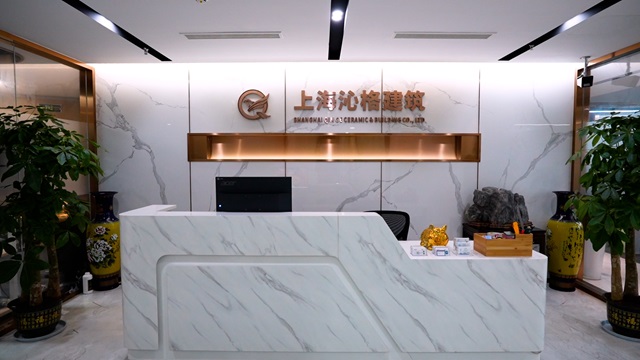
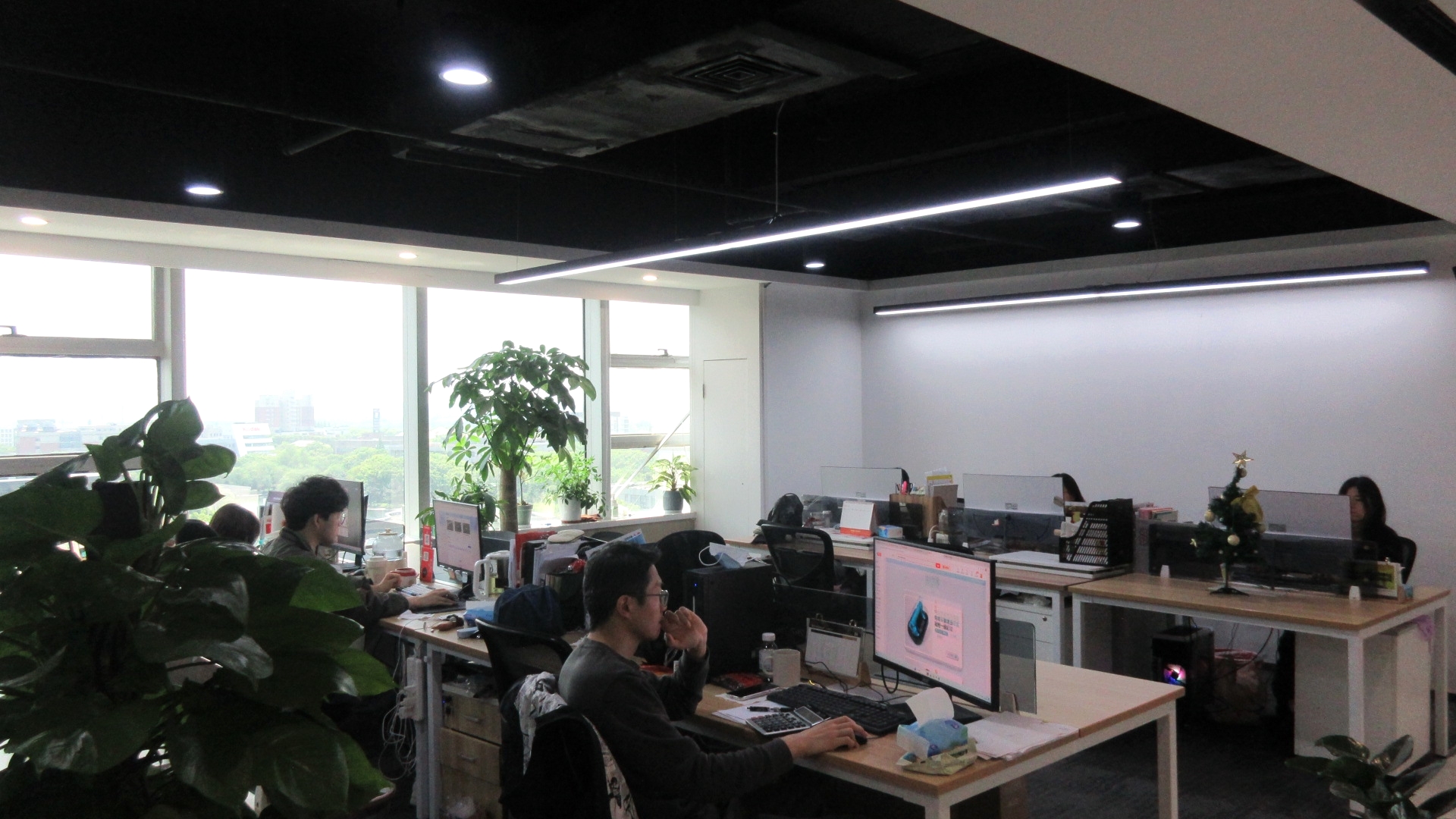
Shanghai Dorni International Trading Co., Ltd. exports plywood, formwork and bamboo building materials from Shanghai, supported by an affiliated mill in Dangshan County, Anhui Province. Founded in 2008, the business combines international trading experience with direct access to panel production.
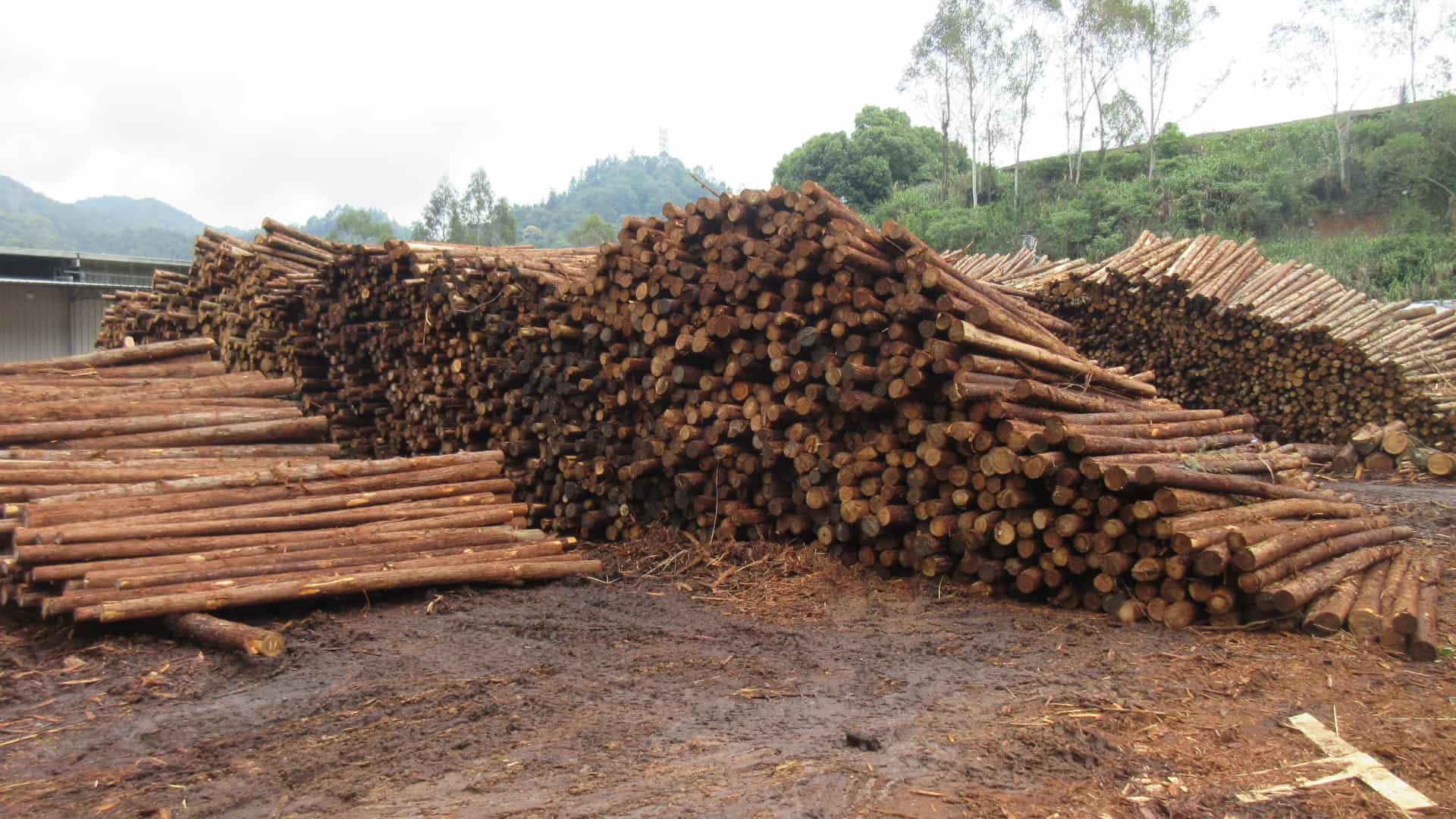
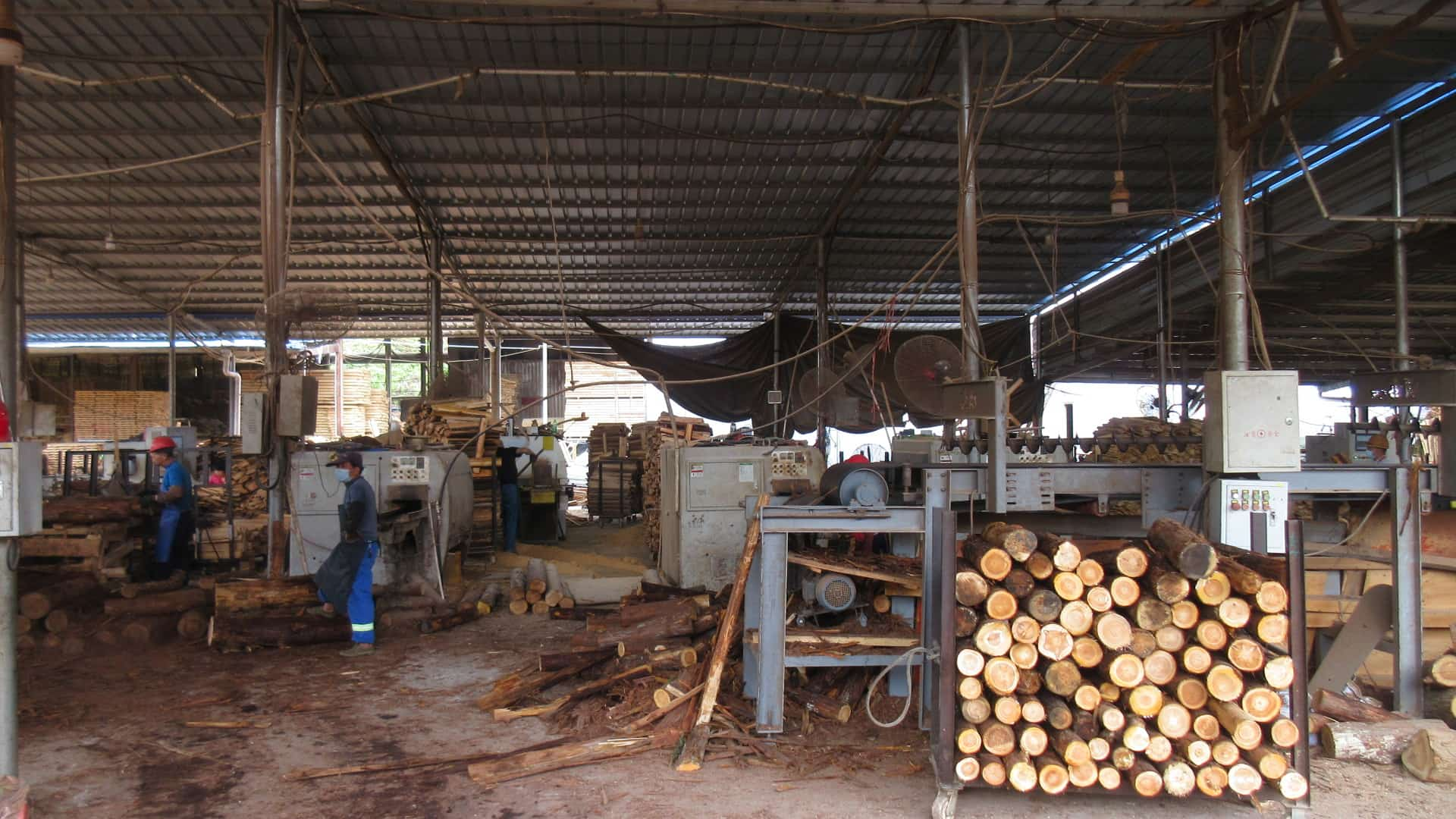
The mill operates three complete production lines covering peeling, press drying, oil boilers, double-side calibration, 3-head sanding and container loading. Monthly plywood capacity reaches 6,000 m³, with thickness from 2.2 mm to 30 mm and MR, E2, E1, E0, melamine and phenolic WBP glue options.
Production is managed to ISO 9001 and controlled to CE requirements. FSC-certified material is available on request, and the company has been assessed on-site by SGS Group. Published buyer feedback shows a 5.0 / 5.0 aggregate rating across 38 reviews.
- 3 complete production lines
- ISO 9001 quality system
- CE-controlled production
- FSC-certified material available
- SGS on-site assessment
- OEM / private-label support
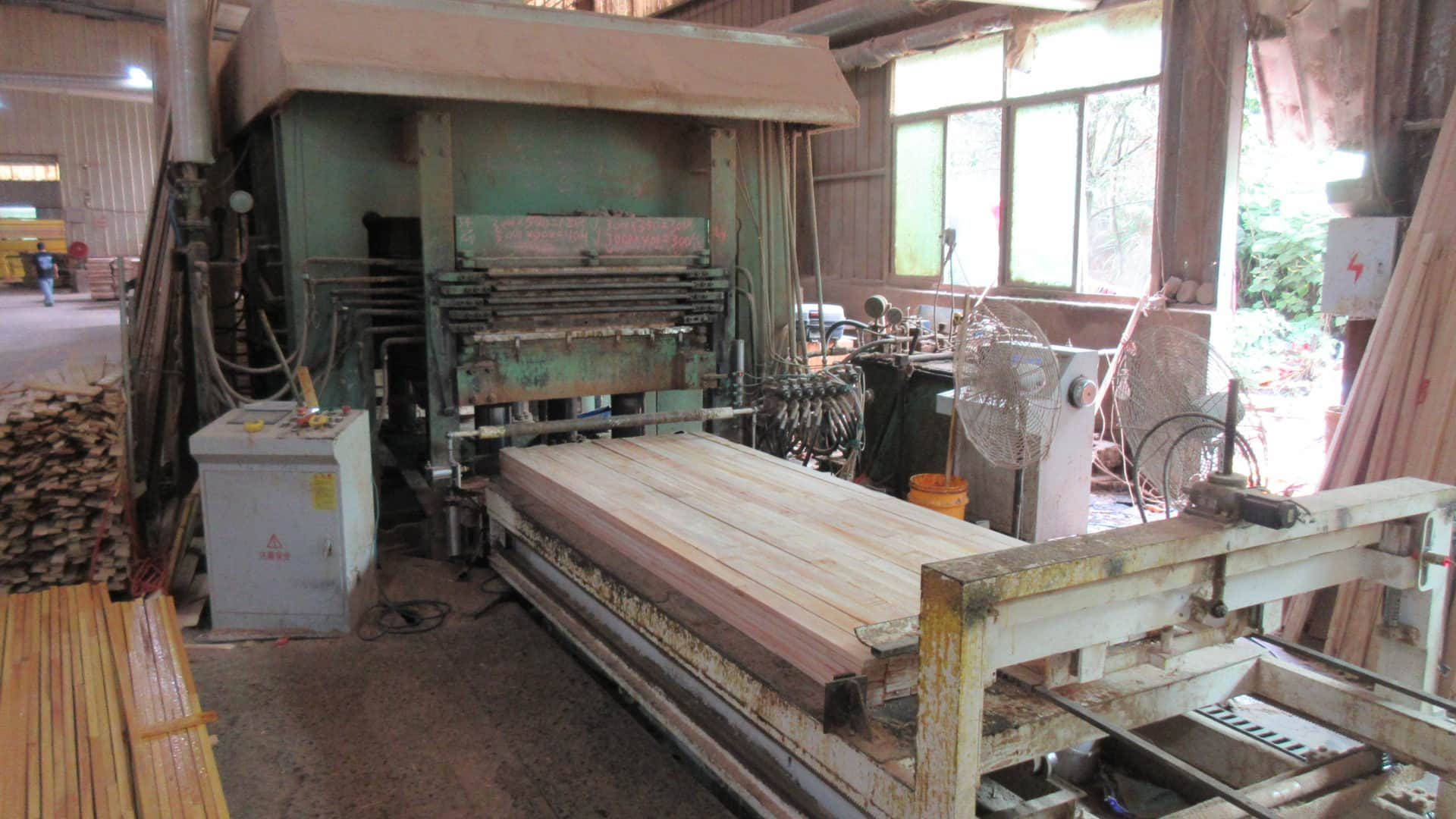
Certifications and Production Controls Behind a Reliable Poplar Core Plywood Order
Certification is a starting point, not a substitute for process control. The factory route below shows where quality is created — and where buyers should request evidence.
Log peeling and veneer sorting
Rotary peeling, veneer thickness review and grading help maintain a stable poplar core before drying.
Drying and moisture control
Veneer moisture is brought to target before lay-up to reduce warping, blistering and bond defects.
Glue preparation and lay-up
MR, melamine, MUF or phenolic WBP is applied according to the agreed specification and end use.
Cold press and hot press
Pressure and temperature cycles are controlled to protect bond strength and dimensional stability.
Calibration, sanding and film
Double-side calibration and sanding support tight tolerance, followed by film overlay and edge sealing.
QC, packing and container loading
Finished goods are checked before packing. Loading photos, bundle marks and inspection records support buyer verification.
ISO 9001
The affiliated mill is managed under an ISO 9001 quality management system.
CE-controlled production
Production is controlled to CE requirements for wood-based panels, including CE No. 1301-CPD-0569.
FSC available
FSC-certified material can be offered on request for buyers with responsible sourcing requirements.
SGS assessed
The supplier has been assessed on-site by SGS Group, with records available for buyer due diligence.
EN 314-2 bonding checks
Bond quality is controlled for exterior-grade and birch products where the order specification requires it.
Custom grading standards
Grading can be aligned to BSI, IHPA, JPIS, GB or your own approved sample and packaging requirements.
Common Questions When Buying Poplar Core Plywood and Formwork Directly from a Factory
These are the questions that consistently shape a first order, a sample request or a mixed-container quotation.
What is poplar core plywood best used for?
Poplar core plywood is commonly used for film-faced formwork, furniture, packaging, fit-out panels and general construction where low weight, smooth machining and stable performance are useful. For severe wet service, compare eucalyptus, birch or marine-grade constructions.
How can I verify E0 or E1 claims?
Ask for the exact glue system, emission grade, test report and sample reference. Confirm that the grade applies to the finished panel, not just to the adhesive purchased. Repeat orders should reference the approved sample and batch inspection records.
What MOQ should a buyer expect?
Standard film-faced and construction plywood typically starts from 50 m³, roughly two 40HQ containers. 3-ply shuttering panels may start from 7–50 m³ depending on specification, while bamboo decking can start from 100 m². Mixed-product containers can be discussed for trial orders.
Which glue is better for formwork: melamine or phenolic WBP?
Melamine is a cost-effective choice for projects with fewer pours. Phenolic WBP is usually preferred when panels are reused outdoors over multiple cycles and need stronger water resistance. The final decision should reflect the pour schedule, stripping method and project climate.
Which certifications matter most for export buyers?
ISO 9001, CE-controlled production, FSC availability when required, SGS assessment and bond testing to EN 314-2 are commonly requested. Buyers should verify certificate scope and validity, and align the certificate with the exact product and specification ordered.
Can I customize sheet size, film, logo and packaging?
Yes. Customization can include 1220×2440 mm, 1250×2500 mm, 1500×3000 mm and 915×1830 mm sizes, custom thickness, logo printing on film, edge-sealing colour, private-label packaging and grading to BSI, IHPA, JPIS or GB standards.
Which ports and trade terms are available?
Goods are usually loaded at Lianyungang or Qingdao port. FOB, CFR, CIF, EXW, FAS and CIP terms are accepted, with T/T, L/C, D/P and D/A payment options available depending on the order and buyer profile.
How long does production and shipping take?
Lead time depends on panel type, glue system, film supply, quantity and container programme. A practical export team confirms the production slot after sample approval and deposit, then coordinates inspection, packing and loading with the selected incoterm.
Can you support OEM and private-label programmes?
Yes. Sample-based, design-based and full customization are available for importers, distributors and project suppliers. Film logo, edge paint, bundle packaging and grading standards can be aligned to the target market.
Send Your Specification to a Factory-Backed Export Team
Share the required core, glue, emission grade, film type, thickness, sheet size, MOQ and destination port. Dorni's export team can prepare a technical proposal, sample plan and container-loading proposal for your review.
Get a QuoteShanghai Dorni International Trading Co., Ltd. · info@dorniplywoods.com · ISO 9001 · CE-controlled production · FSC available · SGS assessed