Eight Export-Ready Products for Trailer OEM/ODM and Adjacent Programs
When buyers compare a trailer flooring plywood supplier and multiple trailer flooring plywood suppliers, they usually need more than one panel. This export-ready portfolio combines our plywood, engineered wood and exterior bamboo lines for mixed-container efficiency.
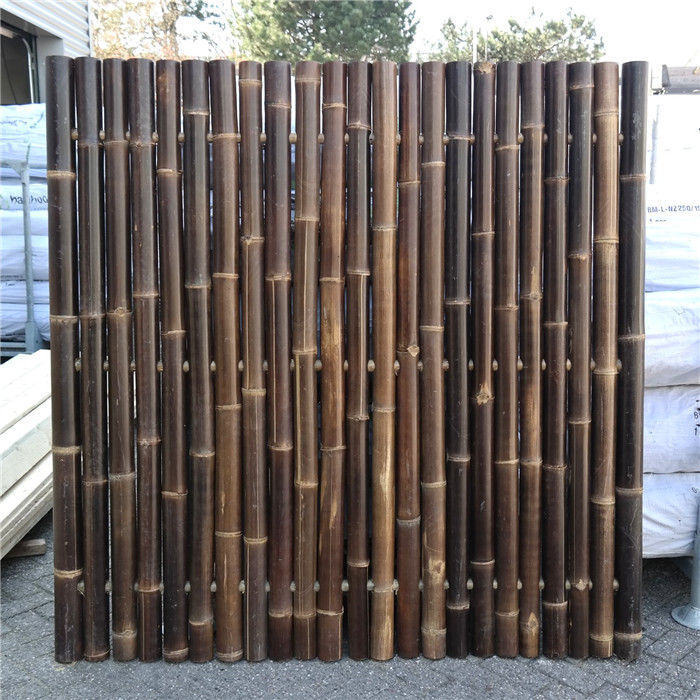
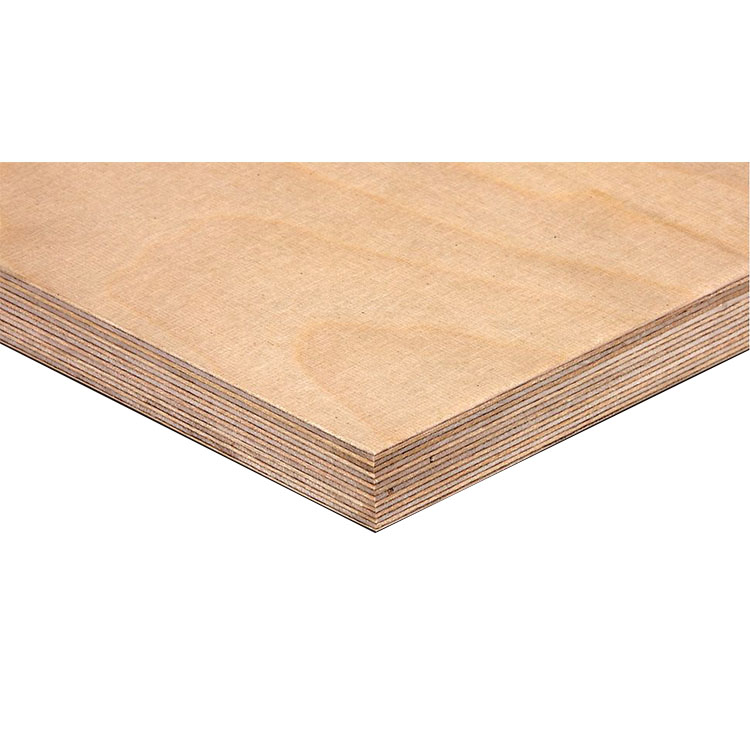

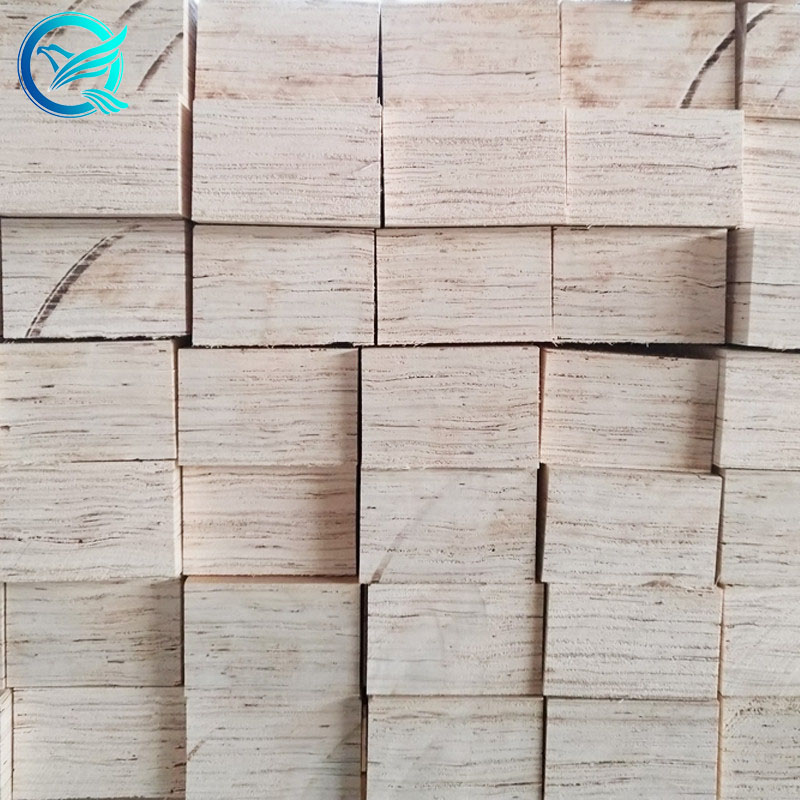
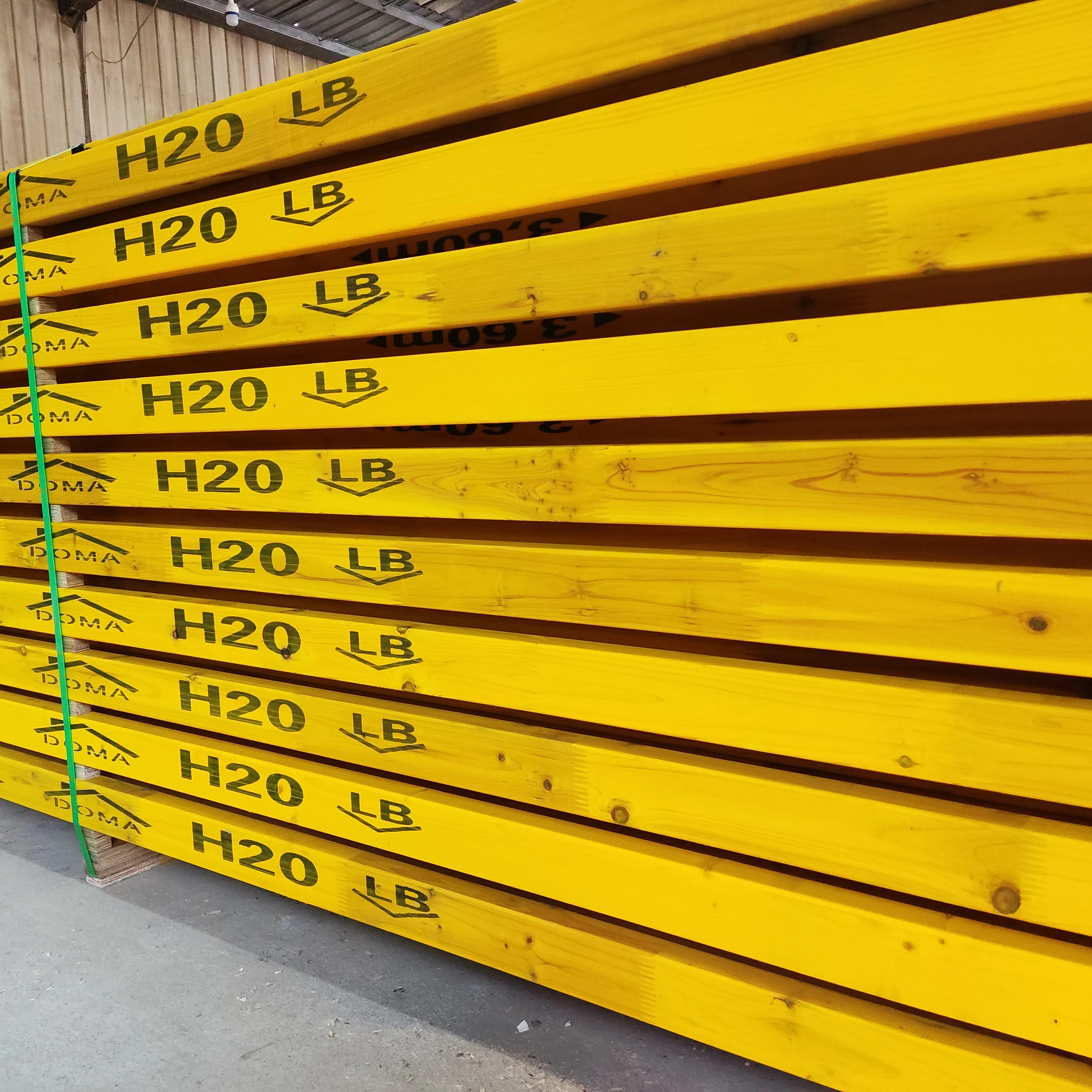

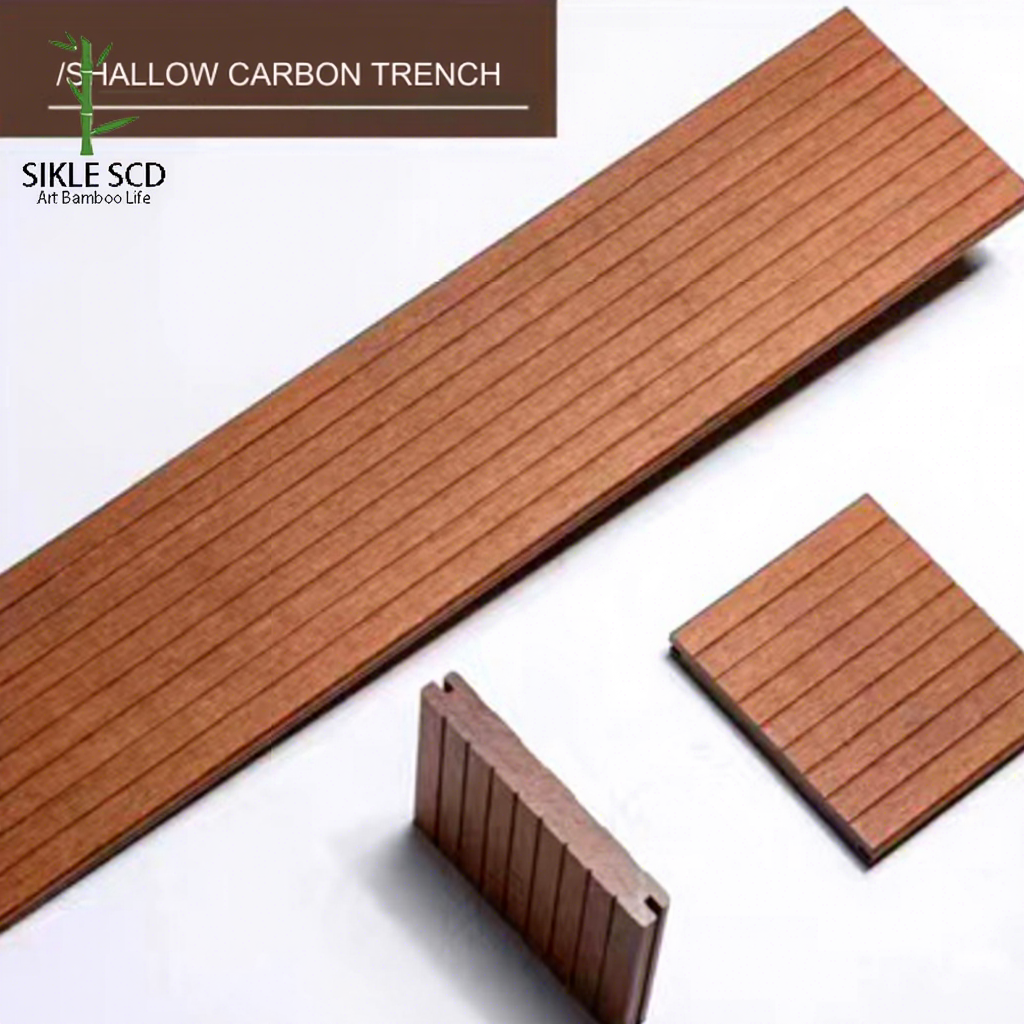
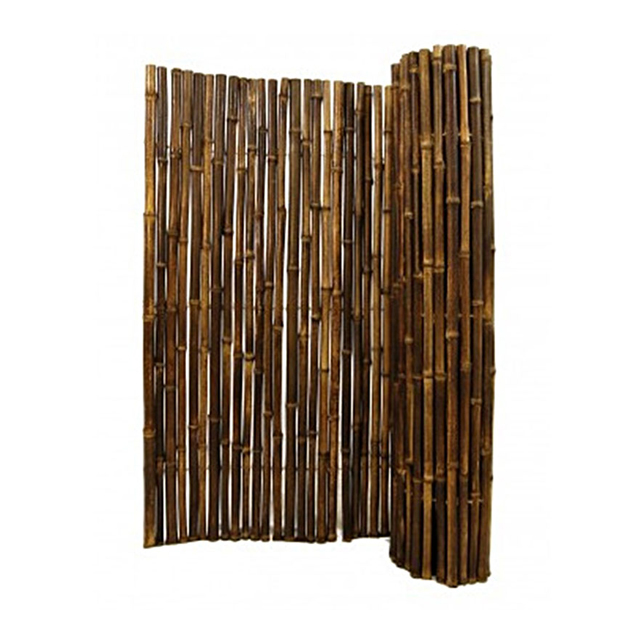
Need current MOQ, lead time, test reports or a mixed-container quotation? Get Catalog
Years of Export Experience
Founded in 2008, serving importers, contractors and distributors across five continents.
Monthly Plywood Capacity
Affiliated mill output supported by three complete production lines and dedicated QC.
Complete Production Lines
Peeling, drying, pressing, calibrating, sanding and container loading controlled in-house.
Thickness & Grade Range
MR, melamine, phenolic WBP, E2, E1 and E0 options for project-specific specifications.
Why Trailer Flooring Plywood Is a Performance Material, Not a Commodity Panel
When a procurement team searches for an OEM/ODM trailer flooring plywood supplier or compares multiple trailer flooring plywood suppliers, the intent is rarely limited to a price per sheet. The real question is whether the floor will survive repeated loading, point loads, moisture ingress, road vibration, forklift traffic, screw fixing and long outdoor exposure without delamination or surface breakdown.
Trailer flooring plywood sits at the intersection of structural panel performance and surface engineering. Many export specifications use 28–30 mm panels with 19–21 plies, dense hardwood or hybrid cores, phenolic WBP adhesive, sealed edges and an anti-slip film. The objective is not simply thickness; it is balanced density, controlled moisture content, consistent glue-line quality and predictable screw-holding across every batch.
This is where information gain matters. A buyer does not need another generic list of plywood sizes. They need evidence: veneer selection, glue type, press cycle, thickness tolerance, edge treatment, surface slip resistance, batch traceability and pre-shipment inspection records. A supplier that can explain and document these details reduces total cost of ownership more effectively than a supplier that only offers the lowest quotation.
What OEM and ODM buyers should clarify first
Define the duty cycle before choosing the panel. A utility trailer floor used for light cargo has a different risk profile from a flatbed trailer exposed to rain, gravel, pallets and frequent washing. For severe-duty programs, specify phenolic WBP glue, a dense core, sealed edges and a surface that maintains friction when wet. For premium fit-out, low-emission E0 birch plywood or UV-coated decorative panels may be more relevant.
 Mill-level control: from veneer preparation and pressing to calibration, sanding and container loading.
Build a Trailer Decking Specification That Can Be Repeated
Use this framework to align engineering, purchasing and quality teams before requesting samples. It is written for buyers sourcing from a trailer flooring plywood supplier in China and comparing suppliers on more than unit price.
Core Architecture
Choose hardwood, eucalyptus, birch, poplar/combi or finger-jointed cores according to load, screw-holding and price target. For severe duty, request higher density and tighter veneer grading.
Adhesive & Emission
MR, melamine, phenolic WBP, E2, E1 and E0 options are available. Phenolic WBP is recommended for trailer floors exposed to weather; E0/E1 grades support low-emission interiors.
Surface & Safety
Black or brown film, anti-slip texture, UV coating, edge sealing and custom branding can be specified. Surface friction under wet conditions is a key trailer-floor safety criterion.
Tolerance & Traceability
Control thickness, squareness, moisture and batch records. Request pre-shipment photos, edge inspection and third-party testing where your risk model requires it.
| Specification area | Buyer question | Production control to request from a supplier | Why it matters |
|---|---|---|---|
| Panel build | 28 mm or 30 mm; 19 plies or 21 plies? | Veneer thickness control, glue spread, lay-up pattern, press cycle records | Load distribution and screw-holding consistency |
| Core material | Hardwood, eucalyptus, birch or poplar/combi? | Raw material inspection, moisture content and density checks | Weight, strength, machining behavior and price stability |
| Adhesive | Melamine or phenolic WBP? | Glue batch records and bond-quality testing | Water resistance, delamination risk and service life |
| Surface | Anti-slip film, plain film or UV coating? | Film gram weight, surface inspection, friction sample approval | Safety, wear resistance and brand appearance |
| Edge treatment | Sealed or unsealed edges? | Edge paint specification, sealing coverage and packing protection | Moisture ingress at the most vulnerable point |
| Documentation | Can each batch be traced? | Batch code, inspection photos, packing list and loading record | Audit readiness and after-sales claim resolution |
Match the Trailer Flooring Plywood to the Duty Cycle
Use these three envelopes to narrow the specification before sampling. Final thickness, core and glue must be confirmed against trailer design, axle load, cargo type and warranty expectations.
Light Commercial & Utility Trailers
For dry cargo, general distribution and moderate loading cycles.
- Poplar/combi or mixed hardwood core
- Melamine or MR glue where exposure is limited
- 18–24 mm panel thickness, sealed edges
- Plain or light anti-slip film
Medium-Duty Flatbed & Fleet Programs
For mixed weather, pallet traffic and frequent loading.
- Dense hardwood or eucalyptus core
- Phenolic WBP glue recommended
- 24–28 mm, 15–19 plies
- Anti-slip film and full edge sealing
Heavy-Duty & Container-Adjacent Floors
For severe load, moisture, impact and long service life.
- High-density hardwood or engineered hybrid core
- Phenolic WBP and batch-tested bond quality
- 28–30 mm, 19–21 plies
- Premium anti-slip surface and inspection records
What Trailer OEM/ODM Buyers Will Reward in the Next Buying Cycle
Price will remain important, but supplier selection is shifting toward documented performance, total cost of ownership and supply-chain resilience. The bars below are an illustrative priority index drawn from common RFQ questions, not a market forecast.
Total Cost of Ownership
Buyers are comparing price per sheet with replacement frequency, downtime and claim costs. Reuse and service life now enter the quotation review.
Illustrative priority: 88%Traceable Low-Emission Compliance
E0/E1 documentation, FSC availability and material traceability are moving from “nice to have” to tender requirements in several markets.
Illustrative priority: 82%Mixed-Container Agility
Distributors want to combine trailer flooring, formwork panels, LVL, bamboo decking and fencing to improve container utilization and cash flow.
Illustrative priority: 76%Audit-Ready Digital Evidence
Batch photos, inspection reports, loading records and clear Incoterms reduce risk for procurement teams managing overseas suppliers.
Illustrative priority: 71%What the Next Trailer Decking Panel Will Look Like
Panel development is moving toward higher-density cores, more durable surfaces and specifications that are easier to verify at the container-loading stage.
Higher-Density Hybrid Cores
Mixing hardwood, eucalyptus and selected veneers can balance weight, strength and cost while improving screw-holding and impact resistance.
Phenolic WBP as a Default for Severe Duty
For weather-exposed trailer floors, phenolic glue is increasingly treated as the baseline rather than an upgrade, especially for wet or washed-down operations.
Anti-Slip and Low-Glare Surfaces
Safety stakeholders are requesting measurable wet-grip performance, consistent texture and surfaces that remain readable under strong sunlight.
E0 and Low-Emission Documentation
Low-formaldehyde panels are expanding from interiors into broader vehicle and trailer applications, supported by clearer test-report requirements.
Precut and Modular Floor Kits
OEM buyers increasingly prefer CNC-cut sizes, pre-drilled fixing points and edge-sealed modules to reduce assembly time at the trailer plant.
Bamboo and Bio-Based Adjacent Lines
Exterior bamboo decking, tiles and fencing are being consolidated with plywood programs where distributors serve hospitality, landscape and outdoor living channels.
A Shanghai Export Team Backed by Mill-Level Production Control
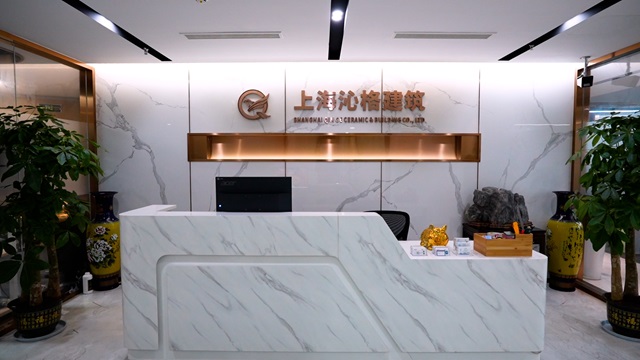
Shanghai Dorni International Trading Co., Ltd. combines an experienced export team with an affiliated plywood mill in Dangshan County, Anhui Province. This structure gives buyers a single point of accountability from specification to container loading.
Export Experience Since 2008
Long-standing export operations serving North America, Western and Eastern Europe, South America, the Middle East, North Africa, Japan, South Korea and Southeast Asia.
Affiliated Mill & Capacity
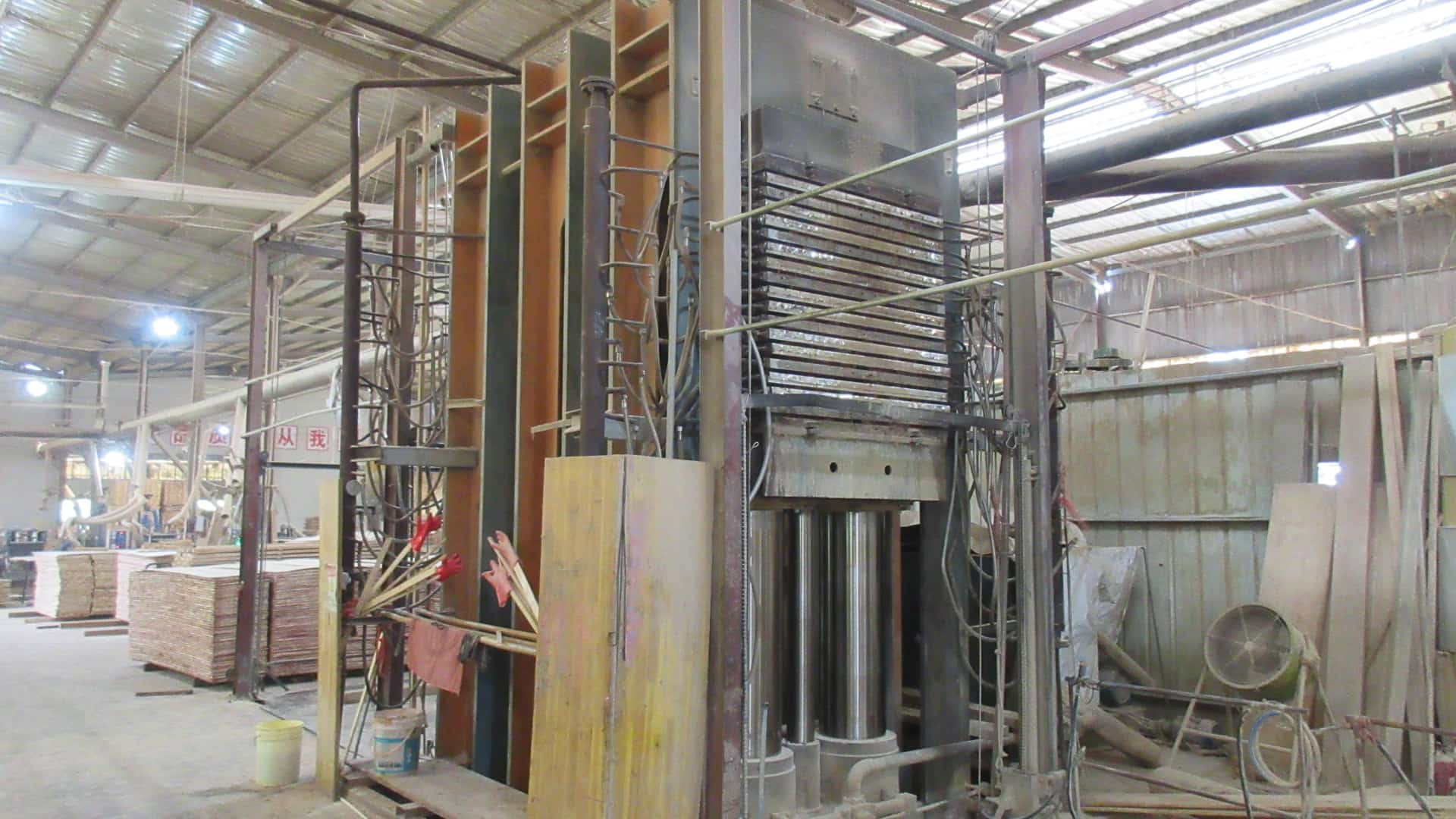
Three complete production lines, 6,000 m³ monthly plywood capacity, peeling, pressing, double-side calibration, 3-head sanding and container loading platforms.
Certifications & Standards
ISO 9001 quality management, CE-controlled production (CE No. 1301-CPD-0569), FSC-certified material availability and on-site assessment by SGS Group.
Raw Material & Finished Goods QC
A dedicated QC team inspects incoming materials and checks finished goods before loading, with photos and records available for buyer review.
OEM/ODM Customization
Sample-based, design-based and full customization: logo printing on film, edge-sealing colour, bundle packaging and grading to BSI, IHPA, JPIS, GB or buyer standards.
Export Logistics Support
Loading at Lianyungang or Qingdao port; FOB, CFR, CIF, EXW, FAS and CIP terms; T/T, L/C, D/P and D/A payment discussion for qualified orders.
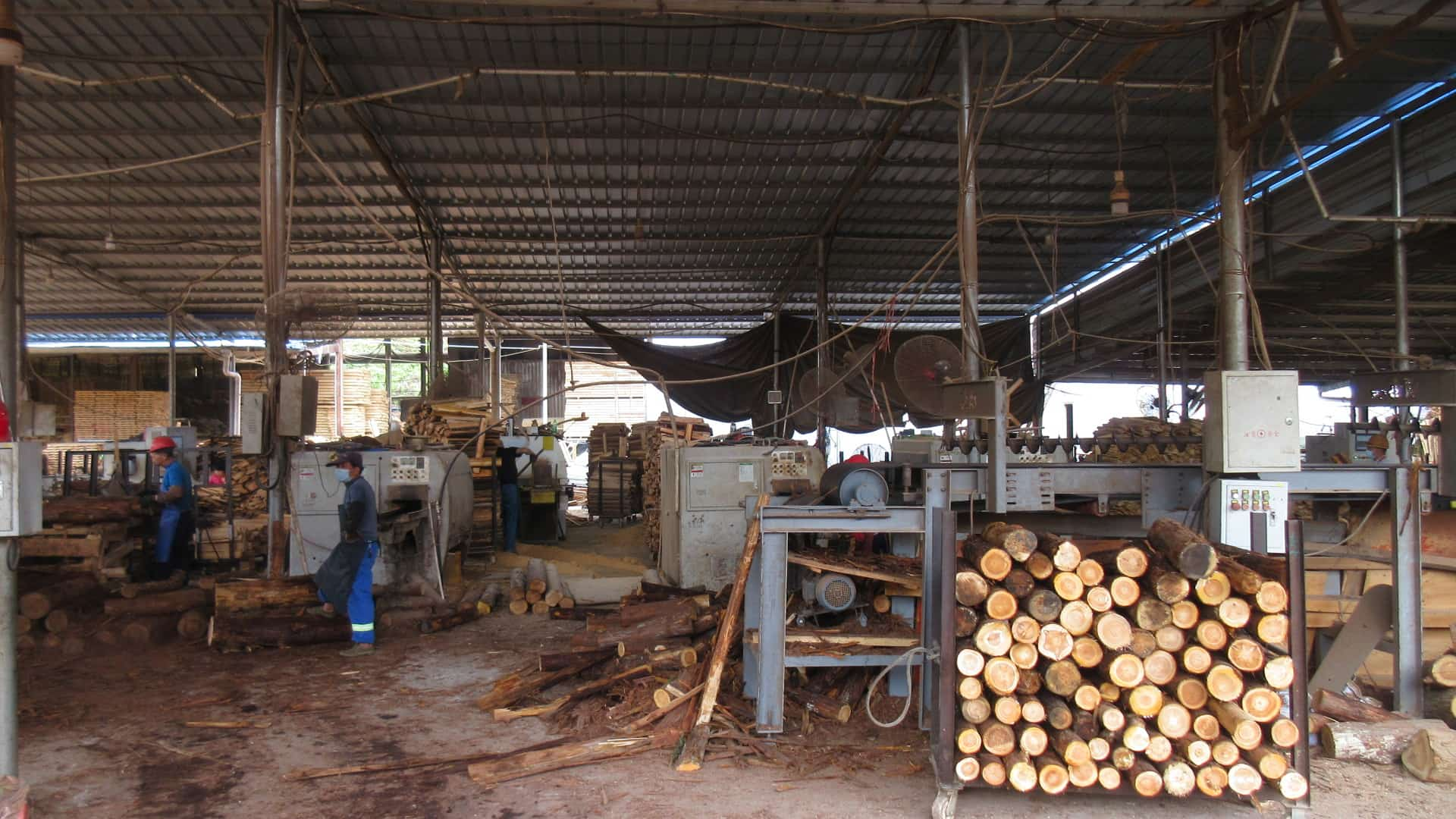
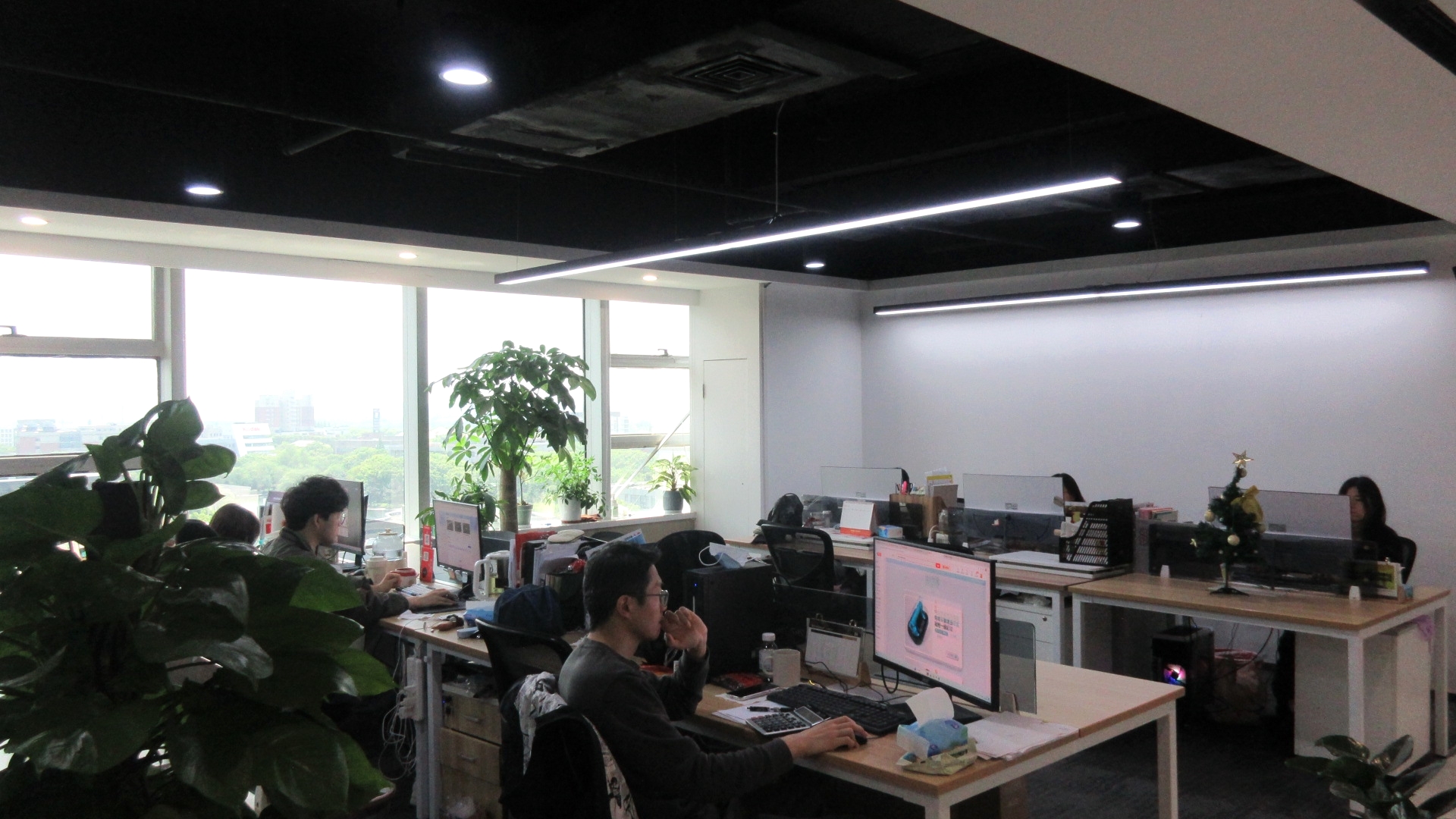 Affiliated mill overview
 Finished-product inspection
 Container loading record
For buyers looking for a trailer flooring plywood supplier with genuine mill-level oversight, the advantage is not simply capacity. It is the ability to connect raw material selection, glue specification, press control, calibration, surface treatment, packing and export documentation into one auditable production flow.
Information Gain for Procurement Teams Comparing Trailer Flooring Plywood Suppliers
Use these questions to separate a trading intermediary from a supplier that can control and explain the panel behind the quotation.
| Audit question | Why it matters | Evidence to request |
|---|---|---|
| Can you provide the exact panel build? | Thickness alone does not reveal load capacity or screw-holding. | Ply count, veneer species, thickness tolerance and target density. |
| Which adhesive is used for severe-duty floors? | Glue type directly affects moisture resistance and delamination risk. | Glue batch record and bond-quality test report where applicable. |
| How are edges protected? | Edges are the first entry point for water and road spray. | Edge-sealing specification, coverage photos and packing protection. |
| What is the pre-shipment inspection routine? | Catches thickness drift, surface defects and packing errors before shipment. | Inspection checklist, batch photos and third-party inspection availability. |
| Can you support OEM/ODM branding? | Distributors need consistent logos, packaging and grading. | Film logo samples, edge colour options, bundle marks and private-label plan. |
| What are the logistics and payment terms? | Terms affect landed cost, cash flow and supply reliability. | Port, Incoterms, payment method, lead time and mixed-container policy. |
Common Questions About OEM/ODM Trailer Flooring Plywood Supplier & Suppliers
Clear answers for buyers reviewing a trailer flooring plywood supplier, requesting samples or comparing multiple trailer flooring plywood suppliers.
What is trailer flooring plywood, and how is it different from ordinary construction plywood?
Trailer flooring plywood is a structural panel engineered for repeated load, impact, moisture, screw fixing and road vibration. Compared with ordinary construction plywood, it usually uses a denser core, more plies, stricter thickness control, a more weather-resistant adhesive such as phenolic WBP, sealed edges and a purpose-selected surface such as anti-slip film. The exact specification should be tied to the trailer duty cycle.
Which thickness and ply count should an OEM trailer floor use?
Many severe-duty export specifications use 28–30 mm panels with 19–21 plies, while lighter commercial trailers may use thinner panels depending on the trailer design and load. Thickness alone is not enough: core density, veneer grading, glue type and edge sealing all affect performance. Buyers should confirm the floor engineering with their trailer designer before approving samples.
Is phenolic WBP better than melamine for trailer decking?
Phenolic WBP is generally recommended where the floor is exposed to weather, washing, humidity or repeated wet-dry cycles. Melamine can be a cost-effective choice for protected or lighter-duty applications with fewer moisture risks. The right choice depends on service environment, expected life and warranty position rather than a universal rule.
What is the minimum order quantity?
Standard film faced and construction plywood starts from 50 m³, roughly two 40HQ containers. 3-ply shuttering panels start from 7–50 m³ depending on specification, and bamboo decking from 100 m². Mixed-product containers can be discussed for trial orders and distributor programs. Confirm the latest MOQ with our export team before planning a shipment.
Can you produce private-label or fully customized trailer flooring plywood?
Yes. We support sample-based, design-based and full customization, including logo printing on film, edge-sealing colour, bundle packaging, size cutting and grading to BSI, IHPA, JPIS, GB or buyer-specific standards. For ODM programs, share drawings, target performance and packaging requirements so the specification can be converted into a repeatable production plan.
Which certifications and test documents are available?
The mill is managed under ISO 9001, production is controlled to CE requirements (CE No. 1301-CPD-0569), and FSC-certified material is available. The company has also been assessed on-site by SGS Group. Depending on the order, buyers can request material records, inspection photos and third-party testing arrangements for specified performance criteria.
How do you control moisture, delamination and thickness variation?
Control starts with raw material inspection, veneer drying and glue preparation, then continues through press cycles, double-side calibration and 3-head sanding. Finished goods are checked before loading. For high-risk applications, buyers should specify moisture targets, thickness tolerance, bond-quality requirements and inspection criteria in the purchase order.
Which ports and Incoterms do you use?
Goods are usually loaded at Lianyungang or Qingdao port. We accept FOB, CFR, CIF, EXW, FAS and CIP terms. Payment methods such as T/T, L/C, D/P and D/A can be discussed for qualified orders. The best shipping plan depends on destination, volume, mixed-product requirements and the Incoterms agreed with your freight forwarder.
How should a buyer compare trailer flooring plywood suppliers?
Compare the specification, not just the price. Ask for panel build, core species, glue type, surface, edge treatment, tolerance, inspection routine, batch traceability, certifications, packing and loading evidence. A supplier that can answer these questions clearly is usually better positioned to deliver consistent quality across repeat orders.
Can I request samples before placing an order?
Yes. Sampling is the practical way to verify surface texture, edge sealing, thickness, weight, machining behavior and appearance. Share the intended application, target thickness, glue requirement, surface type and destination so the sample can be prepared against the correct specification rather than a generic stock panel.
Request an OEM/ODM Trailer Flooring Plywood Quotation
Send your target specification and application details. Our export team will review core type, glue, thickness, surface, edge sealing, packaging, MOQ, lead time and destination port, then prepare a technical proposal for your program.
Get CatalogFor a faster quotation, include:
- Trailer type, load requirement and service environment
- Target thickness, ply count, core material and glue
- Surface requirement: anti-slip film, plain film, UV or custom logo
- Panel size, edge-sealing requirement and packaging preference
- Estimated order volume, trial-order plan and destination port
- Required certifications, test reports and delivery schedule