8 Core Timber Scaffold Board & Engineered Wood Products
These eight product families cover access, formwork, structural, decorative and outdoor applications most often requested by OEM/ODM buyers. Each can be quoted to sample, drawing, private-label packaging or destination-market certification requirements.
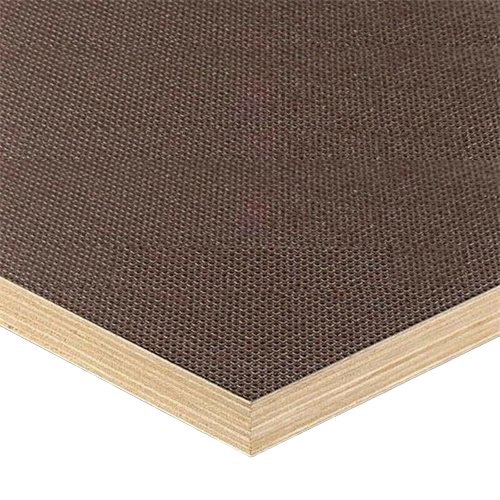
Treezo Linyi Hexa/WireMesh Anti/non-slip Artificial Veneer Pine Veneer Double-Sided Decoration Basswood E1 Water Plywood
Wire-mesh reinforced anti-slip surface for scaffold walkways, access decks and decorative panels where grip and surface durability matter.
View product →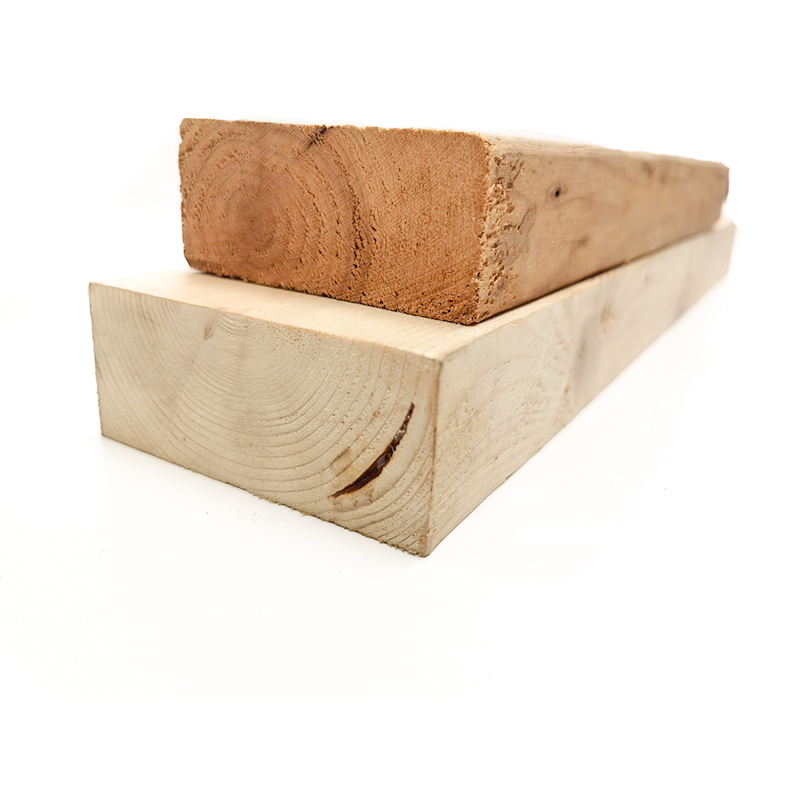
2x6 LVL Board
Engineered laminated veneer lumber with consistent density and straightness — suitable for scaffold planks, formwork accessories and structural components.
View product →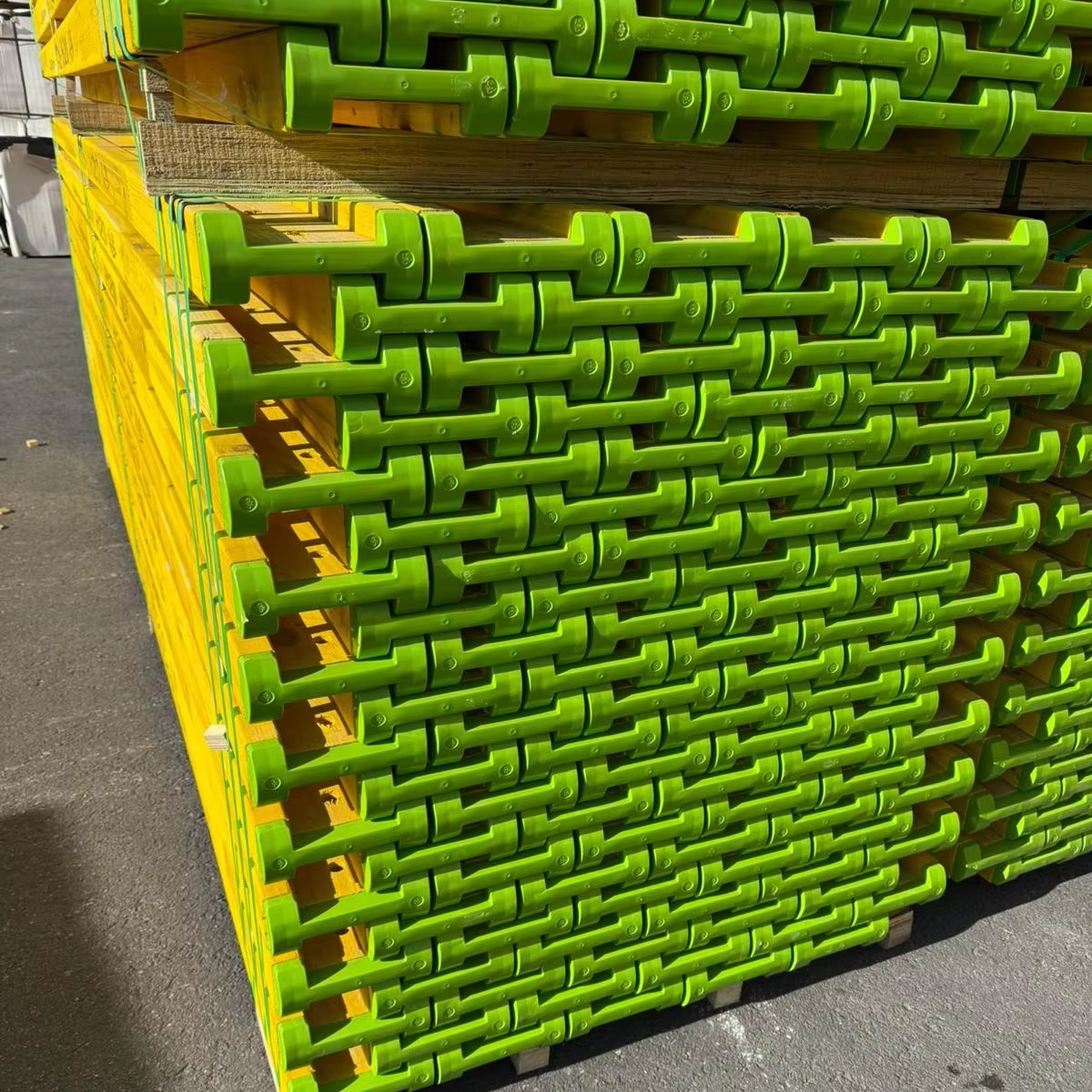
H20 Beam with Plastic Ends Yellow Waterproofing Painting Spruce Flange PINE Plywood Web
Formwork girder with spruce flange and pine plywood web, protected by waterproof coating and plastic end caps for repeated site use.
View product →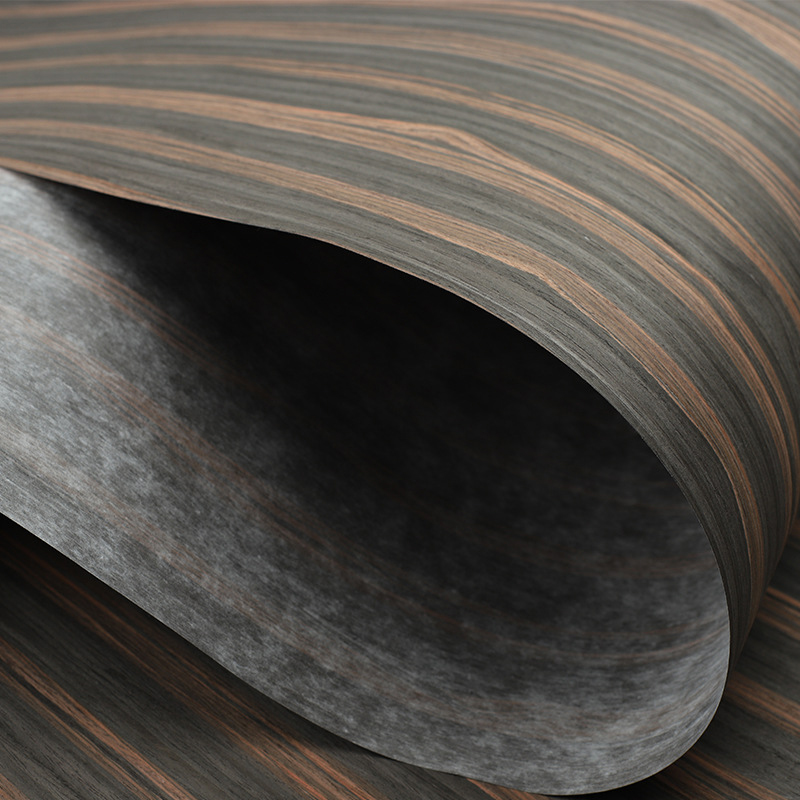
All Kinds Engineered Wood Veneer 640mm * 2500mm Size
Engineered veneer for door skins, panel faces, furniture and architectural surfaces where grain consistency and supply stability are important.
View product →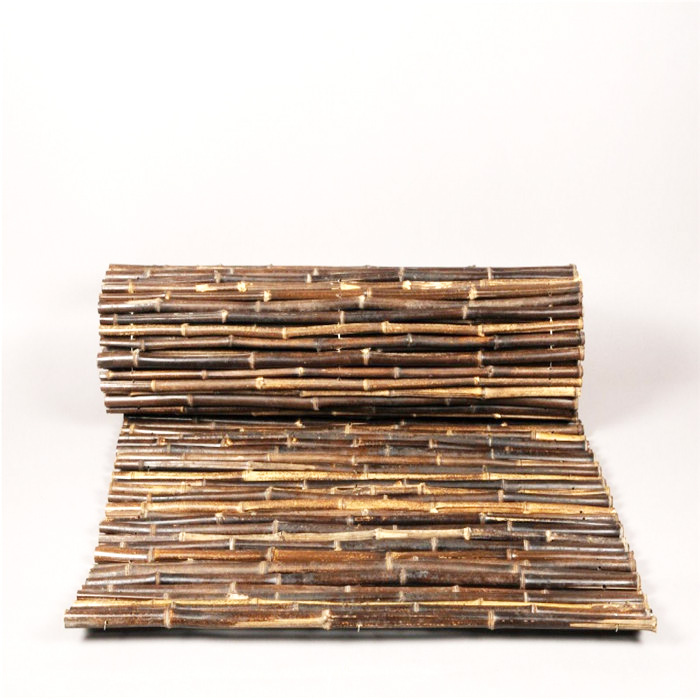
22-35mm High Straightness Bamboo Fence
Straight, dense bamboo fencing for garden screening, resort borders and outdoor privacy — a renewable material for landscape projects.
View product →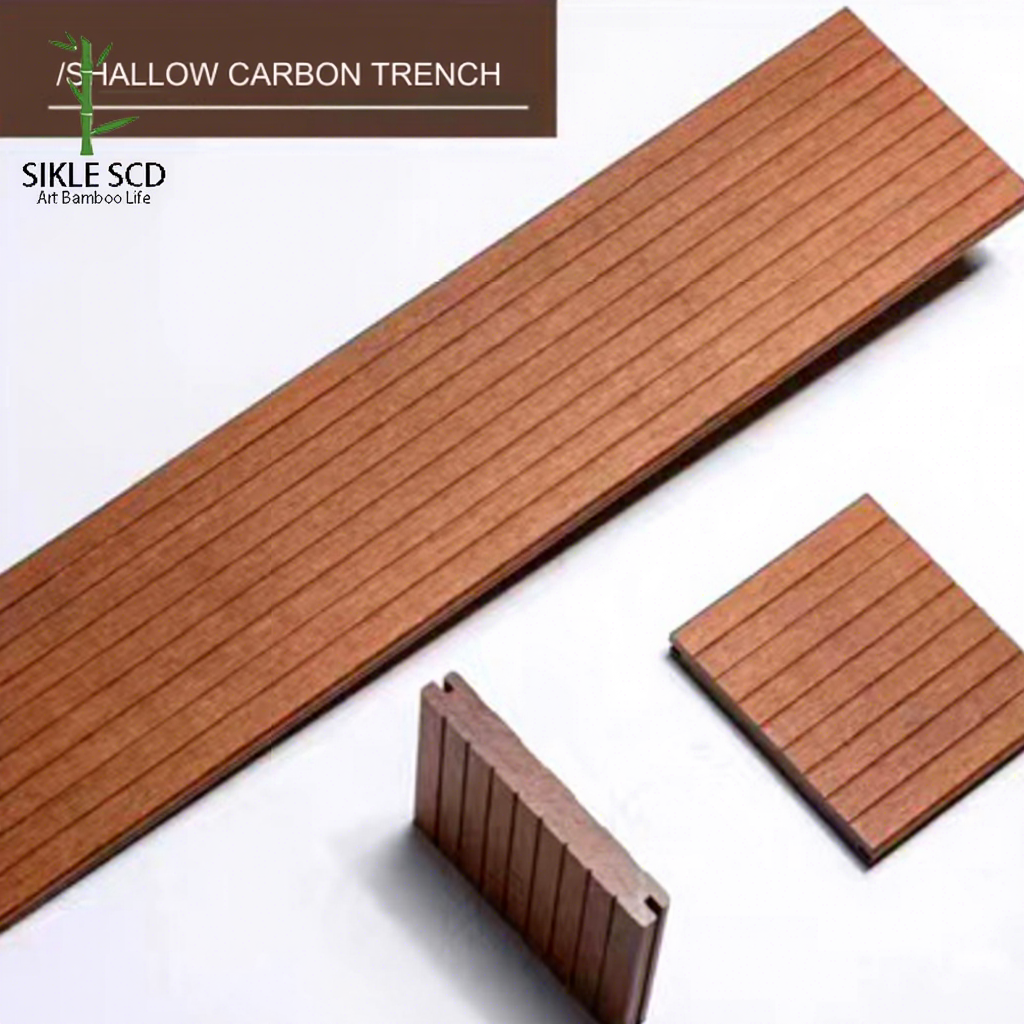
SIKLE SCD Bamboo Decking Solid Bamboo Shallow Deep Carbon 13 Coating Finish Hotel Use 5+ Year Warranty E1 Formaldehyde Standard
Carbonized solid bamboo decking with coating finish for hotel terraces, pool surrounds and hospitality landscapes; E1 formaldehyde standard.
View product →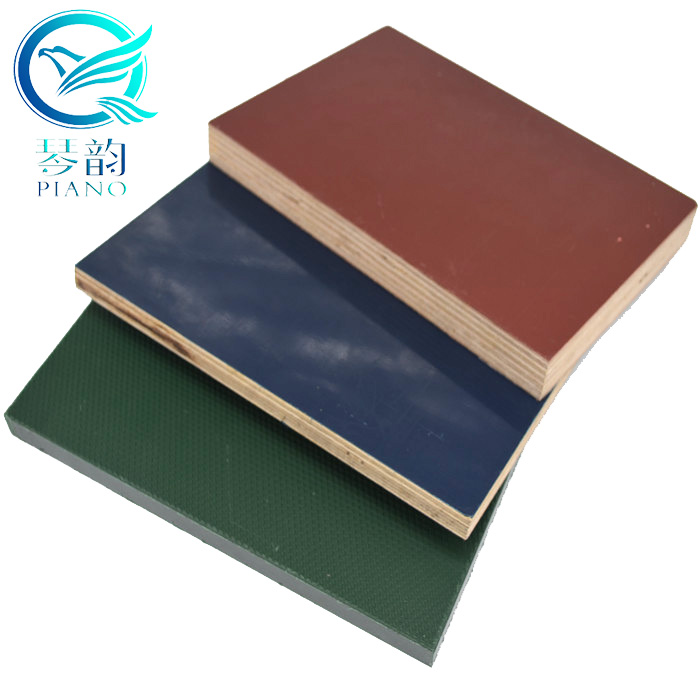
Green Color Anti-skip PP Coated Birch Plywood Sheets 6-35mm Thickness First-Class Grade MUF Glue CE Certified Double-Sided
PP-coated anti-slip birch plywood for access platforms, transport floors and wet-area applications; CE certified and available in 6–35 mm.
View product →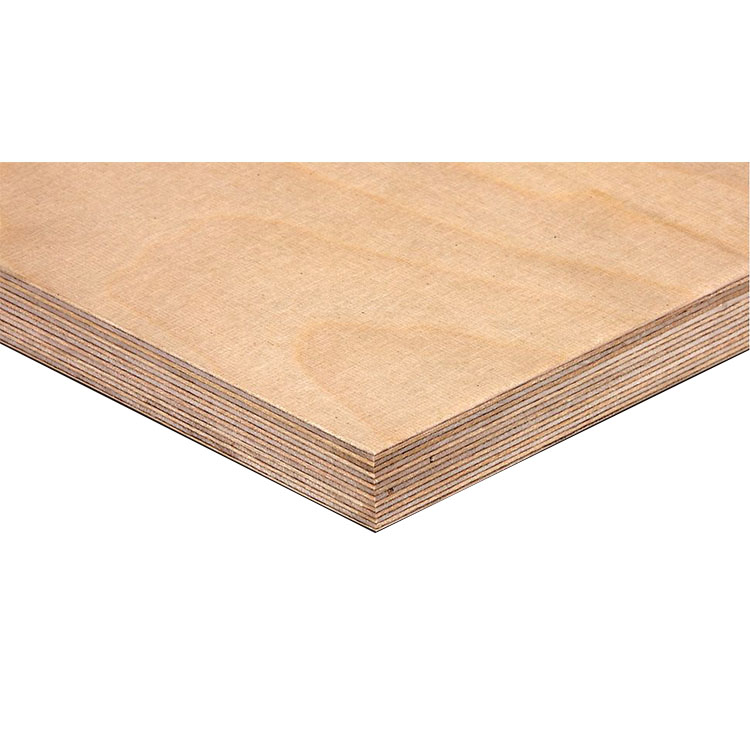
Film Faced UV Coated Double-Sided E0 Certified First-Class Certified for Certified Low Formaldehyde Piano Brand Birch Plywood
Double-sided UV-coated birch plywood with E0 low-formaldehyde certification for piano, furniture and high-finish interior applications.
View product →Years Export Experience
Trading wood panels and formwork since 2008.
m³ Monthly Capacity
Plywood output from the affiliated production mill.
Complete Production Lines
Peeling, pressing, calibrating and sanding under one system.
Continents Served
North America, Europe, South America, Middle East, Africa and Asia.
How to Specify OEM/ODM Timber Scaffold Boards with Confidence
Scaffold boards and formwork panels are safety-critical components, not commodity planks. The strongest OEM/ODM programmes define the end use, load condition, surface friction, edge protection, certification route and packaging before the first container is booked.
Access & Scaffold Platforms
For safe walkways and working decks, specify a high-friction surface, consistent thickness, sealed edges and straightness. Recommended options include 2x6 LVL board, green anti-slip PP-coated birch plywood and wire-mesh overlay plywood.
- Check slip resistance, edge sealing and screw-holding capacity.
- Confirm moisture exposure, reuse cycles and loading conditions.
- Request pre-shipment photos of bundles and edge protection.
Formwork & Shuttering Systems
Concrete formwork buyers should align the board with the formwork system, pour pressure and expected reuse. H20 beams, film-faced plywood and 3-ply shuttering panels are evaluated together for stiffness, coating durability and dimensional stability.
- Phenolic WBP bond is preferred for outdoor and high-reuse formwork.
- Confirm thickness tolerance, film type and edge paint colour.
- Ask for system-compatible dimensions before ordering.
Private-Label & Specialty Lines
OEM/ODM buyers often combine film-faced plywood, UV-coated birch, engineered veneer and bamboo decking into one branded programme. Differentiation comes from surface coating, formaldehyde grade, packaging and documentation, not simply from price per sheet.
- Print logo on film, bundle labels and protective packaging.
- Grade to BSI, IHPA, JPIS, GB or your customer standard.
- Use mixed containers to test several SKUs with controlled risk.
Why Dorni Is a Reliable OEM/ODM Timber Board Factory
Shanghai Dorni International Trading Co., Ltd. combines a Shanghai export team with an affiliated plywood mill in Dangshan County, Anhui Province. That structure gives buyers commercial responsiveness at the front end and manufacturing control at the back end.
18+ Years of Export Practice
Founded in 2008, the team has handled wood panels, formwork and bamboo building materials for importers, distributors and contractors across Europe, the Americas, the Middle East, Africa and Asia.
Affiliated Mill & 6,000 m³ Capacity
The affiliated mill operates three complete production lines, covering peeling, veneer drying, glue lay-up, cold and hot pressing, double-side calibration and sanding through to container loading platforms.
ISO 9001, CE & FSC Documentation
Production is managed under an ISO 9001 quality system and controlled to CE requirements (CE No. 1301-CPD-0569). FSC-certified material is available on request, and the company has been on-site assessed by SGS Group.
Incoming & Pre-Shipment QC
A dedicated QC team inspects raw materials on site and checks finished goods before loading. Pre-shipment photos, third-party inspection and sample retention can be arranged for programme buyers.
OEM/ODM from Sample to Brand
Support includes sample-based, design-based and full customization: film logo printing, edge-sealing colour, packaging design, private-label bundles and grading to BSI, IHPA, JPIS, GB or customer standards.
Export Logistics & Mixed Containers
Goods are usually loaded at Lianyungang or Qingdao port. The team accepts FOB, CFR, CIF, EXW, FAS and CIP terms, with T/T, L/C, D/P and D/A payment structures available for qualified buyers.
Specification Review
End use, load, glue, thickness, surface, certification and packaging are confirmed in a written brief.
Sample & Approval
Counter samples, colour chips, edge-seal options and packaging mock-ups are prepared before mass production.
Production & QC
Materials, glue lines, dimensions, surface and moisture are checked through the line and before loading.
Loading & Documents
Container loading photos, packing lists, certificates and shipping documents are issued for customs and buyer review.
Future Procurement Trends for Timber Scaffold Boards and Formwork
Importers are moving away from one-off price comparisons toward supplier programmes that reduce risk, document compliance and protect delivery schedules. For a factory and supplier relationship, the purchasing decision is becoming more technical and more data-driven.
Certification Becomes a Gate, Not a Bonus
CE marking, ISO 9001, FSC chain of custody, formaldehyde class and species declarations are increasingly requested at the quotation stage. Buyers want documents that match the exact SKU, not a generic certificate folder. This raises the value of factories that can control production and paperwork under one system.
Dual Sourcing and Mixed Containers
Tariffs, freight volatility and currency movements encourage importers to trial multiple SKUs in one container before committing to annual volumes. A supplier able to consolidate LVL, plywood, H20 beams and bamboo decking reduces the working capital required to test a new market.
Total Landed Cost Replaces Unit Price
Procurement teams now compare breakage, moisture damage, rework, claim risk and container utilisation alongside the quoted unit price. A slightly higher board with stable thickness and sealed edges can be cheaper per completed square metre of formwork or scaffold deck.
Digital Traceability and Spec Sheets
Bills of materials, batch records, loading photos, QR codes and downloadable technical data are becoming part of supplier evaluation. Buyers want to verify what was produced, when and to which standard before the container arrives at the port.
What Importers Rank First When Selecting a Timber Board Supplier
Product Development Trends: From Commodity Planks to Engineered Systems
The next generation of timber scaffold boards and formwork panels is being shaped by durability, safety, low-emission chemistry and compatibility with modular construction systems. Buyers who understand these shifts can build a stronger product line before competitors do.
High-Cycle Phenolic and UV-Cured Surfaces
Contractors want more pours per panel and longer service life from scaffold deck surfaces. Phenolic WBP bonding, dense film faces and UV-cured coatings improve release performance, reduce water absorption and help maintain a consistent surface finish over repeated use.
Densified LVL and Finger-Jointed Planks
Engineered LVL boards offer straighter, more predictable scaffold planks than lower-grade solid timber. Finger-jointed cores and densified veneers can improve dimensional stability, reduce warping and support consistent mechanical performance across large programmes.
E0/E1 Low-Formaldehyde and Bio-Based Binders
Indoor and mixed-use projects are pushing formaldehyde classes into the specification. E0 and E1 boards, MUF glue systems and lower-emission binders are becoming part of the commercial conversation, especially for decorative birch plywood, furniture and transport interiors.
Anti-Slip, Fire-Retardant and Weather-Ready
Scaffold access, temporary works and outdoor decking demand more than a basic panel. PP coatings, wire-mesh overlays, anti-slip patterns, fire-retardant treatments and sealed edges are being combined into application-specific products rather than sold as generic sheets.
OEM/ODM Timber Scaffold Board Procurement FAQ
Practical answers for importers, distributors, contractors and private-label buyers evaluating a China factory and supplier.
What is the minimum order quantity for OEM/ODM timber scaffold boards?
Standard film-faced and construction plywood programmes typically start from about 50 m³, roughly two 40HQ containers. 3-ply shuttering panels may start from 7–50 m³ depending on specification, and bamboo decking from around 100 m². LVL and H20 beam volumes are quoted according to section, length and packaging. Mixed-product trial containers can be discussed for buyers entering a new market.
Which wood species, cores and surface options are available?
Core options include poplar, combi, eucalyptus, birch, pine, hardwood and finger-jointed cores depending on the product line. Surface options include black or brown film, anti-slip film, PP coating, wire-mesh overlay, UV coating, engineered veneer and natural veneer. For scaffold and formwork uses, the correct combination of core, glue, surface and edge sealing matters more than the species name alone.
Which glue types and formaldehyde grades can be supplied?
MR, melamine, MUF and phenolic WBP glue systems are available. Emission grades include E2, E1 and E0 where the product and production route allow. Phenolic WBP is normally recommended for outdoor or high-reuse formwork, while melamine is a cost-effective choice for projects with fewer reuse cycles. The required glue and formaldehyde class should be written into the purchase specification and confirmed on the sample.
What sizes, thicknesses and tolerances are common for scaffold boards and panels?
Plywood thicknesses can range from about 2.2 mm to 30 mm, with common sheet sizes such as 1220×2440 mm, 1250×2500 mm, 1500×3000 mm and 915×1830 mm. 3-ply shuttering panels are often 500×2000 mm or 500×3000 mm in 21 mm or 27 mm. LVL and H20 beams are produced to the section, length and end-cap detail agreed with the buyer. Custom sizes are possible, subject to tooling and MOQ.
Which certifications and third-party checks support the factory claim?
The mill is managed under ISO 9001, production is controlled to CE requirements (CE No. 1301-CPD-0569), and FSC-certified material is available. The company has been on-site assessed by SGS Group. Depending on the product, buyers can request test reports, bonding checks, formaldehyde documentation, loading photos and third-party inspection before shipment.
Can you produce private-label scaffold boards and custom packaging?
Yes. OEM/ODM support includes sample-based, design-based and full customization. Typical options include logo printing on film, custom edge-seal colour, branded bundle labels, private-label packaging, mixed SKU containers and grading to BSI, IHPA, JPIS, GB or the buyer’s own standard. A written specification and approved sample should be signed before mass production.
Which ports, Incoterms and payment terms are used?
Goods are usually loaded at Lianyungang or Qingdao port. The team accepts FOB, CFR, CIF, EXW, FAS and CIP terms. Payment structures can include T/T, L/C, D/P and D/A for qualified buyers, subject to commercial review. For first orders, buyers should confirm the destination port, container type, loading plan and document requirements before production is scheduled.
How should quality be controlled for a scaffold board or formwork order?
Start with a written specification covering dimensions, tolerance, core, glue, surface, edge treatment, moisture, formaldehyde class and packaging. Approve a sample. During production, request material and glue-line checks. Before loading, review bundle photos, container loading photos, packing list, certificates and any third-party inspection report. For high-risk applications, an independent inspection before shipment is strongly recommended.
Every quotation is prepared only after the application, specification, destination and packaging route are clearly defined.
Request a Factory Quotation for OEM/ODM Timber Scaffold Boards
Send your board size, thickness, core, glue, surface, packaging, target market and estimated annual volume. The export team will review the specification and reply with a suitable production route, MOQ, lead time and loading plan.
Plan Your Next Container
Share your drawings, samples or application details — including whether the boards are for scaffold access, concrete formwork, transport flooring or outdoor decking — so the factory can recommend the right panel rather than simply quote a price per sheet.
Contact Us