Eight Product Families Used Alongside Custom OEM Wire Mesh Plywood
Wire mesh plywood rarely travels alone. Importers and contractors usually build a mixed program that combines reinforced panels with film-faced formwork, LVL, birch plywood and outdoor bamboo products. The eight items below are drawn from Dorni’s active range, with original product links preserved for specification review and quotation planning.
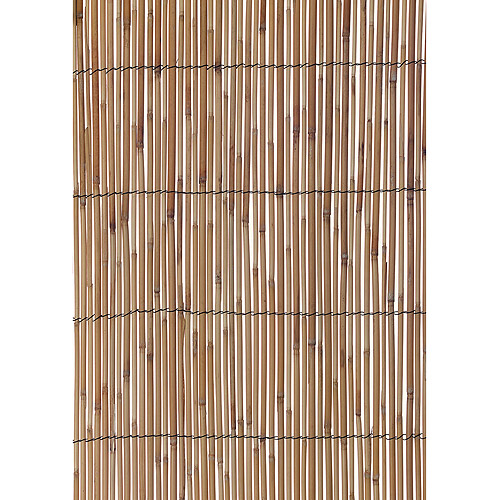
14–16mm High Quality Modern Bamboo Fence with Wood Frame — Eco-Friendly, Waterproof, Rot & Rodent Proof
A modern bamboo fence with wood frame for hotel gardens, residential boundaries and landscape screening. Can be coordinated with reinforced plywood programs for resort and municipal projects.
View product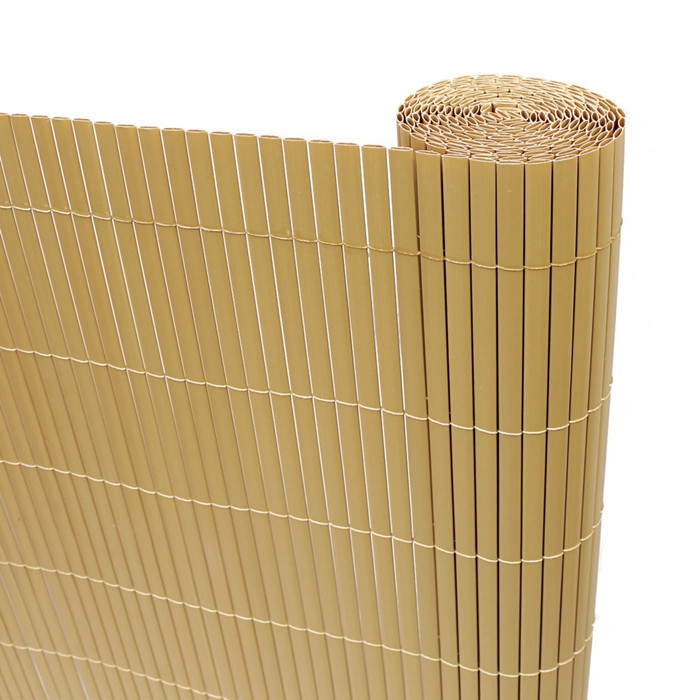
Nature Wood Frame Bamboo Fence Length 1m–12m — High Straightness, Rot Proof & Eco-Friendly for Livestock Farm
Long-length bamboo livestock fencing with high straightness and rot resistance. Suitable for farm, ranch and agritourism projects that also require structural panels and site-built facilities.
View product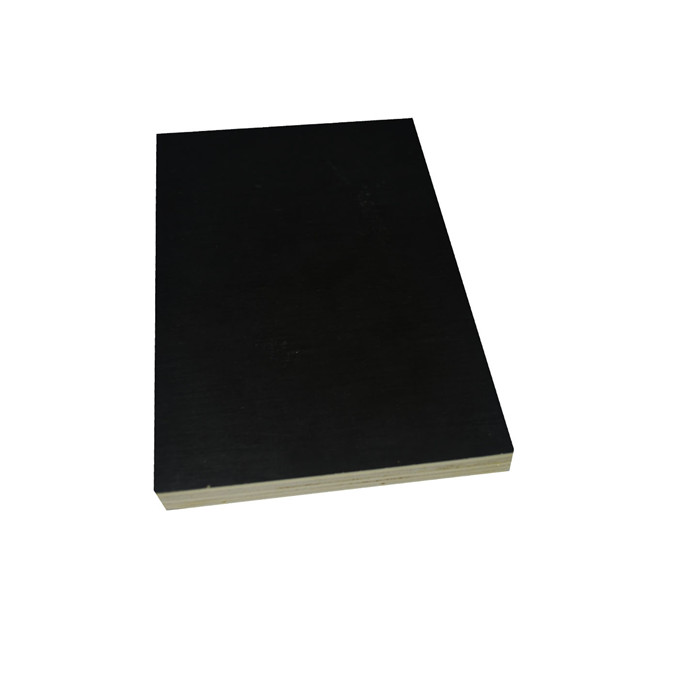
21mm Poplar Chinese Construction Signal Film Faced Plywood for Formwork
A practical 21 mm poplar-core film-faced panel for concrete formwork. Useful where specifiers need a cost-controlled forming system alongside higher-specification reinforced panels.
View product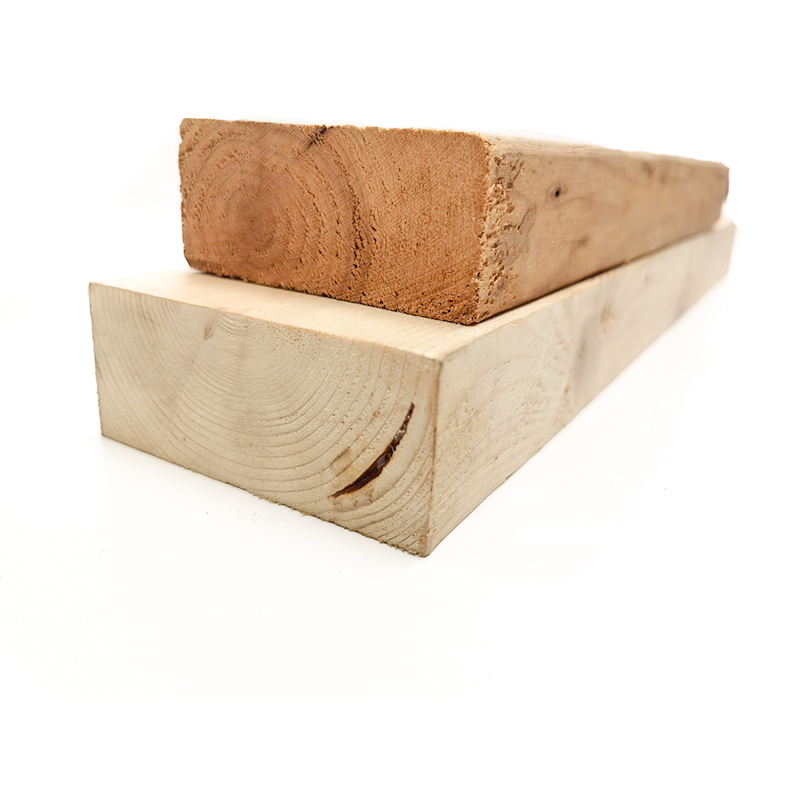
2x6 LVL Board
Laminated veneer lumber for scaffold planks, door cores, packaging and secondary structural uses. Dimensionally stable and suitable for OEM bundles with wire mesh plywood and formwork panels.
View product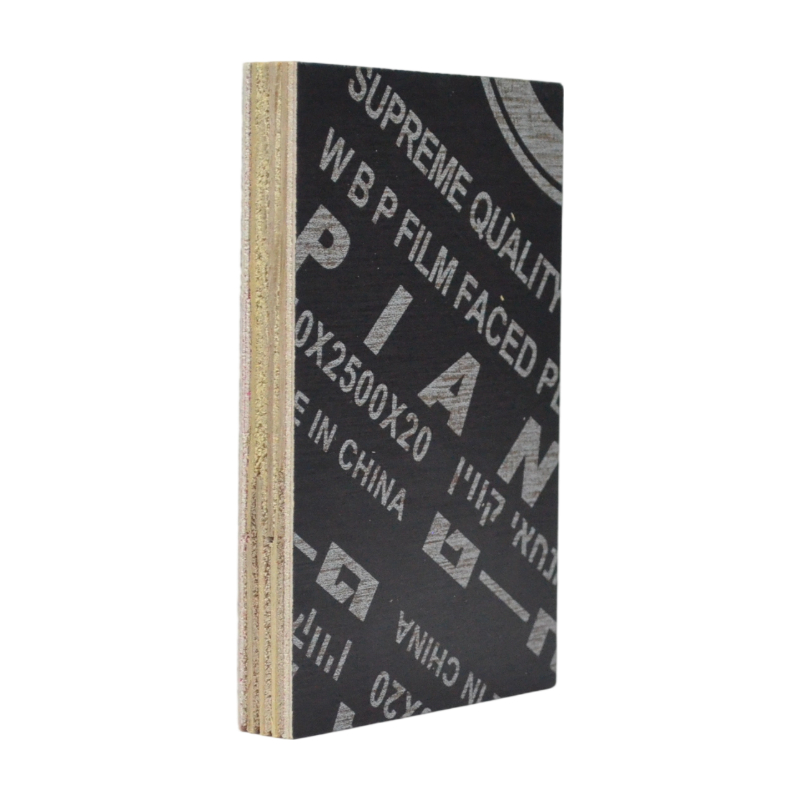
Birch Film Faced Plywood Standard Size 1220×2440×18mm — High Quality Formwork for Construction
An 18 mm birch film-faced plywood for reusable construction formwork. Available with project-specific edge sealing, film colour and bundle branding under OEM programs.
View product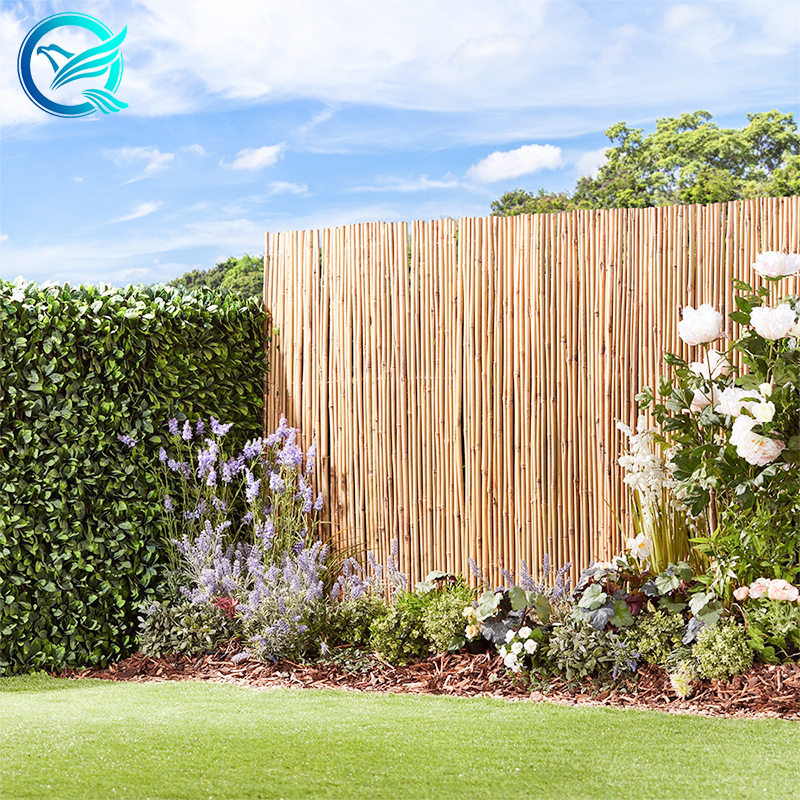
Wooden Garden Fence / Bamboo Screen
Natural-finish screening for landscaping, privacy and hospitality projects. Complements outdoor decking and heavy-duty panel orders in consolidated mixed containers.
View product
High Quality LEONKING 3-ply Shuttering Plywood — Spruce Pine Fir Core, UV & WBP Paint Coating, 21/27mm Yellow Panel
A yellow-panel 3-ply shuttering plywood with spruce-pine-fir core for European-style panel formwork systems. Supplied with UV/WBP paint coating and project grading support.
View product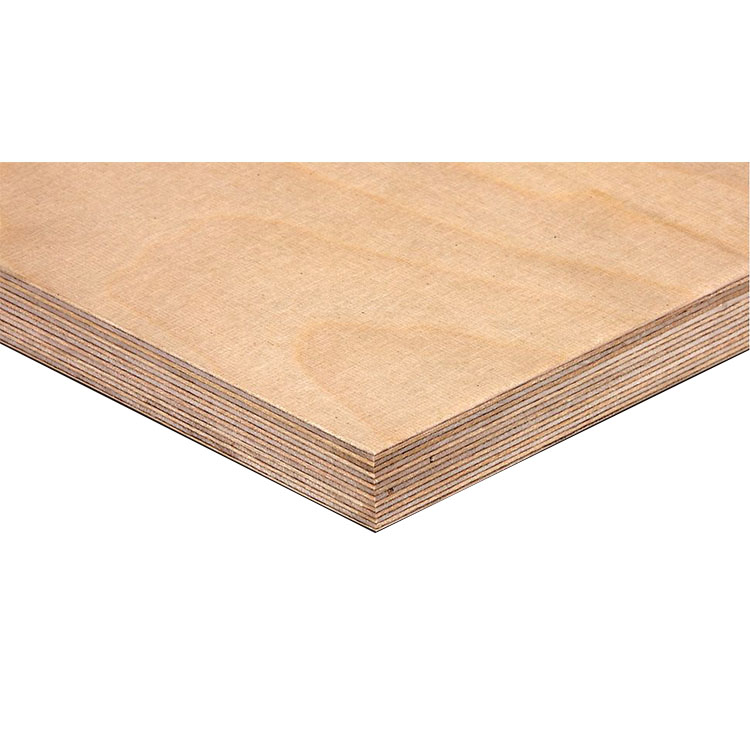
E0 Certified UV Coated Double-Sided Birch Piano Plywood — First-Class Low Formaldehyde Panel
An E0-certified UV-coated double-sided birch plywood for furniture, musical instruments and premium OEM finishing. Supports buyers who need low-formaldehyde documentation.
View productWhat Buyers Should Know About Wire Mesh Plywood
Wire mesh plywood is a specification-driven composite. The mesh is not a commodity add-on; it changes handling, fastener behaviour, cutting method, repair economics and long-term cost per use.
Engineering reinforcement from the inside out
In custom OEM wire mesh plywood, a galvanized steel wire mesh is integrated during lay-up or factory-bonded to a film-faced plywood substrate to improve load distribution, impact resistance and local crack resistance. For high-cycle concrete formwork, industrial platforms and transport applications, the value comes from a controlled relationship between mesh diameter, aperture, placement, edge distance, adhesive system and panel thickness.
Procurement teams should also compare total cost of ownership rather than price per sheet. A lightly reinforced panel that fails early can cost more than a documented specification with verified glue, mesh position and thickness tolerance. That is why an exporter with mill access and a formal quality system is more than a trading channel: it is part of the technical control process.
Shanghai Dorni International Trading Co., Ltd. has exported plywood and building materials since 2008. Its affiliated mill in Dangshan County, Anhui Province operates three complete production lines covering peeling, veneer drying, glue lay-up, pressing, calibration, sanding, coating and container loading. This structure allows custom OEM discussions to move from drawing to sample to production while keeping the original specification intact.
- Core species and veneer quality
- Mesh type, diameter and aperture
- Glue class and emission target
- Surface film and edge sealing
- Panel size, thickness and tolerance
- Branding, packaging and loading plan
Years in Export
Founded in 2008 and exporting wood panels ever since.
Monthly Capacity
Plywood output from the affiliated mill.
Complete Production
Peeling, pressing, calibrating and sanding in-house.
Plywood Thickness
MR, E2, E1, E0, ML and WBP glue options.
A Manufacturer–Exporter Structure Built for Custom OEM Programs
Custom wire mesh plywood needs more than a product list. It needs a clear chain from RFQ review to sample, production, inspection and loading, with documentation that importers can share internally with construction teams, distributors and compliance staff.
Mill-backed engineering
An affiliated mill with three complete lines supports peeling, drying, lay-up, cold and hot pressing, double-side calibration, 3-head sanding and container loading. Custom mesh programs can be evaluated against the same process discipline.
Certified quality system
ISO 9001 management, CE-controlled production to CE No. 1301-CPD-0569, FSC-certified material available on request and an SGS-assessed supplier profile. Grading to BSI, IHPA, JPIS, GB or buyer standards can be discussed.
Raw-material and finished-goods QC
A dedicated QC team checks raw materials on-site and inspects finished goods before loading. For reinforced plywood, the control plan can include mesh alignment, adhesive coverage, press parameters, thickness tolerance and edge-seal inspection.
Customization and branding
Sample-based, design-based and full customization, including logo printing on film, edge-sealing colour, private-label packaging, bundle marks and grading to buyer standards. OEM details can be captured before the first production run.
Export documentation and logistics
Loading from Lianyungang or Qingdao port. FOB, CFR, CIF, EXW, FAS and CIP terms are accepted, with T/T, L/C, D/P and D/A payment options. Main markets include Europe, the Americas, the Middle East, North Africa, Japan, South Korea and Southeast Asia.
Importer-focused communication
An export team familiar with contractor, distributor and OEM requirements. RFQs can be reviewed against end use, reuse target, market regulation and container plan rather than price alone.
What Will Shape Wire Mesh Plywood Buying Through 2030
Buyers are moving from transactional panel purchasing toward verified, application-led supply programs. The strongest RFQs now combine technical performance, documentation, mixed-container efficiency and a clear route to repeatability.
Total cost of ownership
Procurement teams are comparing cost per verified pour, platform or shipment rather than price per sheet. Reuse cycles, damage repair and handling safety are becoming part of the commercial model.
Traceability and documentation
ISO 9001, CE-controlled production, FSC-certified material and SGS assessment records help importers answer internal compliance questions before a container is released.
Supplier consolidation
Distributors prefer fewer, more capable suppliers that can combine wire mesh plywood, film-faced panels, LVL, birch plywood and outdoor bamboo products in one loading plan.
Customization before shipment
Pre-agreed mesh specification, edge sealing, film colour, logo printing, panel size and packaging reduce site changes and protect the buyer’s brand in local markets.
| Application Direction | Typical Panel Approach | Important Control Point | Procurement Question |
|---|---|---|---|
| High-cycle concrete formwork | 18–21 mm film-faced reinforced panel with phenolic WBP glue | Mesh placement, film adhesion, edge sealing and reuse target | What cost per verified pour can be documented? |
| Industrial platforms and floors | 24–30 mm multi-ply panel with heavy mesh and anti-slip surface | Load distribution, impact resistance and moisture exposure | What handling and installation loads must be assumed? |
| Transport and container floors | High-density core with mesh at a controlled position | Thickness tolerance, fastener performance and repair method | Can the panel be repaired or must it be replaced? |
| Architectural and landscape screening | 12–18 mm decorative panel with fine mesh and corrosion protection | Surface finish, colour consistency and outdoor durability | Does the finish match the project’s visual standard? |
| OEM distributor programs | Buyer-specific thickness, film, branding and packaging | Repeatability, private-label control and loading plan | Can the first sample become a repeatable production standard? |
Custom specifications are reviewed against end use, destination market, reuse expectation and container plan. The table is a planning guide, not a substitute for a project-specific technical review.
Where Reinforced Plywood Technology Is Moving Next
Wire mesh plywood is becoming more engineered, more documentable and easier to integrate with modern formwork and industrial fabrication workflows.
Hybrid reinforced cores
Combinations of wire mesh, denser veneer layers and improved adhesive systems are being developed for higher impact resistance and more predictable reuse. The goal is not simply a thicker panel, but a better-balanced one.
Low-emission and indoor-air quality
E0, E1 and CARB-oriented expectations are influencing specification even for industrial panels. Low-formaldehyde adhesive options and documented emission grades are becoming part of the buyer’s checklist.
CNC-ready and prefabricated formats
Pre-cut, pre-drilled and edge-sealed panels can reduce site labour and waste. For OEM buyers, production drawings and packaging layouts can be aligned before the order is released.
Repairability and circularity
Repairable surface systems, replaceable edge protection and clearer material separation are gaining attention. Buyers increasingly ask how a panel performs over its full service life, not only on delivery.
From RFQ to Container: A Practical Control Path
A high-value OEM order should move through defined checkpoints. These gates protect the buyer, reduce rework and make the final inspection easier to interpret.
Technical review
Confirm end use, panel size, mesh type, core species, glue class, surface film, edge seal, branding, target reuse and destination port.
Sample and mock-up
Where required, produce a sample or small mock-up to align on appearance, thickness, mesh placement, film texture and packaging.
Incoming-material checks
Review veneer quality, mesh specification, adhesive batch and film consistency before production is released.
Press and bond verification
Monitor press cycle, adhesive coverage, thickness tolerance and mesh alignment according to the approved control plan.
Finishing inspection
Check edges, coating, branding, dimensions and panel flatness. Edge sealing is especially important for formwork and outdoor exposure.
Pre-shipment QC
Inspect finished goods before loading. Inspection photos, packing details and loading records can be shared with the buyer where agreed.
Container loading
Plan bundle weights, mixed-product loading and moisture protection. Loading from Lianyungang or Qingdao can be coordinated with the order schedule.
Repeat-order continuity
Keep the approved specification, sample record and packaging artwork on file so the next production run follows the same standard.
For a faster quotation, send mesh diameter and aperture, panel dimensions, core preference, glue class, film type, target reuse cycles, packaging requirement and destination port.
Common Questions About Custom OEM Wire Mesh Plywood
These are the questions importers, contractors and distributors most often ask before requesting a quotation or catalog.
What is wire mesh plywood, and why specify it?
Wire mesh plywood is a plywood-based panel with steel wire mesh integrated during lay-up or factory-bonded to the surface or core. It is specified when the application needs better load distribution, impact resistance, crack resistance or handling durability than a standard panel. The exact benefit depends on mesh diameter, aperture, placement, adhesive system and panel thickness.
Can you manufacture custom OEM wire mesh plywood to my drawing?
Yes. The relevant variables should be defined before quotation: panel size and thickness, core species, veneer grade, mesh type and position, glue class, surface film, edge sealing, branding, packaging and target reuse. Dorni’s export and production teams can review sample-based, design-based and full customization requests.
What is the minimum order quantity for custom OEM programs?
Standard film-faced and construction plywood starts from 50 m³, roughly two 40HQ containers. 3-ply shuttering panels start from 7–50 m³ depending on specification, and bamboo decking from 100 m². Custom wire mesh plywood is quoted after a technical review and may use a sample or trial-order structure before repeat production.
Which certifications and quality documents can be provided?
The mill is managed under ISO 9001, production is controlled to CE requirements, FSC-certified material is available on request and the company has been assessed on-site by SGS Group. Grading to BSI, IHPA, JPIS, GB or customer standards can be discussed. Required documents should be confirmed in the RFQ because product-specific evidence depends on the final specification.
Which glue and emission grades are available?
MR, melamine, phenolic WBP, E2, E1 and E0 grades can be reviewed. Phenolic WBP is often recommended for formwork and exterior exposure where repeated moisture contact is expected; melamine may be cost-effective for projects with fewer reuse cycles. Low-formaldehyde options should be specified together with the destination market requirement.
Can you combine wire mesh plywood with the eight product families in one container?
Mixed-product loading can be discussed for trial orders and distributor programs. This is one advantage of working with an exporter that also supplies film-faced plywood, LVL, 3-ply shuttering panels, birch plywood and bamboo outdoor products. The final loading plan depends on bundle dimensions, weight limits and destination port requirements.
How is quality controlled before shipment?
Quality control can cover raw-material checks, mesh and veneer verification, glue and press parameters, thickness tolerance, surface inspection, edge sealing, branding and final pre-shipment inspection. Inspection photos and loading records can be shared with the buyer where agreed in the order.
What information should I include in an RFQ?
Provide the application, panel size, thickness, core species, mesh diameter and aperture, mesh position, glue class, film face, edge-seal requirement, target reuse cycles, branding, packaging, quantity, destination port and required delivery window. A drawing or reference photo helps shorten the technical review.
Plan Your Custom OEM Wire Mesh Plywood Order
Send the panel size, mesh specification, target reuse, core preference, glue class, surface film, edge sealing, branding and destination port. Our export team will return a specification-focused response instead of a generic price list.
Shanghai Dorni International Trading Co., Ltd. — Block E, 4/F, No. 58, BOC East Mansion, New Jinqiao Road, Pudong, Shanghai 201206, China. Email: info@dorniplywoods.com.
Start with the catalog
Review core product families, specifications and typical export options before submitting your OEM drawing or RFQ.
Get Catalog