Eight Products for Custom Poplar Plywood & Engineered Wood Buyers
Use this selection as a starting point for mixed containers, OEM trials and distributor range planning. Each product link is preserved from the original catalog so buyers can review specifications and confirm current availability.
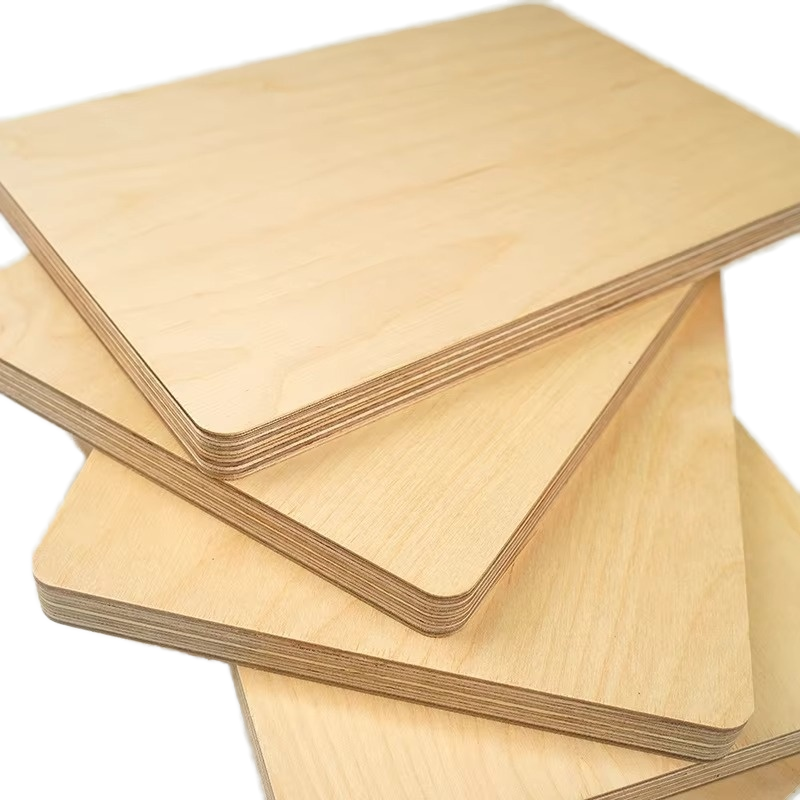
Wanhe CP-52 First-Class Poplar Birch Veneer Plywood E0 Water Resistant Modern Design 1 Year Warranty Outdoor Use Office Building
Recommended where a clean poplar-birch face, E0 water resistance and exterior-ready performance are required for office and building projects.
View product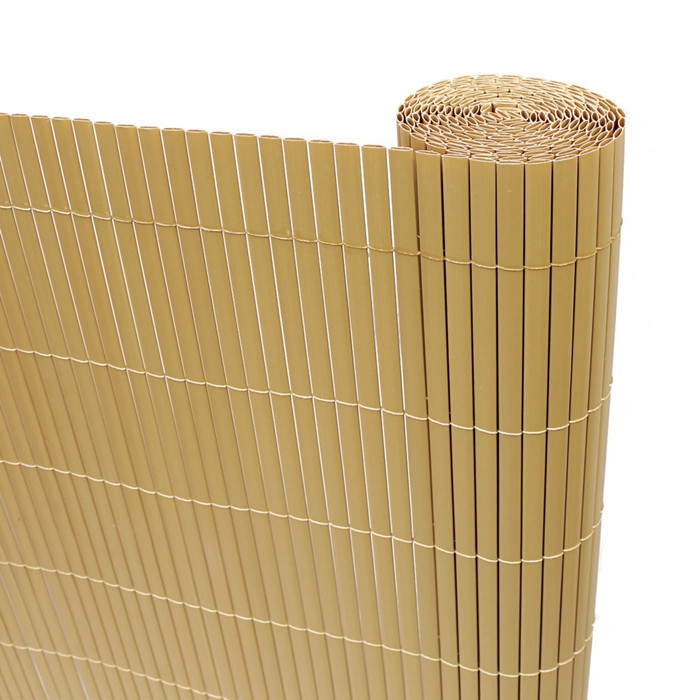
Nature Wood Frame Bamboo Fence Length 1m-12m High Straightness Rot Proof & Eco-Friendly for Livestock Farm
A rot-proof, eco-friendly bamboo fence option for farm, landscape and project buyers who need long-length consistency and natural appearance.
View product
LANTISE 18mm First-Class Basswood Fire Resistant Melamine Film Faced Modern Design E0 Formaldehyde Emission Double-Sided 3-Year
Suitable for commercial interiors and OEM projects where double-sided melamine, E0 emission control and fire-resistant performance are specified.
View product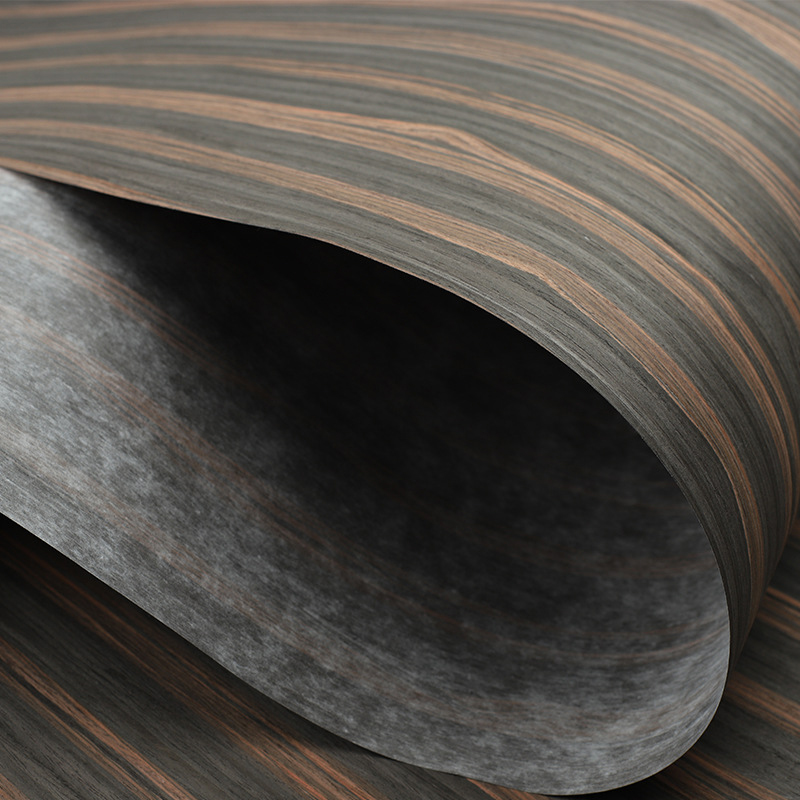
All Kinds Engineered Wood Veneer 640mm * 2500mm Size
A practical specification for furniture, door skins and decorative panel production where consistent engineered veneer color and size matter.
View product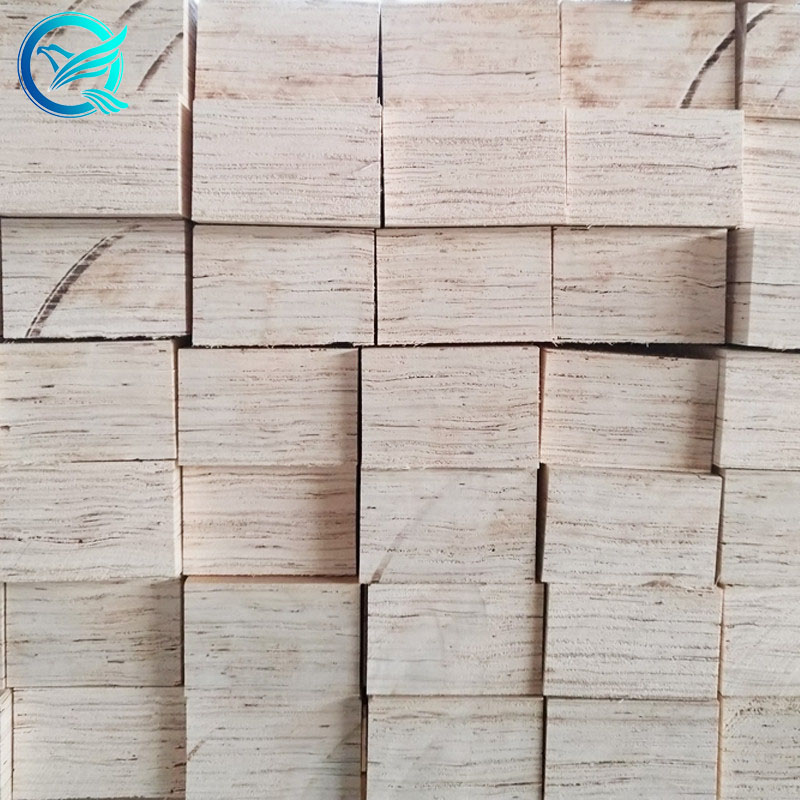
Poplar LVL Beams Laminated Veneer Lumber Board Double-Sided Decorative Surface for Bed Slats Packing Boxes Exterior Use
An engineered wood recommendation for bed slats, packing boxes and exterior-use components needing straightness, strength and decorative faces.
View product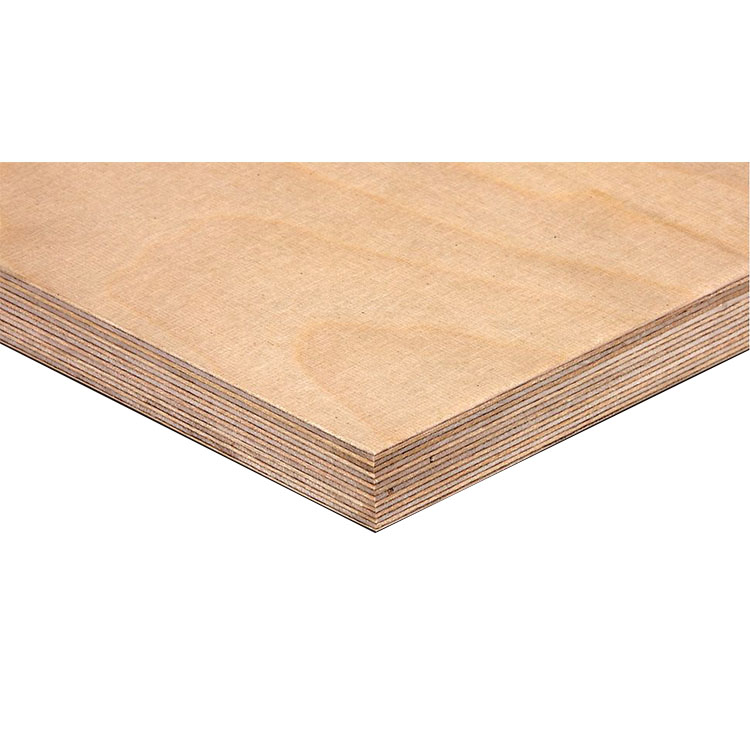
Film Faced UV Coated Double-Sided E0 Certified First-Class Certified for Certified Low Formaldehyde Piano Brand Birch Plywood
Designed for piano, musical instrument and premium interior applications where UV coating, E0 certification and first-class birch quality are critical.
View product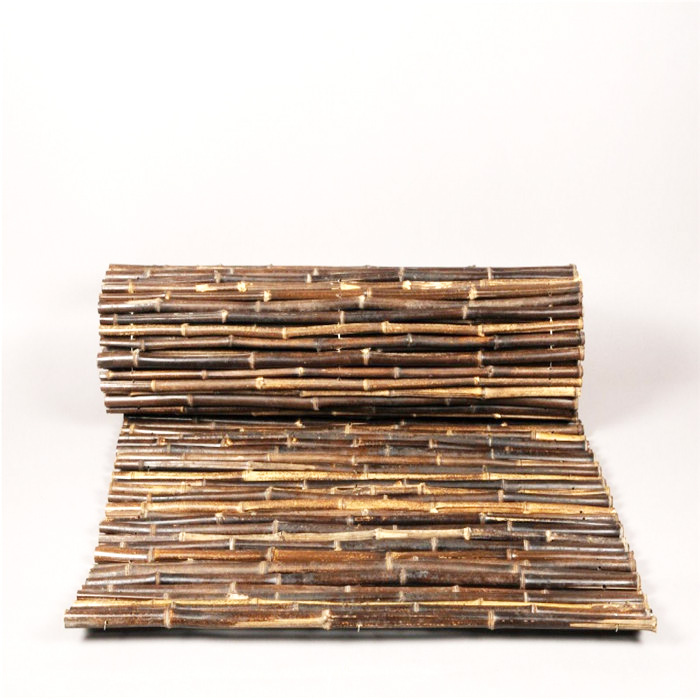
22-35mm High Straightness Bamboo Fence
A high-straightness bamboo fence specification for garden screening, resort landscaping and wholesale outdoor-living ranges.
View product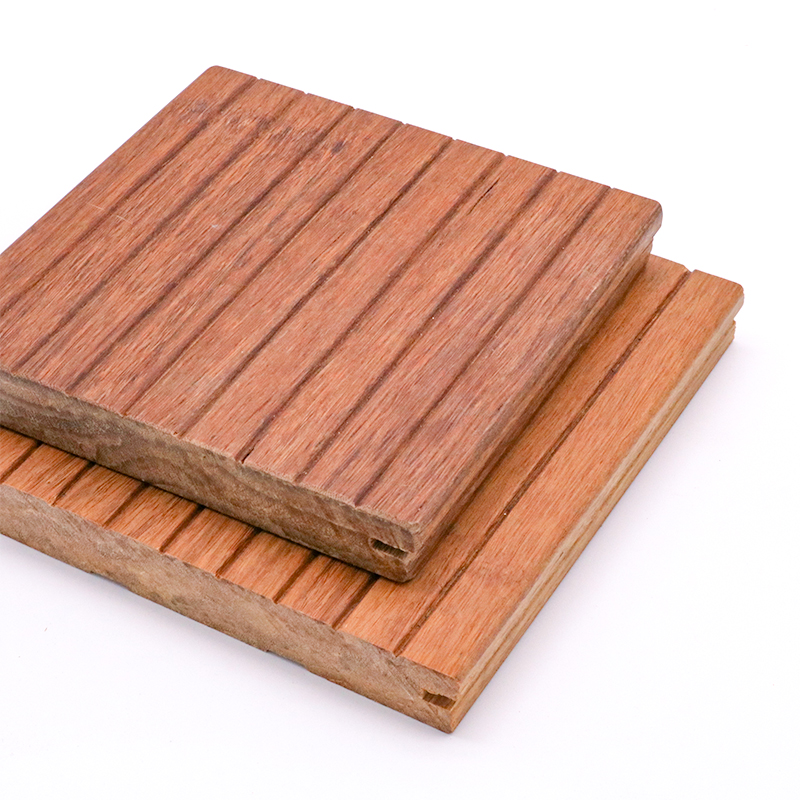
20mm Good Price White Engineered Stranded Bamboo Deck Float Exterior Wall Paneling Flooring UV/Waterproof Coating 5-Year
An exterior bamboo decking and wall panel option with UV/waterproof coating, suitable for outdoor hospitality and residential projects.
View productYears Since 2008
Export experience in wood panels and building materials.
Monthly Capacity
Plywood output from the affiliated production mill.
Complete Lines
Peeling, pressing, calibrating, sanding and loading.
Thickness Range
MR, E2, E1, E0, ML and WBP glue options available.
Custom OEM Poplar Plywood Exporters & Wholesaler: What Serious Buyers Should Verify
Poplar plywood is not a commodity when it is specified for an OEM program. The same nominal thickness can hide meaningful differences in veneer grade, core lay-up, glue line, moisture content, face repair, edge sealing and documentation.
Poplar plywood is light, pale and dimensionally stable. It machines cleanly, accepts laminates and coatings well, and is widely used in furniture, packaging, shop fitting, vehicle interiors, formwork, decorative panels and DIY products. For wholesalers and private-label brands, however, the real product is not a single sheet — it is a repeatable specification that must arrive the same way in every container.
This guide is prepared from the export and quality-control perspective of Shanghai Dorni International Trading Co., Ltd., an exporter of plywood and building materials since 2008. Our affiliated mill in Dangshan County, Anhui Province runs three complete production lines and is managed to ISO 9001, with production controlled to CE requirements (CE No. 1301-CPD-0569). FSC-certified material is available on request, and the company has been assessed on-site by SGS Group.
A reliable custom OEM poplar plywood quotation should answer six questions before price becomes the only comparison: Which poplar or mixed core is used? What glue and emission grade are supplied? What thickness tolerance and sheet size are guaranteed? How are face, back and edges graded? What packaging protects the bundle during sea freight? Which certificates, inspection photos and loading records will be provided?
- Core, veneer grade and lay-up confirmed in writing
- Glue type, emission grade and test method stated
- Thickness, size, edge and packaging tolerances agreed
- Pre-shipment inspection and document package verified
Buyer Attention Index
Qualitative ranking from export RFQ and QC reviews. It shows where specification errors most often create rejection risk.
Use this index as a procurement discussion tool, not as a substitute for your own product test standard.
Four Levers That Decide Acceptance Rate for Custom Poplar Plywood
Experienced buyers do not begin with a price per cubic meter. They begin with the application, the exposure condition and the acceptance test that will be used at destination.
Core and Lay-Up
Confirm whether the core is all poplar, poplar-combi, birch, eucalyptus or finger-jointed. Core gaps, overlap and veneer thickness variation affect screw holding, flatness and machining yield.
Adhesive and Emission
MR, melamine and phenolic WBP are not interchangeable. E2, E1 and E0 grades should be tied to the destination market, end use and agreed test method — especially for interiors and OEM furniture.
Size and Tolerance
Plywood thickness typically ranges from 2.2 mm to 30 mm. Common sheet sizes include 1220×2440, 1250×2500, 1500×3000 and 915×1830 mm; custom cut-to-size and calibrated panels can be discussed.
Face, Edge and Packaging
Film, UV, melamine and natural veneer faces require different handling. Logo printing, edge-seal color, bundle packaging, corner protection and moisture barriers should be specified before production.
What Poplar Plywood Wholesalers Will Demand in 2026–2030
Procurement is moving from “find the lowest quote” to “secure a documented, repeatable supply program.” The following shifts are already visible in RFQs from distributors, contractors and private-label brands.
Documentation-First Sourcing
Buyers increasingly ask for ISO 9001, CE, FSC, SGS assessment records, glue declarations and inspection photos before approving a supplier. The supplier who can provide a complete document package shortens the approval cycle.
Supplier Consolidation
Importers are reducing the number of vendors per container. A single mill-backed exporter that can combine poplar plywood, LVL, film-faced panels, veneer and bamboo products lowers inspection and communication costs.
Low-Emission Compliance
E0 and E1 requirements will continue to spread through furniture, interior fit-out and consumer products. The practical answer is not a claim on a website; it is batch-level control, agreed test methods and traceable glue records.
Container Optimization
Freight volatility makes mixed specifications more attractive. Wholesalers want one container that combines several thicknesses, face types and accessory products without losing loading efficiency or clear bundle identification.
Traceability and Sustainability
FSC chain-of-custody requests are becoming normal in Europe and North America. Buyers want to know where the veneer comes from, how the mill controls legal timber and how the finished bundle can be traced after loading.
Price Risk and Inventory Planning
Raw material, exchange-rate and ocean-freight movements make quarterly planning more important. Serious buyers will ask for repeatable specifications, production lead times and packaging standards that allow them to hold less safety stock.
Where Custom Poplar Plywood and Engineered Wood Are Heading
Product development is being driven by three forces: tighter emissions rules, higher labor costs at destination and the demand for supplier-controlled quality rather than open-market grading.
Engineered Hybrid Cores
Poplar may be combined with eucalyptus, birch or finger-jointed sections to balance cost and strength. The key is a written lay-up standard so that panel performance does not change from one production run to the next.
Higher-Cycle Film and UV Surfaces
Film-faced plywood is being refined for more concrete pours, cleaner release and better edge protection. UV-coated birch and decorative film surfaces are also growing in furniture, musical instruments and interior fit-out.
Low-Emission Binders
E0 and low-formaldehyde systems are moving from premium request to mainstream requirement. Mills that control resin, press temperature and moisture together can offer more stable results than suppliers who only buy finished panels.
Cut-to-Size and CNC Readiness
OEM buyers increasingly want panels calibrated and cut to repeatable dimensions before shipment. This reduces waste at destination and makes poplar plywood more attractive for flat-pack furniture, packaging and modular products.
Digital Surface Design
Printed films, engineered veneers and melamine surfaces allow wholesalers to build differentiated ranges without relying solely on natural veneer availability. Private-label color, texture and logo printing become part of the product platform.
Edge Sealing and Protective Packaging
Water-resistant edge paint, corner protection and moisture-barrier wrapping are no longer accessories. They are part of the specification that determines whether a container arrives in sellable condition after long ocean transit.
Why Shanghai Dorni Is a Practical OEM Poplar Plywood Partner
E-E-A-T in wood products is built on production evidence, not adjectives. The following capabilities are drawn from the company profile and supplier information behind this product series.
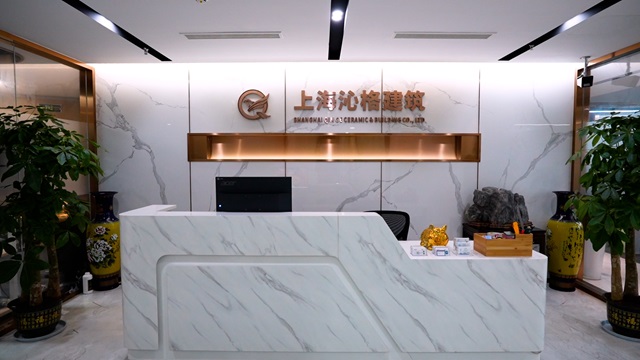
Shanghai Dorni International Trading Co., Ltd. has exported wood panels and building materials since 2008. The company is supported by an affiliated mill in Dangshan County, Anhui Province, where three complete production lines cover peeling, veneer drying, glue lay-up, cold and hot pressing, double-side calibration, sanding, film facing, edge sealing and container loading.
The mill is managed under ISO 9001 and controlled to CE requirements (CE No. 1301-CPD-0569). FSC-certified material is available on request, and the company has been assessed on-site by SGS Group. A dedicated QC team inspects raw materials and finished goods before every loading.
For OEM programs, the company supports sample-based, design-based and full customization, including logo printing on film, edge-sealing color, bundle packaging and grading to BSI, IHPA, JPIS, GB or customer-specific standards.
Mill-Backed Supply
Three production lines and 6,000 m³ monthly plywood capacity provide a more controllable base than pure trading, especially for repeat OEM orders and mixed specifications.
Certified Quality System
ISO 9001 management, CE-controlled production, FSC-ready sourcing and SGS on-site assessment help procurement teams build a verifiable supplier file.
OEM Customization
Sample-based, design-based and full customization are supported, including film logo printing, edge-seal color, bundle branding and grading to BSI, IHPA, JPIS or GB standards.
Double-Stage QC
Raw materials are inspected on-site and finished goods are checked before loading. Pre-shipment inspection photos and third-party inspection coordination can be arranged for buyer protection.
Export Logistics
Goods are usually loaded at Lianyungang or Qingdao port. FOB, CFR, CIF, EXW, FAS and CIP terms are accepted, with T/T, L/C, D/P and D/A payment options for qualified orders.
Responsive Communication
For catalogue requests, sample schedules, technical data and mixed-container planning, the export team can respond with a structured specification review rather than a one-line price sheet.
A Practical Purchasing Checklist for Wholesale Poplar Plywood
Use this checklist to shorten quotation cycles and reduce the chance of a specification mismatch after the container is booked.
State the Application
Tell us whether the panel is for furniture, packaging, formwork, vehicle interior, shop fitting or exterior use. Exposure to moisture and expected reuse cycles should be explicit.
Define the Grade
Specify core, veneer grade, glue type, emission grade, thickness tolerance, face/back quality and any test standard required by your market or customer.
Confirm Packaging
Decide bundle size, pallet type, corner protection, edge sealing, moisture barrier, marks and labels. Private-label buyers should approve artwork before production.
Plan Inspection
Agree who inspects, when photos are taken, how samples are retained and which documents travel with the container. Third-party inspection can be welcomed when the specification is clear.
Frequently Asked Questions from Poplar Plywood Importers
These answers reflect the common specification and order questions raised by distributors, contractors and private-label buyers.
01What is the minimum order quantity for custom OEM poplar plywood?
Standard film-faced and construction plywood usually starts from 50 m³, approximately two 40HQ containers. Three-ply shuttering panels can start from 7–50 m³ depending on specification, while bamboo decking commonly starts from 100 m². Mixed-product containers can be discussed for trial orders.
02Which glue types and emission grades can be supplied?
MR, melamine and phenolic WBP glues are available, together with E2, E1 and E0 emission grades. Phenolic WBP is generally recommended for formwork reused outdoors, while melamine is a cost-effective choice for projects with fewer reuse cycles. The final choice should be tied to exposure and destination requirements.
03Can you produce custom sizes, thicknesses and OEM labels?
Yes. Plywood thickness generally ranges from 2.2 mm to 30 mm. Common sheet sizes include 1220×2440, 1250×2500, 1500×3000 and 915×1830 mm, with 3-ply panels often at 500×2000 or 500×3000 mm. Sample-based, design-based and full customization are available, including film logo printing and edge-seal color.
04Which certifications and quality documents can buyers verify?
The mill is managed under ISO 9001, production is controlled to CE requirements (CE No. 1301-CPD-0569) and FSC-certified material is available on request. The company has also been assessed on-site by SGS Group. Product-specific test reports and inspection documents can be discussed before order confirmation.
05Which ports and Incoterms do you use?
Goods are usually loaded at Lianyungang or Qingdao port. FOB, CFR, CIF, EXW, FAS and CIP terms are accepted. For samples and urgent requests, express delivery can be arranged. Payment terms such as T/T, L/C, D/P and D/A can be reviewed for qualified buyers.
06How do you control quality before shipment?
The QC team inspects raw materials on-site and checks finished goods before loading. Buyers can request pre-shipment inspection photos, coordinate third-party inspection and confirm packaging, marks and loading records. This is especially important for OEM orders where the bundle label and product grade must match the approved sample.
Request a Custom OEM Poplar Plywood Quotation
Share your core type, glue, emission grade, thickness, sheet size, face/edge requirement, packaging preference and destination port. Our export team will prepare a structured technical and commercial proposal for your next container.