Eight OEM-Ready Products: From Phenolic Formwork to Bamboo Exterior Systems
These eight items reflect the specification conversations our export team handles most often: reusable formwork, H20 beam systems, low-formaldehyde birch panels, bamboo fencing and exterior decking. Each product link below preserves the original product path, while every image is displayed proportionally with no cropping.
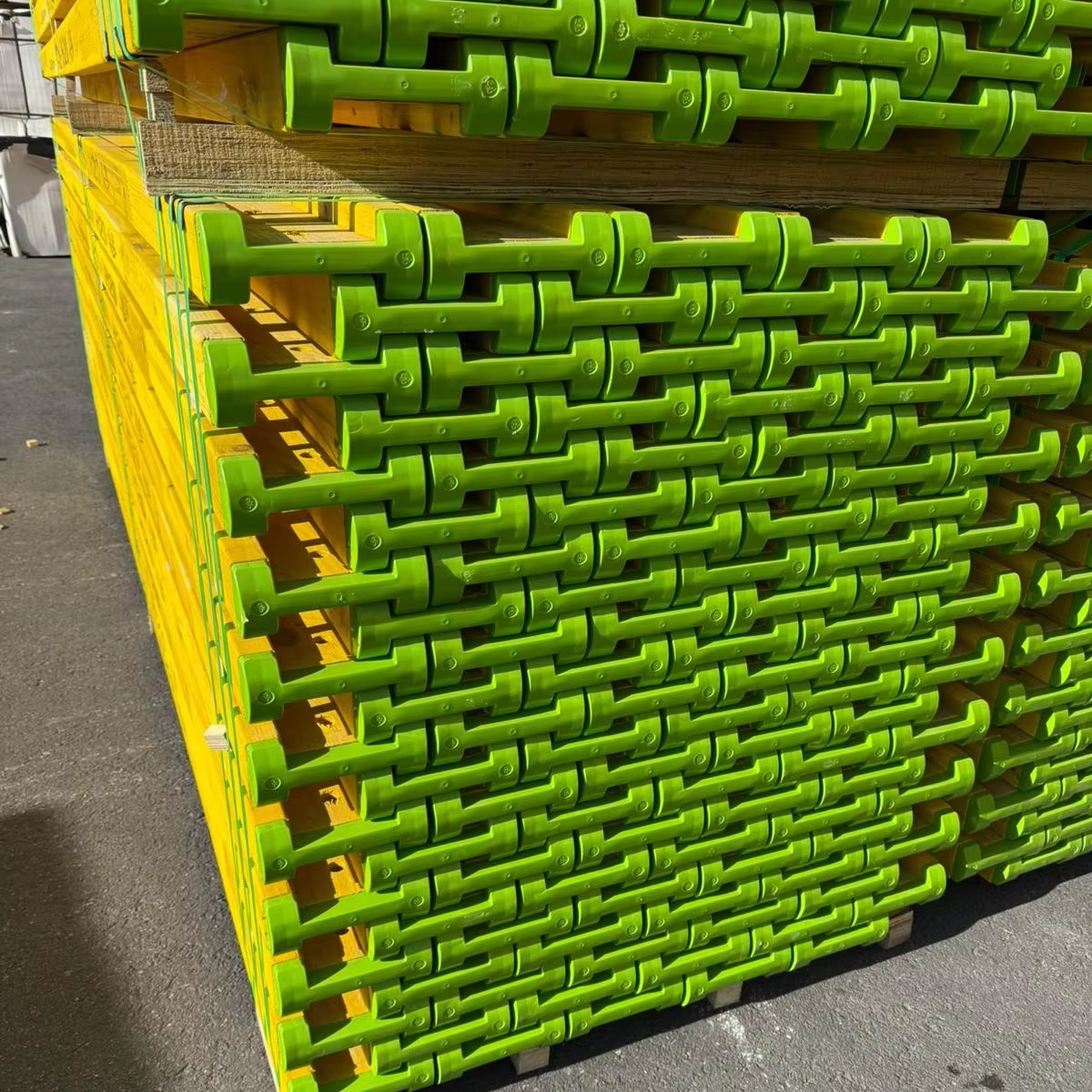
Yellow Waterproof H20 Beam with Plastic Ends
Spruce flange and pine plywood web protected by yellow waterproofing and plastic ends. A practical OEM beam for slab formwork, secondary girders and repeated site handling.
- BuildSpruce flange + pine plywood web
- ProtectionPlastic ends, waterproofing
- UseSlab and beam formwork
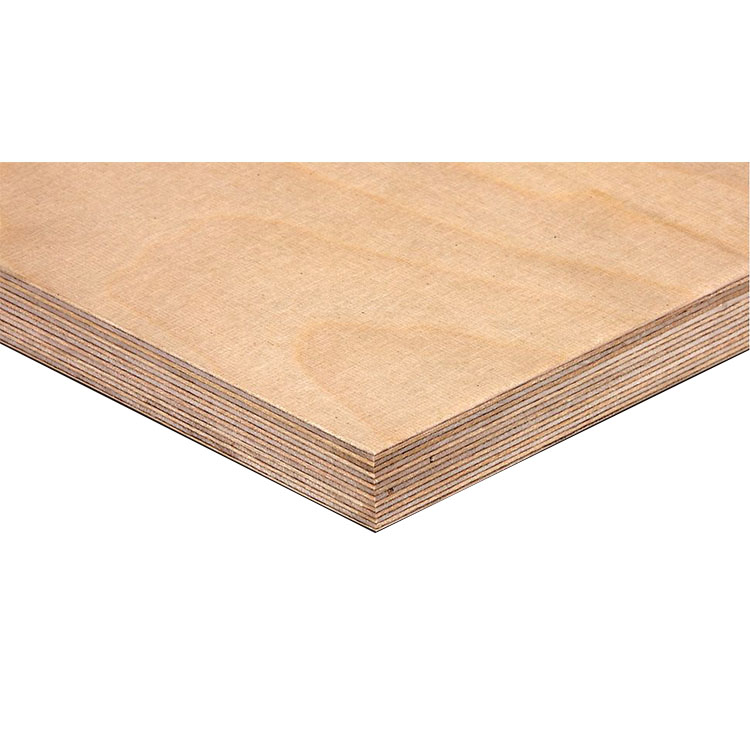
E0 UV Coated Double-Sided Birch Piano Plywood
E0-certified birch plywood with double-sided UV coating for piano cabinets, furniture and premium interior surfaces where low formaldehyde and surface consistency matter.
- EmissionE0 certified
- SurfaceDouble-sided UV
- CoreBirch
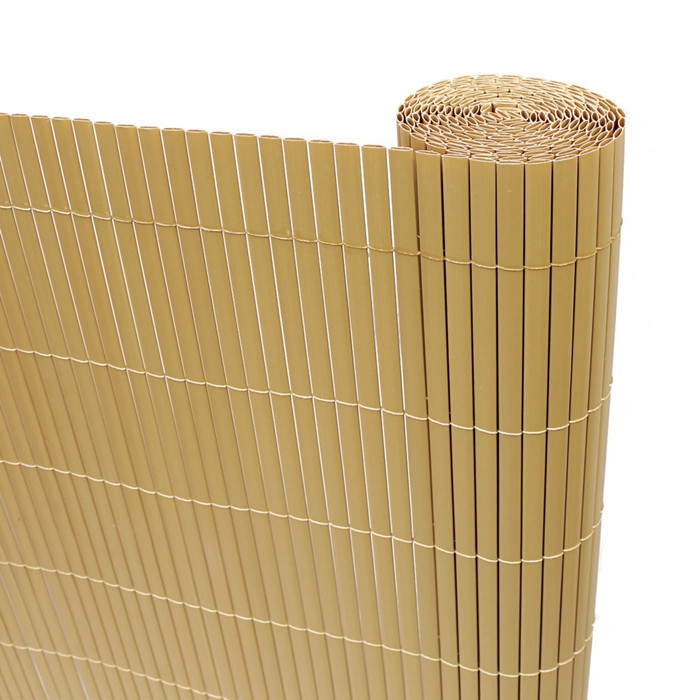
Eco-Friendly Wood Frame Bamboo Livestock Fence
Nature wood frame bamboo fencing in 1m–12m lengths, engineered for straightness, rot resistance and eco-friendly livestock farm layouts.
- Length1m–12m
- FeatureRot proof, eco-friendly
- UseLivestock farm
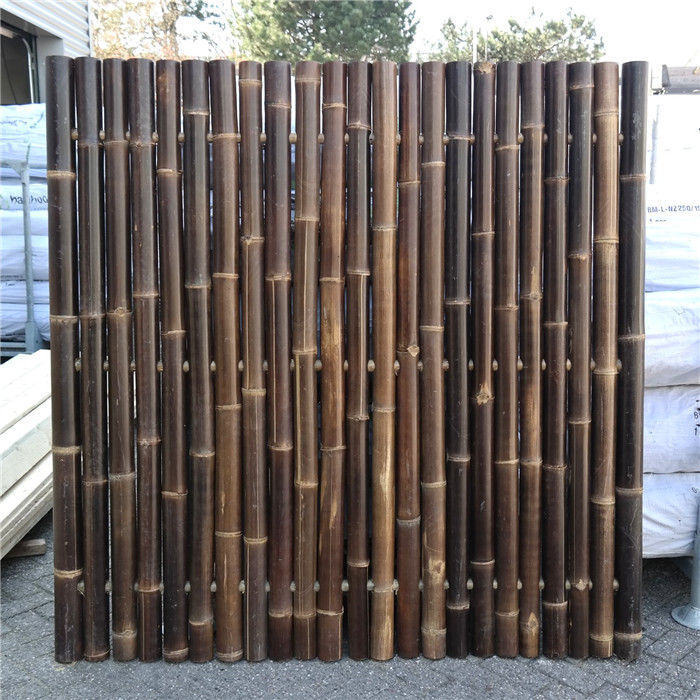
High 2m Bamboo Fence Screening
Tall bamboo screening for privacy, hospitality gardens and residential boundaries. Frame, slat pattern and packaging can be aligned to project or retail requirements.
- Height2m
- UsePrivacy screening
- OEMFrame and packing options
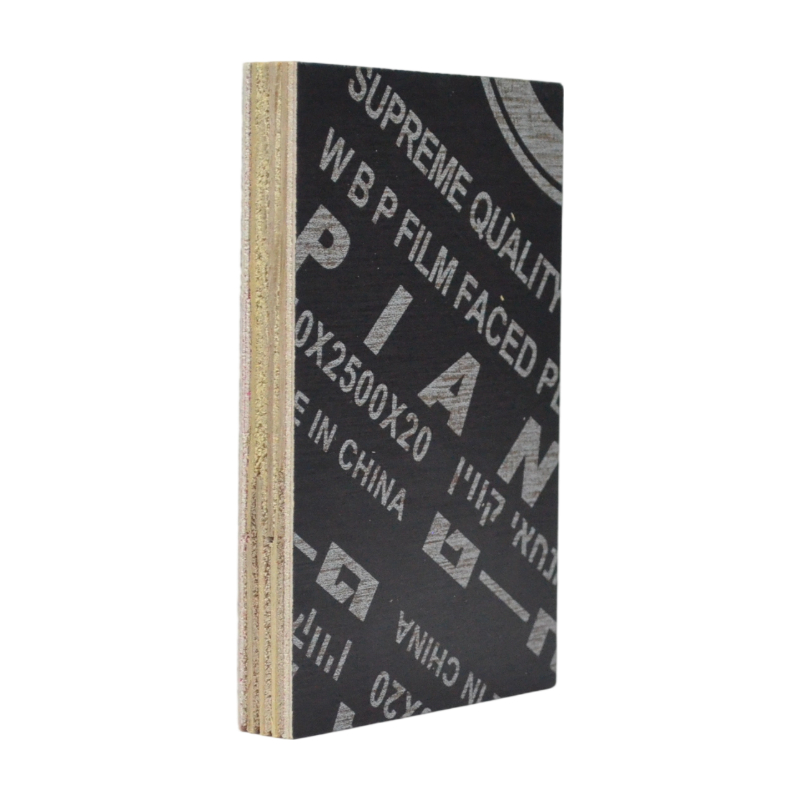
Birch Film Faced Plywood 1220×2440×18mm
High-quality birch film-faced formwork panel for construction factory merchants and reusable concrete work. Available with OEM film marking and edge sealing.
- Size1220×2440×18mm
- UseReusable formwork
- OEMPrivate-label film
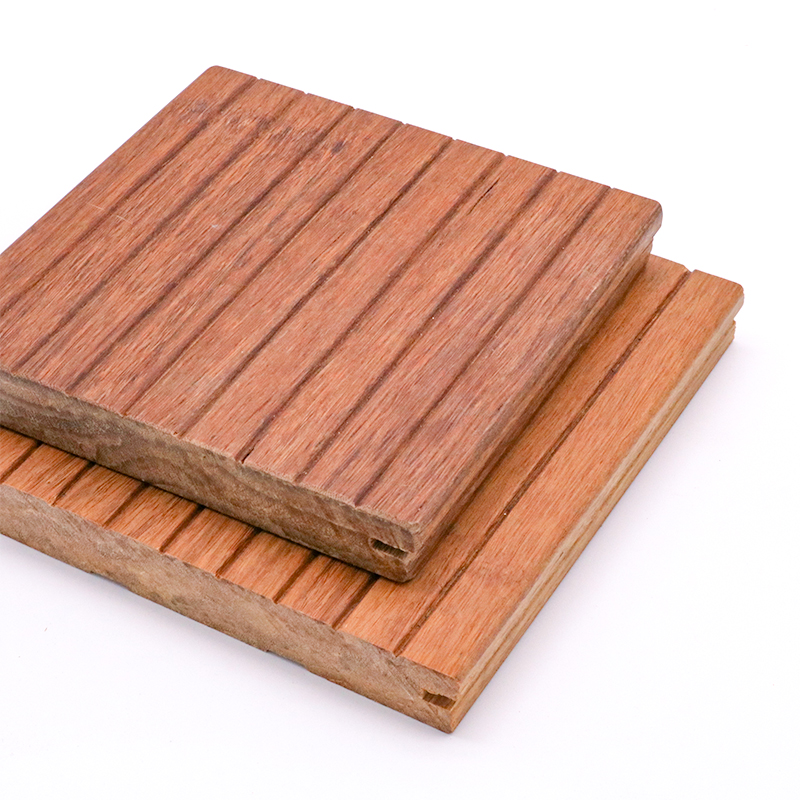
20mm White Engineered Stranded Bamboo Deck Panel
Waterproof exterior stranded bamboo panel with UV coating for deck, wall and flooring applications. A warm, dense alternative for hospitality and residential exteriors.
- Thickness20mm
- FinishUV / waterproof coating
- Warranty5-year class

Singer 20mm Engineered Stranded Bamboo Deck Tiles
Float-installed deck tiles with UV/waterproof coating for exterior walls, terraces and pool surrounds. Suitable for fast site delivery and renovation projects.
- Thickness20mm
- InstallFloat installation
- FinishUV / waterproof coating
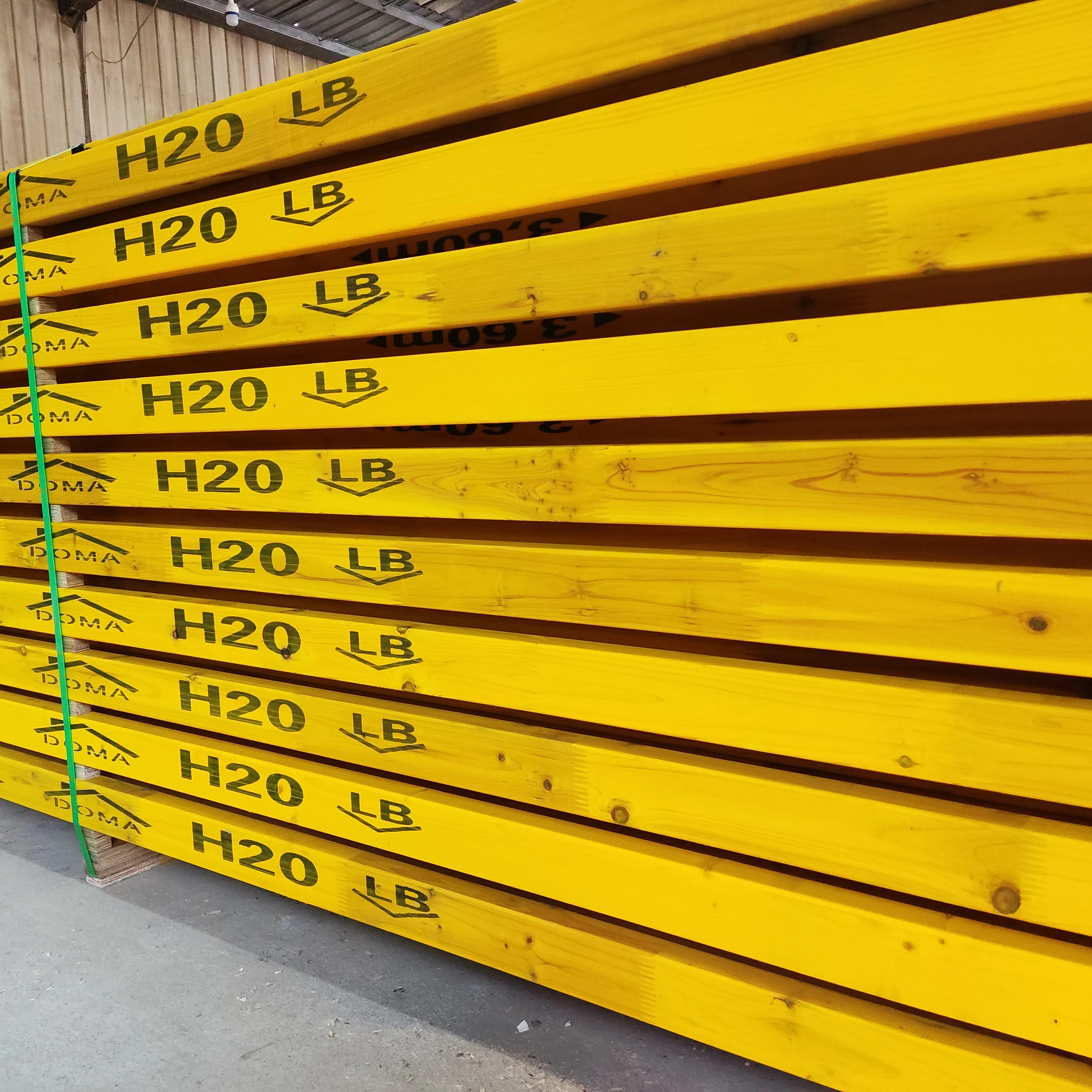
EN 13377 H20 Timber Beam, Red Plastic Cap
Construction formwork beam with red plastic cap, H16/H30 profile options and E0/EN 13353 alignment. Suited to European-style slab and wall systems.
- StandardEN 13377
- Size200×80×40×27mm
- OptionH16 / H30
Years in Export
Shanghai Dorni has supplied wood panels and building materials since 2008.
Monthly Capacity
Plywood output from the affiliated mill, supported by export loading discipline.
Complete Production
Peeling, pressing, calibrating, sanding, film overlay and loading under one system.
Thickness Range
MR, E2, E1, E0, melamine and phenolic WBP glue options for OEM programs.
Custom OEM Phenolic Plywood: A Specification System, Not a Commodity SKU
Search demand for custom OEM phenolic plywood manufacturers and suppliers usually begins with a simple requirement: a film-faced panel that survives repeated concrete pours, carries a private label and arrives with documentation that satisfies procurement and compliance teams. In practice, the purchase is more complex. Phenolic plywood is a build-up of veneer quality, resin chemistry, film weight, pressing discipline, edge protection and dimensional tolerance. Two panels that look identical in a photograph can behave very differently after ten or twenty use cycles.
A professional OEM conversation therefore starts with application and lifecycle target, not only thickness and price. A distributor supplying high-rise formwork may need a denser birch or eucalyptus core with phenolic WBP glue and sealed edges. A contractor buying wall-form panels may prefer a combi core with a specified film texture and stencilled logo. A furniture or piano buyer may prioritize E0 emission, UV coating and colour consistency. A resort project may need carbonized stranded bamboo decking rather than wood-based panels. The correct specification is the one that reduces total installed cost while keeping the project within its compliance envelope.
That is why a credible phenolic plywood manufacturer-supplier should be able to discuss resin systems, film types, core species, calibration tolerance, packaging and certification in the same quotation. When those variables are documented, the buyer gains more than a lower unit price — the buyer gains a repeatable product that can be sold under its own brand, installed with fewer surprises and defended during inspection.
Five Variables That Drive Lifecycle Cost
Use these as a checklist in the first RFQ. They separate a quotation that merely matches a size from a quotation that matches the job.
- Veneer grade, core density and core construction
- Phenolic WBP, melamine or MR resin and emission class
- Film weight, texture, UV stability and anti-slip pattern
- Thickness tolerance, flatness and edge-sealing quality
- Packaging, marking, batch records and traceability
Resin Chemistry Comes First
MR, melamine and phenolic WBP are not interchangeable. Phenolic WBP is the reference choice for exterior exposure or repeated wet formwork, while melamine can be cost-effective for projects with fewer reuse cycles. For low-formaldehyde programs, E0 and E1 grades should be confirmed with test scope, not just a label.
Face and Edge Protection
Film weight, surface texture and edge sealing determine how a panel performs on site. A strong film face with weak edge protection can still fail early. OEM buyers should specify film colour, logo printing, edge paint, plastic caps and bundle protection as part of the product definition.
Core, Calibration and Fit
Poplar, combi, eucalyptus, birch and finger-jointed cores each serve different price and performance targets. Double-side calibration improves thickness consistency and joint quality. For panel formwork, small tolerance gains often matter more than a decorative face.
Match the OEM Phenolic Plywood Build to the Application
This matrix is written for procurement teams comparing formwork, specialty birch and bamboo exterior products. It is a starting point for RFQ discussion, not a substitute for project-specific testing.
| Application | Recommended Build | Glue / Emission | OEM Option | Buyer Check |
|---|---|---|---|---|
| High-reuse slab formwork | Birch, eucalyptus or dense combi core with film face | Phenolic WBP, E1 or E0 where specified | Logo on film, edge colour, sealed ends | Film weight, cycle target, flatness, edge paint |
| Wall and column formwork | Poplar or combi core, calibrated panel | Phenolic WBP or melamine | Custom sheet size, stencil, bundle marks | Thickness tolerance, surface texture, packaging |
| H20 beam systems | Spruce flange with pine plywood web | Phenolic WBP | Red, yellow or black plastic caps; H16/H30 | EN 13377 dimensions, straightness, cap fit |
| Piano, furniture and interior | Birch plywood with UV-coated face | E0 low formaldehyde | Double-sided UV, custom thickness, private label | Emission report, colour consistency, surface cure |
| Exterior deck and wall panel | Stranded bamboo, 20mm class | Waterproof exterior system | UV coating, tile format, length and packing | Moisture control, coating coverage, warranty terms |
| Farm, garden and privacy fence | Bamboo fence with wood frame | Rot-proof treatment where specified | 1m–12m length, frame design, retail packing | Straightness, node quality, bundling and container fit |
Specification examples only. Confirm standard, test method, emission class and loading plan in the final quotation.
Six Purchasing Trends Reshaping Custom OEM Phenolic Plywood Buying
Importers are not simply swapping suppliers. They are changing how they evaluate risk, documentation, brand control and working capital. These shifts favor suppliers who can offer both product flexibility and process evidence.
1. Lifecycle Cost Over Lowest Unit Price
Buyers increasingly model cost per pour rather than cost per sheet. A panel with a modest price premium can reduce formwork spend if it delivers additional reuse cycles, fewer edge repairs and less site waste. RFQs now ask for film weight, glue type, core species, density, edge treatment and expected reuse range.
2. Compliance-First Sourcing
E0/E1 emission, FSC availability, CE marking, EN 314-2 bond testing and EN 13377 beam dimensions are becoming checklist items rather than afterthoughts. Documentation must match the invoice, packaging and production batch. A supplier that cannot connect the certificate to the shipment creates risk for the importer.
3. Private-Label Differentiation
Distributors want film-printed logos, custom edge colours, barcode labels, language-specific packaging and mixed grades. OEM is now a brand-control tool, not just a price negotiation. The supplier must be able to repeat the same colour, mark and packing standard across containers.
4. Mixed Containers and Working Capital
Smaller importers ask for mixed containers combining film-faced plywood, H20 beams, birch panels and bamboo decking. This lowers inventory risk but requires disciplined loading plans, clear item separation and QC before the container doors close.
5. Traceability and Digital QC
Photo reports, batch records, inspection logs and loading sequences reduce claim risk. Procurement teams want data they can store with the purchase order and share with site teams. Visual proof of raw material inspection and finished goods inspection is becoming part of the buying decision.
6. Regional Diversification
Tariffs, freight volatility and anti-dumping measures encourage dual sourcing. Suppliers with multiple loading ports, flexible Incoterms and experience across North America, Europe, the Middle East and Africa are better positioned to support buyers through sudden route changes.
Procurement Priority Meter
Qualitative signals from current OEM inquiries. Use this as a discussion framework when building your next supplier scorecard.
Where Phenolic Plywood and Engineered Wood Products Are Heading
The next product cycle is being shaped by lower emissions, tighter tolerances, hybrid materials and brand-ready surfaces. Buyers who understand these directions can write better specifications today and avoid obsolete inventory tomorrow.
Lower-Emission Phenolic Systems
E0 and E1 expectations are moving from premium inquiries into mainstream tenders. Resin formulation, scavenger systems and process control are becoming part of the technical proposal, especially for interior birch panels and branded furniture programs.
High-Density Engineered Cores
Denser cores and improved veneer grading help panels resist handling damage and maintain screw-holding performance. For formwork buyers, the benefit is not simply strength; it is more predictable reuse and fewer patch repairs between pours.
Plastic-Capped H20 and Hybrid Formwork
Plastic end caps, waterproof coatings and mixed wood-plastic details extend beam life and protect the most vulnerable edges. H20 systems are becoming more standardized across markets, making dimensional documentation and cap quality important OEM control points.
Surface Engineering
Anti-slip textures, UV-stable coatings, digital film printing and colour-matched edge sealing allow suppliers to create differentiated products without changing the core. For distributors, this is one of the fastest routes to a private-label range.
Precision Manufacturing and Modularity
CNC cutting, tighter calibration and pre-marked panels support modular formwork and prefabrication. Instead of buying a generic sheet, contractors increasingly ask for a kit-level specification that fits a known formwork system and reduces site cutting.
Circularity and Repair Logic
Reusable formwork systems need repairable edges, replaceable caps and packaging that survives multiple handling cycles. Suppliers that help buyers plan reuse, repair and end-of-life disposal are better aligned with green procurement goals than suppliers selling on price alone.
A Shanghai Export Team Backed by Affiliated Mill Control
Shanghai Dorni International Trading Co., Ltd. has exported plywood and building materials since 2008, supported by an affiliated mill in Dangshan County, Anhui Province. The mill operates three complete production lines — peeling, drying, glue lay-up, cold and hot pressing, double-side calibration, sanding, film overlay, edge sealing and container loading.
Production is managed to ISO 9001 and controlled to CE requirements (CE No. 1301-CPD-0569), with FSC-certified material available and grading to BSI, IHPA, JPIS, GB or customer standards. The company has also been assessed on-site by SGS Group, and a dedicated QC team inspects raw materials and finished goods before shipment.
- Mill-backed capacity and stable OEM output
- ISO 9001, CE, FSC and SGS assessment
- Raw material and finished goods inspection
- Logo, edge-seal, packaging and grading customization
- Lianyungang and Qingdao loading options
- FOB, CFR, CIF, EXW, FAS and CIP terms
Six Reasons OEM Buyers Shortlist Dorni for Phenolic Plywood Programs
The goal is not to be the cheapest quotation in the inbox. The goal is to be the supplier whose specification, loading plan and documents still make sense when the container arrives.
Mill-Direct Supply Logic
With three complete production lines and 6,000 m³ monthly plywood capacity, the supply chain can be planned around real production windows, not only trading margins. This supports repeat OEM orders and mixed-product containers.
Certification and Standard Flexibility
ISO 9001 management, CE-controlled production, FSC-certified material availability and SGS assessment give procurement teams a documented foundation. Grading can be aligned to BSI, IHPA, JPIS, GB or a customer standard.
Inspection Before Loading
Raw materials are inspected on-site, and finished goods are checked before every loading. Pre-shipment photos and inspection records help importers reduce claim risk and keep site teams informed before arrival.
Full OEM Customization
Film-printed logos, edge-sealing colours, private-label packaging, custom sheet sizes, thickness ranges and grading are available. Sample-based and design-based customization can be discussed for brand programs and trial orders.
Export Logistics and Terms
Goods are usually loaded at Lianyungang or Qingdao port. The export team works with FOB, CFR, CIF, EXW, FAS and CIP terms and can support mixed containers, sample courier arrangements and destination-specific packing needs.
Global Market Experience
Markets include North America, South America, Western and Eastern Europe, the Middle East, North Africa, Japan, South Korea and Southeast Asia. That experience helps align specifications and documents with regional buyer expectations.
Custom OEM Phenolic Plywood: Frequently Asked Questions
Clear answers for procurement teams comparing manufacturers, suppliers and private-label factories.
What does “custom OEM phenolic plywood” mean in practice?
It means the supplier builds a phenolic-bonded plywood product to a buyer’s defined specification: core species, thickness, sheet size, glue type, emission class, film colour and texture, logo printing, edge sealing, packaging and grading. The buyer’s brand and supply requirements are then repeated across production batches rather than purchased as a generic stock item.
What is the minimum order quantity for film-faced or phenolic plywood?
Standard film-faced and construction plywood typically starts from 50 m³, roughly two 40HQ containers. Three-ply shuttering panels can start from 7–50 m³ depending on specification, and bamboo decking from 100 m². Mixed-product trial containers can be discussed for new OEM programs.
Can you print our logo on the film or customize the edge seal?
Yes. OEM options include logo printing on film, custom edge-sealing colour, private-label bundle marks, language-specific packaging and grading labels. The key is to approve a sample or clearly defined specification before mass production so colour, mark and packing remain consistent across containers.
Which glue types and emission grades are available?
Available options include MR, melamine and phenolic WBP, with E2, E1 and E0 grades depending on product and market requirement. Phenolic WBP is recommended for formwork exposed to water or reused outdoors; melamine is a cost-effective option for projects with fewer reuse cycles. Confirm the required test method and documentation in the quotation.
What thickness and sheet sizes can be produced?
Plywood thickness generally ranges from 2.2 mm to 30 mm. Common sheet sizes include 1220×2440, 1250×2500, 1500×3000 and 915×1830 mm; three-ply panels are commonly 500×2000 or 500×3000 mm in 21 or 27 mm. Custom sizes can be discussed for OEM volume programs.
Which certifications and documents can support our tender?
The mill is managed under ISO 9001, production is controlled to CE requirements and FSC-certified material is available. The company has been assessed on-site by SGS Group. Depending on the product, buyers may also request EN 314-2 bonding information, EN 13377 beam dimensions, E0/E1 emission reports and batch-level inspection records.
Which ports do you load from and what Incoterms do you accept?
Goods are usually loaded at Lianyungang or Qingdao port. The export team accepts FOB, CFR, CIF, EXW, FAS and CIP terms, and can arrange express delivery for approved samples. For destination-specific requirements, share the port, preferred Incoterm and packaging expectation at the inquiry stage.
How can we verify quality before shipment?
A typical control plan includes raw material inspection, in-process checks on pressing and calibration, finished goods inspection and loading photos. Third-party inspection is welcome. For repeat OEM orders, batch records, packaging marks and container loading sequences can be retained so the buyer has a traceable quality file.
Send Your Specification for a Custom OEM Phenolic Plywood Quote
For a faster technical proposal, include the application, panel size, thickness, core preference, glue and emission class, film colour or logo, edge sealing, packaging, destination port and estimated annual volume.
Our export team will review the specification against mill capability, certification scope and loading plan, then reply with a clear quotation and documentation checklist.
What to Include in Your RFQ
- Product: film-faced plywood, H20 beam, birch panel, bamboo deck or fence
- Size, thickness, core species and target reuse cycle
- Phenolic WBP, melamine or MR; E0, E1 or E2 requirement
- Logo, film colour, edge seal, packaging and marking
- Destination port, Incoterm and expected order volume