8 Products Buyers Frequently Review Alongside Custom LVL Drawer Side Projects
These eight products from Dorni’s export range show the panel grades, LVL components and complementary materials that can be discussed in the same technical conversation. Every product link below is the original product page; compare specifications, then send your drawer-side drawing for a custom quotation.
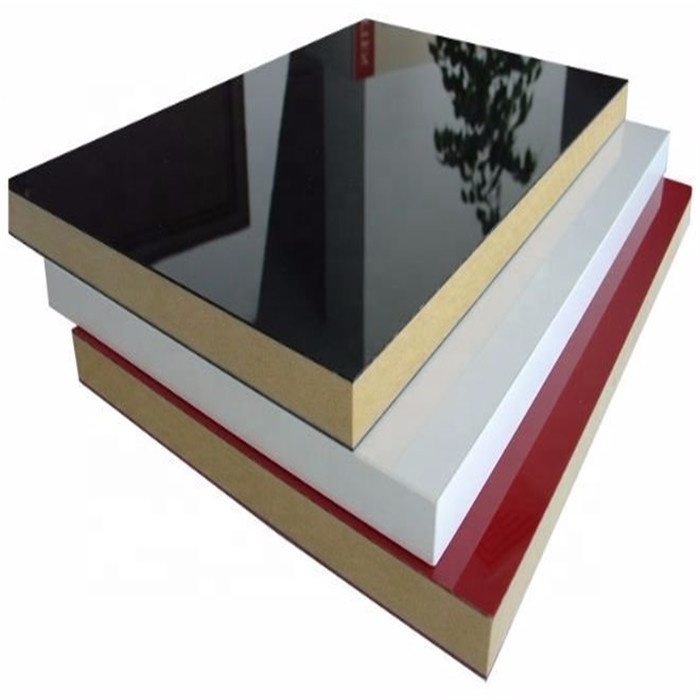
15mm White Painted E1 MDF Board Moisture Resistant Wood Fiber Panel First Class Grade CE CARB Certified Exterior Decoration
Moisture-resistant white-painted MDF for cabinetry, shop fitting and interior surfaces where a clean painted finish is required.
View product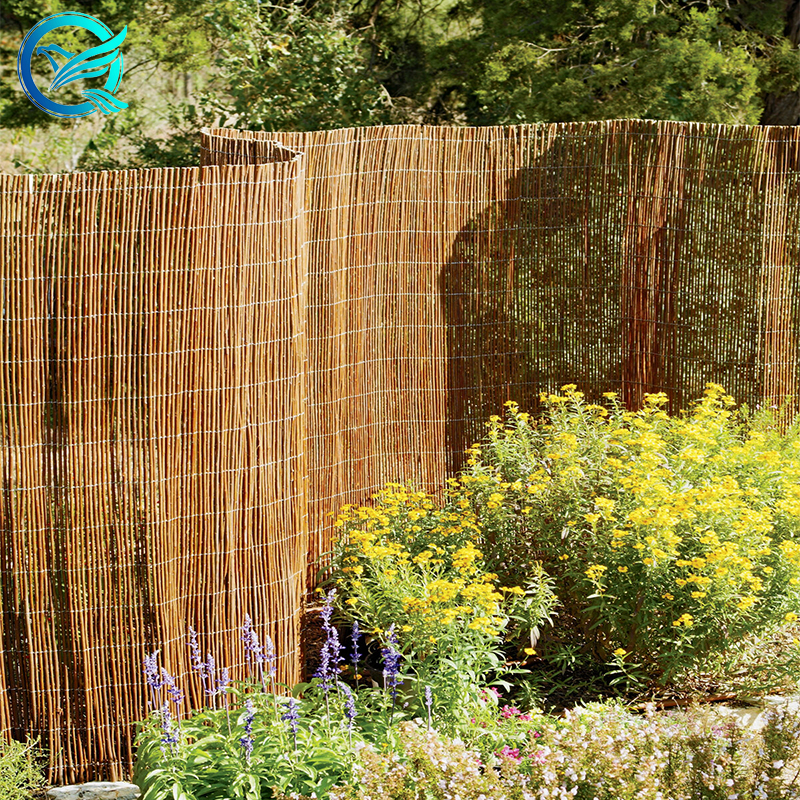
Natural Bamboo Roller Blinds Fence for Door and Pergola Shading
Natural bamboo shading solution for hospitality, outdoor living and pergola projects that require warm, low-carbon aesthetics.
View product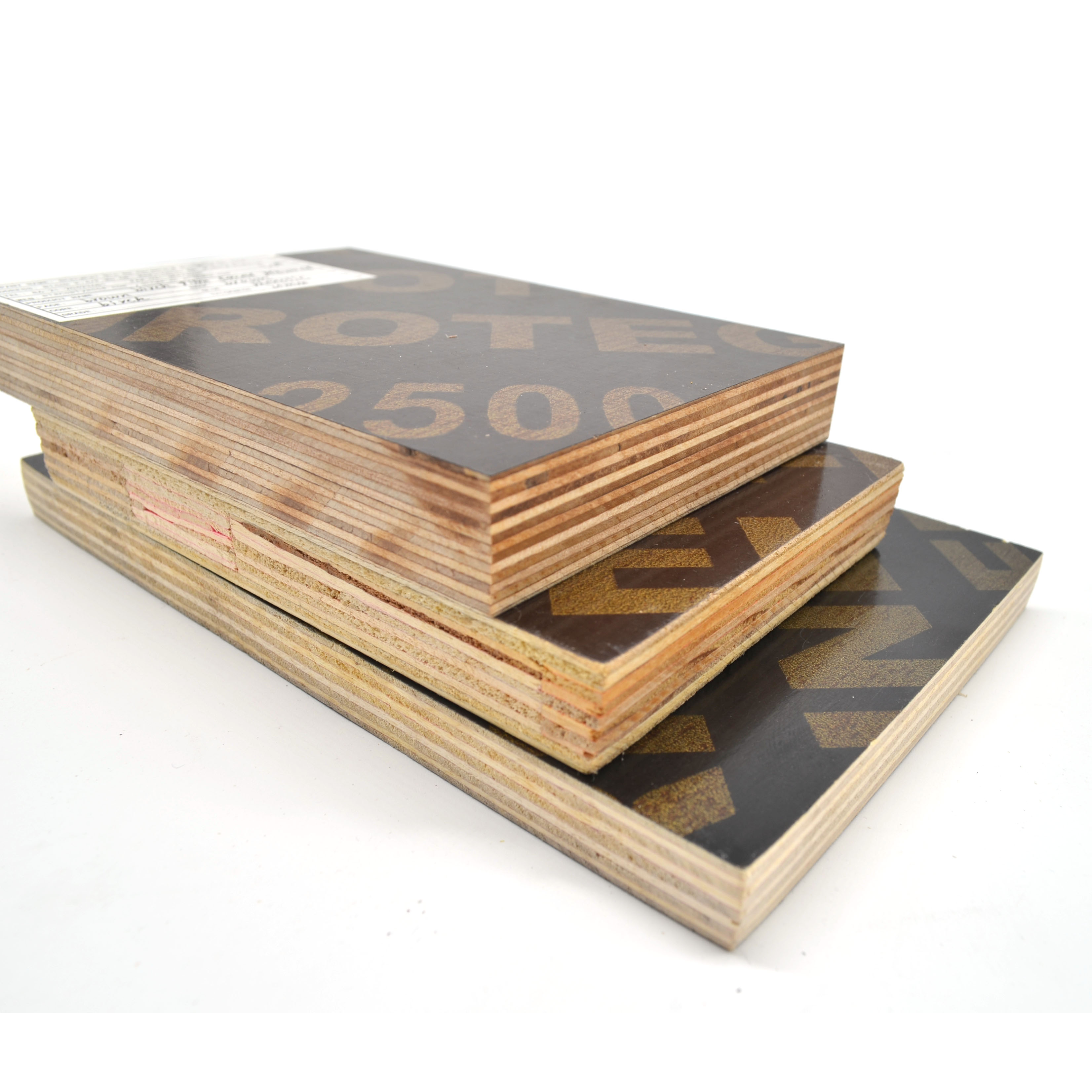
Phenolic Red Film Faced 18mm E0 First-Class Grade Poplar Plywood Strongplex CE Certified Outdoor Use
Phenolic film-faced plywood for wet works, formwork and jigs where concrete release and repeated use are important.
View product
LANTISE 18mm First-Class Basswood Fire Resistant Melamine Film Faced Modern Design E0 Formaldehyde Emission Double-Sided 3-Year
Double-sided melamine-faced basswood board for interior fit-out, furniture panels and specification-driven cabinet work.
View product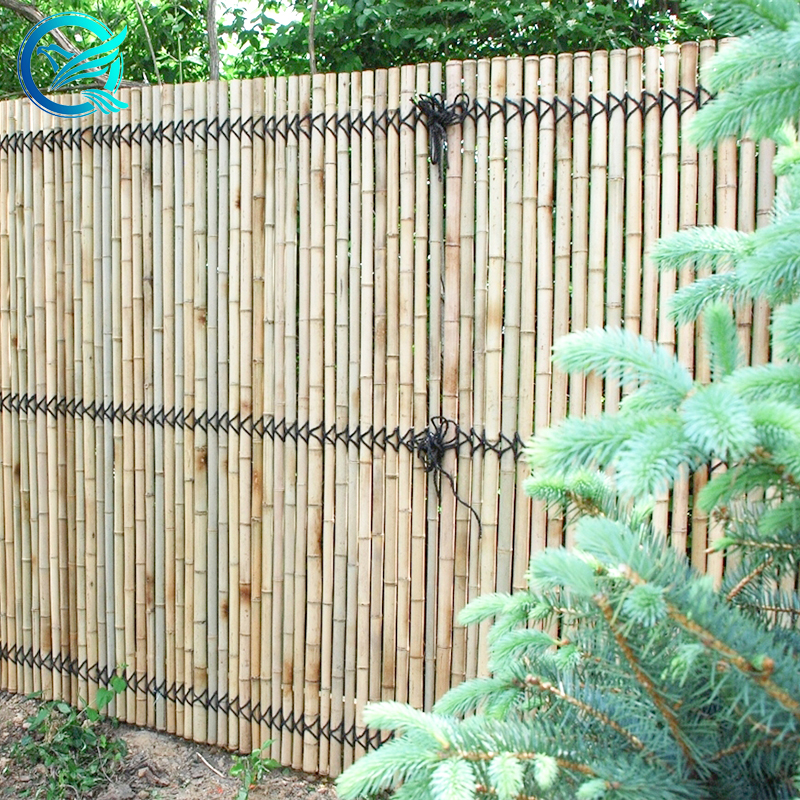
1.12x60meters Privacy Bamboo Curtain and Mat for Garden Fence and Gate
Roll-form bamboo privacy screening for gardens, gates and resort landscaping, supplied for project-based consolidation.
View product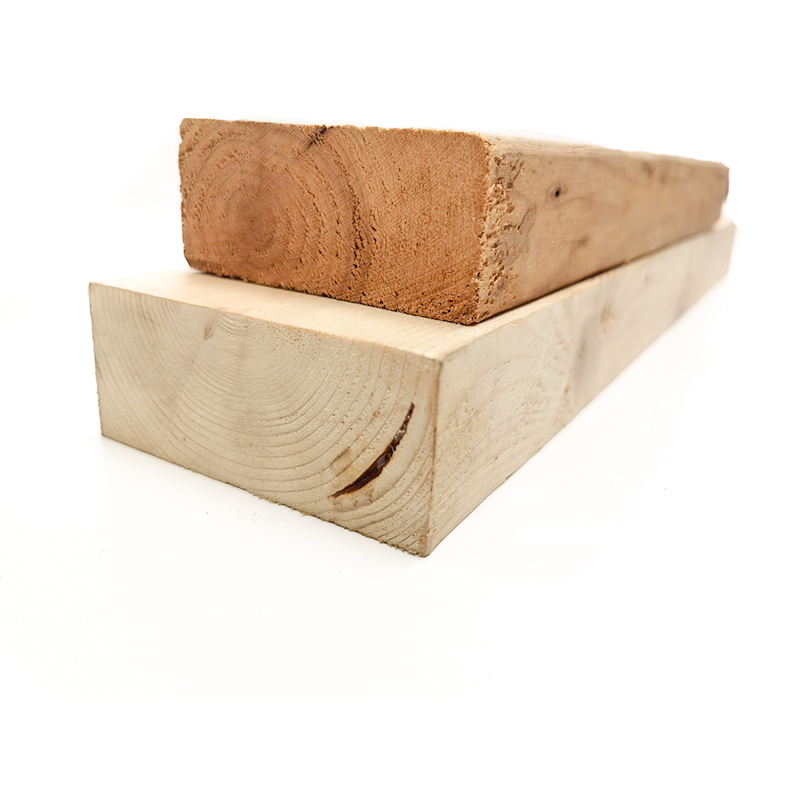
2x6 LVL Board
Laminated veneer lumber board suitable for furniture frames, bed slats, packing and structural applications requiring stable engineered wood.
View product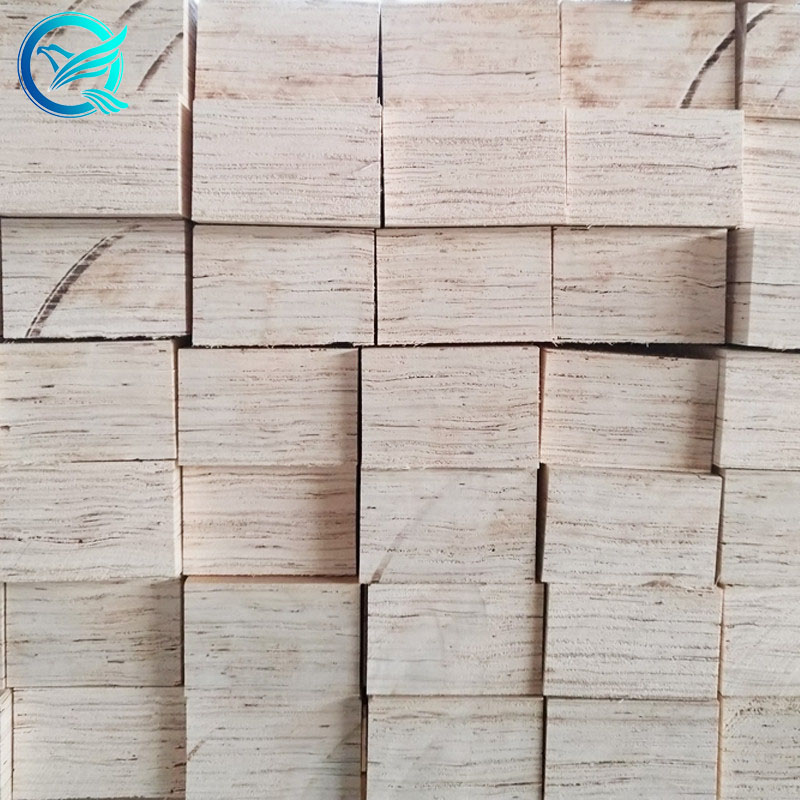
Poplar LVL Beams Laminated Veneer Lumber Board Double-Sided Decorative Surface for Bed Slats Packing Boxes Exterior Use
Poplar LVL beams with decorative surfaces for bed slats, packing boxes and applications needing straight, stable laminated lumber.
View product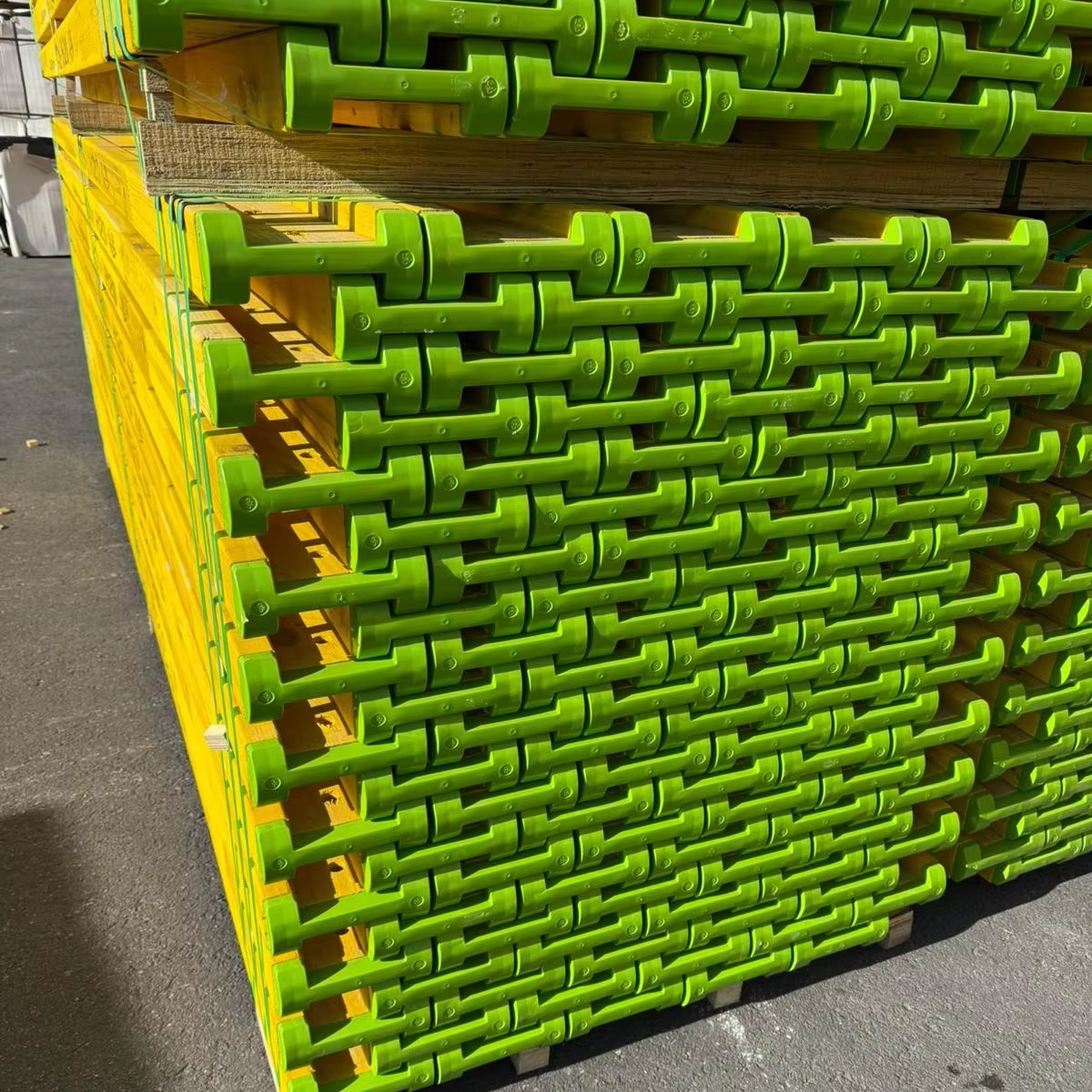
H20 Beam with Plastic Ends Yellow Waterproofing Painting Spruce Flange PINE Plywood Web
Waterproof-painted H20 timber beam with plastic ends for slab formwork, secondary beams and reusable concrete systems.
View productCustom OEM LVL Drawer Sides: The Engineering and Sourcing Context
Custom OEM LVL drawer sides are engineered wood components made from graded veneers that are laid parallel, glued and pressed into a stable laminated block. The block is then cut, sanded, profiled and often edge-sealed to become a drawer-box side, back, bottom support or internal cabinet component. For furniture factories and kitchen-cabinet brands, the appeal is not simply “engineered wood.” It is the combination of repeatable thickness, straightness, machining behaviour and lower waste compared with solid wood.
The buying decision is usually more nuanced than choosing 12 mm, 15 mm or 18 mm. A drawer side that runs on a concealed under-mount system may need a specific groove, notch or rear clearance. A painted drawer front may need a surface that accepts primer without telegraphing face grain. A bathroom vanity may require a moisture-resistant adhesive and sealed edges. These details are where a factory with a defined quality system and export documentation adds more value than a trader quoting only a price per cubic meter.
Prepared by Dorni’s LVL engineering and export team, this guide draws on 18+ years of wood-panel export experience, an affiliated mill with three complete production lines and 6,000 m³/month of panel capacity, plus ISO 9001 management, CE-controlled processes, FSC-certified material availability and an SGS on-site assessment. Use it as a procurement briefing, not a substitute for a pre-production sample.
Factory-ready drawing checklist
01 Dimensions: finished drawer-box size, grain direction and corner detail.
02 Fit-critical features: runner grooves, notches, dowel holes and radius edges.
03 Material route: veneer species, thickness, glue type and emission grade.
04 Surface & edge: sanding grit, primer, edge seal, veneer or HDF face.
05 Packing: bundle count, corner protection, moisture barrier and container layout.
Years Export Experience
Wood-panel export operations since 2008.
Monthly Panel Capacity
Production capacity from the affiliated mill.
Complete Production Lines
Peeling, pressing, calibration and sanding.
Main Loading Ports
Lianyungang and Qingdao for container export.
Product Recommendations: LVL Drawer Side Specifications for Common OEM Uses
The three starting points below help align engineering, purchasing and quality teams before a supplier comparison. Final specifications should always be confirmed against the drawer system, coating process and destination market.
Kitchen & Storage Drawers
Use 15 mm LVL with poplar or pine veneer, a calibrated face, MR or melamine-urea-formaldehyde glue, E1/E0 emission class where required, moisture conditioned to the factory environment, and sealed edges. This is a practical balance of screw holding, weight and machining stability for high-volume cabinet programmes.
Premium Painted or Veneered OEM Drawer Sides
Specify a fine-surface LVL or hybrid LVL/HDF face, tighter sanding control, a primer-friendly surface and CNC-machined grooves. For veneered drawer boxes, discuss face species, grain direction and edge banding before sampling. Private-label packaging and logo printing can be incorporated into the production plan.
Bathroom & High-Humidity Drawers
Use a water-resistant adhesive system such as phenolic WBP where the application or destination climate demands it, with sealed edges and protected screw zones. In damp rooms, design detailing and coating quality are as important as the panel glue, so review the full drawer assembly with a technical supplier.
Future Purchasing Trends for OEM LVL Drawer Sides and Cabinet Components
Procurement teams are moving from price-only comparisons to a landed-cost and risk model. The following six trends are already visible in RFQs received by export suppliers serving cabinet, furniture and building-material channels.
Data-Rich RFQs
Buyers now attach DXF or PDF drawings, target tolerance, annual volume, destination port and packaging photos. Suppliers that respond with a process route, sample plan and loading layout shorten the approval cycle.
Mixed-Product Containers
A drawer-side programme often travels with plywood, H20 beams or other panel products. Consolidating SKUs with one export partner can reduce container gaps, inspection duplication and supplier-audit load.
Supplier Consolidation
Brands prefer fewer approved suppliers. A mill-backed export partner that covers LVL, plywood and bamboo can simplify vendor onboarding, documentation and corrective-action tracking.
Traceability & Legal Wood
FSC chain-of-custody requests, species declarations and shipment-level packing records are increasingly part of the RFQ. Confirm which SKUs have FSC-certified material available before promising a project.
Low-Emission Compliance
E1 and E0 grades, CARB documentation for eligible panels and CE requirements for construction products influence material choices. The correct grade depends on product use and market.
Total Landed Cost
Freight, damage rate, moisture pickup in transit, rework at the assembly line and cash tied up in safety stock can outweigh a lower FOB quote. Ask for packaging and container-loading details.
Product Development Trends: Smarter LVL Drawer Sides for Automated Cabinet Lines
Drawer-side specifications are evolving in line with automated assembly, stricter indoor-air requirements and the need for fewer production surprises after the container arrives.
Tighter Thickness & Flatness
Automated drawer lines penalise variation. Buyers increasingly request calibrated thickness, controlled bow and flatness checks across the bundle, not only a nominal panel thickness.
CNC-Ready & Pre-Machined Parts
Grooves, dowel holes, radius edges and pre-cut notches reduce downstream labour. The best results come from agreeing jig references and measurement points before sampling.
Low-Formaldehyde & Moisture-Resistant Glues
E1/E0 grades are becoming standard in many interior programmes, while phenolic or WBP systems remain relevant for humid service conditions. Glue choice should be matched to use, not guessed from a price list.
Sealed Edges & Engineered Coatings
Edge sealing protects the veneer structure from moisture pickup and handling damage. Water-based coatings, UV-cured finishes and primer-compatible faces are increasingly discussed at RFQ stage.
Hybrid LVL / HDF Surfaces
For premium painted drawer boxes, a hybrid face can combine the structural stability of LVL with a smoother surface for coating or veneering. Surface route must be validated with a physical sample.
Digital Documentation & Carbon-Conscious Packing
Specification sheets, packing records, certification references and container-loading photos are becoming part of supplier scorecards, especially for buyers reporting sustainability progress internally.
Material Comparison: Where LVL Fits Against Solid Wood, MDF and Particleboard
LVL is not the right answer for every drawer. It is strongest where dimensional consistency, screw holding, resistance to bowing and predictable machining matter. The comparative score below is a discussion tool, not a certified benchmark; final performance depends on veneer species, density, glue, coating and drawer design.
| Material | Bowing resistance | Thickness consistency | Screw holding | Machined edge |
|---|---|---|---|---|
| LVL drawer sides | 92 | 95 | 90 | 91 |
| Solid wood | 65 | 70 | 86 | 83 |
| MDF | 75 | 84 | 72 | 85 |
| Particleboard | 68 | 80 | 66 | 70 |
Selection note
Choose MDF when the primary requirement is a flawless painted surface. Choose LVL when the drawer side must combine stability, machining and assembly efficiency. Choose phenolic plywood or sealed LVL where wet site conditions are expected.
RFQ Checklist: What to Send a Custom LVL Drawer Side Factory
A precise RFQ shortens sampling and reduces rework. Use this checklist as a template when contacting a factory or supplier.
| RFQ detail | Why it matters | What to include |
|---|---|---|
| Finished dimensions and volume | Drives material yield, packing and container planning. | Length × width × thickness, annual volume, trial-order quantity and expected repeat frequency. |
| Thickness and tolerance | Affects runner fit, groove depth and assembly-line rejects. | Nominal thickness, target tolerance, measurement points and any flatness/bow limit. |
| Adhesive and emission class | Balances moisture performance, compliance and cost. | MR, melamine, phenolic WBP, E1/E0 or destination-market requirement; state the actual service environment. |
| Face, edge and coating | Controls paint adhesion, veneer appearance and moisture ingress. | Sanding grit, primer, edge-seal colour, veneer species or HDF face, coating system and sample reference. |
| Drawer hardware and machining | Prevents fit issues after the container arrives. | Runner brand or drawing, groove positions, notches, dowel holes, radius edges and packing orientation. |
| Moisture and packaging | Reduces swelling, staining and transport damage. | Target moisture content, bundle weight, corner protection, moisture barrier and container-loading preference. |
| Destination port and Incoterm | Enables an accurate landed-cost comparison. | Port of discharge, FOB/CFR/CIF/EXW/FAS/CIP preference and required shipping documents. |
Enterprise Advantages: A Factory-Backed Supply Partner for Custom OEM Drawer Sides
Dorni’s advantage is not a claim that every SKU is identical. It is the ability to connect panel production, export documentation and customer-specific finishing in one communication line. Our team supports sample-based, design-based and full customization, including logo printing, packaging and grading to BSI, IHPA, JPIS or GB requirements.
Mill-Backed Capability
Shanghai Dorni International Trading Co., Ltd. is supported by an affiliated mill in Dangshan County, Anhui Province, with three complete production lines and 6,000 m³/month of panel capacity. The export team sits in Shanghai and coordinates specification, sampling and shipment.
Quality Systems & Certifications
The mill is managed under ISO 9001, production is controlled to CE requirements and FSC-certified material is available on request. The company has also been assessed on-site by SGS Group. Product-specific documents depend on the SKU and destination market.
Inspection Before Loading
Raw materials are inspected on site and finished goods are checked before every loading. For custom drawer sides, the agreed drawing, sample and packing standard become the reference for pre-shipment inspection.
OEM / ODM Customization
Sample-based, design-based and full customization are available, including thickness, glue, grade, surface, edge-seal colour, logo printing, private-label packaging and grading to BSI, IHPA, JPIS or GB requirements.
Export Logistics
Goods are typically loaded at Lianyungang or Qingdao port. We accept FOB, CFR, CIF, EXW, FAS and CIP terms and can discuss T/T, L/C and other payment routes according to the order structure.
Market Experience
Export markets include North America, Western and Eastern Europe, South America, the Middle East, North Africa, Japan, South Korea and Southeast Asia. Experienced documentation and communication reduce friction from quotation to container release.
FAQ for Custom OEM LVL Drawer Side Buyers
Questions importers, cabinet OEMs and distributors commonly ask before evaluating a factory quotation.
What are custom OEM LVL drawer sides, and where are they used?
They are veneer-based laminated components cut and machined to a drawer-box drawing. Common uses include kitchen cabinets, bathroom vanities, office storage, bed drawers and furniture systems. OEM specification can include size, thickness, glue, surface, edge seal, grooves, hardware clearances and packaging.
What is the minimum order quantity for custom LVL drawer sides?
MOQ is specification-dependent. Standard panel products in our range may start from container-based volumes such as 50 m³ for some plywood grades, while custom drawer sides require a review of thickness, machining, surface and packaging. Send annual volume and trial-order quantity; mixed-product containers can be discussed for first projects.
Can you produce from my drawing or physical sample?
Yes. We support sample-based, design-based and full customization. Provide a dimensioned drawing, photos of the drawer runner or hardware, groove details, target tolerance and a reference coating. A pre-production sample can confirm fit, surface and packing before mass production.
Which certifications and quality records can you provide?
The mill is managed under ISO 9001, production is controlled to CE requirements, FSC-certified material is available on request and the company has been assessed on-site by SGS Group. Product-specific certificates, test reports and declarations depend on the SKU and destination; confirm the required document list at RFQ stage.
Which glue or emission grade should I choose for drawer sides?
MR or melamine systems are common for dry interior applications. Phenolic WBP may be appropriate where high moisture resistance is required. E1 and E0 grades are specified where lower formaldehyde emission is needed. The final choice should match your market regulation, coating process and expected service conditions.
Which ports and Incoterms do you use, and how is quality checked?
Goods are usually loaded at Lianyungang or Qingdao port. We accept FOB, CFR, CIF, EXW, FAS and CIP. For first orders, request pre-shipment inspection photos, packing details and third-party inspection arrangements. The approved sample and drawing should be the reference for final inspection.
Send Your Drawing, Target Volume and Destination Port
Email your LVL drawer-side specification to info@dorniplywoods.com, or use the inquiry button to start a technical review. Include thickness, glue, surface, edge treatment, machining, annual volume and destination port. Our export team will reply with a specification proposal and next steps for sampling.
What happens next
01 — Drawing and application review by the export team.
02 — Material, glue, surface and edge-seal recommendation.
03 — Sample plan, packing proposal and container estimate.
04 — Pre-shipment inspection and loading coordination.