Eight Buy-Ready Wood and Bamboo Products for Importers
Compare applications, surfaces and construction options before requesting a specification-matched quotation. Product images are shown in full, without forced cropping.
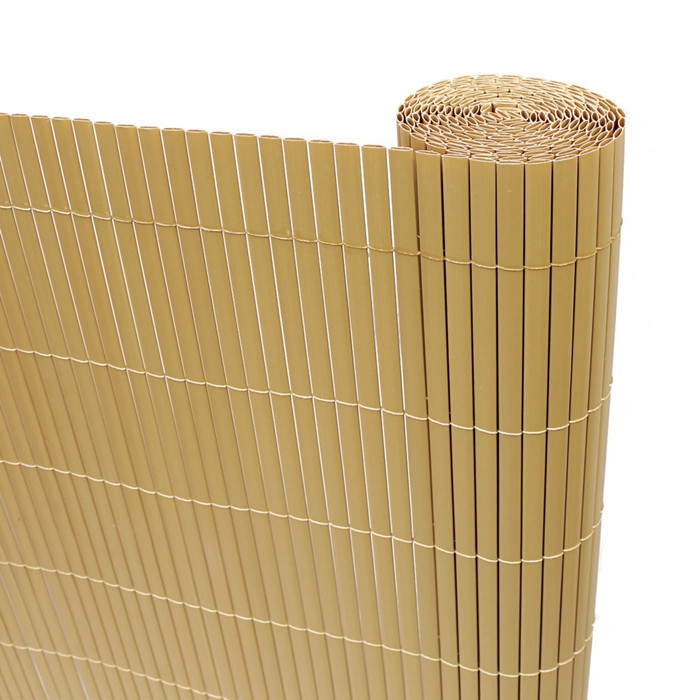
Nature Wood Frame Bamboo Fence Length 1m-12m High Straightness Rot Proof & Eco-Friendly for Livestock Farm
A long-length, rot-proof bamboo fence with a natural wood frame for livestock farms, poultry runs and rural boundary projects.
View product
LANTISE 18mm First-Class Basswood Fire Resistant Melamine Film Faced Modern Design E0 Formaldehyde Emission Double-Sided 3-Year
A double-sided melamine basswood board with E0 emission and fire-resistant properties for specification-led interior fit-out.
View product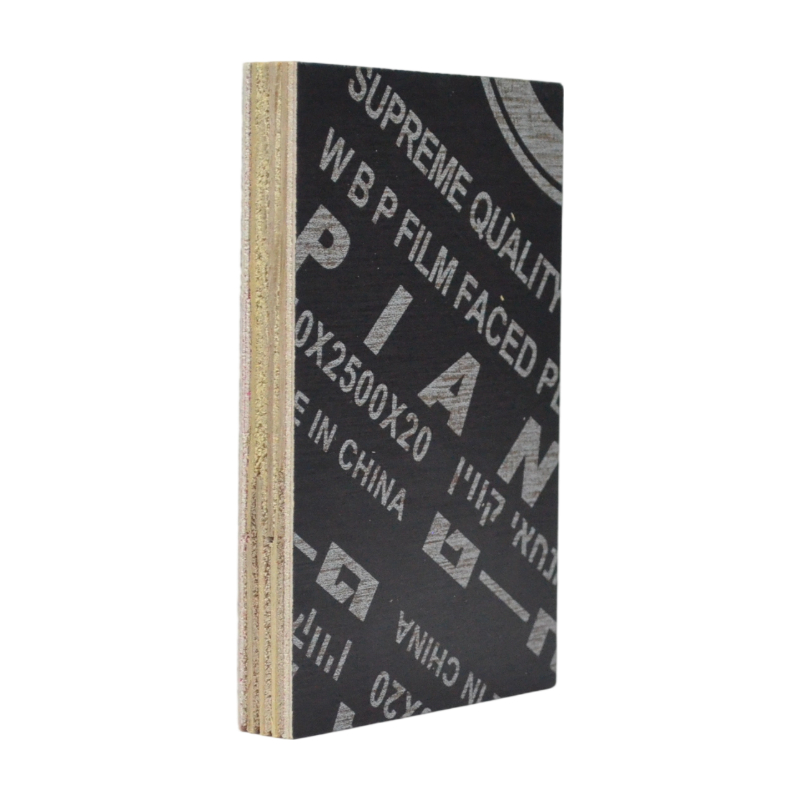
Birch Film Faced Plywood Standard Size High Quality Formwork for Construction Factory Merchants Reusable 1220x2440x18mm Kitchen
An 18 mm birch film-faced panel for clean concrete finishes, reusable formwork and merchant stock programmes.
View product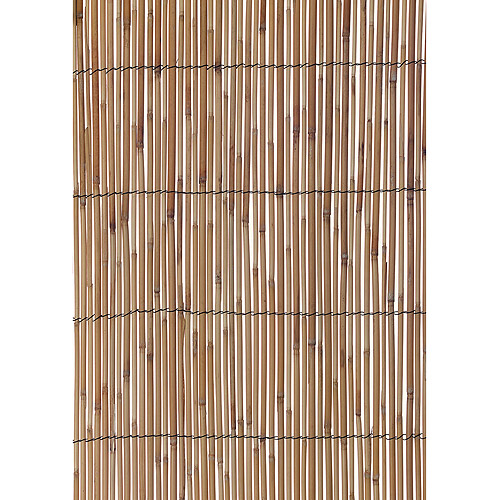
14-16mm High Quality Modern Bamboo Fence with Wood Frame-Eco-Friendly Waterproof Rot & Rodent Proof
A modern 14–16 mm bamboo fence with wood frame for privacy, hospitality landscaping and weather-exposed screening.
View product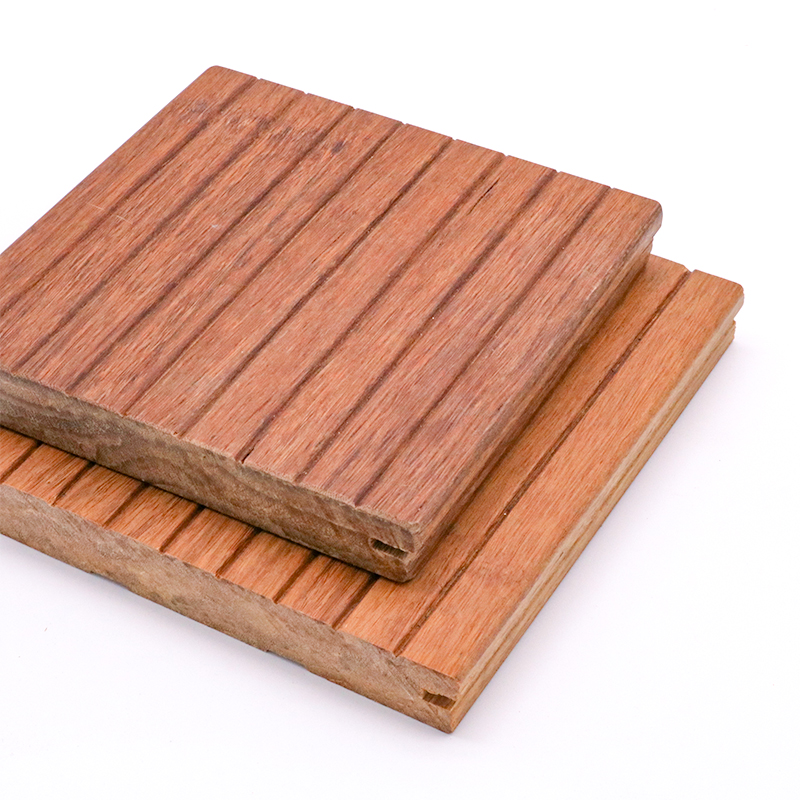
20mm Good Price White Engineered Stranded Bamboo Deck Float Exterior Wall Paneling Flooring UV/Waterproof Coating 5-Year
A 20 mm white stranded bamboo deck and exterior wall panel with UV/waterproof coating for contract outdoor spaces.
View product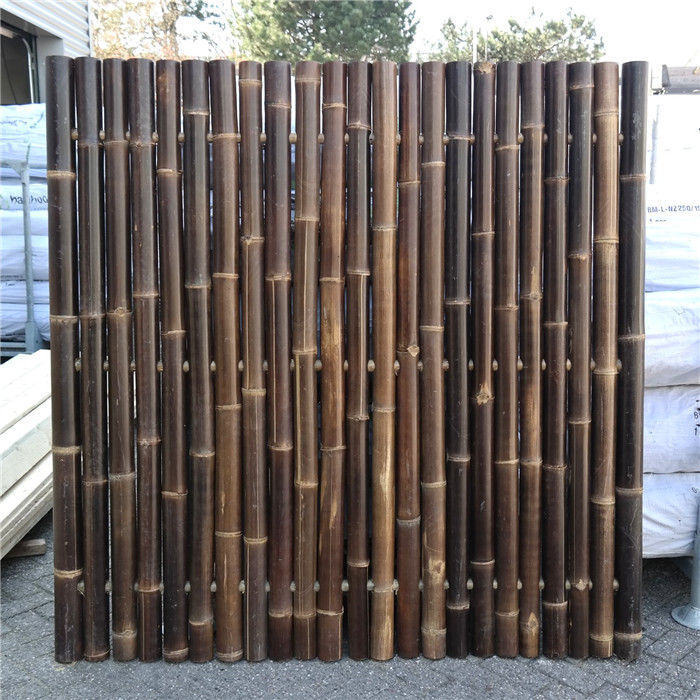
High 2m Bamboo Fence Screening
A high 2 m bamboo fence screening option for terraces, garden rooms and commercial landscaping with quick visual privacy.
View product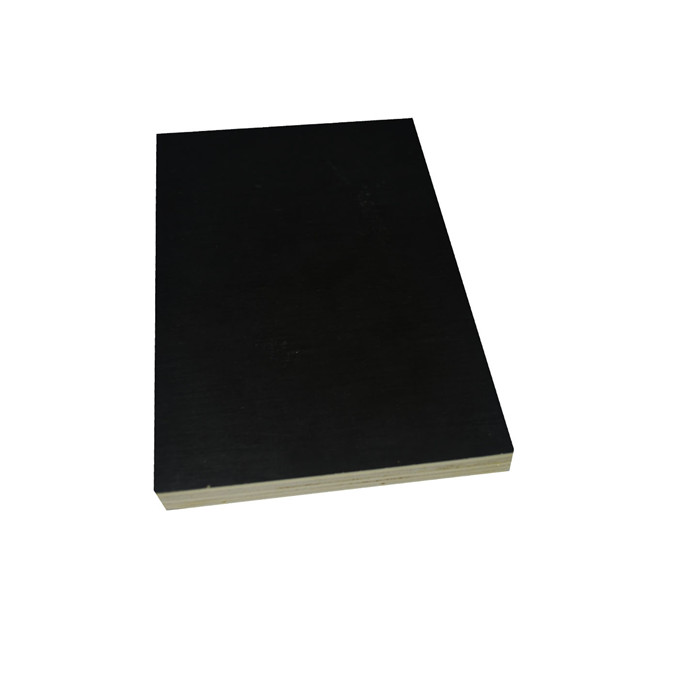
21mm Poplar Chinese Construction Siganal Film Faced Plywood for Formwork
A 21 mm poplar-core film-faced plywood with a construction signal face for concrete slab, wall and column formwork.
View product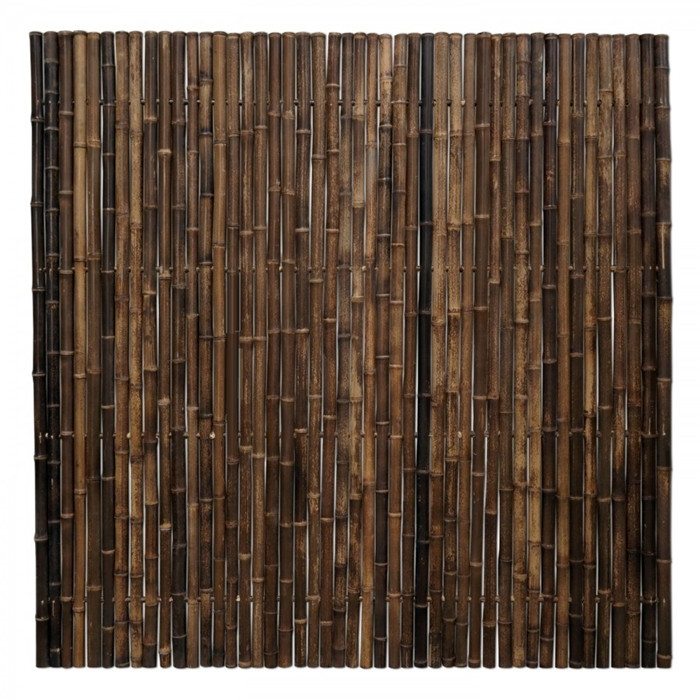
High 2m Bamboo Fence for Garden Bamboo Fence for Yard
A high 2 m bamboo fence for residential boundaries, resort landscaping and retail display build-outs.
View productYears in Wood Export
Founded in 2008 and exporting panels ever since.
Monthly Plywood Capacity
Output from the affiliated mill production base.
Complete Production Flow
Peeling, pressing, calibrating and sanding in-house.
Thickness Range
MR, E2, E1, E0, melamine and WBP glue options.
Why Buying from China Wholesale Softwood Plywood Factories Is a Trust Decision
Softwood plywood is a specification product before it is a commodity. Two panels with the same nominal thickness can perform very differently once glue line, core gaps, veneer grade, moisture content and edge protection are tested by a real project.
Look Beyond the Nominal Price
Pine, spruce-fir and mixed softwood cores are valued for strength-to-weight ratio, nailing performance and predictable supply. However, the lowest quote is rarely the lowest landed cost. Veneer quality, phenolic or melamine glue, thickness tolerance, panel flatness and moisture protection all influence how many times a panel can be handled, cut and reused. A professional China wholesale softwood plywood wholesaler should make the production system visible, not just publish a price band.
Apply an E-E-A-T Lens to Suppliers
Experience, expertise, authority and reliability are not abstract SEO terms. In sourcing they become factory identity, species and glue declarations, certification records, pre-shipment inspection evidence and a clear after-sales process. A supplier that can separate concrete formwork from furniture, landscaping or packaging use cases reduces the risk of a mismatched order. Ask for a specification sheet, an emission declaration, a reference sample and loading photos before the container leaves.
Mill Identity
Confirm who peels the veneer, presses the panel and calibrates the board. A trading office without a verifiable mill relationship is harder to audit.
Construction Data
Record core species, veneer lay-up, glue type, thickness tolerance, face grade, edge sealing and target moisture range in the purchase order.
Compliance File
Keep ISO 9001, CE, FSC availability, EN 314-2 bond references and third-party inspection reports attached to the supplier record.
Loading Evidence
Require photos of bundle labels, edge protection, moisture barriers, container loading and final count before shipment approval.
Match the Panel to the Job, Not Only to the Quote
Use application-led buying to reduce rejections, rework and specification disputes. These recommendation modules translate common construction and landscaping needs into practical sourcing questions.
Concrete Formwork
Choose 18 mm or 21 mm film-faced plywood with phenolic WBP for repeated pours, or melamine where lower reuse cycles and cost control matter. Check face film, edge paint, thickness tolerance and release-agent compatibility.
- Ask for reuse expectations
- Confirm edge sealing
- Compare cost per verified cycle
Structural and Utility Use
For sheathing, sub-floors and utility applications, define softwood core, exterior glue, thickness range and surface condition. A clear grade description prevents a cosmetic panel from being ordered where structural consistency is required.
- Specify moisture exposure
- State load and fixing method
- Review panel certification
Interior Specification
For interior fit-out and furniture components, prioritize E0/E1 emission, face consistency and machining quality. Birch film-faced panels and LANTISE basswood boards suit buyers who need a documented decorative or fire-resistant surface.
- Confirm emission grade
- Check face and back
- Request sample consistency
Outdoor Living
Bamboo decking and fence screening can be consolidated with wood panel orders for hotels, resorts, farms and residential projects. Discuss UV coating, fixing method, drainage and colour consistency before confirming the container mix.
- Review exposure conditions
- Plan mixed loading
- Confirm installation accessories
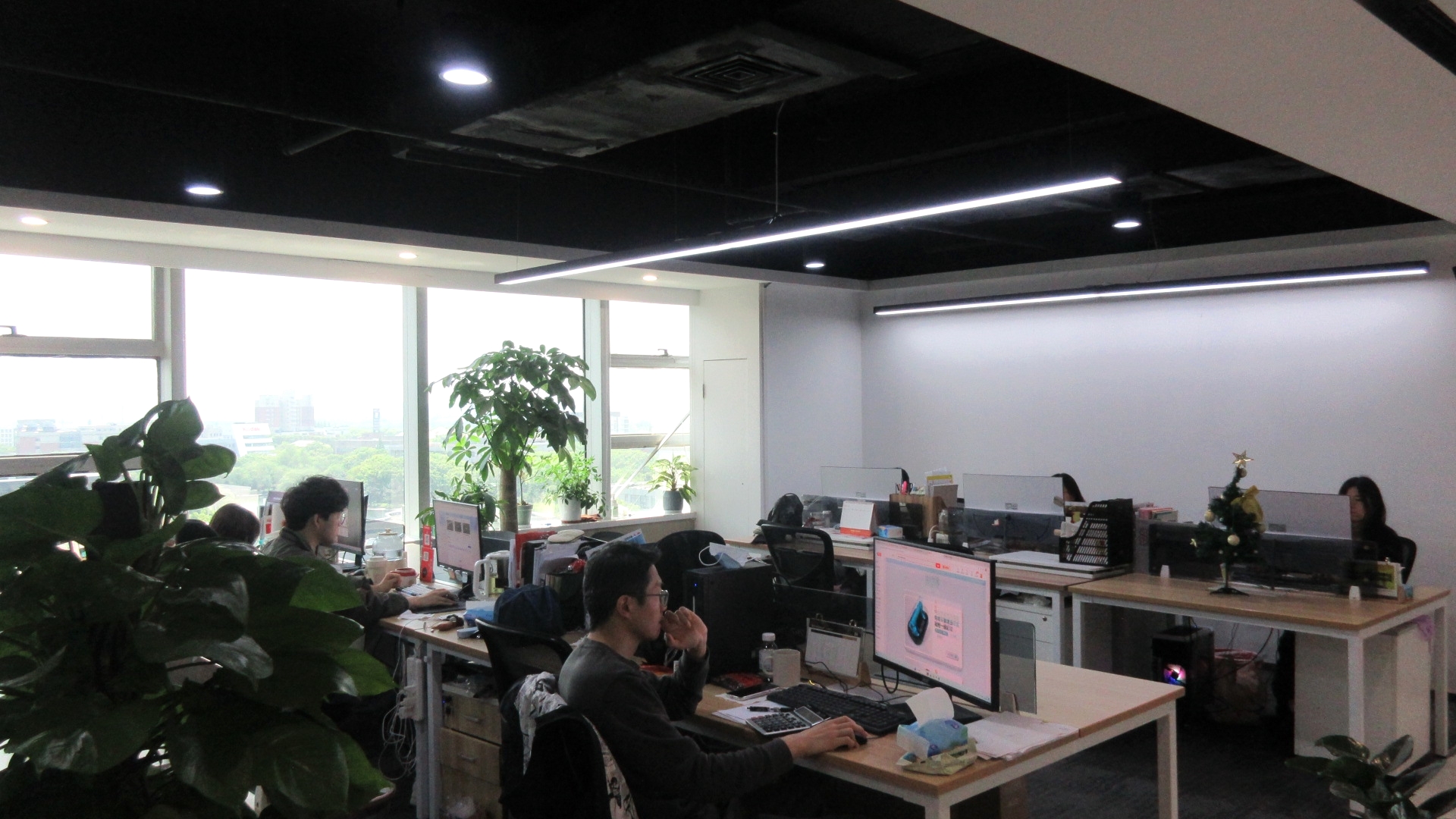
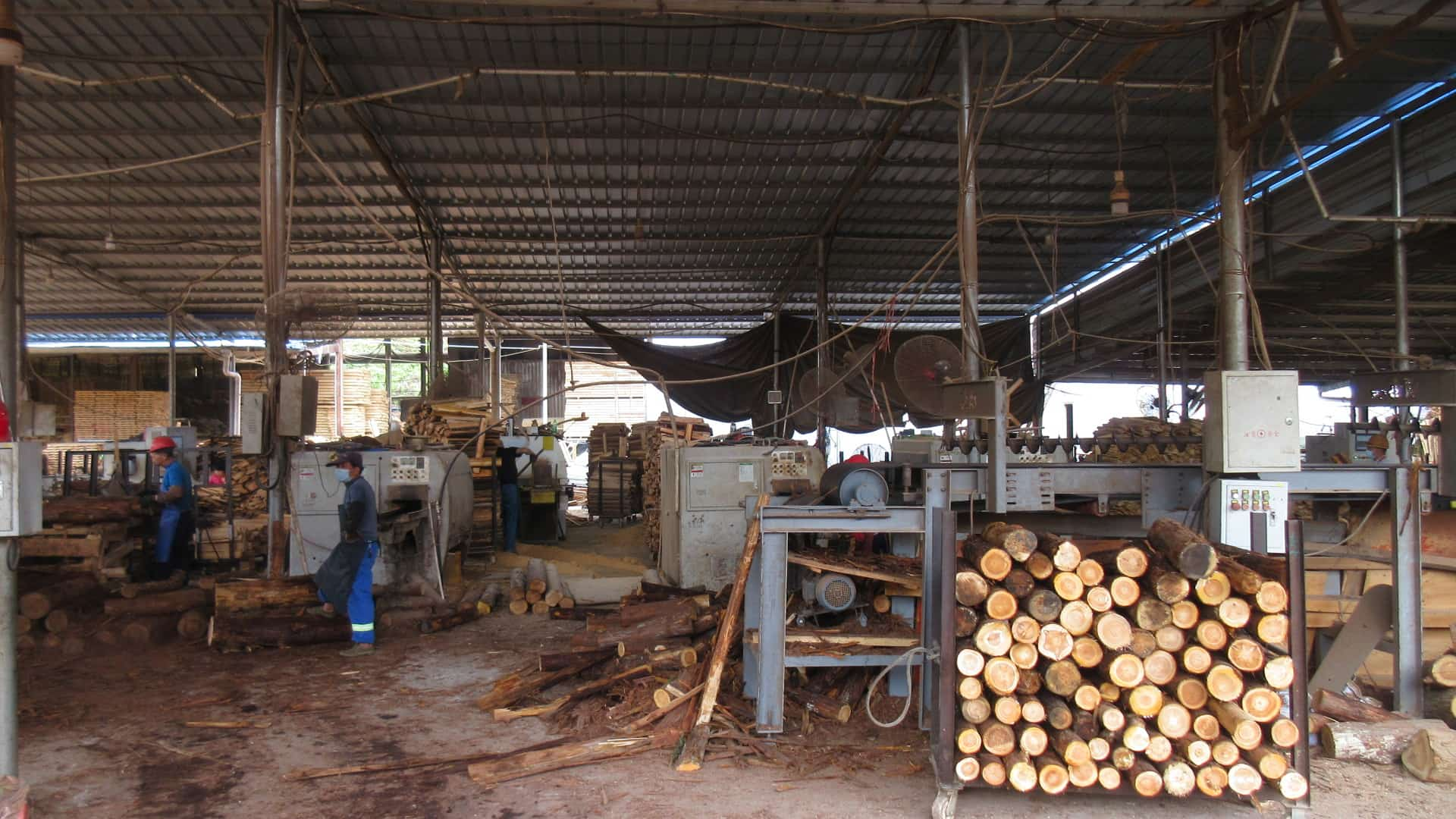
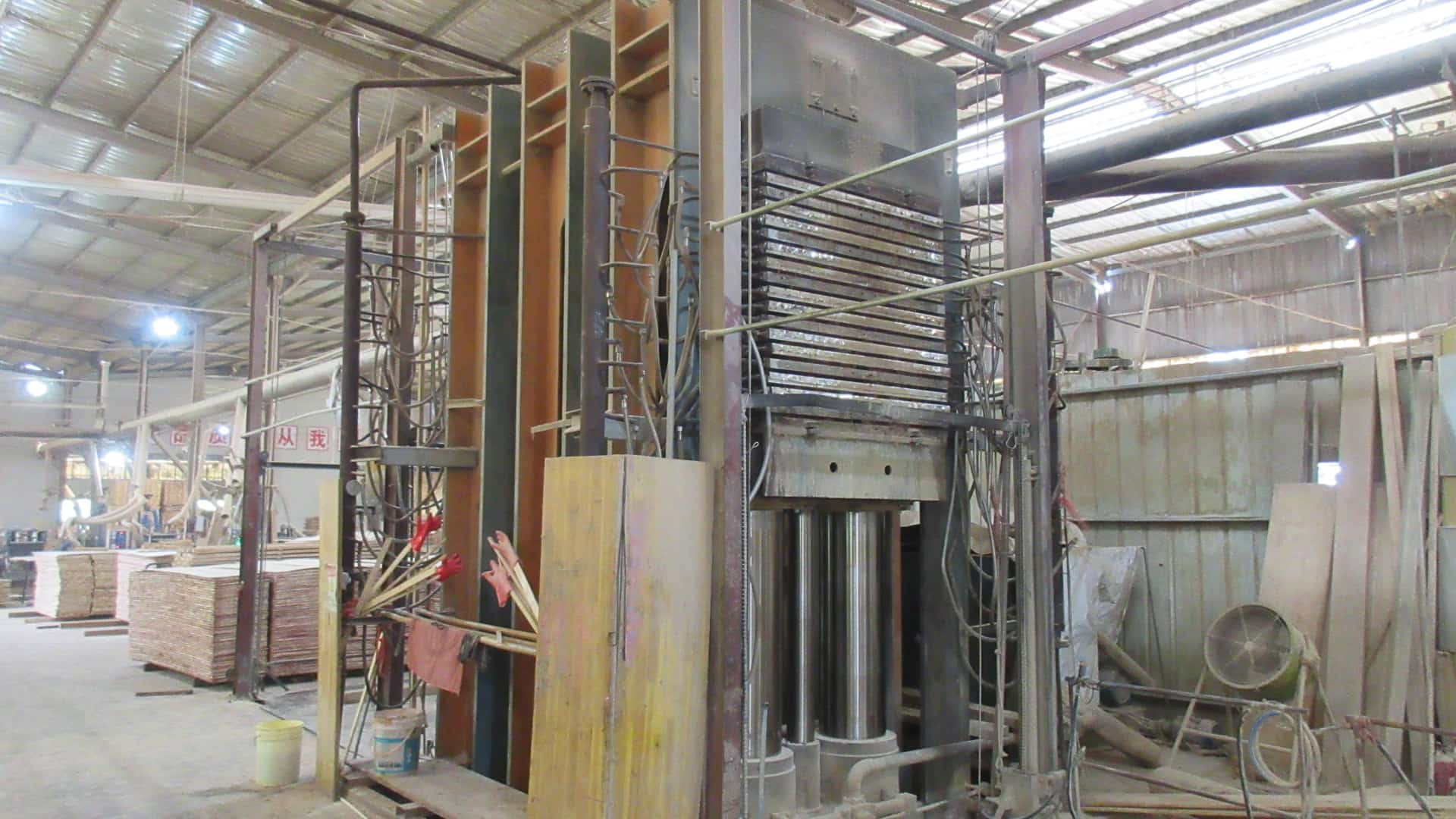
A Shanghai Export Team Backed by Its Own Plywood Mill
Shanghai Dorni International Trading Co., Ltd. exports plywood and building materials from Shanghai, supported by an affiliated mill in Dangshan County, Anhui Province. The mill runs three complete lines covering peeler compositors, press dryers, oil boilers, double-side calibrators, three-head sanders and container loading platforms.
Production is managed to ISO 9001 and controlled to CE requirements, with CE No. 1301-CPD-0569. FSC-certified material is available on request, and the company has been assessed on-site by SGS Group. A dedicated QC team inspects raw materials and checks finished goods before loading.
- Founded in 2008
- 6,000 m³ monthly capacity
- Three production lines
- ISO 9001 management
- CE-controlled production
- FSC material available
- SGS on-site assessment
- ODM and private label
- Raw-material inspection
- Finished-goods inspection
Mill-Backed Capacity
An affiliated mill with three complete production lines and 6,000 m³ monthly output supports repeat orders, mixed specifications and faster production planning.
Certified Quality System
ISO 9001 management, CE-controlled production, FSC availability and SGS assessment give procurement teams a documented starting point for supplier approval.
QC Before Loading
Raw materials are inspected on-site and finished goods are checked before shipment. Buyers can request pre-shipment photos and third-party inspection.
Custom Specifications
Sample-based, design-based and full customization are available, including logo printing, edge-sealing colour, packaging and grading to BSI, IHPA, JPIS or GB standards.
Export Logistics
Typical loading ports are Lianyungang and Qingdao. FOB, CFR, CIF, EXW, FAS and CIP terms are accepted, with T/T, L/C, D/P and D/A payment options.
Global Market Experience
Products serve North America, Western and Eastern Europe, South America, the Middle East, North Africa, Japan, South Korea and Southeast Asia.
China Softwood Plywood Factories: Procurement and Product Trends to Plan For
Buyers are moving from one-off price comparison toward verified supply programmes. The most resilient purchasing plans combine documentation, application fit, mixed-container flexibility and a measurable reuse strategy.
Total Cost per Verified Cycle
Formwork buyers increasingly compare landed cost with reject rate, handling damage, release-agent use and reuse count. A slightly higher panel with stable thickness and sealed edges can outperform a low-cost board over several pours.
Documentation-First Sourcing
Procurement teams want a clean file: supplier identity, certification, product specification, sample approval, inspection record and loading photos. This reduces dependence on informal chat messages and makes repeat orders easier.
Mixed-Container Agility
Importers increasingly combine film-faced plywood, specialty boards, bamboo decking and fence screening in one container. Supplier consolidation reduces freight administration and helps distributors test adjacent categories.
Digital Evidence and Inspection
Pre-shipment images, bundle labels and third-party inspection are becoming normal expectations. A wholesaler that can produce these records consistently is easier to integrate into professional purchasing workflows.
High-Performance Surfaces
Film-faced plywood continues to improve through denser overlays, anti-slip textures, edge sealing and colour-coded construction faces. These features help contractors protect concrete quality and reduce site confusion.
Lower Emission Grades
E0 and E1 expectations are spreading beyond furniture into specification-heavy interior projects. Buyers should ask for grade clarity and test references rather than relying on generic “eco-friendly” claims.
Engineered and Hybrid Cores
Finger-jointed cores, poplar-combi structures, LVL and engineered bamboo are widening the specification menu. The opportunity is to match each core to the correct application rather than forcing one product into every job.
Outdoor-Ready Bamboo
Stranded bamboo decking and framed bamboo fencing are gaining traction as weather-ready complements to panel sourcing. UV coating, dimensional stability and installation detailing are key buying checks.
Specification Checklist for Softwood Plywood and Complementary Products
Use this table as a pre-quotation brief. A clear specification reduces sampling time and helps the factory quote the correct product instead of a generic panel.
| Application | Typical Product Direction | Core / Face | Glue or Grade | Buyer Checkpoint |
|---|---|---|---|---|
| Concrete formwork | Film-faced softwood or poplar plywood | Pine, spruce-fir, poplar, combi or birch; black/brown film | Phenolic WBP for higher reuse; melamine for cost control | Reuse target, thickness tolerance, edge paint and release-agent test |
| 3-ply shuttering systems | Yellow-coated shuttering panels | Spruce, fir, pine or poplar | Phenolic bond; 21 mm or 27 mm | Panel tolerance, coating wear and compatibility with formwork hardware |
| Interior fit-out | E0 melamine basswood or birch board | Basswood, birch; decorative face | E0/E1; fire-resistant or melamine surface | Emission declaration, face consistency and machining acceptance |
| Structural sheathing | Softwood plywood / CDX-type underlayment | Pine, poplar or mixed softwood; utility face | Exterior or WBP glue | Load assumptions, fastener pull-through and moisture exposure during build |
| Outdoor decking | Stranded bamboo decking | Carbonized white or brown bamboo; UV coating | Exterior-grade coating and substrate | Drainage, fixing clips, colour variation and maintenance plan |
| Garden and farm fencing | Wood-frame bamboo fence | Straightness, thickness, frame and rot protection | Weather-resistant treatment | Wind exposure, post spacing, bundle protection and replacement-part supply |
| Private-label distribution | Customized plywood and bamboo programmes | Specification-based core, film and packaging | Logo printing, edge colour, grading standard | Sample approval, packaging artwork, MOQ and production lead-time |
Questions Importers Ask Before Ordering
Practical answers for distributors, contractors and project buyers comparing China wholesale softwood plywood factories.
What should I verify when comparing China wholesale softwood plywood factories?
Verify mill ownership or mill relationship, core species, glue line, thickness tolerance, face grade, moisture content target, certification records and pre-shipment inspection process. Ask for a specification sheet and a sample that represents the production batch, not only a showroom panel.
What is the minimum order quantity?
Standard film-faced and construction plywood commonly starts from about 50 m³, roughly two 40HQ containers. 3-ply shuttering panels may start from lower volumes depending on specification, while bamboo decking can start from 100 m² and fencing from project-specific quantities. Mixed-product containers can be discussed for trial orders.
Which glue and emission grades are available?
MR, melamine, phenolic WBP, E2, E1 and E0 grades are available. Phenolic WBP is typically recommended for formwork that will be reused outdoors across multiple pours. Melamine is a cost-effective option for projects with fewer reuse cycles or controlled site conditions.
What thicknesses and sheet sizes can be produced?
Plywood thickness generally ranges from 2.2 mm to 30 mm. Common sizes include 1220×2440 mm, 1250×2500 mm, 1500×3000 mm and 915×1830 mm. 3-ply panels are commonly 500×2000/3000 mm in 21 mm or 27 mm. Custom sizes can be reviewed against volume and production scheduling.
Which certifications and quality records support the order?
The mill is managed under ISO 9001, production is controlled to CE requirements and FSC-certified material is available. The company has also been assessed on-site by SGS Group. Grading can be aligned to BSI, IHPA, JPIS, GB or customer specifications, with inspection records and loading photos available for approved orders.
Can you customise specifications, packaging or private-label products?
Yes. Sample-based, design-based and full customization are available, including logo printing on film, edge-sealing colour, bundle packaging, mixed-container planning and grading to an agreed standard. Share your target market, application and compliance requirements so the quotation can be built around the correct product rather than a generic panel.
Send Your Specification — Get a Documented Quotation
Share core type, glue, emission grade, thickness, sheet size, surface finish, packaging requirement and destination port. Our export team will prepare a technical proposal with the appropriate product direction and loading plan.